Door 01 / 04 · The steppe
AD 1206
The great khan
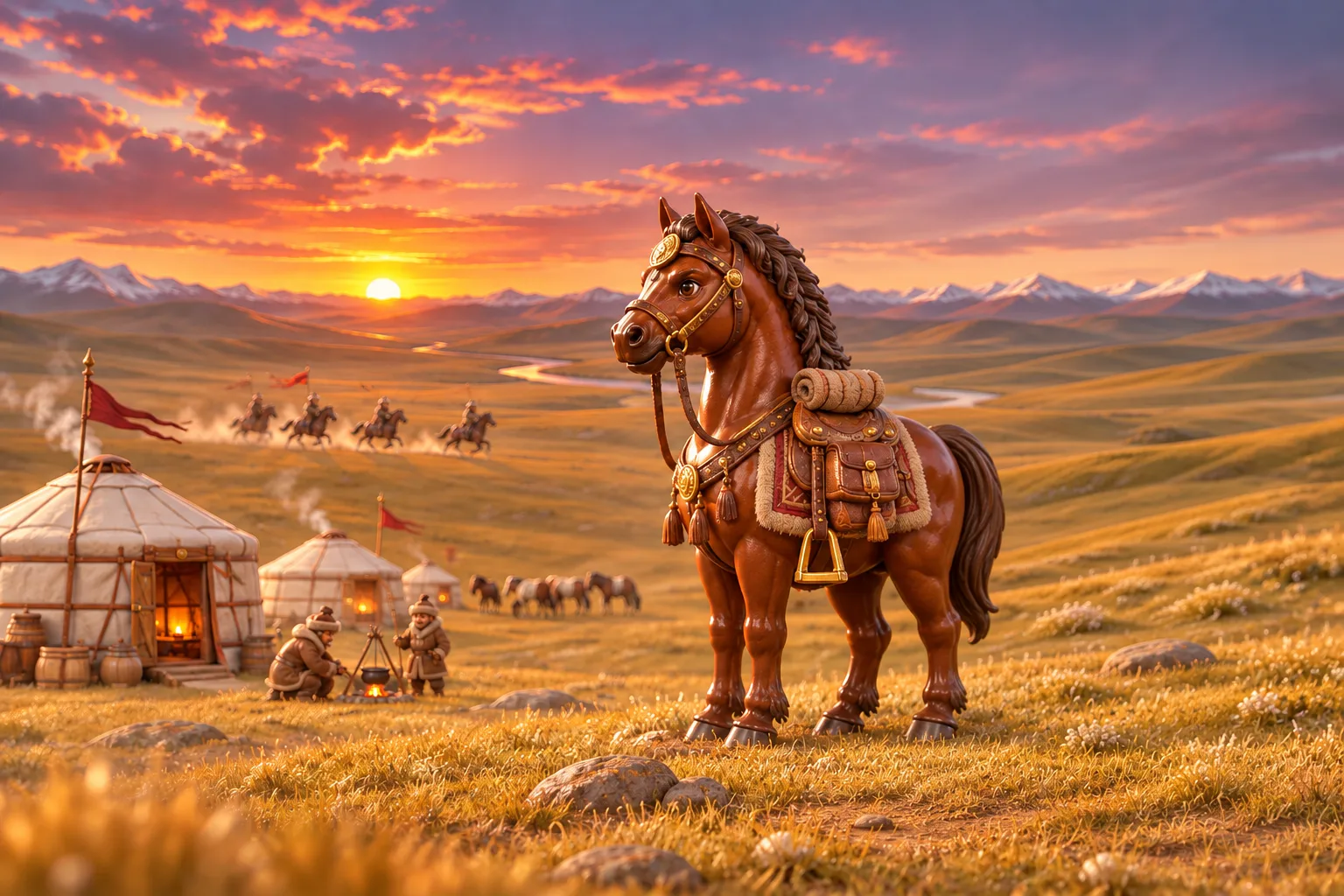
An assembly on the Mongolian steppe proclaims Temüjin Genghis Khan. His riders go on to build the largest connected land empire in history.
Ride the steppe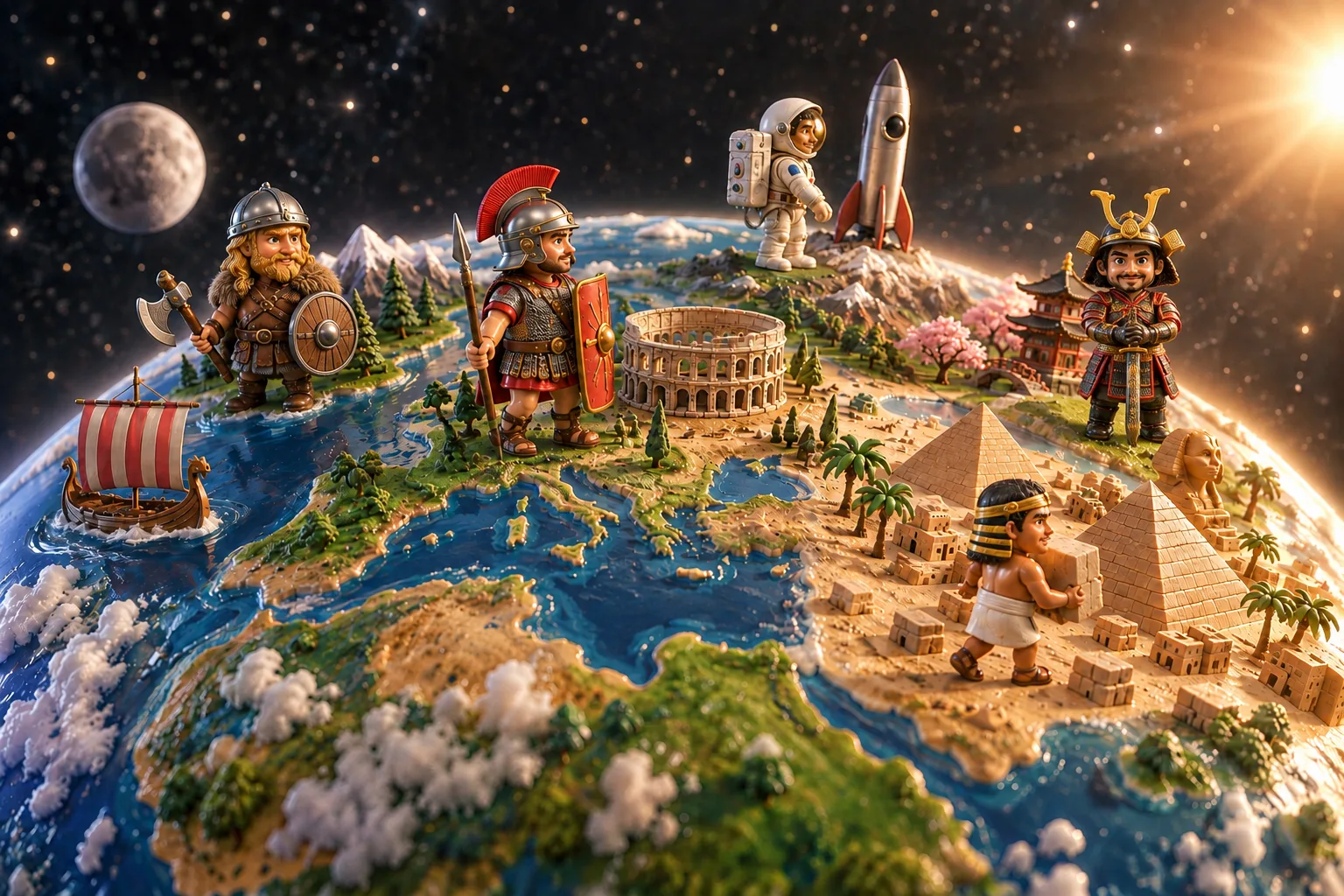
Grab the Earth, drag the year, and watch empires rise and vanish as their borders redraw. Battles, cities, voyages and wonders wait exactly where they happened.
Explore Free in your browser. Opens on Hannibal's Spain, 219 BC.Every event on the globe opens into a little world. Here are four of them, and somebody is already waiting at each door.
An assembly on the Mongolian steppe proclaims Temüjin Genghis Khan. His riders go on to build the largest connected land empire in history.
Ride the steppe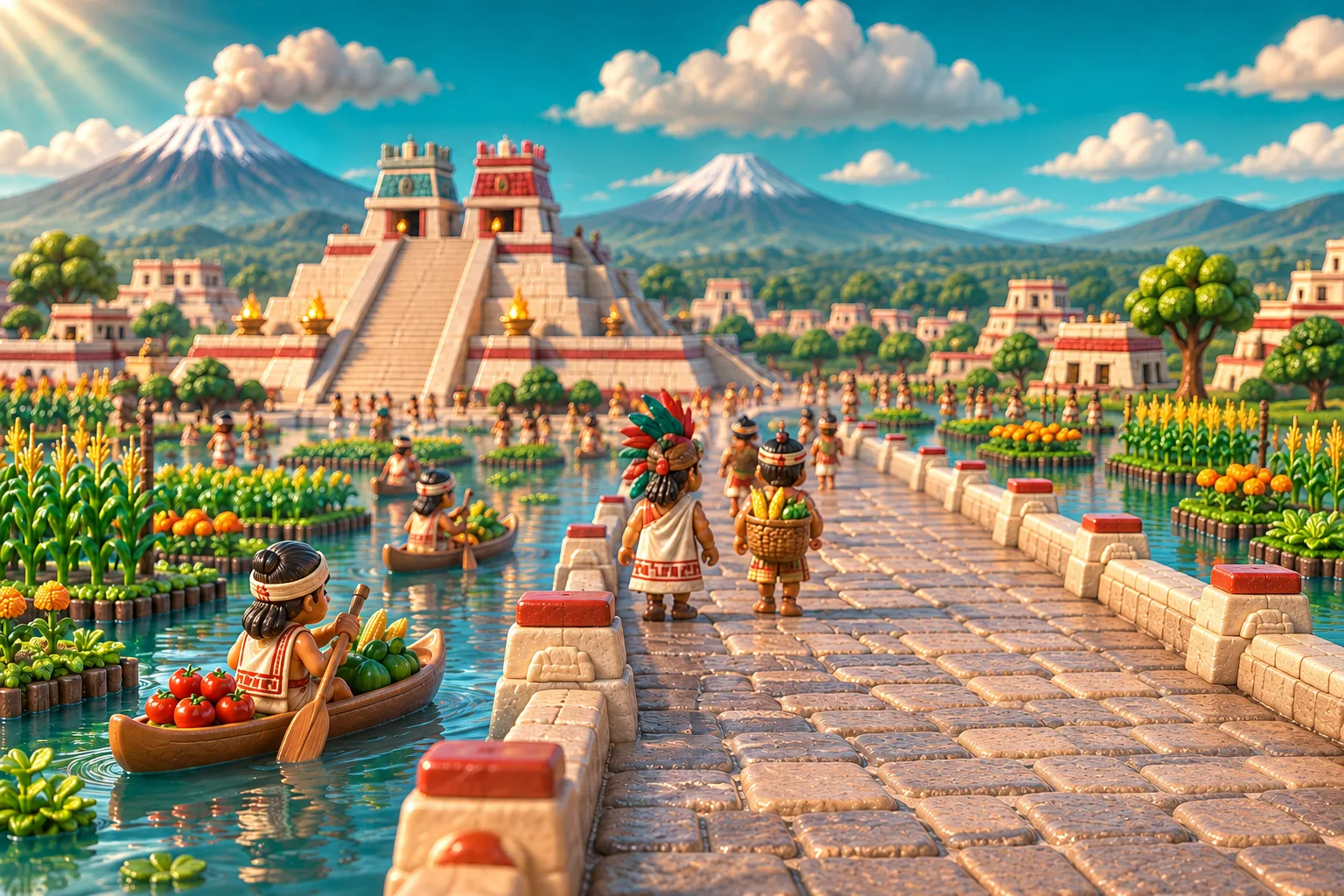
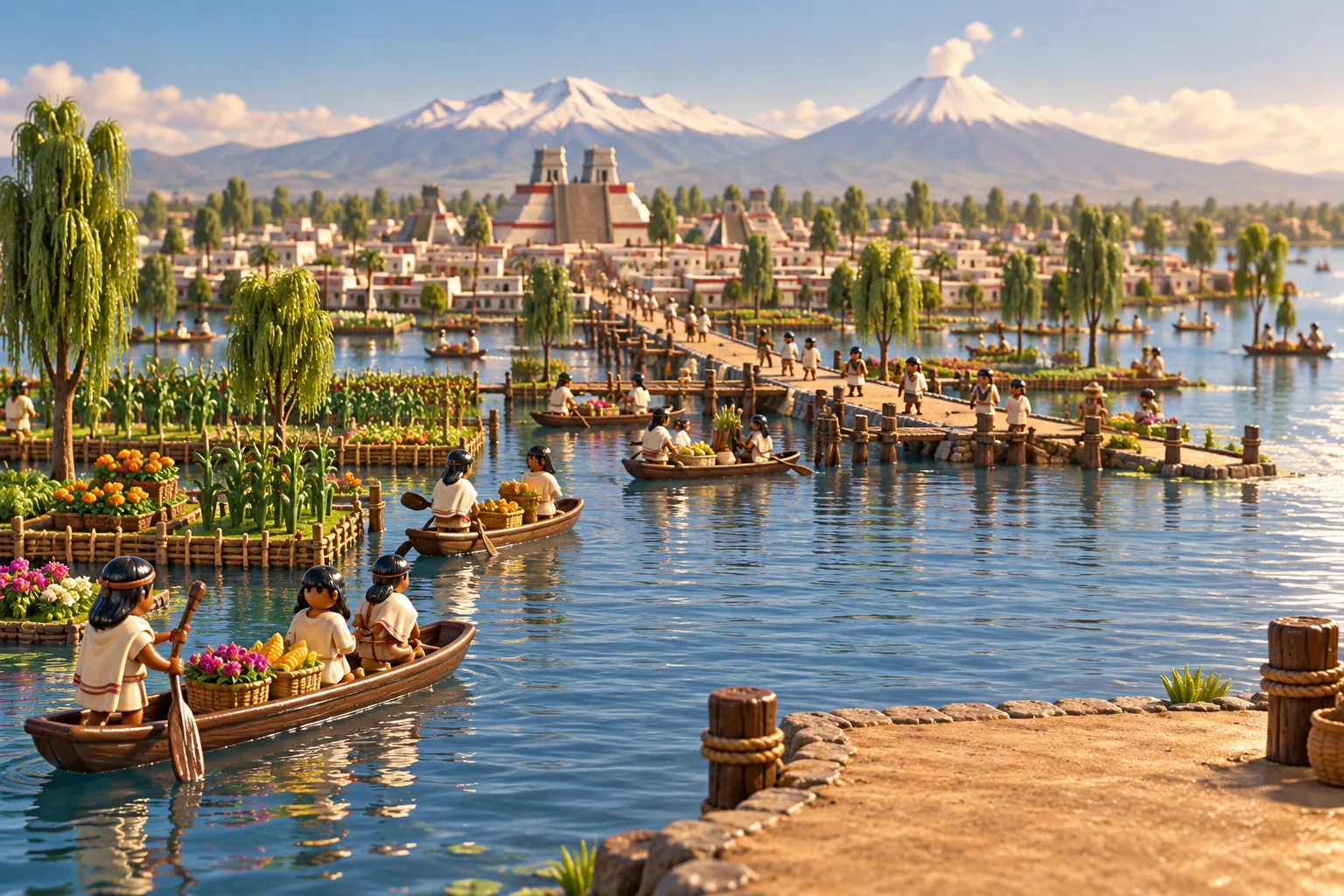
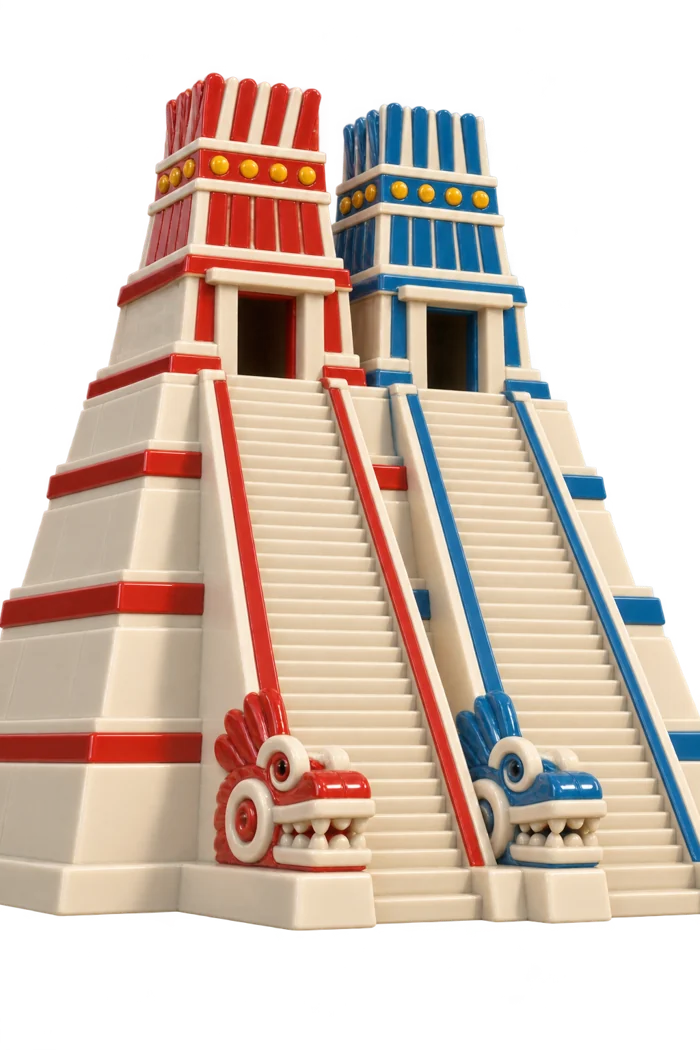
Tenochtitlan rises from Lake Texcoco on causeways and floating gardens. It is one of the largest cities on Earth when the Spaniards arrive.
Enter Tenochtitlan
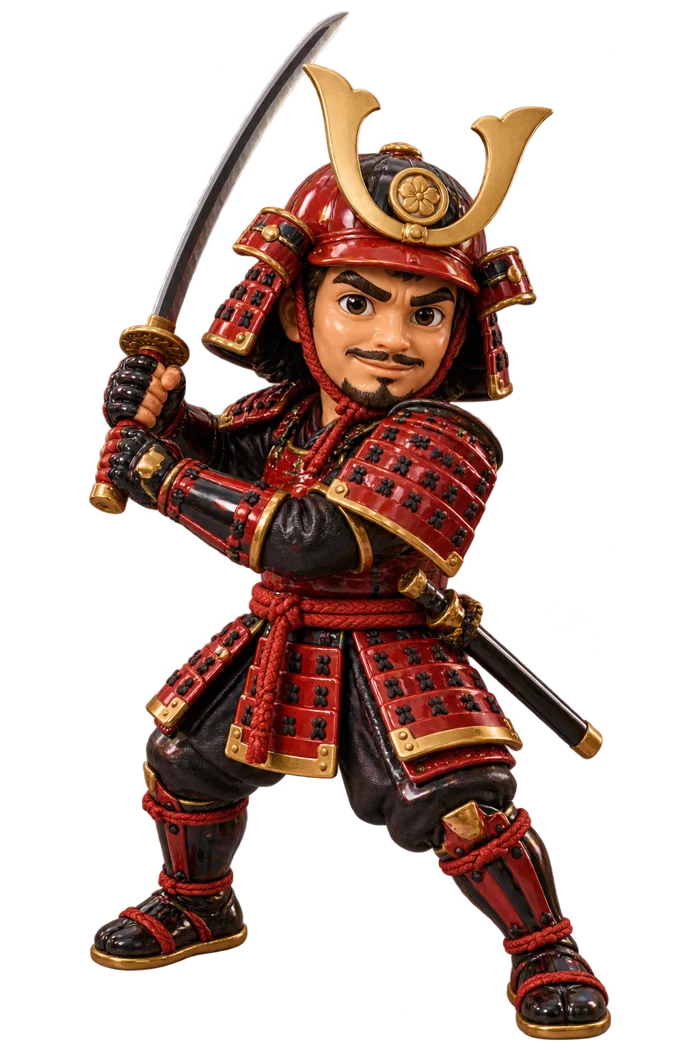
At Sekigahara, Tokugawa Ieyasu defeats his rivals. His family will rule a united Japan for more than 250 years.
March to Sekigahara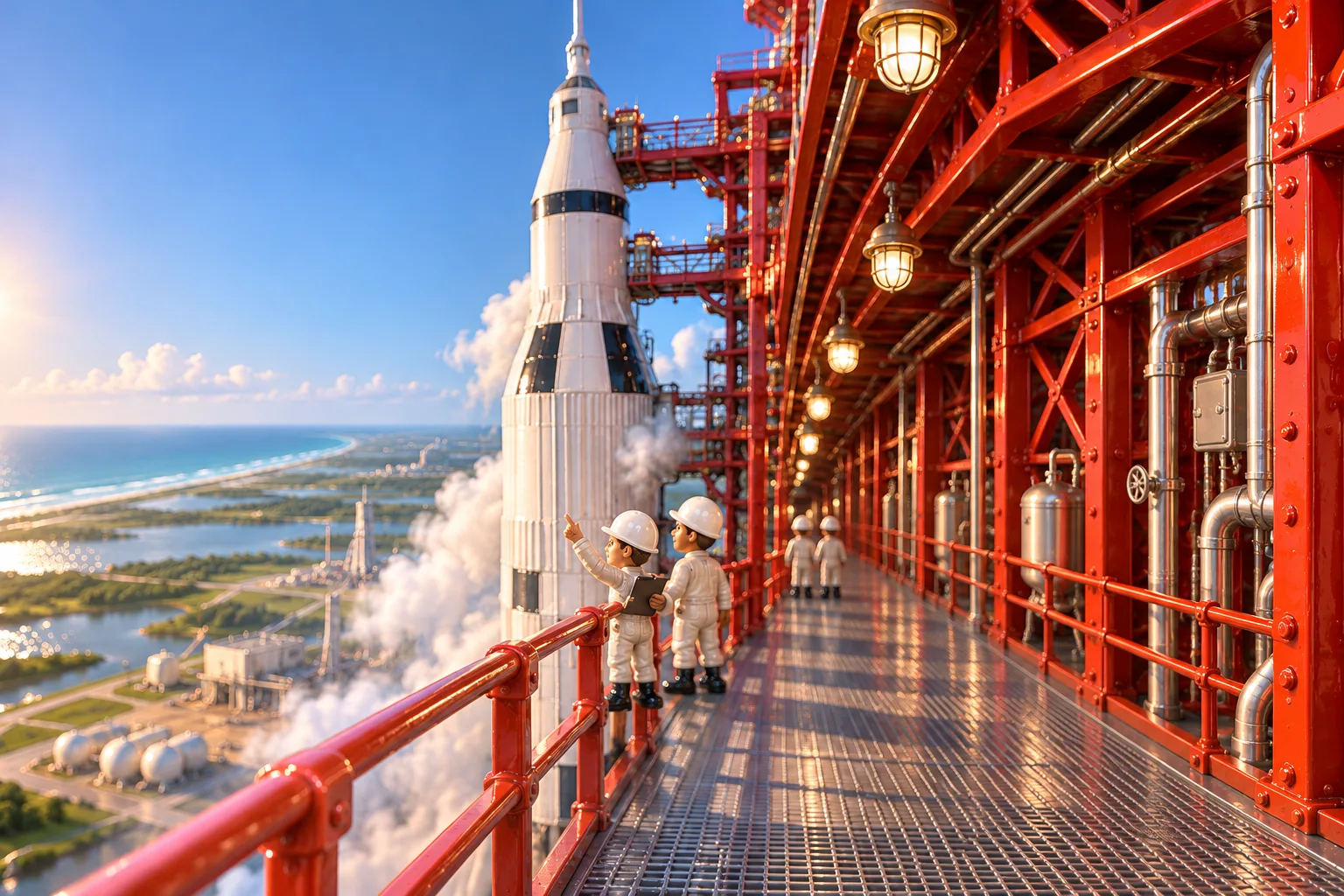
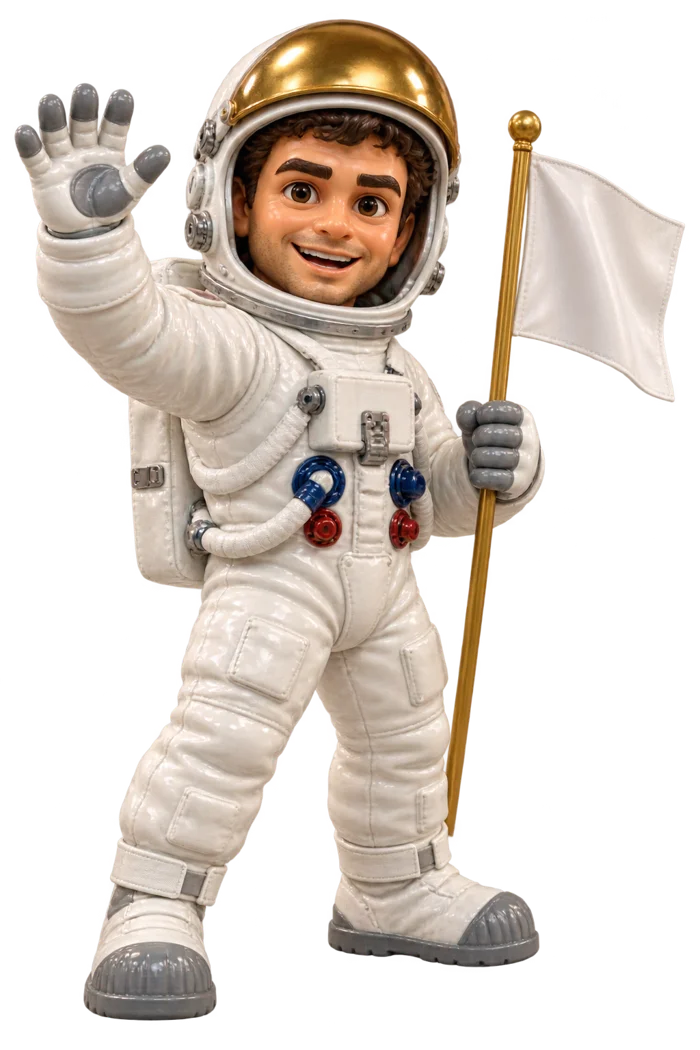
Apollo 11 lifts off from Florida. Four days later Armstrong and Aldrin walk on the Moon while hundreds of millions watch live.
Launch from FloridaNo textbook, no timeline taped to a wall. History becomes a place you can fly into.
One slider runs through all 40,000 years. As you move it, borders redraw year by year, and every battle, city and voyage sits on the spot where it happened. Tap any of them to open its story.
Every icon on the globe sits on the spot where the story took place. Open one and the globe flies there.
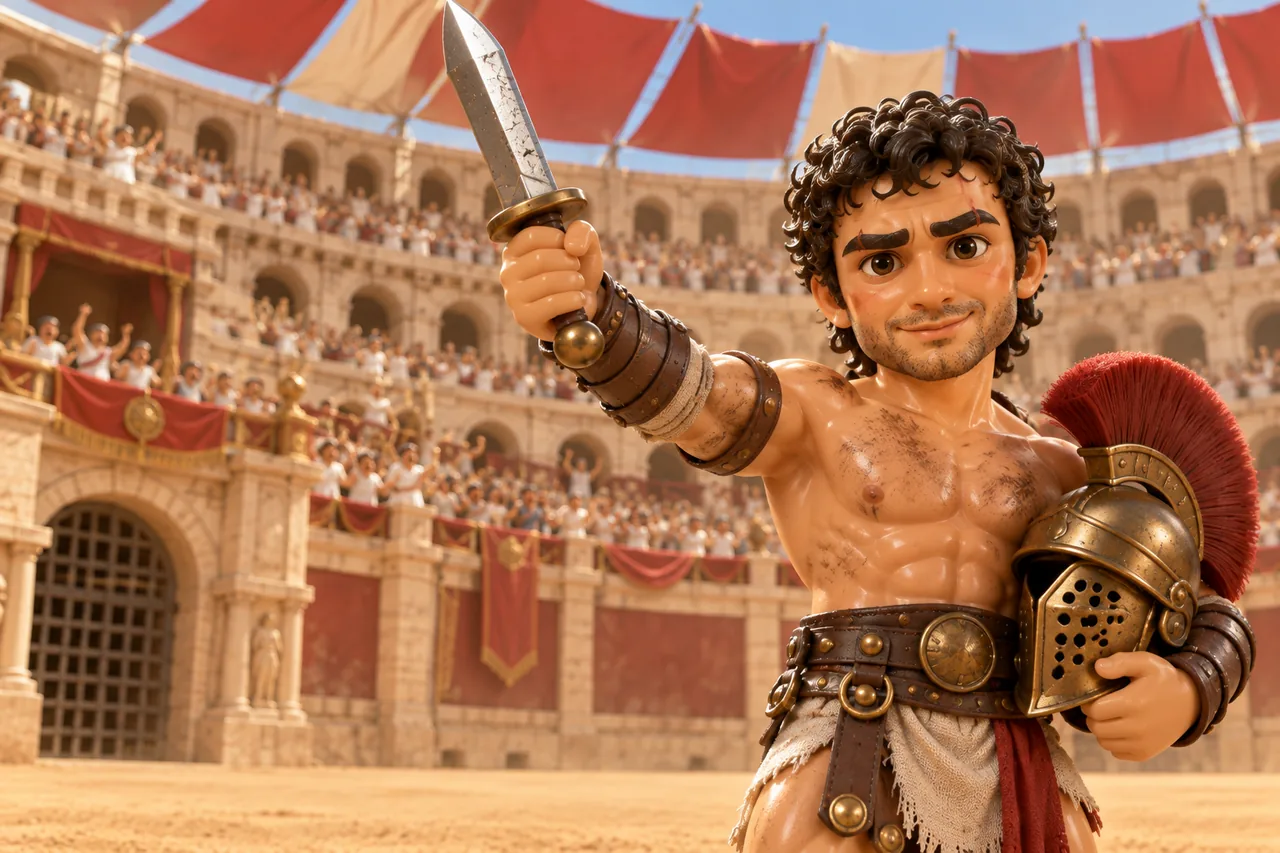
Emperor Titus opens the great amphitheatre with a hundred days of games.
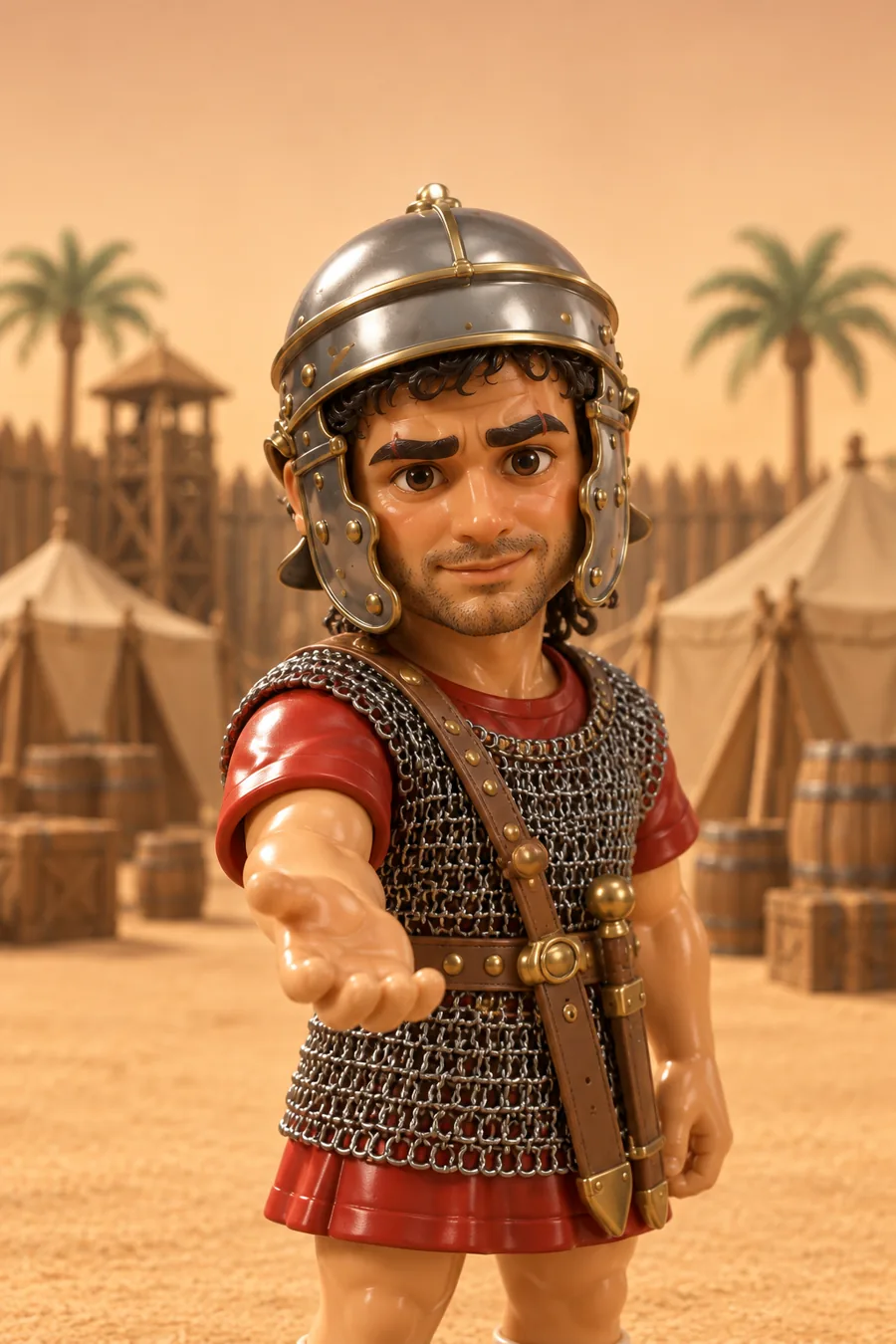
Hannibal besieges Saguntum on the coast of Spain. The next year his army, elephants and all, crosses the Alps into Italy.
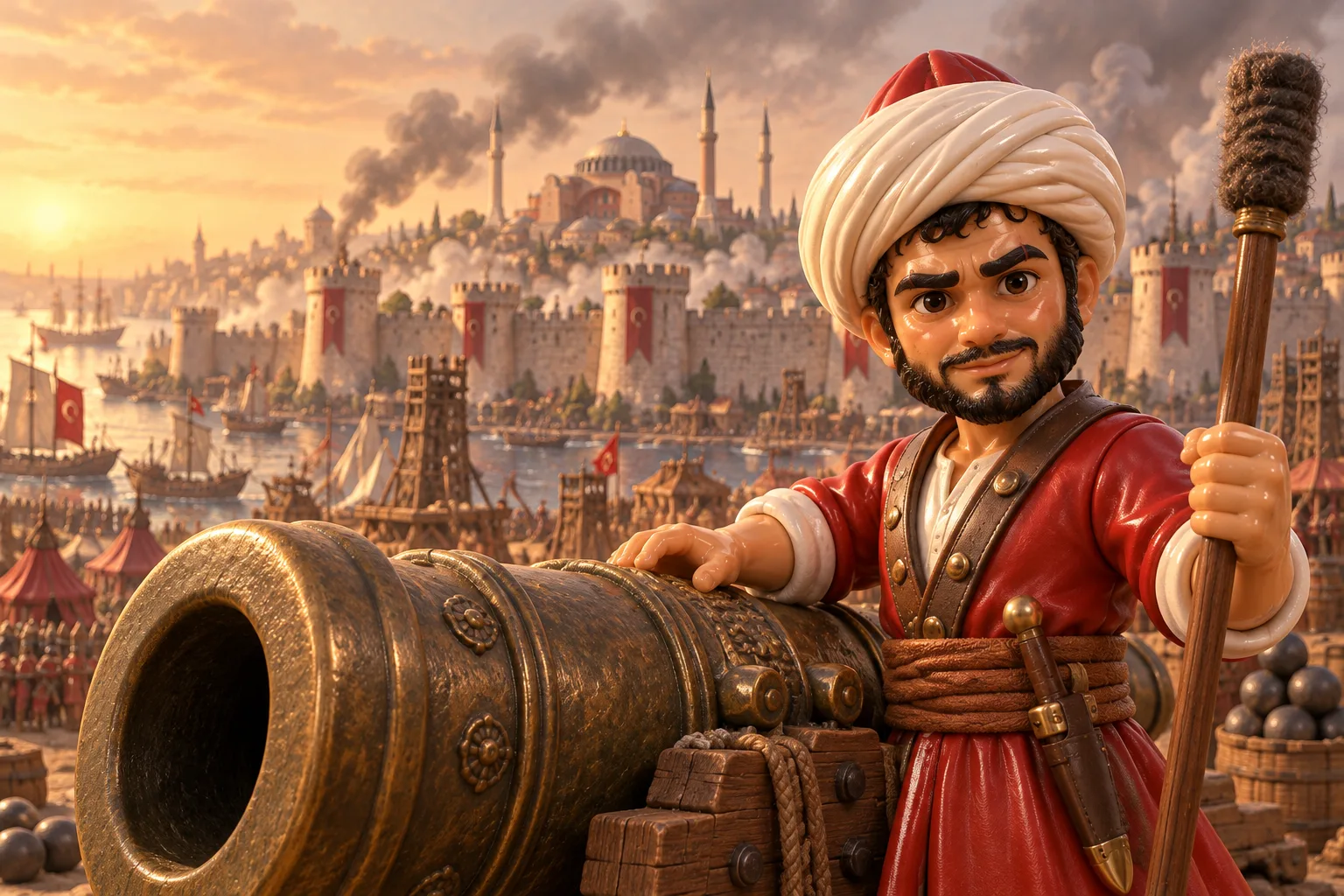
After a 53-day siege, Mehmed II's great guns break the walls and Constantinople becomes Ottoman.
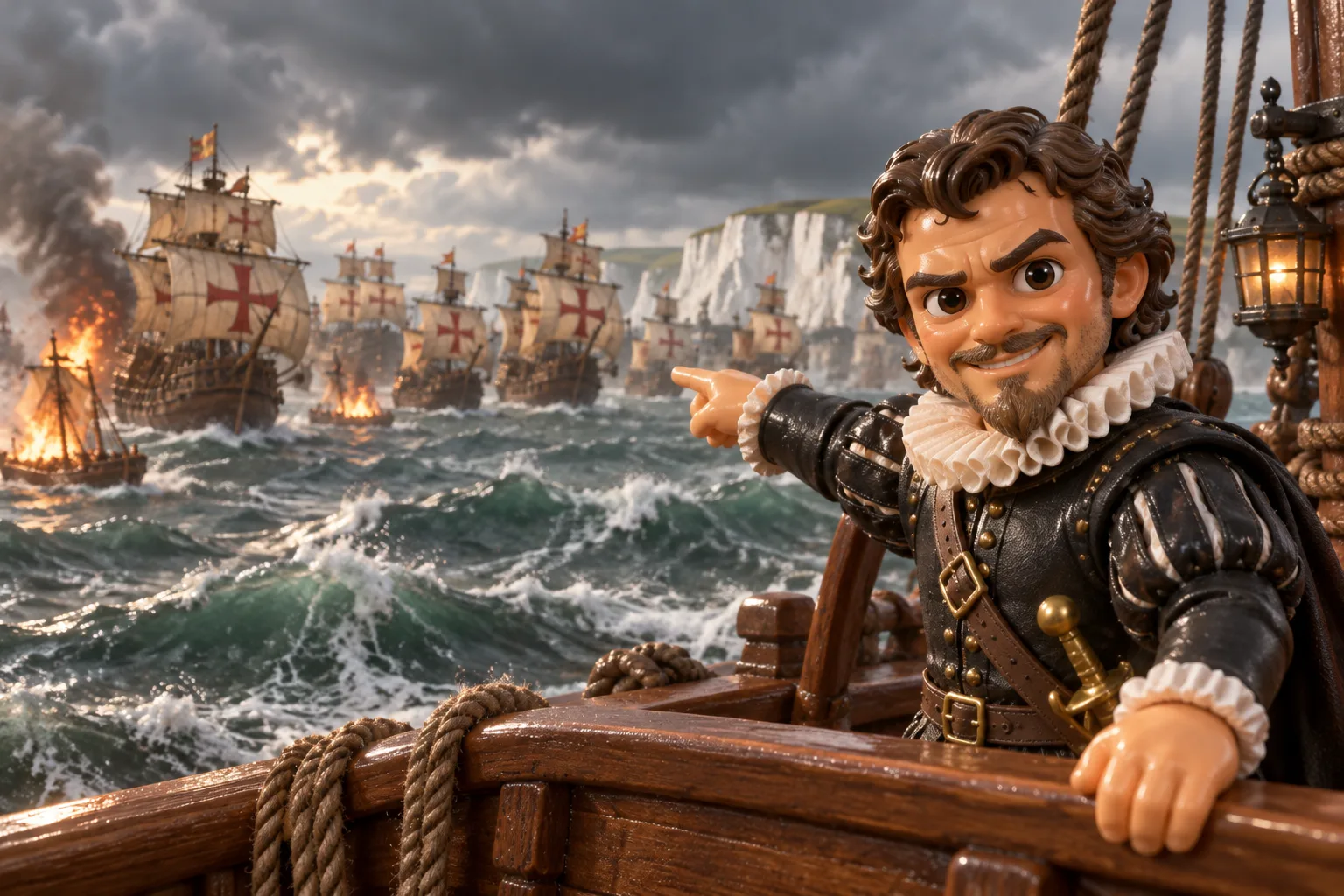
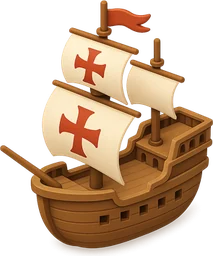
Spain sends its great fleet against England. Fire ships at Gravelines and Atlantic storms scatter it.

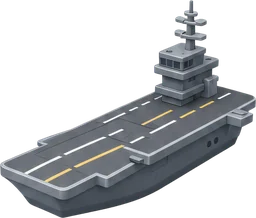
A Sunday-morning strike on Hawaii brings the United States into the Second World War.

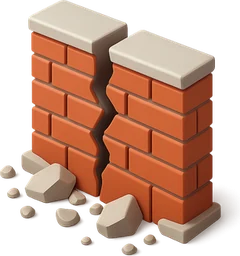
On the night of 9 November the border opens, and Berliners climb the Wall that split their city for 28 years.
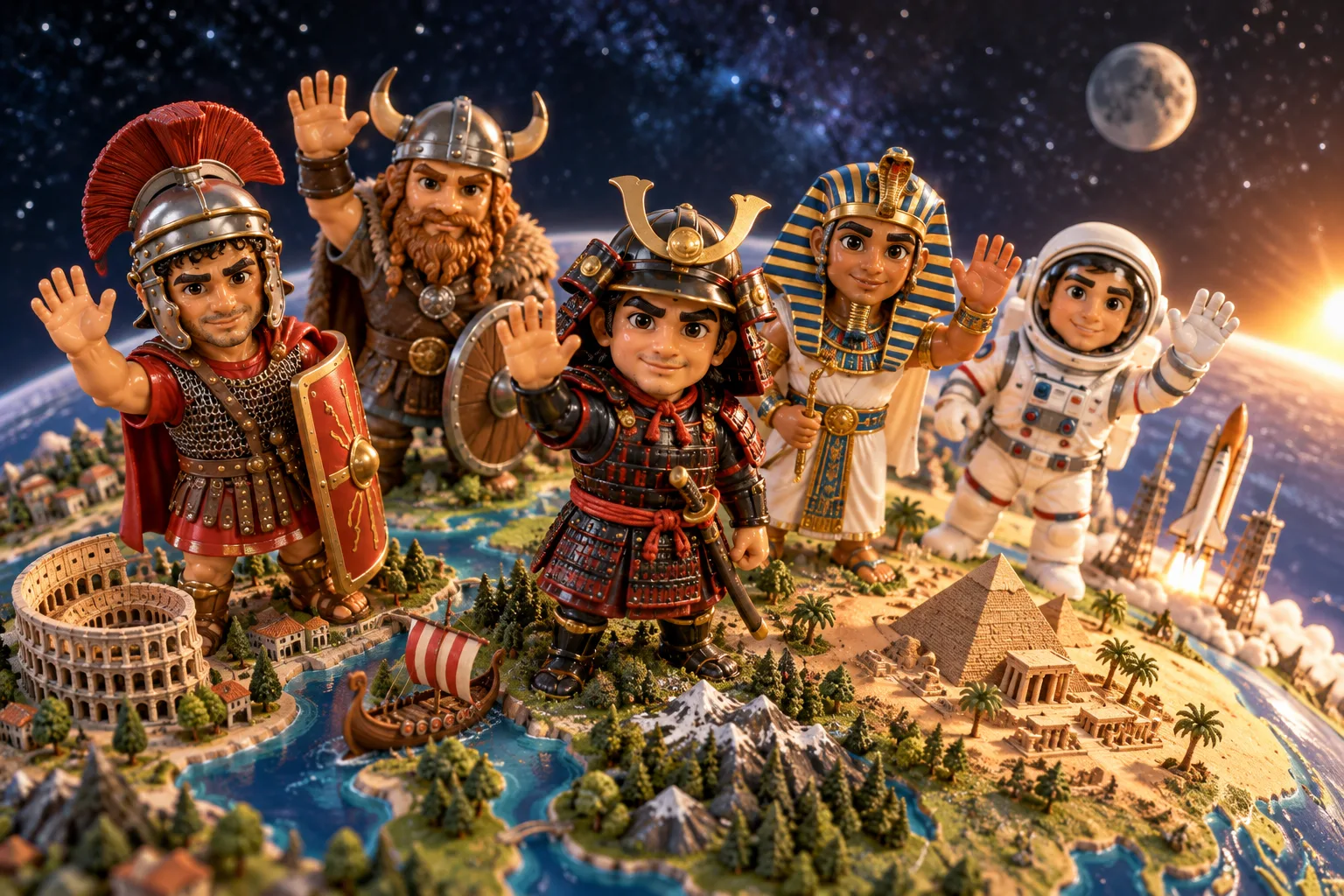
Floating markets, castle gates, steppe riders, lunar dust. Fly to the place and the year, then read what happened there.
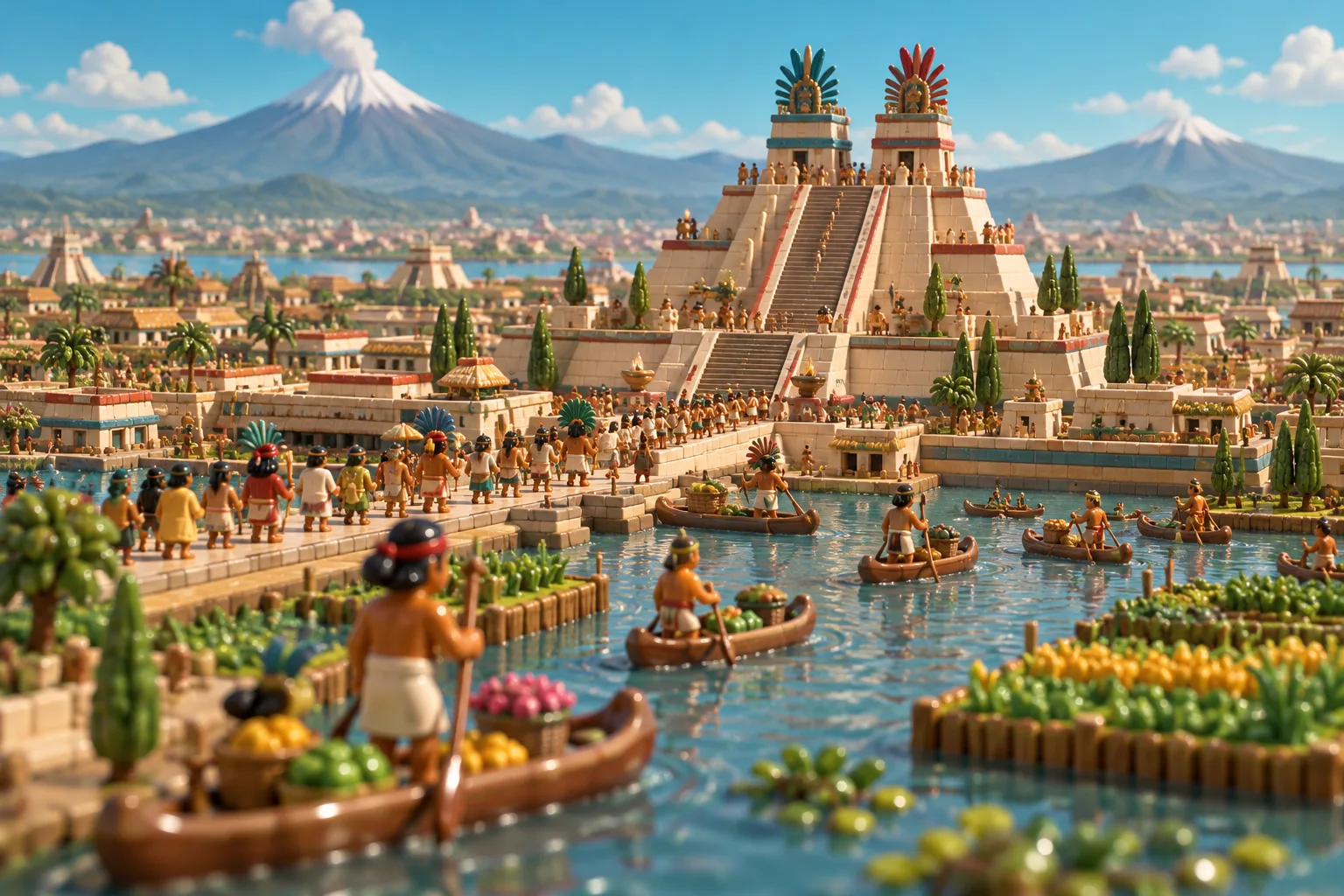
A capital built on a lake, fed by floating gardens.

Himeji's white keep is finished as the Edo age begins.
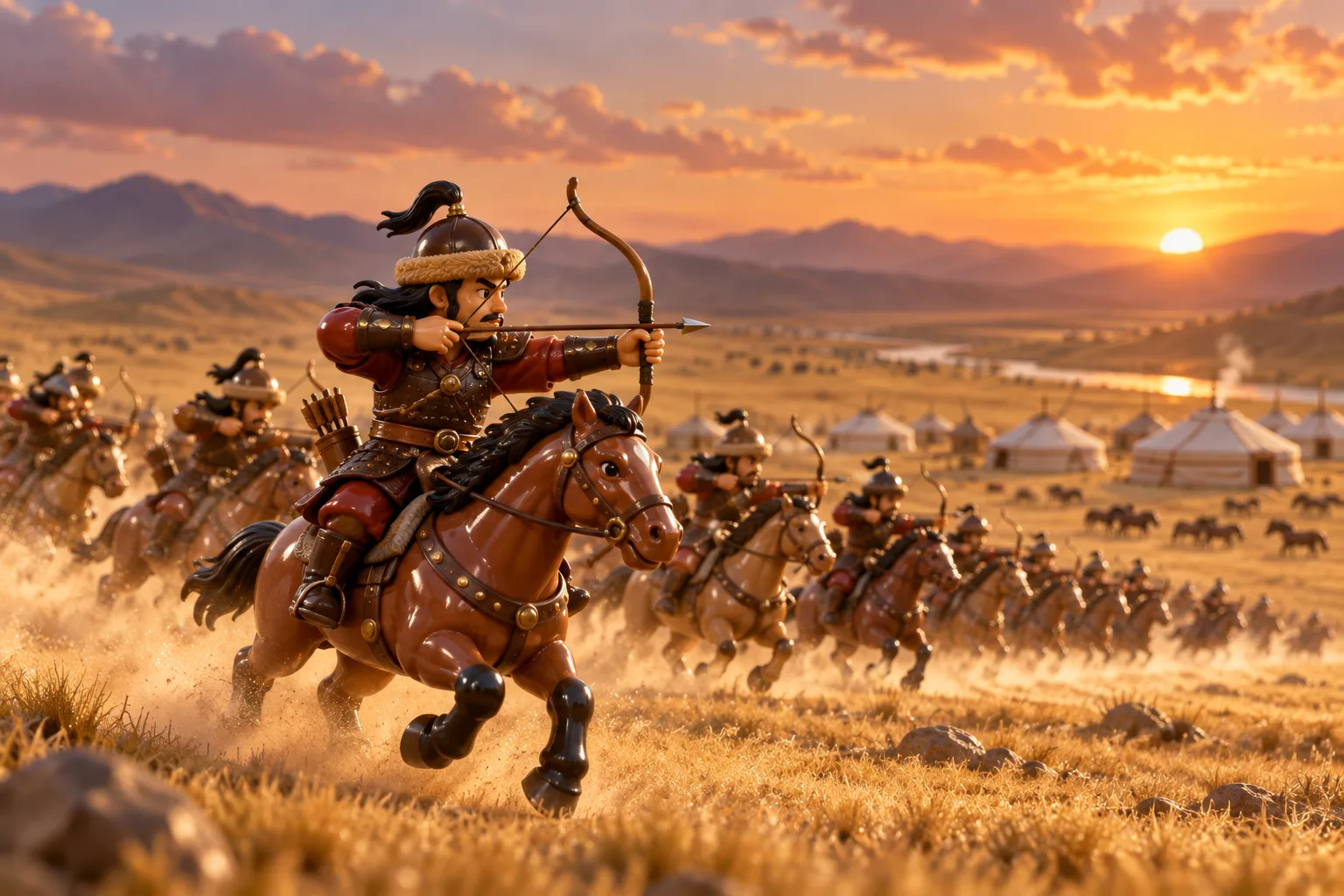
Karakorum becomes the capital of an empire on horseback.
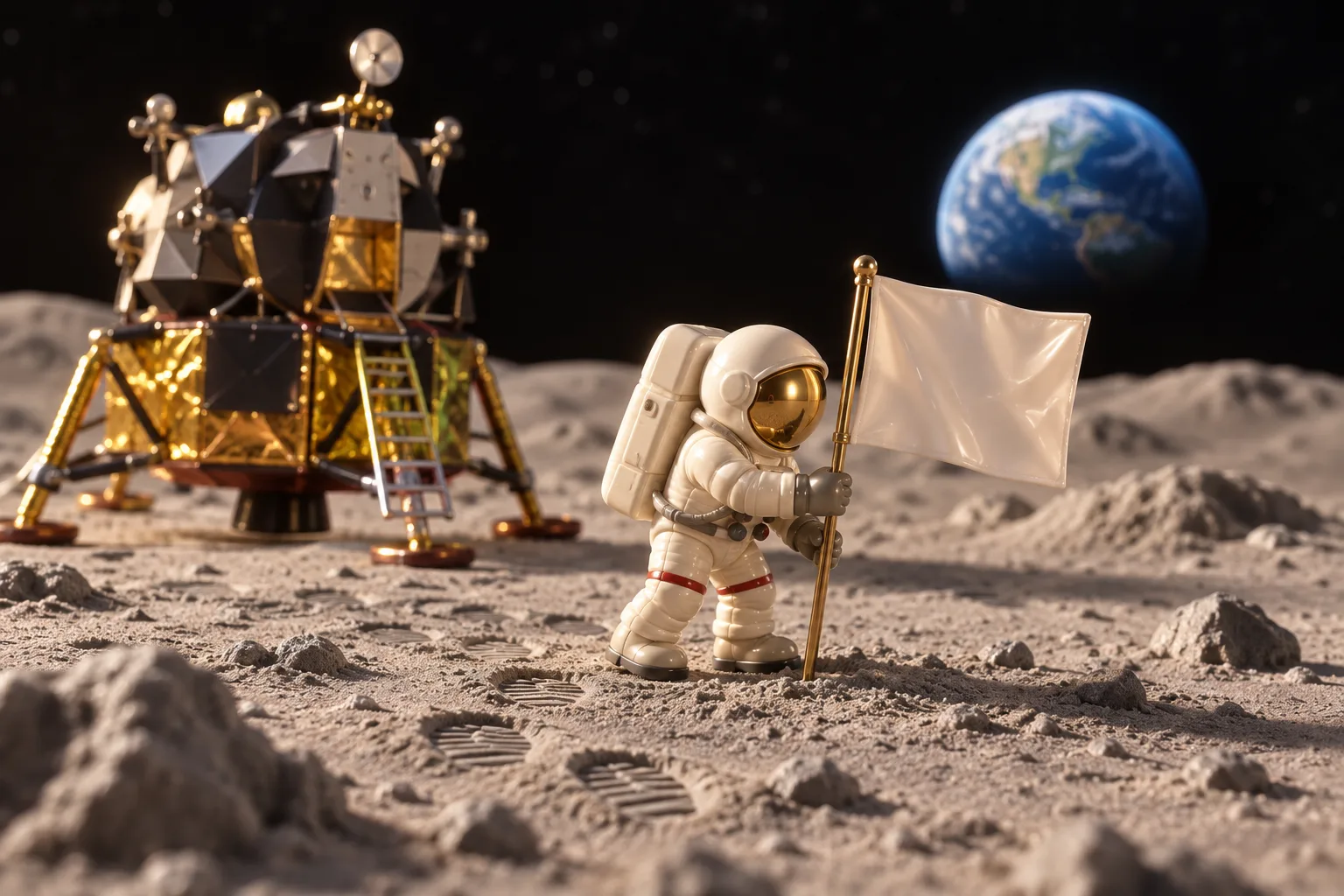
The first footprints on another world.
By torchlight in Chauvet Cave, someone draws lions, horses and rhinos with lines so sure they still seem to move.
Enter Chauvet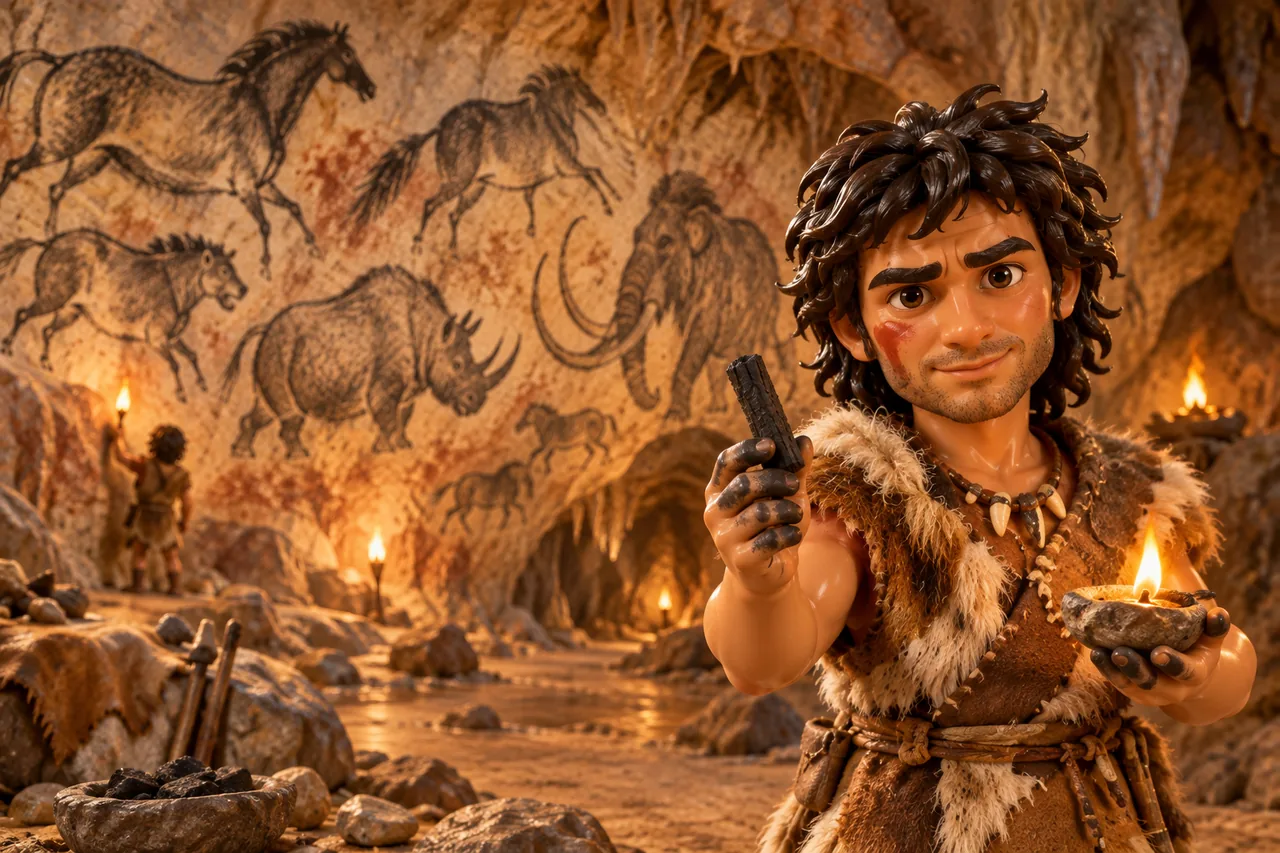 01Chauvet, France
By torchlight in Chauvet Cave, someone draws lions, horses and rhinos with lines so sure they still seem to move.
Enter Chauvet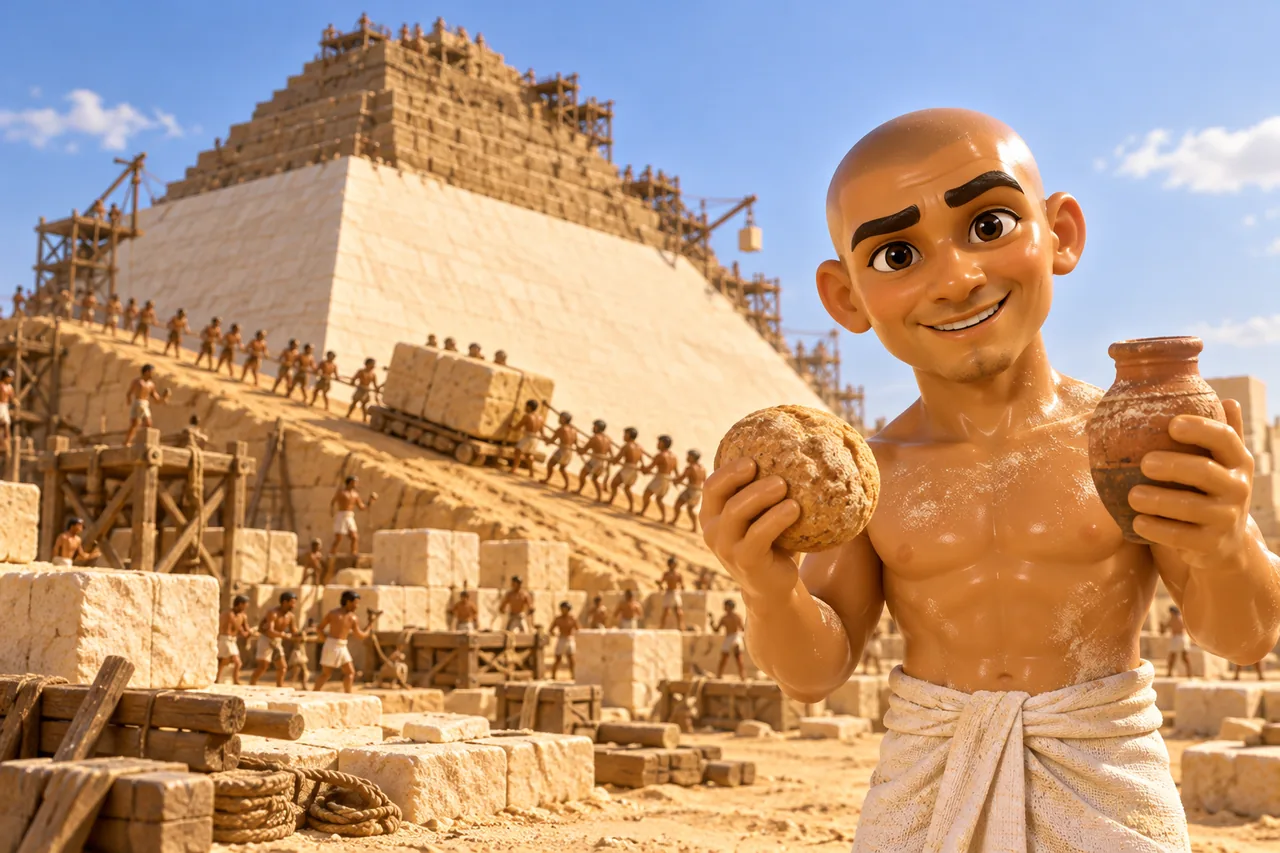 02Giza, Egypt
Crews haul block after block for the Pyramid of Khufu. It will stay the tallest building on Earth for almost 4,000 years.
Stand at Giza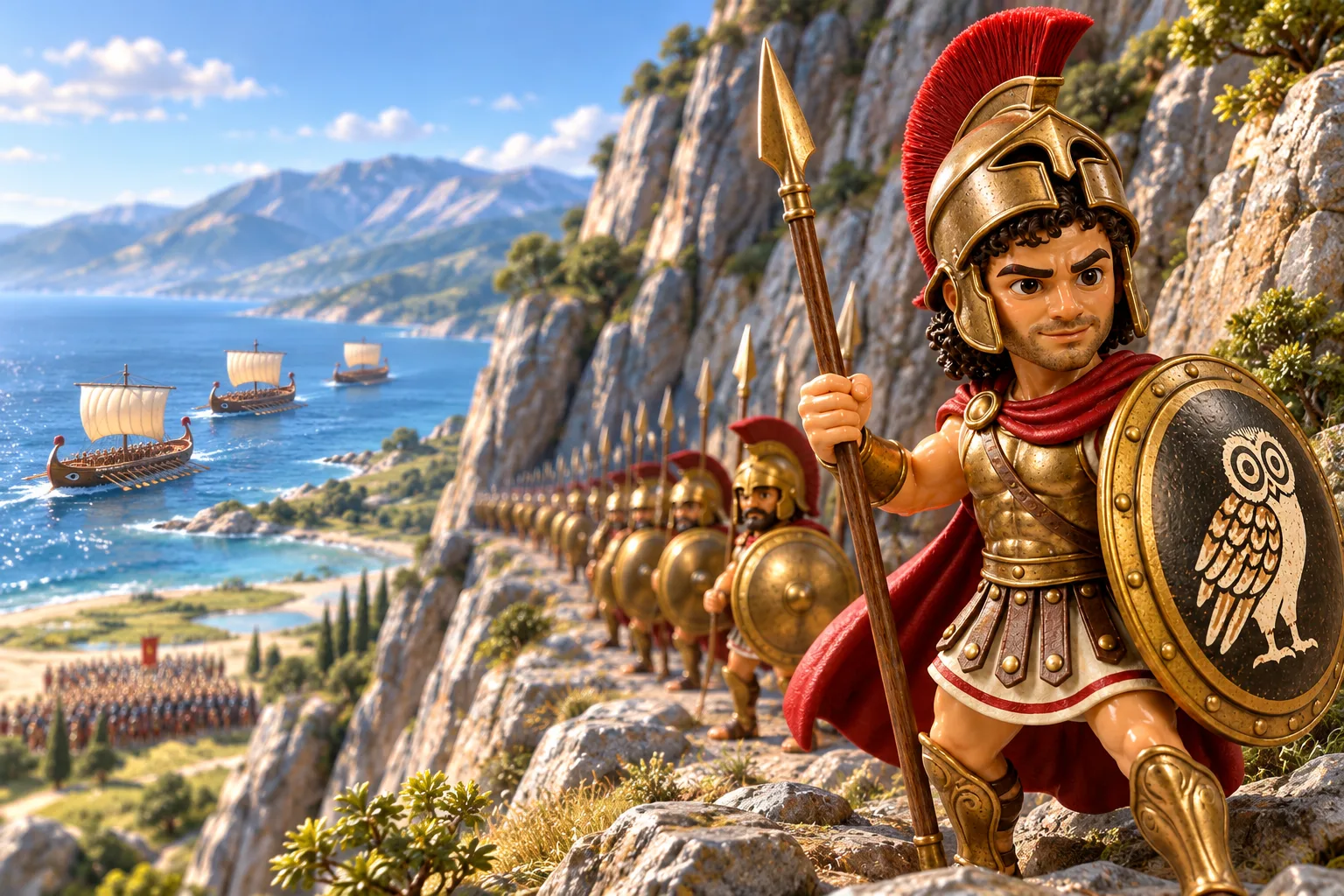 03Thermopylae, Greece
A small Greek force blocks the narrow coast road against the army of the Persian king Xerxes for three days.
Hold Thermopylae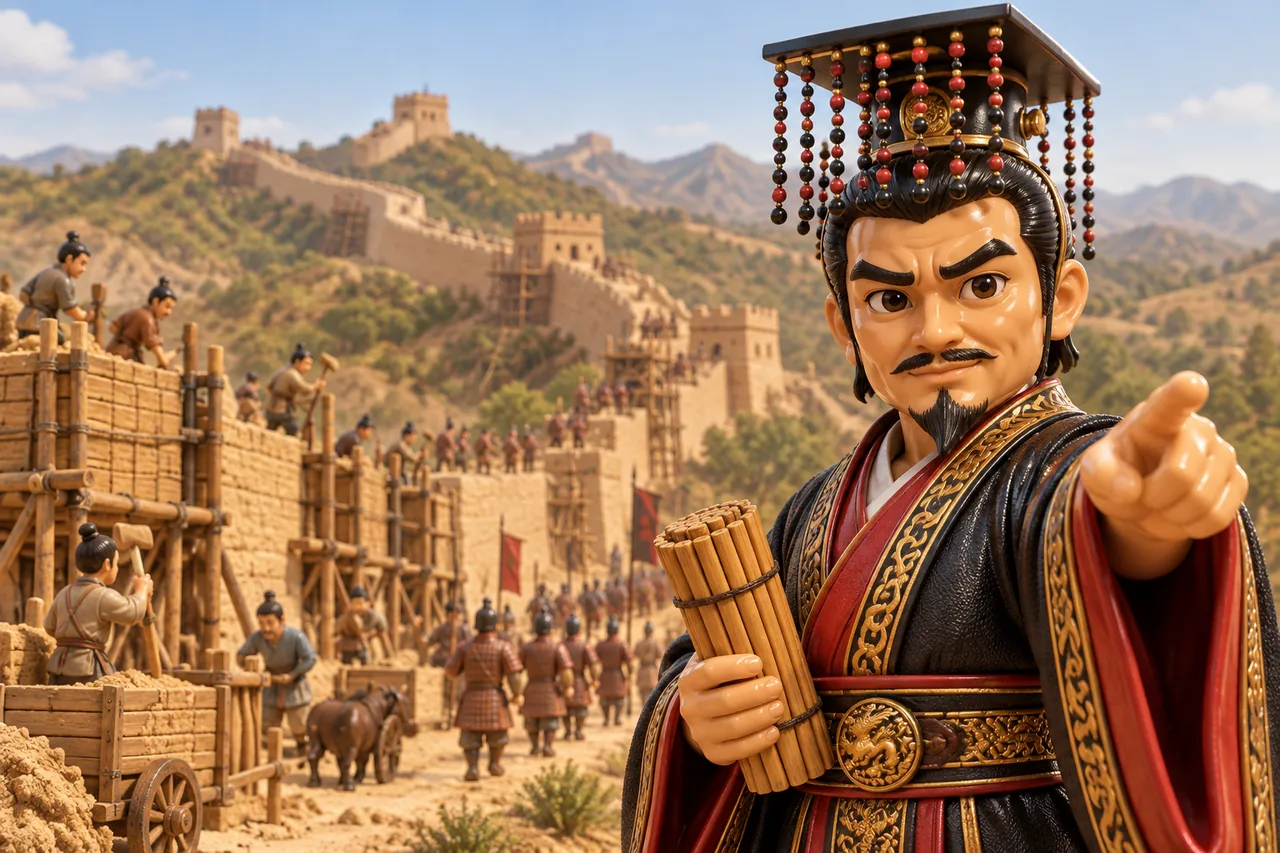 04Xianyang, China
Qin Shi Huang unites the warring kingdoms and gives them one script, one coinage and one set of measures.
Visit Xianyang05Rome, ItalyEmperor Titus opens the Colosseum with a hundred days of games. Tens of thousands fill the stands.
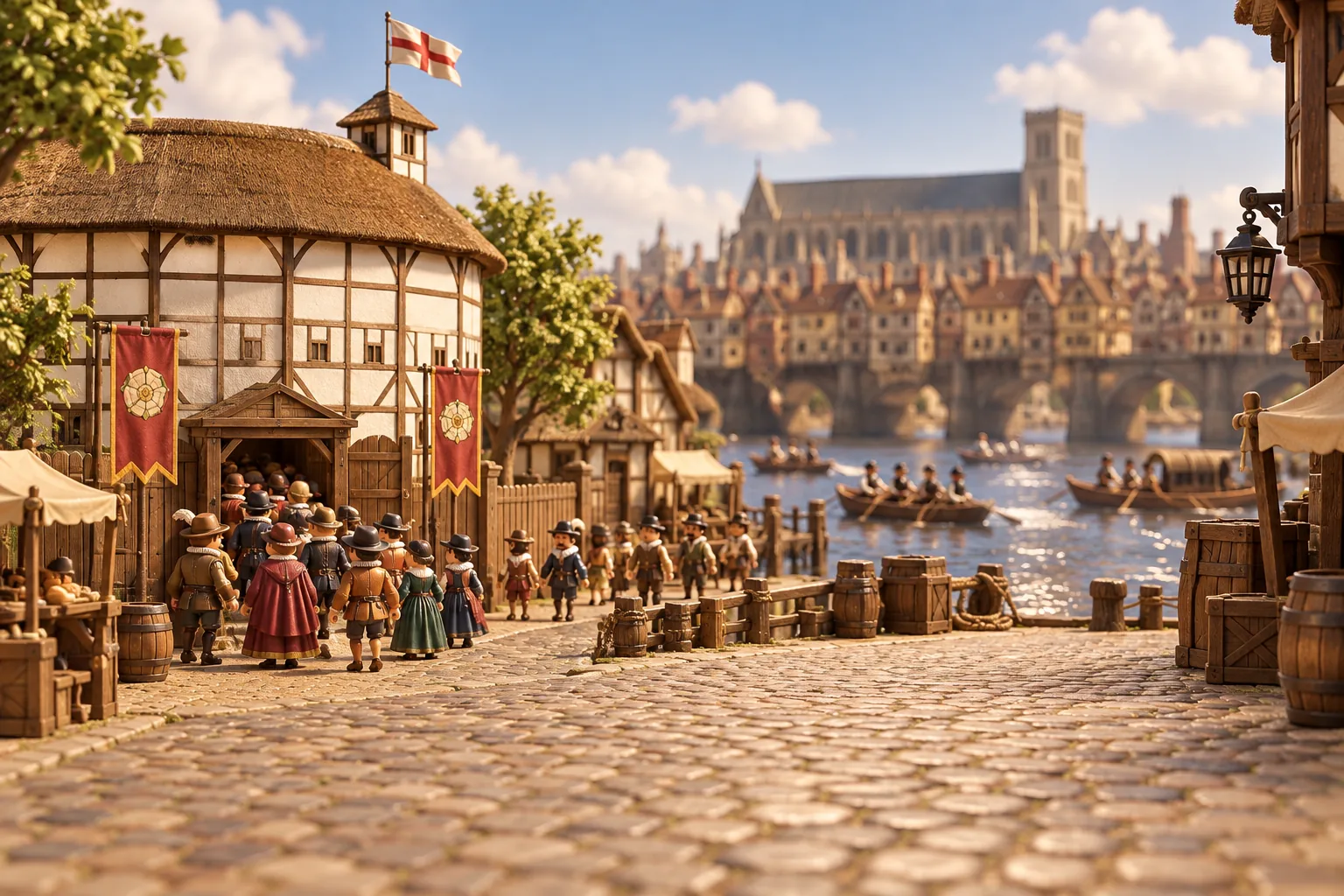
Take a seat in Rome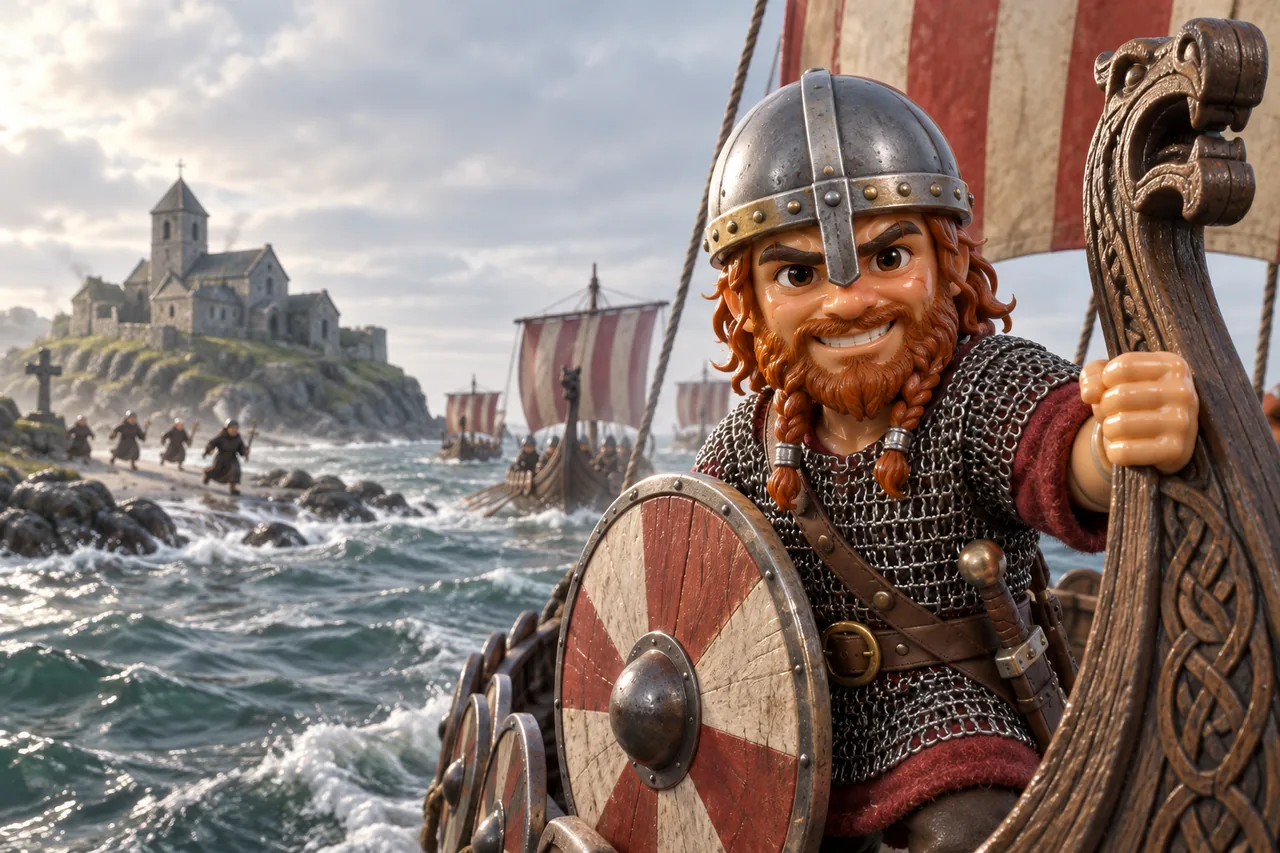 06Lindisfarne, England
Longships land at the monastery of Lindisfarne. Within two centuries Norse crews reach Constantinople and North America.
Land at Lindisfarne07ConstantinopleSultan Mehmed II turns giant cannon on walls a thousand years old. After 53 days, Constantinople falls.
Stand at the walls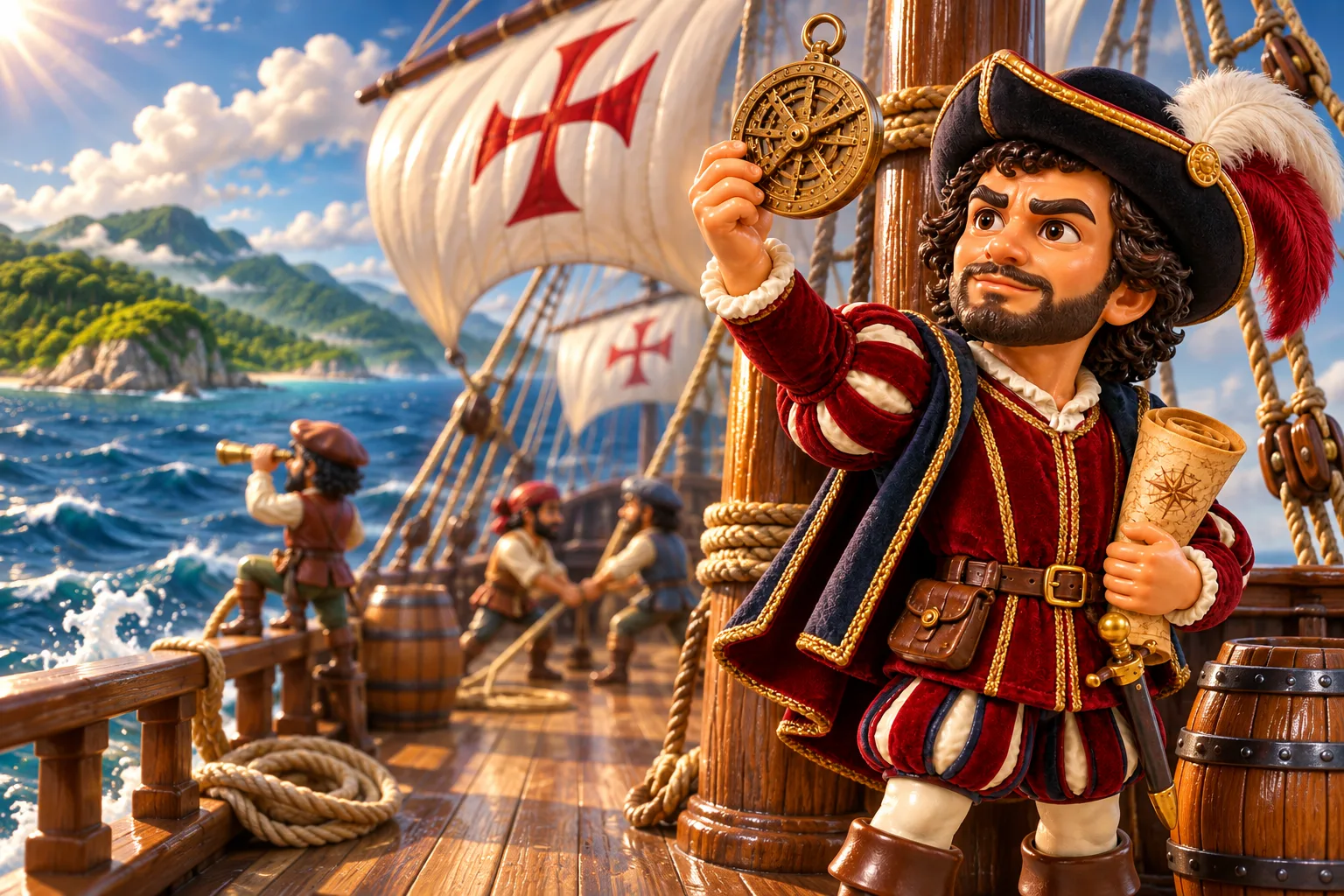 08The Bahamas
After five weeks at sea, three small ships sight an island in the Bahamas. Two worlds that never knew each other meet.
Sight land in 1492 09Kitty Hawk, USA
On a cold beach in North Carolina, the Wright brothers fly a powered aircraft. The first hop lasts twelve seconds.
Fly at Kitty Hawk10Berlin, GermanyCrowds climb the Berlin Wall on the night the border opens. Within a year Germany is one country again.
Climb the wall
Empires grow, split and vanish year by year, from the first states to the modern map.
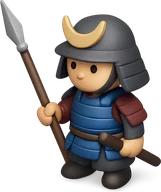
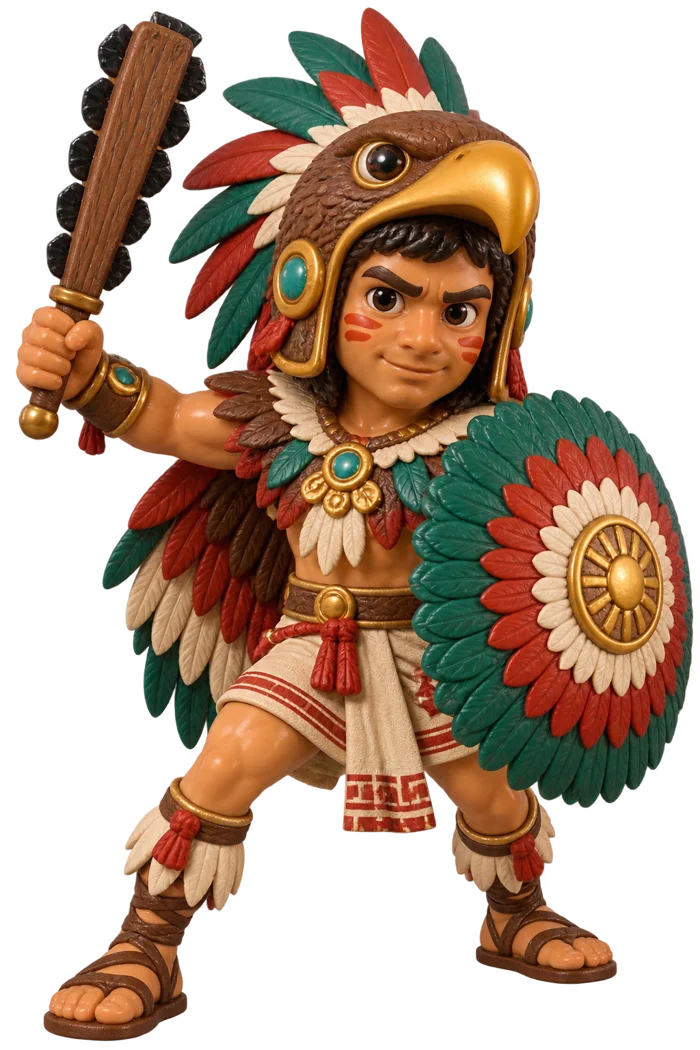
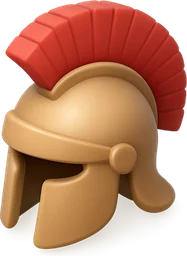
Hoplites, samurai, ironclads and tanks stand on the map where armies clashed.
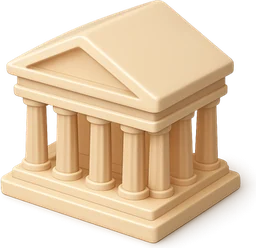
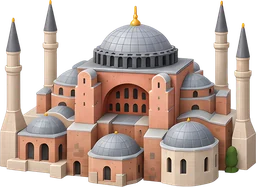
Pyramids, Parthenon, Colosseum and Hagia Sophia rise as 3D icons where they were built.

War, politics, culture, discovery, people and nature, each with its own icon.

See what else was happening around the world in the very same years.
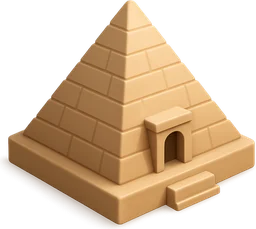
Open any icon on the globe for an illustrated scene and a short story.

Every view has its own link with the year and place. Send a friend to the Moon launch.
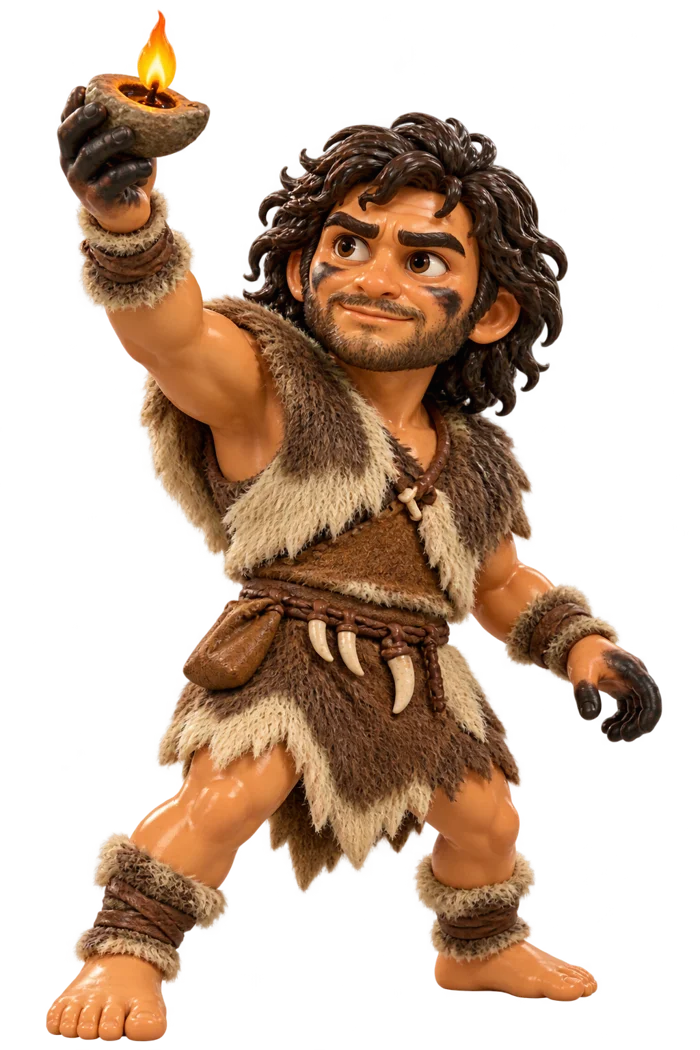 34,000 BCCave painter
 2560 BCPyramid builder
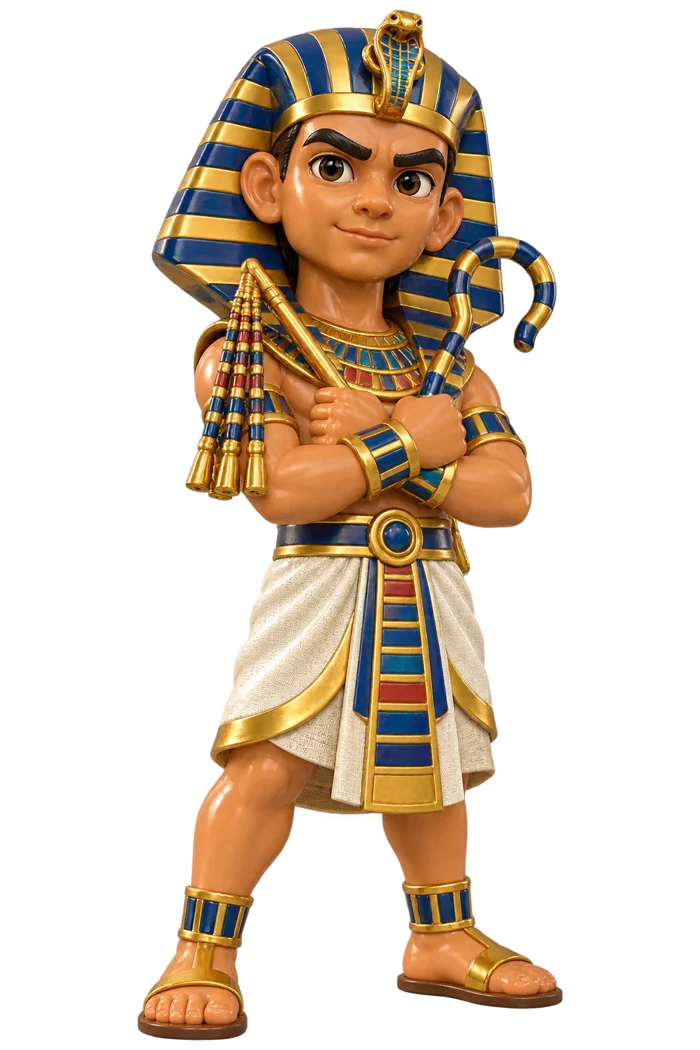 1250 BCPharaoh
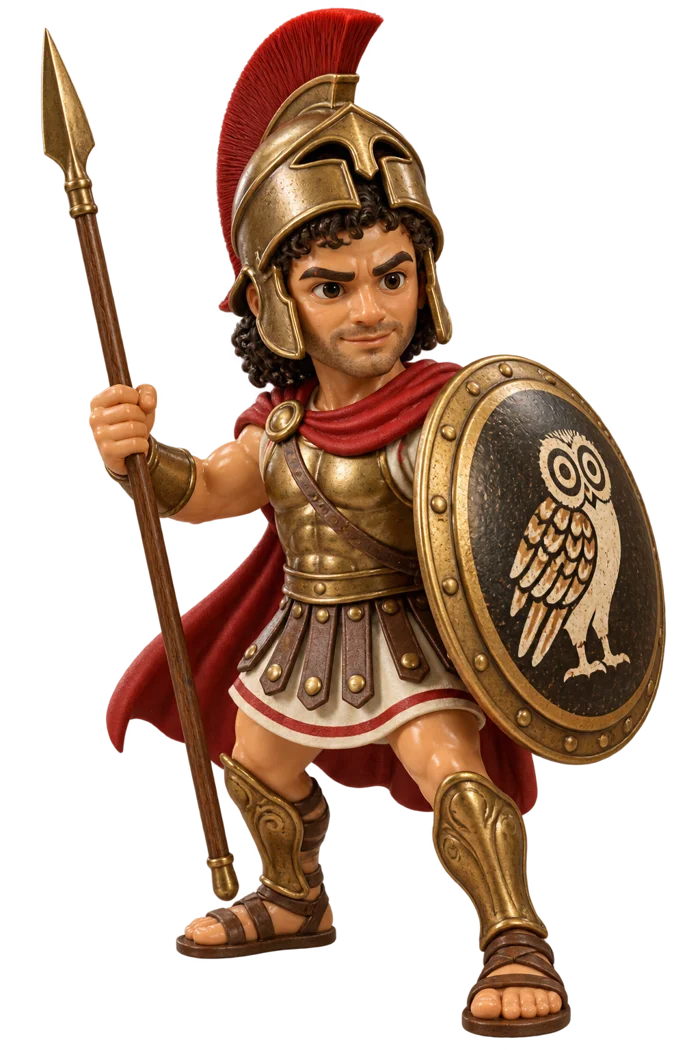 480 BCHoplite
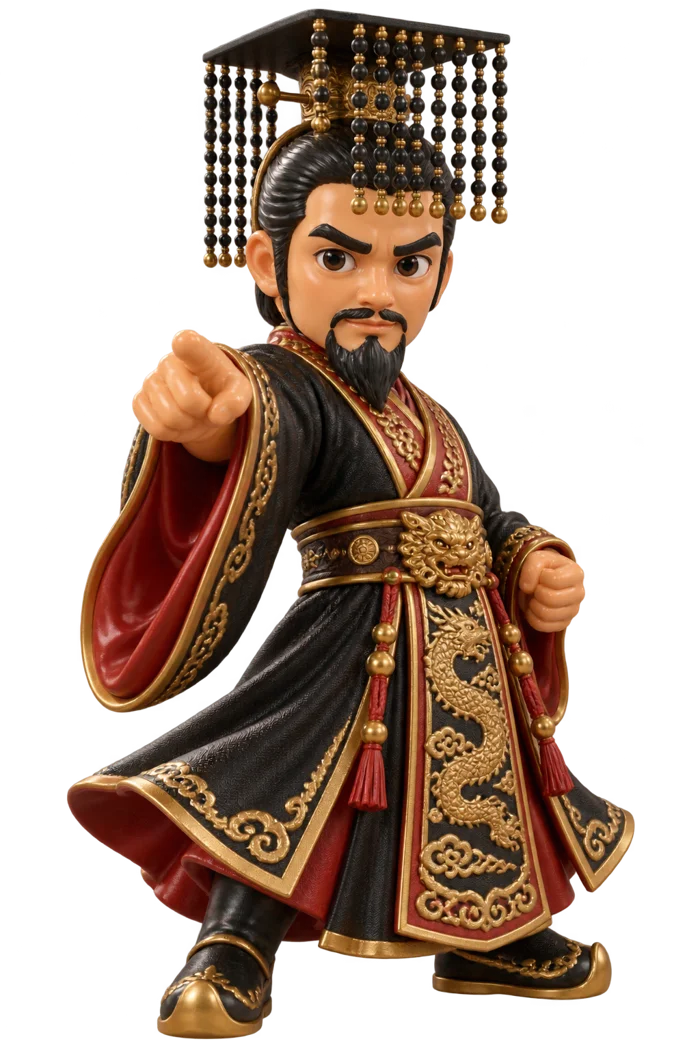 221 BCFirst Emperor
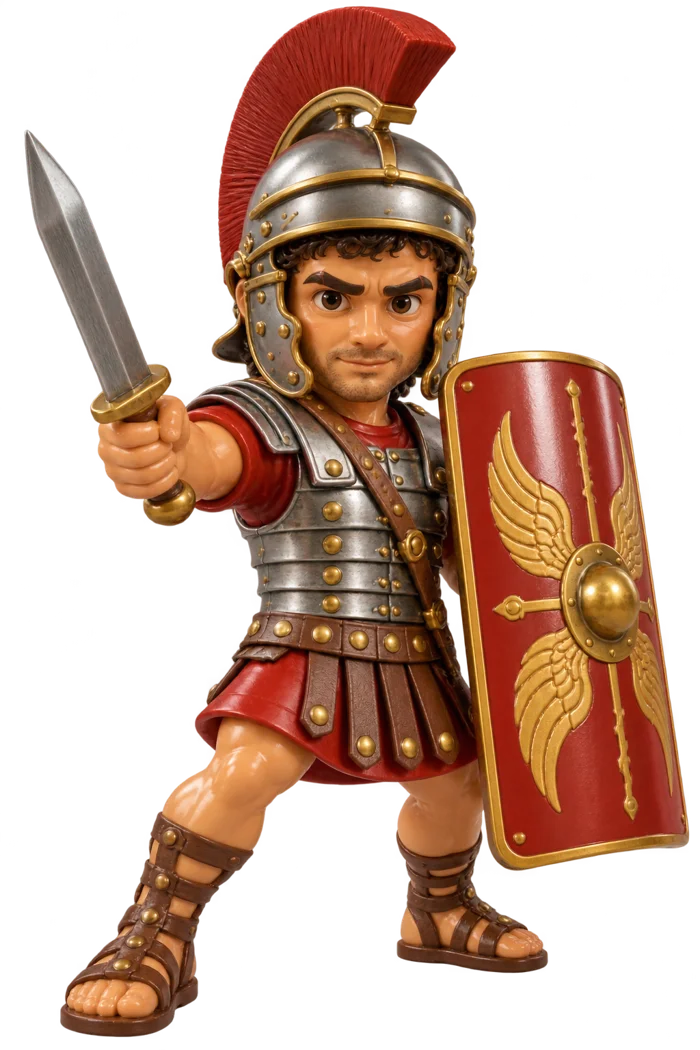 219 BCLegionary
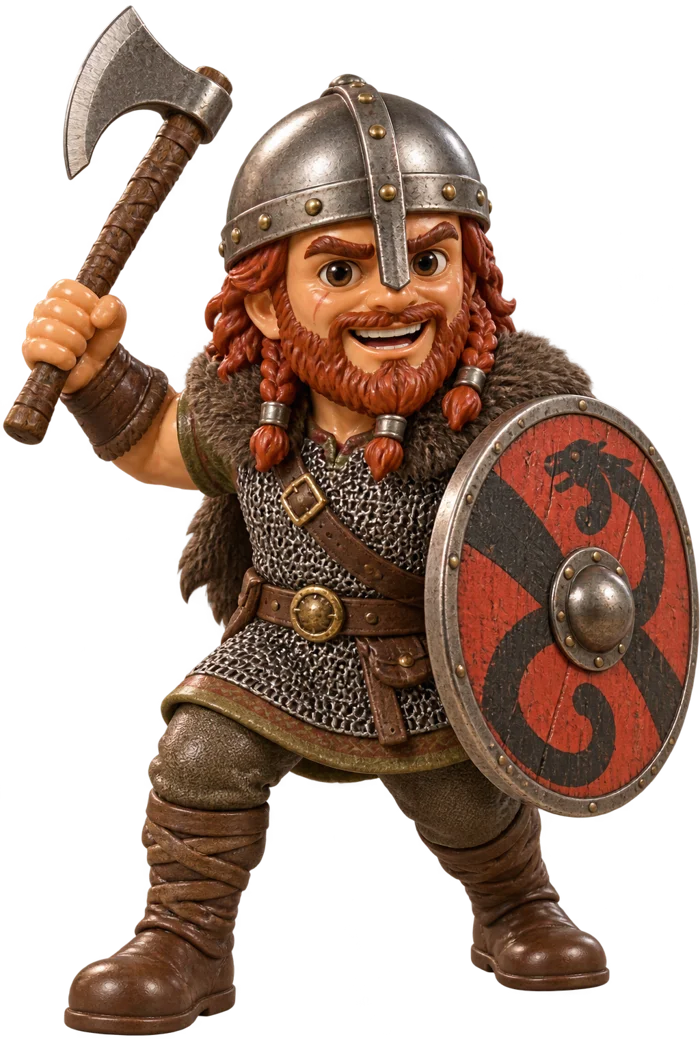 AD 793Viking
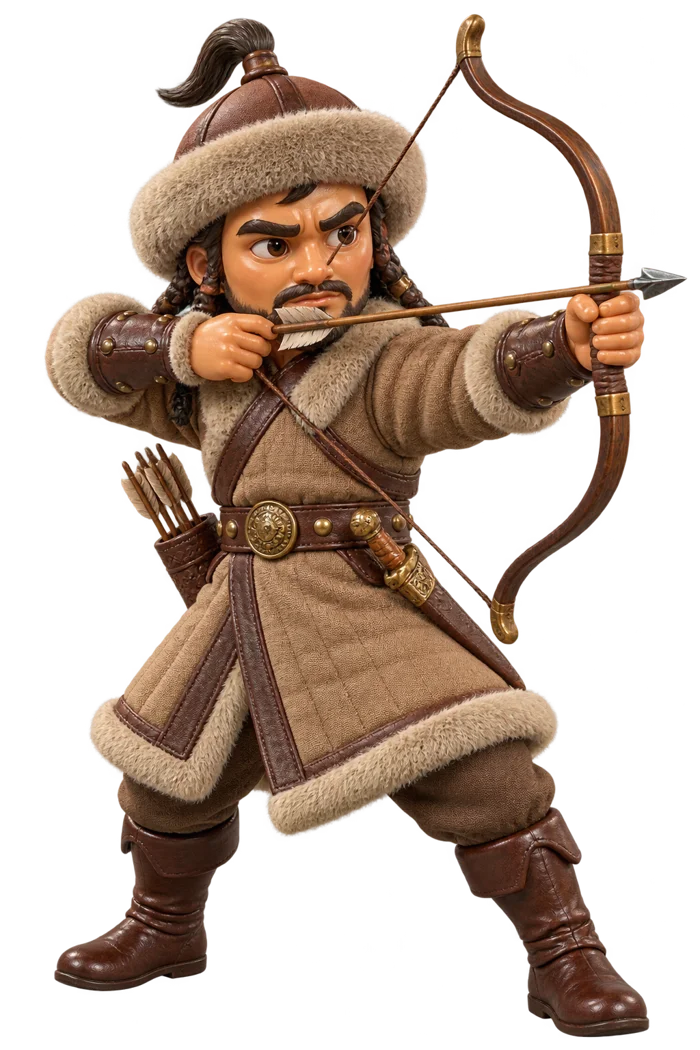
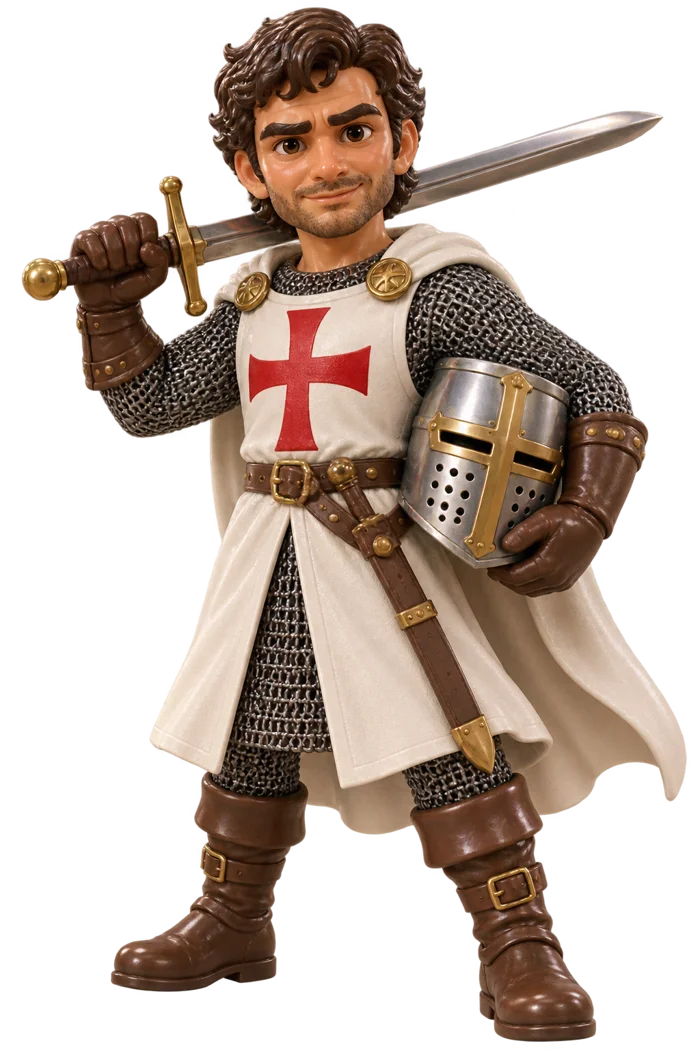 AD 1099CrusaderAD 1206Steppe archer
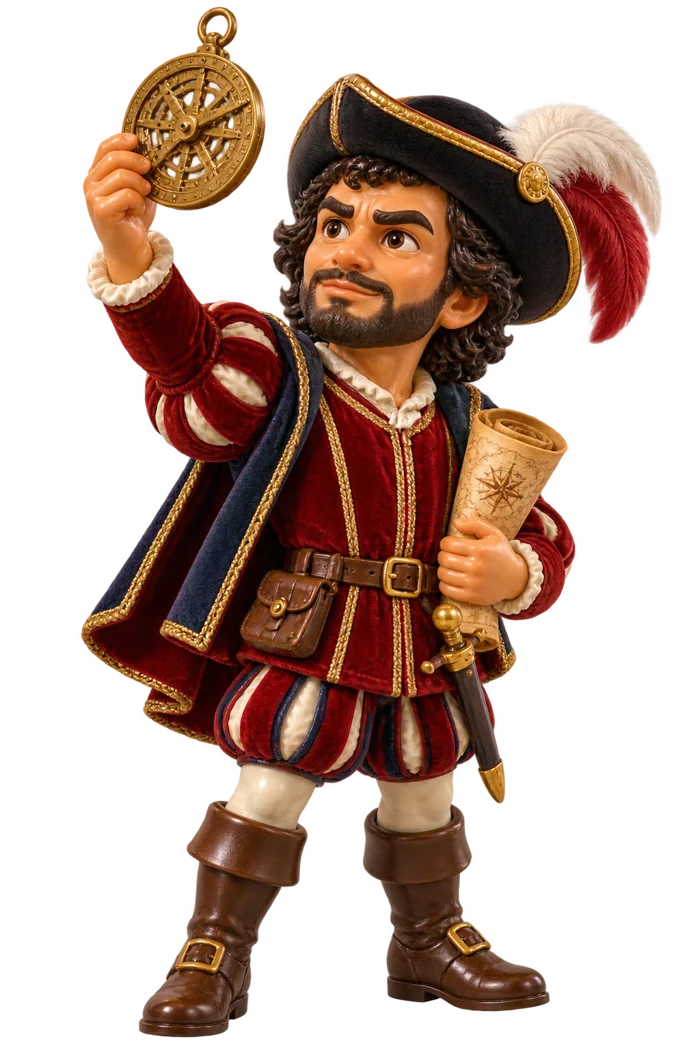 AD 1492Navigator
 AD 1503Renaissance artistAD 1519Eagle warriorAD 1600Samurai
 AD 1715Pirate
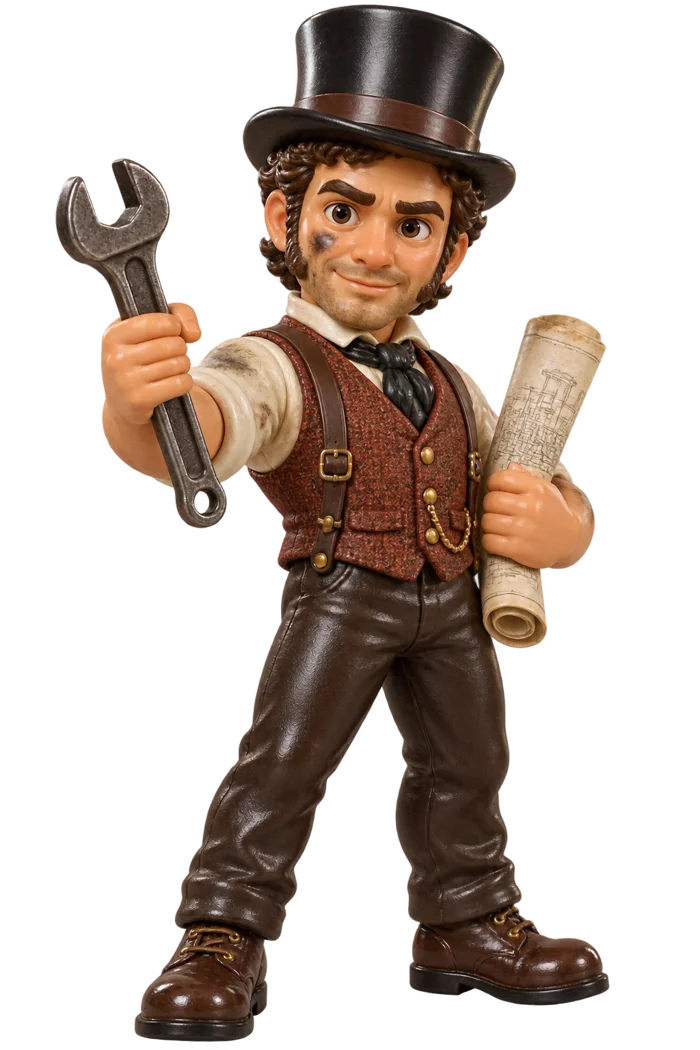 AD 1830Engineer
 AD 1898Scientist
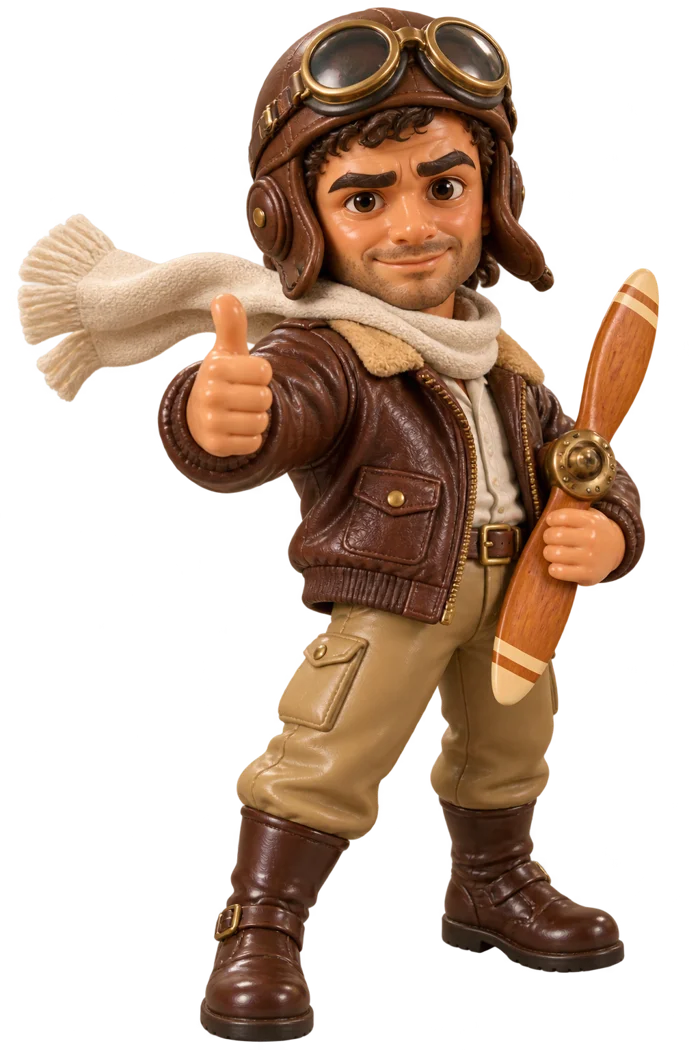 AD 1927AviatorAD 1969Astronaut
Each story also plays as a short vertical reel, while the globe turns to the place where it happened.
A guide sits beside the globe. Ask why, how or what was happening elsewhere, and it answers briefly and flies you to the right place.
Yes. The globe runs free in your browser. Press Explore and you are in.
From Cliopatria, the historical borders dataset of the Seshat Global History Databank. Ancient frontiers were fuzzy, so read them as the best reconstruction, not a surveyed line. Details are on our sources page.
Most come from Wikidata, with the key moments written by hand. Each event links to its Wikipedia article so you can read further.
The slider covers 40,000 years of human history, from Ice Age cave painters to the Moon landing and beyond.
Yes. Every view has a link with the year and coordinates, so a class can open straight on Saguntum in 219 BC.
It answers questions about places, people and years in plain language, in a few sentences.