Ancient world · state
New Kingdom of Egypt
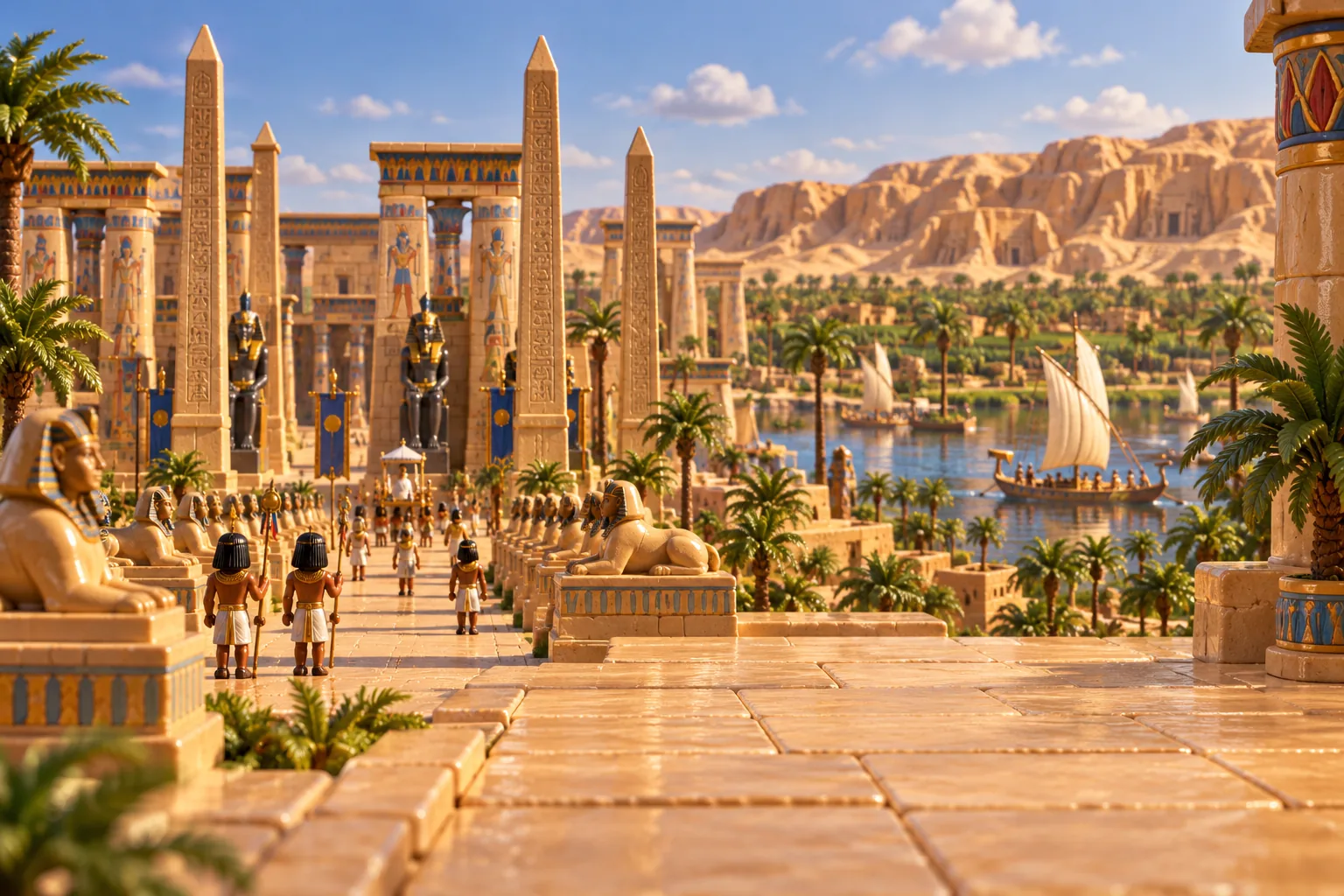
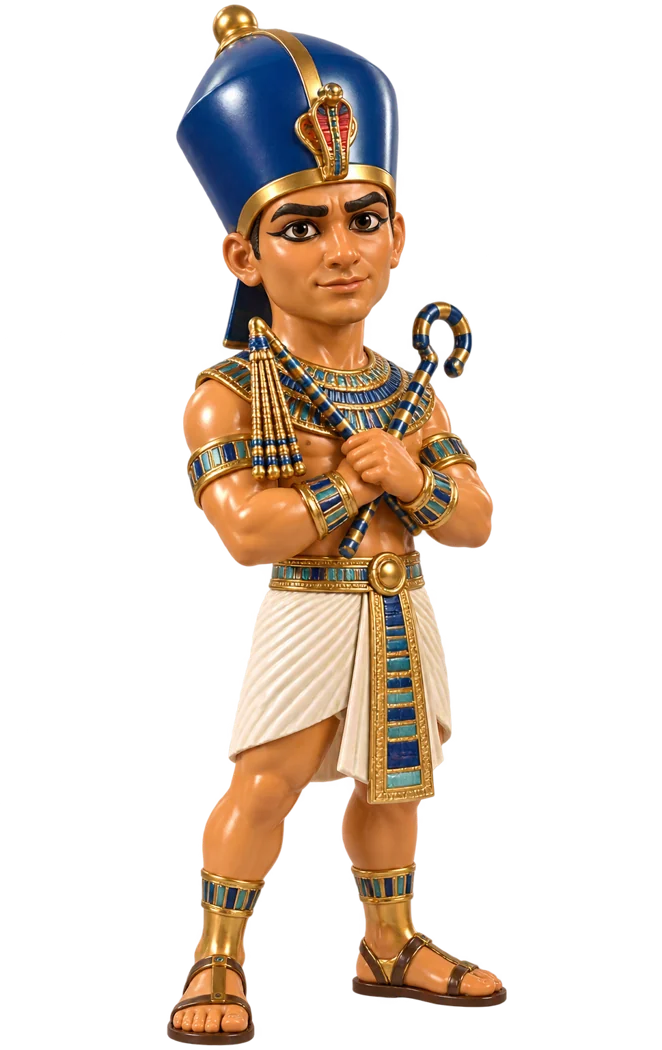
For five centuries Egypt was the richest power on Earth, and the pharaohs we know best, from Hatshepsut to Ramesses II, all ruled in this age.
Around 1550 BC Ahmose I drove the Hyksos, foreign kings who had ruled the north, out of Egypt. The pharaohs who followed built an empire: Thutmose I and Thutmose III led armies to the Euphrates in Syria and deep into Nubia in the south. Hatshepsut ruled as pharaoh herself and sent a trading fleet to the land of Punt.
Gold from Nubia and tribute from Syria paid for huge temples at Karnak and Luxor in the capital, Thebes. Pharaohs were no longer buried in pyramids but in tombs cut into the rock of the Valley of the Kings. Akhenaten tried to replace the old gods with the sun disc Aten and built a new capital; after him the boy king Tutankhamun brought the old gods back.
Ramesses II, who reigned for 66 years from 1279 BC, fought the Hittites at Kadesh and later made peace with them, and he carved the giant temples of Abu Simbel. After him the empire weakened. Ramesses III fought off the Sea Peoples, but trade collapsed, and by 1069 BC Egypt was split between the priests of Thebes and kings in the north.
Read more on Wikipedia
Sources: en.wikipedia.org/wiki/New Kingdom of Egypt, en.wikipedia.org/wiki/Egyptian–Hittite peace treaty, en.wikipedia.org/wiki/Deir el-Medina

