386 states · 6 eras
Empires and states of history
Every one has its own page and its own place on the globe. Pick one, or spin the Earth and find it there. See also: Events of world history, People of world history.
Ancient world 3,300 BC to 500 BC
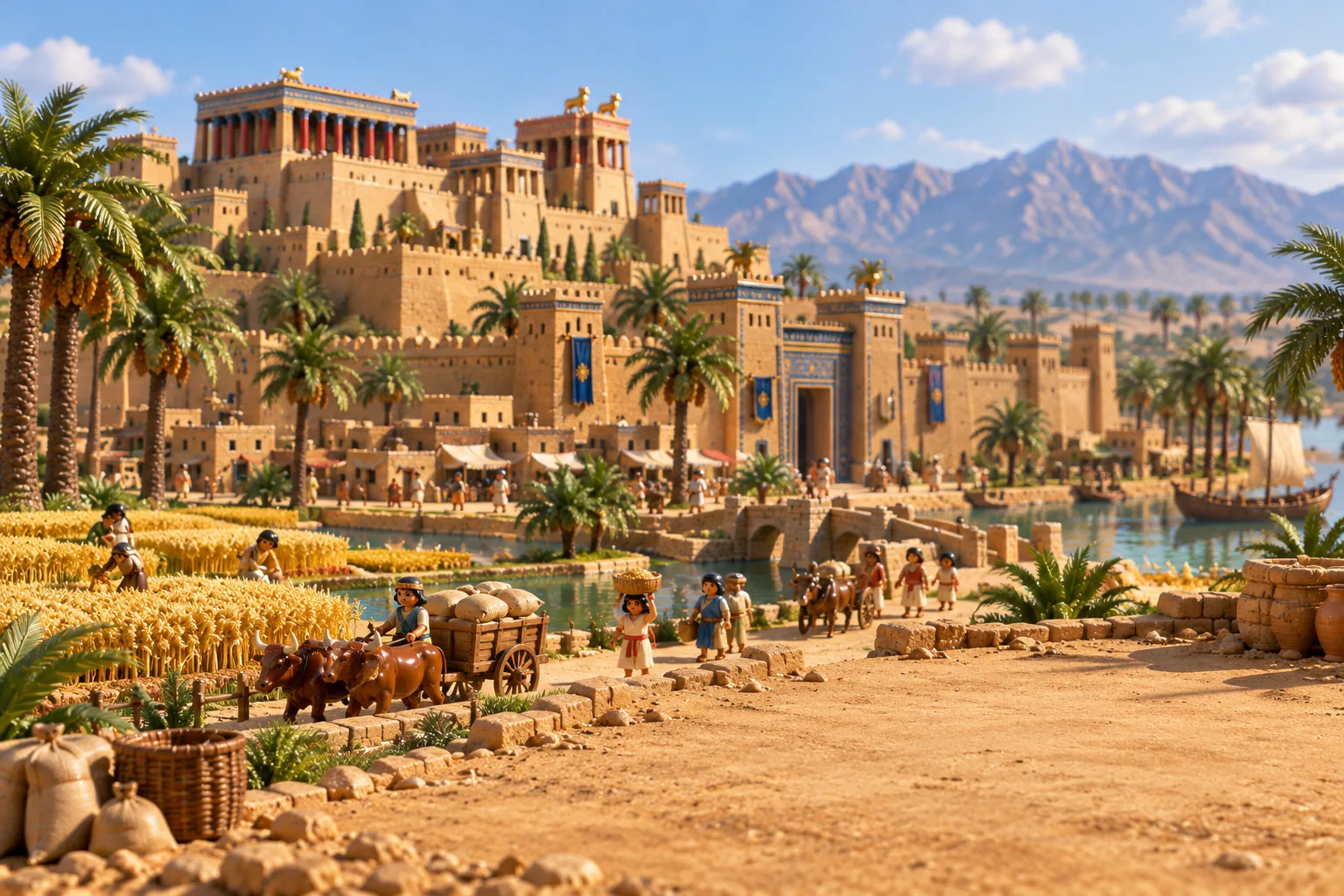 c. 3200 – 539 BC · Susa, IranElamElam's kings raided Babylonia and carried off Hammurabi's law code, which French archaeologists dug up at Susa in 1901.
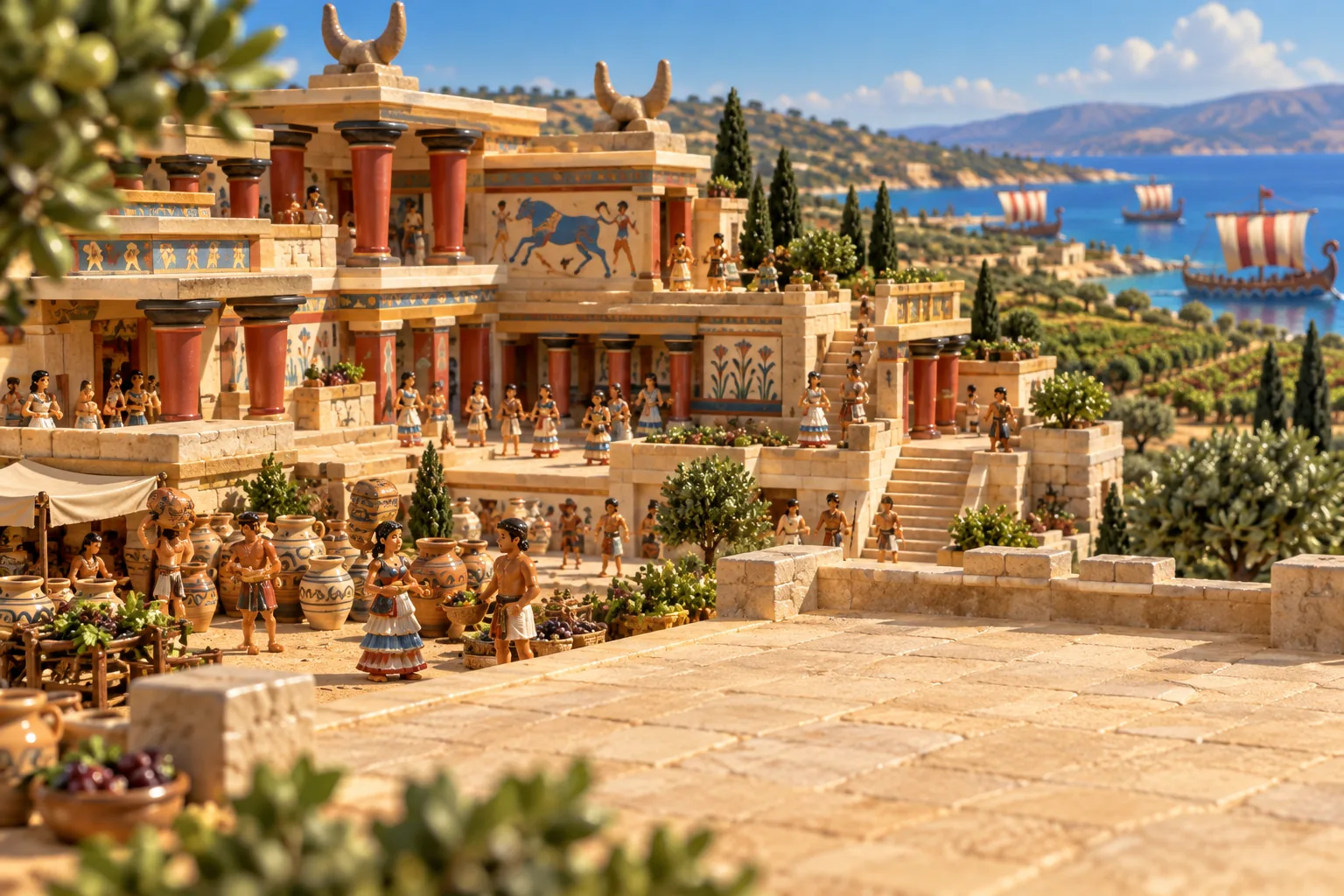 c. 3100 – 1100 BC · Knossos, CreteMinoan civilizationEurope's first civilization painted acrobats leaping over bulls, piped water through its palaces and wrote in a script nobody can read.
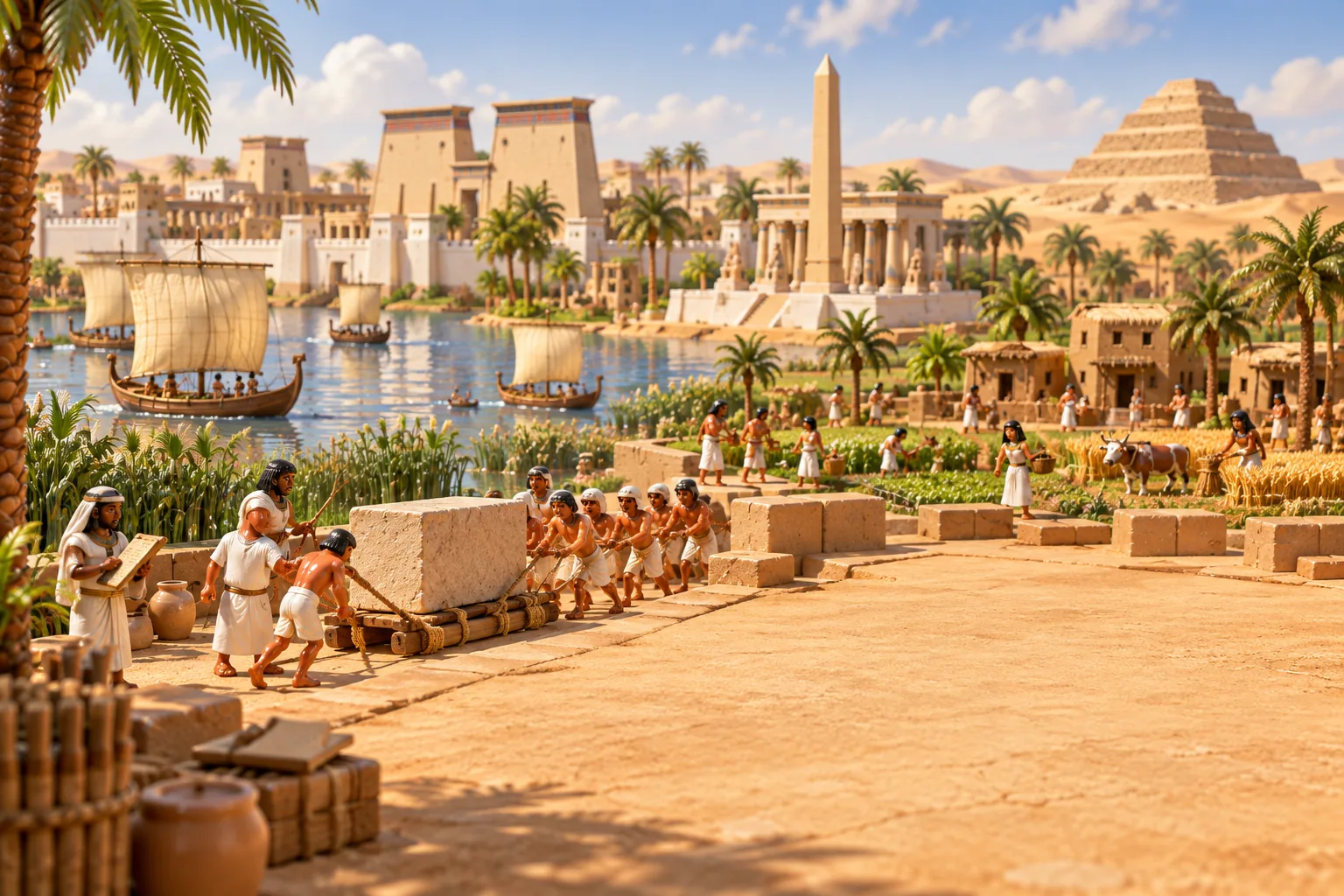 c. 2686–2181 BC · MemphisOld Kingdom of EgyptOld Kingdom kings built the pyramids of Giza, and the Great Pyramid stayed the tallest human-made structure on Earth for more than 3,700 years.
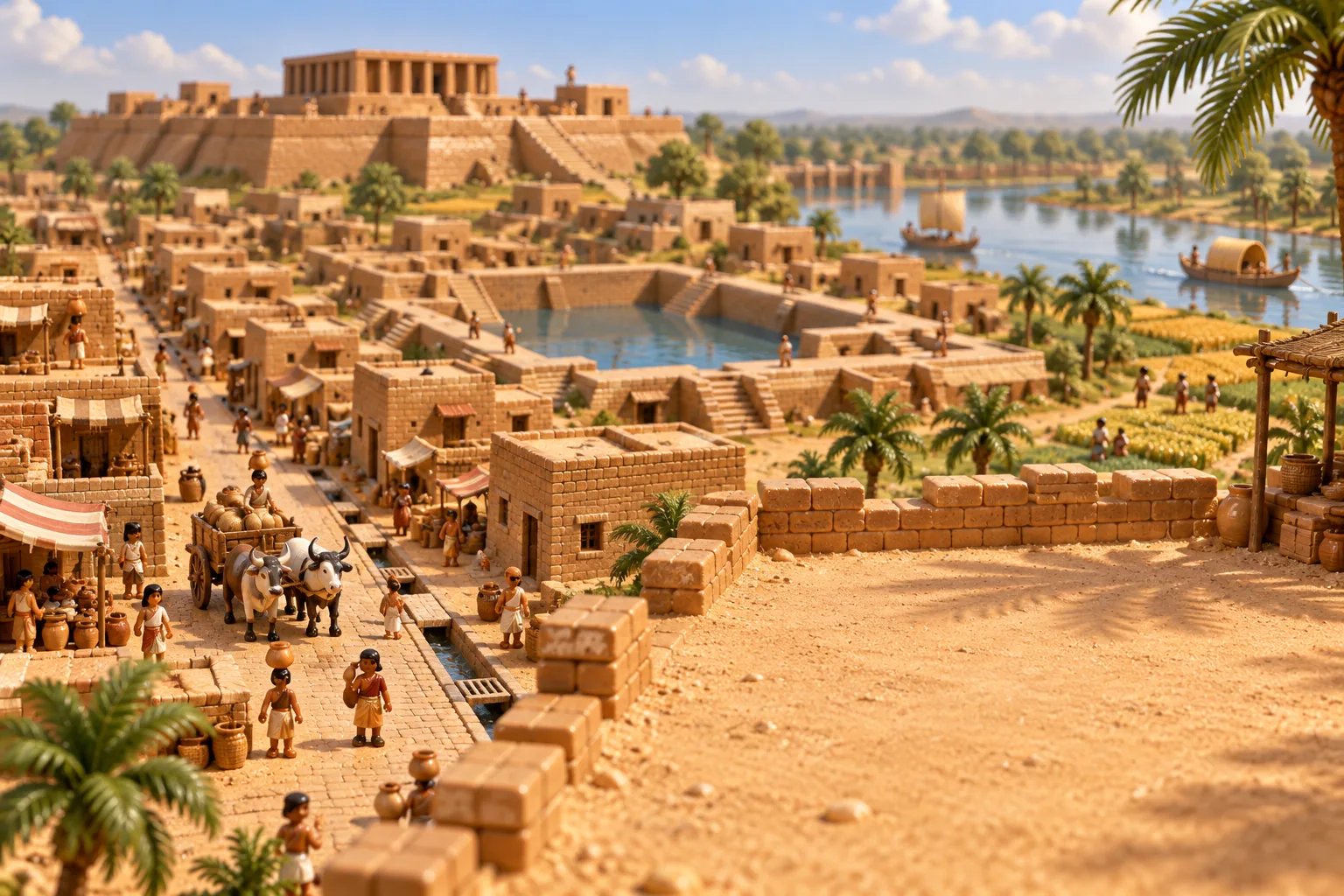 c. 2600 – 1900 BC · Mohenjo-daro, PakistanIndus Valley CivilizationFour and a half thousand years ago its cities had covered drains under the streets, yet we still cannot read a single word they wrote.
 2334–2154 BC · Akkad region, central IraqAkkadian EmpireSargon of Akkad built what is often called the first empire in history, and the city he ruled it from has still not been found.
 c. 2040–1700 BC · Itjtawy (near el-Lisht)Middle Kingdom of EgyptPharaohs of the Middle Kingdom reunited Egypt after a century of civil war, and its writers produced stories that Egyptians copied as classics for centuries.
 c. 2025 – 609 BC · AssurAssyrian EmpireCalled the first true military superpower, Assyria ruled from Egypt to Iran, and its king's library saved the Epic of Gilgamesh for us.
 c. 1894–539 BC · Babylon, IraqBabyloniaBabylon's scholars counted in sixties, which is why an hour still has 60 minutes and a circle 360 degrees.
 c. 1750–1050 BC · Mycenae, GreeceMycenaean GreeceAgamemnon's legendary city gave its name to a civilization that wrote the earliest known Greek in a script called Linear B.
 c. 1650 – c. 1550 BC · Avaris (Tell el-Dab'a), EgyptHyksosFor about a century kings from the Levant ruled northern Egypt from a Delta port, the first foreigners ever to sit on the pharaohs' throne.
 c. 1650–1180 BC · Hattusa, TurkeyHittitesAfter fighting Ramesses II at Kadesh, the Hittite king made peace with Egypt in one of the oldest treaties to survive in full.
 c. 1600 – 1046 BC · Yinxu, near Anyang, HenanShang dynastyShang kings put questions to their ancestors by cracking heated oracle bones, leaving behind the earliest known Chinese writing.
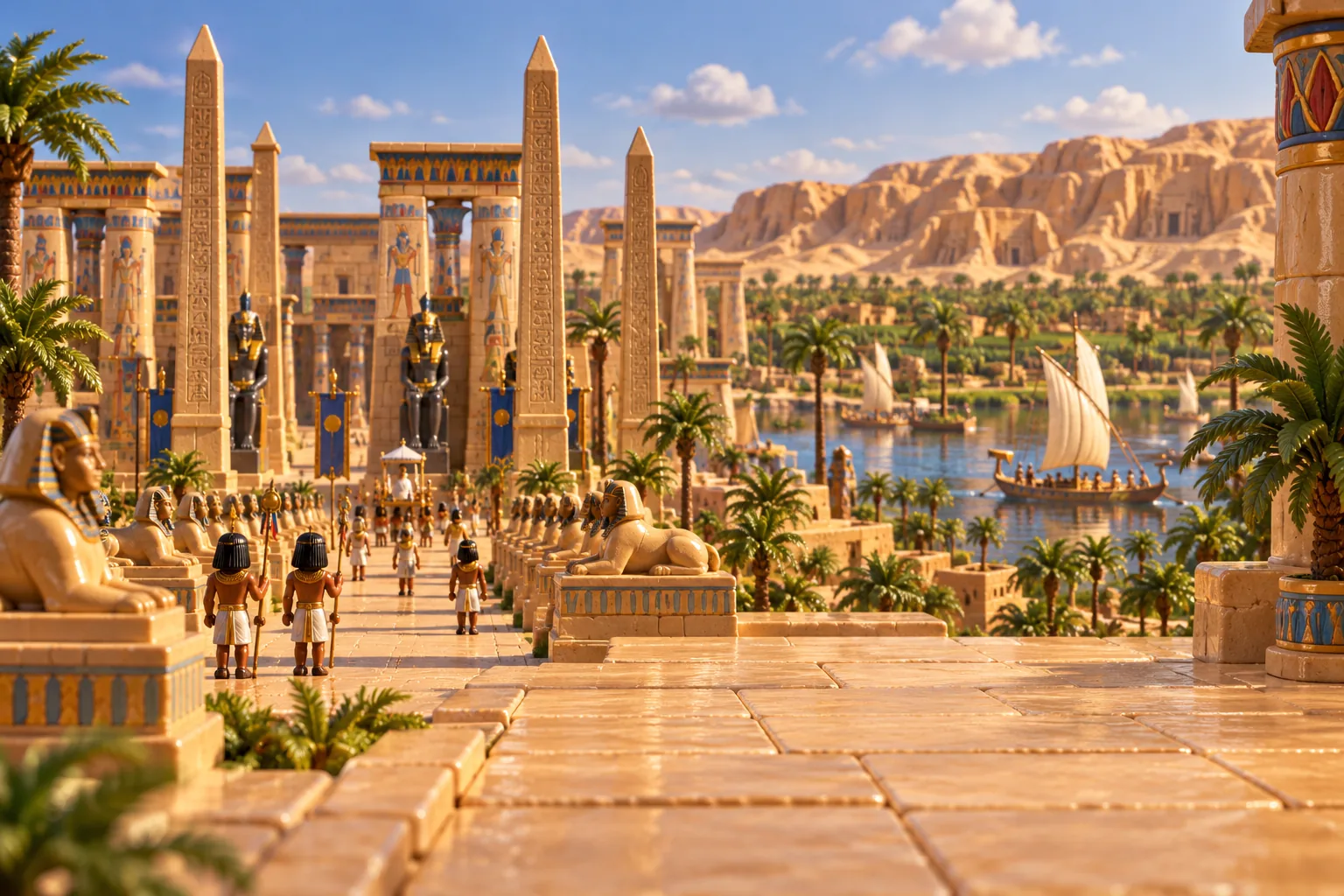 c. 1550 – 1069 BC · Thebes (Luxor), EgyptNew Kingdom of EgyptFor five centuries Egypt was the richest power on Earth, and the pharaohs we know best, from Hatshepsut to Ramesses II, all ruled in this age.
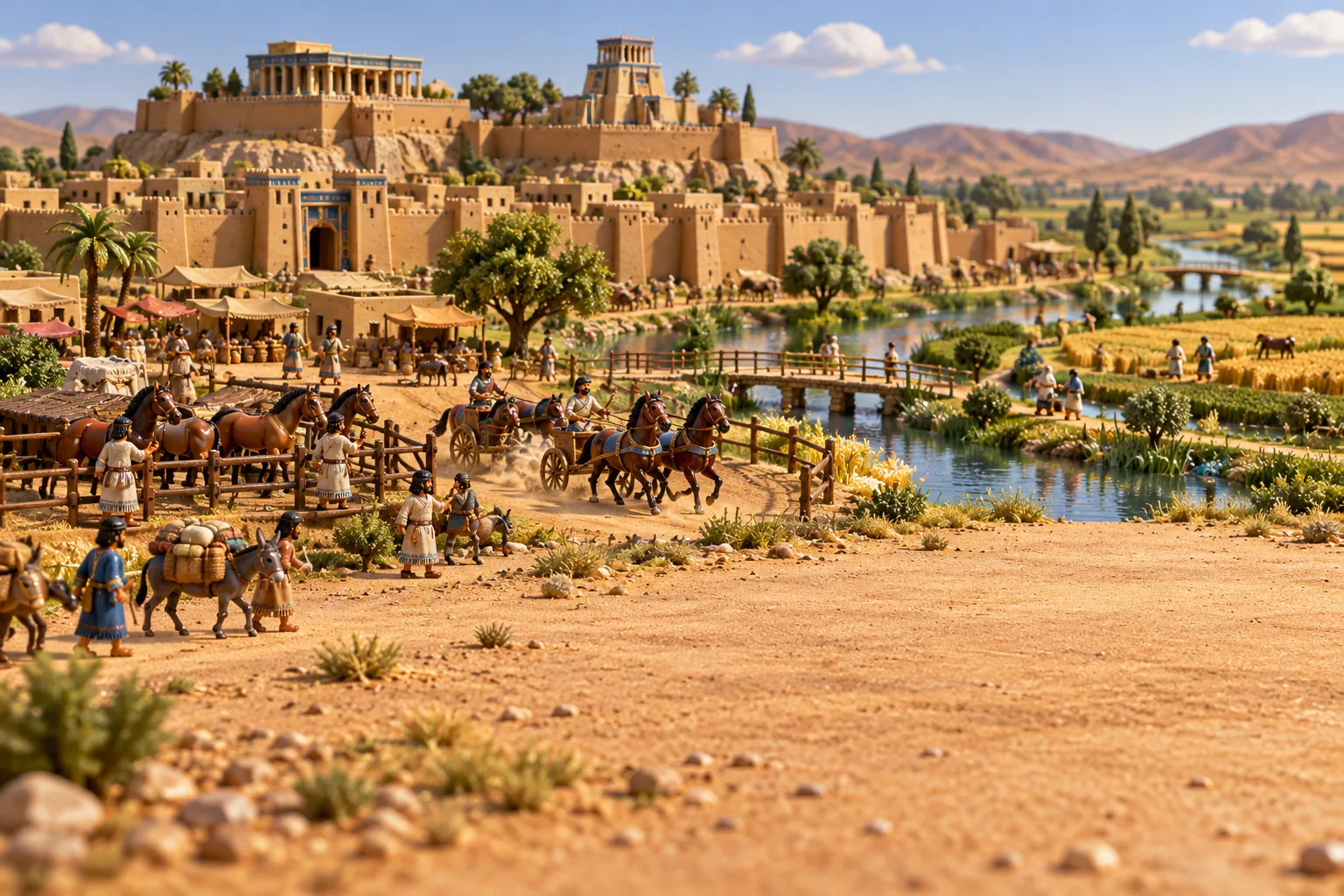 c. 1500–1260 BC · Washukanni (Tell Fekheriye)MitanniMitanni's chariot lords had kings with Indo-Aryan names, and their treaty with the Hittites calls on the gods Mitra, Varuna and Indra.
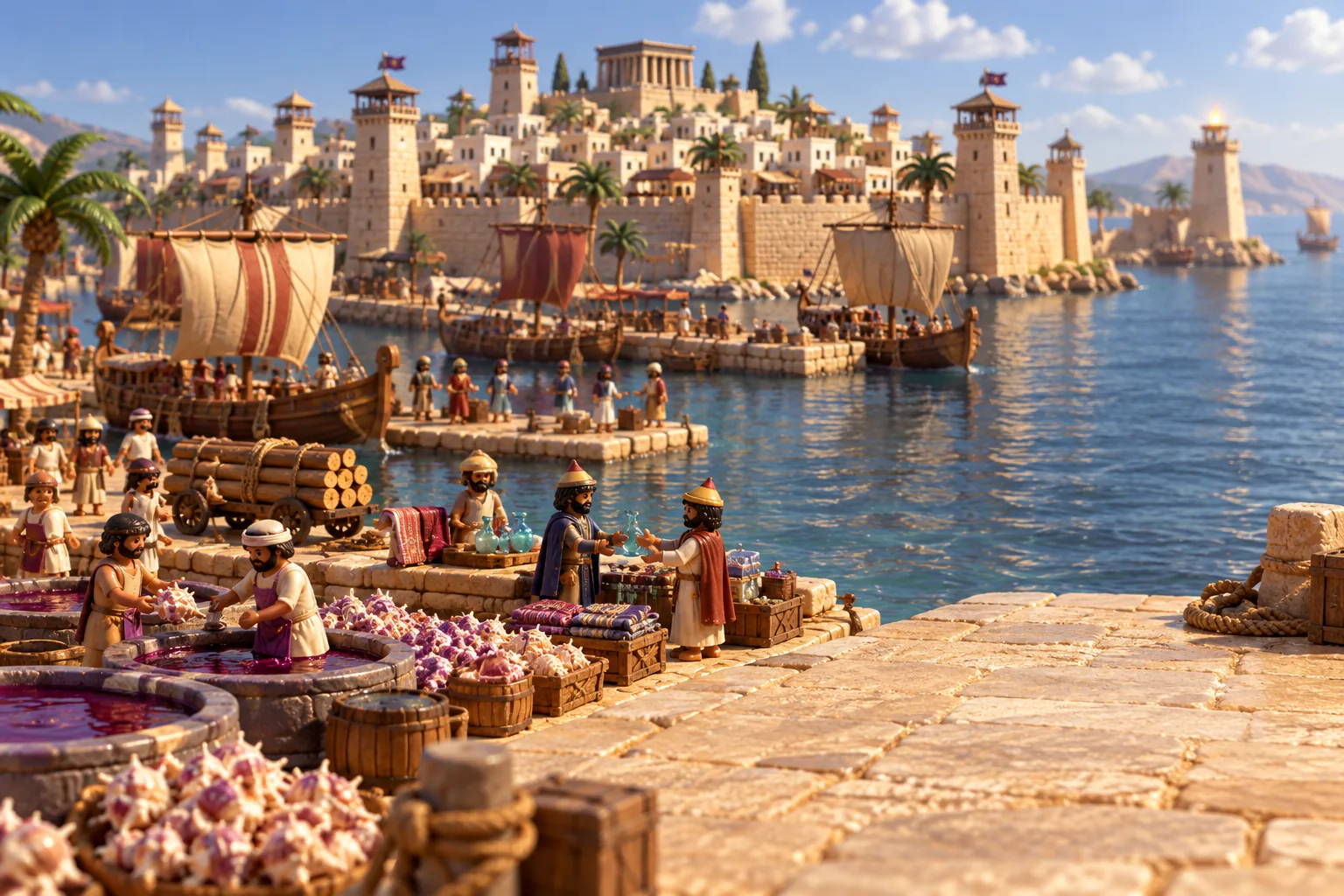 c. 1200 – 332 BC · Tyre, LebanonPhoeniciaPhoenician traders spread the alphabet that became Greek and Latin letters, and dyed cloth purple with sea snails.
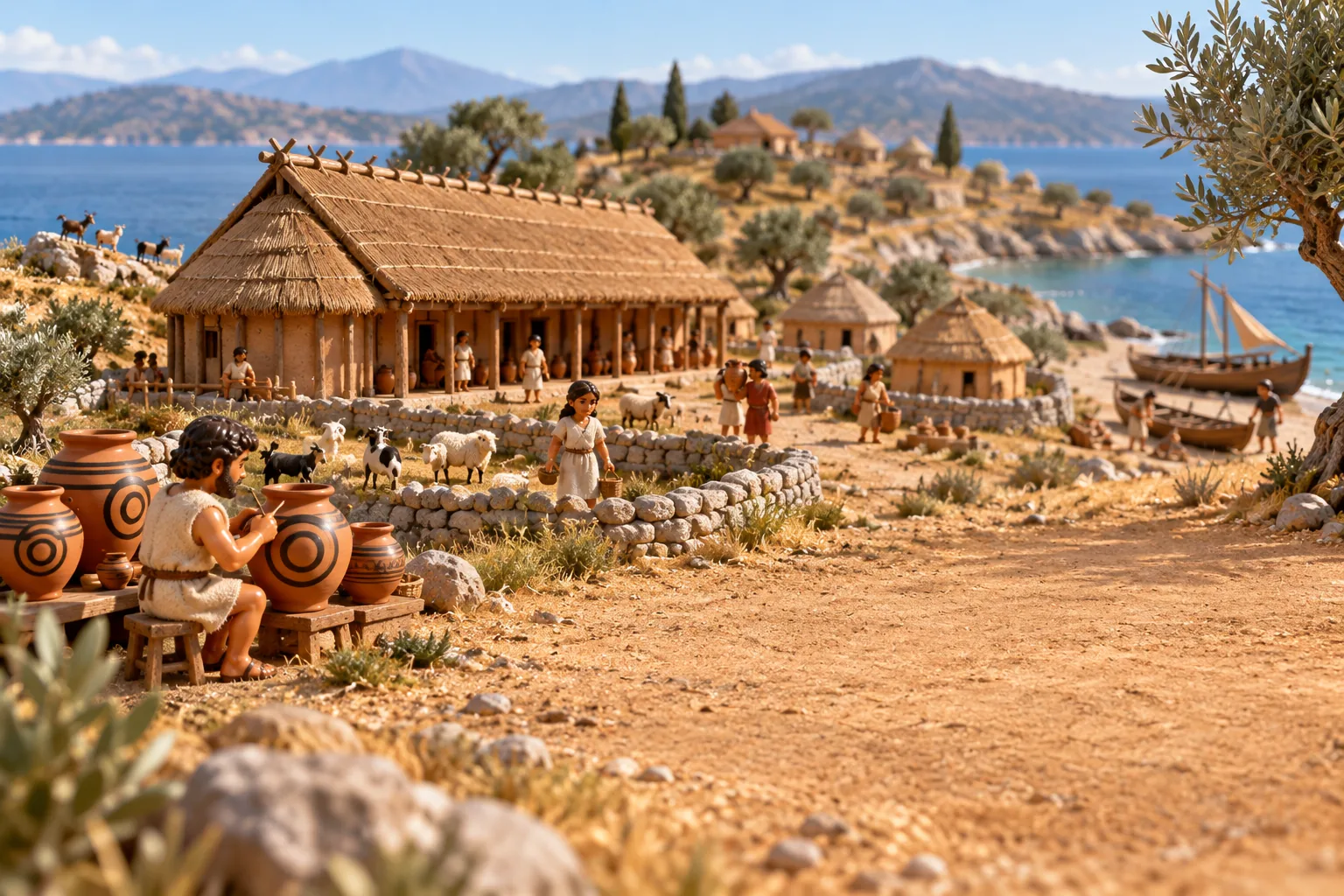 c. 1180 – 800 BC · Lefkandi, EuboeaGreek Dark AgesWhen the Mycenaean palaces fell, the Greeks forgot how to write for some four hundred years, then borrowed an alphabet from the Phoenicians and added the vowels.
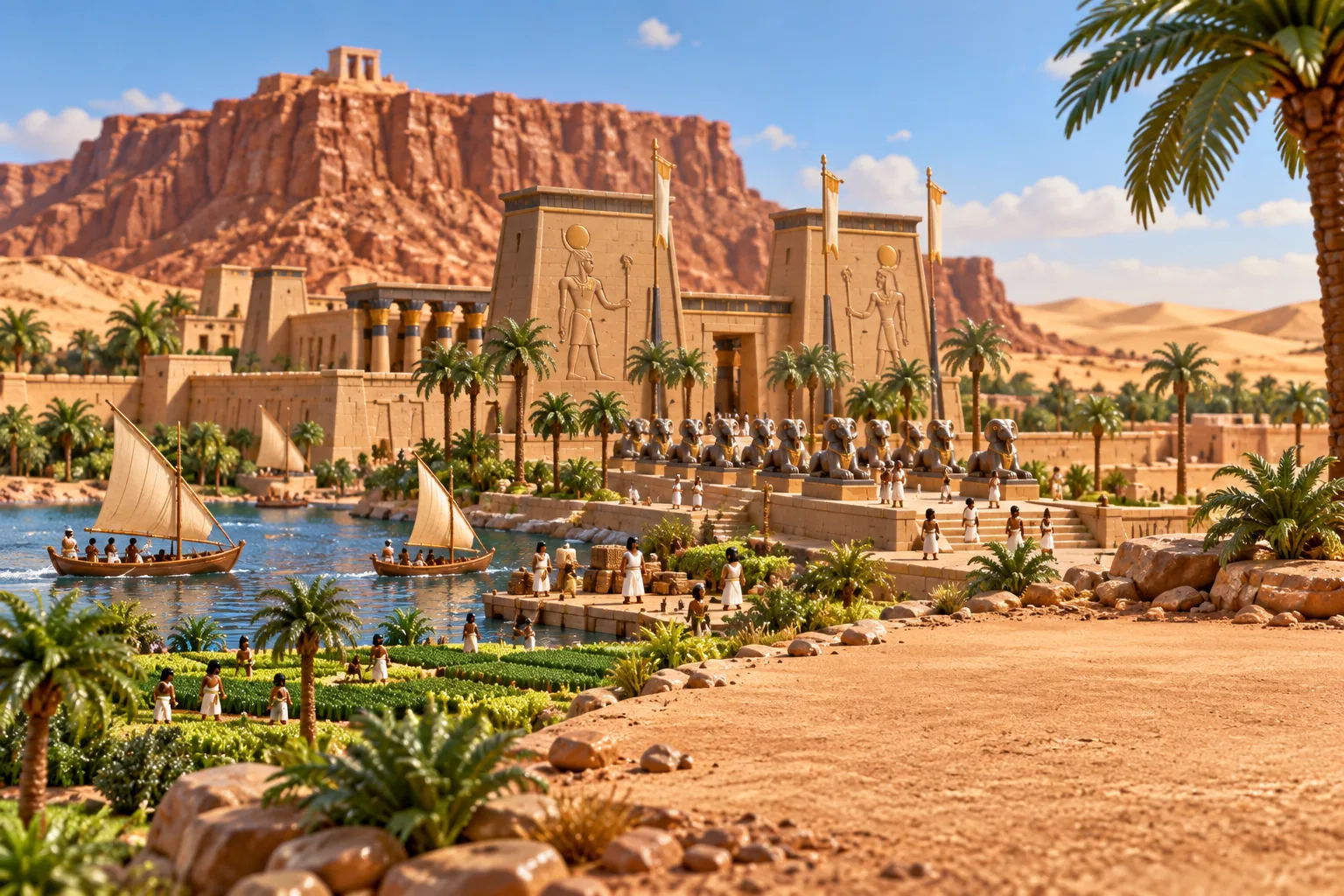 c. 1070 BC – AD 350 · Napata, SudanKingdom of KushKings from Nubia conquered Egypt and ruled it as its 25th Dynasty, then carried on for a thousand years at Meroë, a city of iron and pyramids.
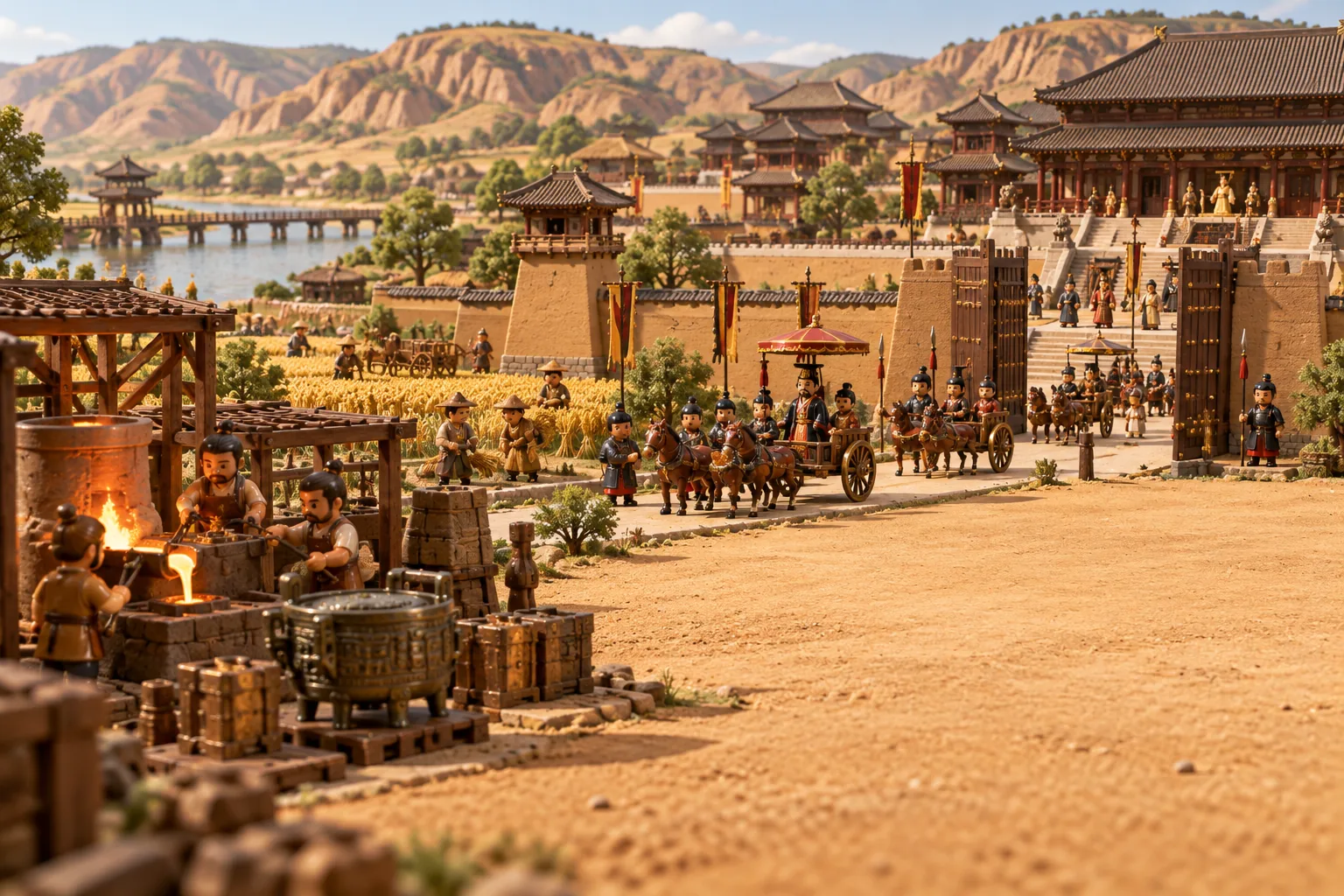 c. 1046 – 256 BC · Luoyang, ChinaZhou dynastyThe Zhou held the throne for about 790 years, longer than any other Chinese dynasty, and justified their conquest with an idea that outlived them all: the Mandate of Heaven.
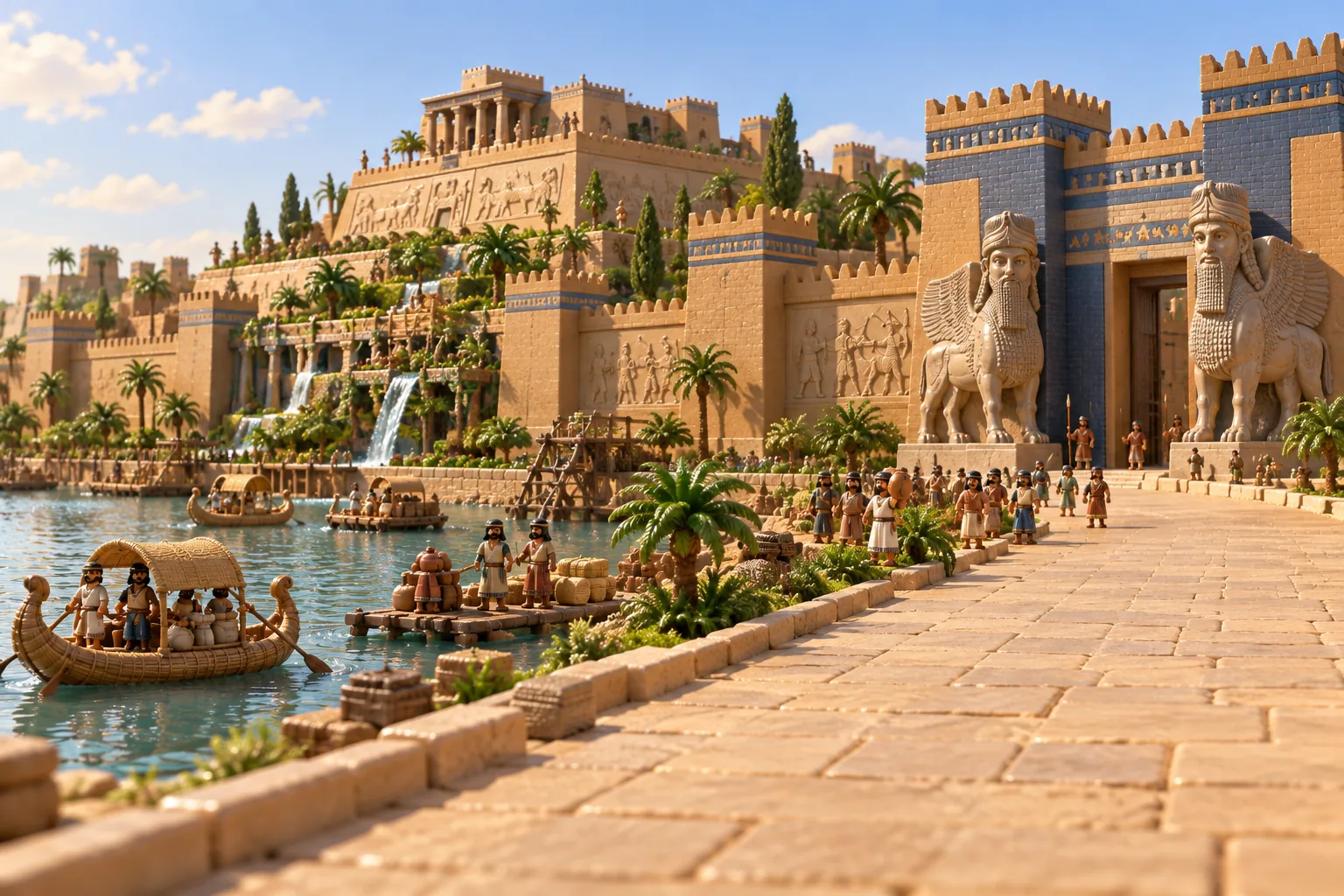 911–609 BC · Nineveh (Mosul, Iraq)Neo-Assyrian EmpireThe largest empire yet seen ruled from Egypt to Iran, then collapsed within two decades after Nineveh fell in 612 BC.
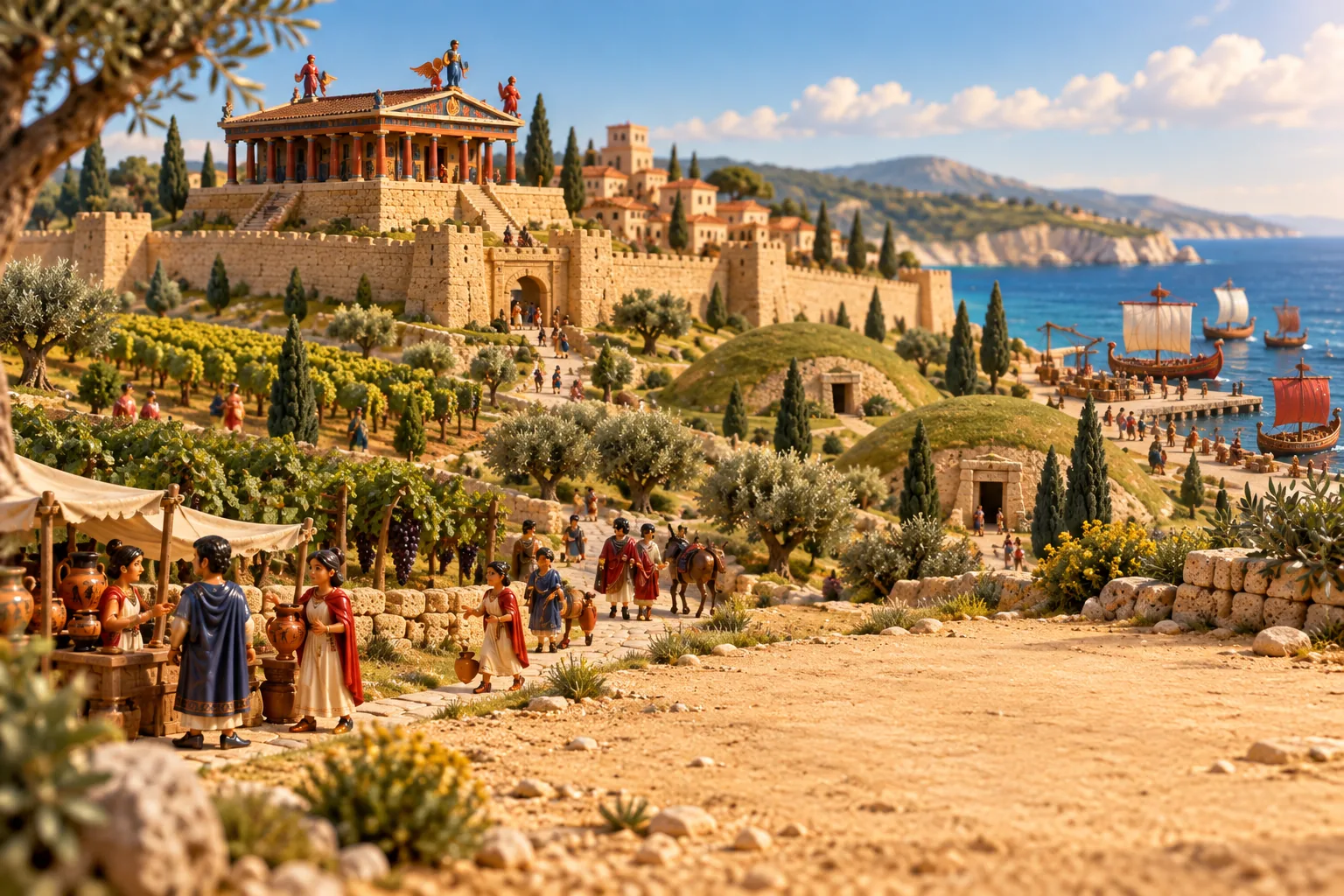 c. 900 – 27 BC · Tarquinia, ItalyEtruscansThey gave early Rome its kings and its fasces, and their language is still only partly understood.
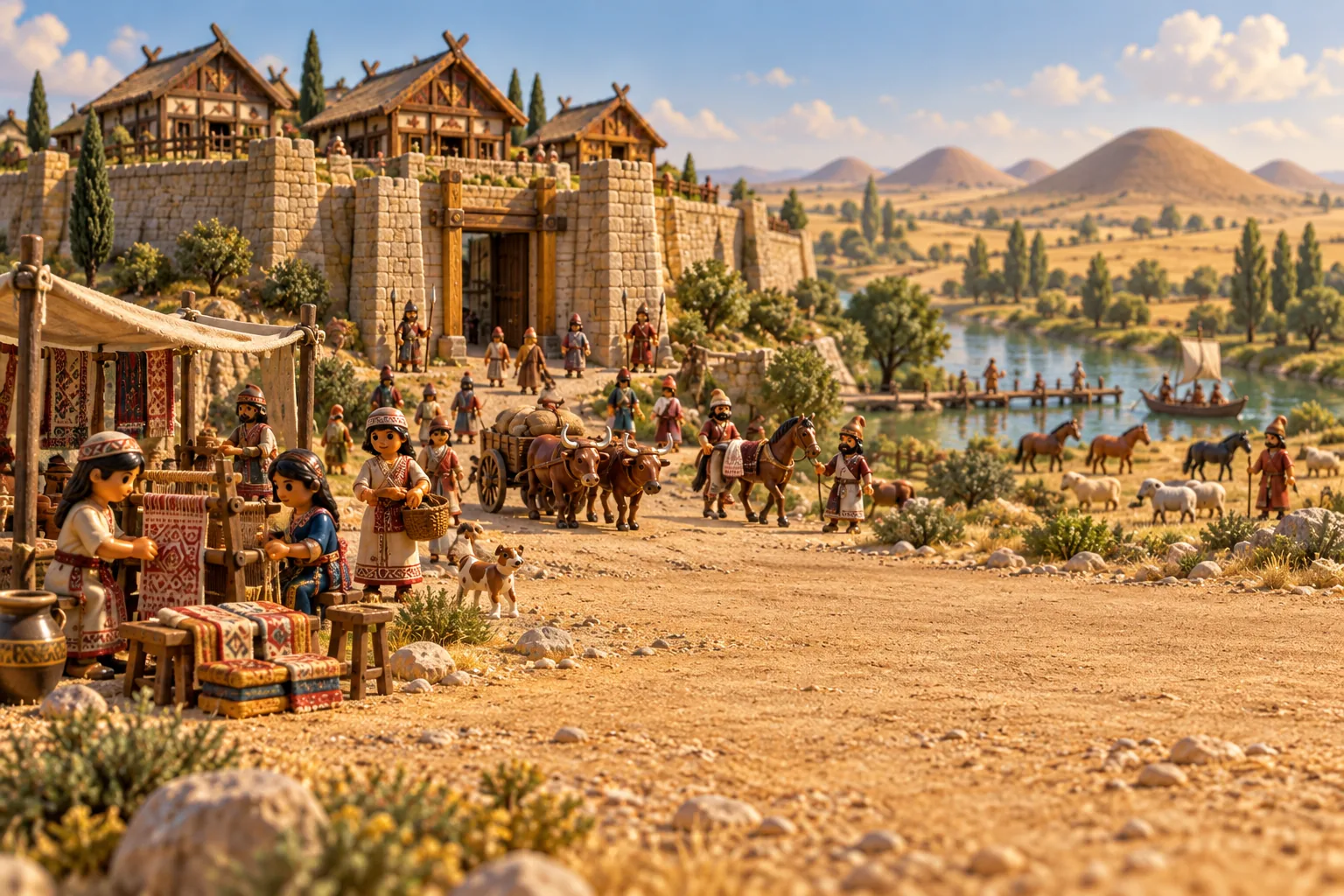 c. 900 – c. 675 BC · Gordion, TurkeyPhrygiaKing Midas of the golden touch really lived, and Assyrian scribes knew him as Mita, a dangerous rival in the hills of Anatolia.
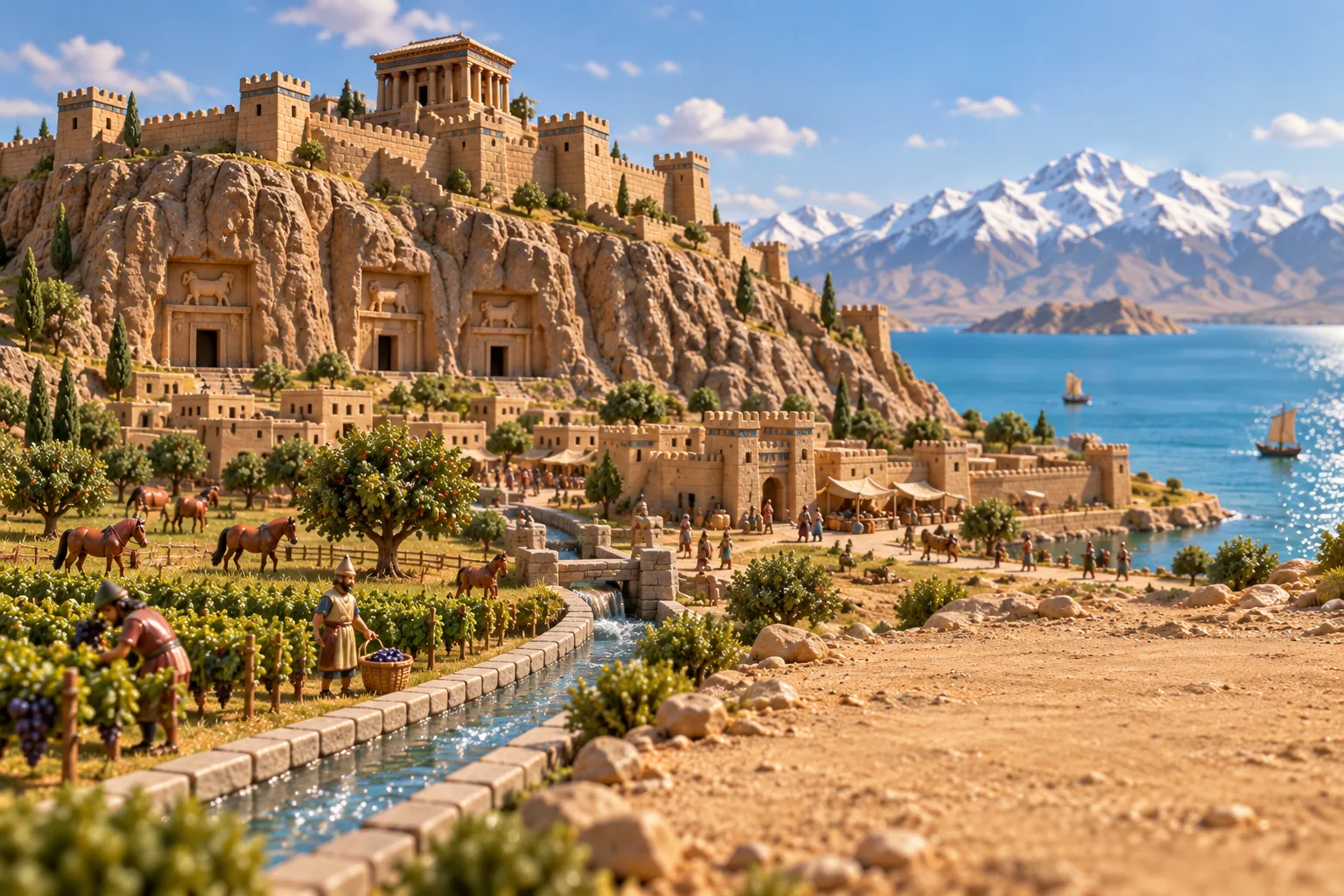 c. 860 – 590 BC · Tushpa (Van), Lake VanUrartuIts kings dug irrigation canals across the Armenian Highlands, and some of them still water the fields nearly three thousand years later.
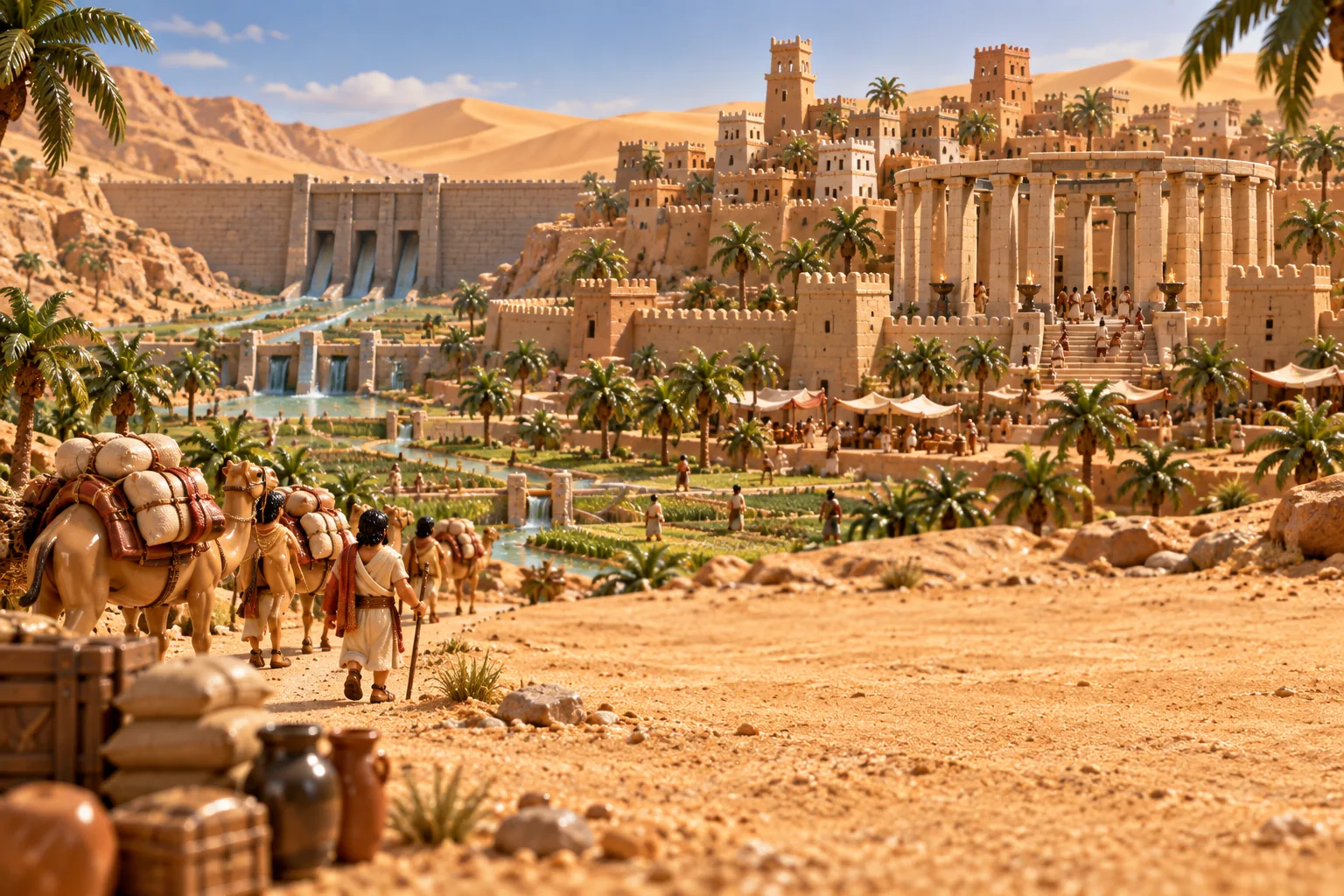 c. 800 BC – AD 275 · Marib, YemenShebaA desert-edge kingdom of incense traders tamed the monsoon floods with a dam and gave the Bible its Queen of Sheba.
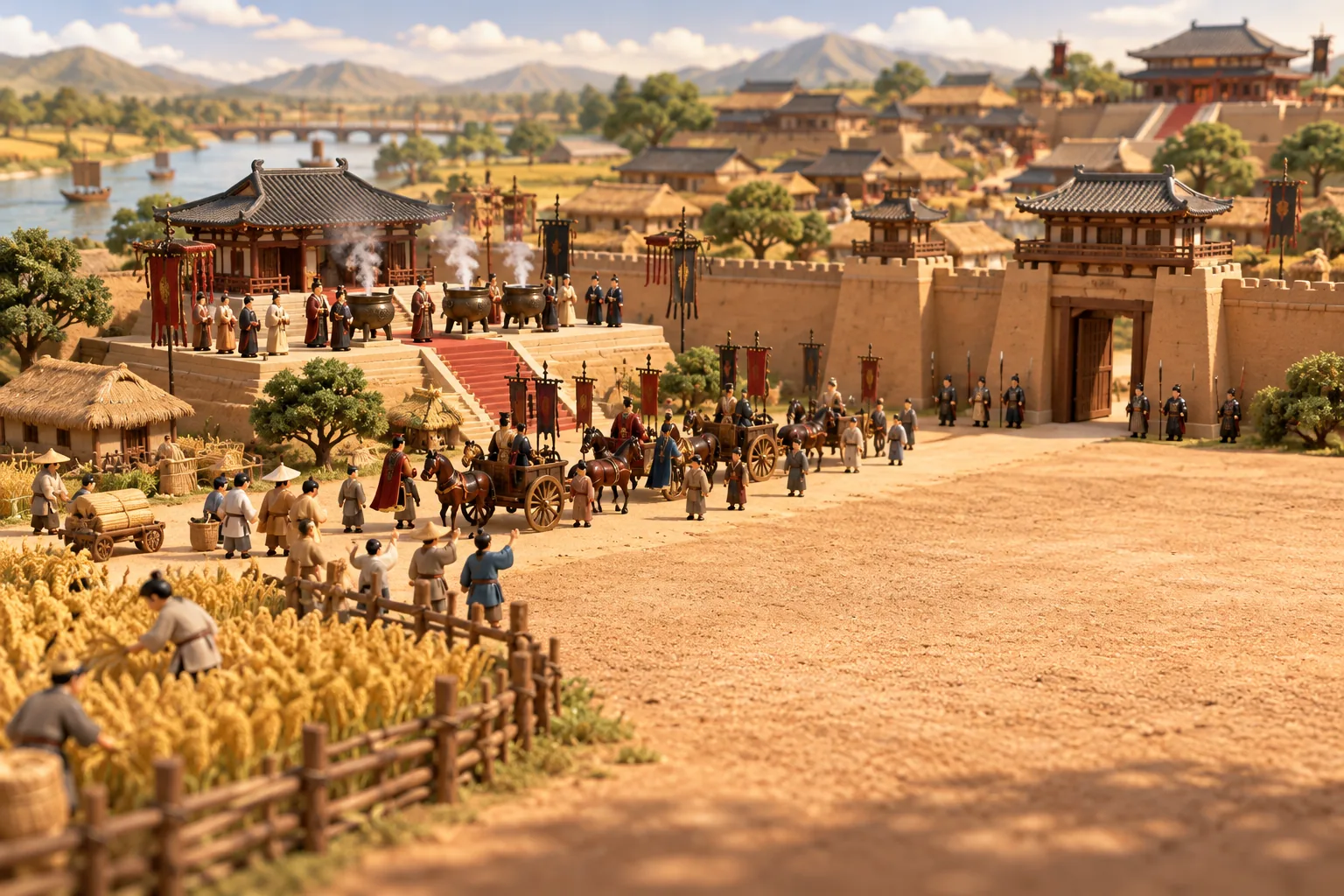 c. 770–481 BC · Luoyi (Luoyang), ChinaSpring and Autumn periodNamed after a chronicle of the state of Lu, it was the age of Confucius, when the Zhou kings lost real power.
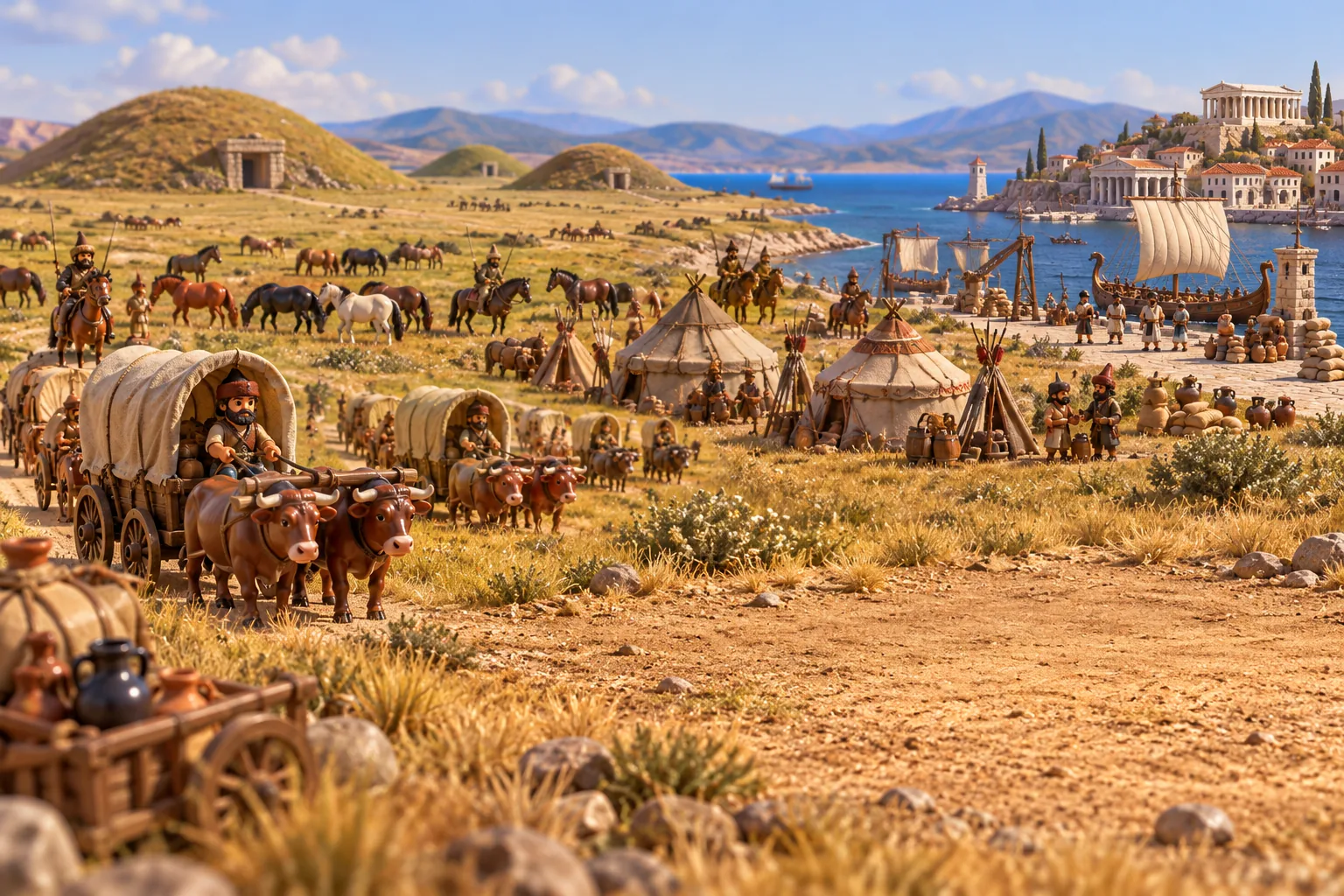 c. 8th – 3rd century BC · Pontic–Caspian steppeScythiansTheir very name meant archers, and for a generation these steppe horsemen were the masters of the Middle East.
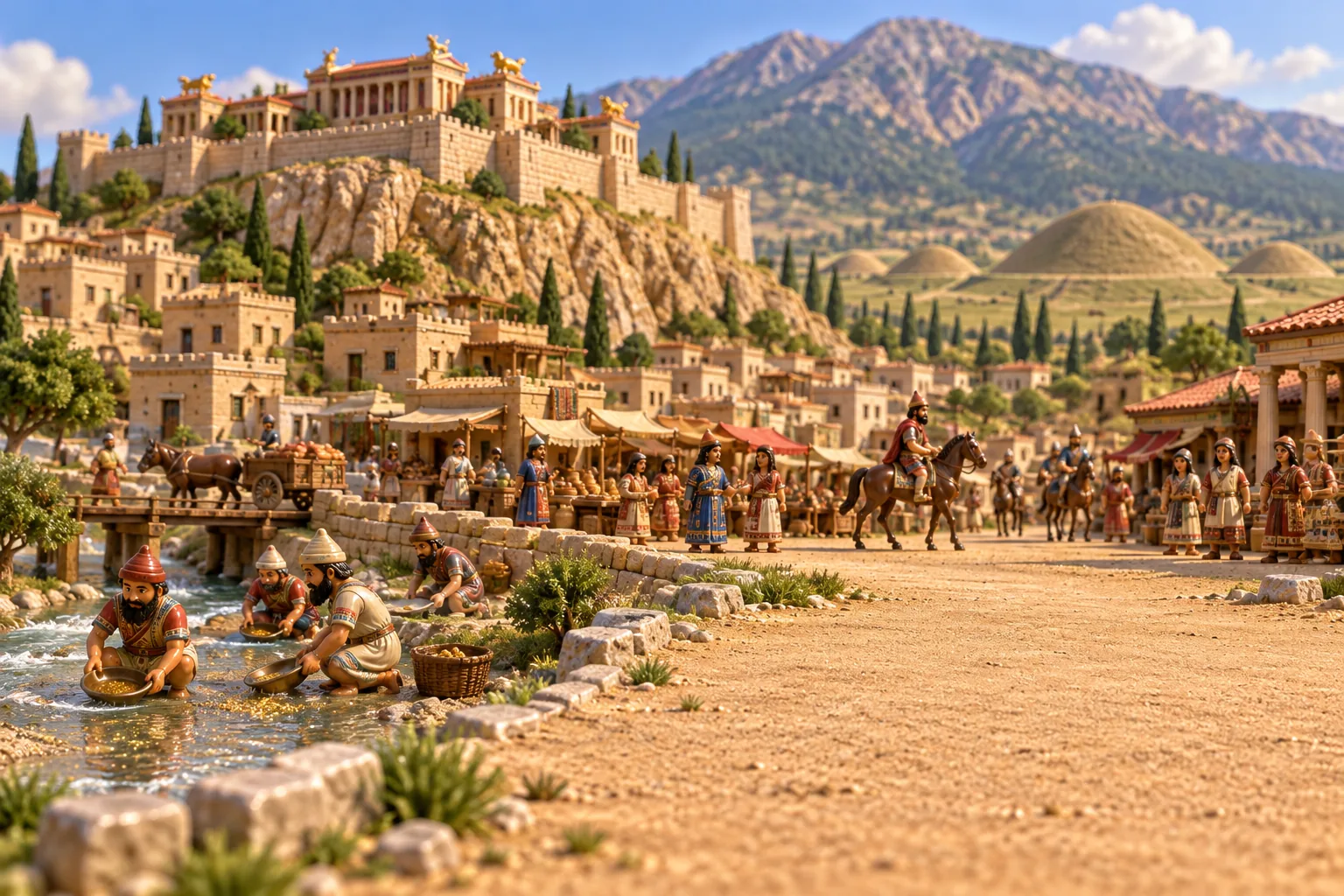 c. 680–546 BC · SardisLydiaLydia struck the first known coins, and its last king, Croesus, became a byword for wealth.
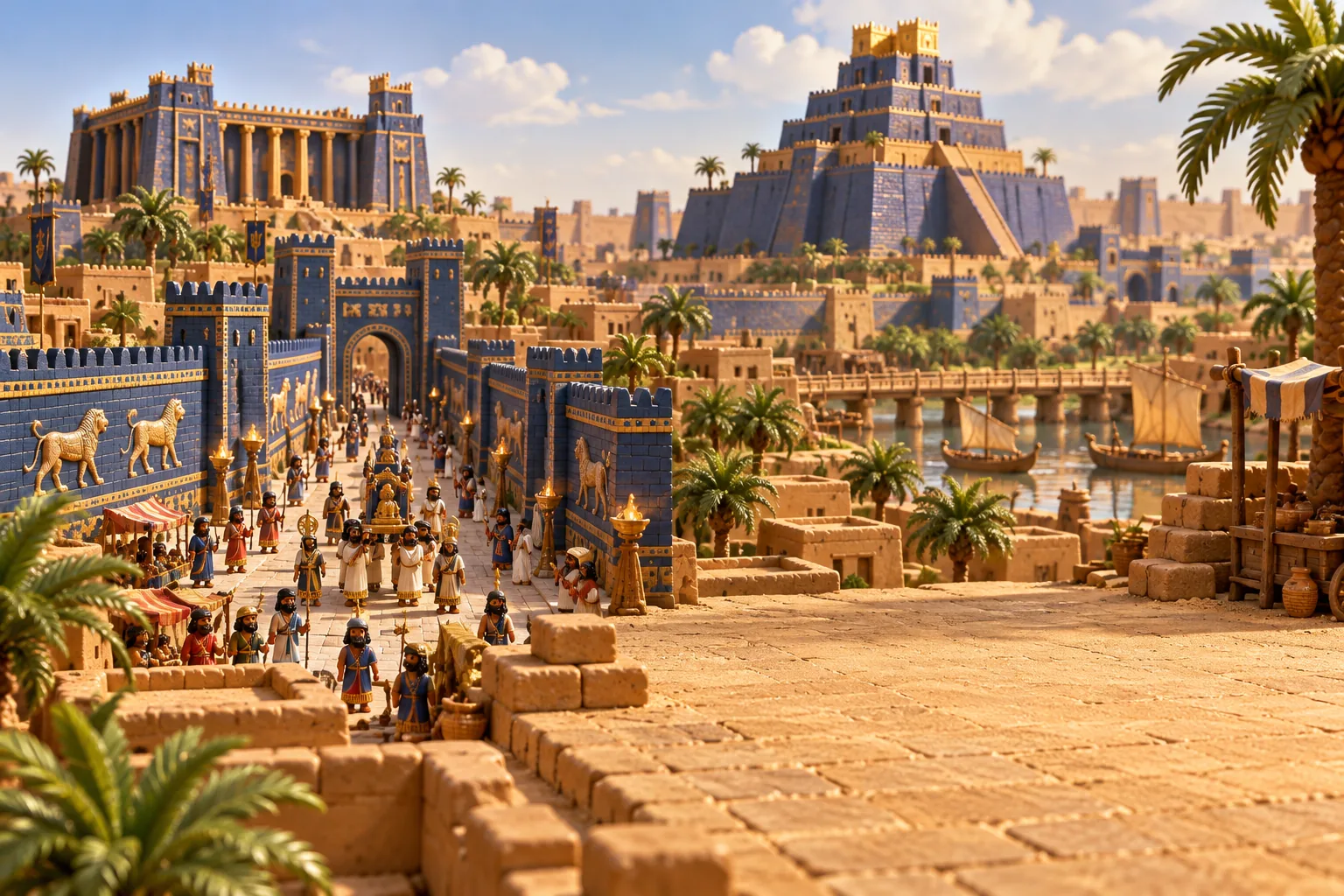 626–539 BC · Babylon, IraqNeo-Babylonian EmpireNebuchadnezzar II rebuilt Babylon with the blue-glazed Ishtar Gate and carried the people of Jerusalem into exile after 587 BC.
Antiquity 500 BC to AD 500
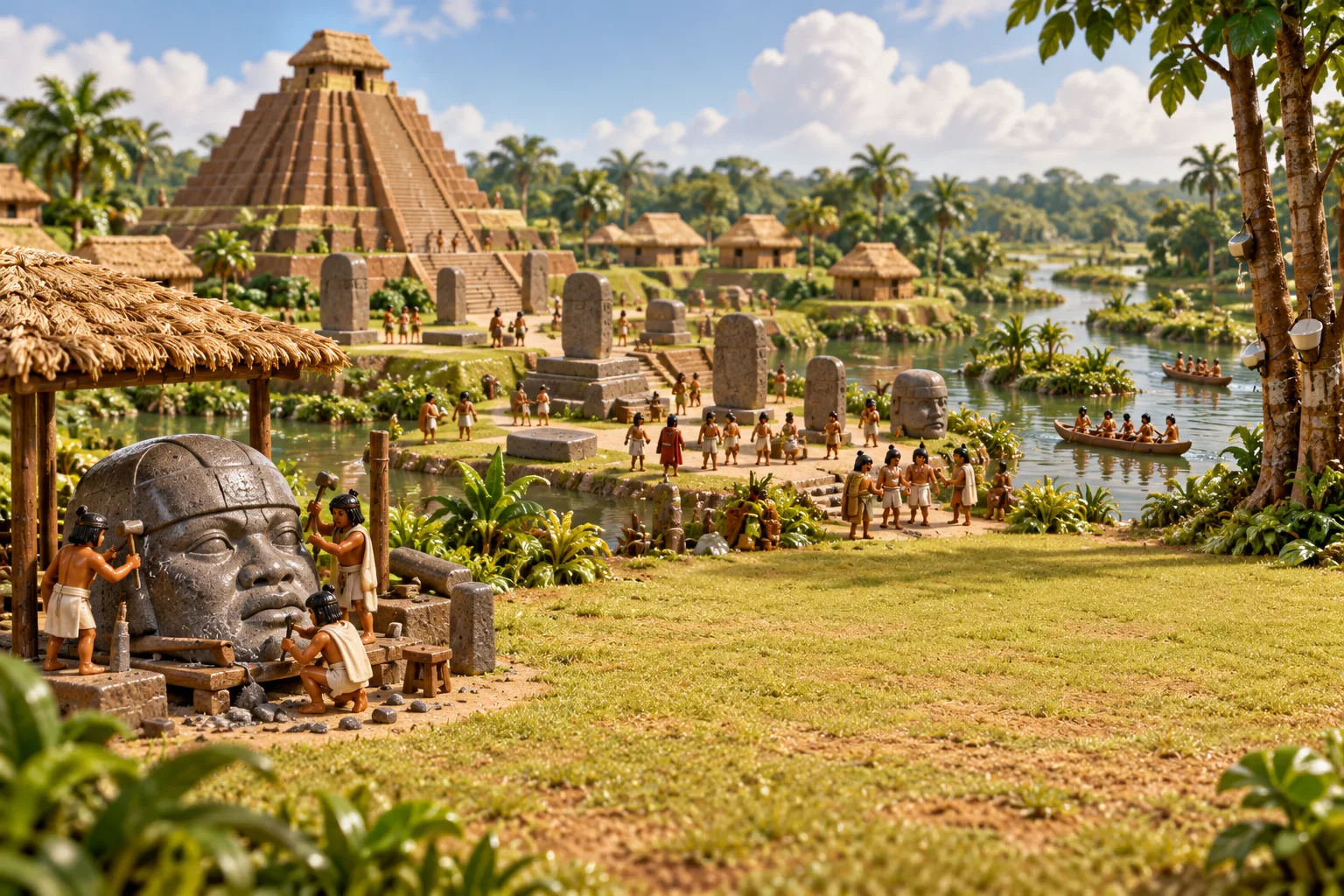 c. 1200 – 400 BC · La Venta, Tabasco, MexicoOlmecsThey carved colossal heads of basalt up to 3.4 metres tall, from boulders brought out of the Tuxtla mountains without wheels or draught animals.
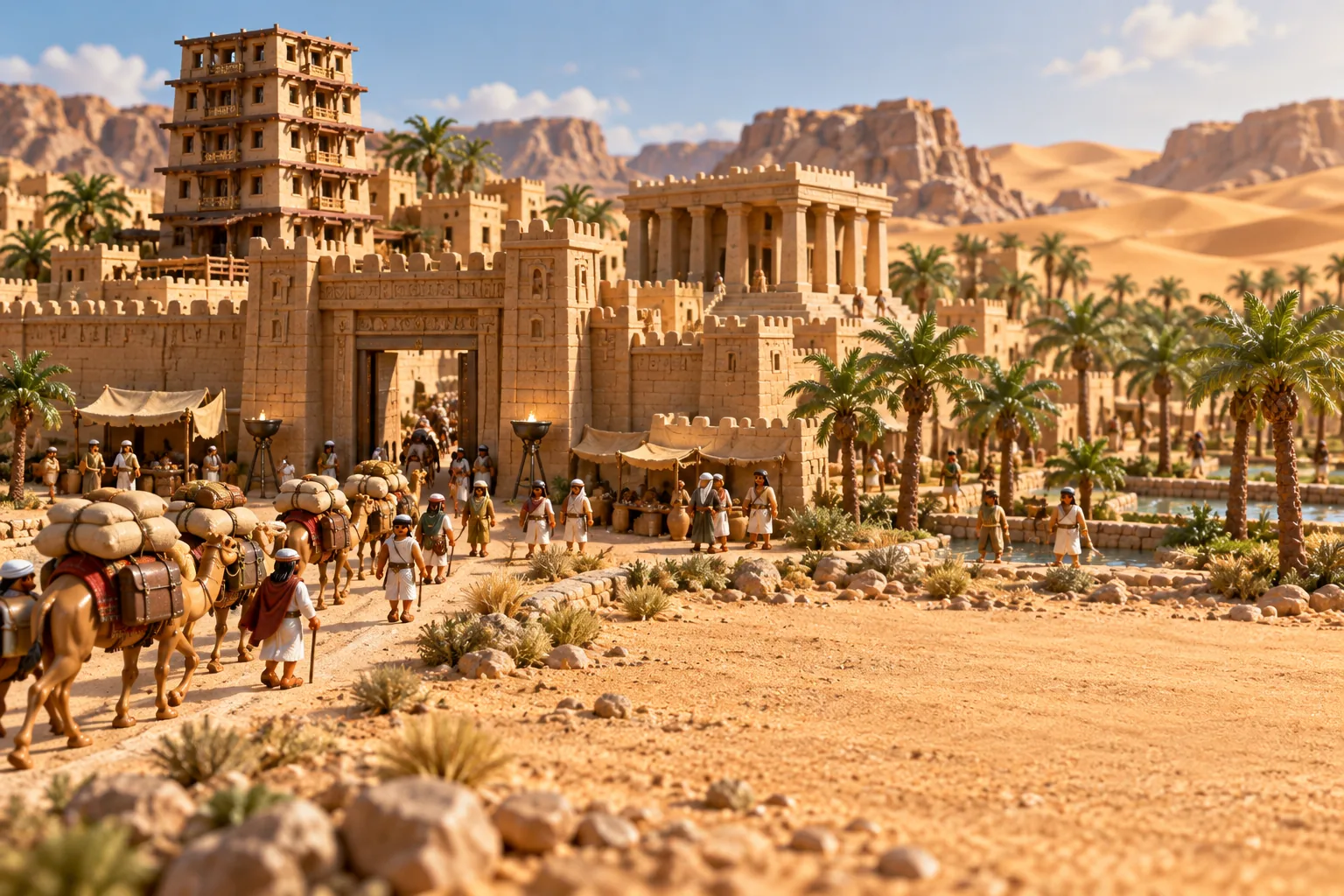 c. 1000 BC – c. AD 290 · Shabwa, YemenHadhramautThe incense road to Gaza began at its capital, Shabwa, where a six-storey palace stood on a frame of huge timber beams.
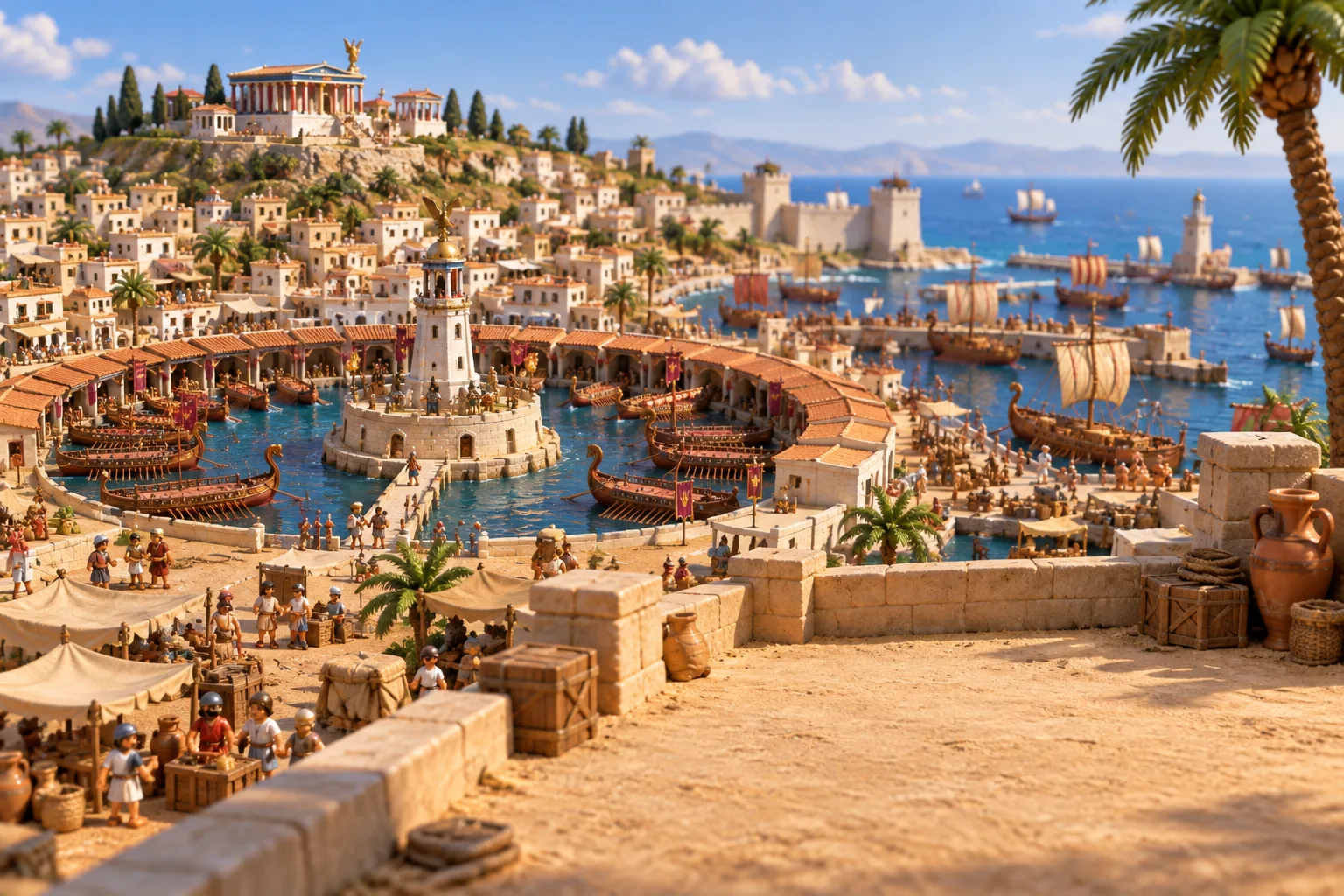 c. 814 – 146 BC · Carthage, TunisiaAncient CarthageIts general Hannibal crossed the Alps and brought Rome to the edge of ruin, and Rome answered by destroying Carthage in 146 BC.
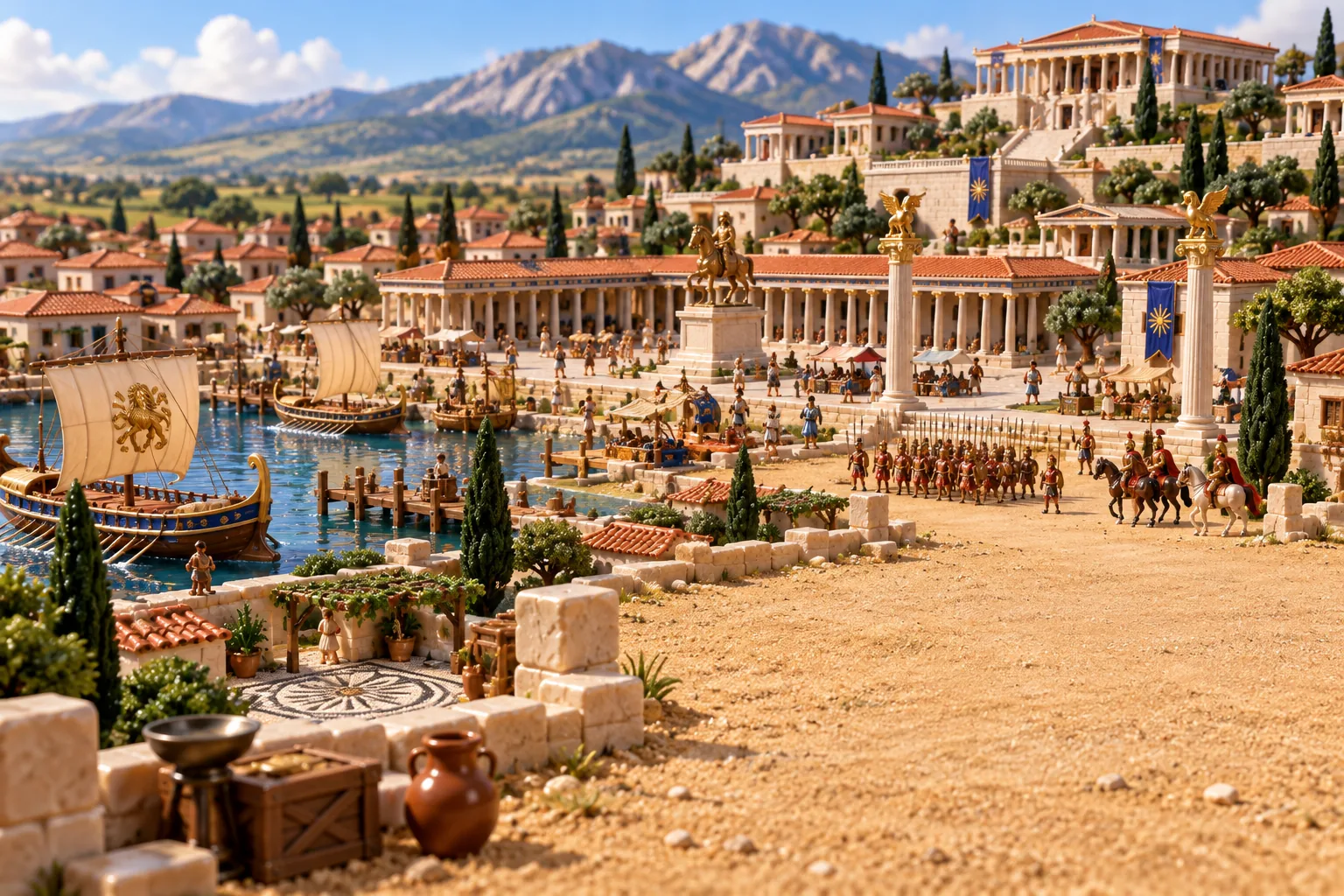 c. 650 – 168 BC · PellaMacedoniaA kingdom of herders on the edge of the Greek world produced a father who conquered Greece and a son who conquered Persia all the way to the Indus.
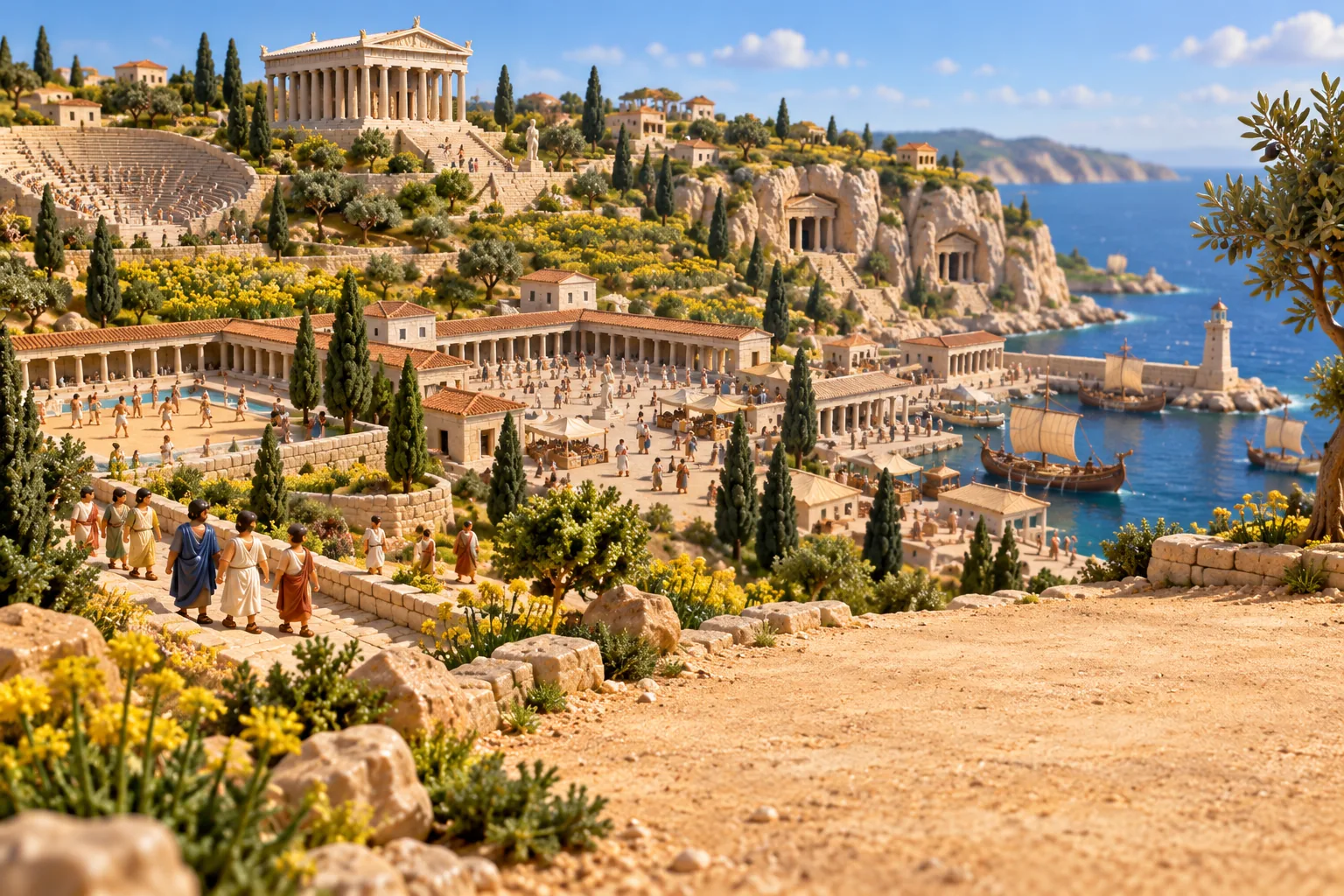 c. 631 – 96 BC · Cyrene, LibyaCyrenaicaIts fortune was a herb that grew nowhere else on earth, so precious that it was stamped on the coins, and it vanished in Roman times.
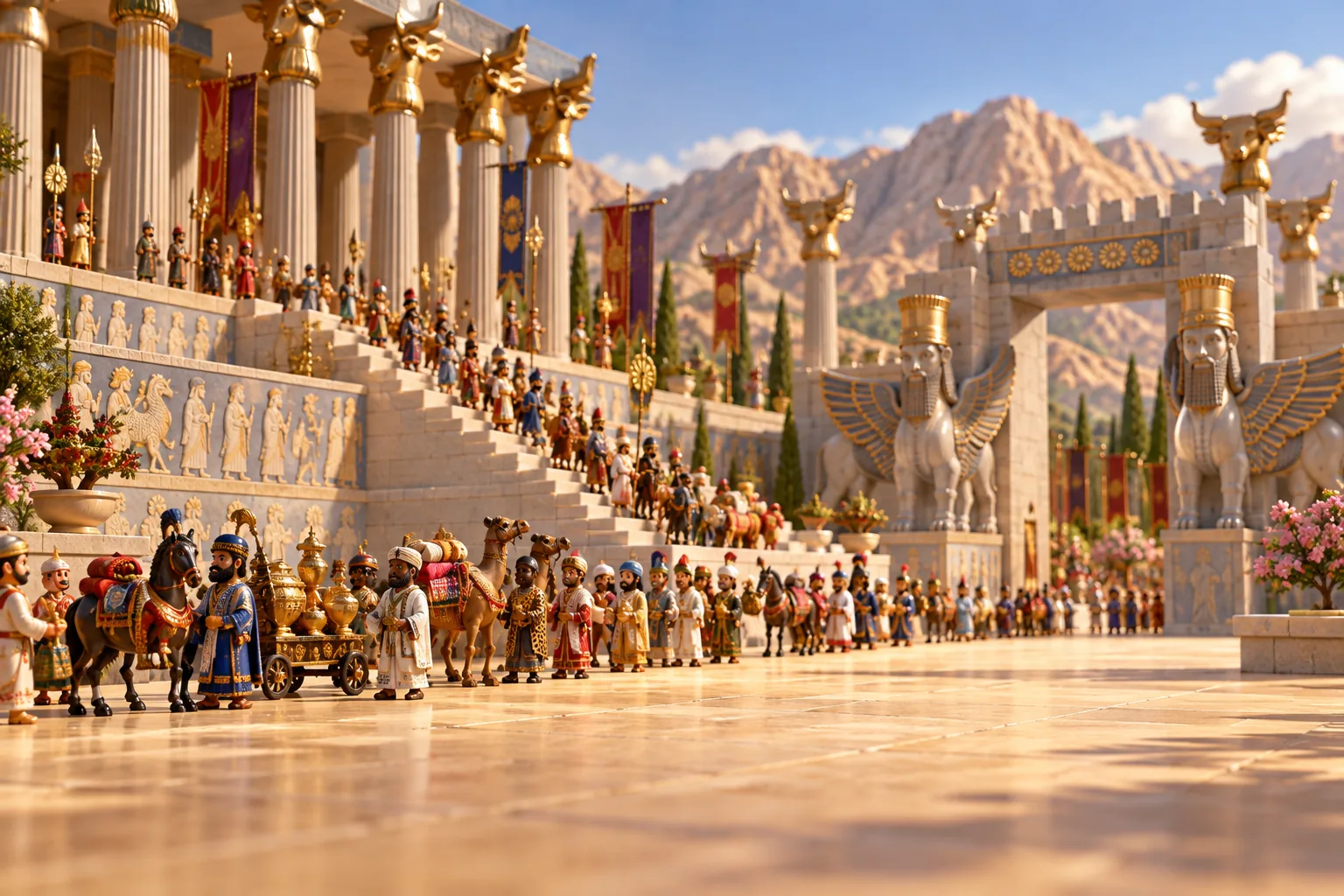 550–330 BC · Persepolis and Susa, IranPersian EmpireIn twenty years one Persian king went from ruling a small vassal kingdom to holding the largest empire the world had yet seen.
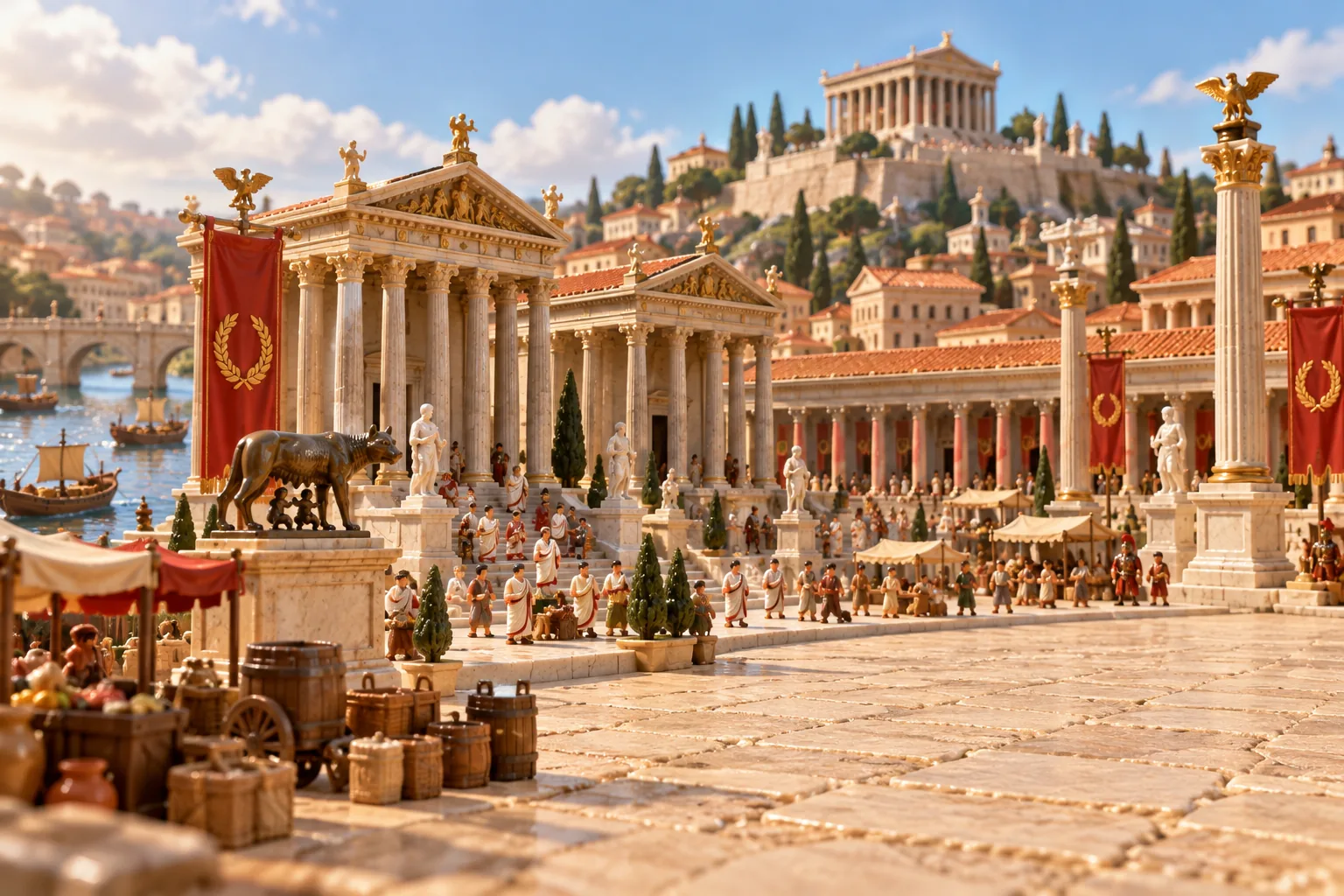 509–27 BC · RomeRoman RepublicA city that swore never again to have a king conquered the whole Mediterranean, and then lost its freedom to its own generals.
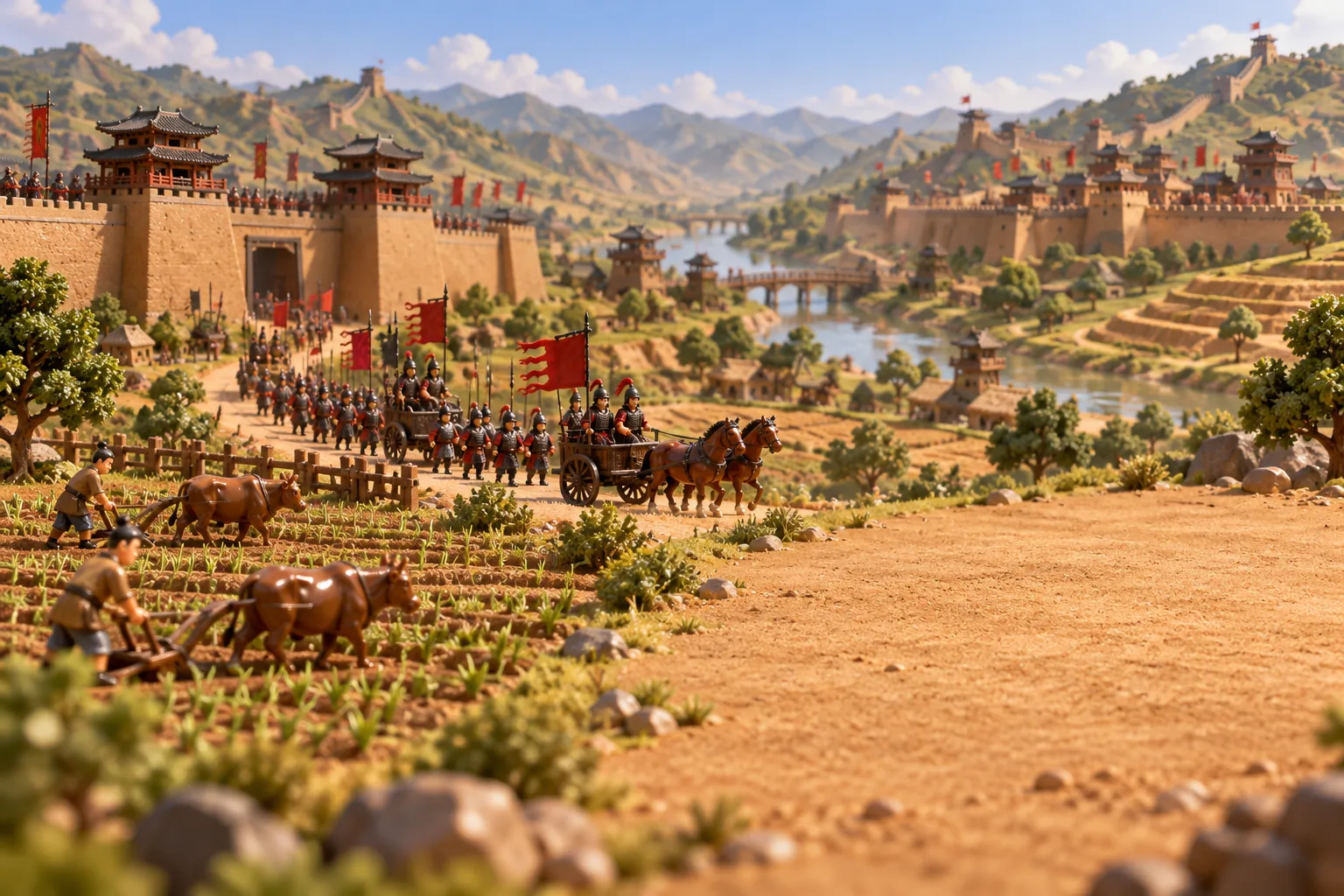 c. 475 – 221 BC · Luoyang, ChinaWarring States periodSeven kingdoms fought for some 250 years, and the winner, Qin, gave China its first emperor and probably its name.
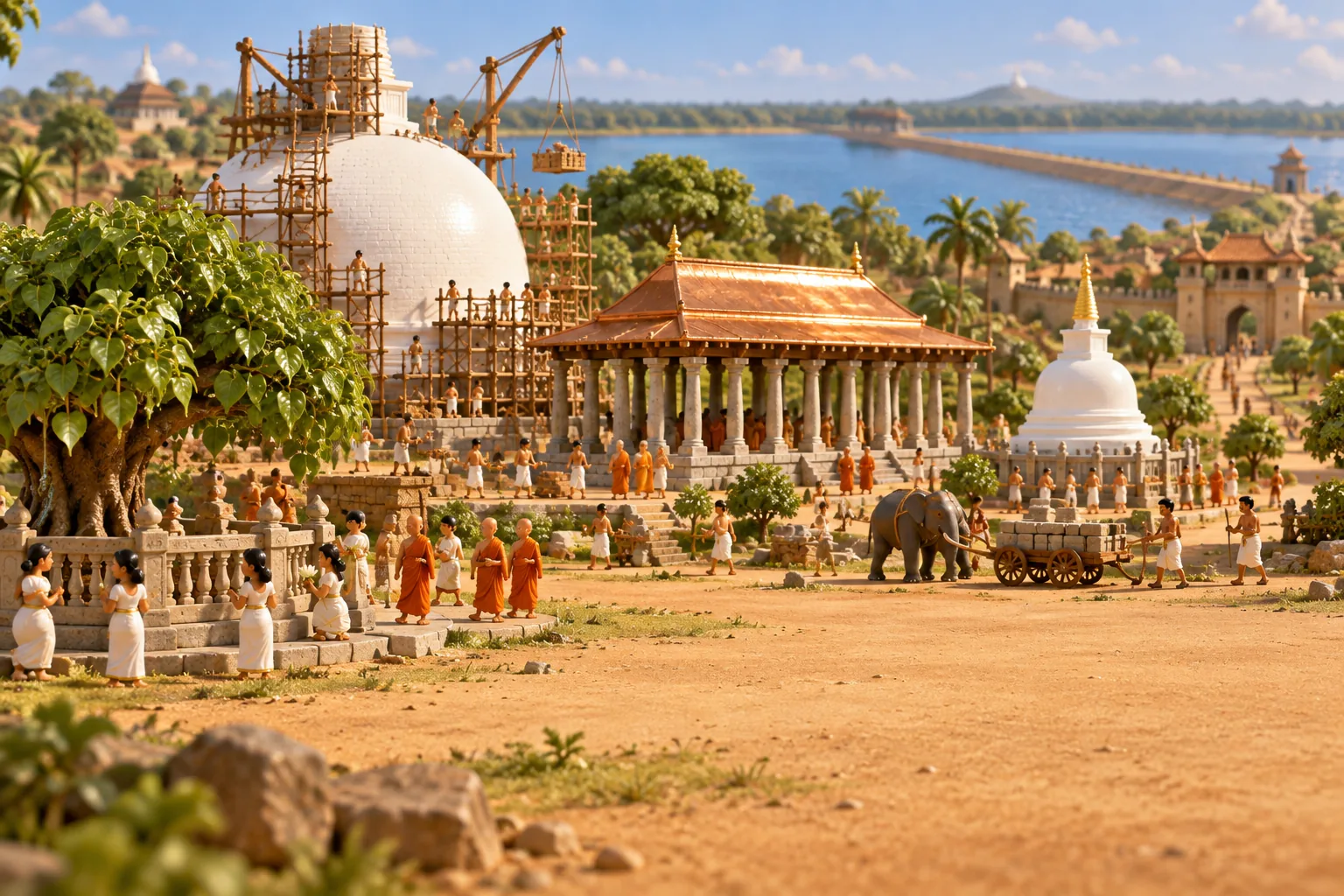 437 BC – AD 1017 · Anuradhapura, Sri LankaAnuradhapura KingdomIts kings raised brick stupas that rivalled the pyramids, and a fig tree planted from the Buddha's own tree still grows in their capital.
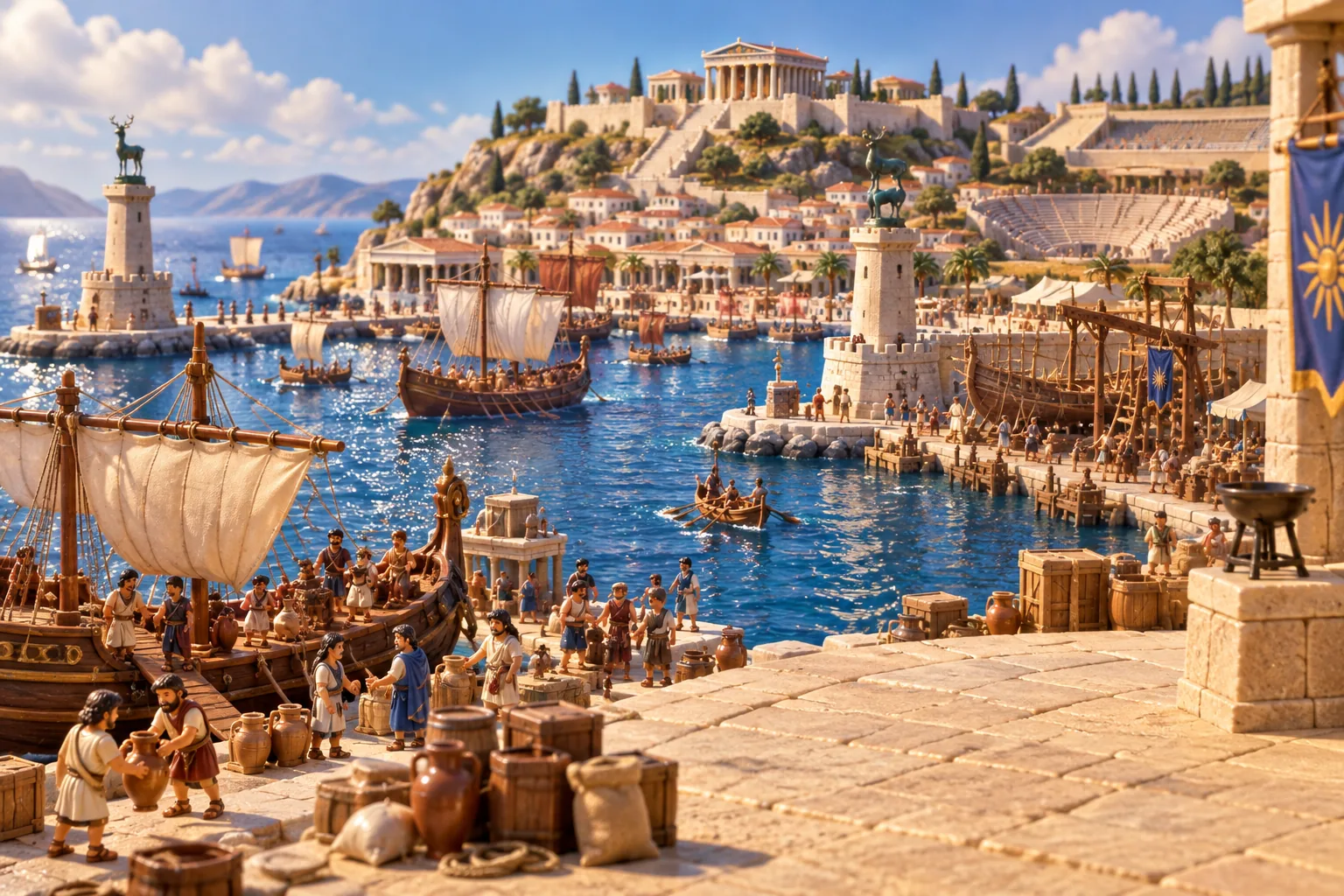 408–43 BC · Rhodes, GreeceRhodesRhodes grew rich on sea trade, and its sailors were so good that people said: if we have ten Rhodians, we have ten ships.
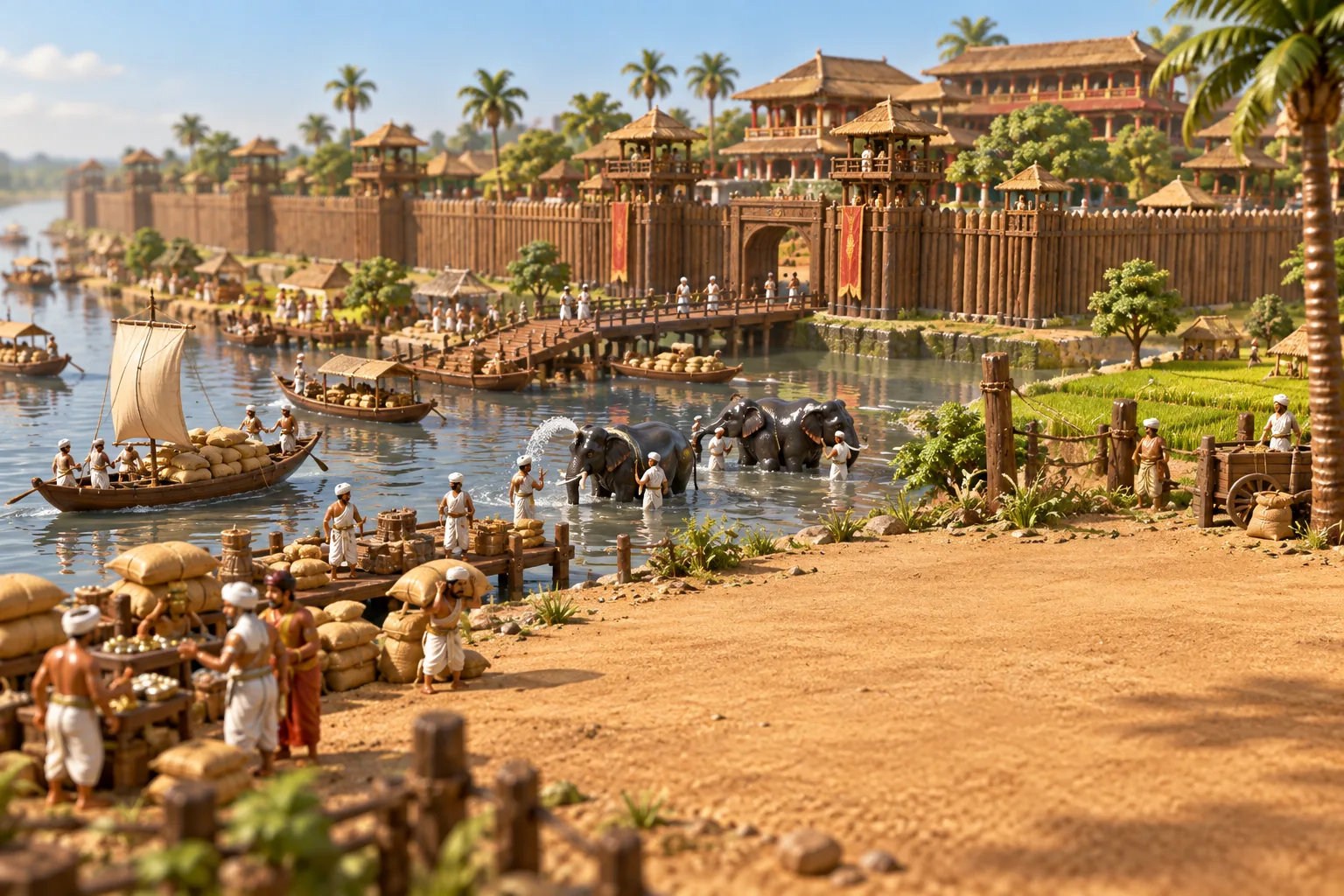 c. 345–322 BC · Pataliputra (Patna), IndiaNanda EmpireGreek writers said its king could field 200,000 foot soldiers, 20,000 horsemen and thousands of elephants, and Alexander's men refused to march against him.
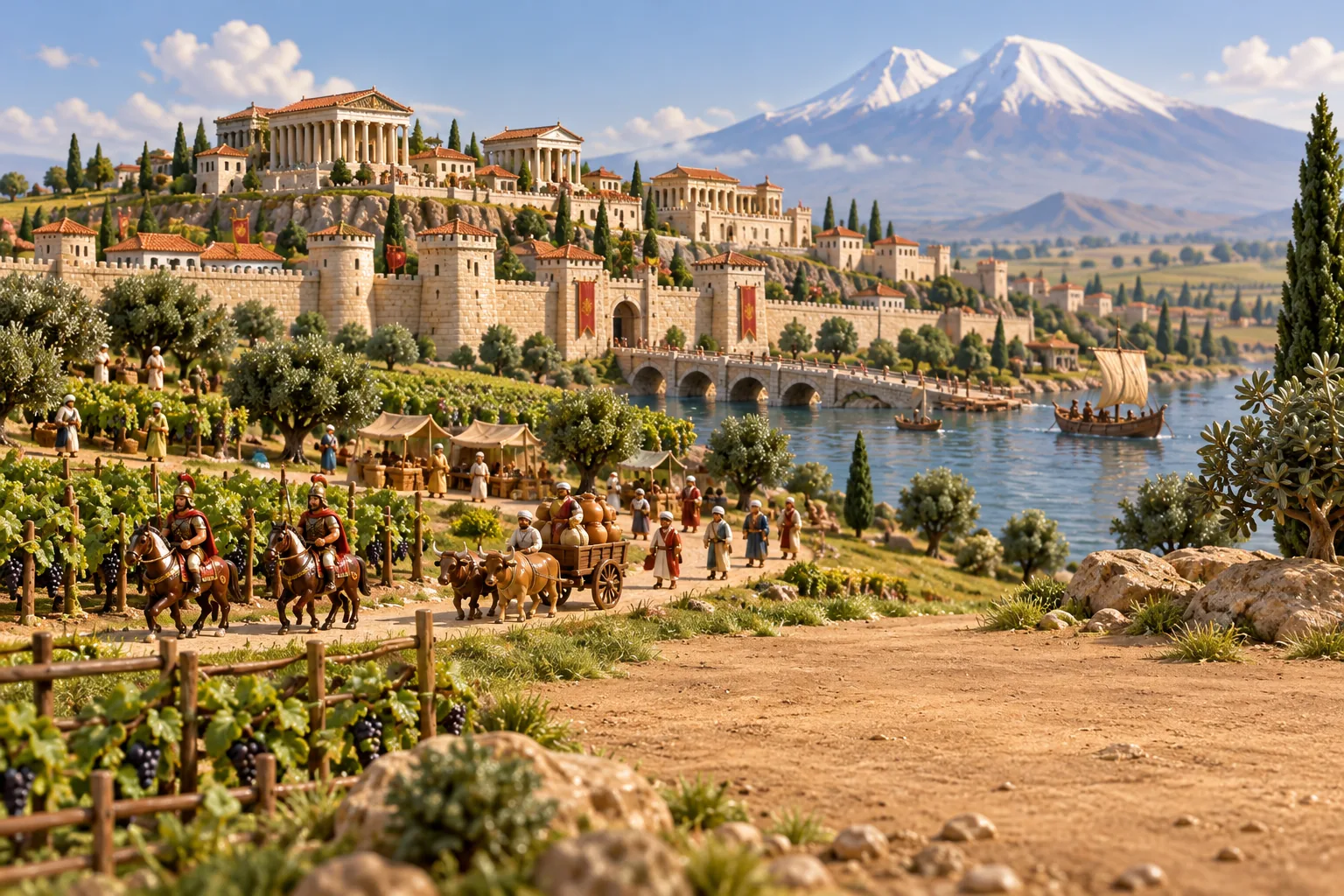 331 BC – AD 428 · Artaxata (Artashat), ArmeniaKingdom of ArmeniaUnder Tigranes the Great it briefly stretched to the Mediterranean, and around 301 it became the first state to adopt Christianity.
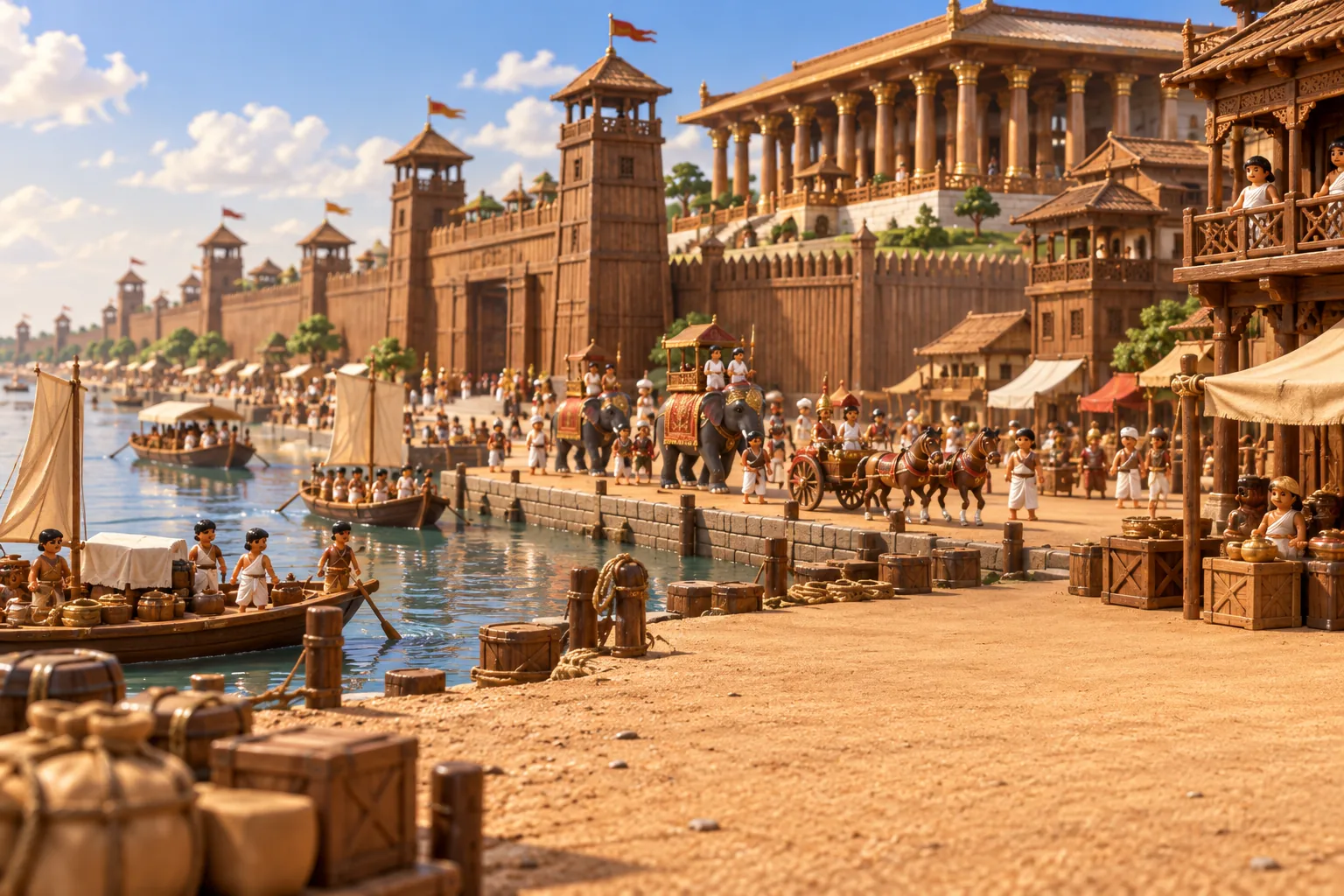 c. 320 – 185 BC · Pataliputra (Patna)Maurya EmpireAn emperor who conquered almost all of India was so shaken by the slaughter of one war that he turned to Buddhism and preached dharma on rocks and pillars.
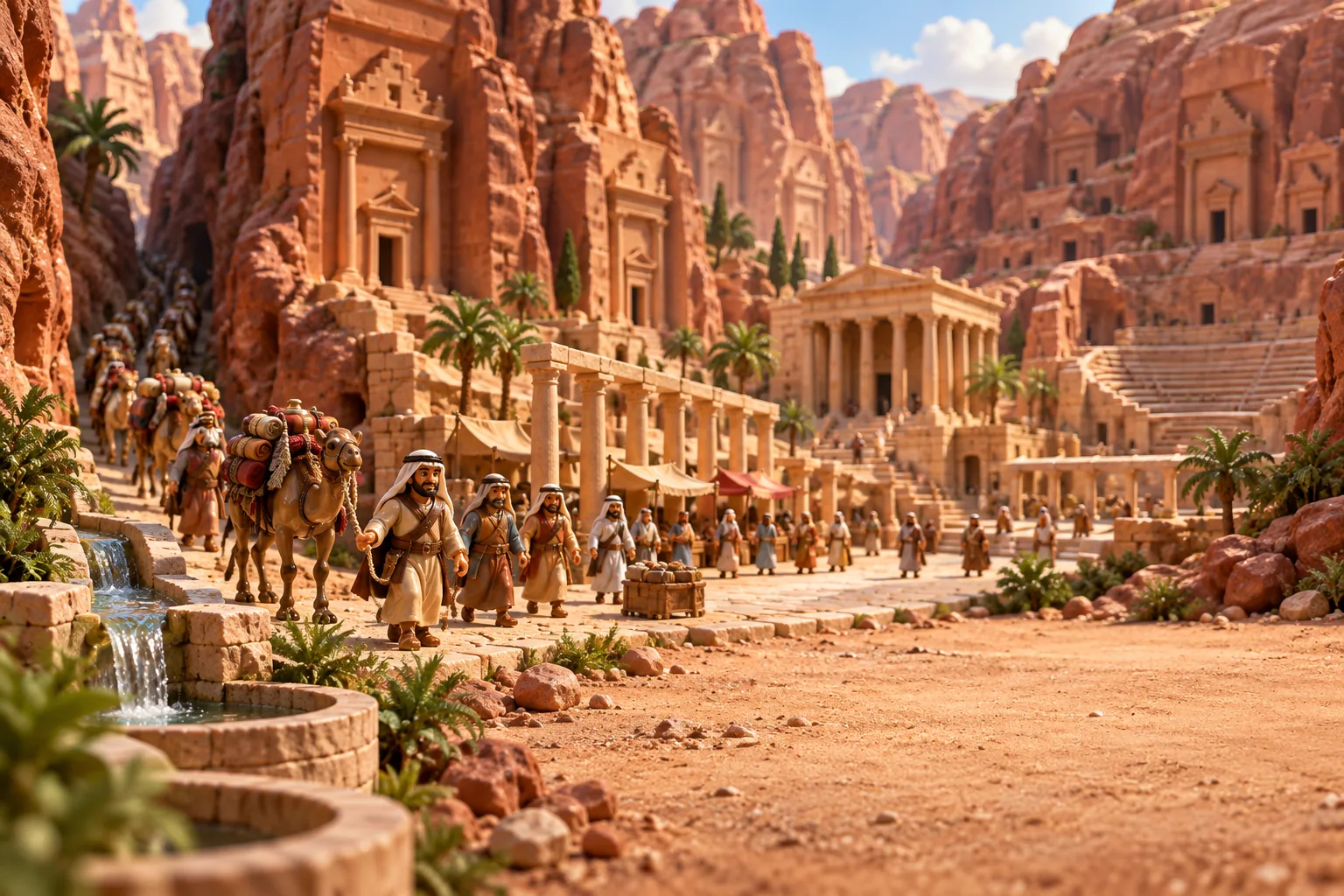 312 BC – AD 106 · Petra, JordanNabataeansDesert traders hid their rainwater in secret cisterns, kept their routes a secret and carved a capital out of a rose-red cliff.
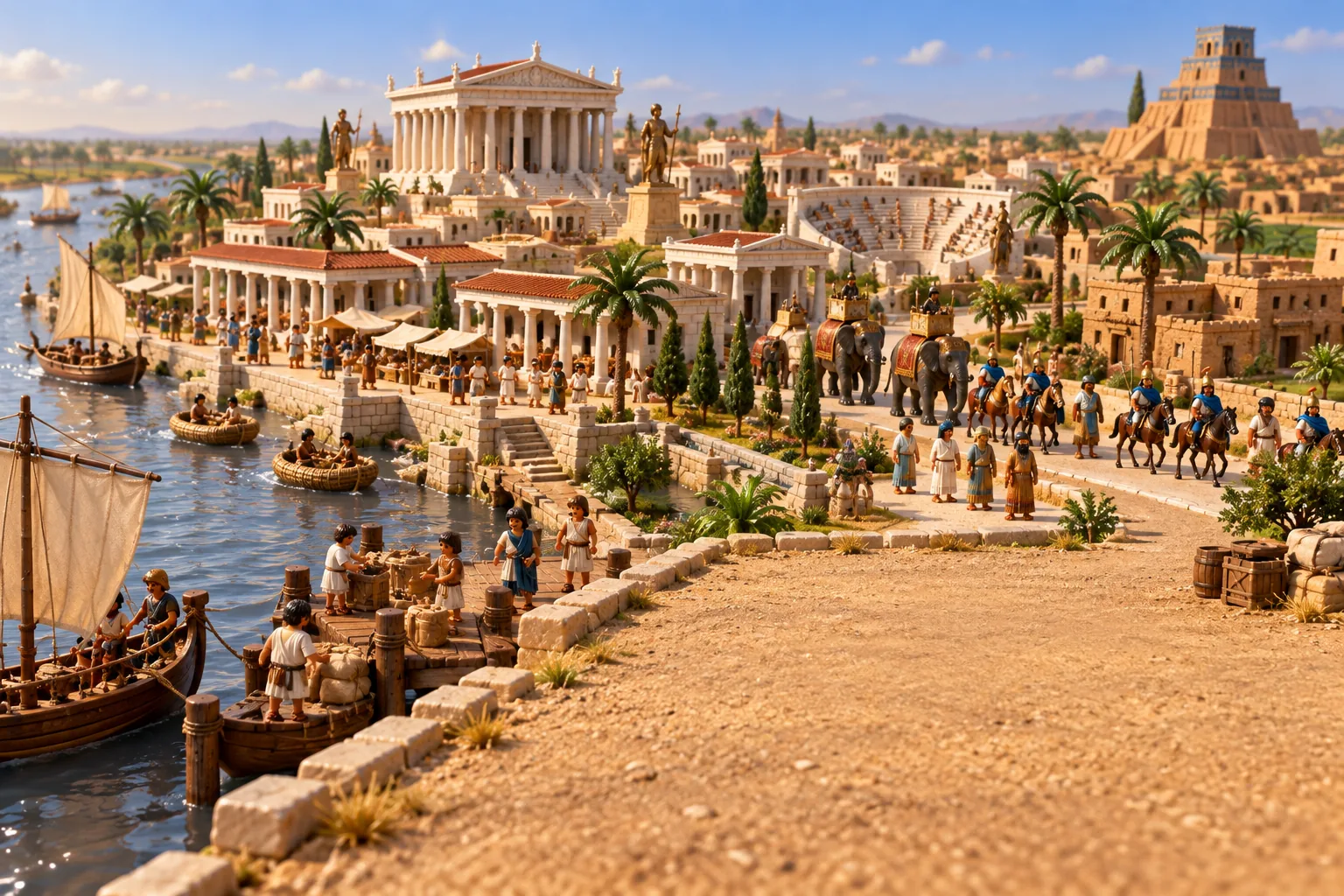 312–63 BC · Seleucia on the Tigris, IraqSeleucid EmpireOne of Alexander's generals built a Greek empire stretching toward India, and traded the Indus lands for 500 war elephants.
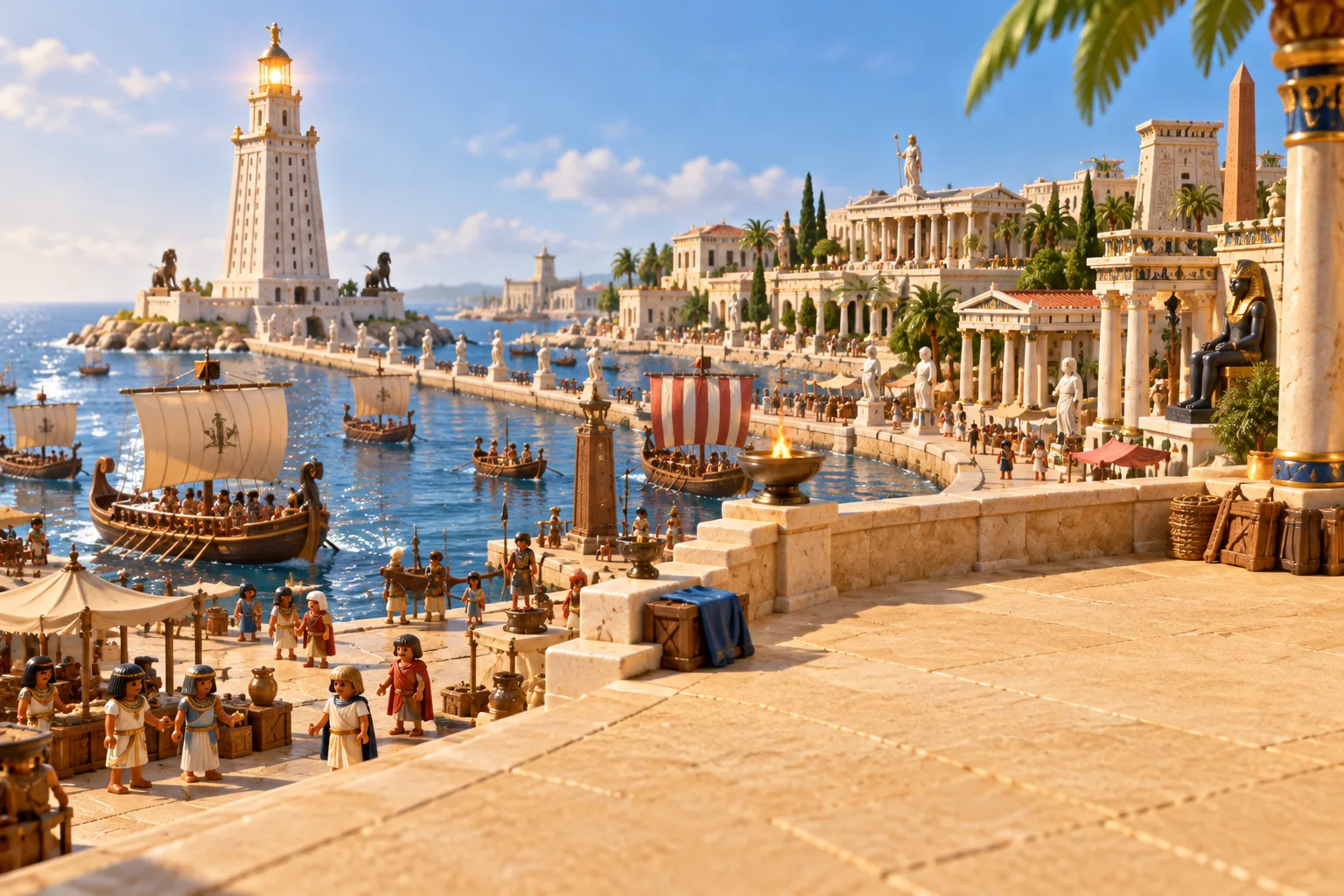 305–30 BC · AlexandriaPtolemaic KingdomFor three centuries Greek kings ruled Egypt as pharaohs, built a library meant to hold every book in the world and ended with Cleopatra.
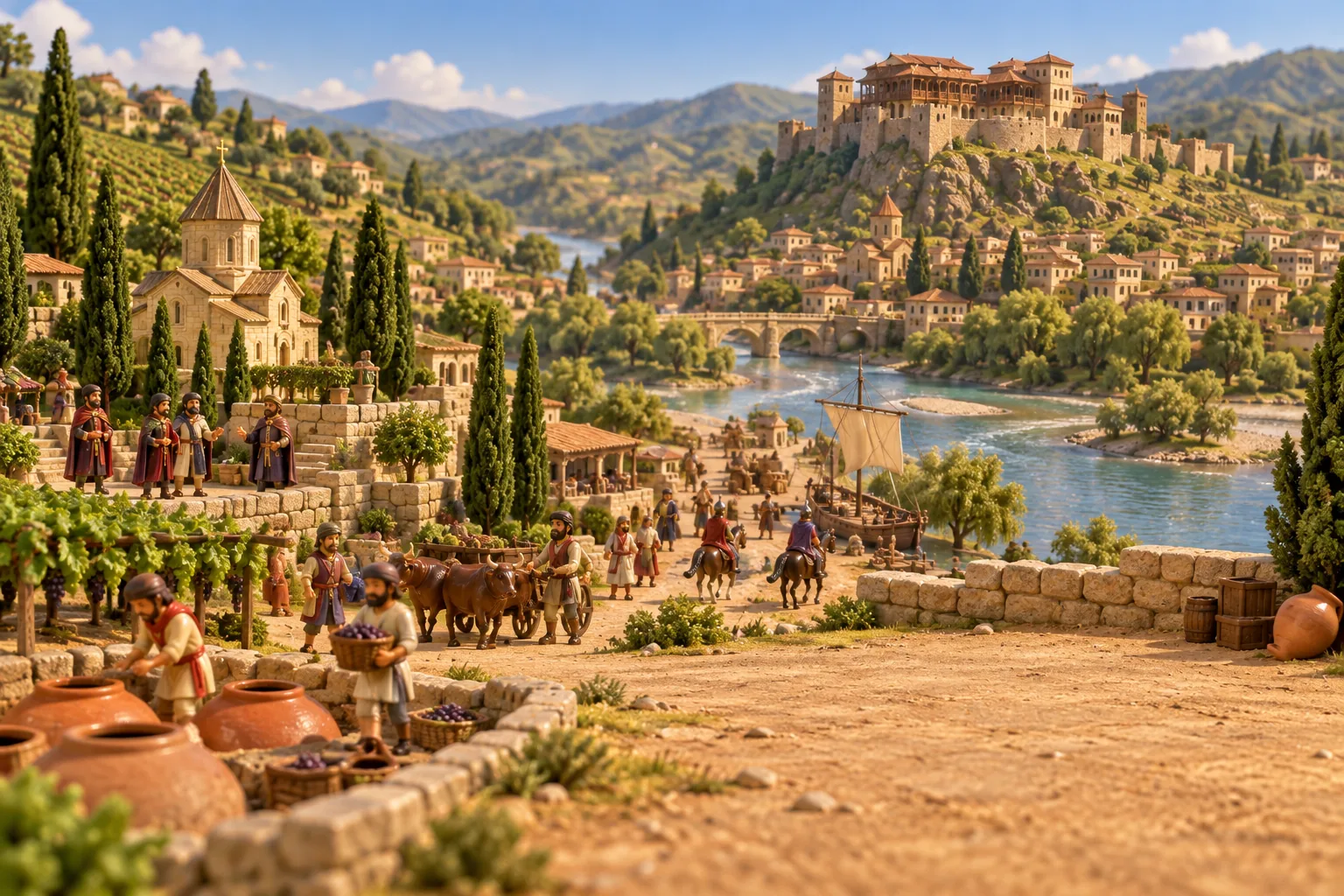 c. 302 BC – AD 580 · Mtskheta, GeorgiaKingdom of IberiaA woman preacher from Cappadocia, carrying a cross of vine stems tied with her own hair, is remembered for turning this kingdom Christian in the 4th century.
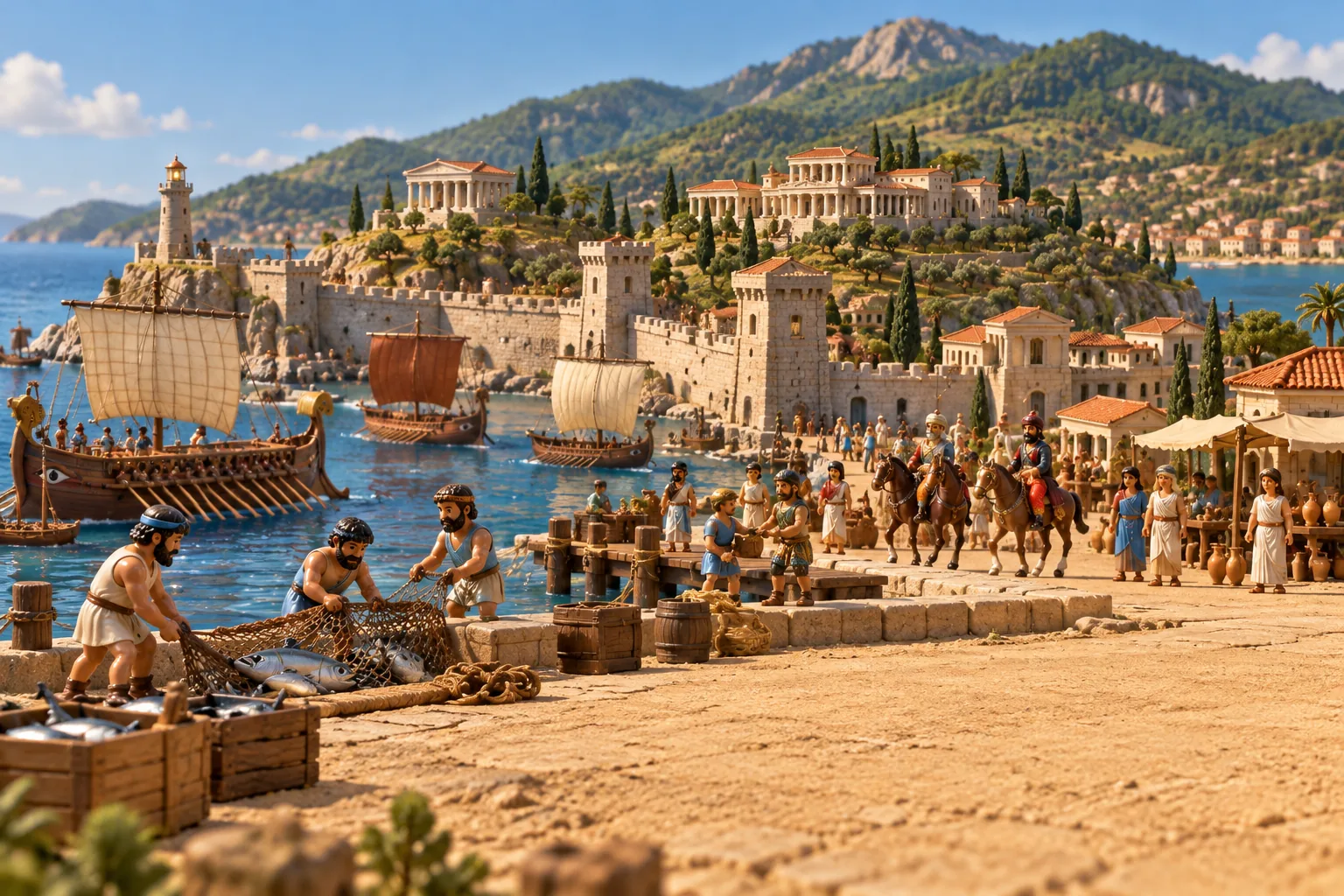 281 BC – AD 62 · SinopeKingdom of PontusIts king Mithridates VI had at least 80,000 Romans and Italians killed in 88 BC, then fought Rome for decades and was said to be immune to poison.
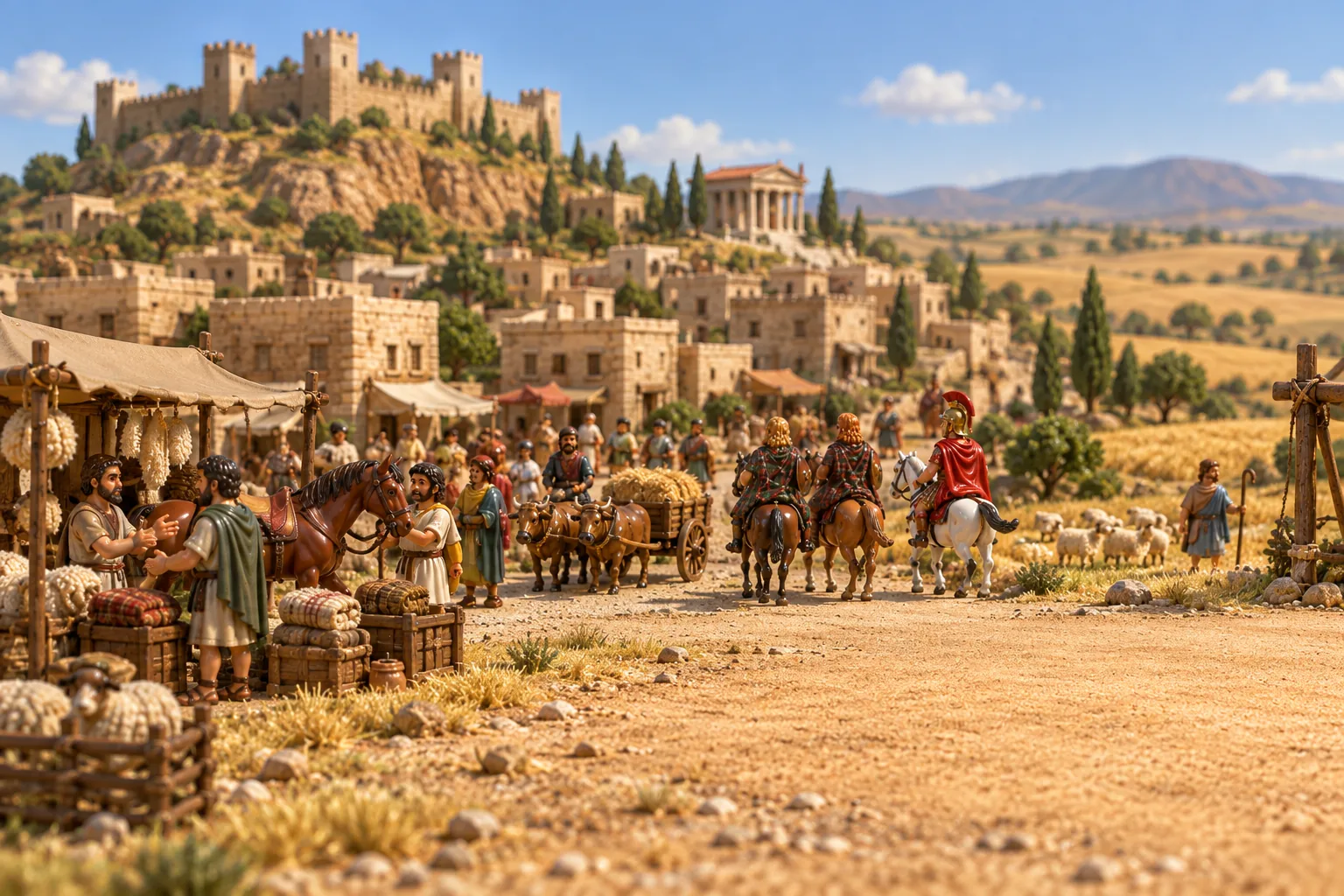 c. 278 – 25 BC · Ancyra (Ankara), TurkeyGalatiaCeltic mercenaries crossed into Anatolia in the 270s BC and carved out a homeland around Ankara, later addressed in Paul's Epistle to the Galatians.
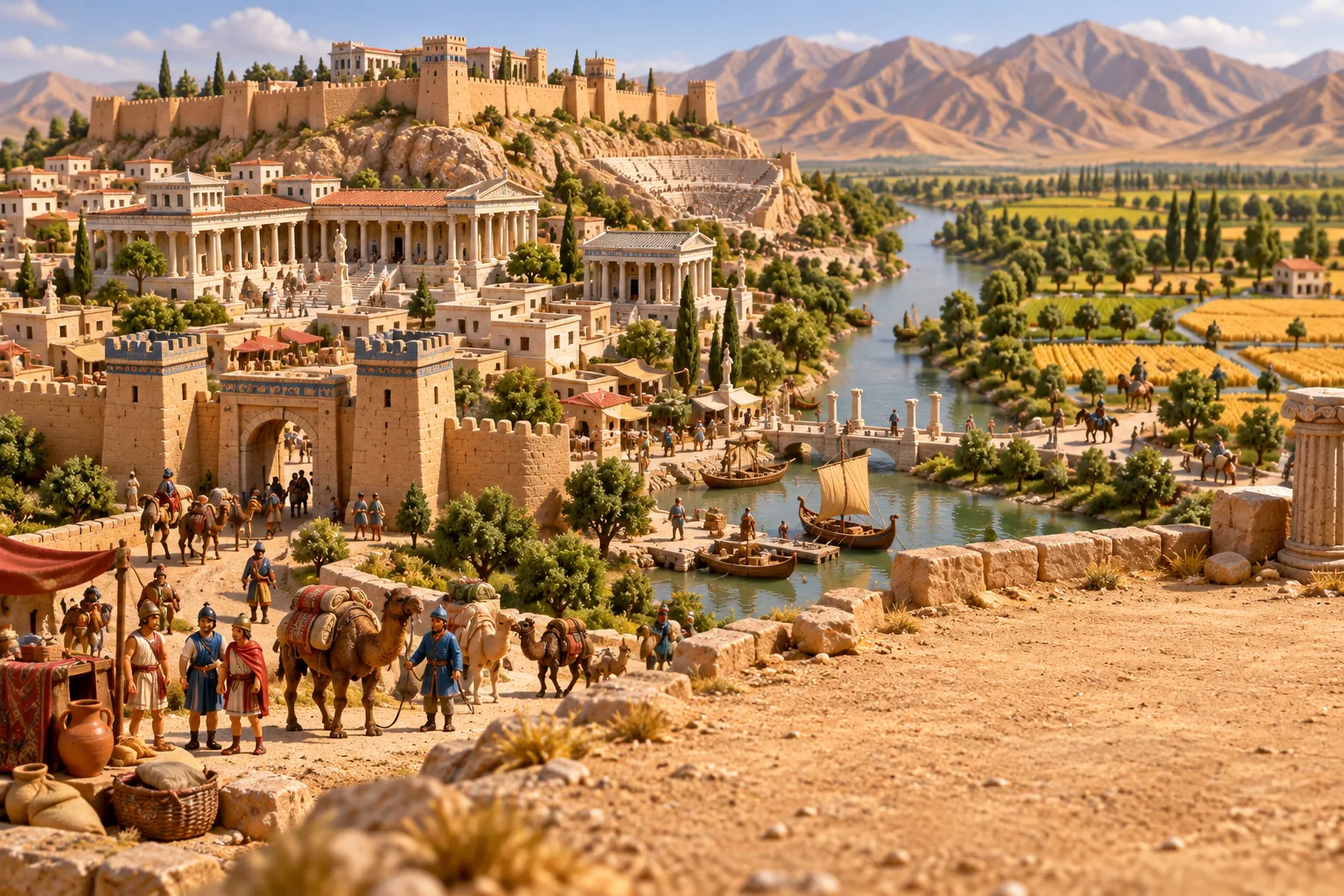 c. 256–120 BC · Ai-Khanoum (Eucratideia)Greco-Bactrian KingdomGreek kings ruled Afghanistan for more than a century, building theatres on the Oxus and minting the largest gold coin of the ancient world.
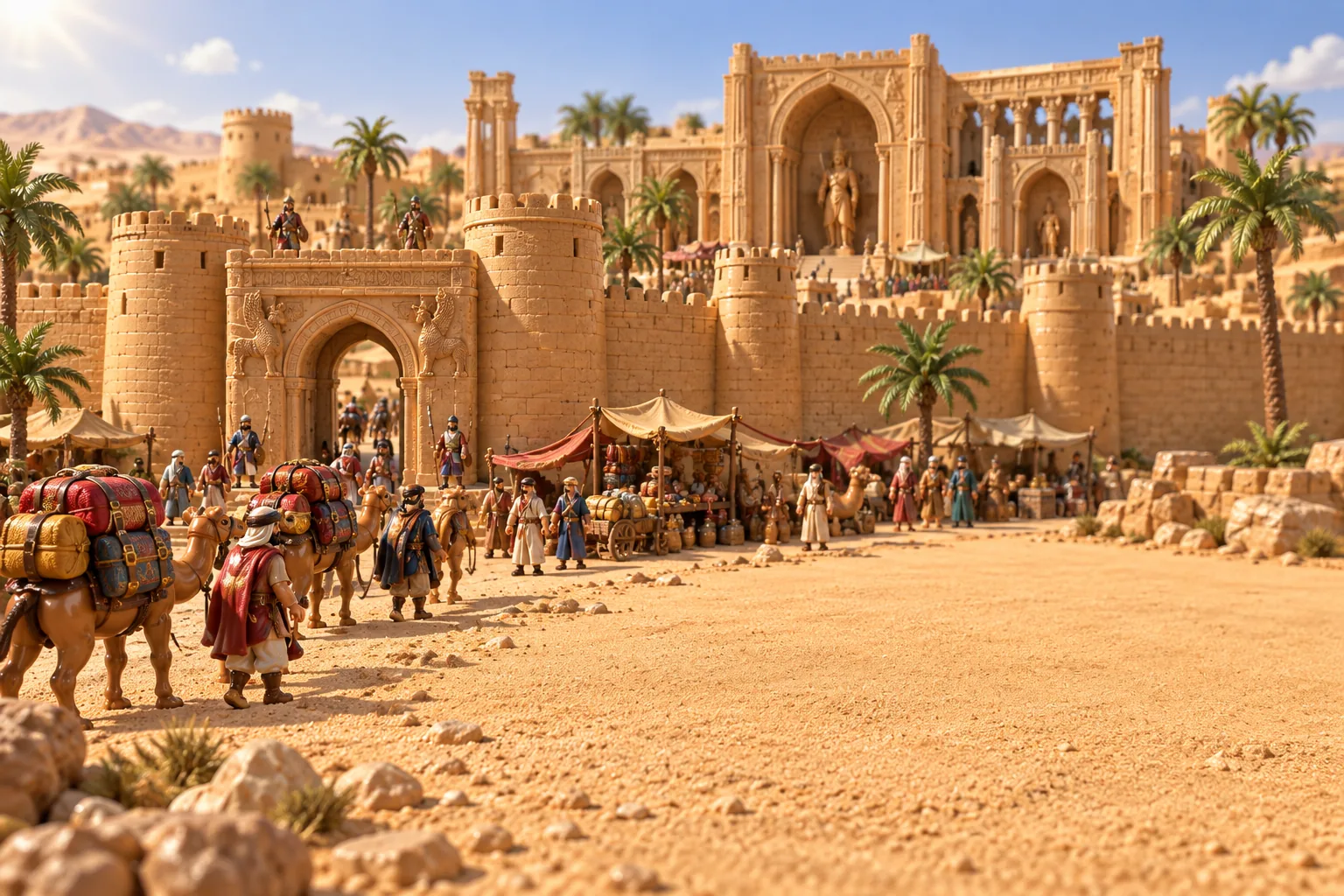 247 BC – AD 224 · CtesiphonParthian EmpireTheir horse archers could shoot backwards at full gallop, and they used the head of a Roman general as a stage prop.
 c. 225 BC – AD 44 · Caesarea (Cherchell), AlgeriaMauretaniaRome gave this Berber kingdom to Juba II, a scholar king married to the daughter of Antony and Cleopatra, and his son's wealth cost him his life.
 221–206 BC · Xianyang, near Xi'anQin dynastyChina's first imperial dynasty lasted only 15 years, yet its name is the likely source of the word China.
 209 BC – late 1st century AD · Mongolian PlateauXiongnuThe horsemen of the Mongolian steppe once trapped the founder of the Han dynasty and made China pay them silk and send brides for peace.
 204–111 BC · Guangzhou (Panyu), ChinaNanyueA northern Chinese general sent to conquer the south made himself king there, dressed like the local Yue, and gave Vietnam its name.
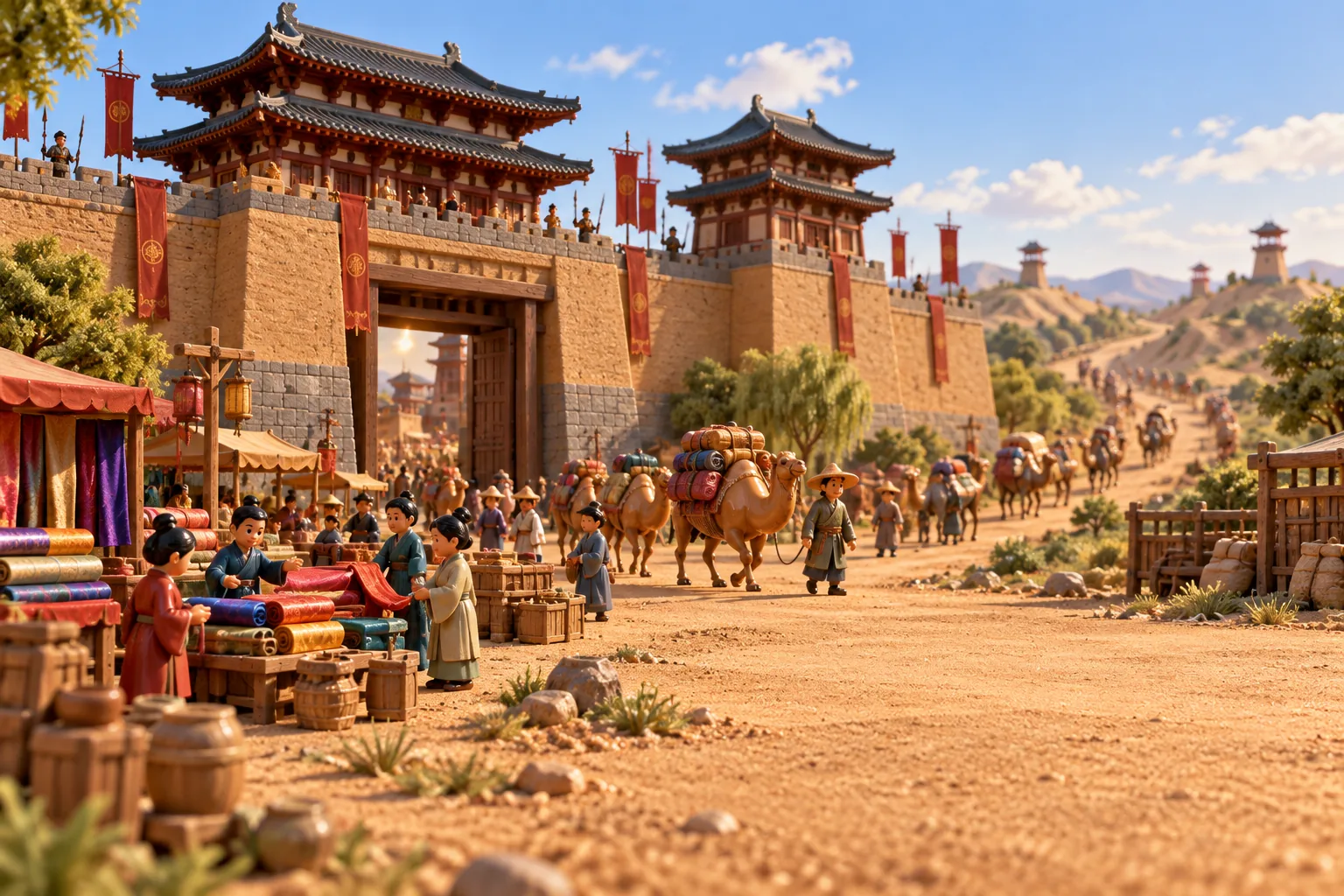 202 BC – AD 220 · Chang'an and Luoyang, ChinaHan dynastyA village official who rose in rebellion founded a dynasty that ruled China for four centuries and gave the Chinese people their name.
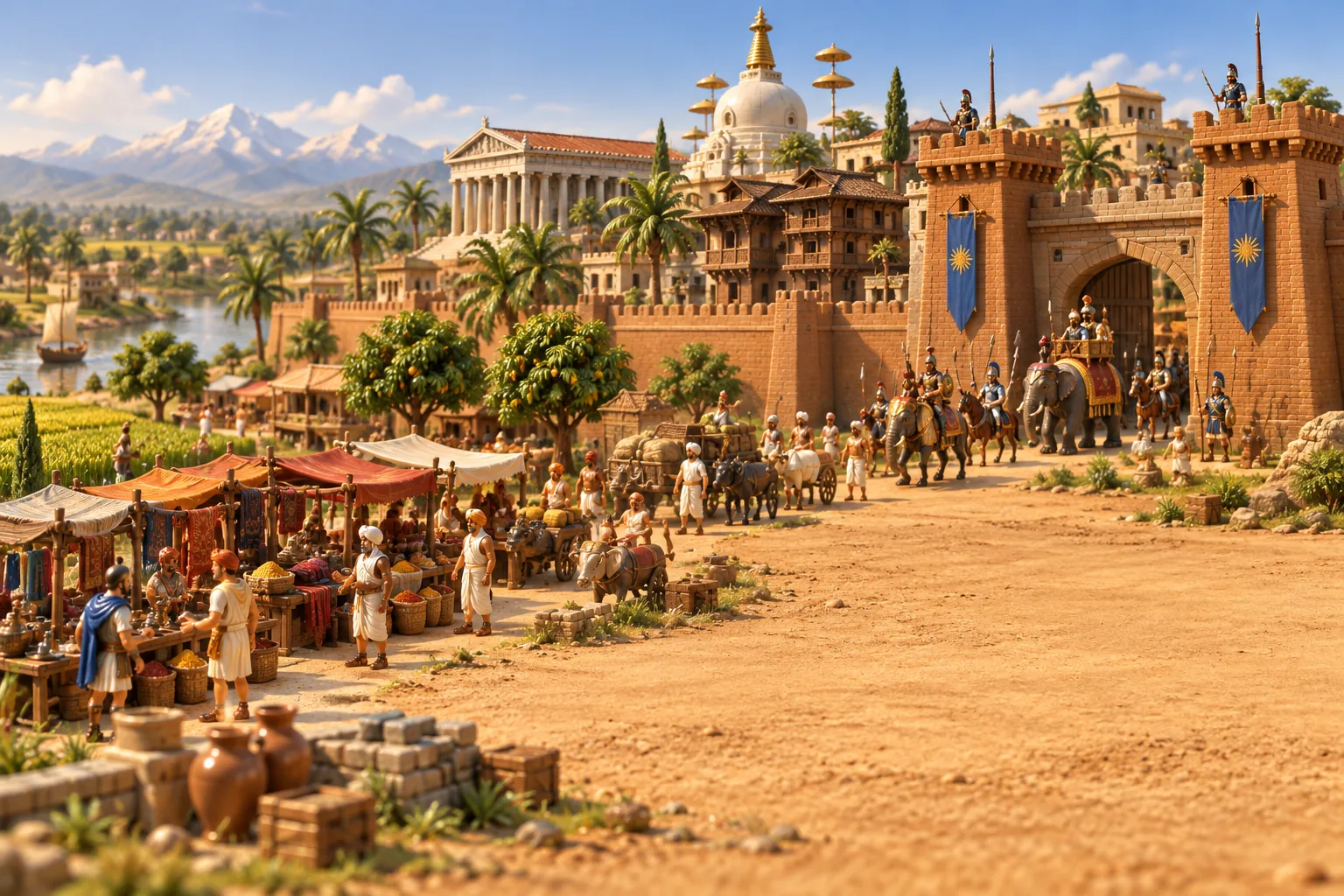 c. 200 BC – AD 10 · Sagala (Sialkot)Indo-Greek KingdomsGreek kings ruled Afghanistan and Punjab for two centuries, and one of them, Menander, appears in a Buddhist book questioning a monk.
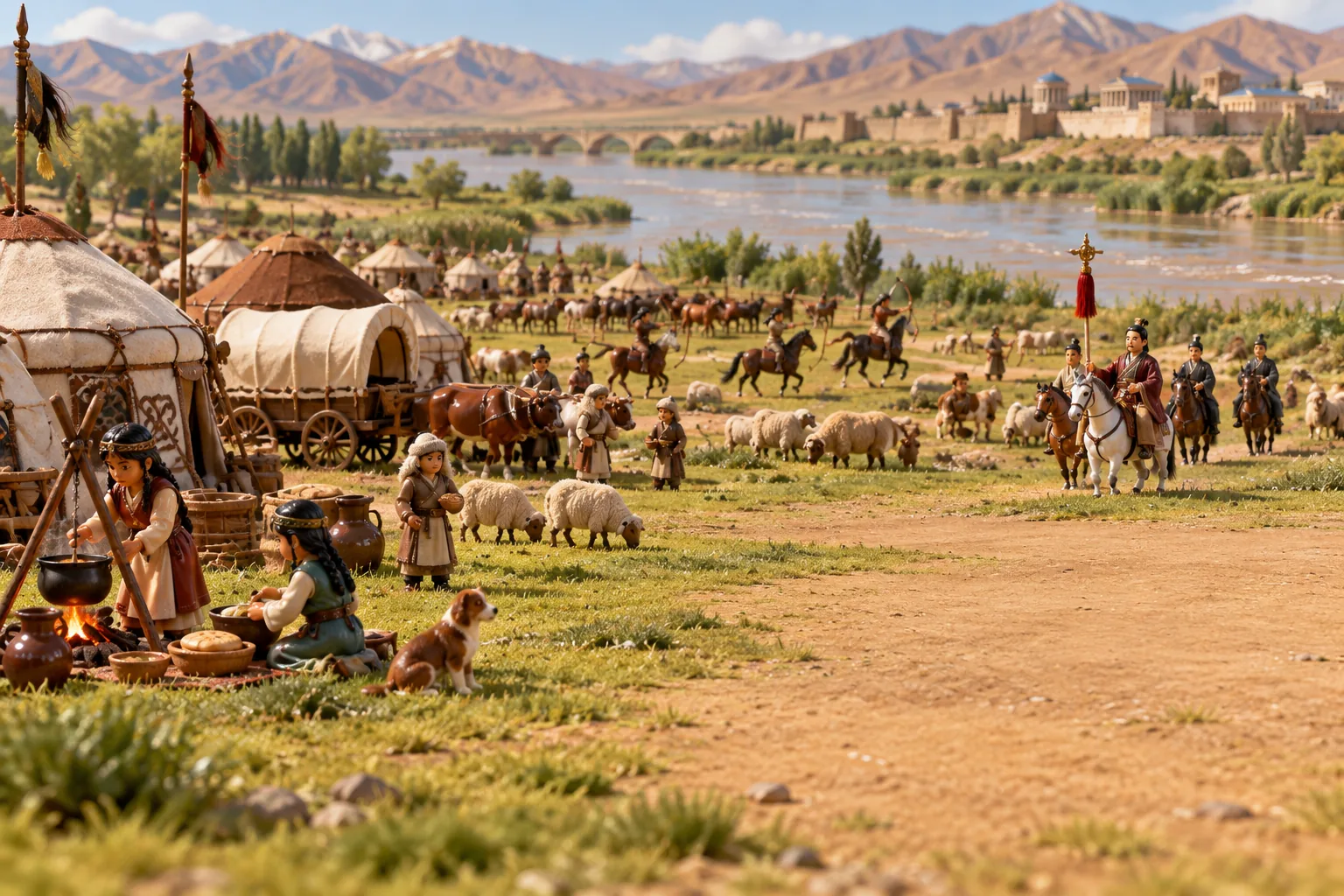 c. 200 BC – AD 30 · North bank of the Oxus (Transoxiana)YuezhiDriven out of western China by the Xiongnu, these horse nomads crossed Central Asia to Bactria, where their descendants built the Kushan Empire.
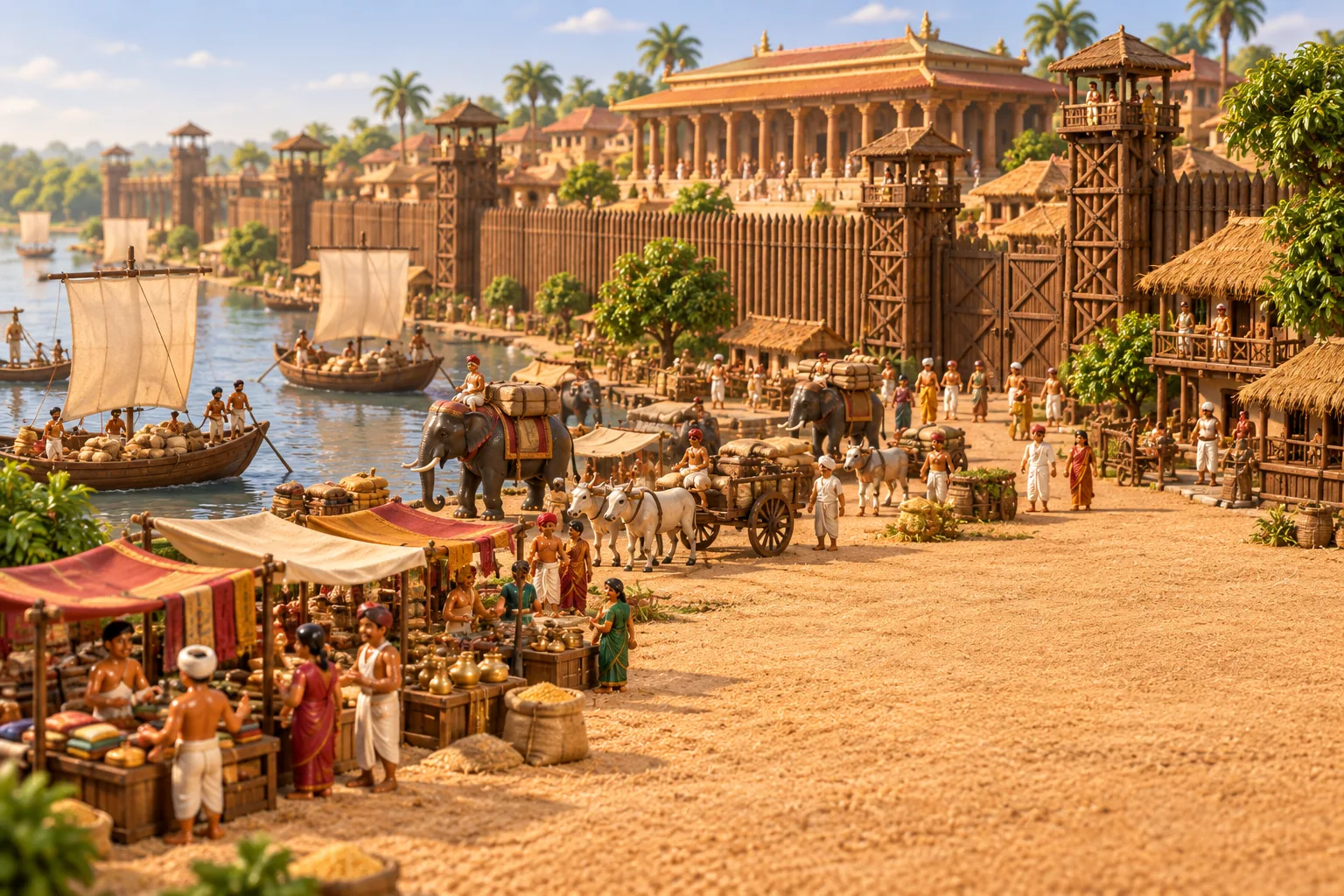 c. 185 – 73 BC · Pataliputra (Patna), IndiaShunga EmpireIts founder, the army commander Pushyamitra, killed the last Mauryan emperor while he was reviewing his guard of honour.
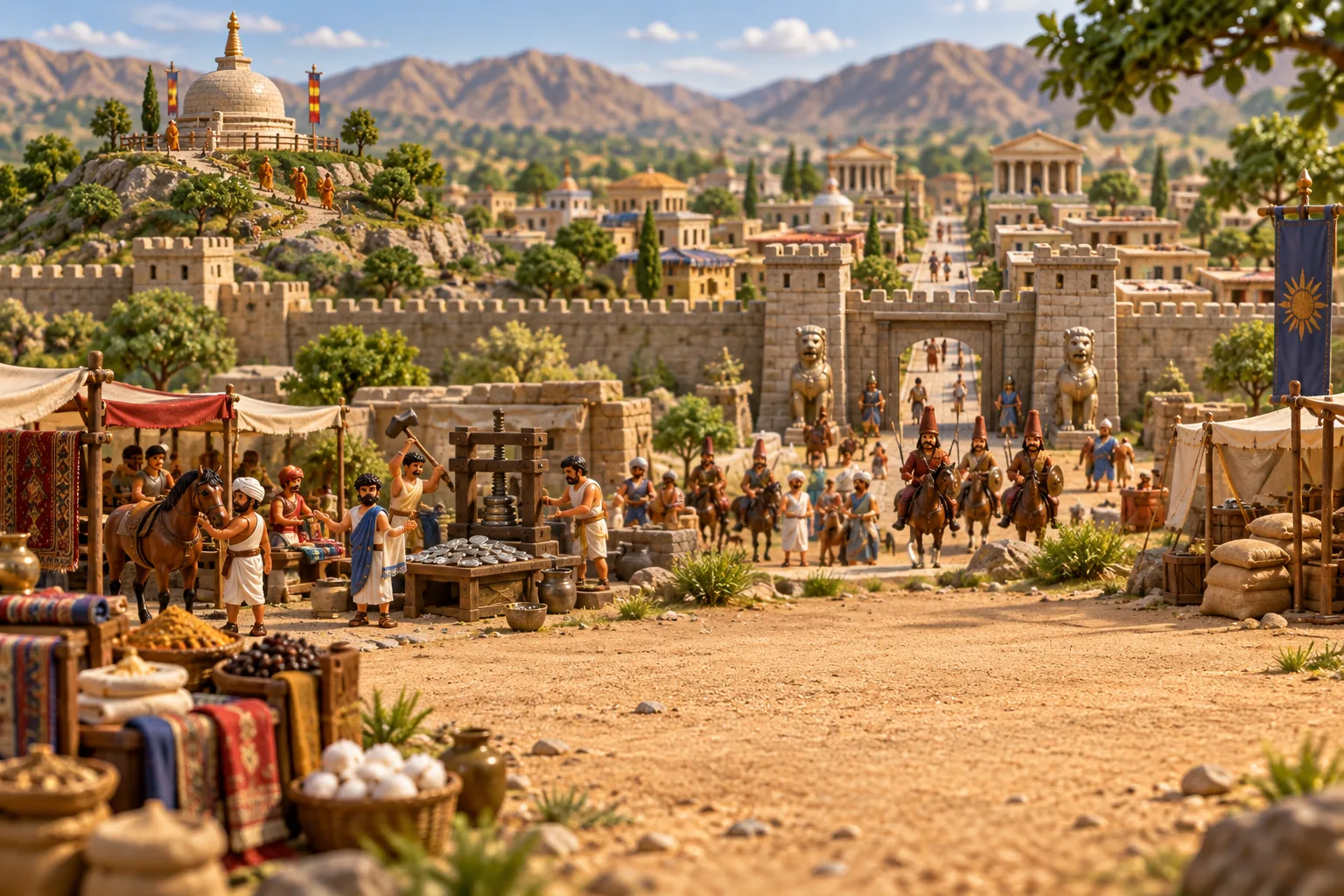 c. 150 BC – AD 395 · Taxila, PakistanIndo-ScythiansSteppe nomads pushed out of Central Asia became kings in India, and an era named after them still runs on India's national calendar.
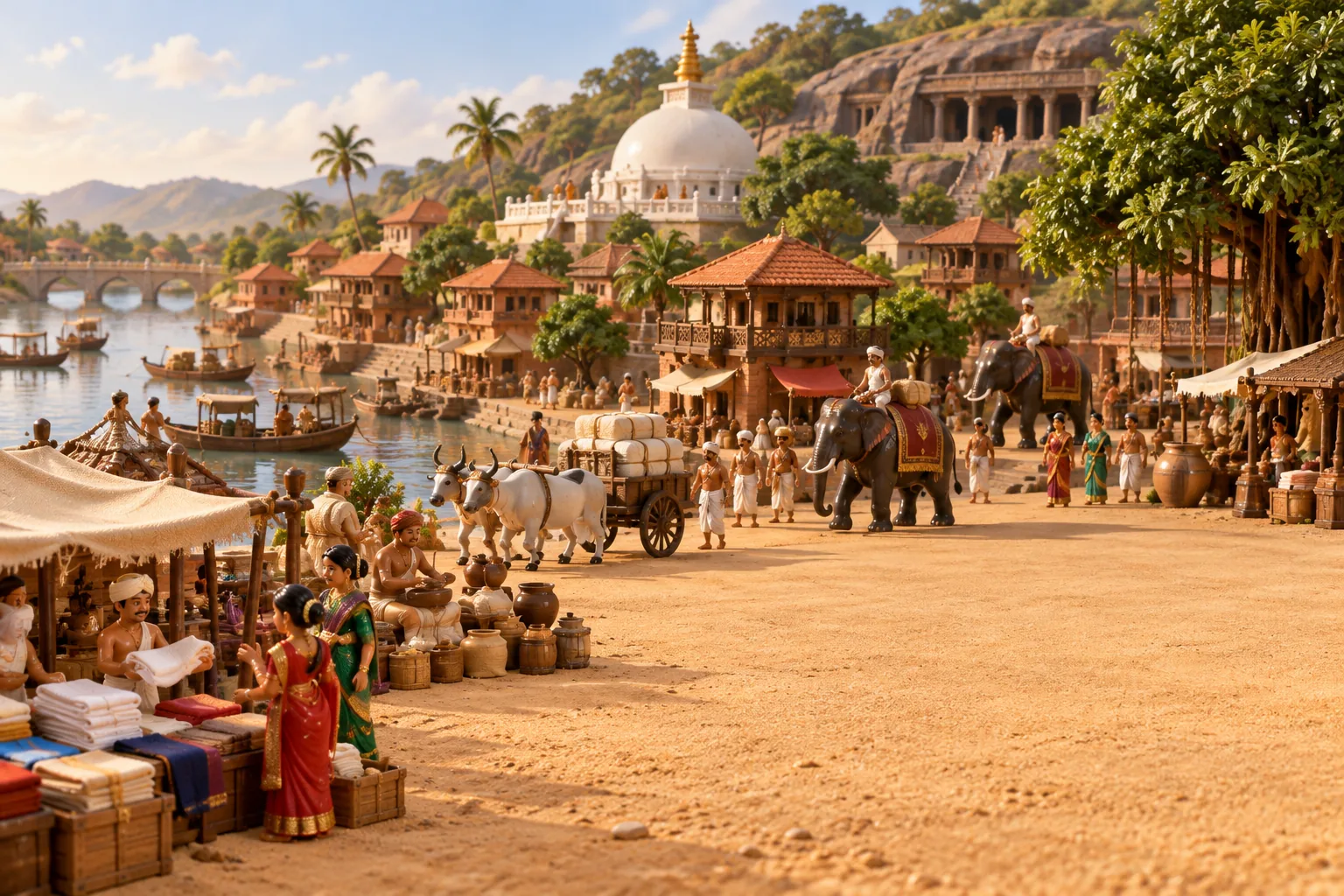 c. 150 BC – AD 220 · Pratishthana (Paithan), IndiaSatavahana dynastyThey ruled the Deccan for centuries, struck coins with their kings' portraits and are credited with the carved gateways at Sanchi.
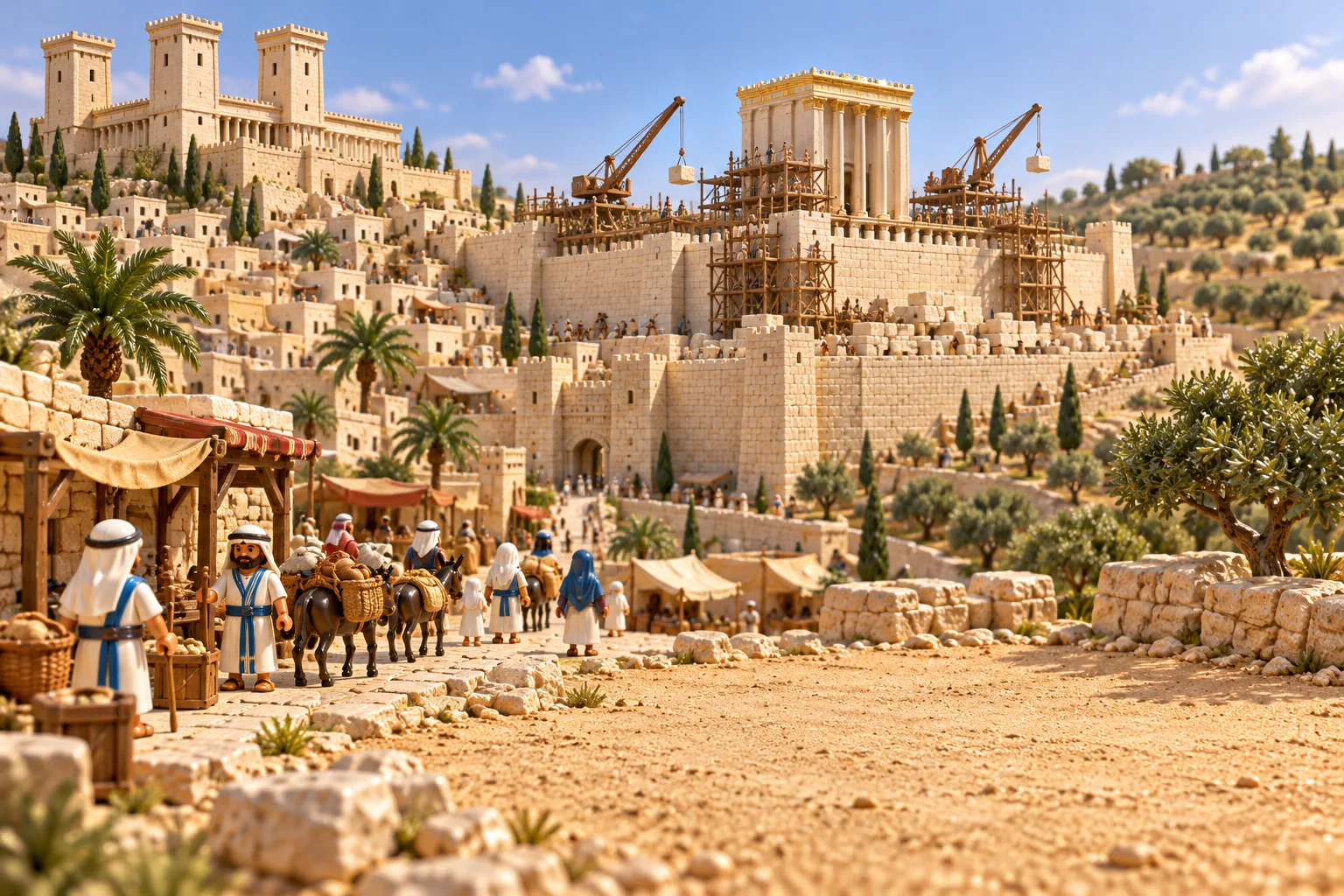 141 BC – AD 6 · JerusalemJudeaA revolt of priests' sons against a Greek king gave Judea a century of its own kings, and an Idumean client of Rome gave it its greatest Temple.
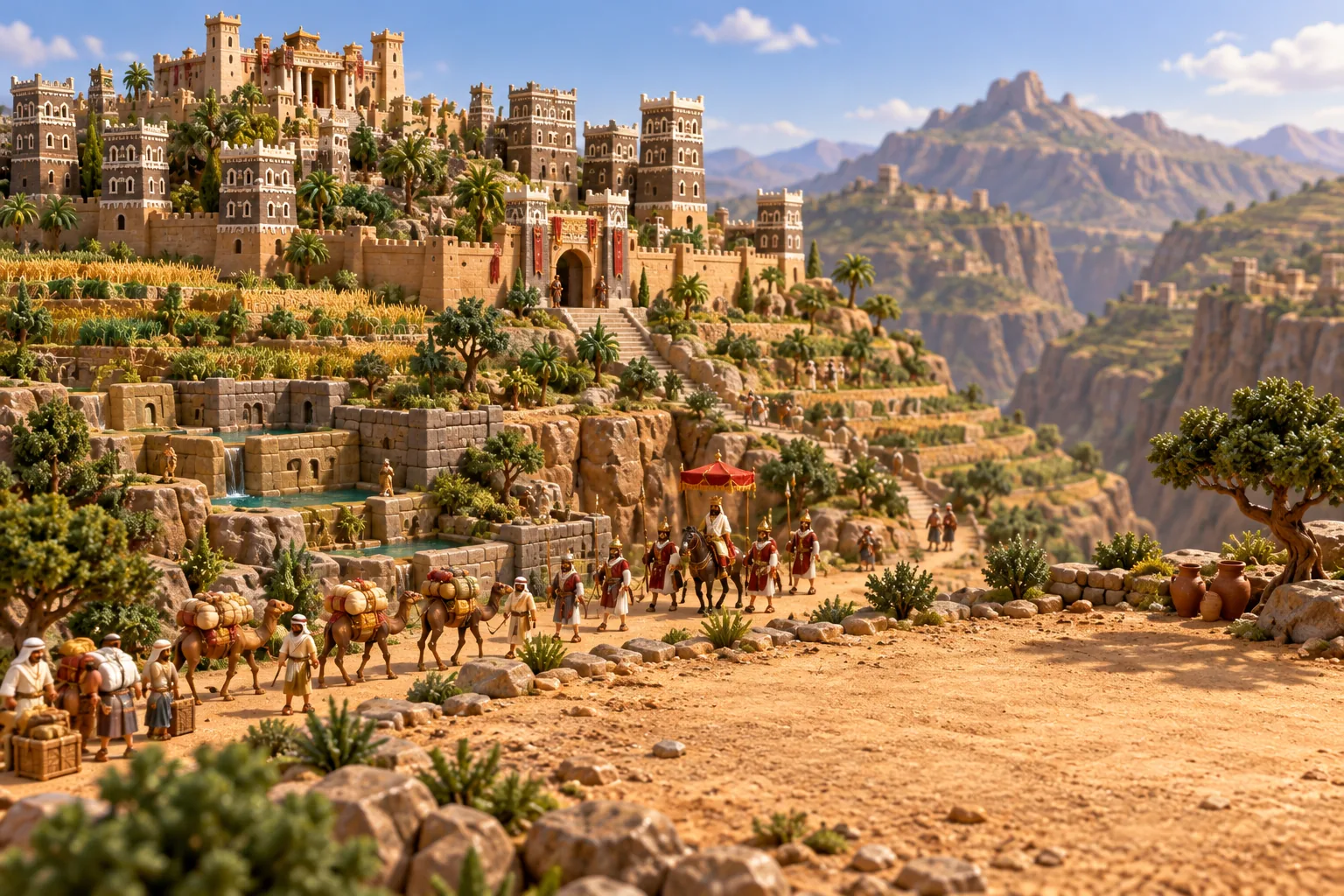 c. 110 BC – AD 525 · Zafar, YemenHimyarite kingdomFor more than a century the kings of ancient Yemen ruled as Jews, until a massacre at Najran brought an African army across the Red Sea.
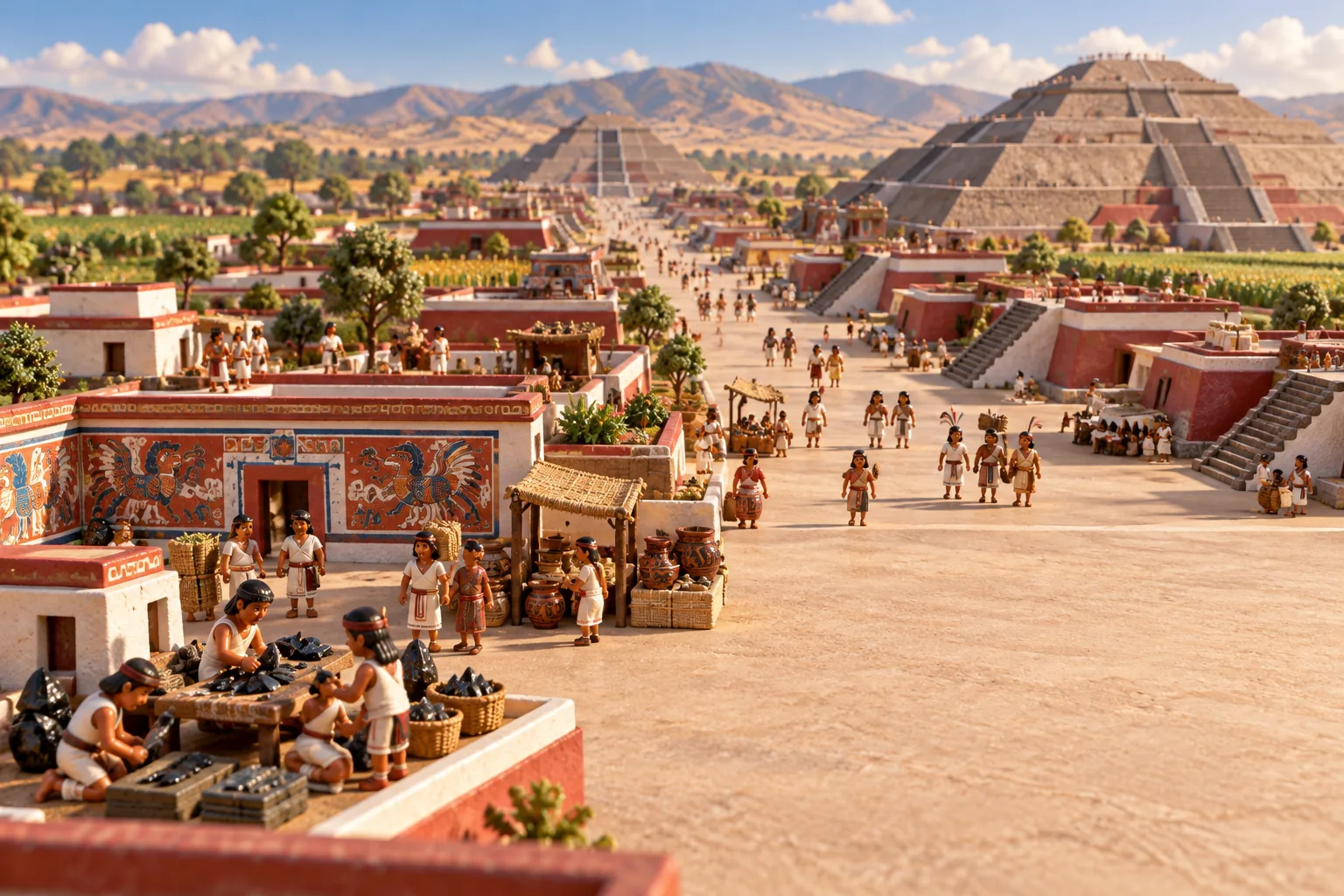 c. 100 BC – AD 550 · Teotihuacan, State of MexicoTeotihuacanIts Pyramid of the Sun is among the largest in the Americas, yet nobody knows what language its builders spoke.
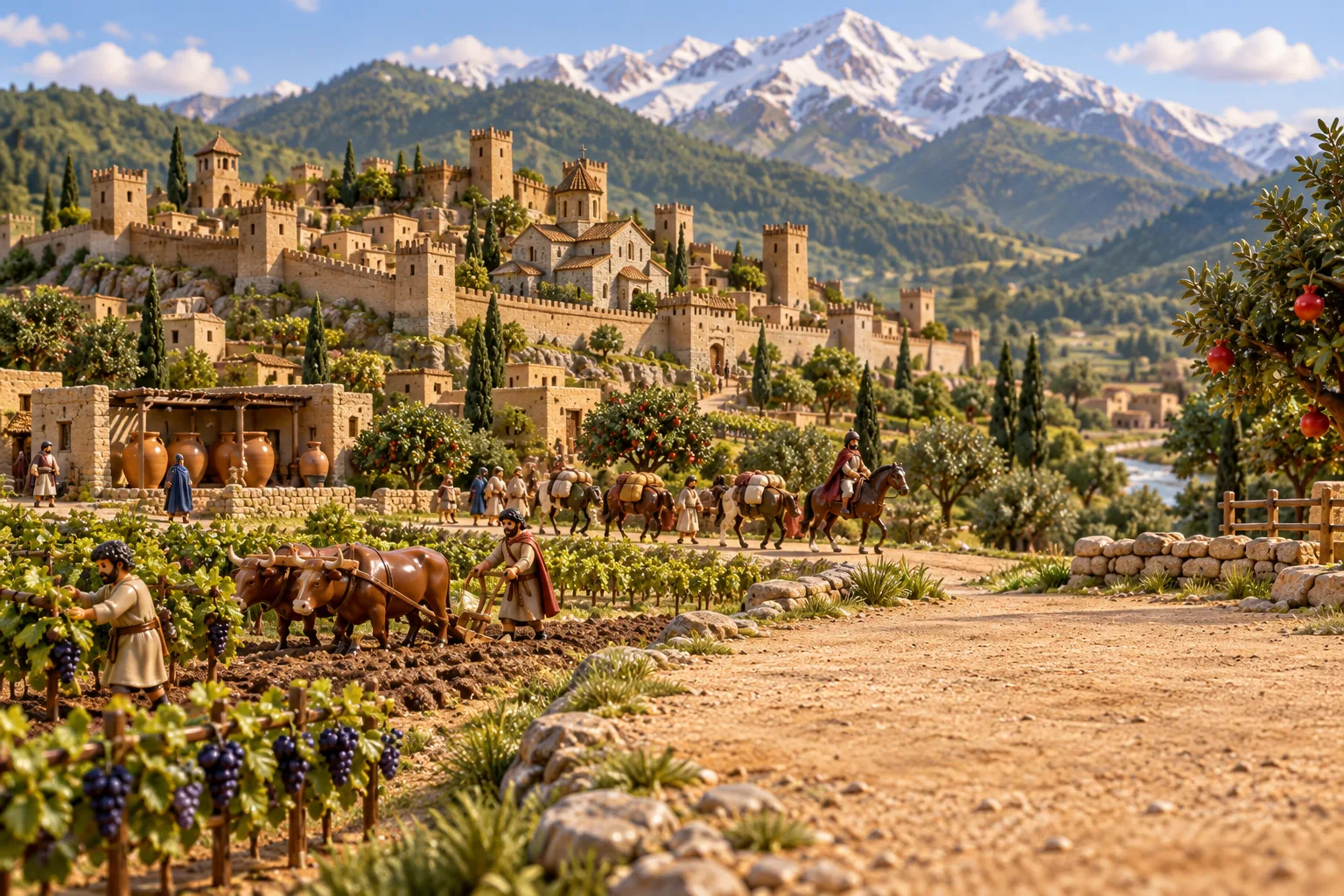 c. 65 BC – c. AD 510 · Qabala (Kabalaka), AzerbaijanCaucasian AlbaniaUnrelated to the Balkan Albania, this Caucasus kingdom had an alphabet of its own, rediscovered only in 1996 under the text of a reused parchment at Mount Sinai.
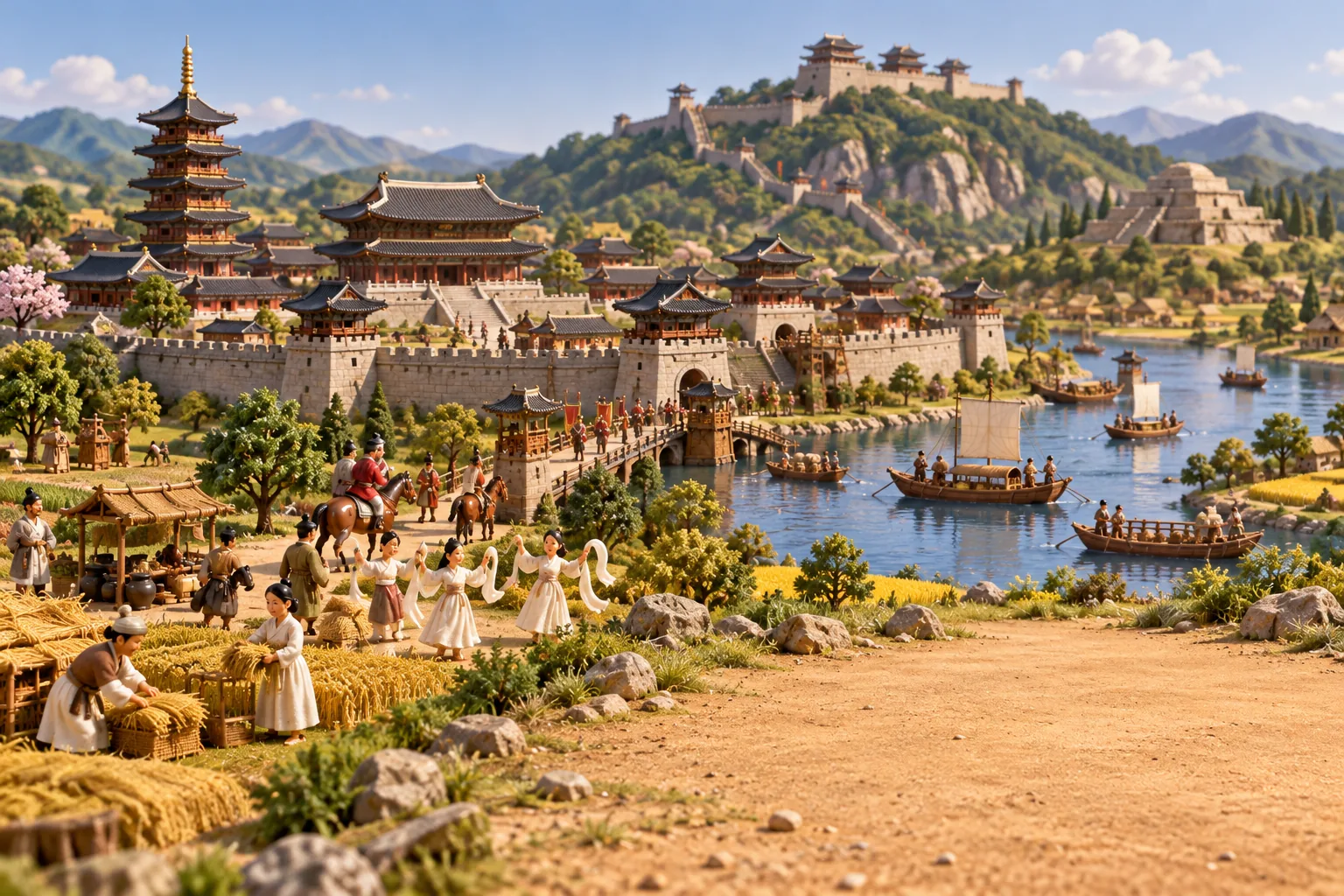 37 BC – AD 668 · Pyongyang, KoreaGoguryeoIts fortress kingdom threw back a vast Sui invasion in 612, when only 2,700 of 305,000 men in the main army are said to have got home.
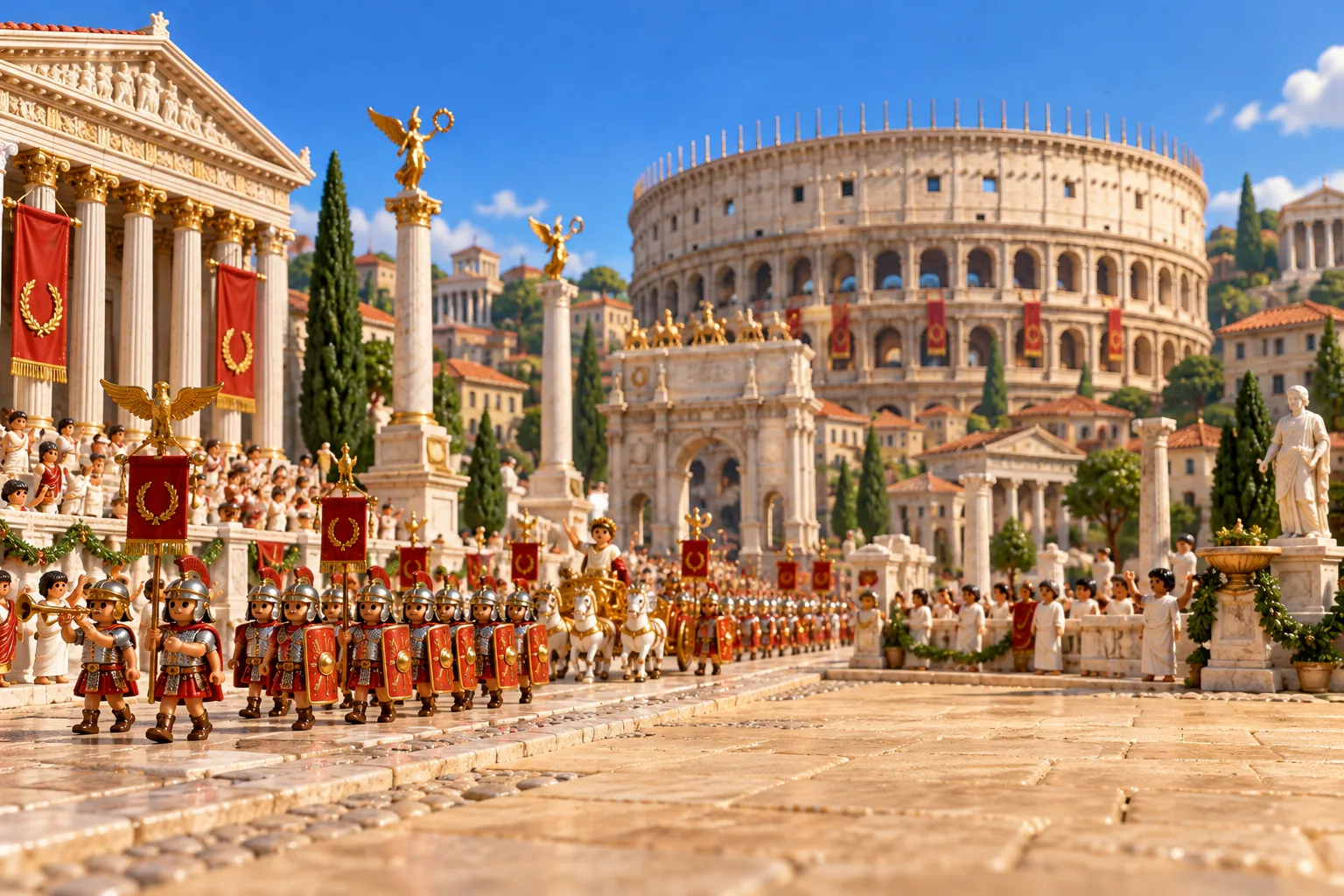 27 BC – AD 476 · RomeRoman EmpireOne man took power in 27 BC while pretending the Republic still ruled, and his empire lasted five hundred years in the west and a thousand more in the east.
 1st century AD – 711 · Lower Vistula, PolandGothsGothic cathedrals and goth music are named after them, but the real Goths were a Germanic people who killed a Roman emperor, sacked Rome and ruled Italy and Spain.
 AD 9–23 · Chang'anXin dynastyA Confucian regent took the throne of the Han, tried to remake China on the model of an ideal past, and lost everything in fourteen years.
 c. 30 – 375 · Kapisa (Bagram), AfghanistanKushan EmpireNomads from the edge of China built an empire in Afghanistan and India where Roman glass, Chinese silk and Indian Buddhas met.
 1st–6th century · Angkor Borei, CambodiaFunanIn the mud of a Mekong Delta port archaeologists found gold medallions of the Roman emperor Antoninus Pius, struck half a world away.
 1st century – 534 · between the Oder and the Vistula, PolandBurgundiansTheir kingdom on the Rhine was crushed by the Romans and their Hun allies in 436, a disaster still sung in the Nibelungenlied.
 c. 91–235 · Mount Danhan (Shangyi County), Hebei, ChinaXianbeiSteppe nomads whose Tuoba clan founded the Northern Wei, they ruled northern China until an emperor ordered his court to speak Chinese.
 220–266 · LuoyangCao WeiFounded when Cao Pi made the last Han emperor step down in 220, Wei ruled northern China in the Three Kingdoms era and was taken over by its own regents.
 221–263 · Chengdu, ChinaShu HanThe weakest of the Three Kingdoms called itself simply Han, and its chancellor Zhuge Liang became China's favourite example of a wise and loyal minister.
 222–280 · Nanjing (Jianye)Eastern WuIts fire ships helped wreck Cao Cao's huge fleet at Red Cliffs in 208, and its state outlived both of its rivals among the Three Kingdoms.
 c. 240 – 550 · Pataliputra (Patna)Gupta EmpireUnder the Guptas an Indian astronomer measured the Earth, a playwright wrote Shakuntala and smiths forged an iron pillar that barely rusts.
 260–274 · Cologne (Colonia Agrippina), GermanyGallic EmpireFor fourteen years Gaul, Britain and Spain had their own Roman emperors, who never tried to take Rome and simply defended the Rhine.
 266–420 · Luoyang, ChinaJin dynasty (266–420)It reunited China in 280, then lost the whole north within a generation after eight of its own princes went to war over the throne.
 c. 370 – 469 · Great Hungarian PlainHunsA people said to live on horseback crossed the Volga, drove the Goths west and made Constantinople pay them in gold every year.
 376–418 · RomeVisigothsRefugees fleeing the Huns became the army that killed a Roman emperor and, a generation later, walked into Rome itself.
 386–535 · Luoyang, ChinaNorthern WeiIts Xianbei emperor moved his capital to Luoyang in 494 and the next year banned his own people's language and dress at court.
 395–476 · Mediolanum (Milan)Western Roman EmpireIn eighty years the western half of Rome's empire lost Britain, Gaul and Africa, and its last emperor was a boy deposed by a Germanic officer.
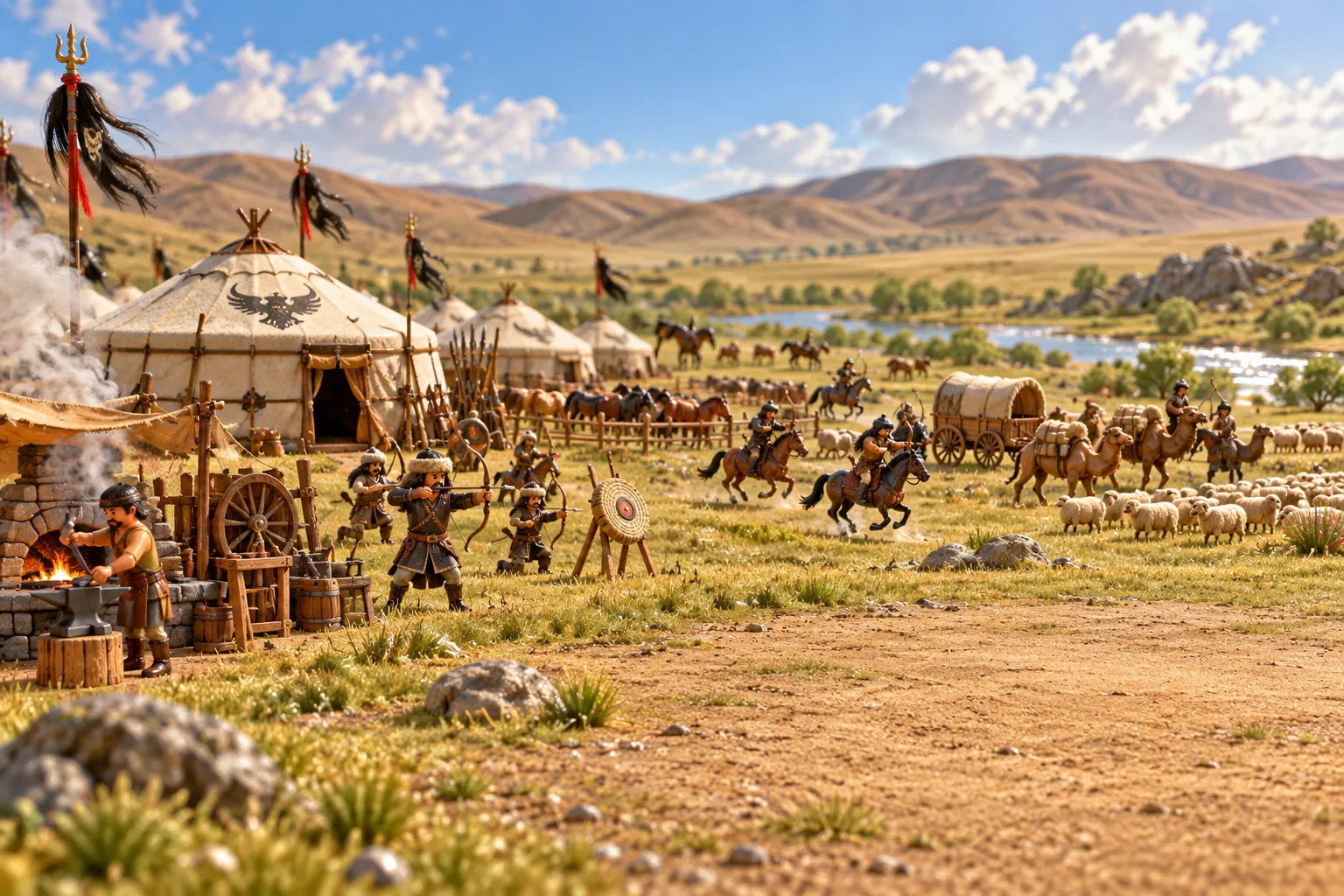 c. 402–555 · Mongolian PlateauRouran KhaganateThey called their rulers khagan, and they lost their steppe empire in 552 to their own ironworking subjects, the Turks.
 405–534 · Hispalis (Seville), SpainVandalsAfter plundering Rome for two weeks in 455, the Vandals gave their name to senseless destruction.
 409–426 (kingdom in Hispania) · Hispania CarthaginiensisAlansIranian-speaking horsemen from the steppe, the Alans rode with the Vandals across Gaul and Spain, and their name lives on in a Spanish dog.
 420–479 · Jiankang (Nanjing)Liu Song dynastyA general born in poverty briefly won back the old capitals of China, then founded a dynasty whose later emperors murdered their own families.
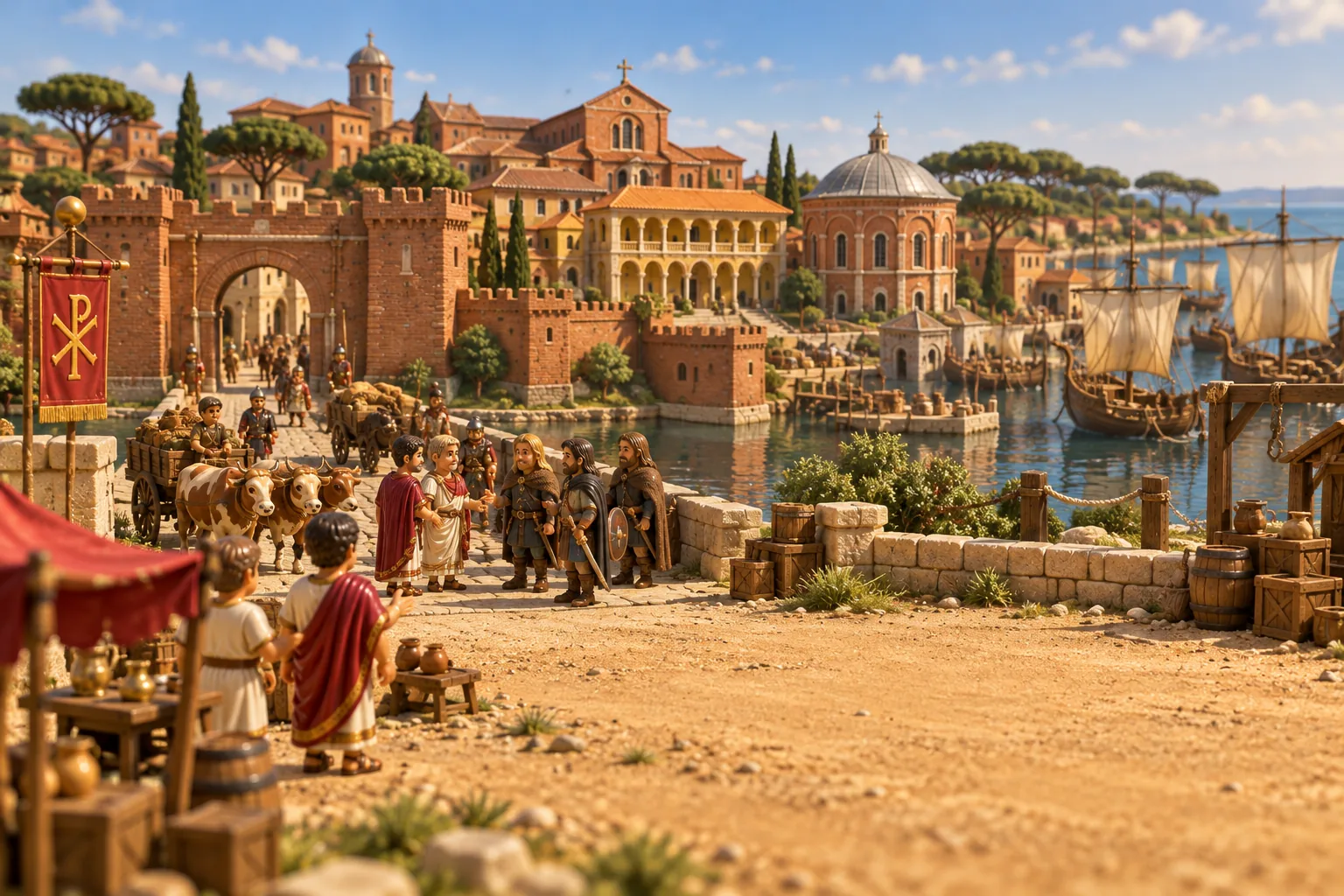 c. 453 – 553 · Ravenna, ItalyOstrogothsA Gothic king raised as a hostage in Constantinople conquered Italy and ran it with Roman senators, Roman law and Roman taxes.
Middle Ages AD 500 to 1500
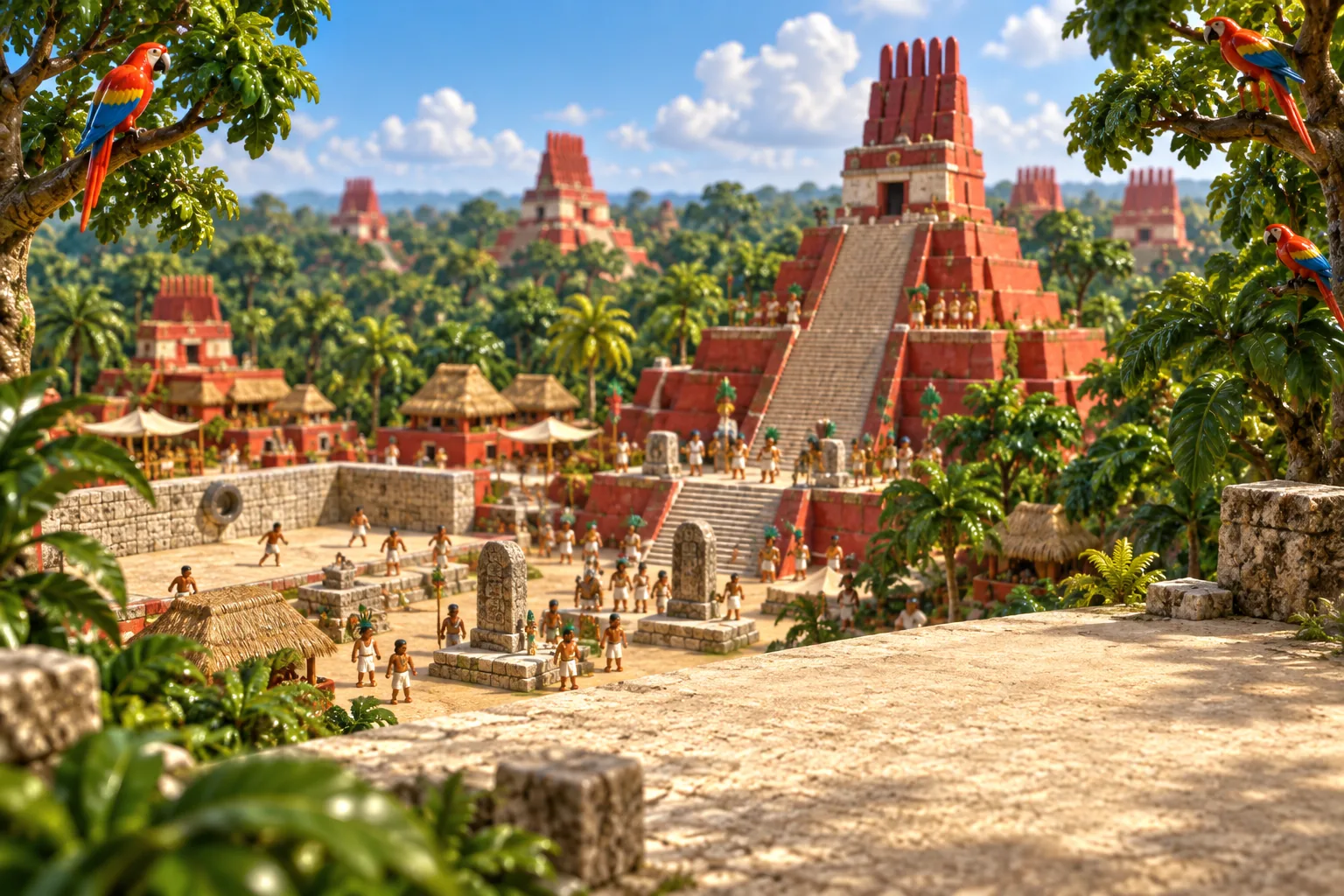 c. 750 BC – AD 1697 · Tikal, GuatemalaMaya civilizationIn the rainforests of Central America, rival god-kings raised stone temples, wrote in glyphs and counted the days with a zero centuries before Europe had one.
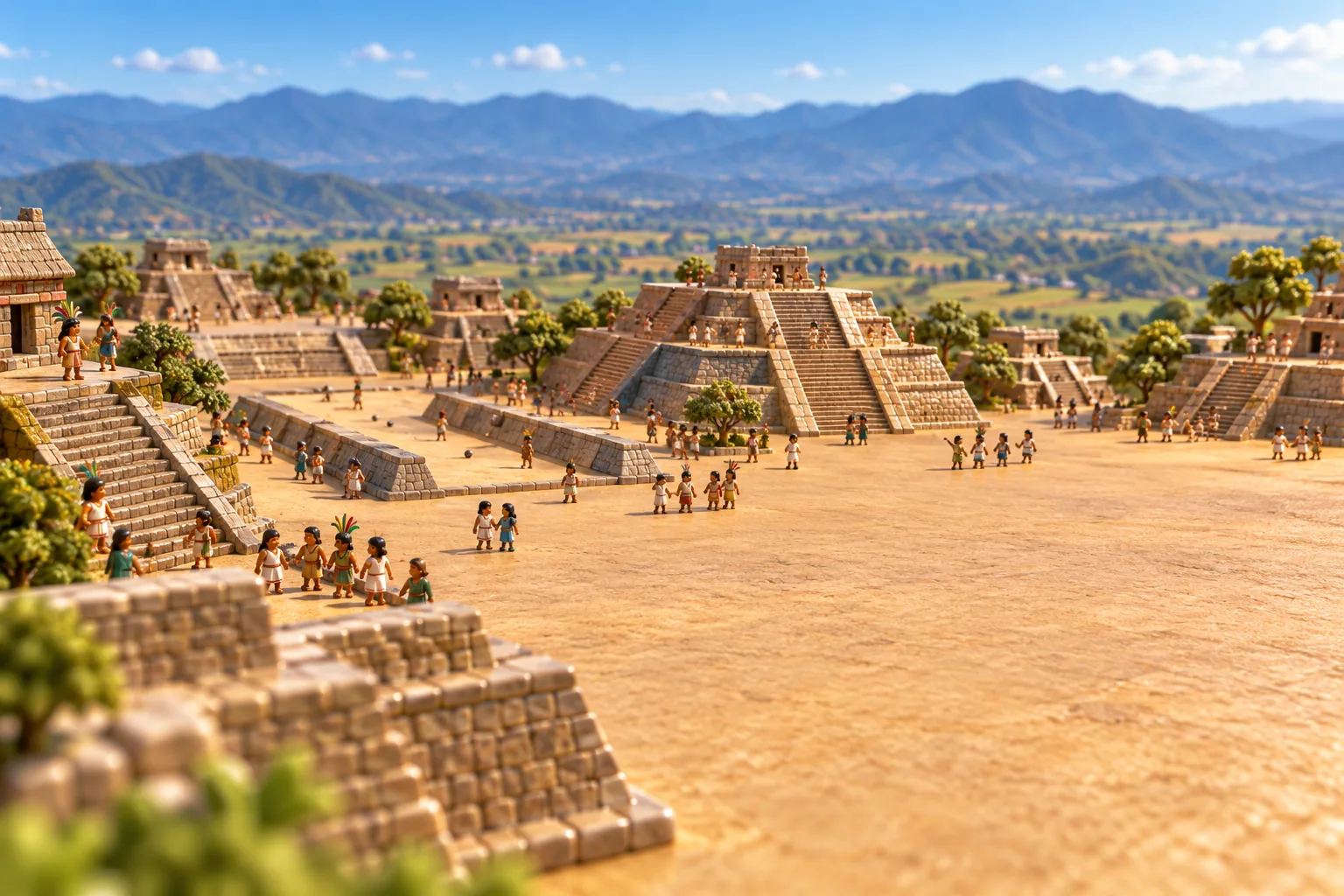 c. 500 BC – AD 1521 · Monte Albán, Oaxaca, MexicoZapotec civilizationAround 500 BC the Zapotecs levelled a mountaintop to build Monte Albán and left some of the earliest writing in the Americas.
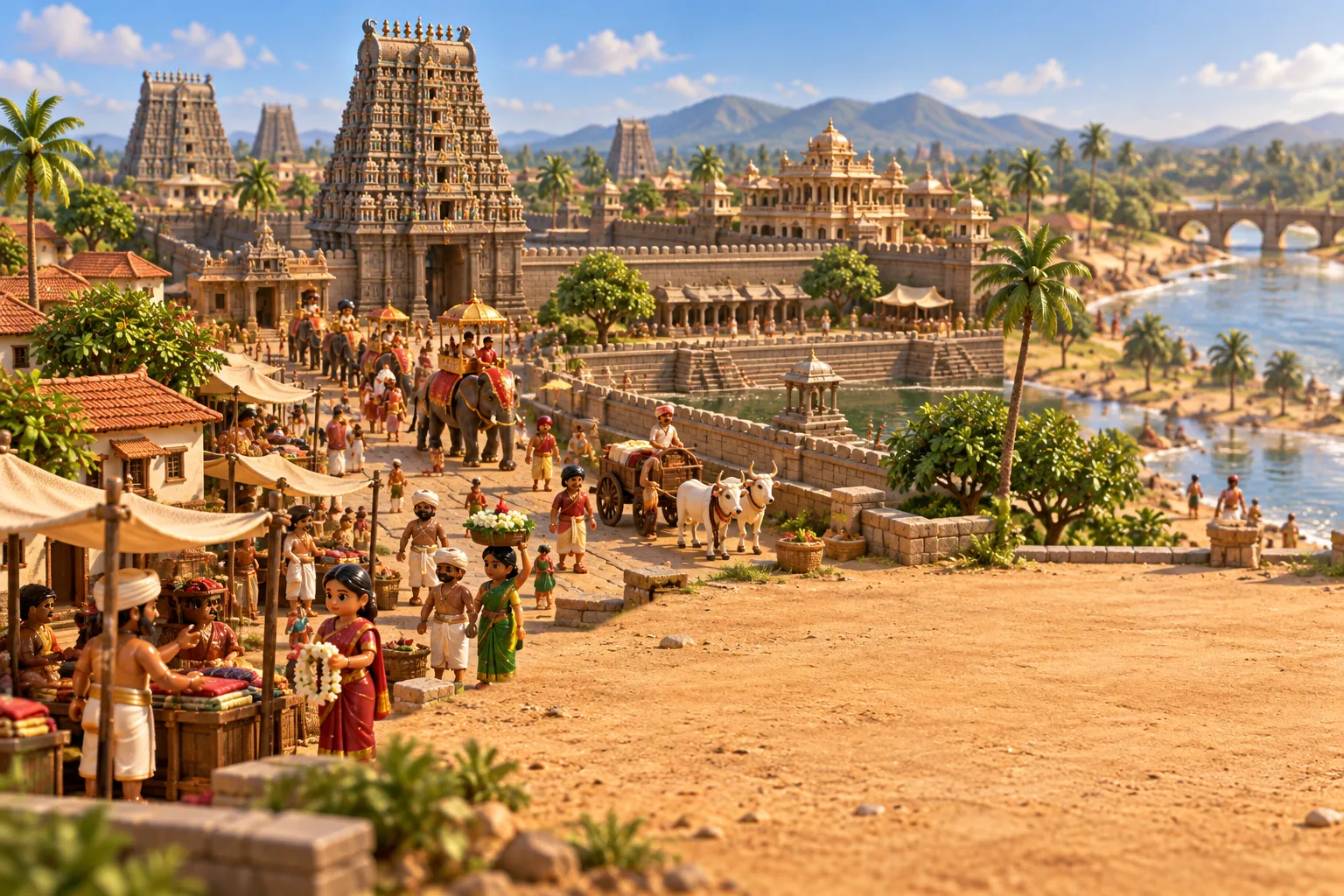 c. 300 BC – AD 1334 · Madurai, IndiaPandya dynastyOne of the longest-ruling dynasties on earth sent gifts to Augustus, grew rich on pearls and was visited twice by Marco Polo.
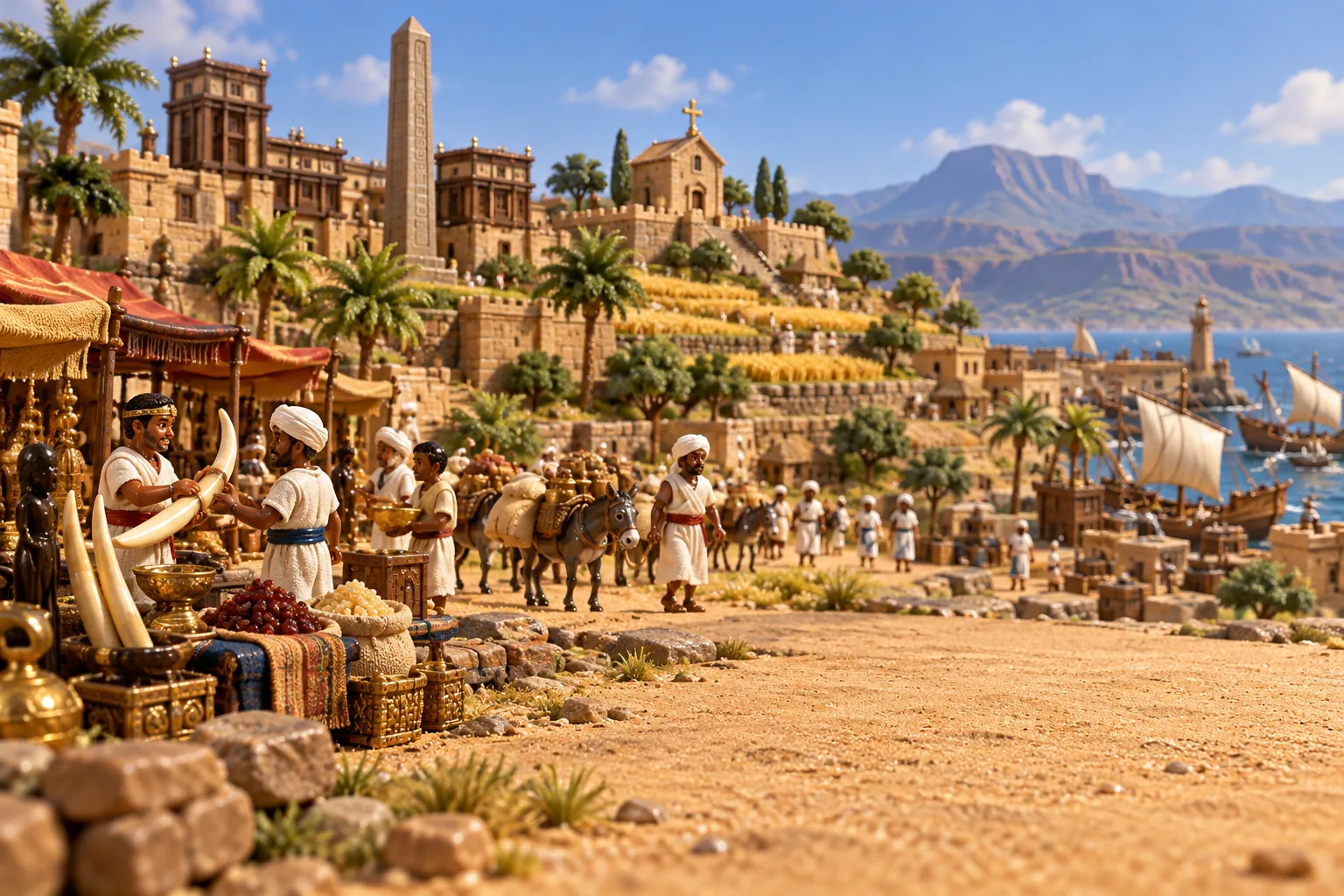 c. 150 BC – AD 960 · Axum, EthiopiaKingdom of AksumAksum minted its own gold coins, carved granite tomb towers meant to stand 33 metres tall, and made Christianity its state religion in the 4th century.
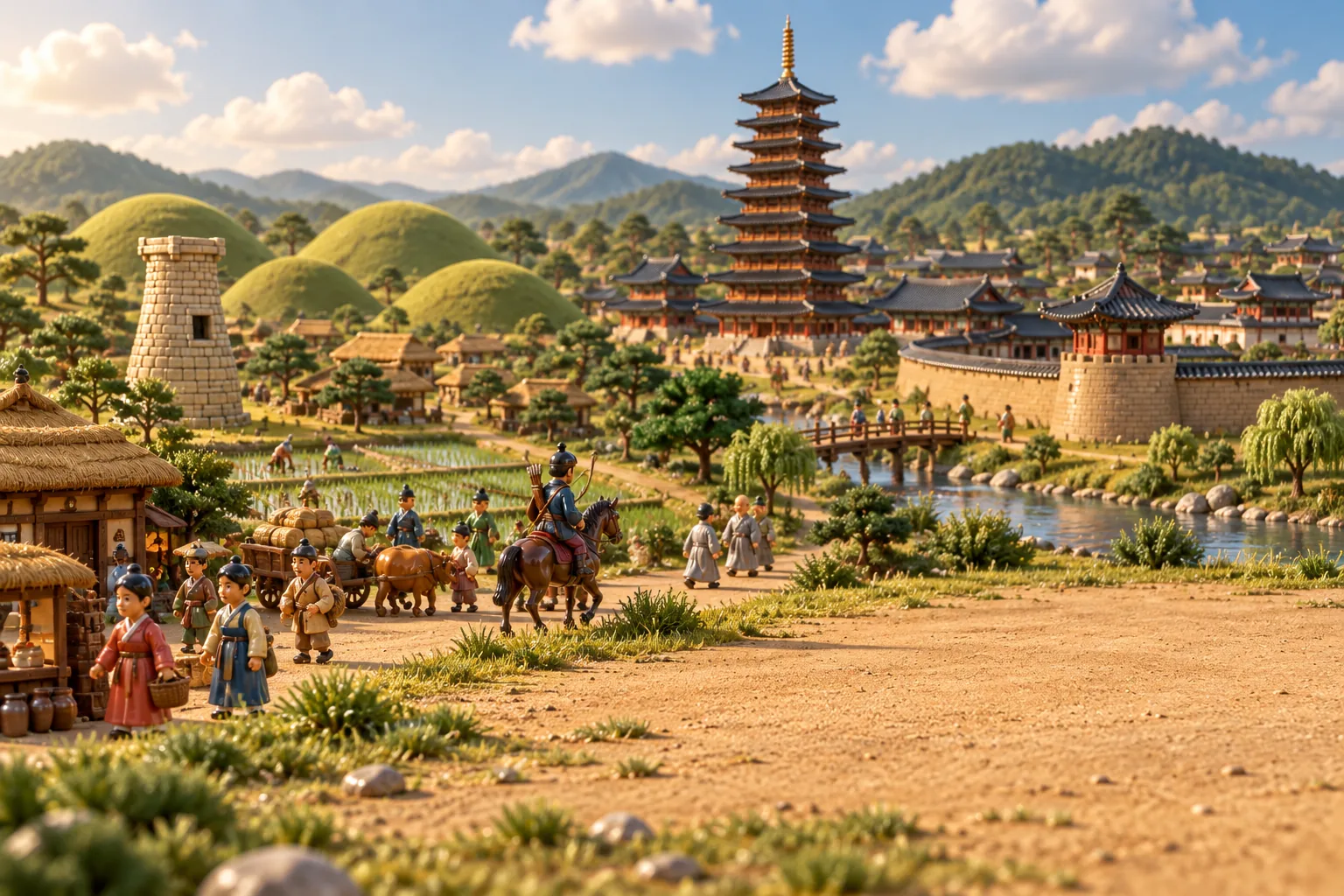 57 BC – AD 935 · Gyeongju, South KoreaSillaThe smallest of Korea's Three Kingdoms outlasted both rivals, unified the peninsula in the 660s and kept one capital for almost a thousand years.
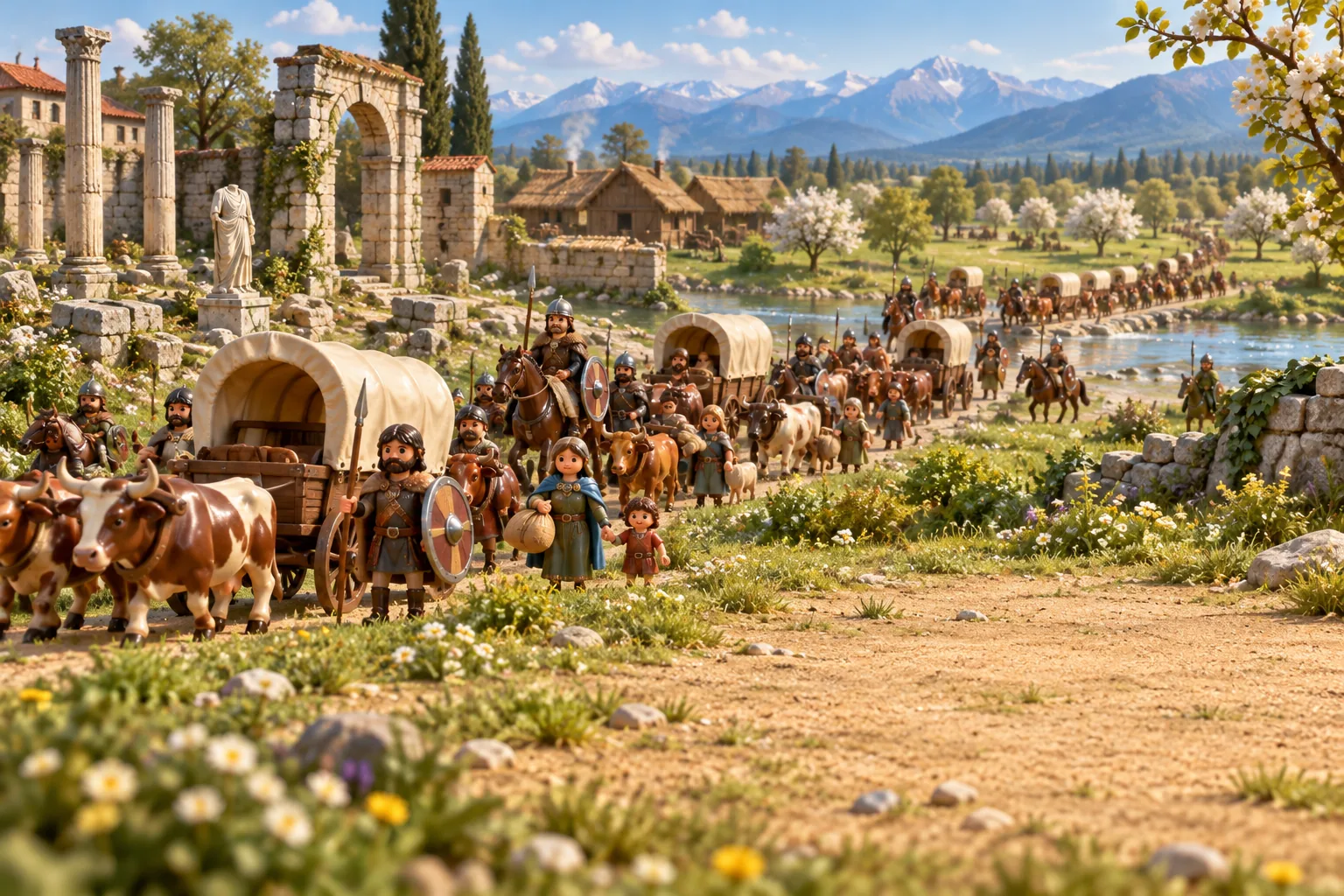 c. AD 9 – 774 · Pannonia (today's Hungary)LombardsIn 568 the Long-beards left Pannonia with their wives, children and allies and marched into Italy, where their name survives in Lombardy.
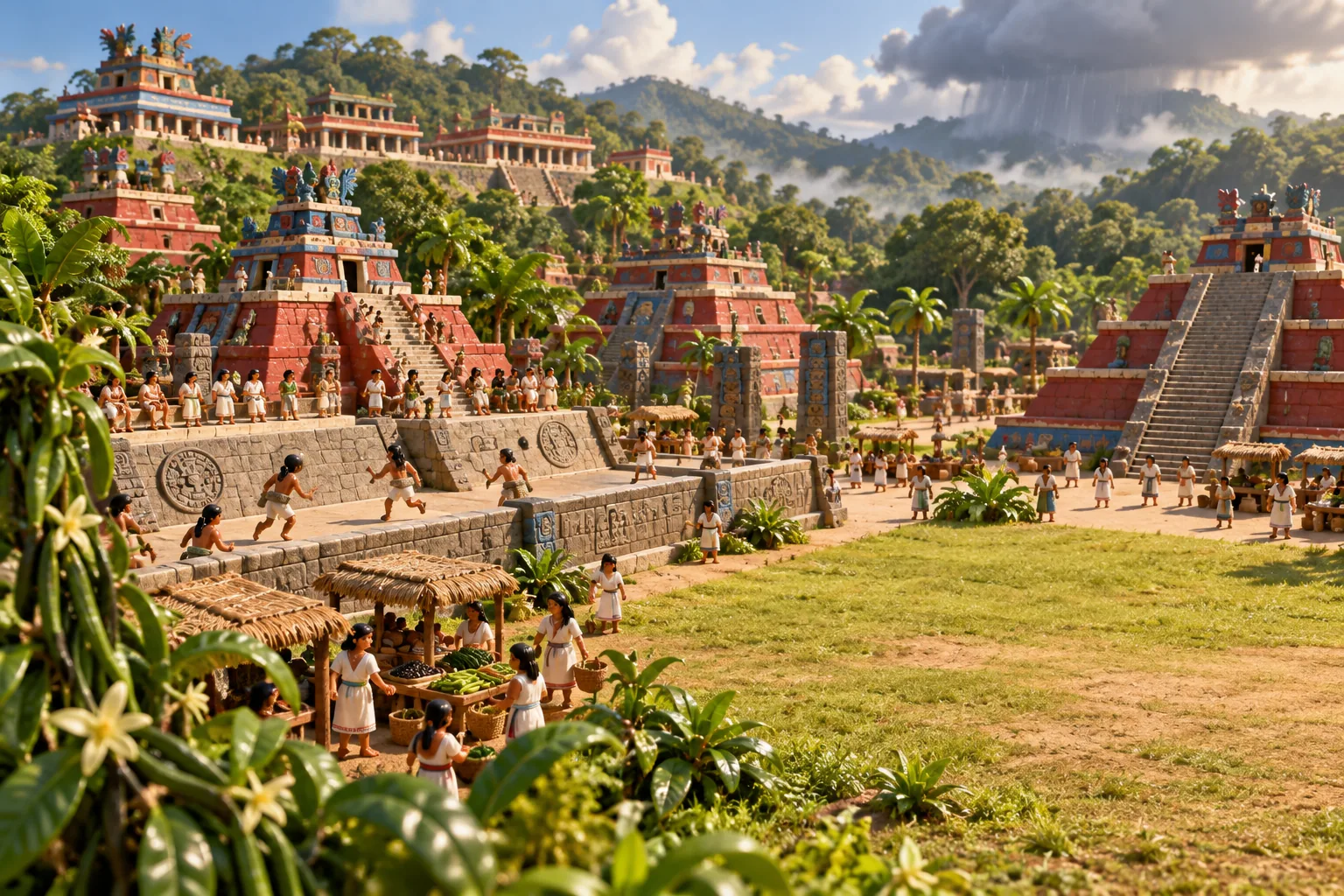 c. 100 – 1200 · El Tajín, Veracruz, MexicoClassic Veracruz cultureIts city El Tajín packed twenty ballcourts around a pyramid of stone niches, and its people were all but obsessed with the ballgame.
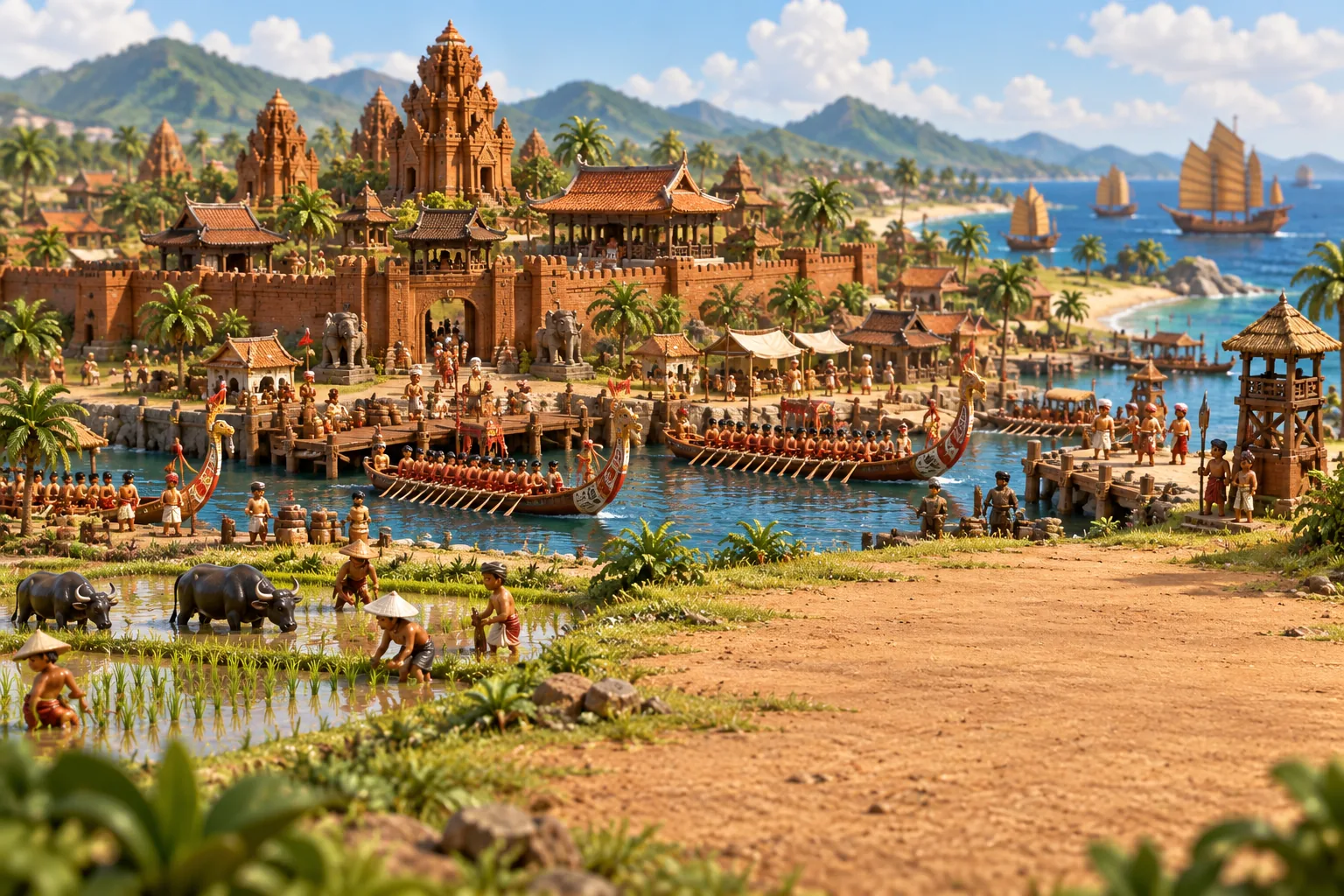 192–1832 · Vijaya (Bình Định)ChampaCham kings built red-brick tower temples along Vietnam's coast, and in 1177 their fleet made a surprise attack on the Khmer capital Angkor and sacked it.
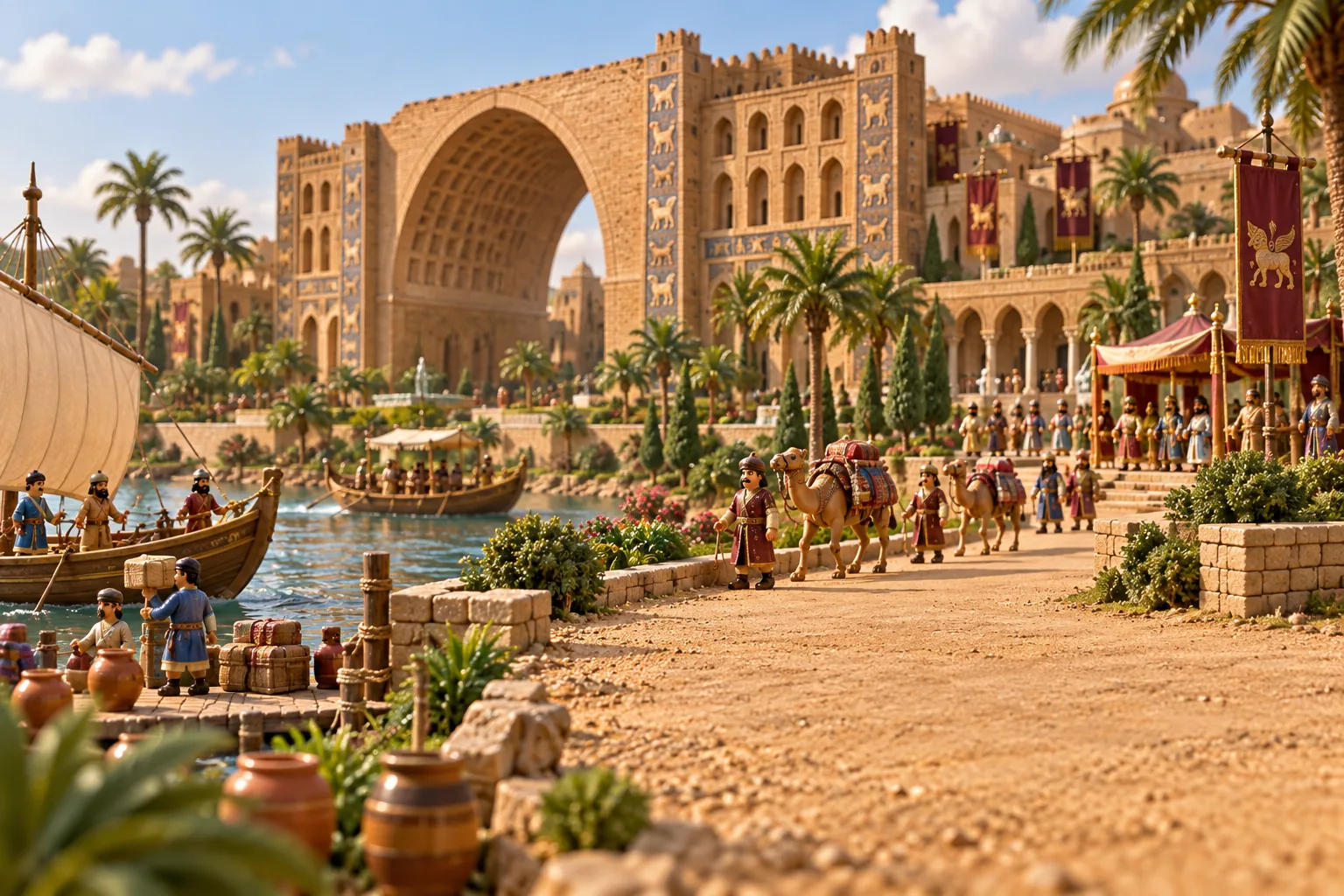 224–651 · CtesiphonSasanian EmpireFor four centuries the kings of kings at Ctesiphon stood up to Rome, and one of them kept a captured Roman emperor as his prisoner for life.
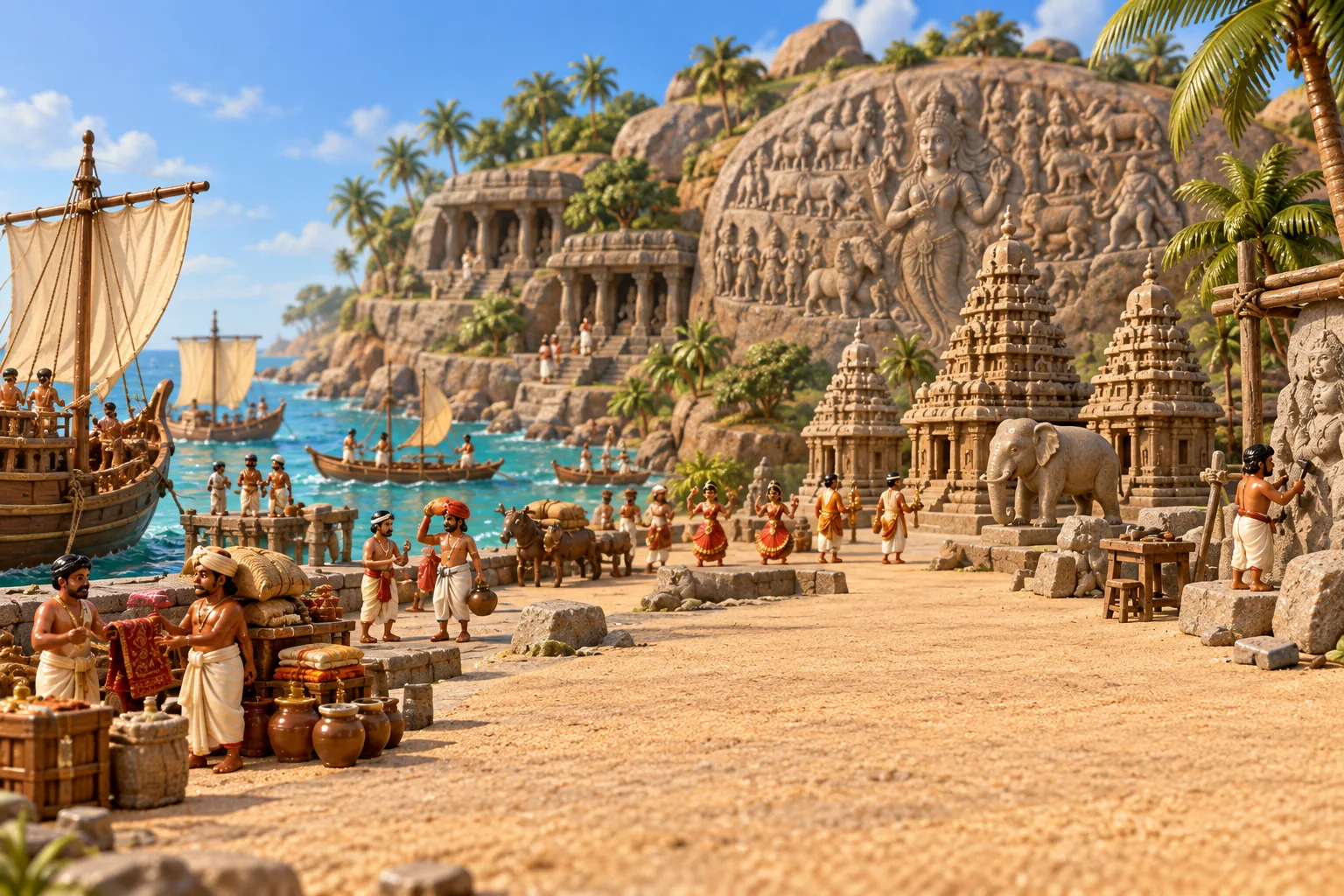 275–897 · Kanchipuram, IndiaPallava dynastyPallava kings carved whole temples out of boulders by the sea, and their script became the mother of writing systems from Tamil Nadu to Cambodia.
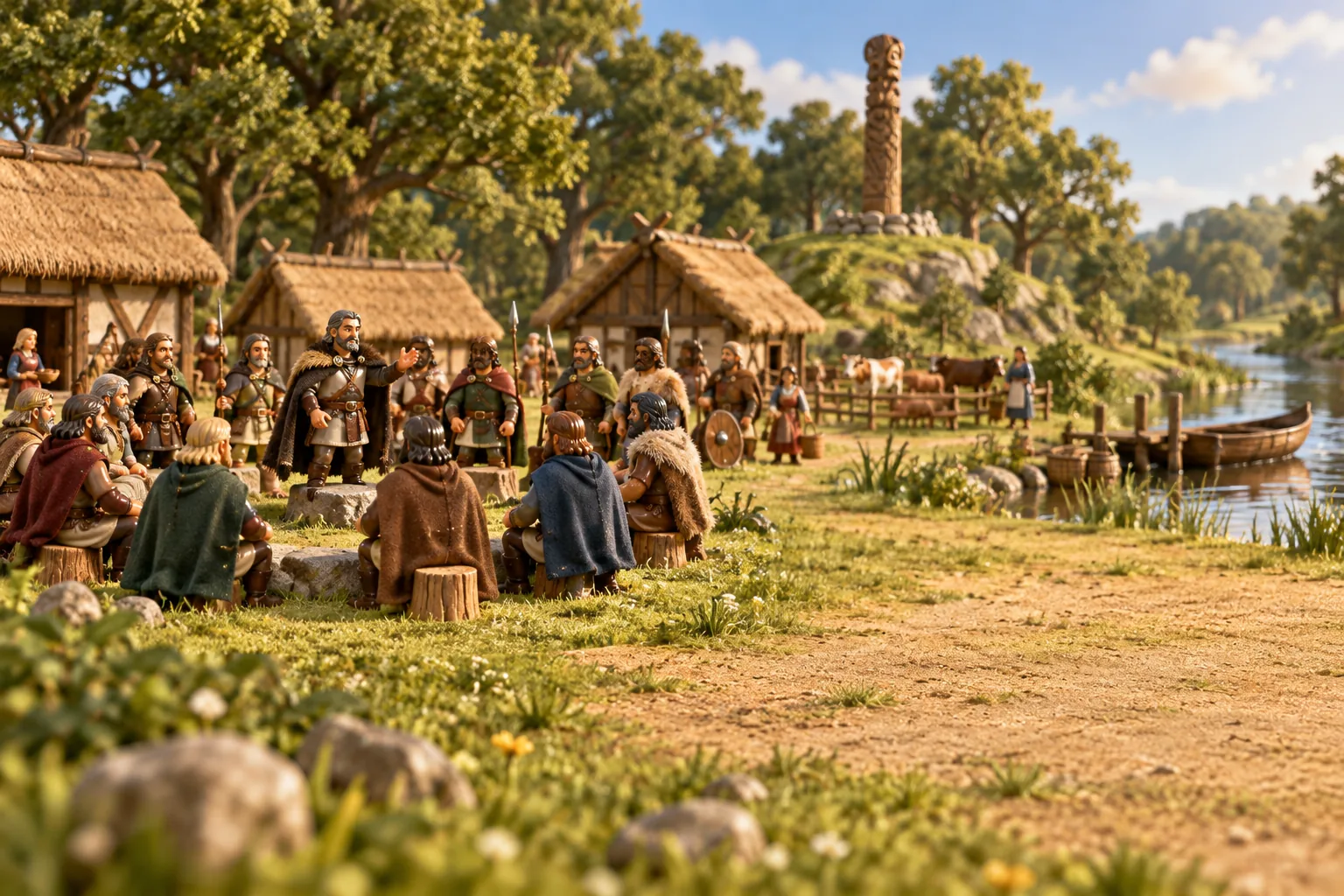 3rd century – 804 · Marklohe (Marklo), Lower Saxony, GermanySaxonsSaxons who crossed the sea settled England, while those at home fought Charlemagne for more than 30 years.
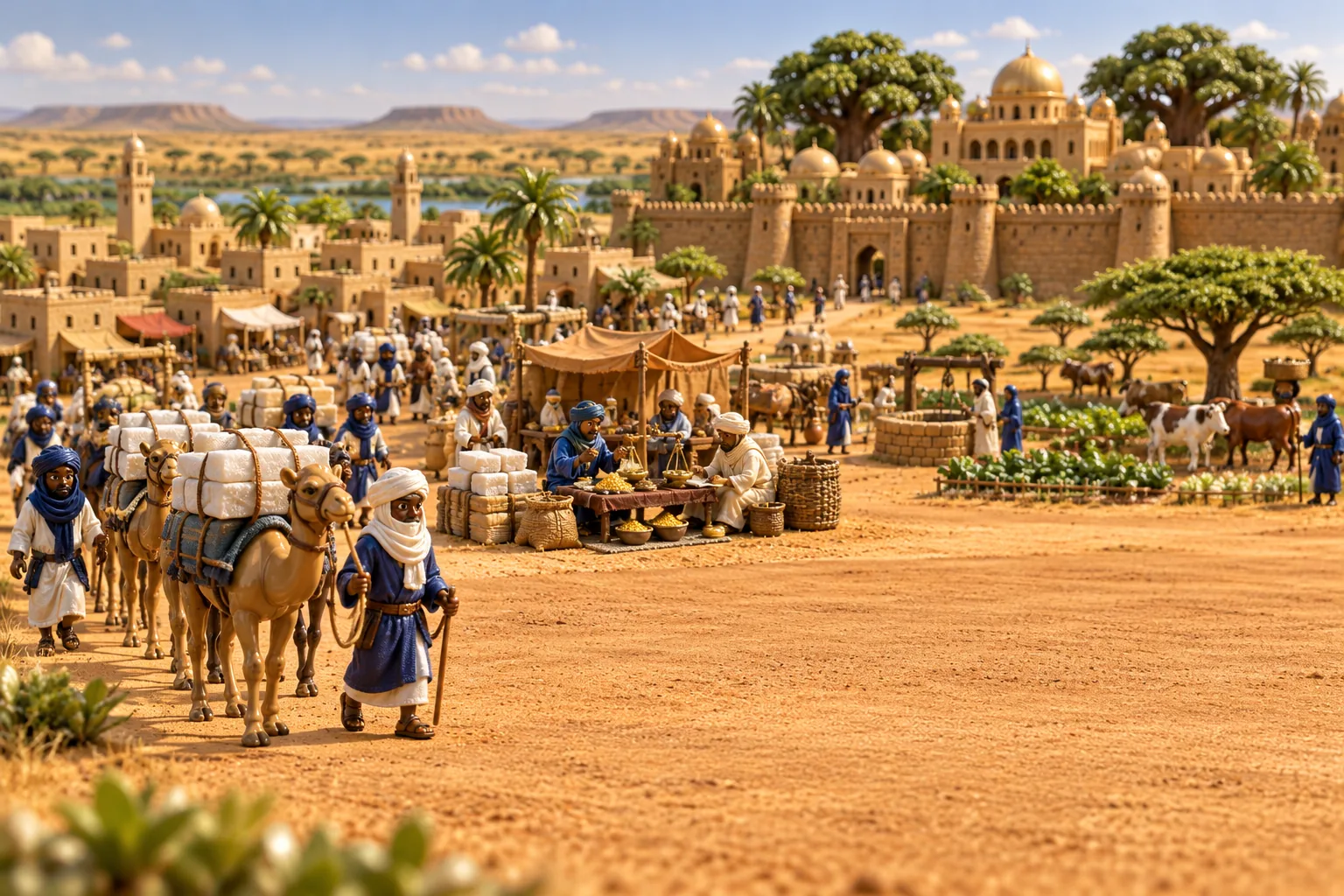 c. 300 – 1200s · Koumbi SalehGhana EmpireArab writers called its king the lord of gold, and in 1068 al-Bakri described his capital as twin towns, one royal and one Muslim.
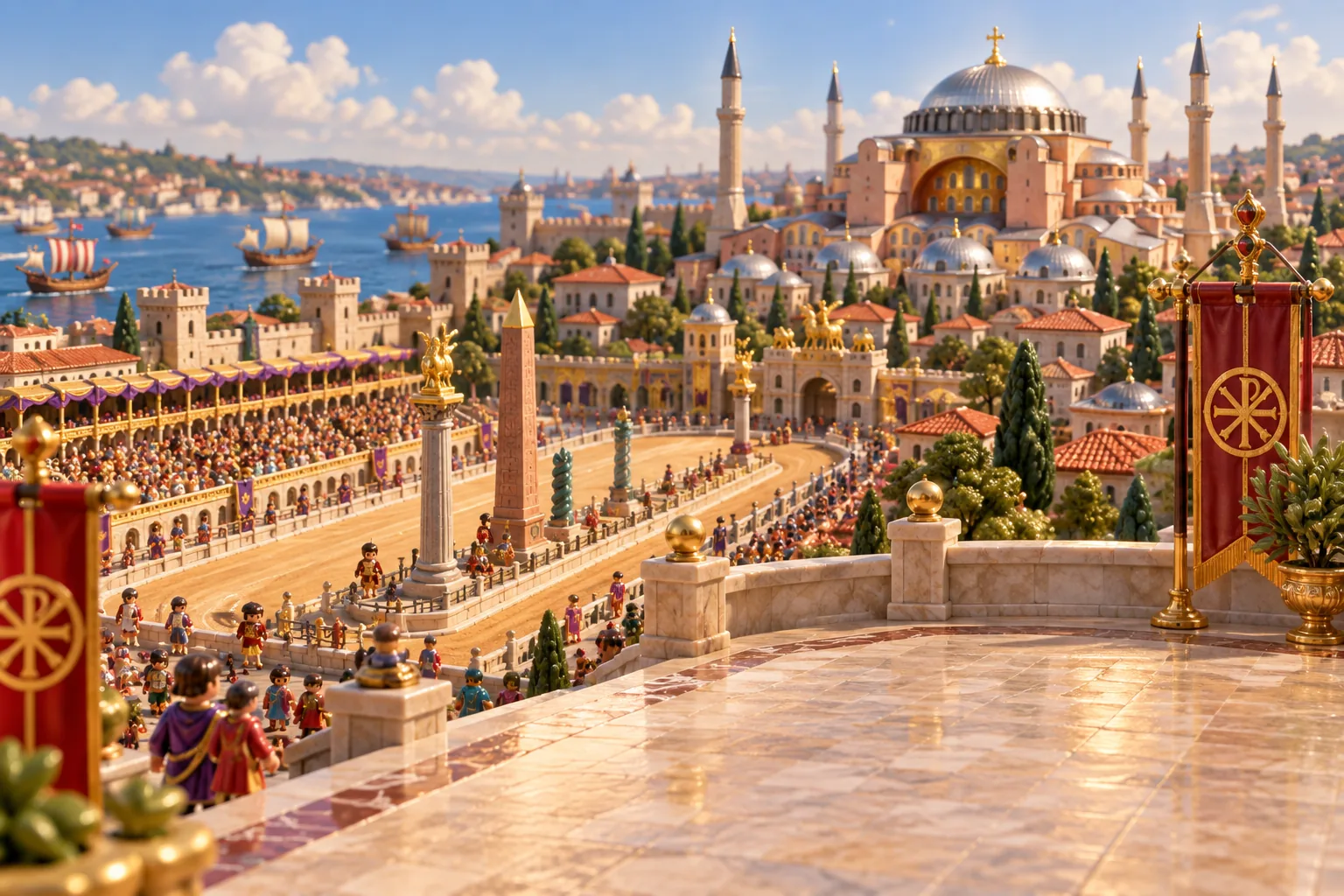 330–1453 · Constantinople (Istanbul)Byzantine EmpireIts people never called themselves Byzantines: for over a thousand years they were simply Romans, ruling from the greatest city of the Christian world.
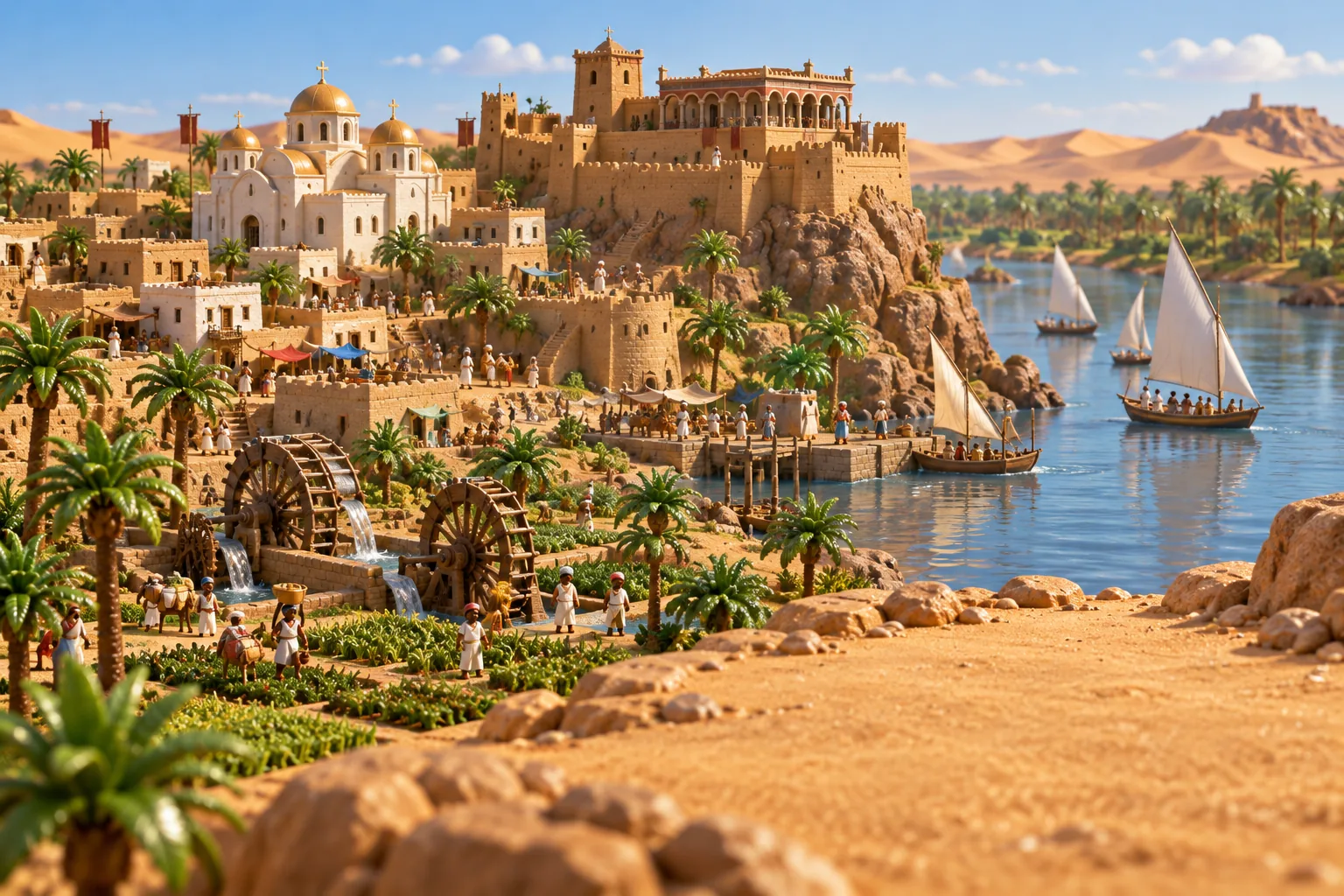 4th century – c. 1500 · Dongola, SudanKingdom of MakuriaNubian archers so skilled that the Arab armies could not break them won a peace treaty with Egypt that held for some six hundred years.
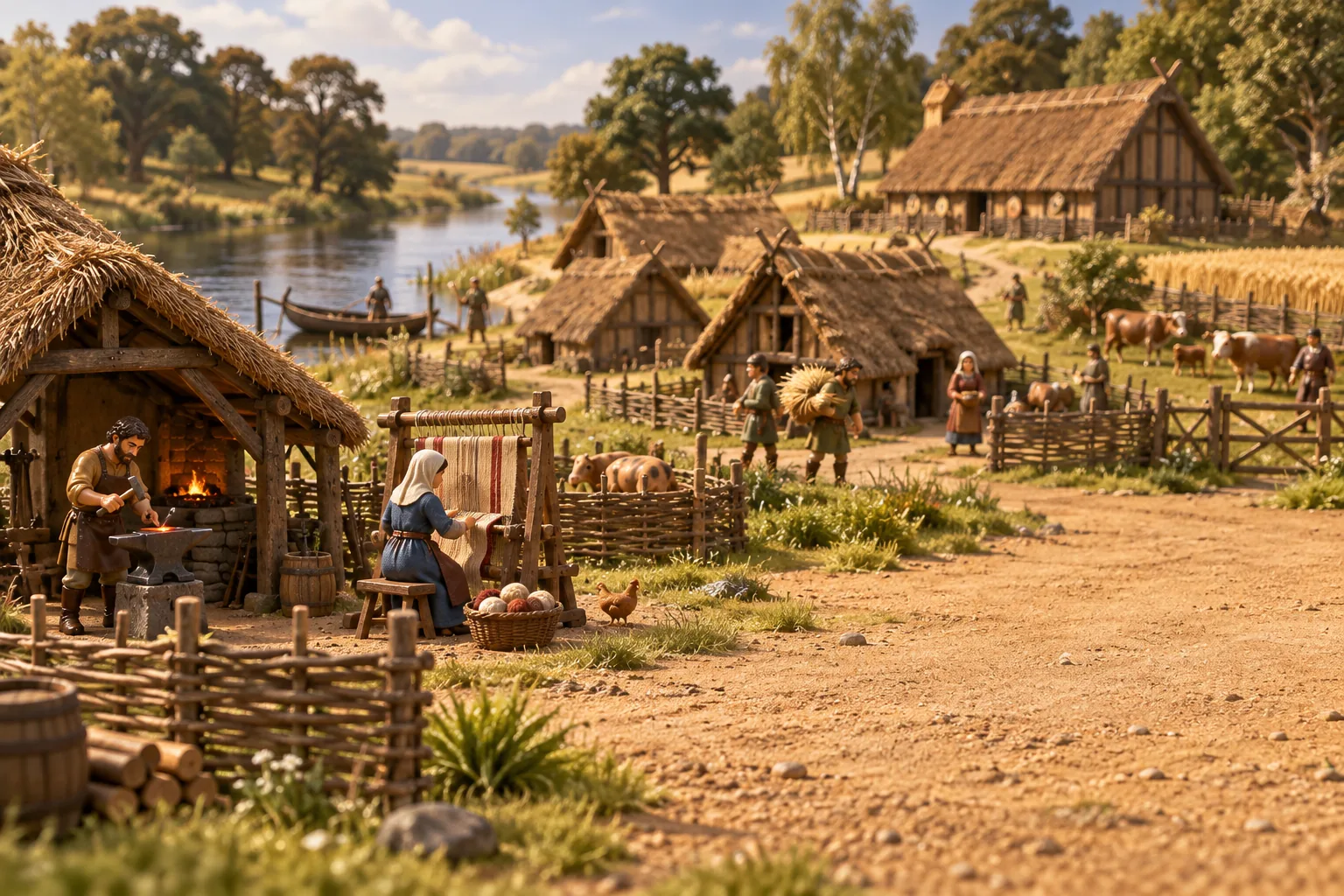 c. 410 – 1066 · East Anglia, EnglandAnglo-Saxon EnglandSettlers from across the North Sea gave England its language and its name, and 650 years later lost it to a Norman duke in a single autumn.
 c. 410–1283 · Viroconium (Wroxeter), BritainCeltic BritonsPushed west by the Anglo-Saxons, the Britons held on in Wales, Cornwall and Brittany, where Welsh and Breton are still spoken.
 418–721 · Toledo, SpainVisigothic KingdomGoths whose ancestors had sacked Rome ruled Spain for two centuries, until an Arab-Berber army crushed them in 711.
 c. 450–560 · Kunduz, Tokharistan (northern Afghanistan)HephthalitesThe 'White Huns' defeated and killed the Persian king Peroz in 484 and took tribute from Sasanian Iran for decades.
 481–843 · Aachen, GermanyFranciaThe largest kingdom to rise from the ruins of Rome gave its name to France and its greatest king a Roman emperor's crown.
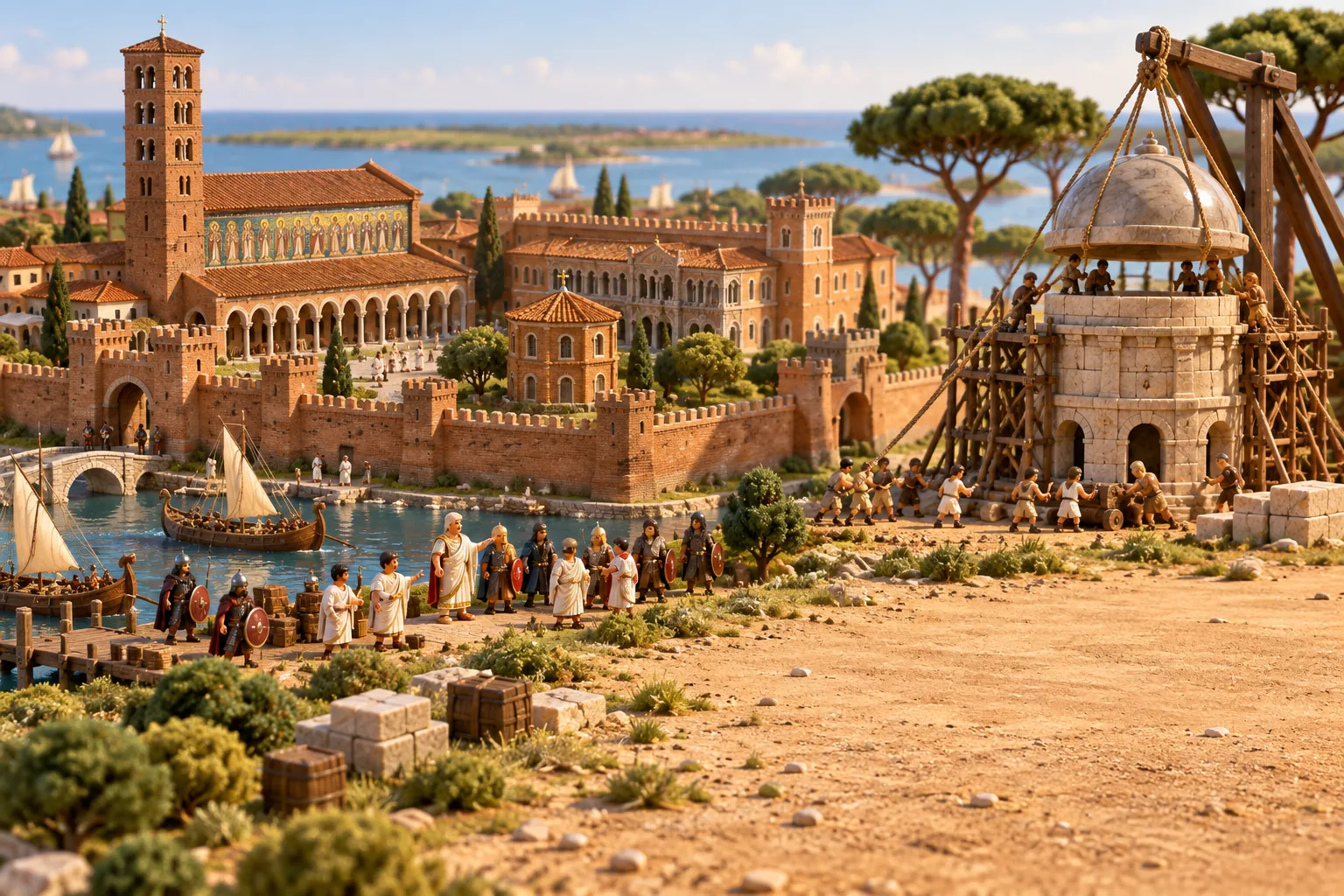 493–553 · Ravenna, ItalyOstrogothic KingdomFor sixty years Italy was ruled by Gothic kings in Ravenna who kept the Roman Senate, repaired the aqueducts and even paid for people's baths.
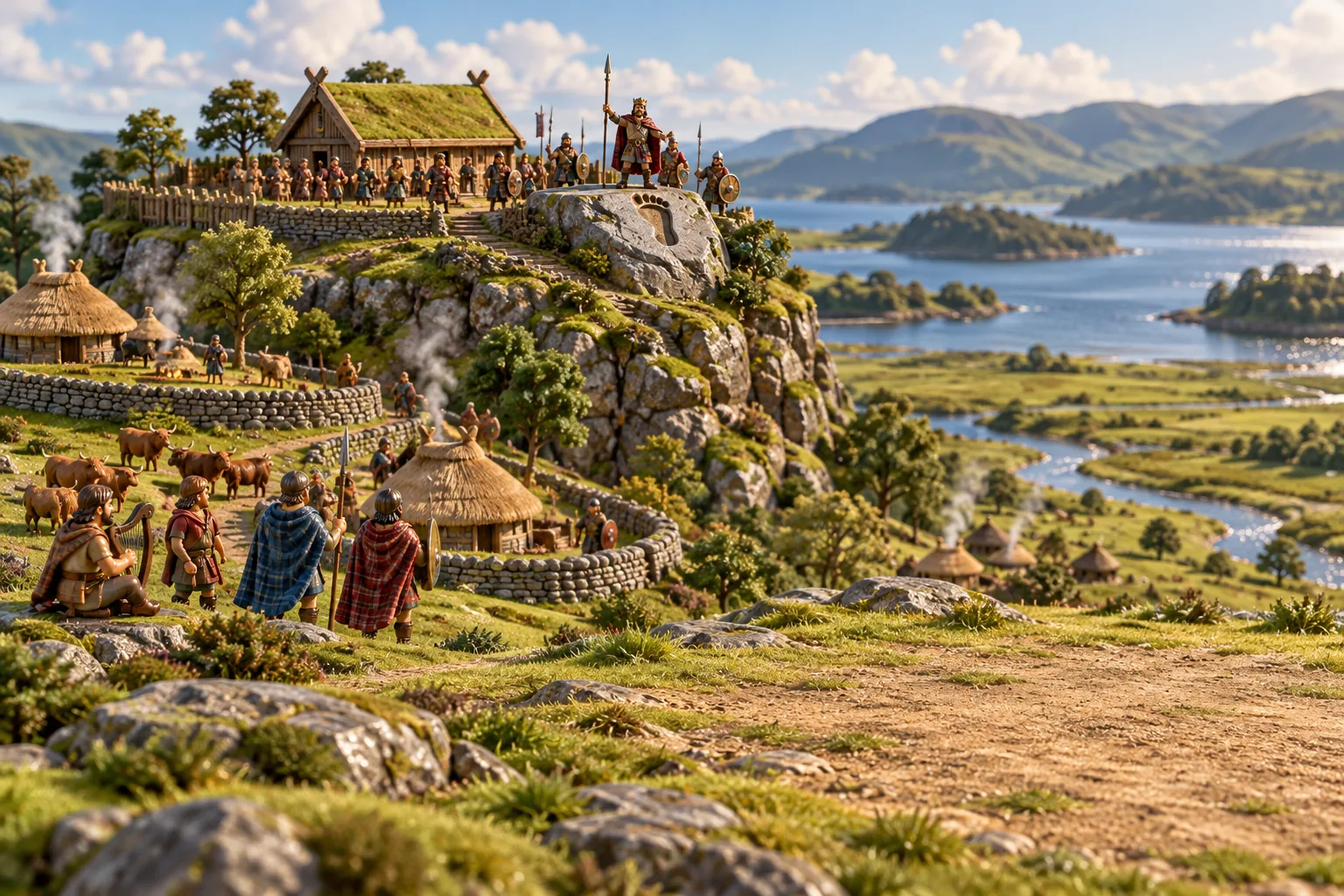 c. 500–850 · Dunadd, Argyll, ScotlandDál RiataIts kings were probably made at a rock-top fort in Argyll by setting a foot in a footprint carved in the stone, and their kingdom straddled the sea between Ireland and Scotland.
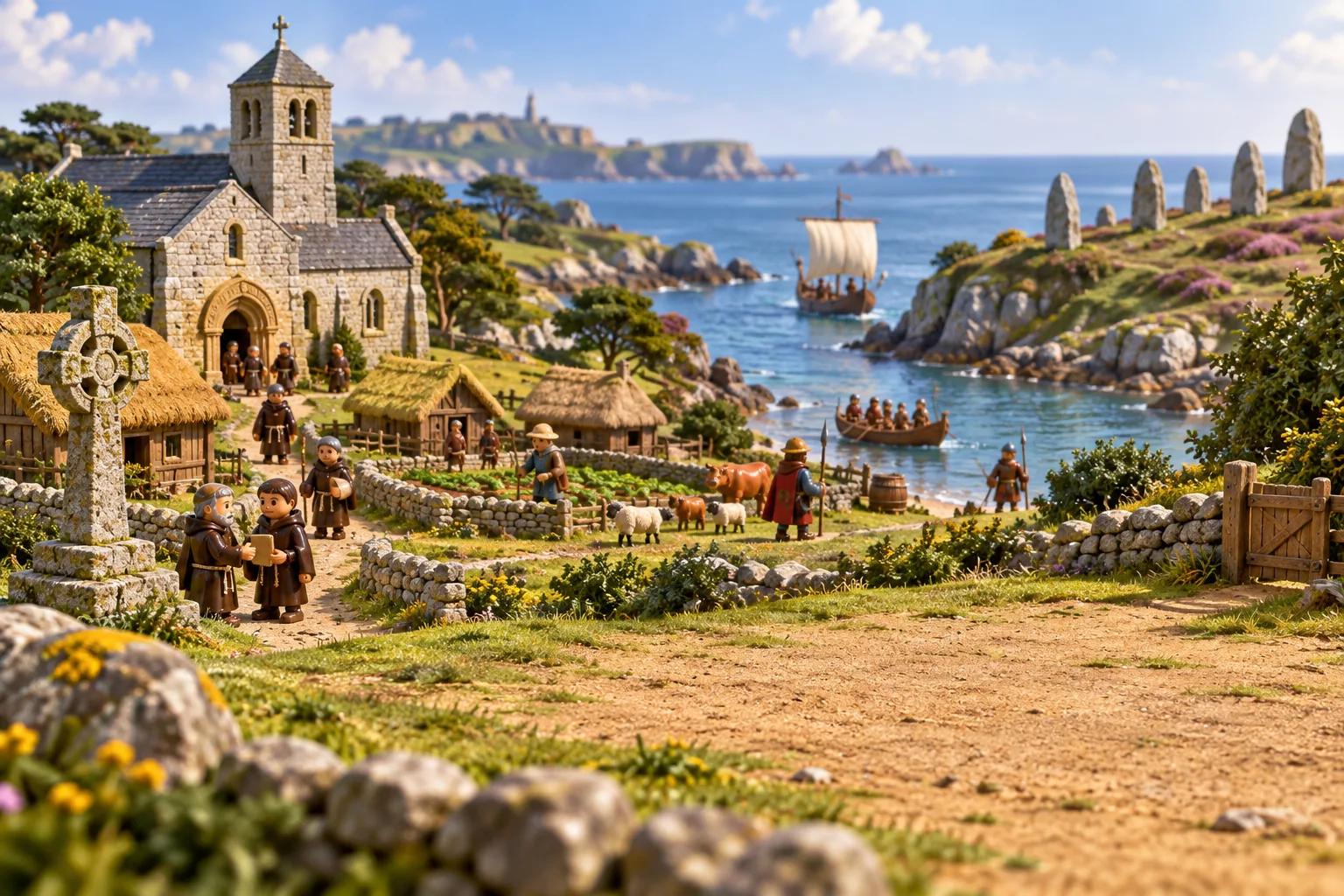 c. 500–851 · Brittany, FranceBreton kingdomsBritons who crossed the sea from Devon and Cornwall gave a corner of Gaul their name, their saints and a Celtic language still spoken there.
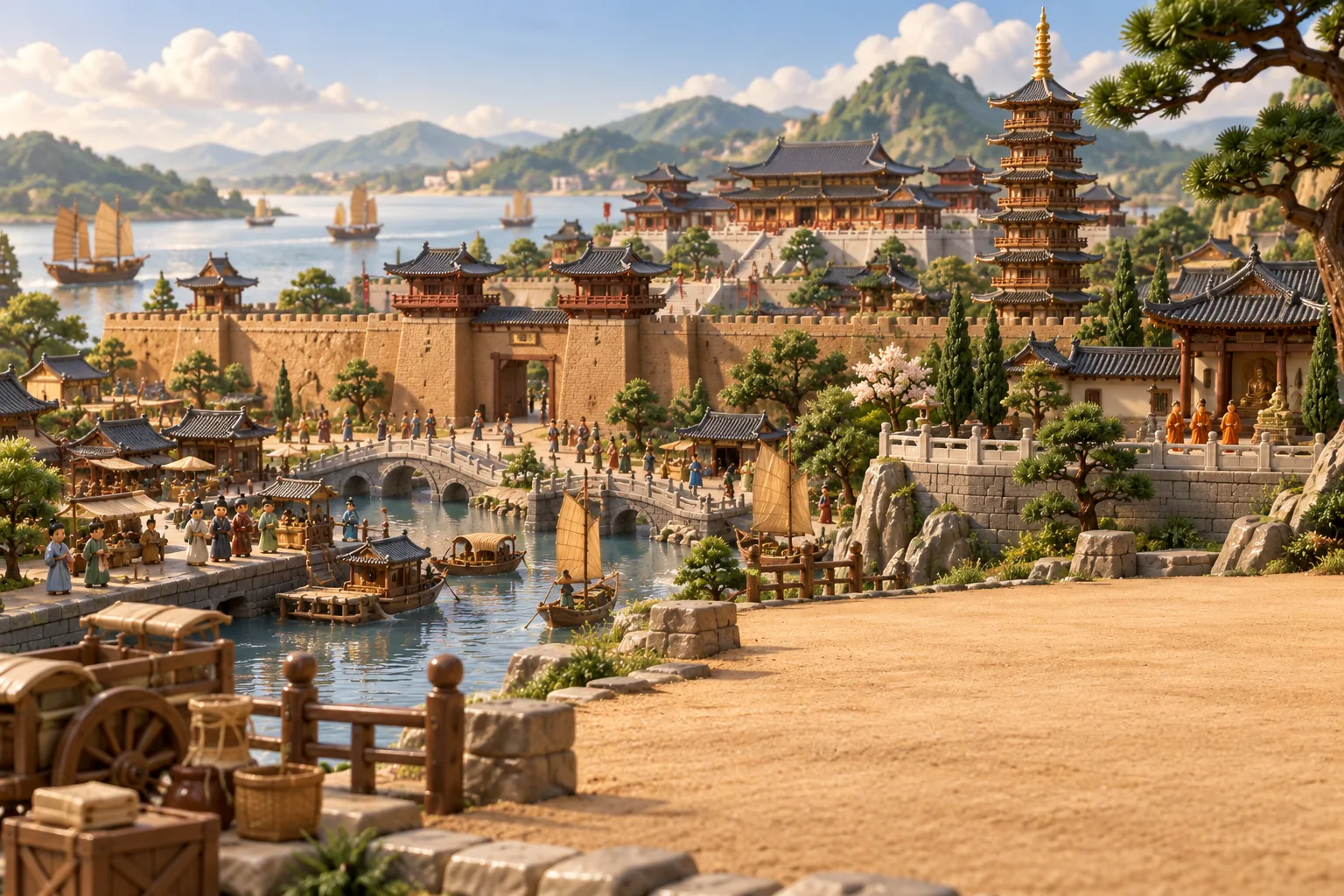 502–557 · Jiankang (Nanjing)Liang dynastyIts emperor left his throne for a monastery, put on monk's robes and did the chores, and his officials paid a fortune to buy him back.
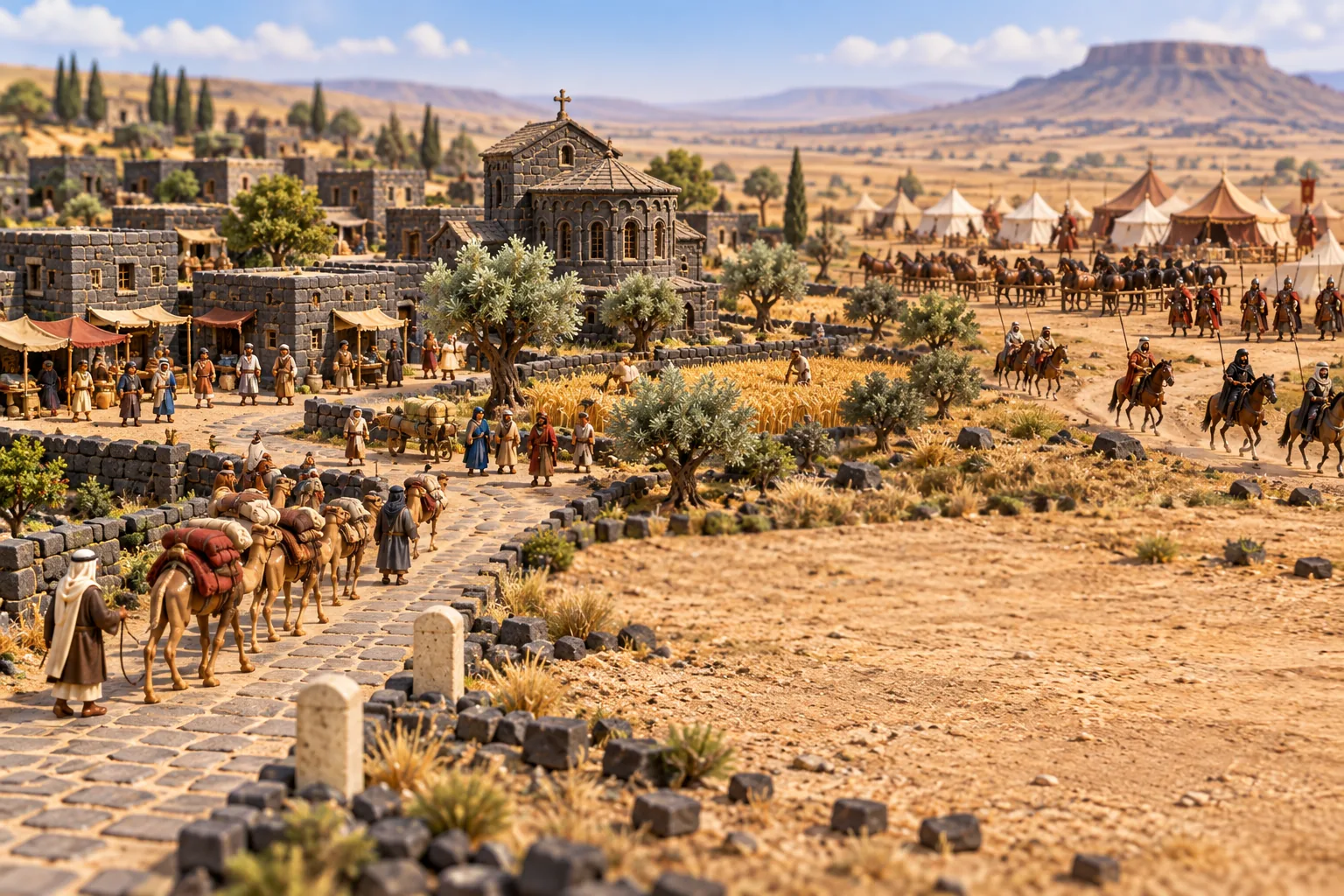 6th century – 636 · the Hauran, southern SyriaGhassanidsChristian Arabs guarding Byzantium's desert frontier, the Ghassanids fought Persia's Arab allies for a century before the Muslim armies swept both away.
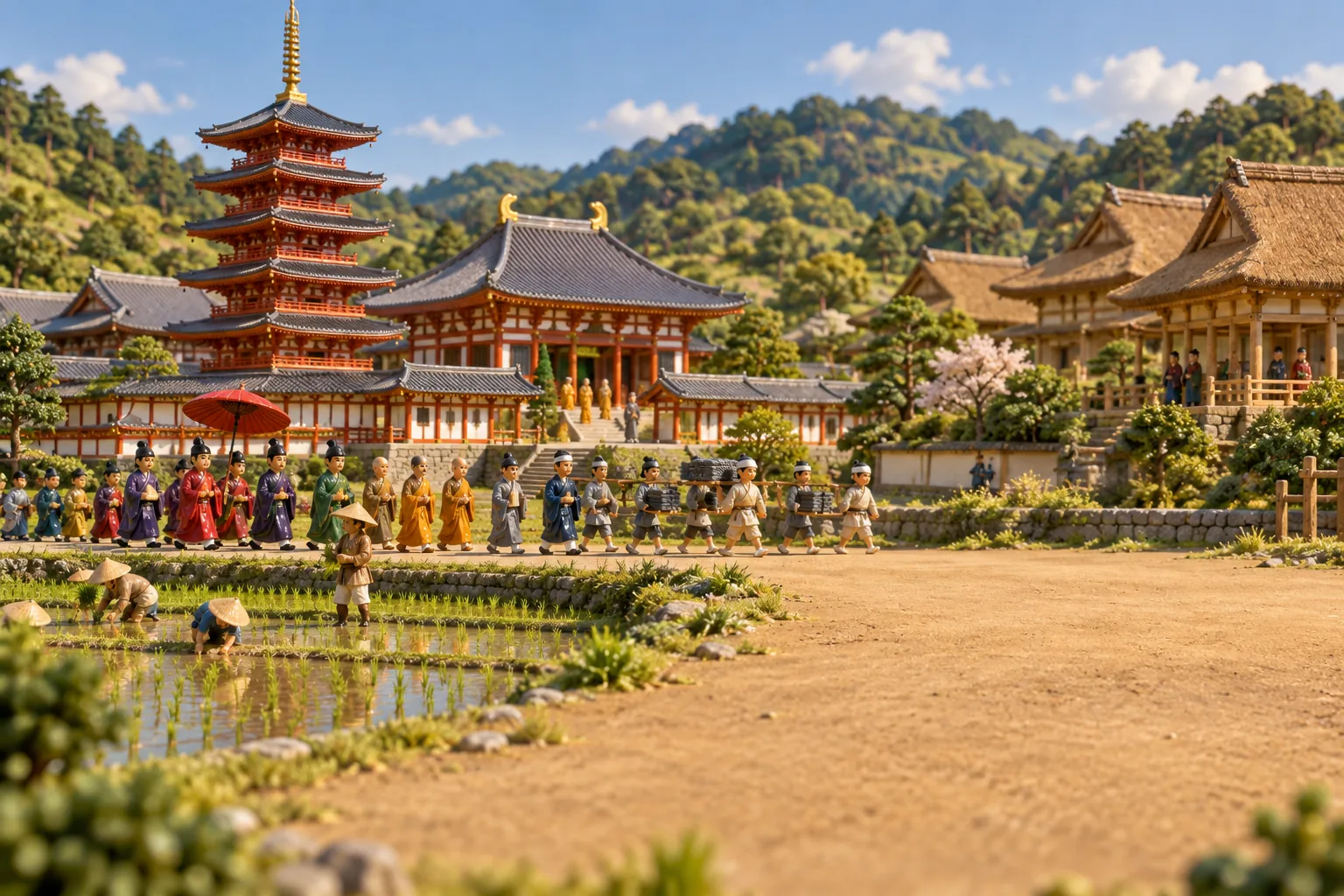 538–710 · Asuka, Nara, JapanAsuka periodIn a small valley south of Nara, a court that had no fixed capital adopted Buddhism, Chinese writing and law, and began to call its country Nihon.
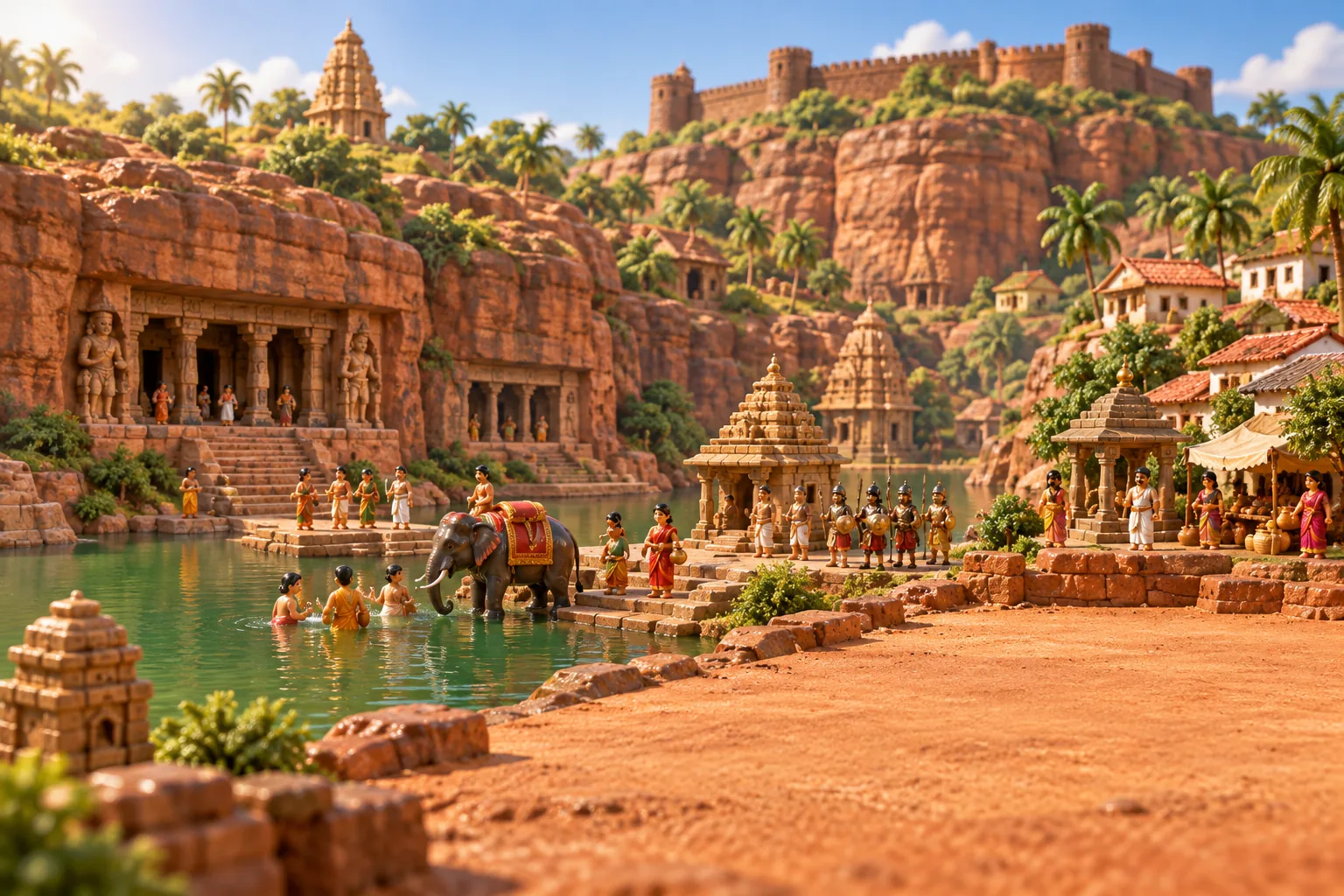 543–753 · Badami (Vatapi), IndiaChalukya dynastyA Deccan king stopped the great emperor Harsha at the Narmada, and his dynasty carved temples straight into the red cliffs of Badami.
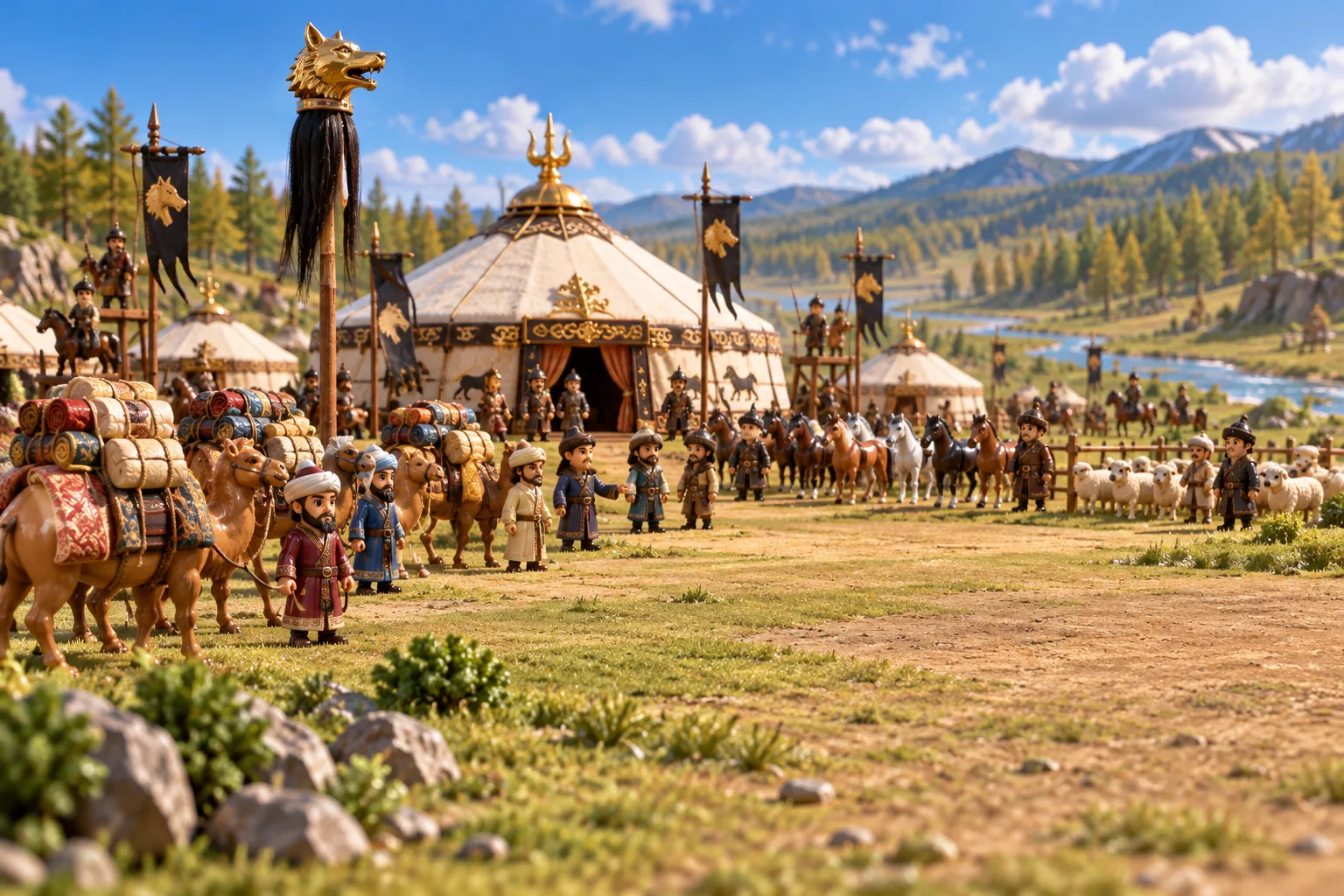 552–603 · Ötüken, Orkhon valley, MongoliaFirst Turkic KhaganateThe first state to call itself Türk, it stretched from Manchuria to the Black Sea and sent silk to Byzantium.
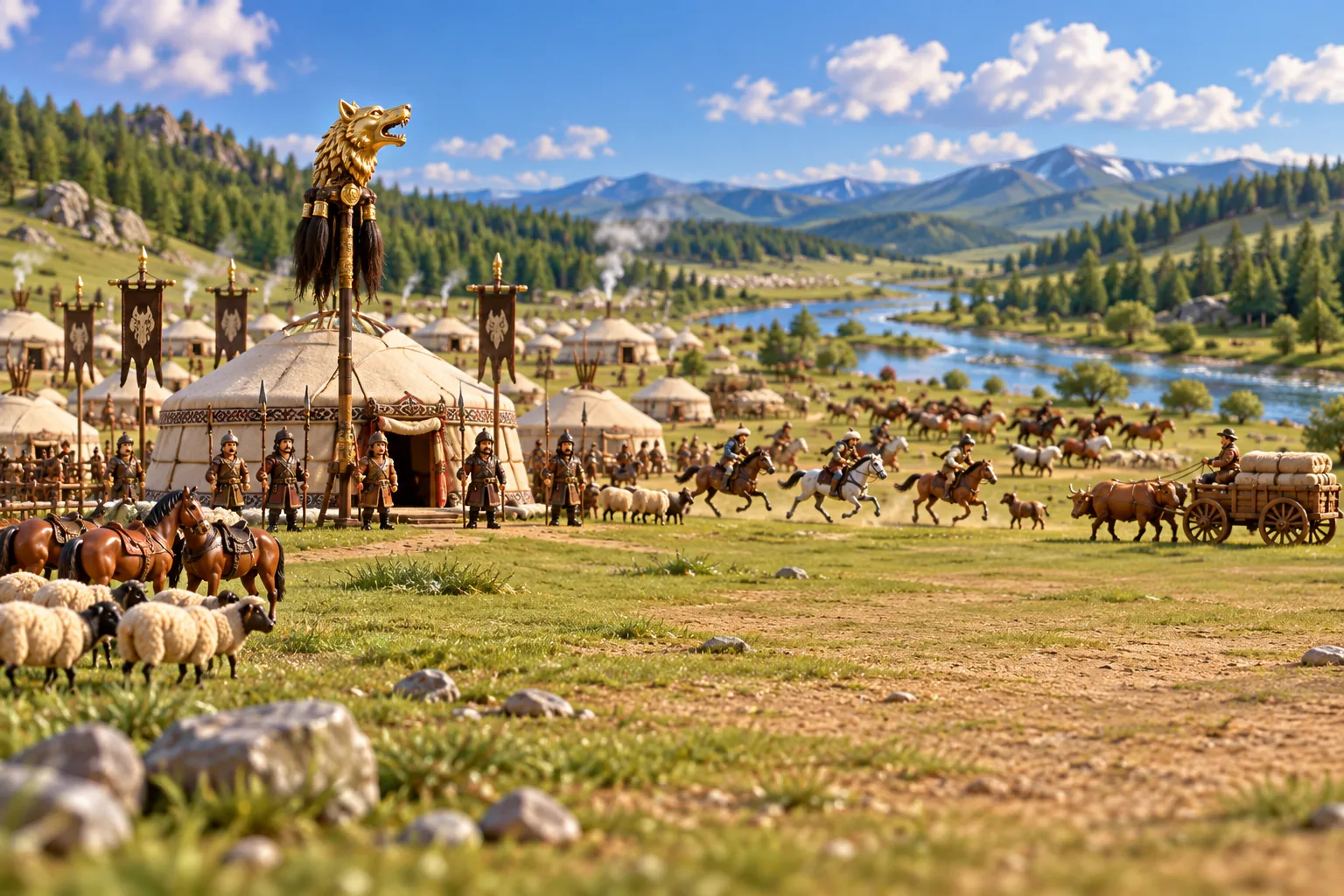 552–744 · Orkhon valley, MongoliaGöktürksThe Göktürks left the oldest known Turkic writing, runic inscriptions on stone steles in Mongolia's Orkhon valley.
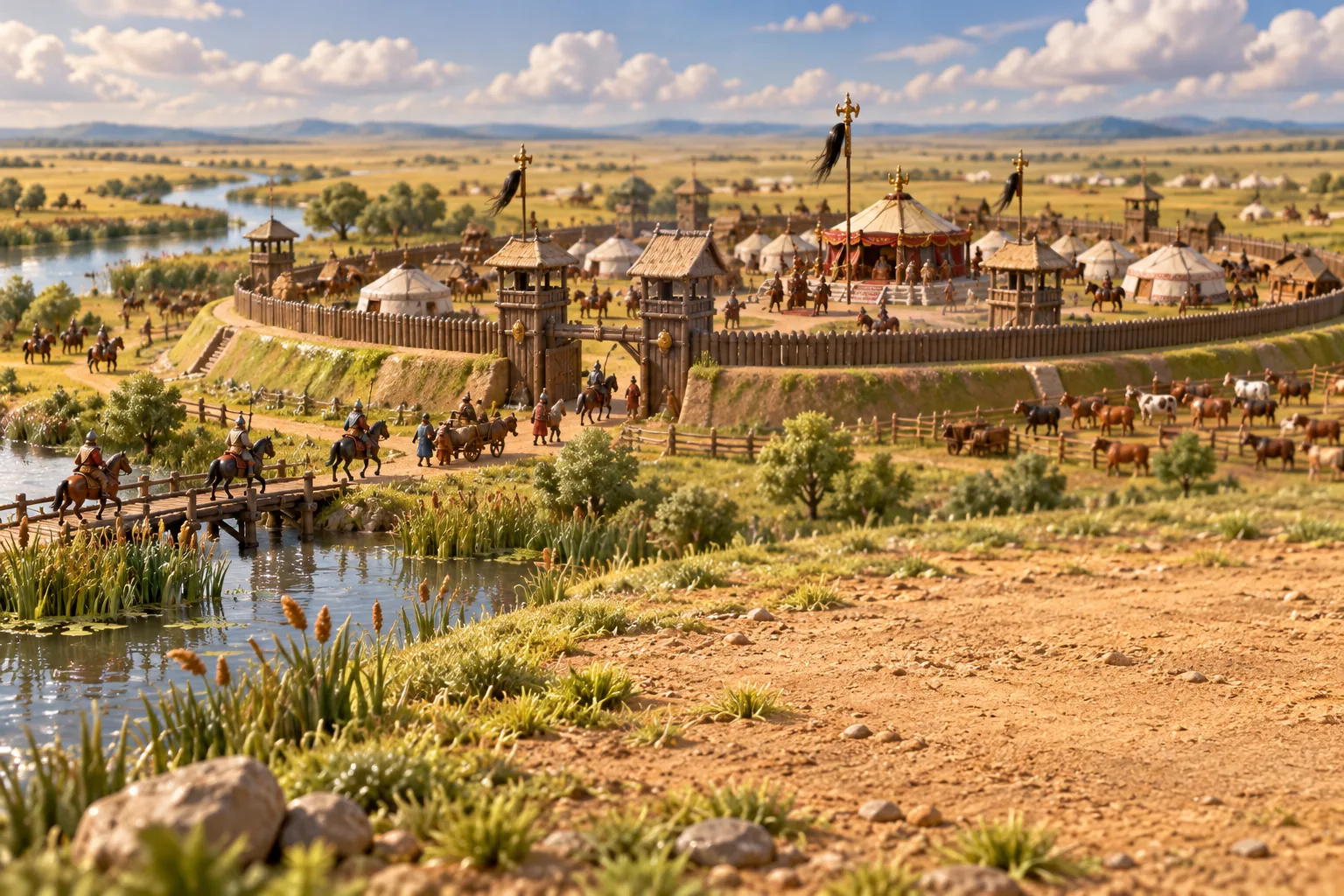 c. 567 – 822 · Pannonian BasinPannonian AvarsSteppe horsemen whom the Turks called runaway slaves ruled central Europe for two centuries, until Charlemagne's son seized their fortified treasure camp, the Ring.
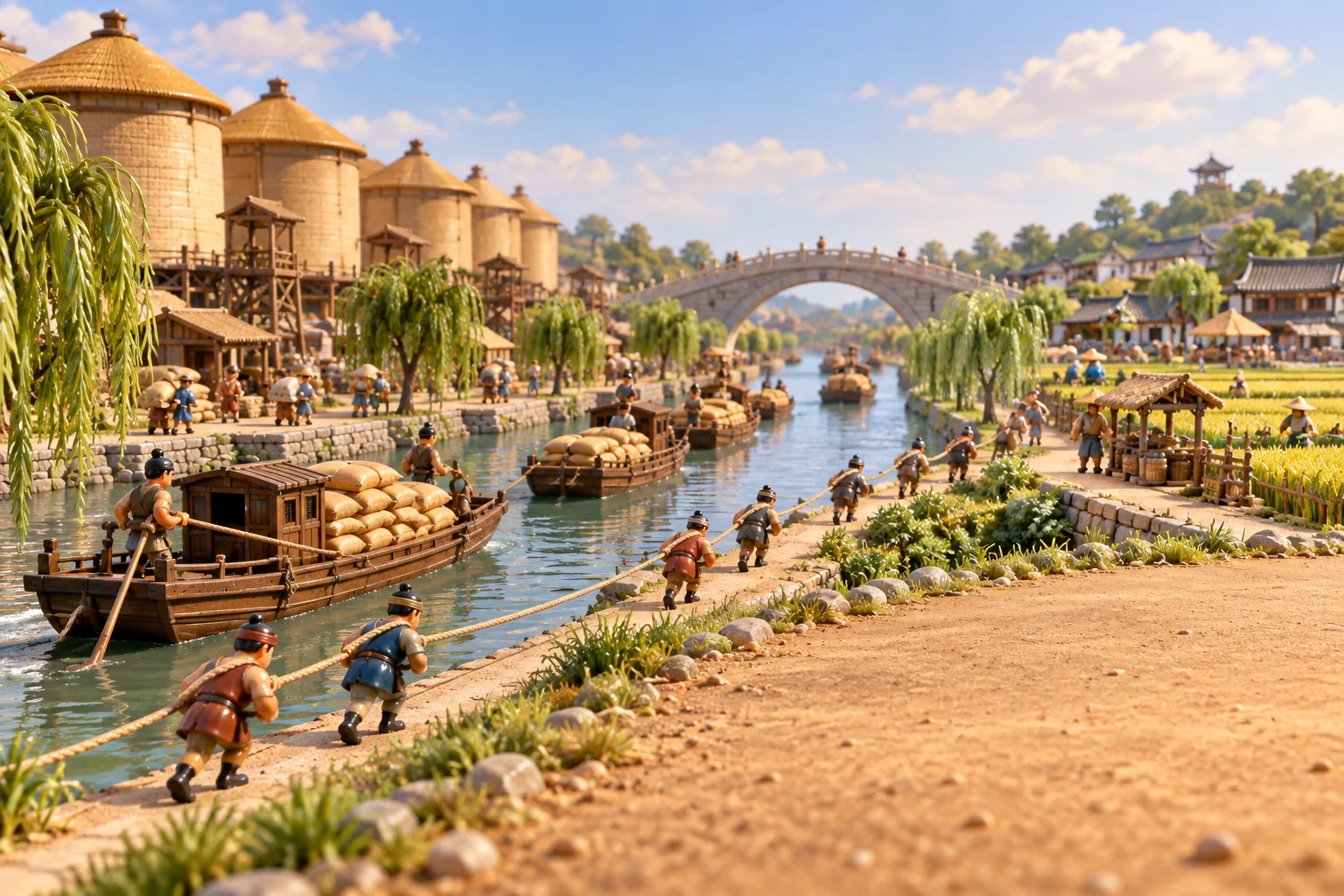 581–618 · Chang'an (Daxing)Sui dynastyIt reunited China after a long age of division and dug the Grand Canal, then collapsed after only 37 years.
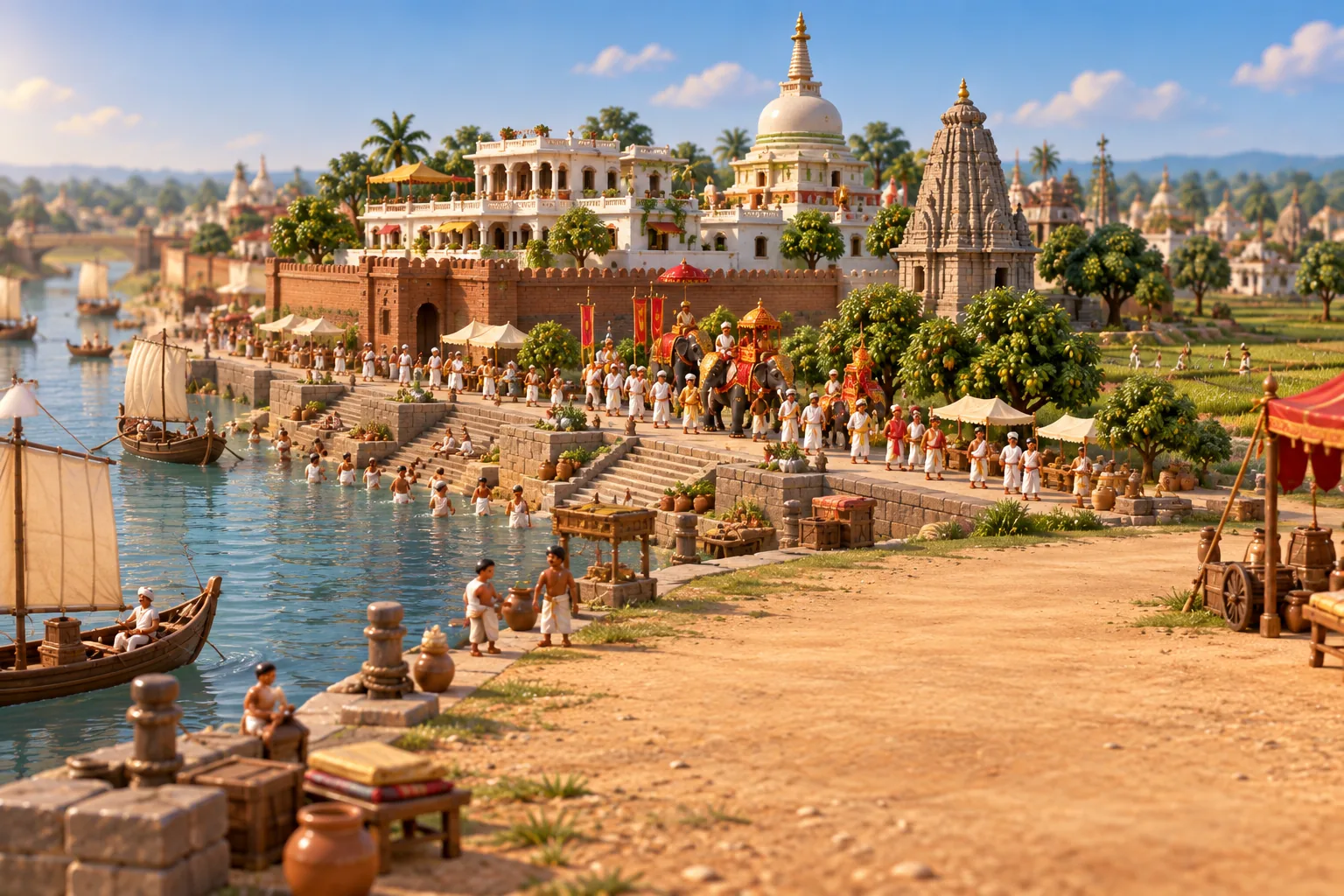 606–647 · Kannauj, IndiaEmpire of HarshaCrowned at sixteen, Harsha ruled much of northern India from Kannauj, and a Chinese pilgrim wrote down how he ruled and how freely he gave.
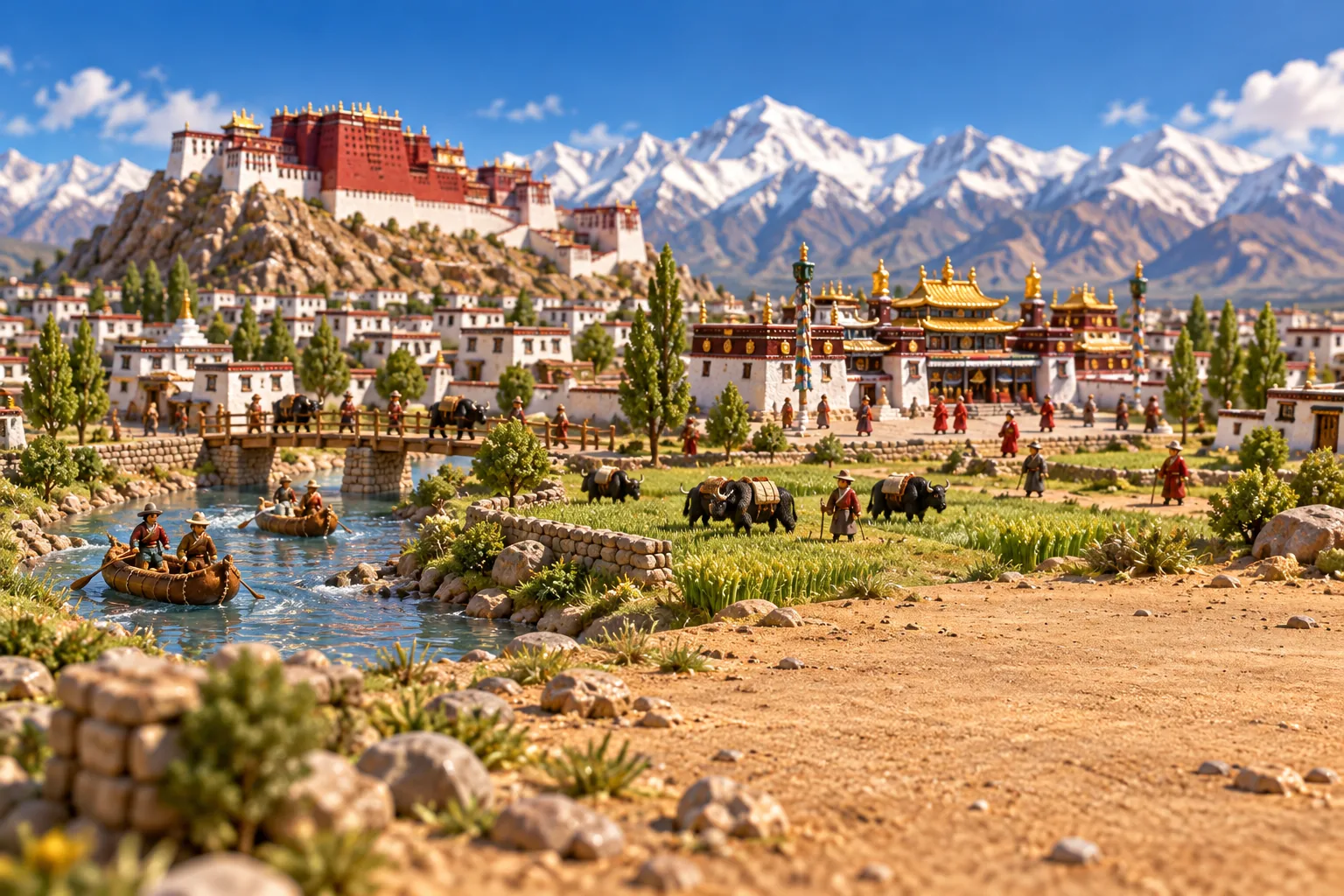 c. 618–842 · Lhasa, TibetTibetan EmpireTibetan armies took the Tang capital Chang'an in 763, and a pillar recording their 821 peace treaty still stands in Lhasa.
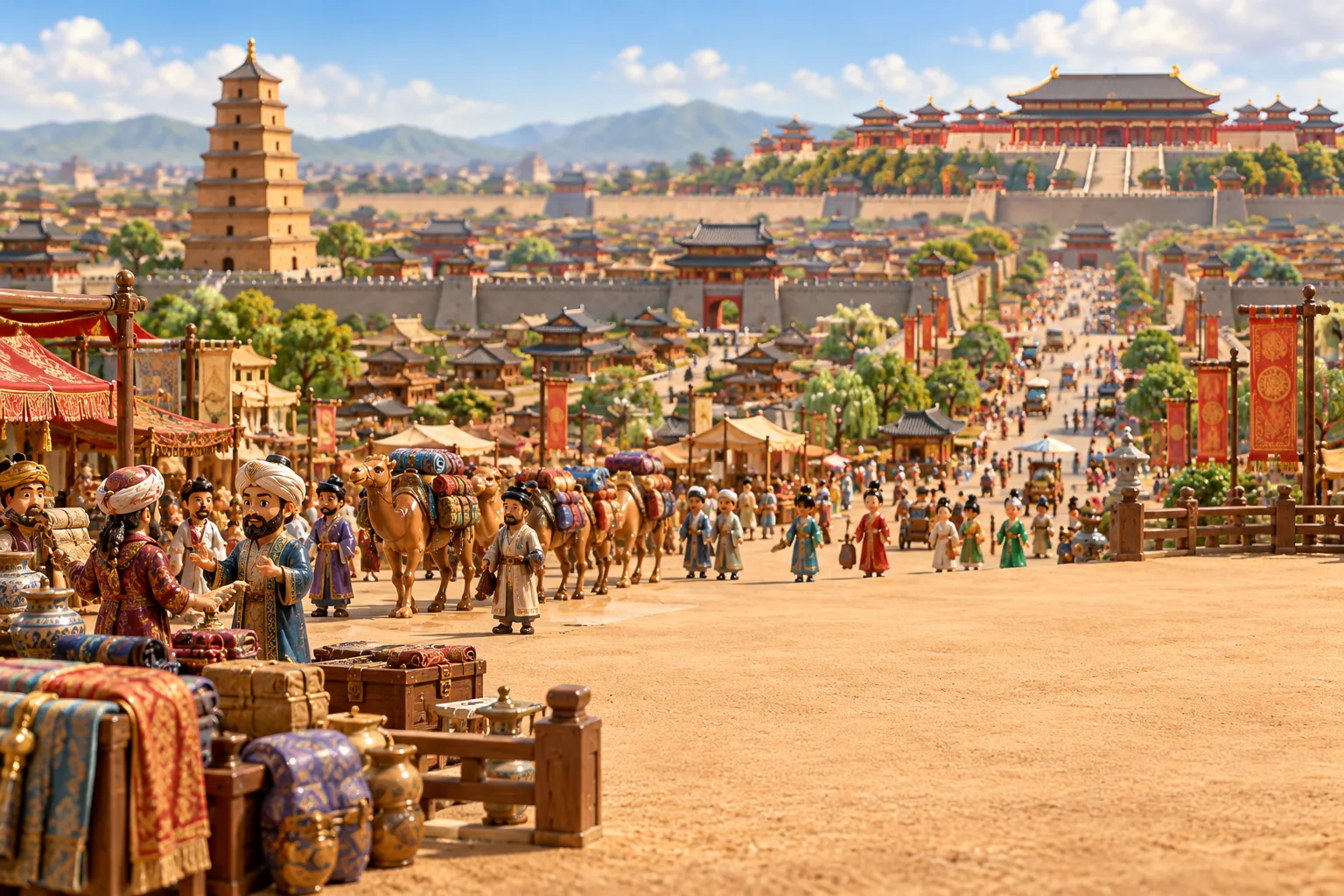 618–907 · Chang'an (Xi'an)Tang dynastyFor three centuries the Tang capital was the biggest city in the world, where Silk Road merchants, Buddhist pilgrims and China's greatest poets crossed paths.
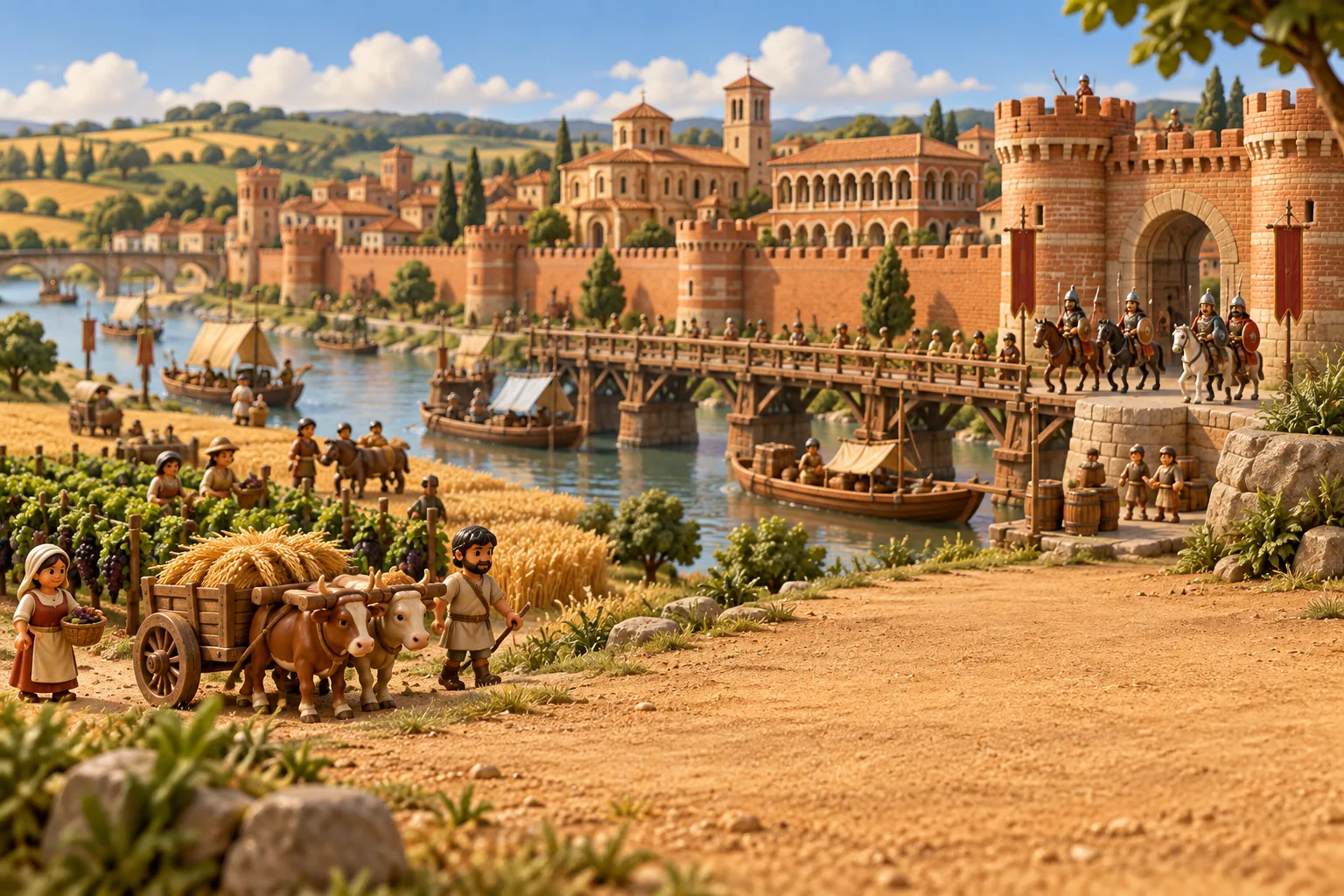 c. 629–877 · Toulouse, FranceAquitaineIts Duke Odo defeated a Muslim army at Toulouse in 721, eleven years before the more famous battle near Poitiers.
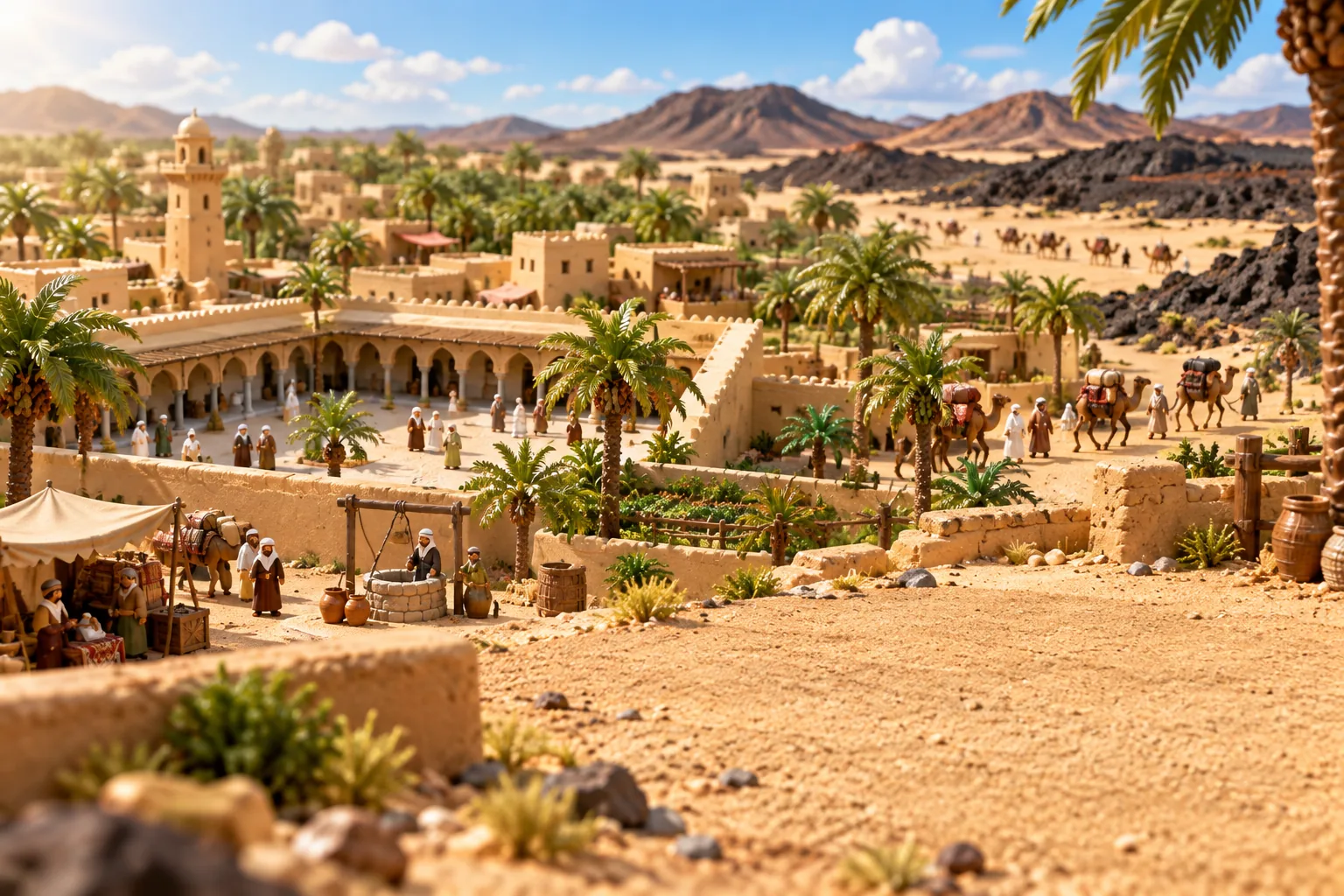 632–661 · MedinaRashidun CaliphateIn 25 years four successors of the Prophet took Arabia's armies from Medina to Egypt, Syria and Iran, and three of the four were assassinated.
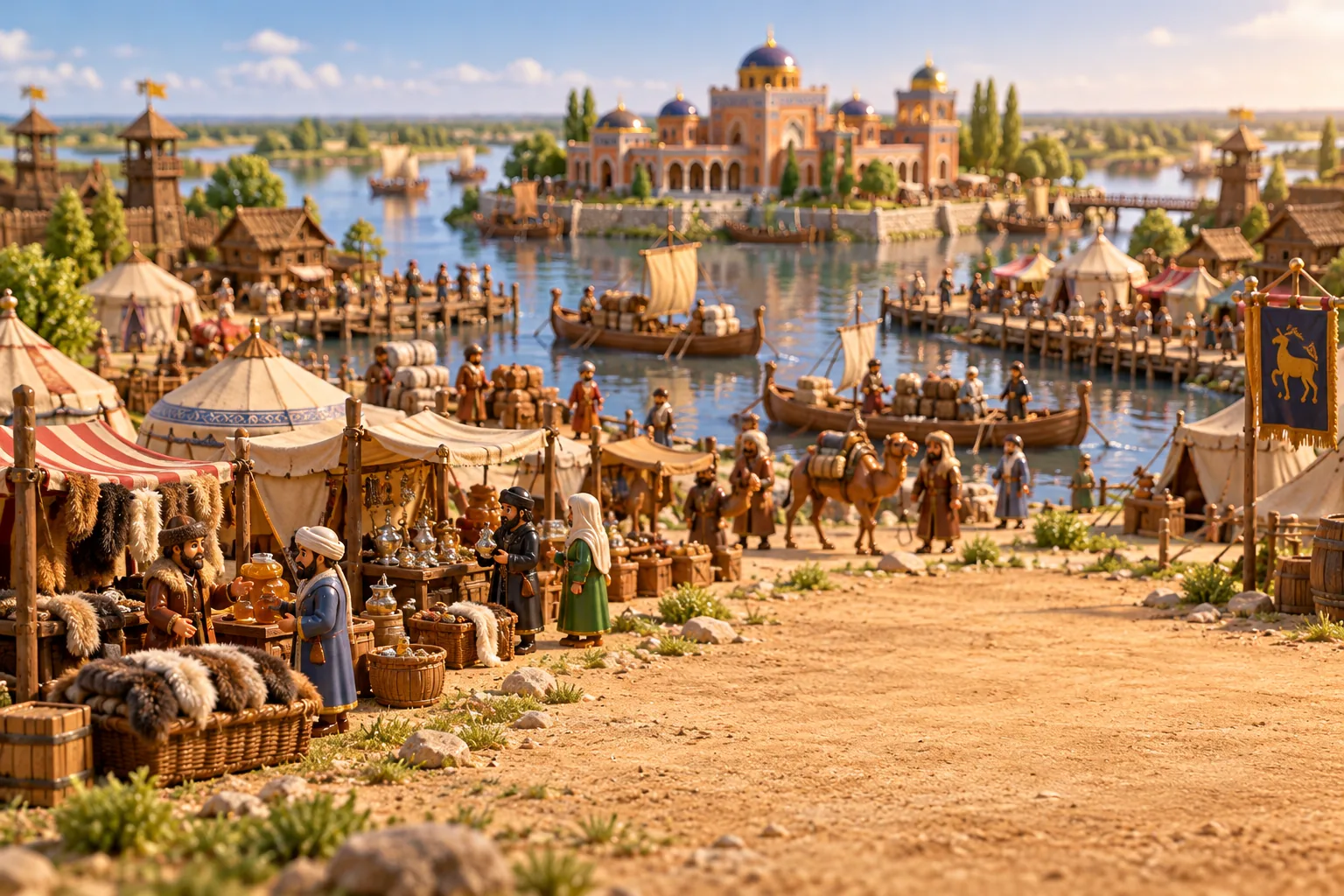 c. 650 – 969 · Volga–Don steppeKhazarsA Turkic khaganate on the Volga stopped the Arab advance north of the Caucasus, married a princess into Byzantium and saw its rulers convert to Judaism.
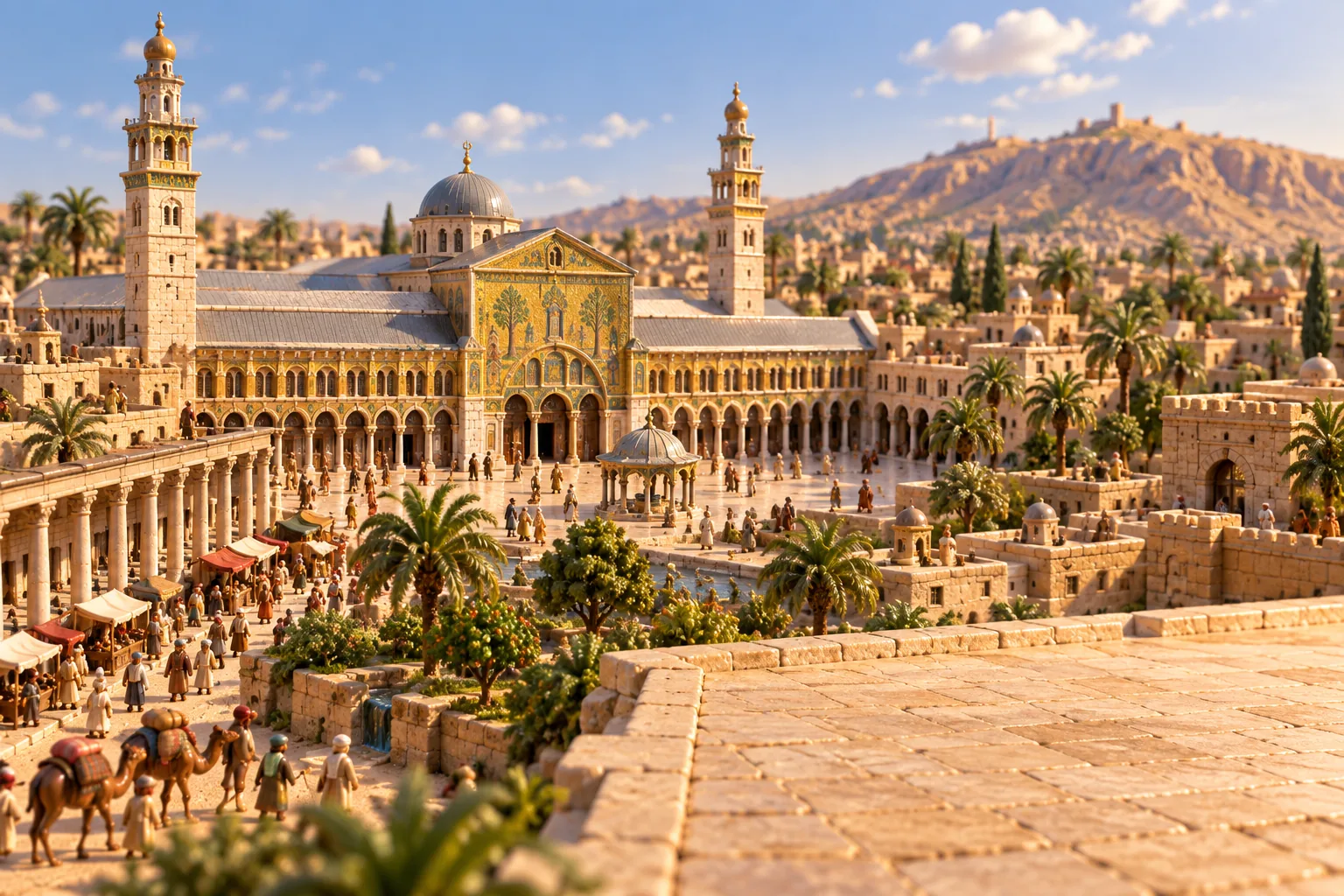 661–750 · DamascusUmayyad CaliphateWithin a century of the Prophet's death, caliphs in Damascus ruled from the Atlantic coast of Spain to the Indus.
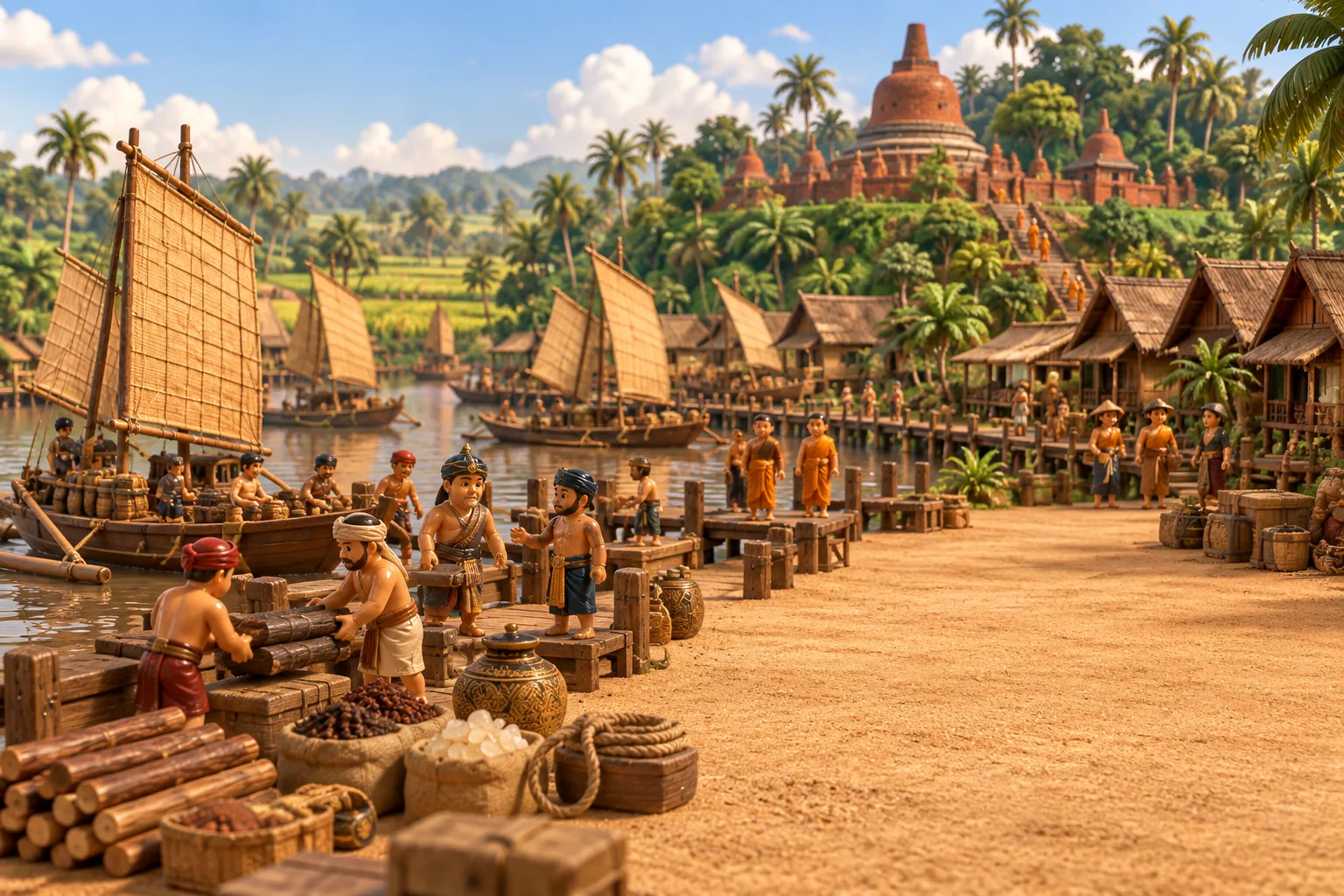 c. 671 – c. 1275 · Palembang, Sumatra, IndonesiaSrivijayaThis Sumatran sea power controlled the Strait of Malacca, and the Chinese monk Yijing stayed there for six months in 671.
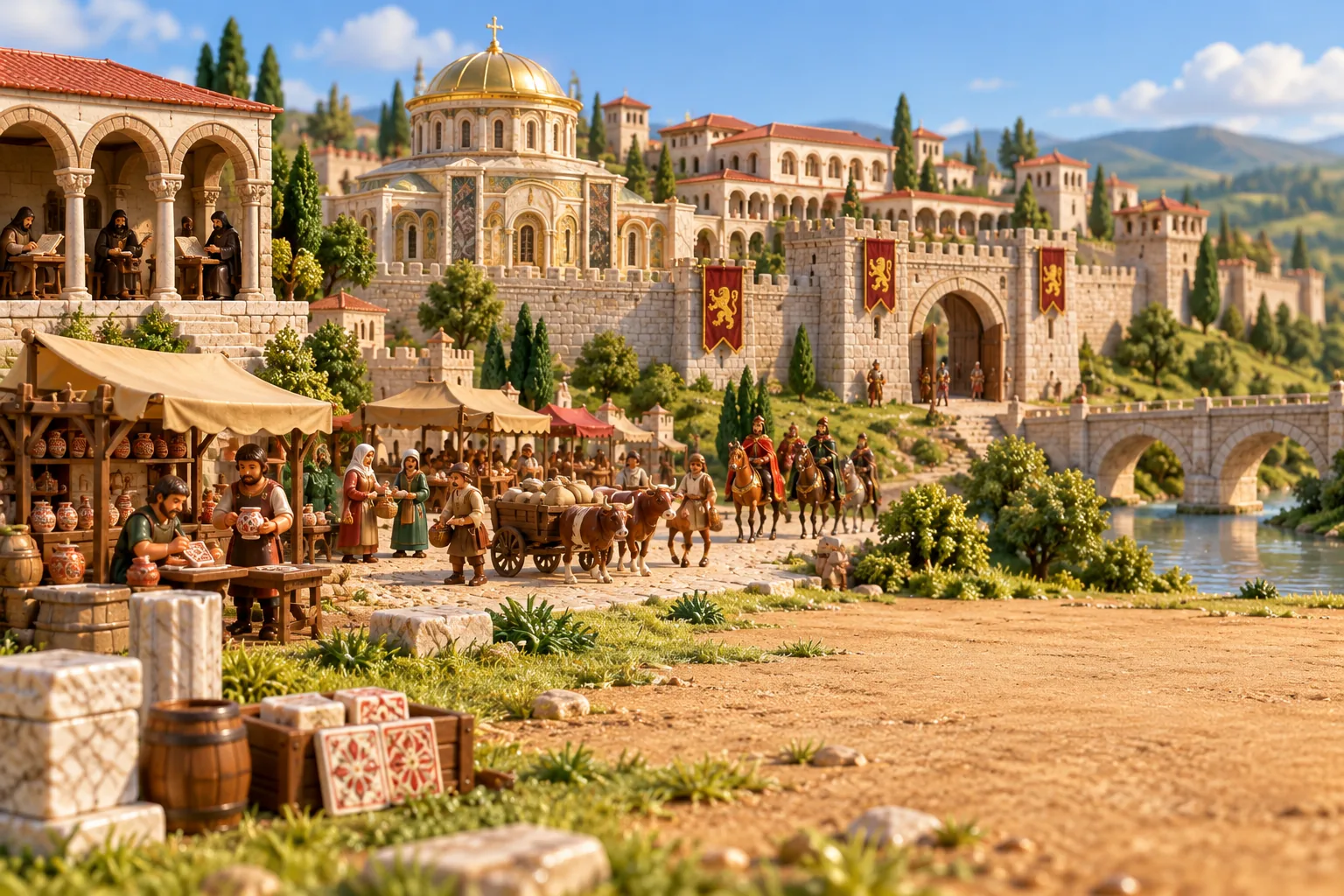 681–1018 · Preslav, BulgariaFirst Bulgarian EmpireIts Khan Krum killed the Byzantine emperor Nikephoros I in 811 and, by legend, drank from a cup made of his skull.
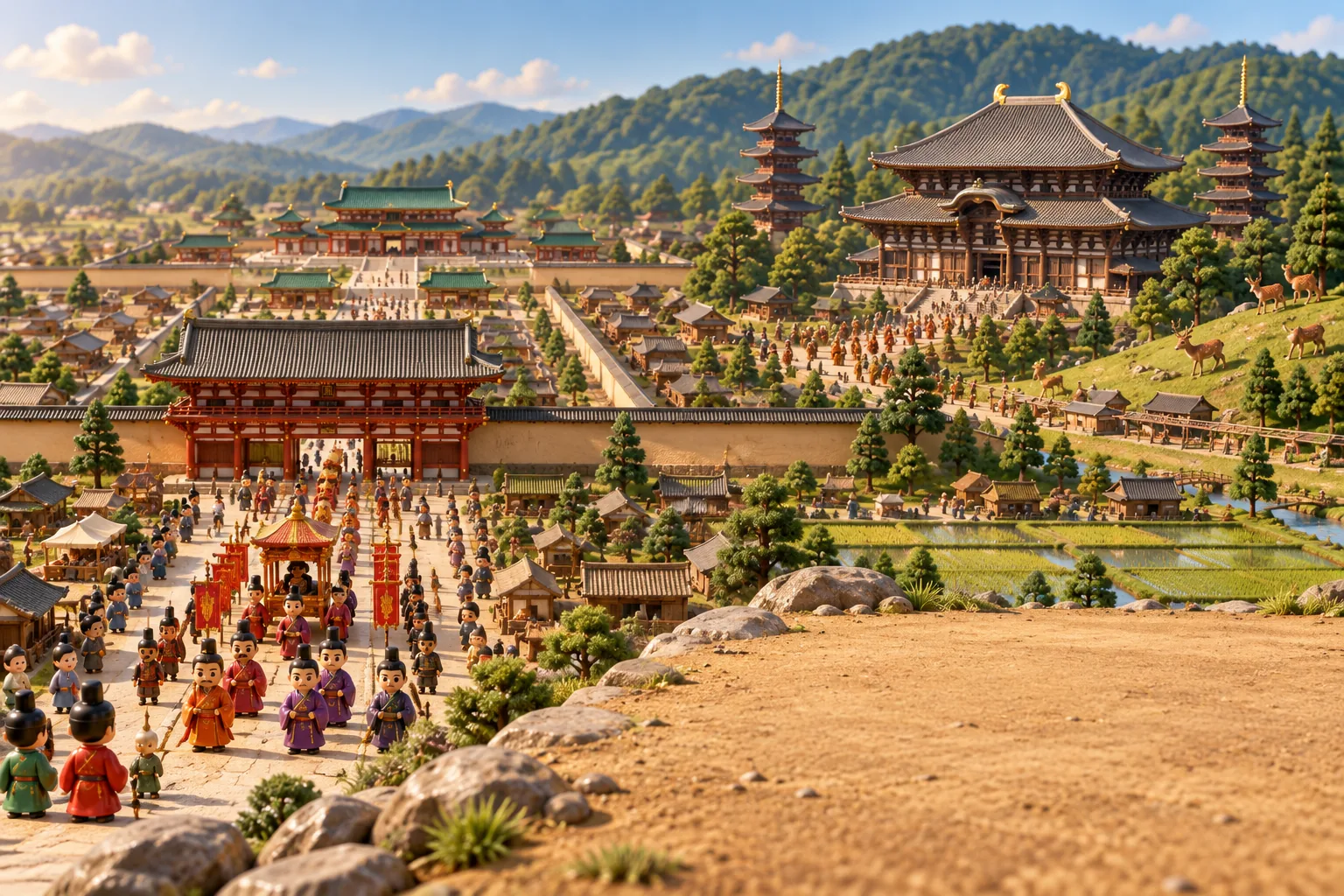 710–794 · Nara (Heijō-kyō), JapanNara periodJapan's first permanent capital, Nara, cast a 16-metre bronze Buddha and wrote the oldest Japanese chronicles.
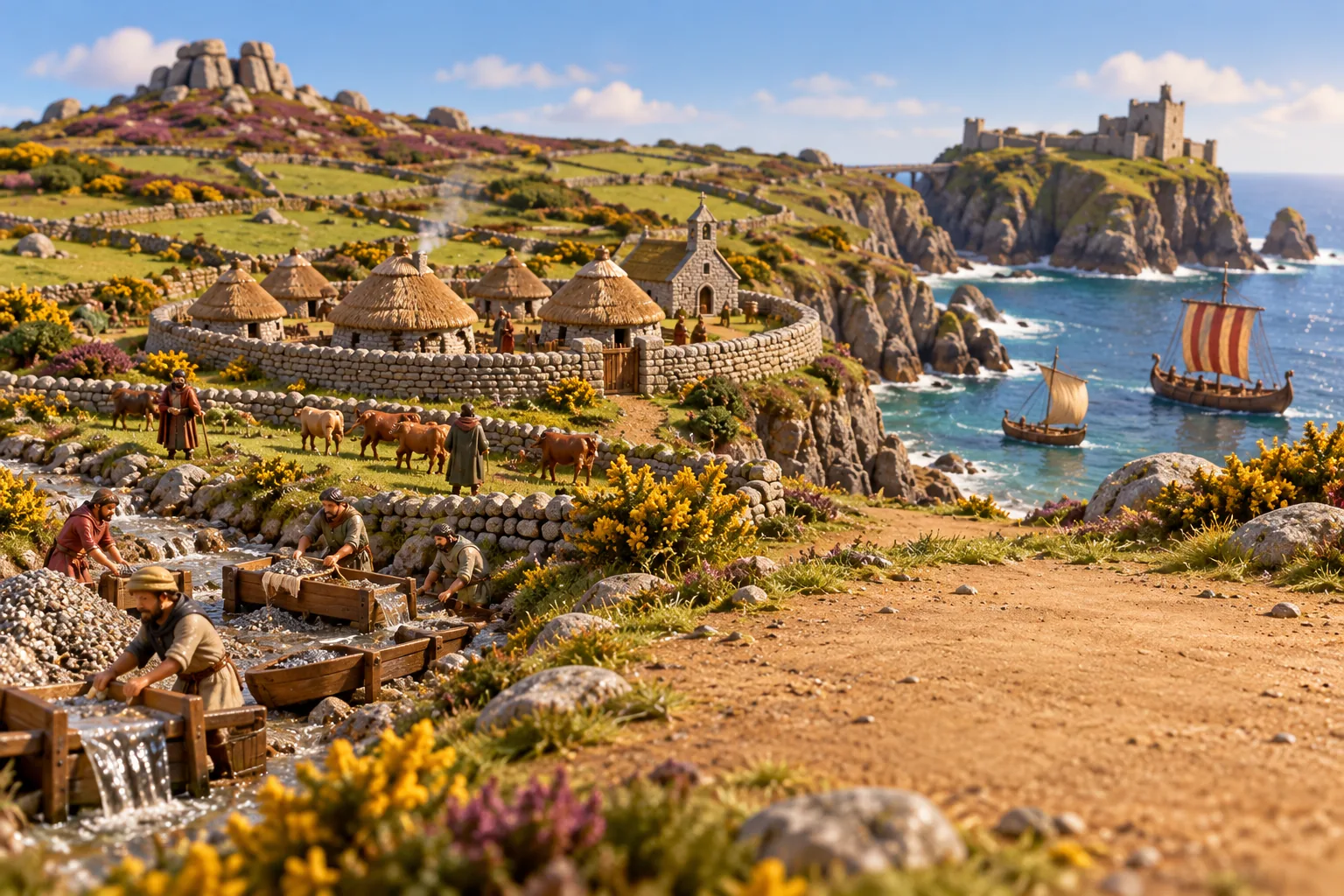 c. 710 – 936 · Cornwall, EnglandKingdom of CornwallAt the far tip of Britain, Celtic kings of the tin country held off the Anglo-Saxons for two hundred years, and the River Tamar still marks their border.
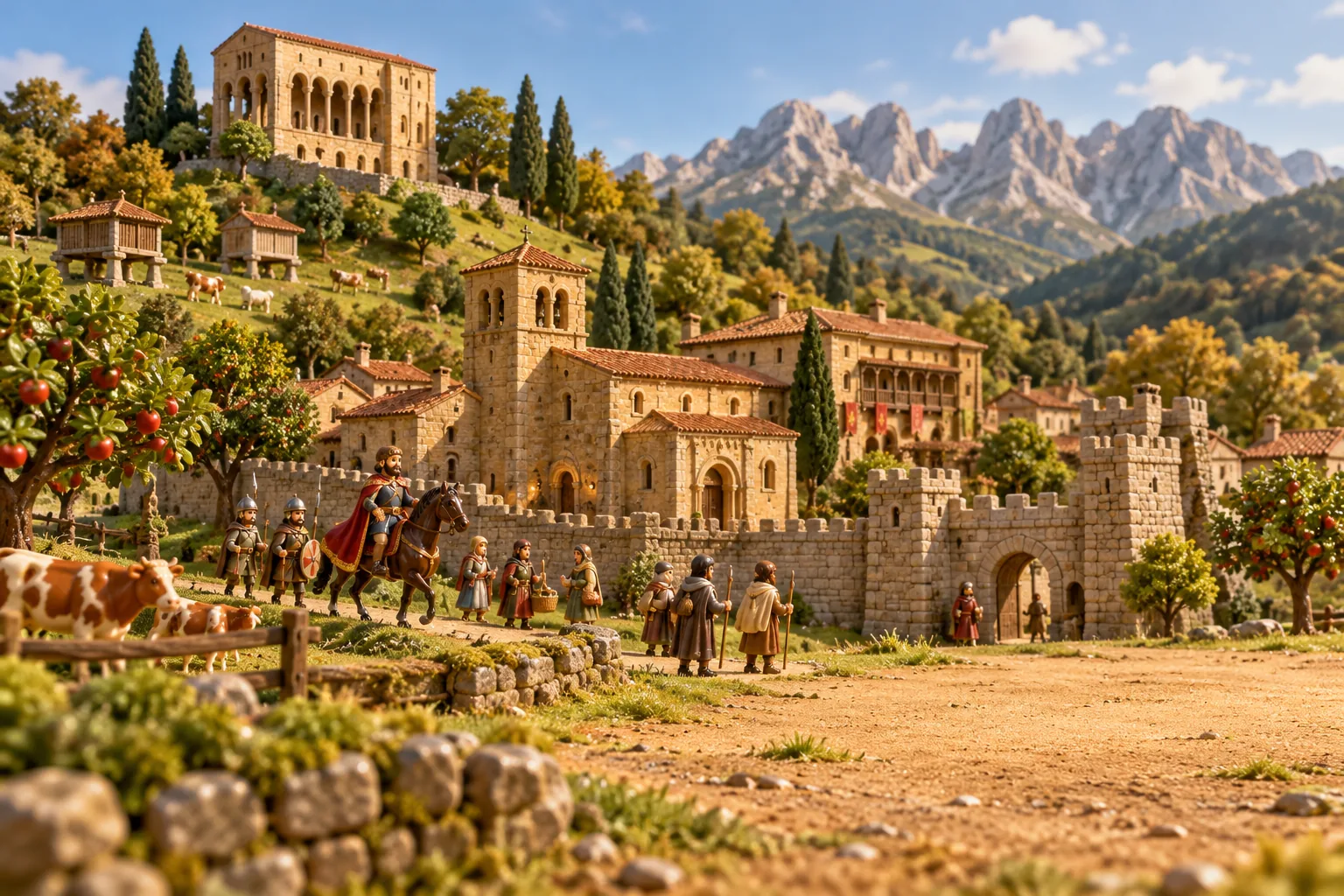 718–924 · Oviedo, SpainKingdom of AsturiasA small victory in a mountain valley in 722 became the founding legend of Christian Spain, and its kings later claimed the tomb of an apostle.
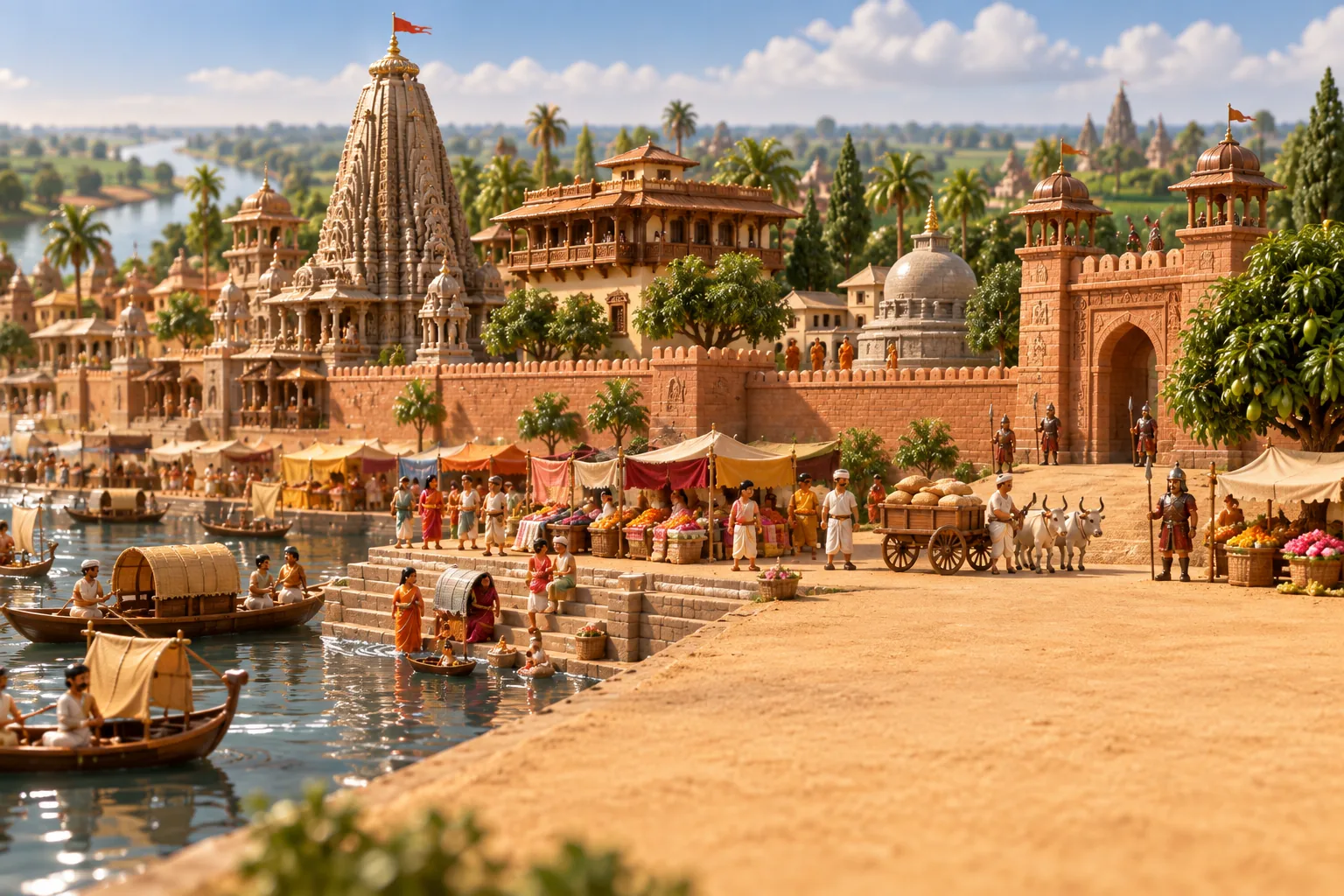 c. 725–770 · Kannauj, IndiaKannauj under YashovarmanHarsha's old capital on the Ganges rose again under an 8th-century king, and after him it was such a prize that three great dynasties fought over it.
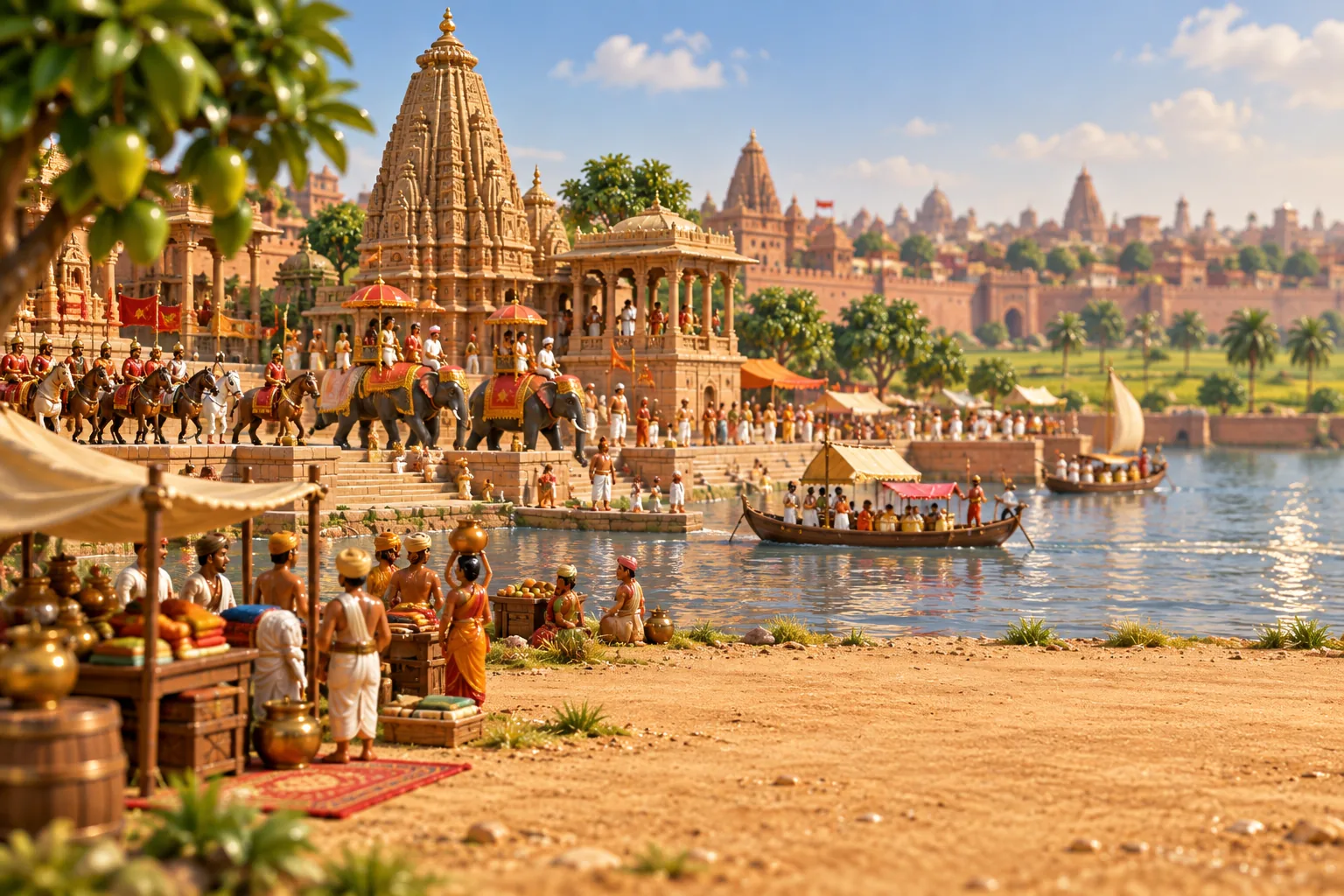 c. 730 – 1036 · KannaujGurjara-PratiharaAn Arab traveller wrote that no Indian prince had so fine a cavalry, and none was a greater foe of the Arabs.
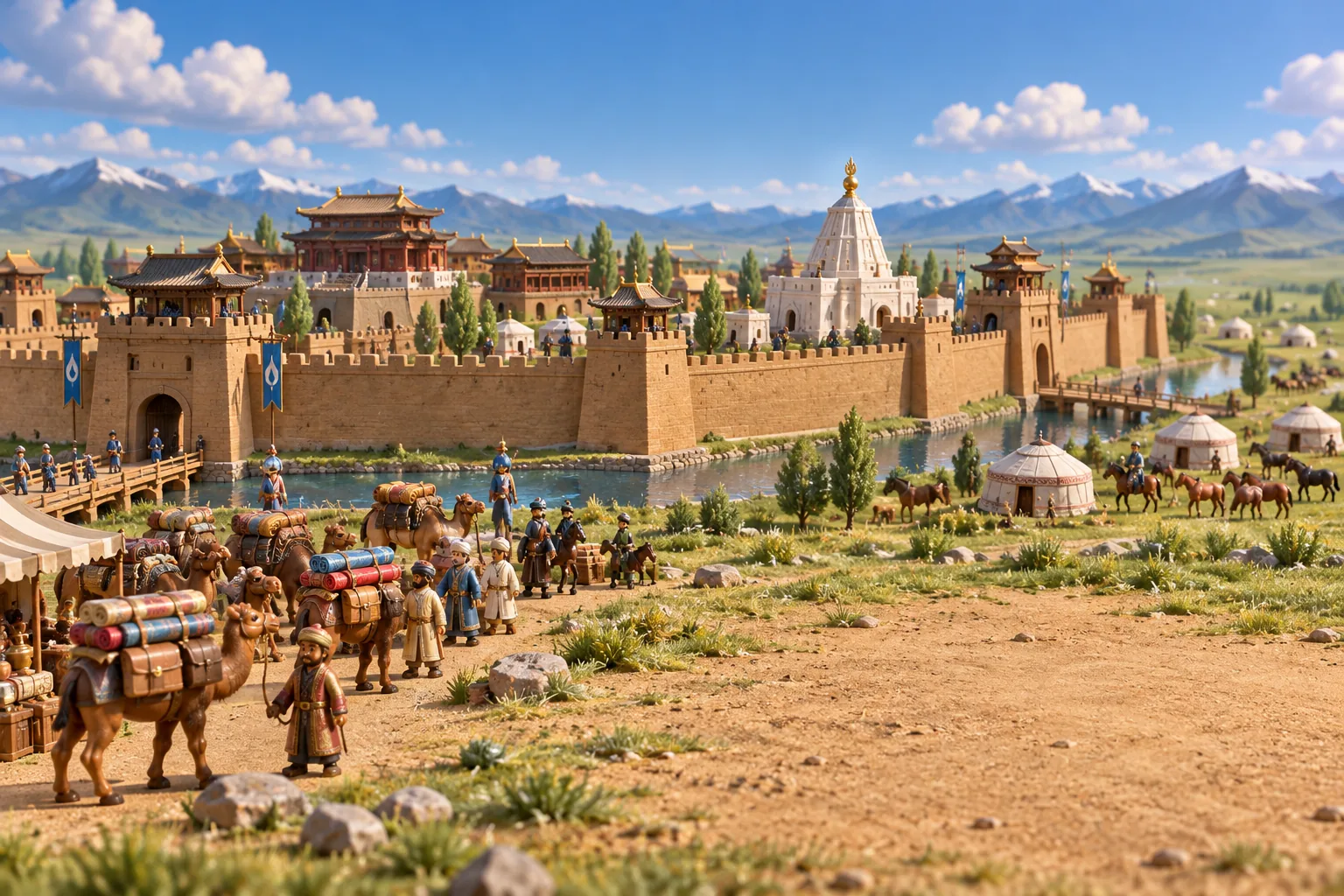 744–840 · Ordu-Baliq, Orkhon valley, MongoliaUyghur KhaganateThe Uyghur Khaganate made Manichaeism its state religion and rescued the Tang dynasty from rebellion in return for silk.
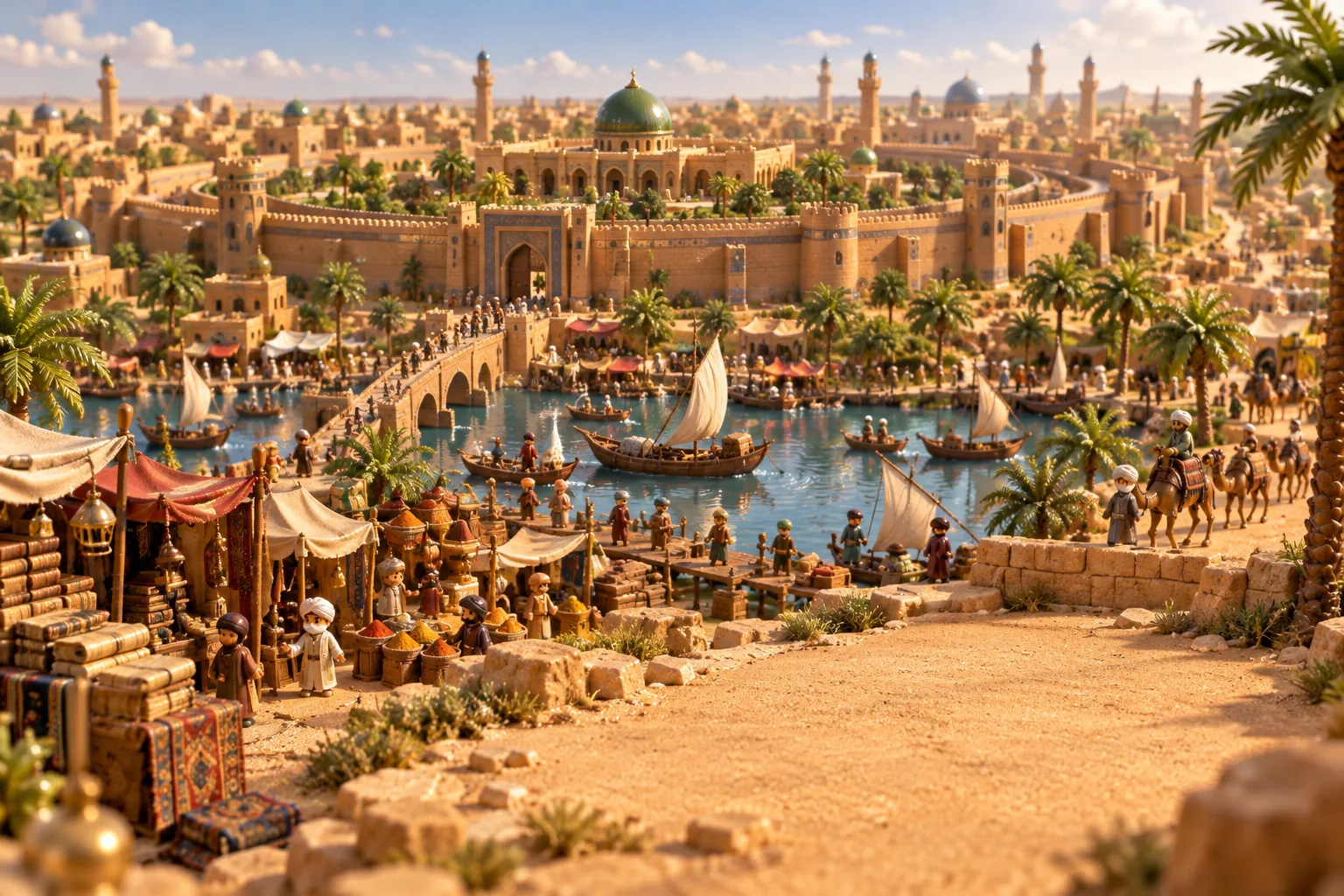 750–1258 · Baghdad, IraqAbbasid CaliphateFrom a round city on the Tigris, the Abbasid caliphs presided over an age of books, numbers and stories that still shapes the words we use.
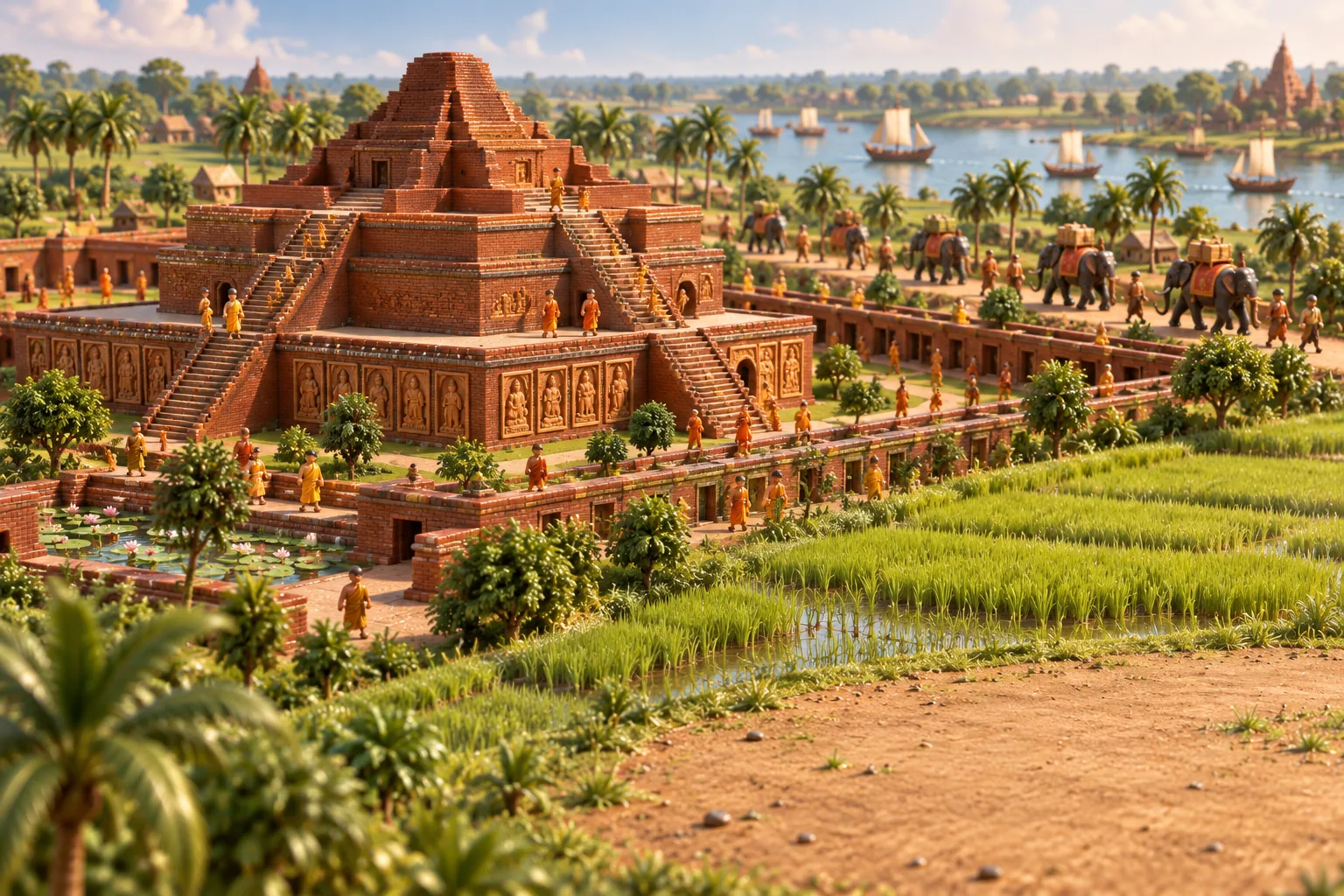 c. 750 – 1161 · Pataliputra (Patna), IndiaPala EmpireIts founder Gopala was reportedly chosen by local chiefs, and his heirs funded Nalanda and Vikramashila, India's last great Buddhist universities.
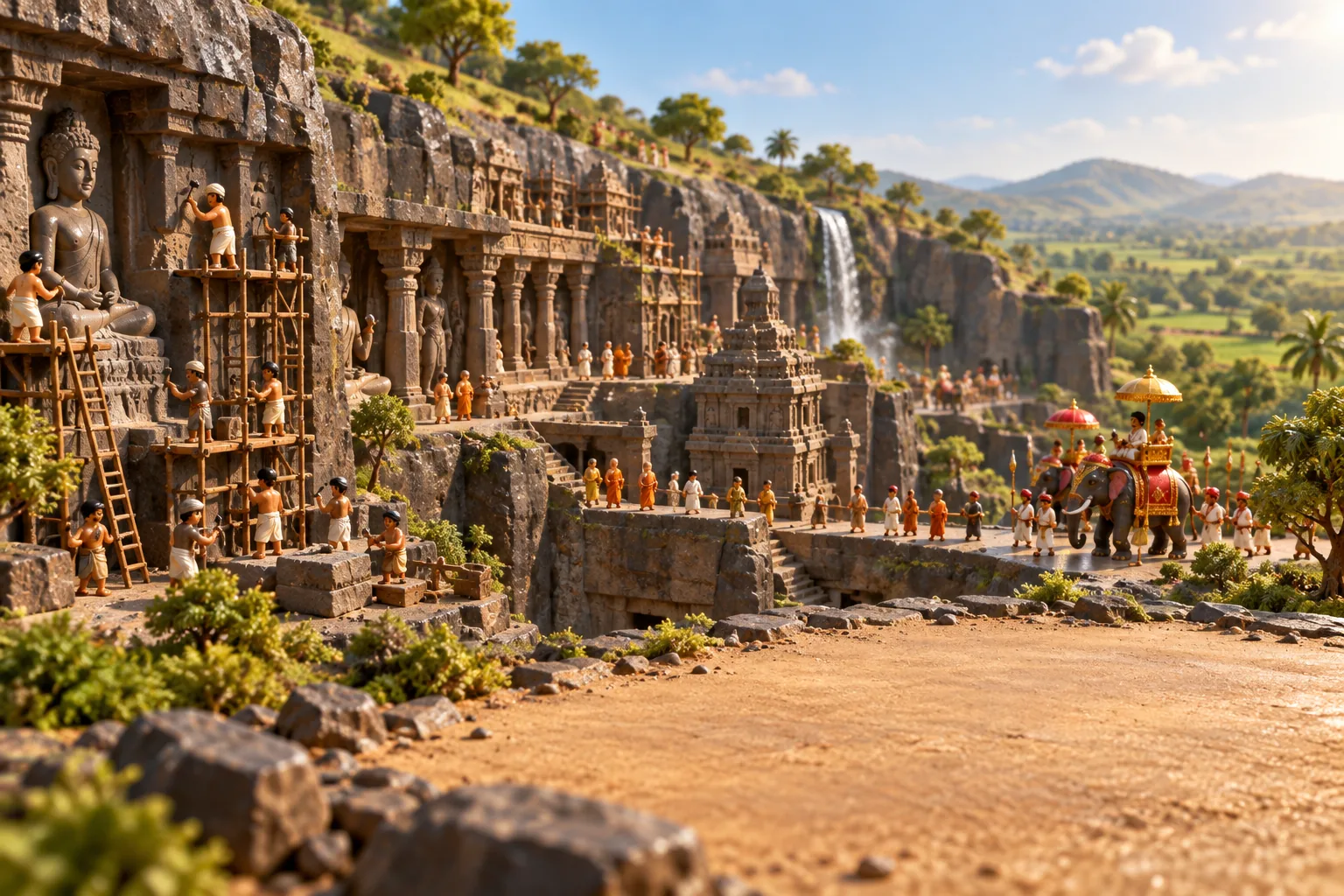 753–982 · Manyakheta (Malkhed), IndiaRashtrakuta dynastyIts king had a whole temple carved downward out of a single hillside of rock, and Arab travellers counted his empire among the four greatest in the world.
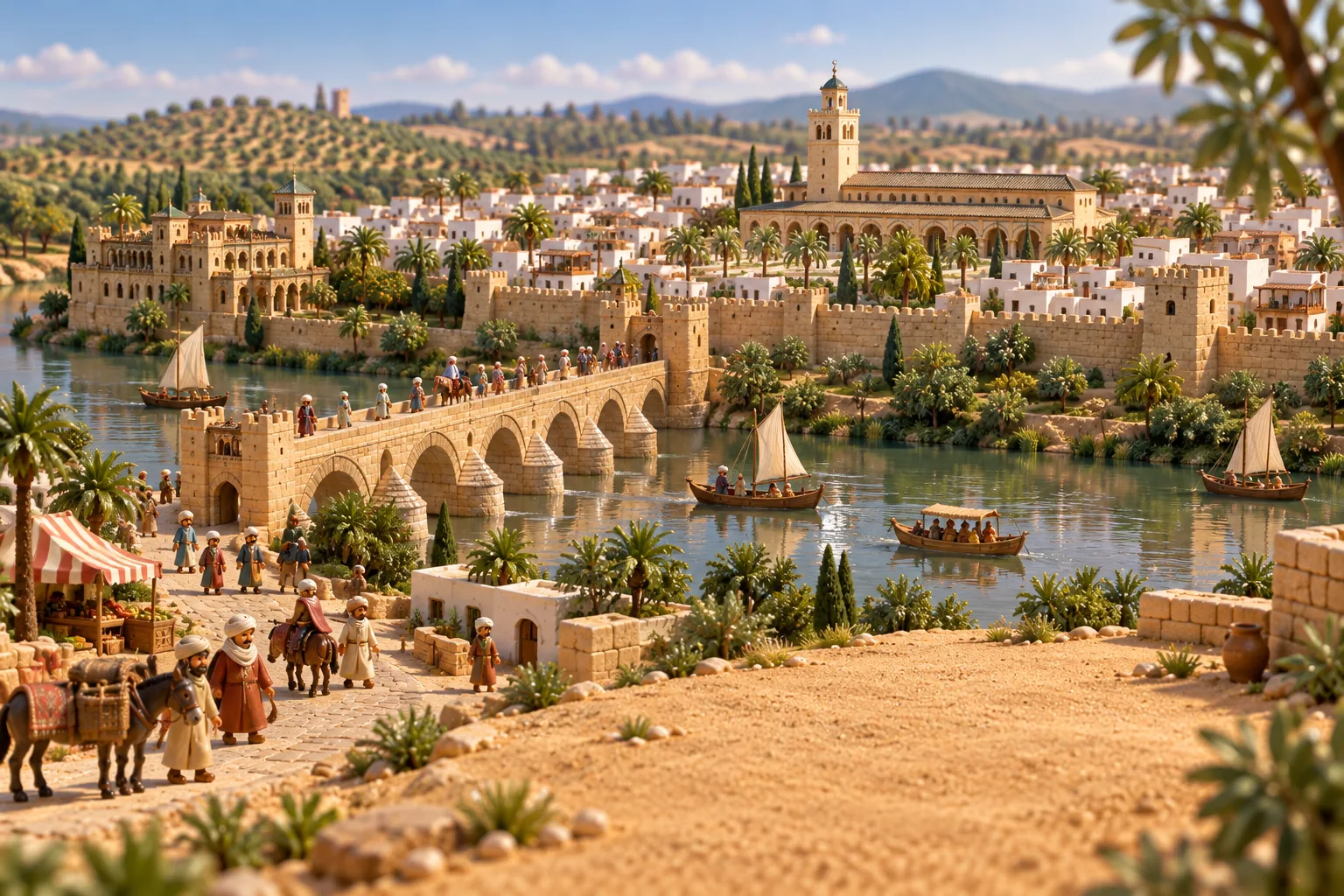 756–1031 · CórdobaEmirate of CórdobaFounded by an Umayyad prince who escaped the massacre of his family, it built Córdoba's Great Mosque, a forest of red-and-white arches.
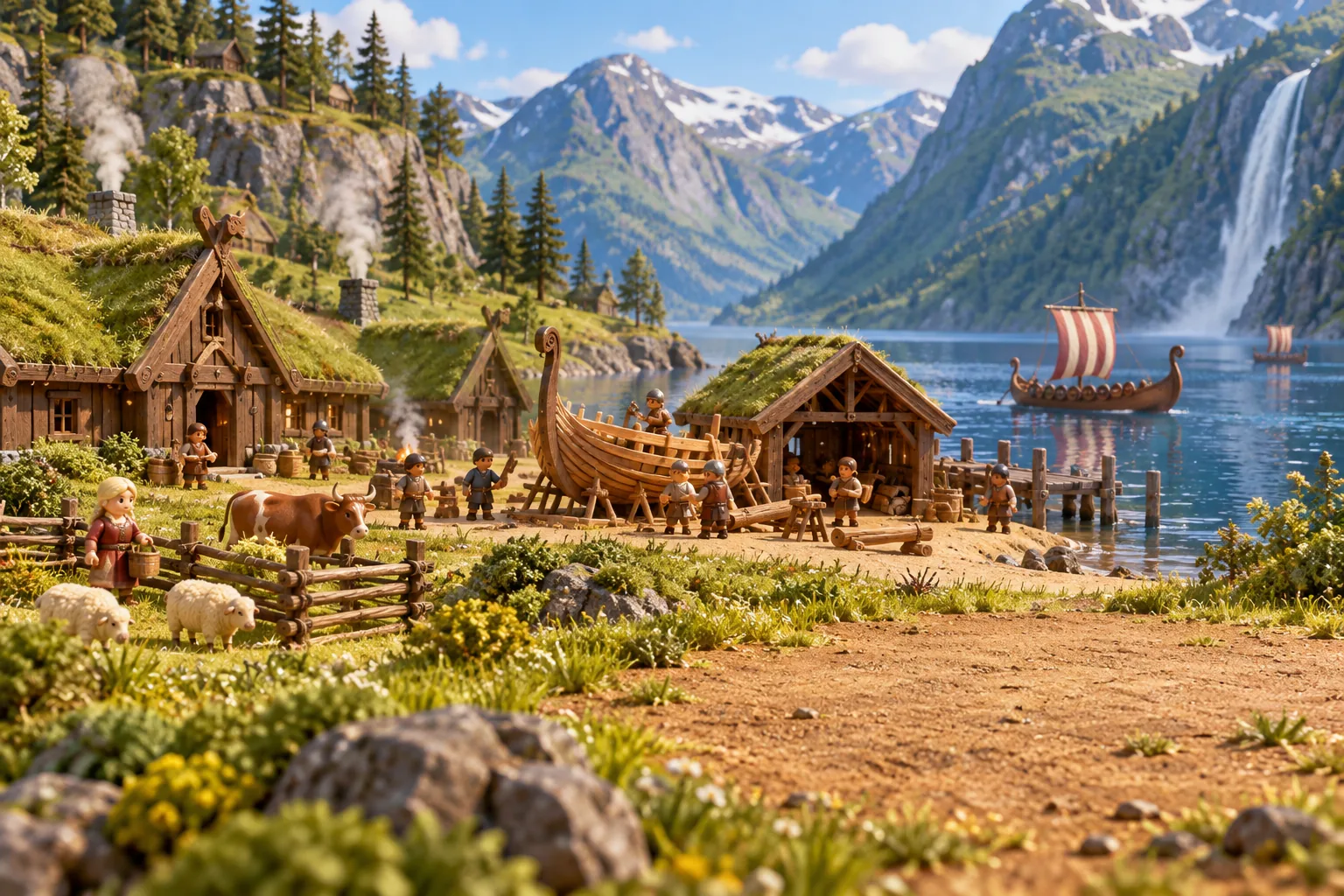 793–1066 · York (Jórvík)VikingsIn longships built for speed, Scandinavian farmers became raiders, traders and kings from Newfoundland to Baghdad.
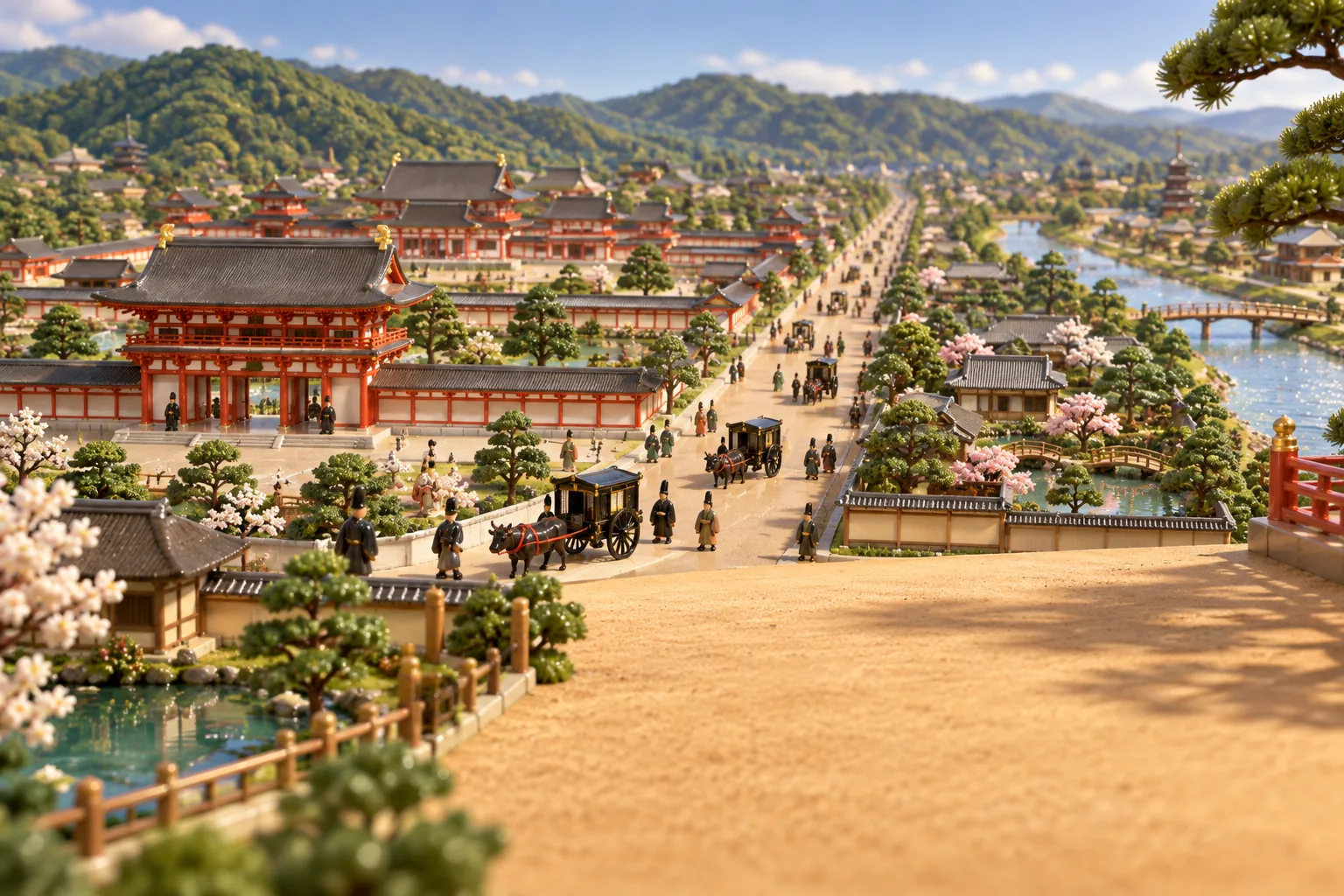 794–1185 · Heian-kyō (Kyoto), JapanHeian periodJapan's court at Heian-kyō, today's Kyoto, produced The Tale of Genji, one of the first novels ever written, by a court lady.
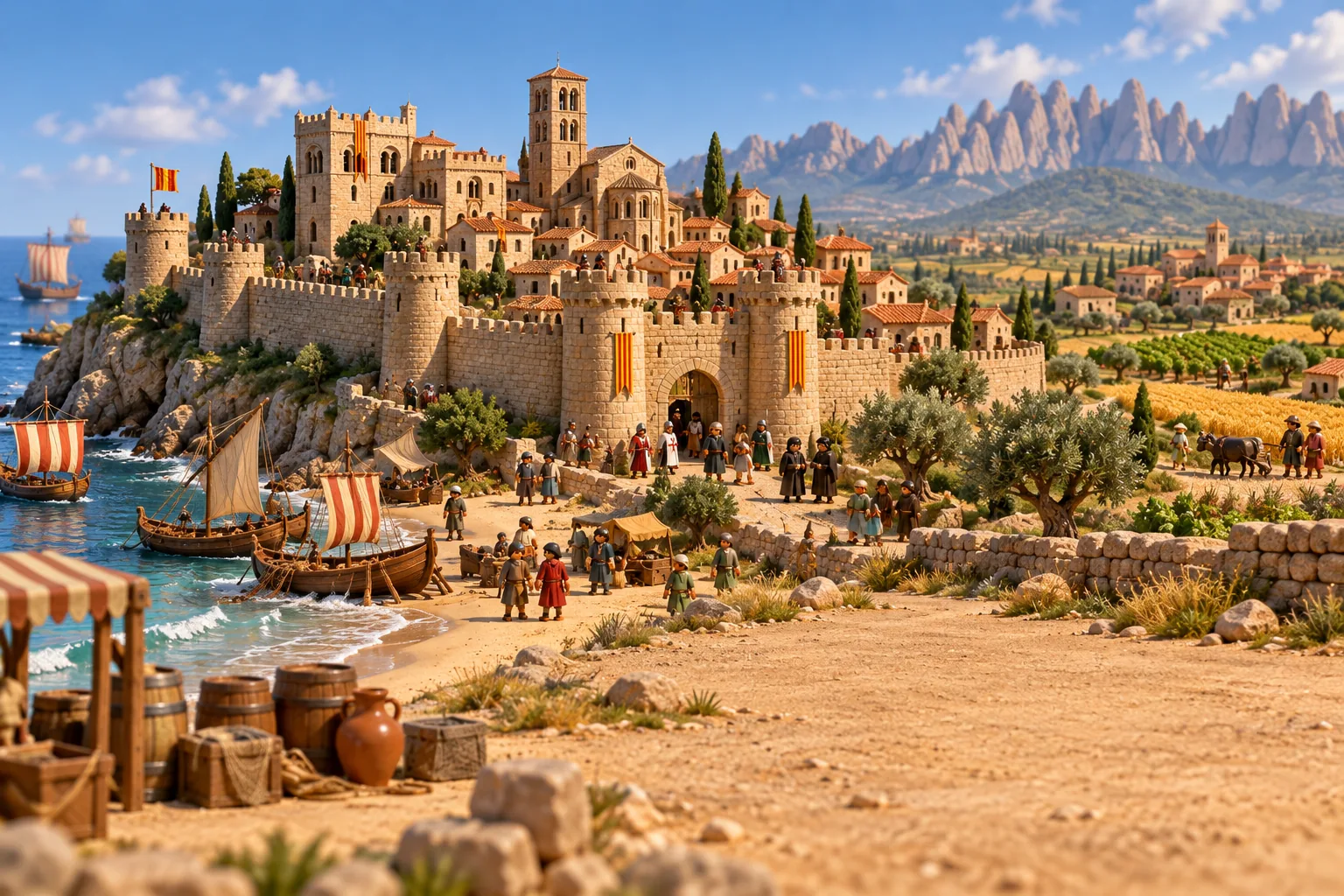 801–1162 · Barcelona, SpainCounty of BarcelonaFrankish kings set up a frontier county against Muslim Spain at Barcelona, and its counts slowly turned it into Catalonia.
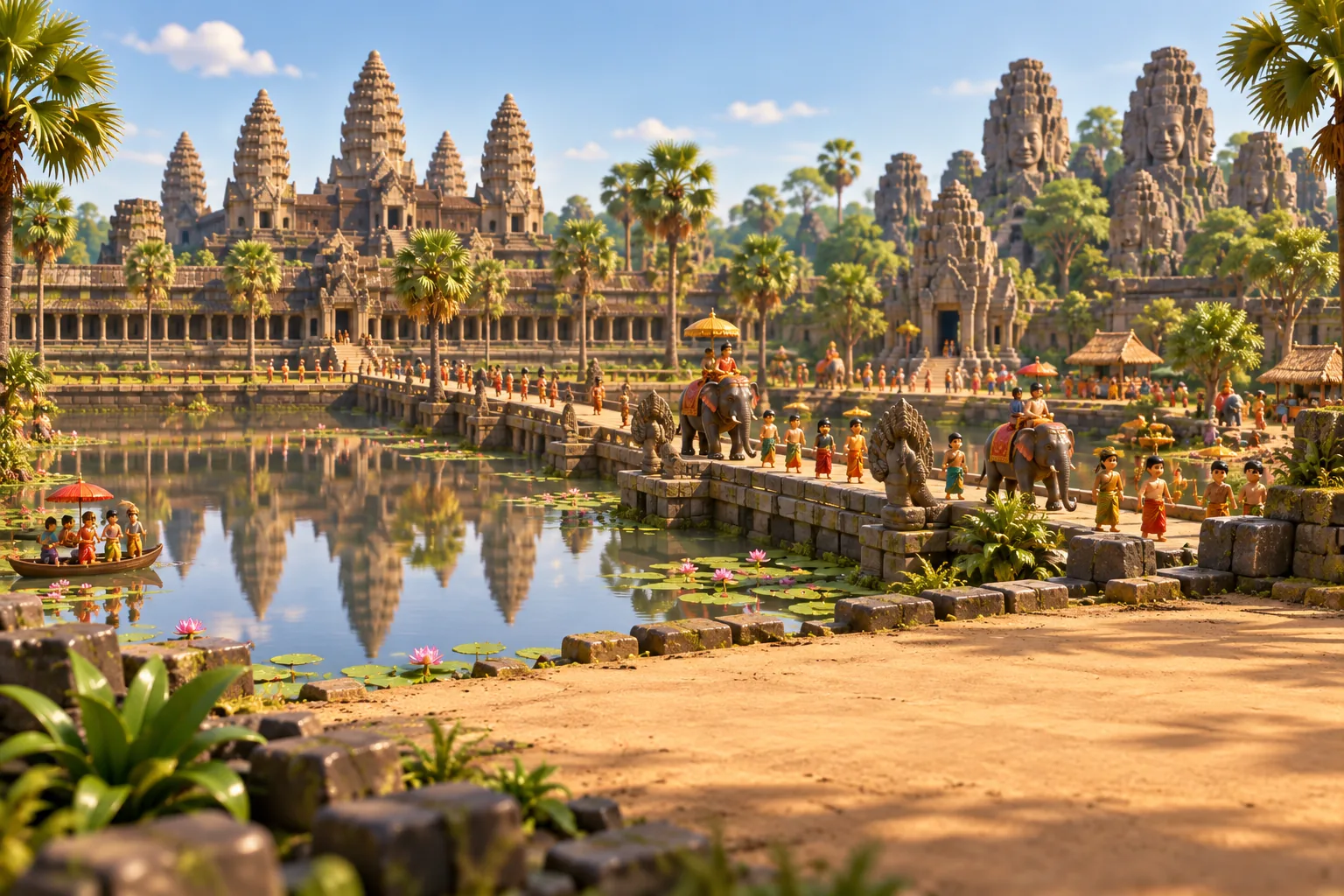 802–1431 · Angkor (Yasodharapura), CambodiaKhmer EmpireFrom a city of temples and giant reservoirs in Cambodia, Khmer kings ruled most of mainland Southeast Asia and built Angkor Wat.
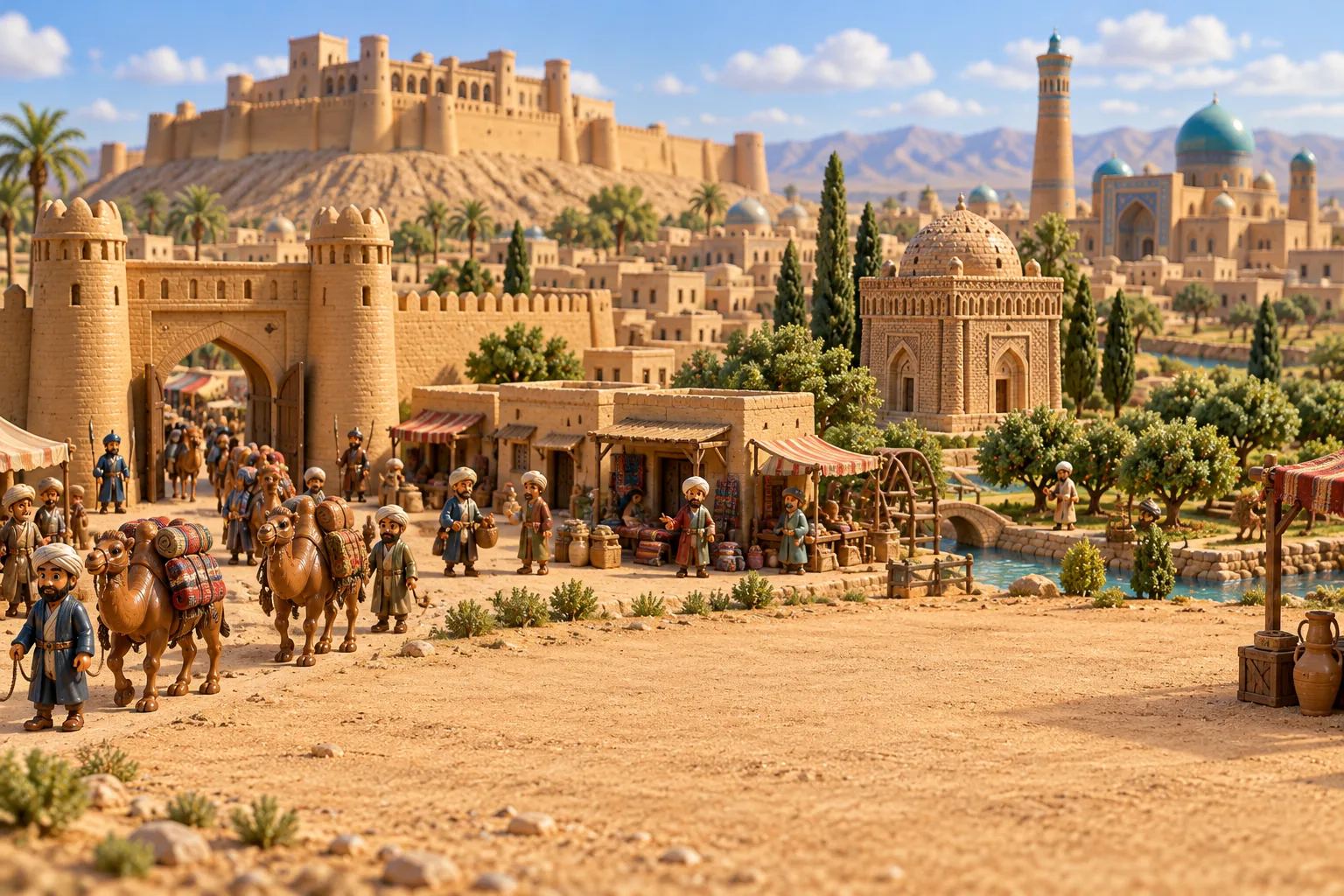 819–999 · Bukhara, UzbekistanSamanid EmpireFrom Bukhara a family of Persian landowners brought their language back to life, and its poets wrote the first great verse in New Persian.
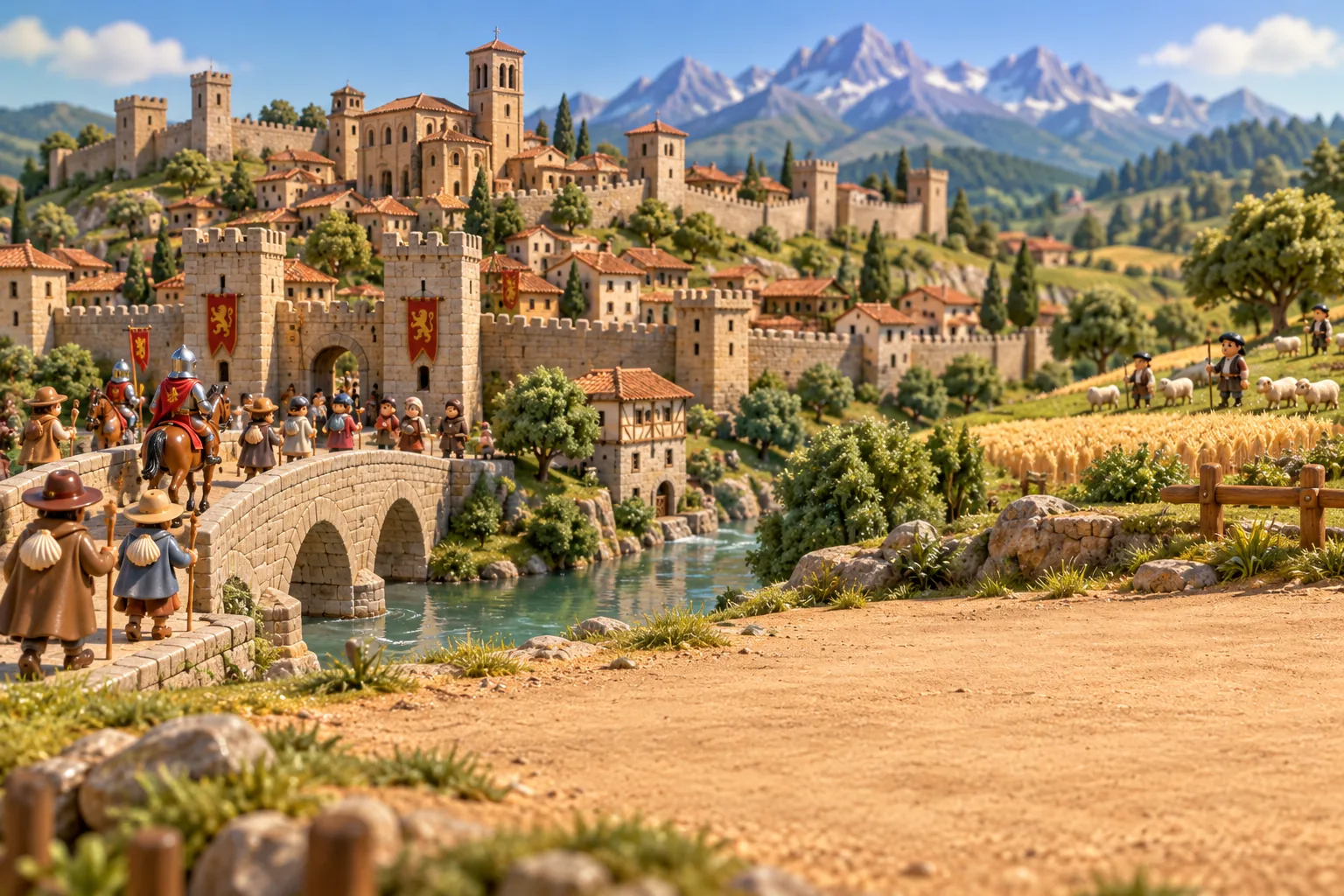 824–1620 · Pamplona, SpainKingdom of NavarreA small Basque kingdom astride the Pyrenees lasted eight centuries, gave England a queen who never saw England and gave France its Bourbon kings.
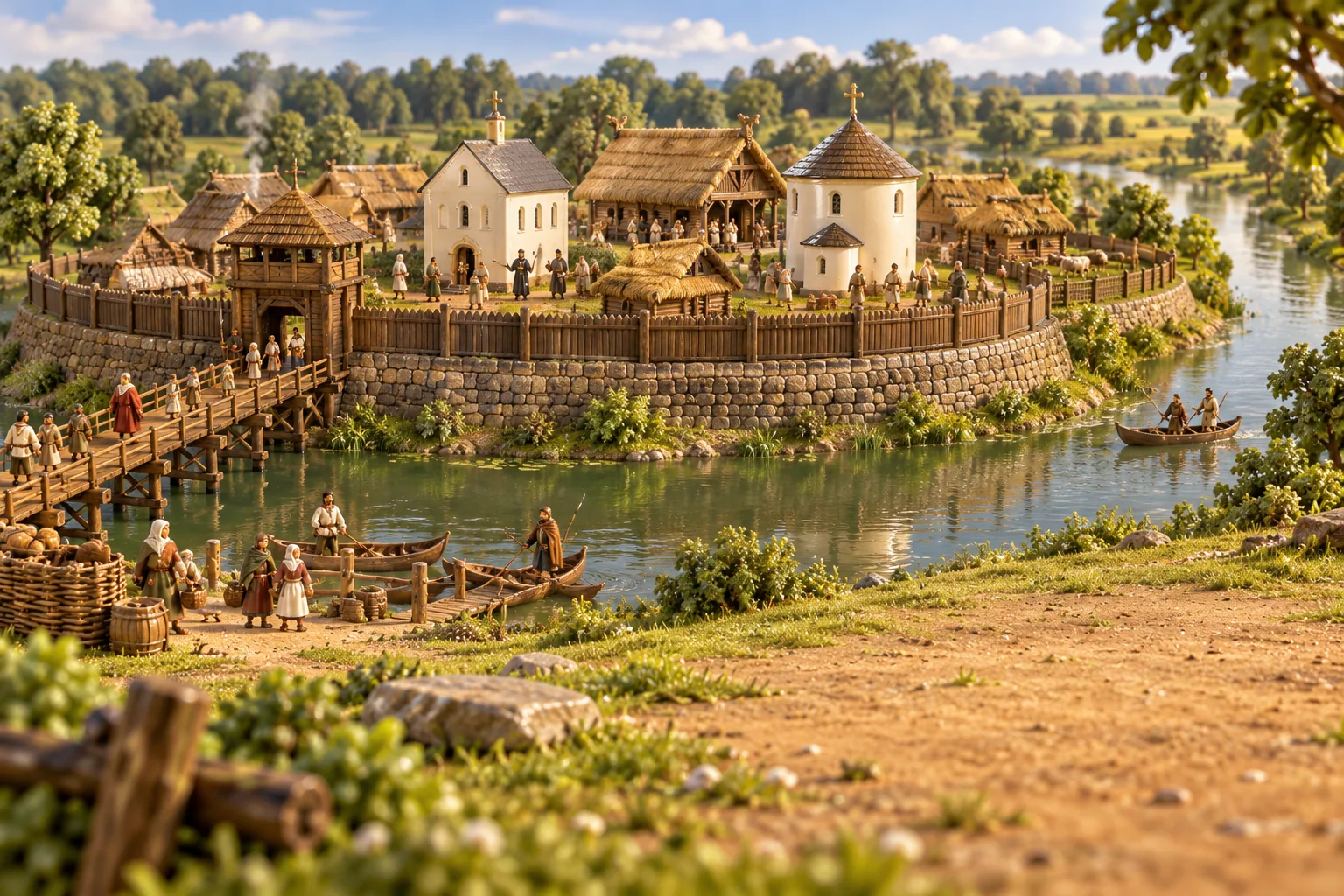 c. 833 – c. 907 · Mikulčice, MoraviaGreat MoraviaA Slavic prince asked Byzantium for a teacher, and two brothers from Thessaloniki came and gave the Slavs their first alphabet.
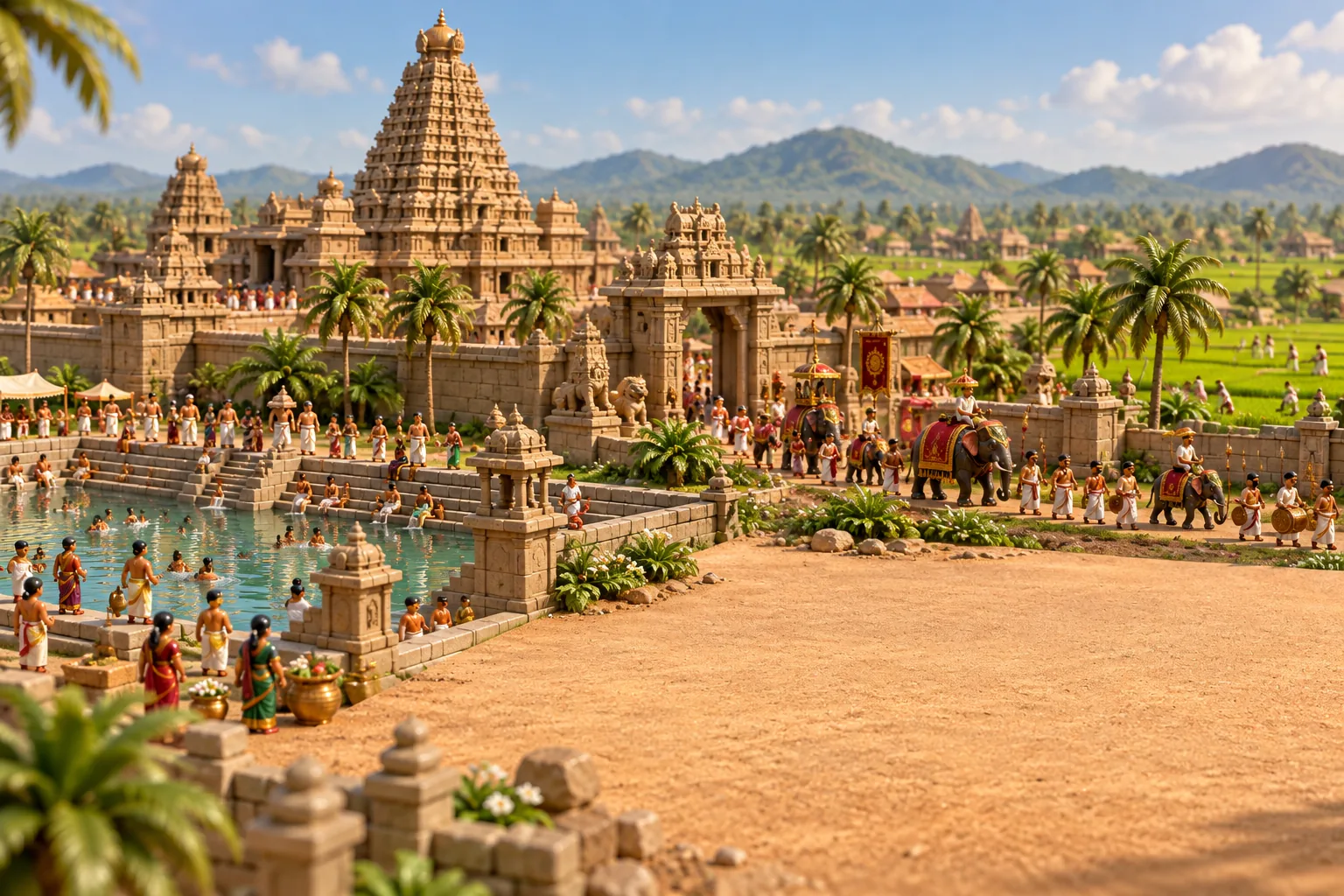 848–1279 · Gangaikonda Cholapuram, Tamil Nadu, IndiaChola EmpireIts king Rajendra I sent a fleet across the Bay of Bengal to raid Srivijaya in 1025, a rare overseas campaign by an Indian state.
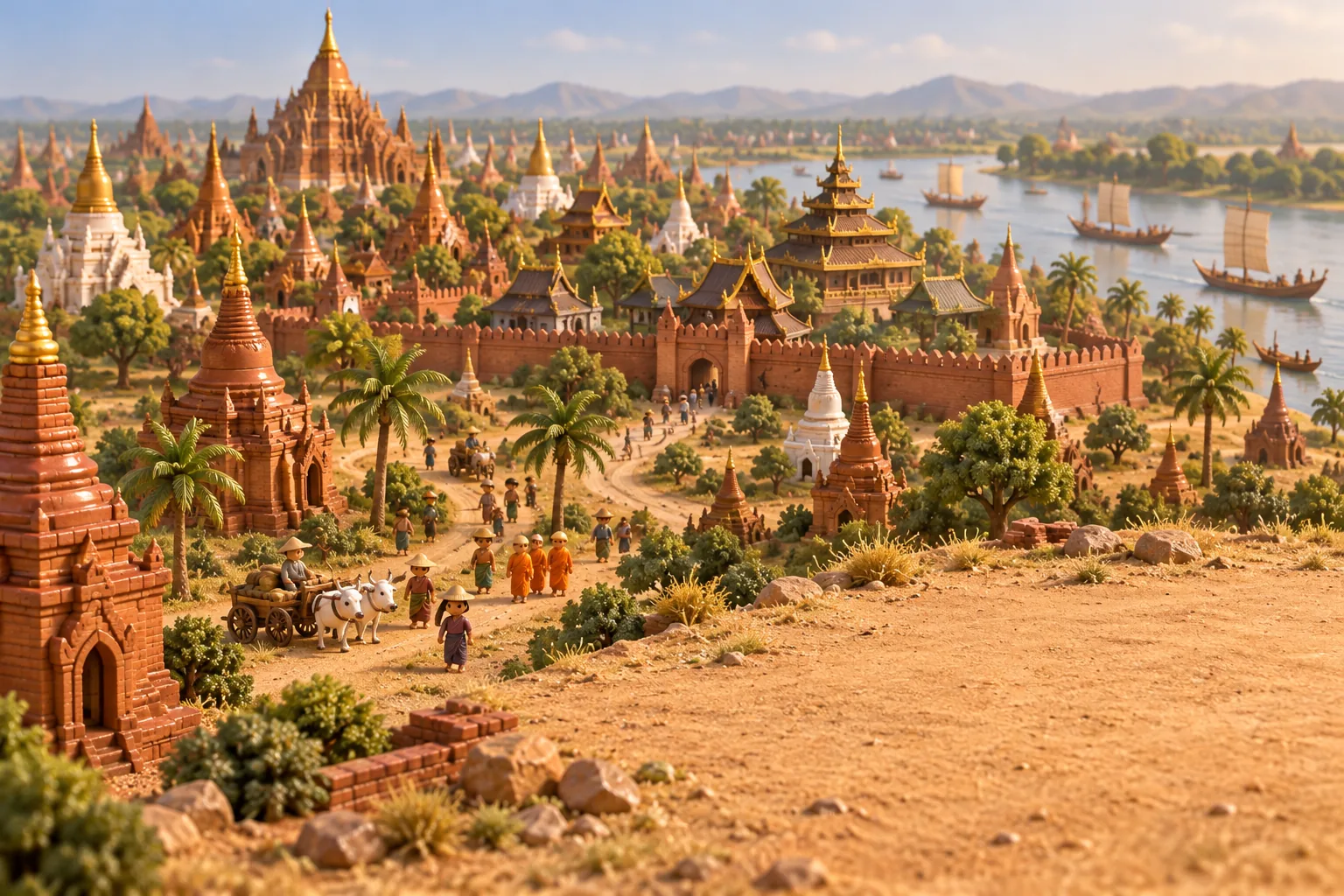 c. 849 – 1297 · Bagan, MyanmarPagan kingdomIts rulers built more than 10,000 Buddhist temples on one plain by the Irrawaddy, and the rich gave so much tax-free land to religion that the crown ran short.
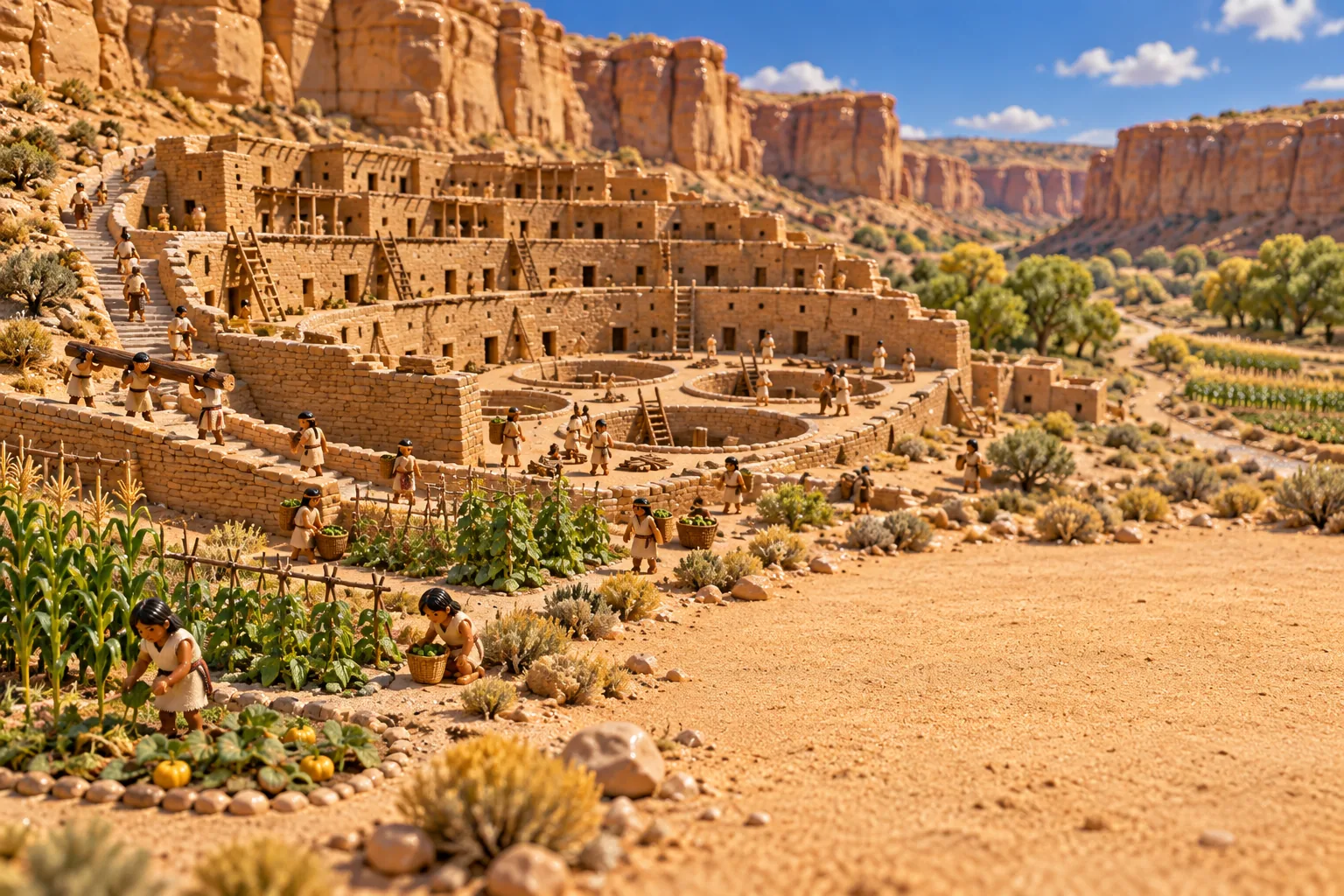 c. 850 – 1300 · Chaco Canyon, New MexicoAncestral PuebloansThey built Pueblo Bonito, a stone great house of at least 650 rooms in Chaco Canyon, and cliff villages at Mesa Verde.
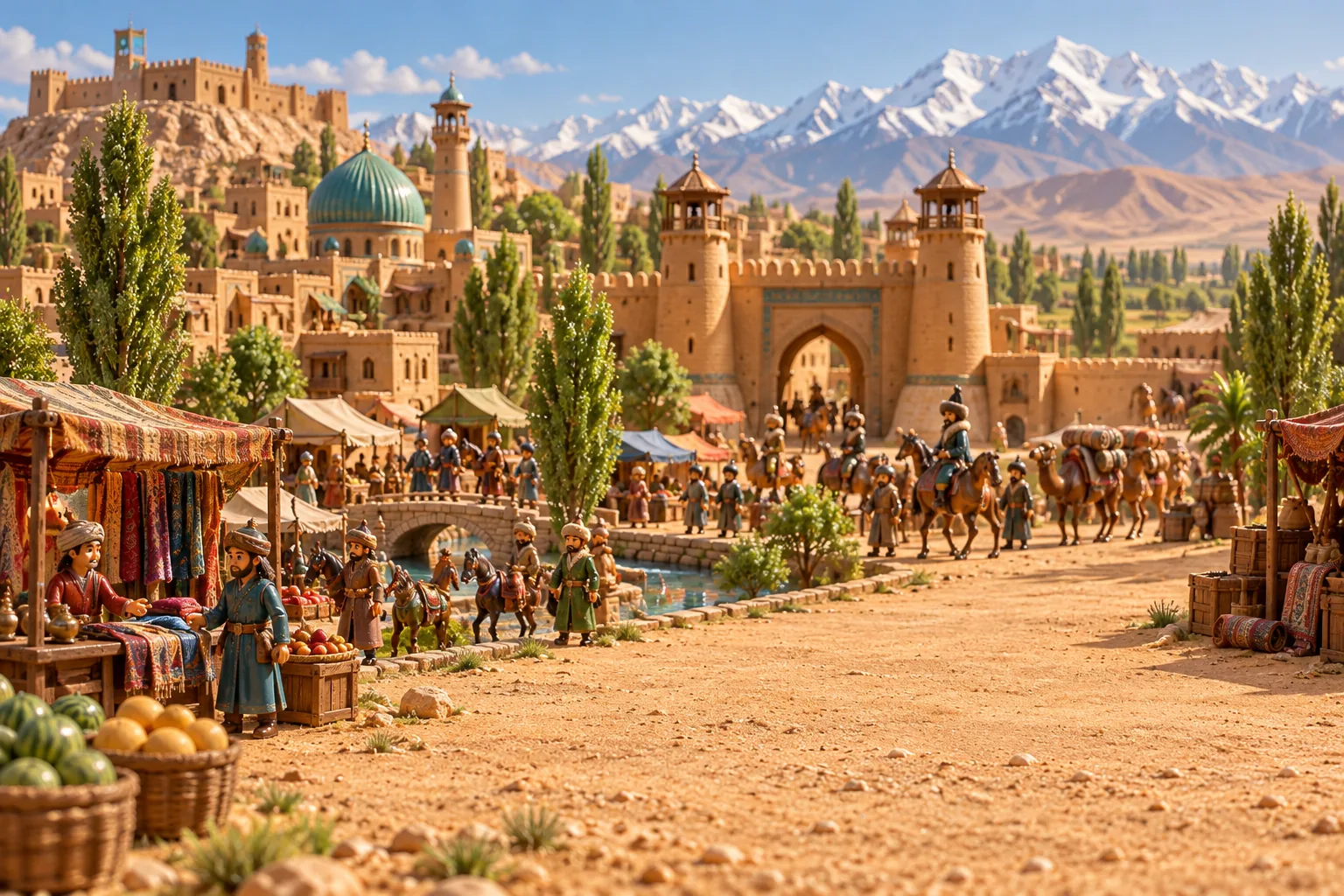 c. 850–1212 · KashgarKarakhanid KhanateAmong the first Turkic dynasties to embrace Islam, it took Central Asia from the Persians, and one of its sons wrote the first great dictionary of the Turkic languages.
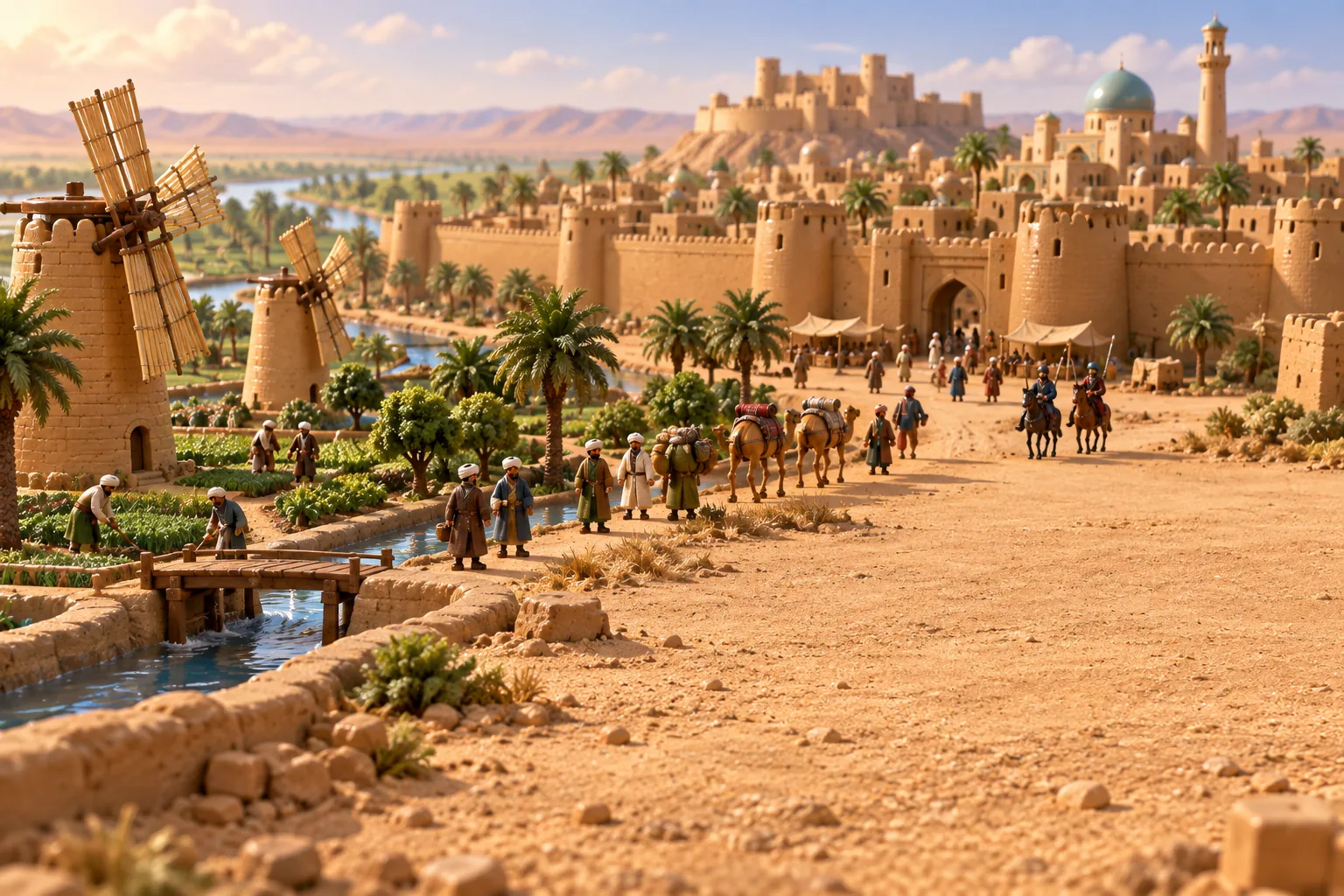 861–1002 · Zaranj, SistanSaffarid dynastyA coppersmith from Sistan built an empire from Kabul to the edge of Iraq and came within a few days' march of the caliph's Baghdad.
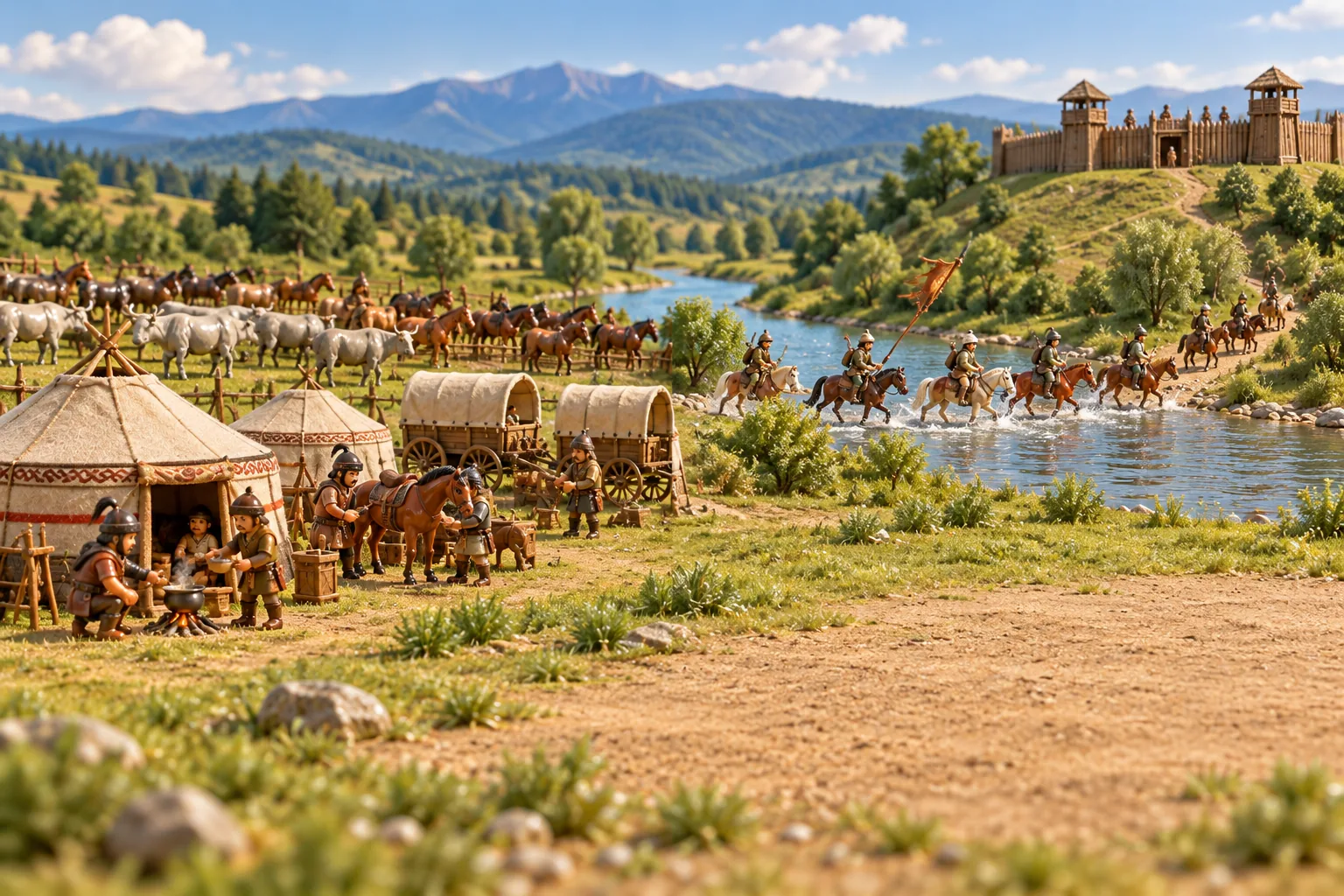 c. 862–1001 · Upper Tisza, Carpathian BasinHungariansAround 895 seven Magyar tribes crossed the Carpathians and settled a plain where people still speak a language unrelated to their neighbours'.
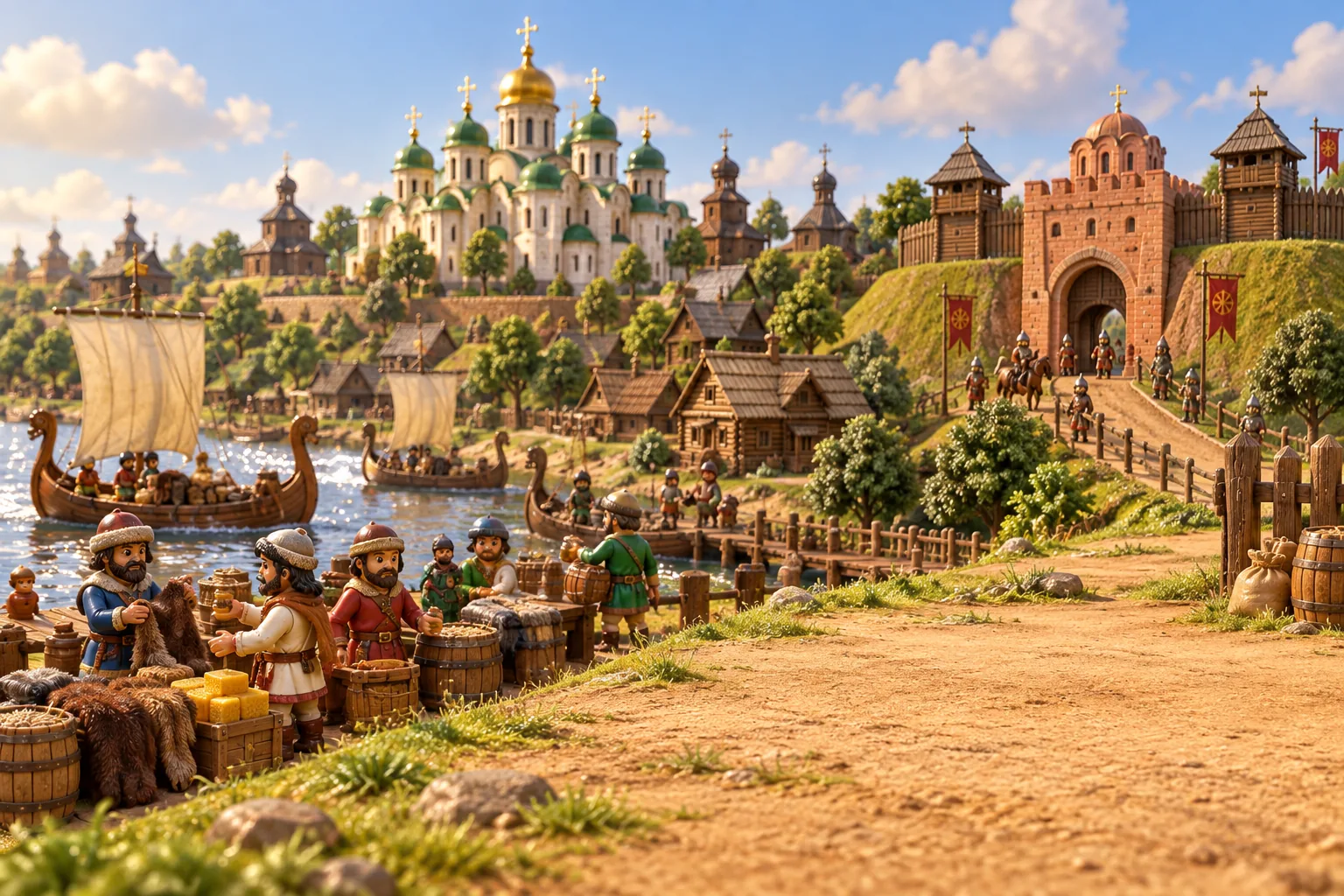 c. 879 – 1240 · KyivKievan Rus'A Norse-founded trading state on the Dnieper chose its religion, legend says, after its envoys were dazzled by Hagia Sophia in Constantinople.
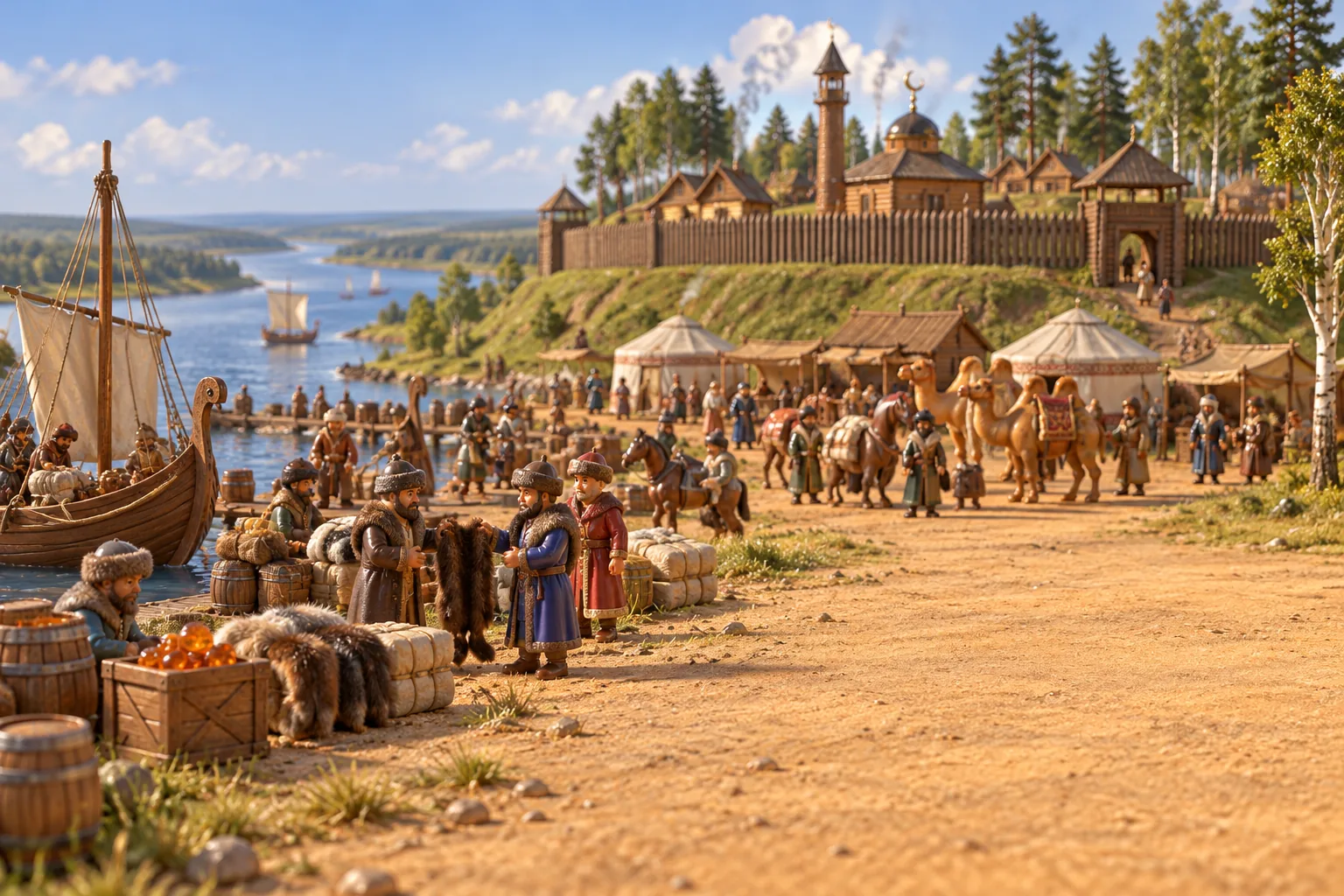 c. 880 – 1236 · BolgharVolga BulgariaIn 922 an envoy of the caliph travelled from Baghdad to the Volga, found a Bulgar king who wanted to be Muslim, and wrote down the Rus traders he met there.
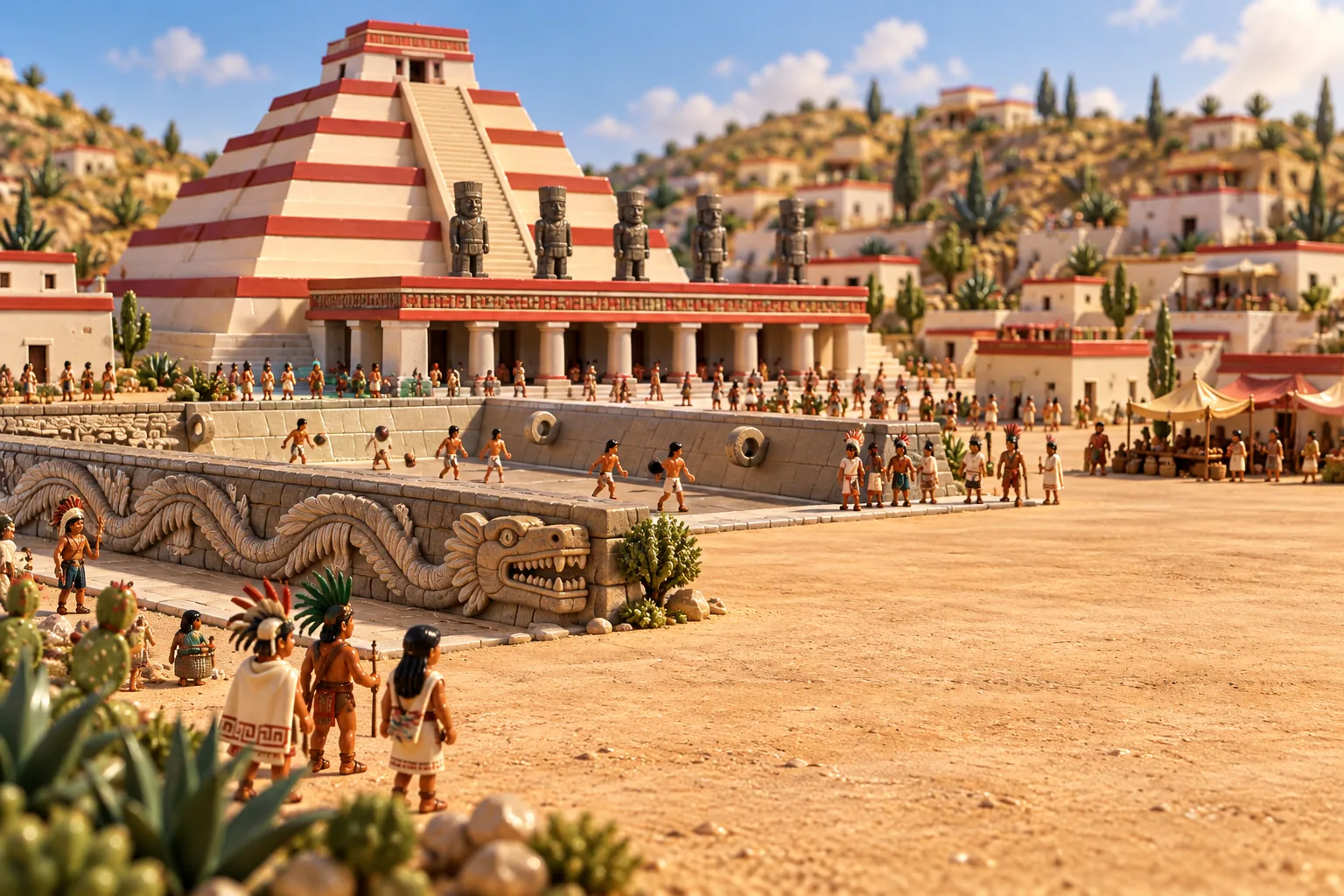 c. 900 – 1150 · Tula, Hidalgo, MexicoToltecsIts capital Tula is guarded by stone warriors four metres tall, and the later Aztecs held the Toltecs up as the model of civilization.
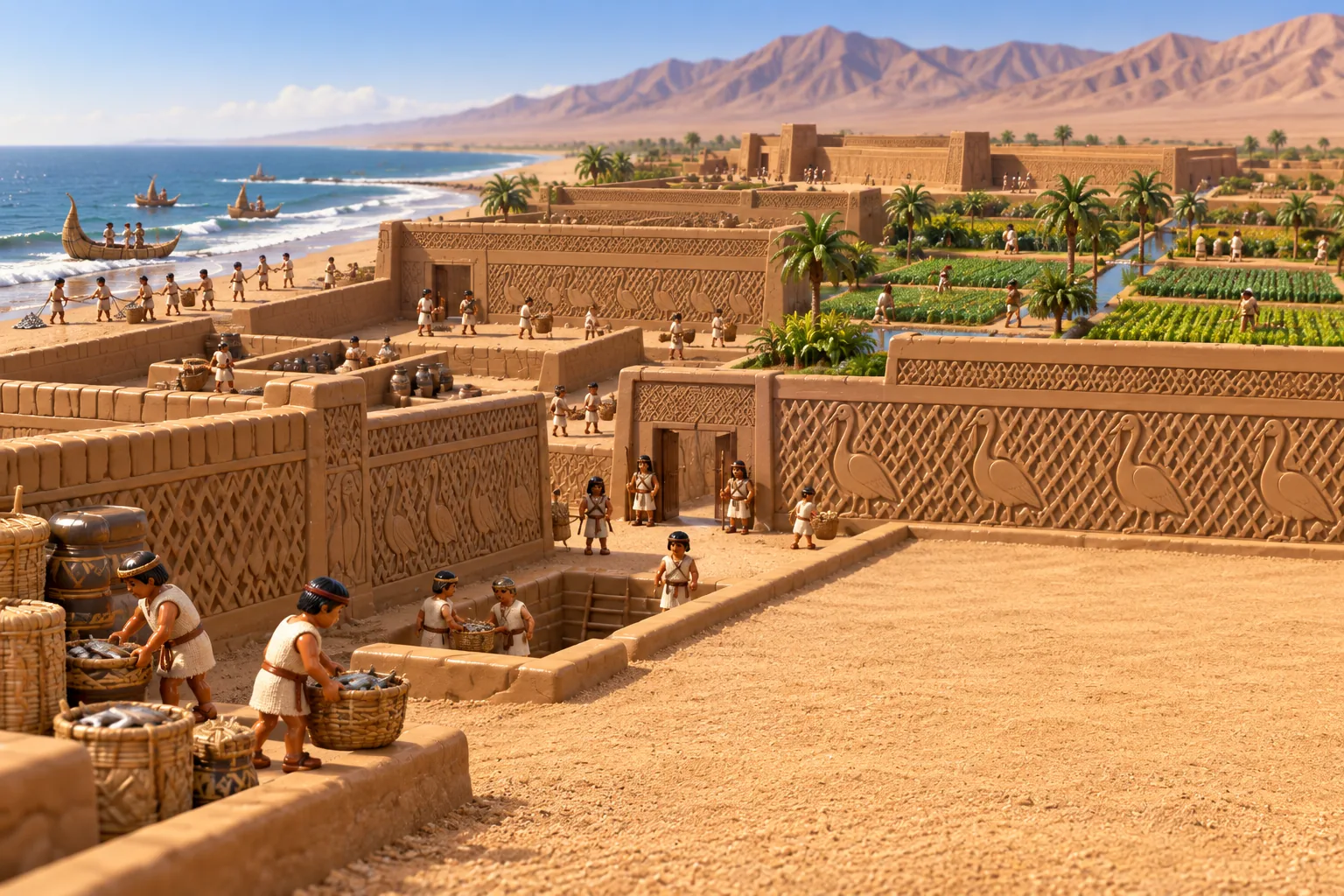 c. 900 – 1470 · Chan Chan, near Trujillo, PeruChimorIts capital Chan Chan was the largest adobe city in the Americas, until the Incas conquered the Chimú around 1470.
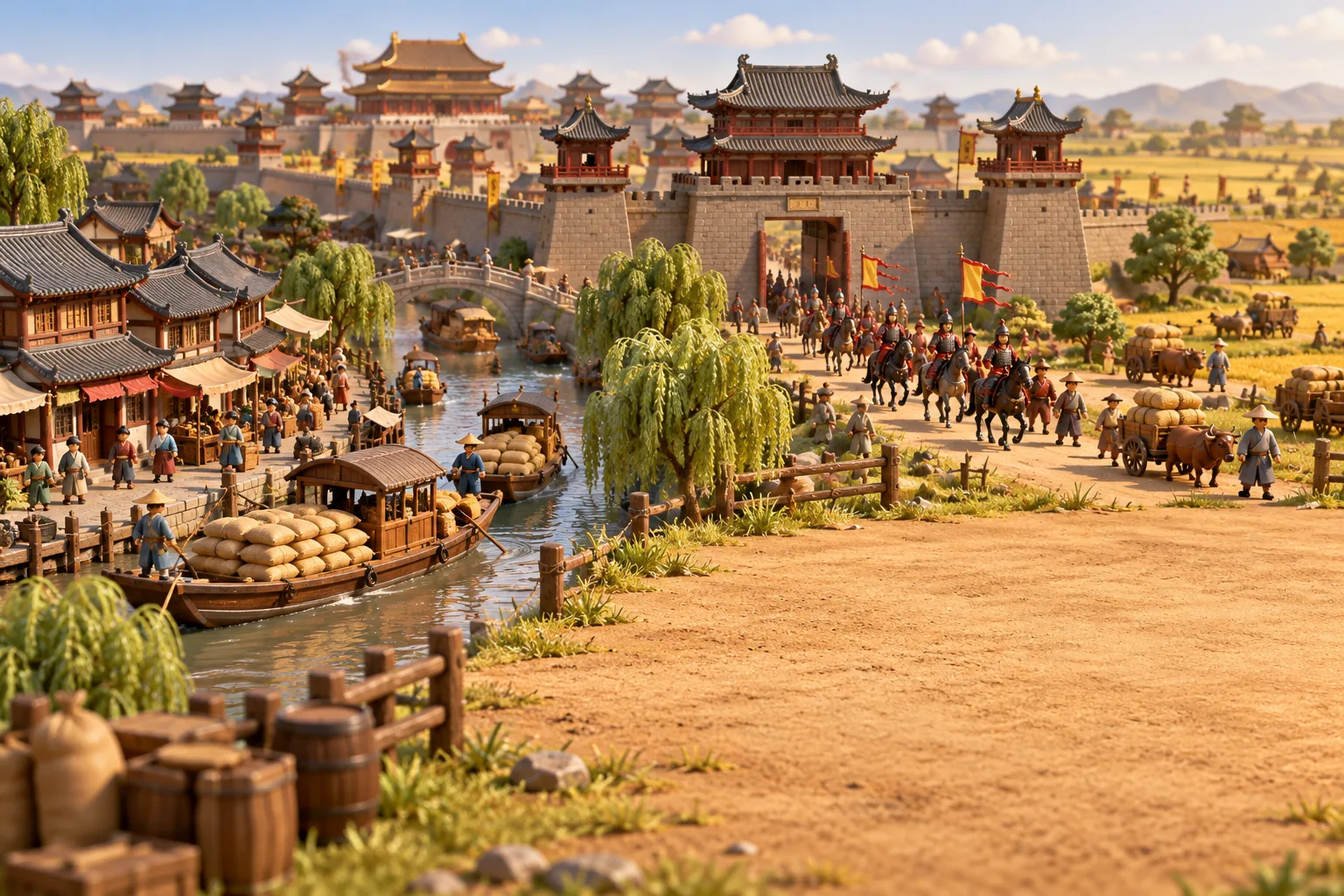 907–979 · Kaifeng, ChinaFive Dynasties and Ten Kingdoms periodIn half a century five dynasties rose and fell in northern China while ten kingdoms divided the south.
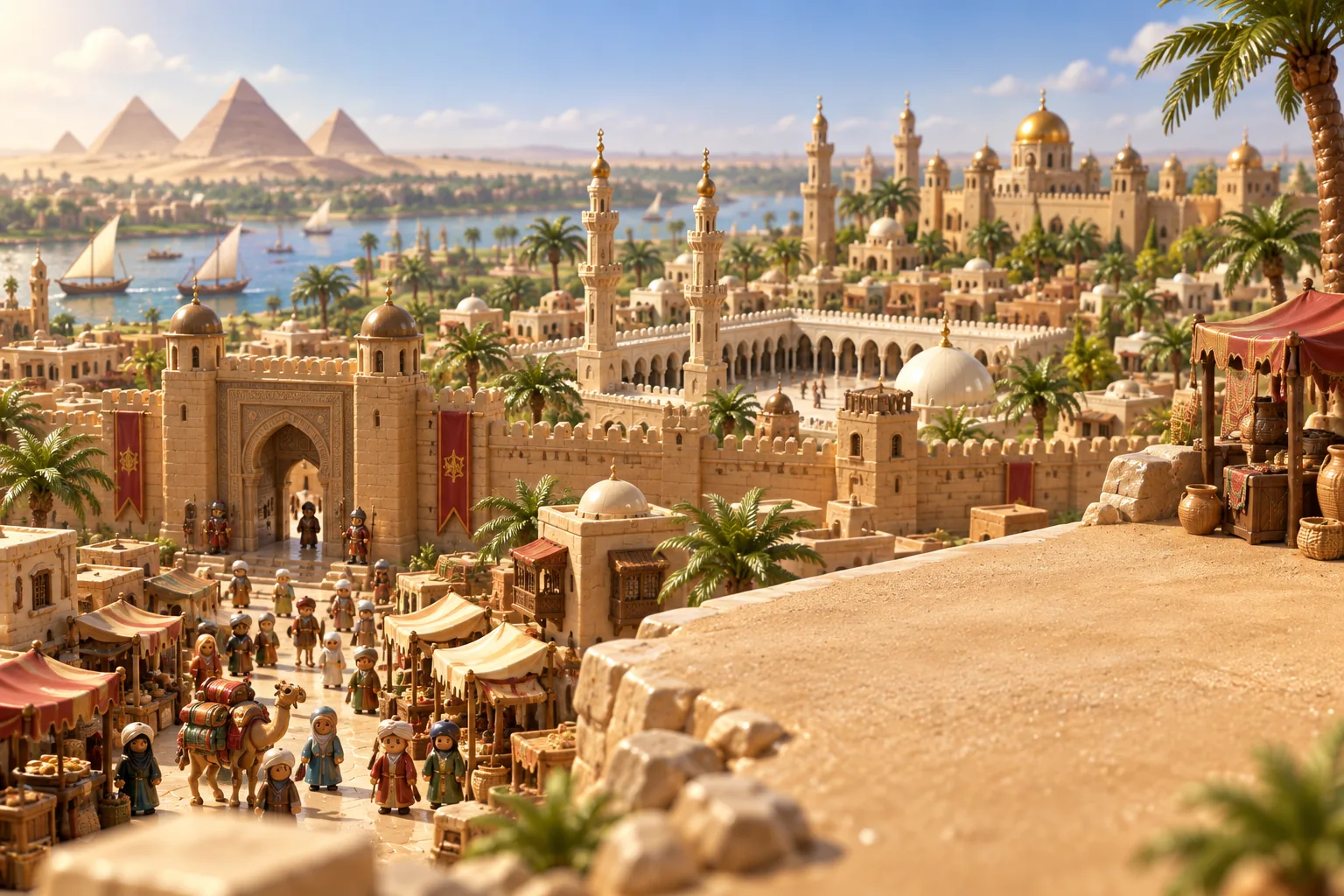 909–1171 · Cairo, EgyptFatimid CaliphateA Shi'a dynasty from Tunisia conquered Egypt, built Cairo from scratch in 969 and opened the mosque that lives on as al-Azhar University.
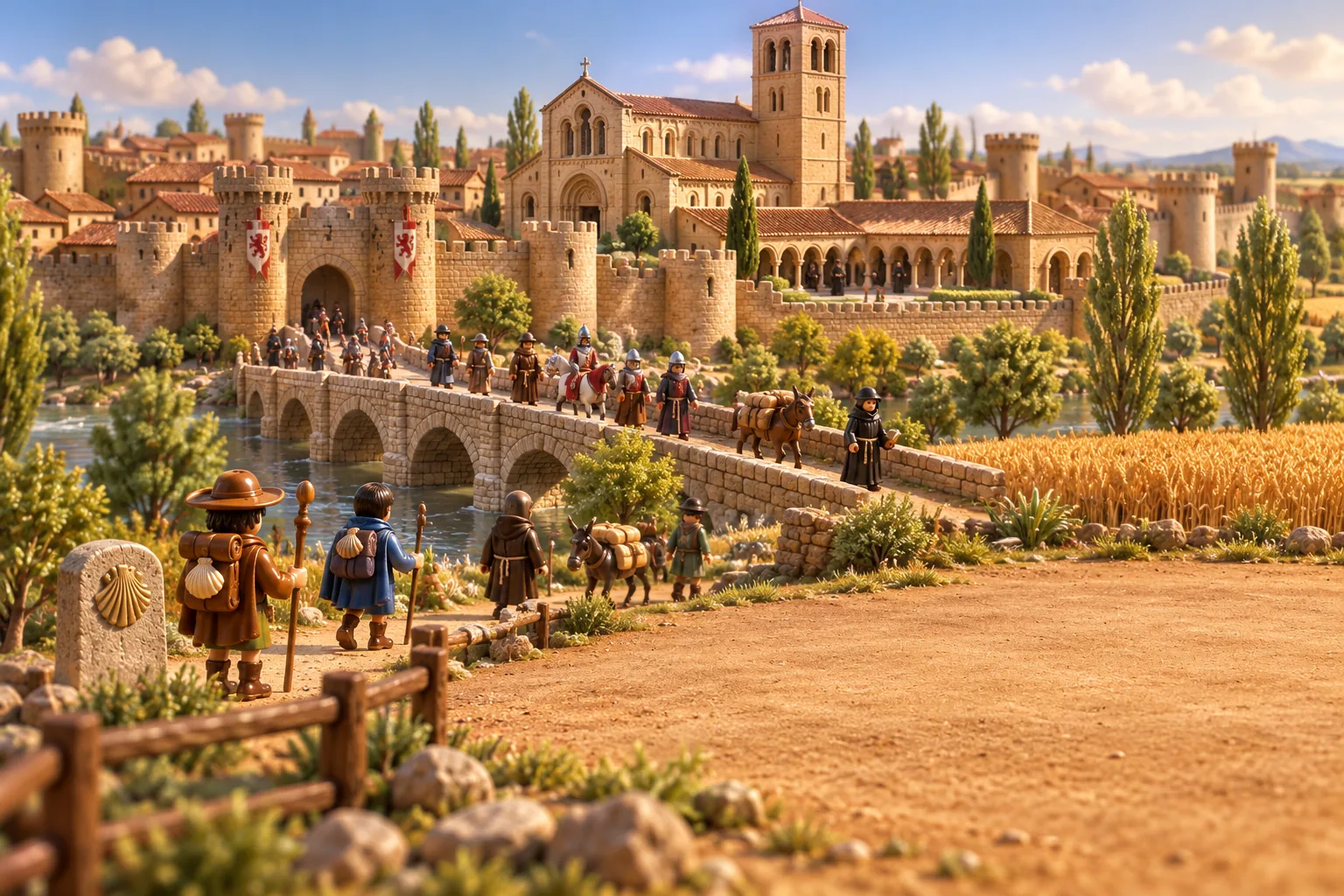 910–1230 · León, SpainKingdom of LeónIn 1188 a king of León sat townsmen beside bishops and nobles, the first parliament in Europe to give ordinary citizens a voice.
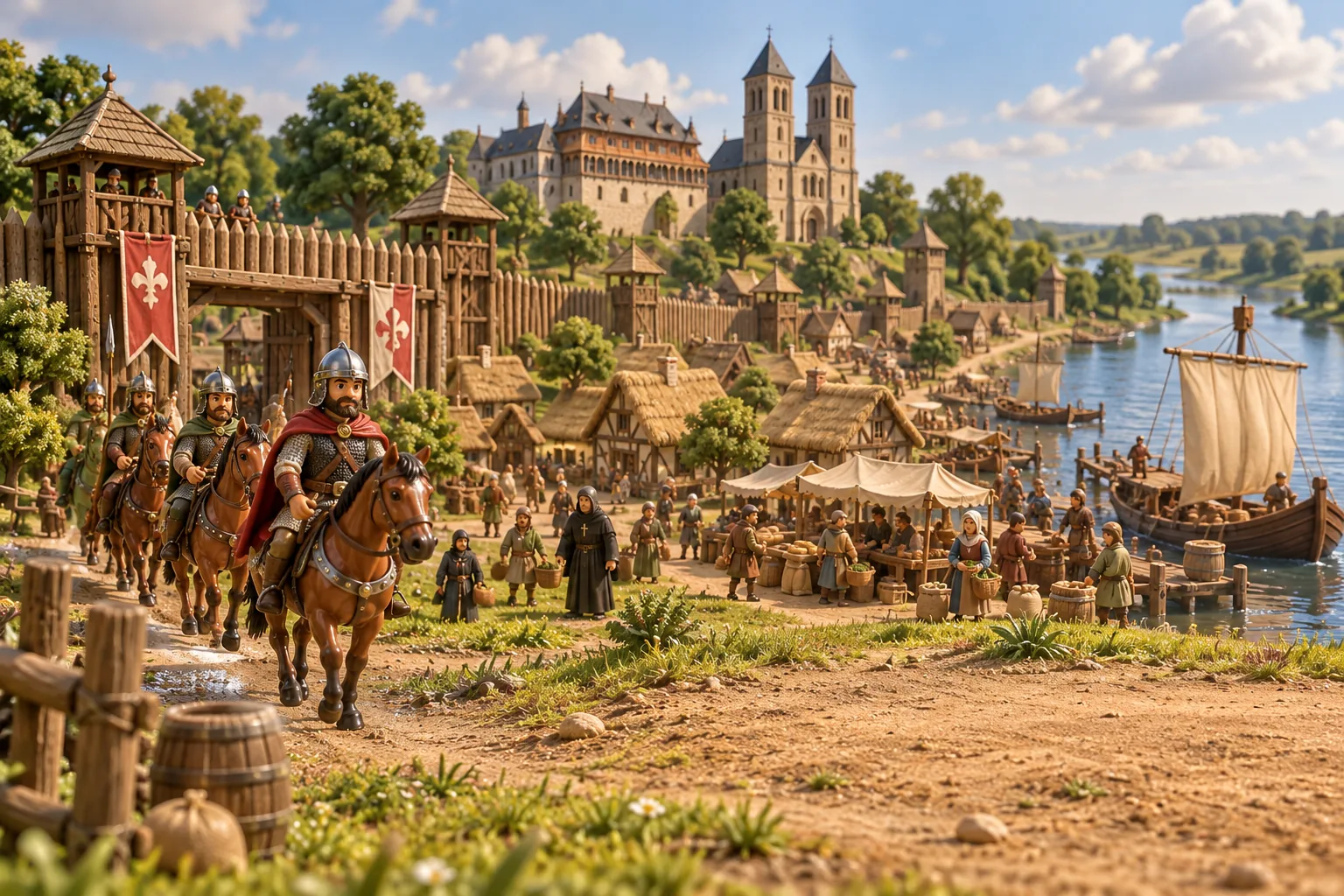 911–962 · Magdeburg, GermanyKingdom of GermanyWhen the Carolingian line died out in East Francia in 911, the dukes elected a king of their own, and fifty years later his successor was crowned emperor.
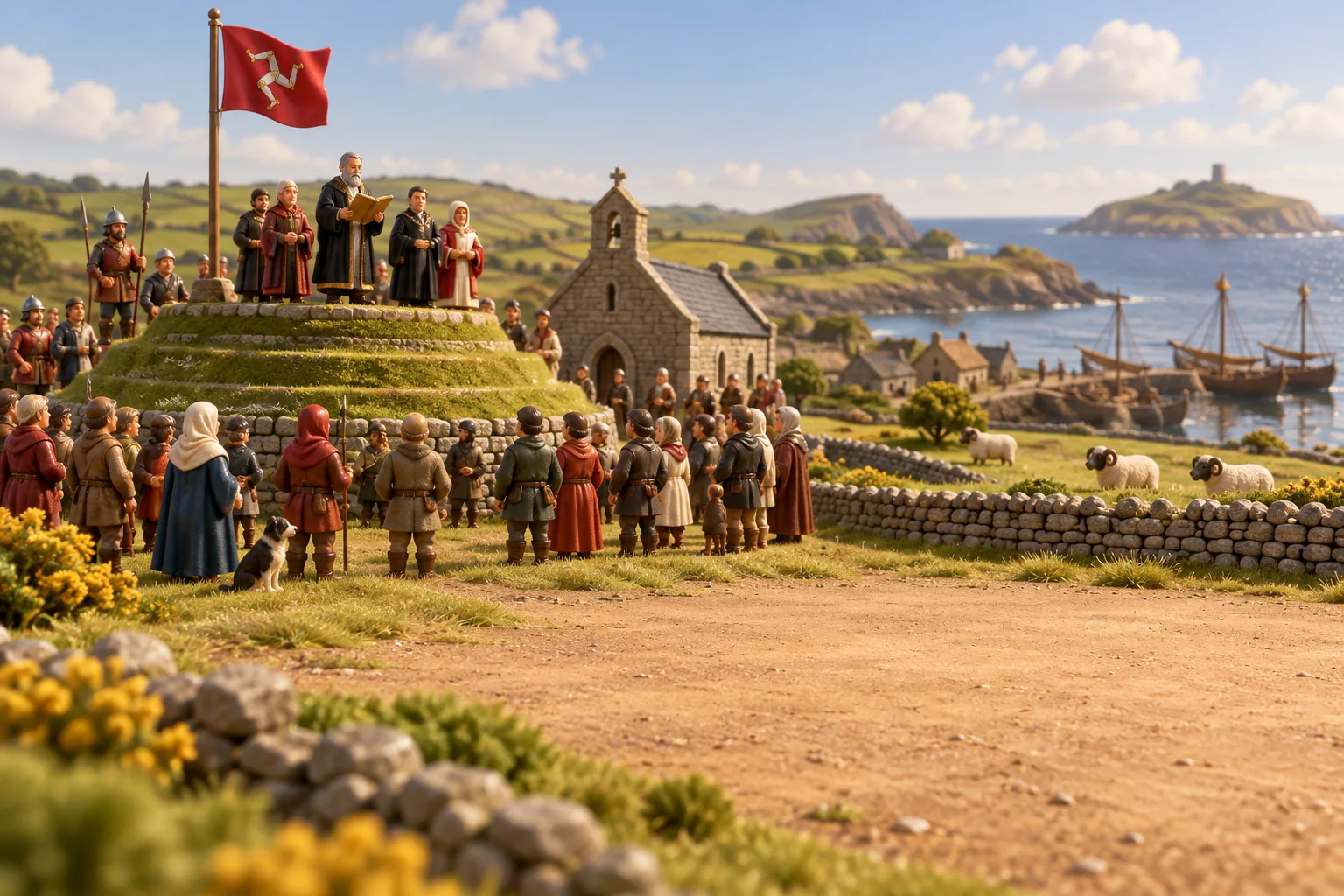 c. 914 – 2013 · Castletown, Isle of ManIsle of ManA small island in the Irish Sea has kept its own Norse-founded parliament for a thousand years and was never part of the United Kingdom.
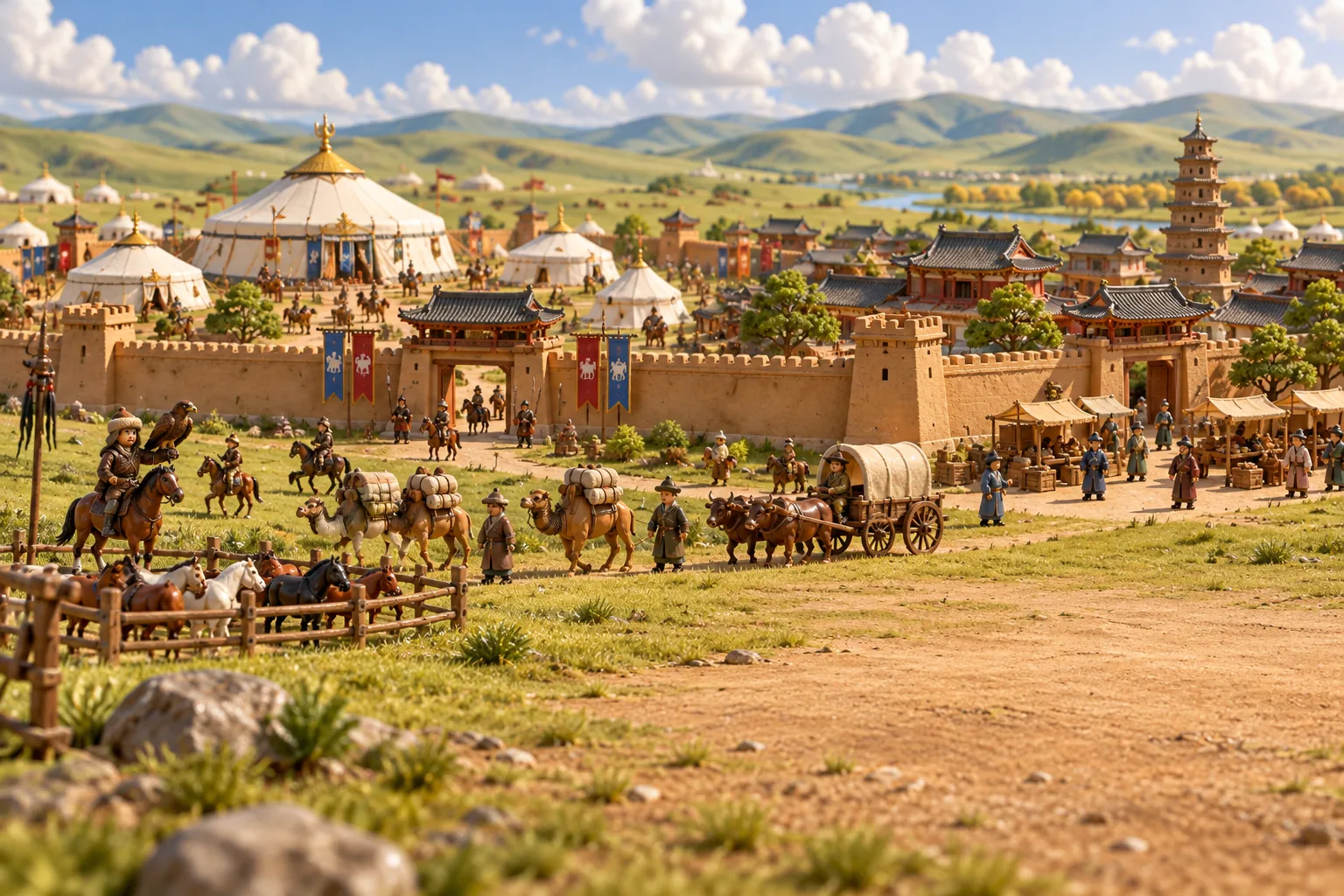 916–1125 · Shangjing, Inner Mongolia, ChinaLiao dynastyThe Khitan rulers of the Liao were so well known along the Silk Road that their name reached Europe as Cathay.
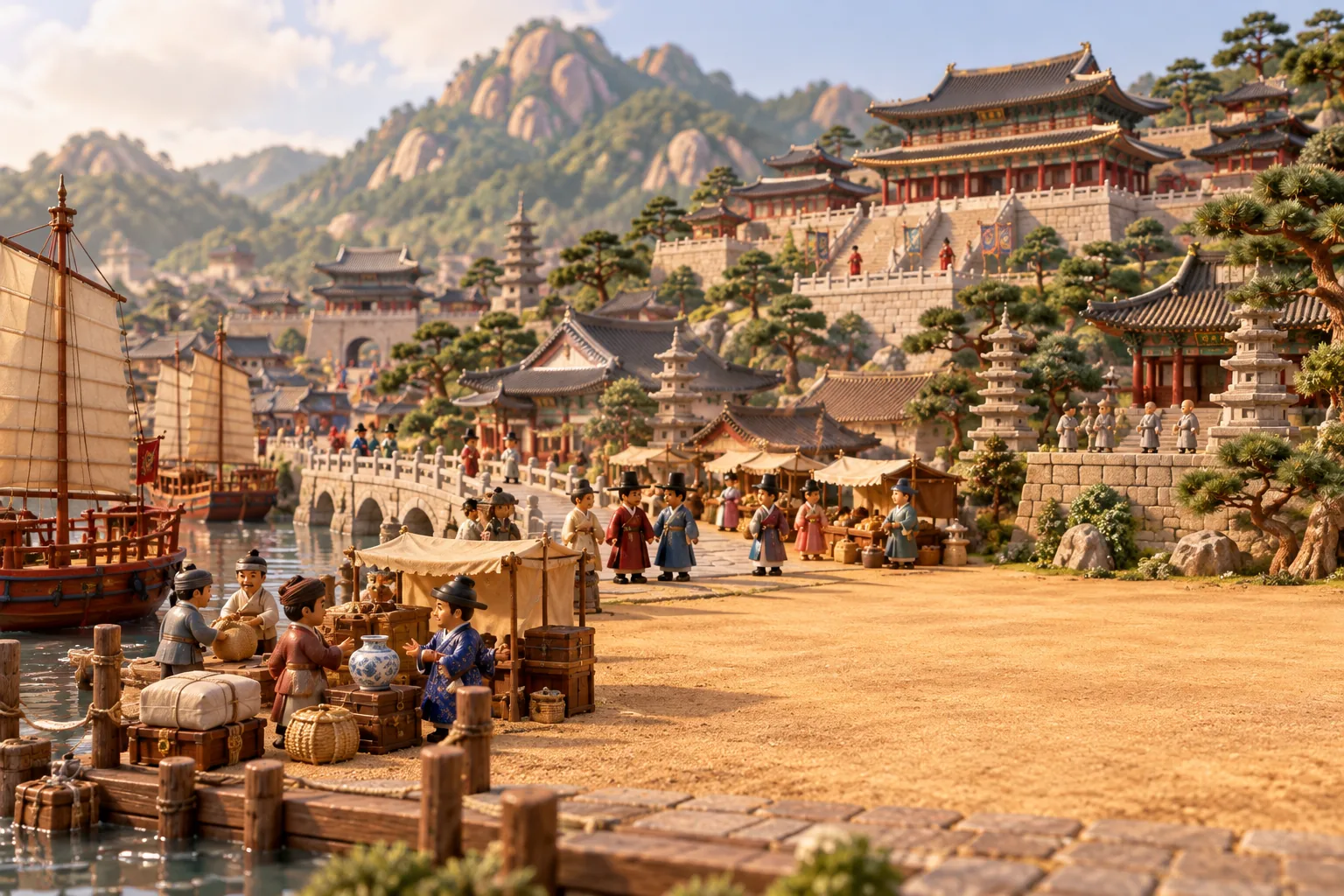 918–1392 · Kaesong, KoreaGoryeoGoryeo gave Korea its Western name, carved the Buddhist canon on over 80,000 woodblocks and printed a book with metal type in 1234.
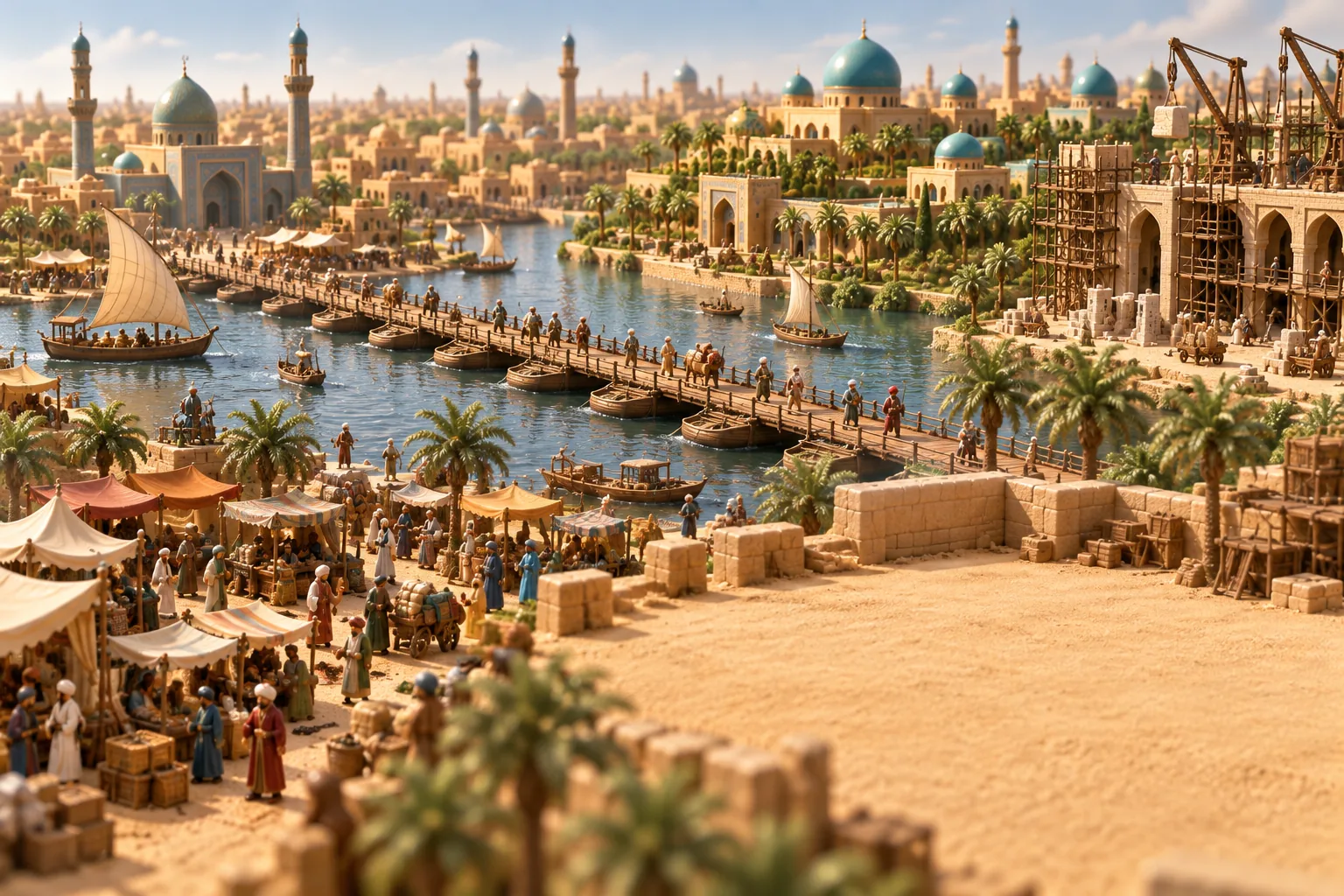 934–1062 · Baghdad and ShirazBuyid dynastyThree sons of a fisherman from the mountains of Daylam took Baghdad in 945 and kept the caliphs of Islam as their figureheads for a hundred years.
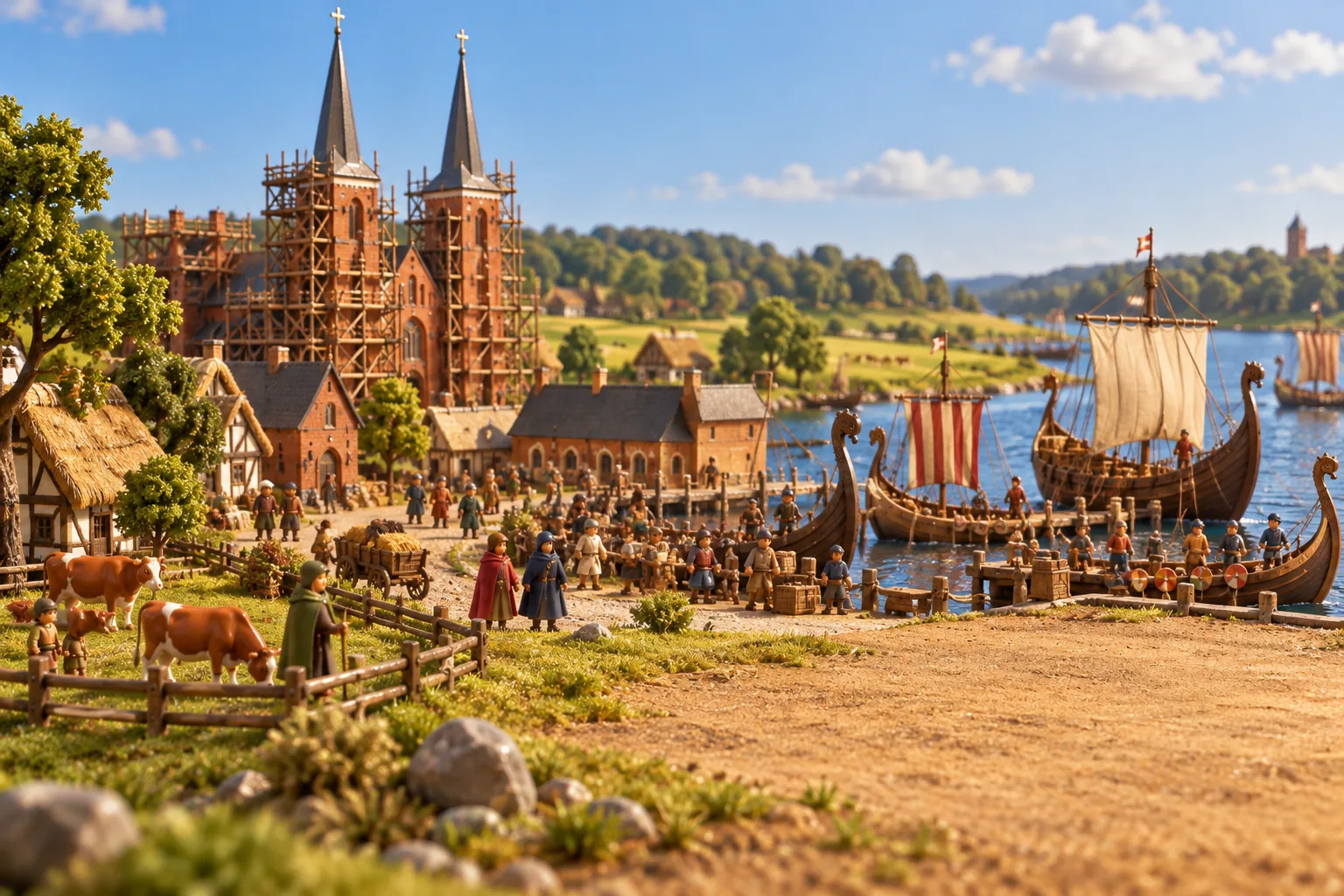 c. 936–1397 · Roskilde, DenmarkKingdom of DenmarkIts red-and-white flag, said to have fallen from the sky during a battle in 1219, is the oldest national flag still in use.
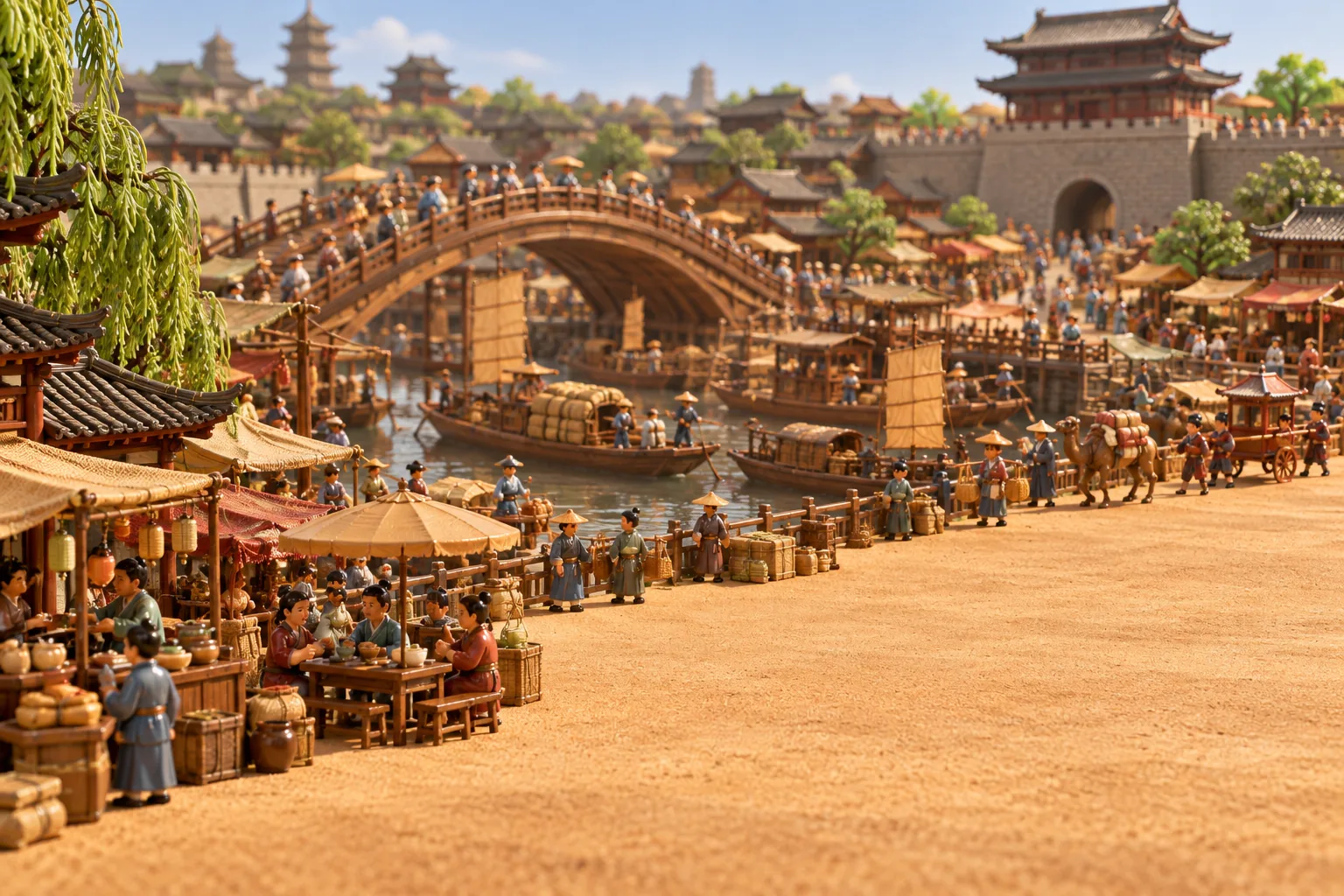 960–1279 · Kaifeng (Bianjing)Song dynastyUnder the Song, China printed the first paper money, wrote down the first formula for gunpowder and found true north with a compass.
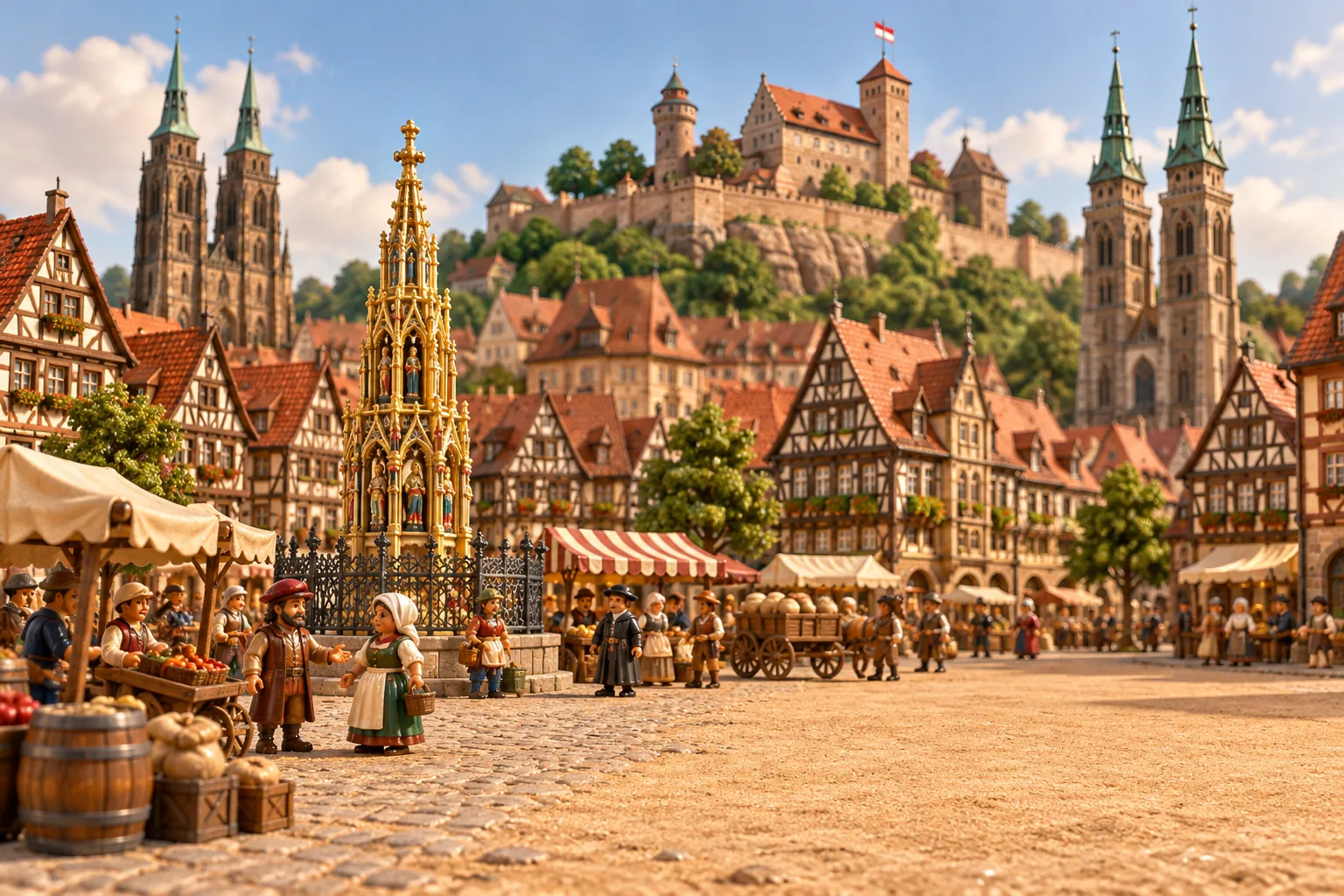 962–1806 · ViennaHoly Roman EmpireFor almost a thousand years Central Europe had an emperor who claimed the crown of ancient Rome, yet he was elected, rarely obeyed and often had no capital at all.
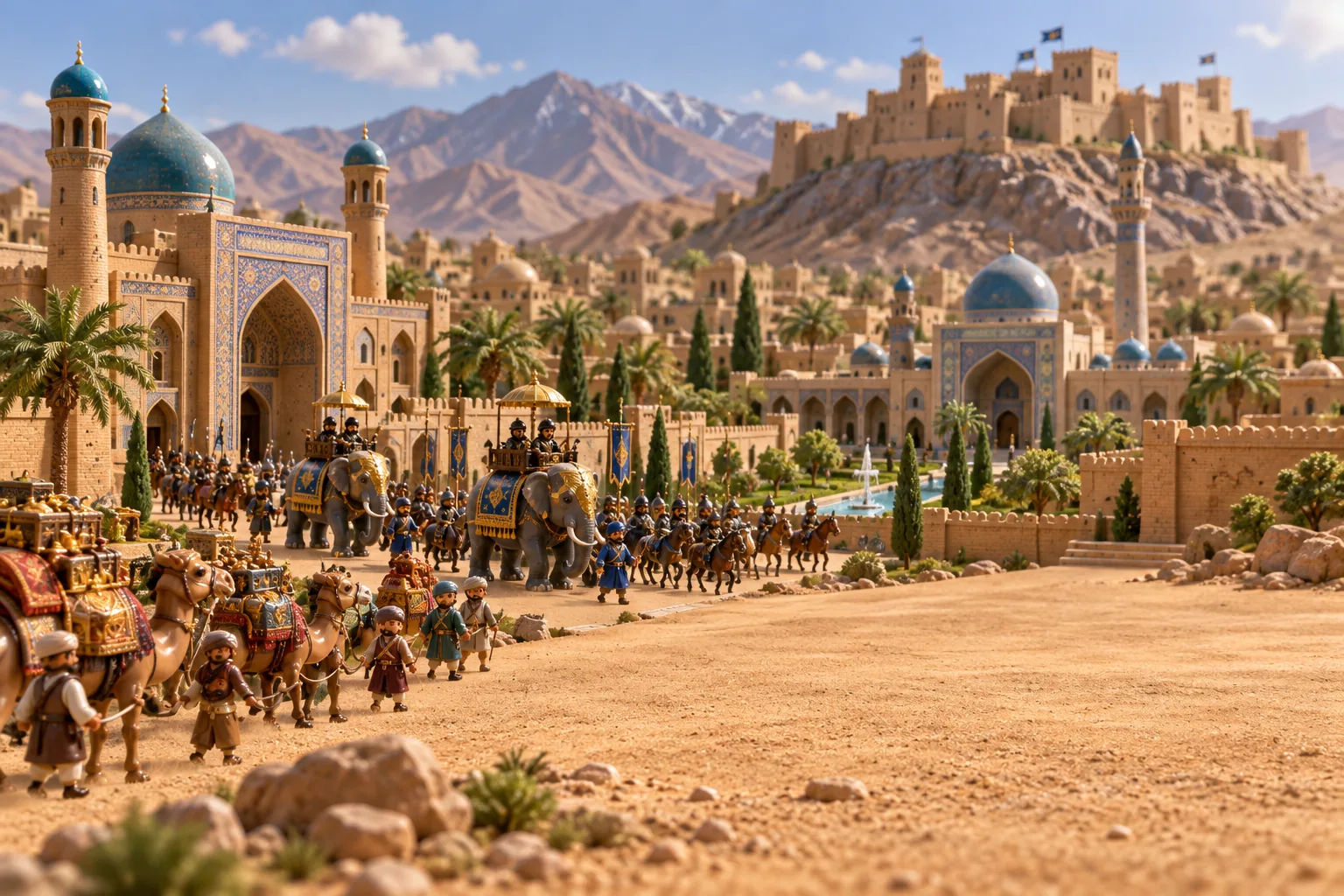 977–1186 · Ghazni, AfghanistanGhaznavid EmpireA dynasty founded by a former Turkic slave soldier filled Ghazni with Indian plunder and with poets and scholars such as Ferdowsi and al-Biruni.
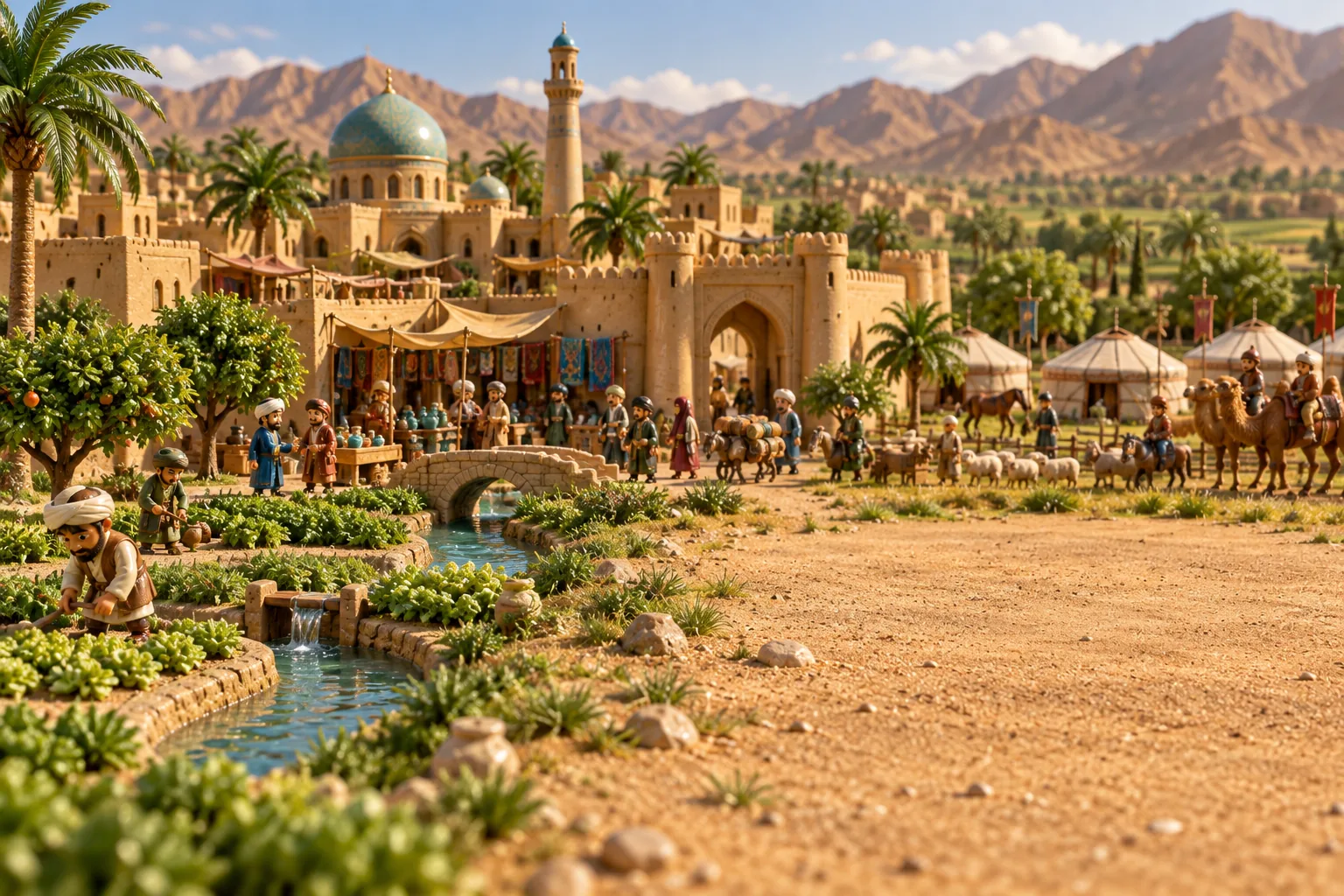 c. 985 – 1308 · Nishapur, IranSeljuk dynastyA Turkic clan chief who refused to pay tribute to unbelievers founded a family that, two generations later, ruled from Khurasan to Baghdad.
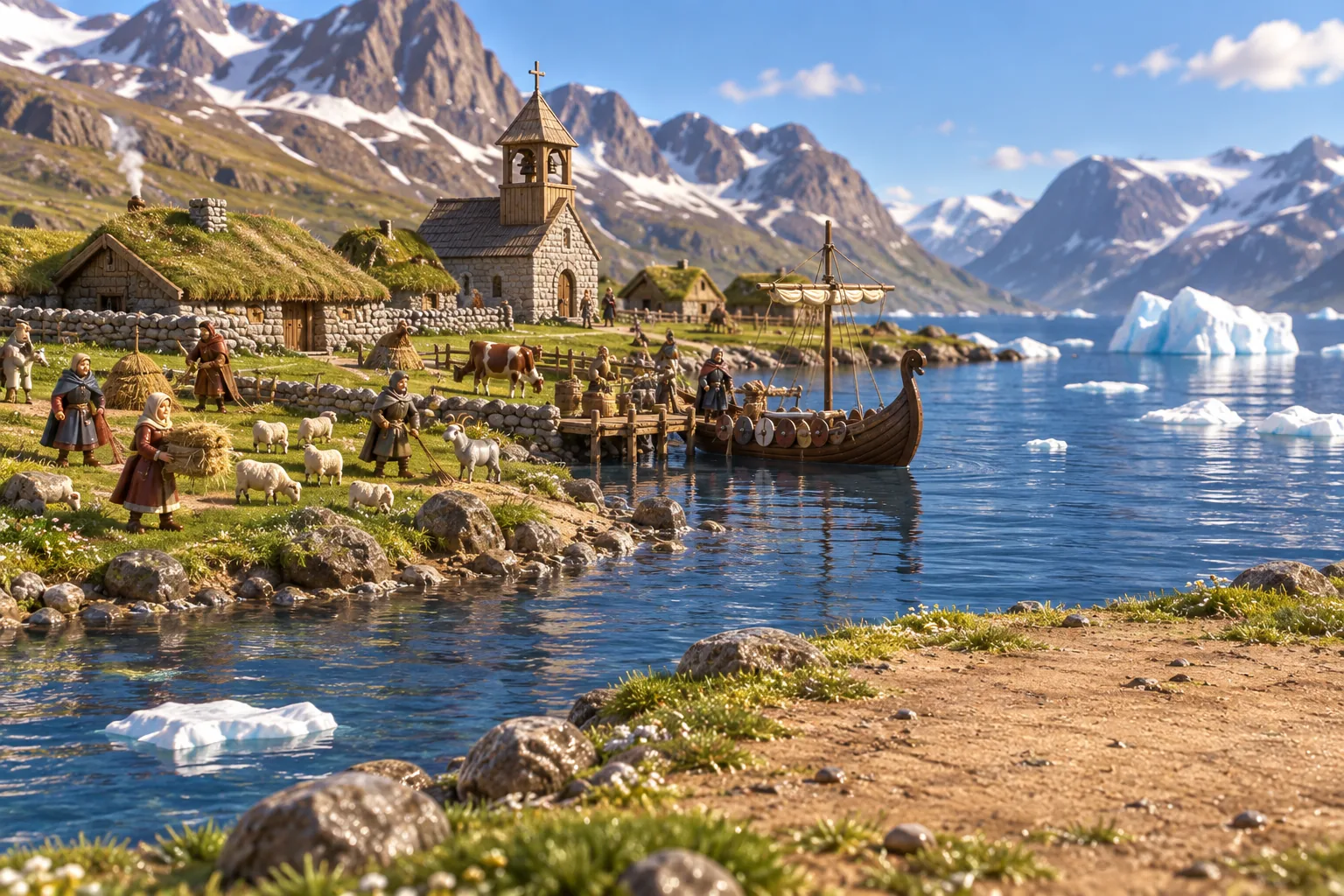 c. 985 – c. 1450 · Eastern Settlement, GreenlandNorse Greenland and VinlandTree rings show Norse settlers cut wood at L'Anse aux Meadows in 1021, nearly five centuries before Columbus.
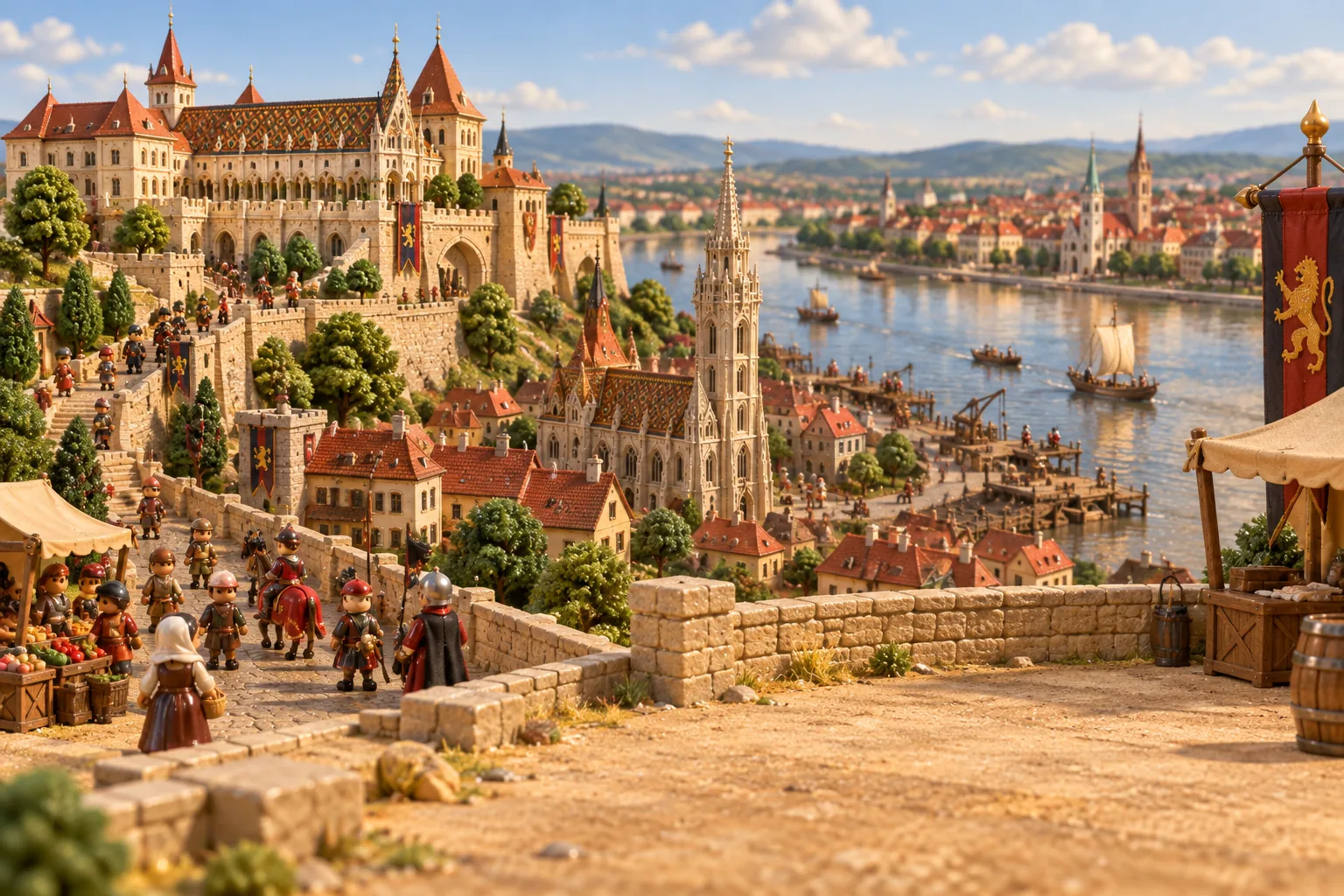 1000–1946 · Buda (Budapest)Kingdom of HungaryIts first king, Stephen, was crowned on Christmas Day 1000, and the medieval kingdom collapsed after an Ottoman army destroyed its own at Mohács in 1526.
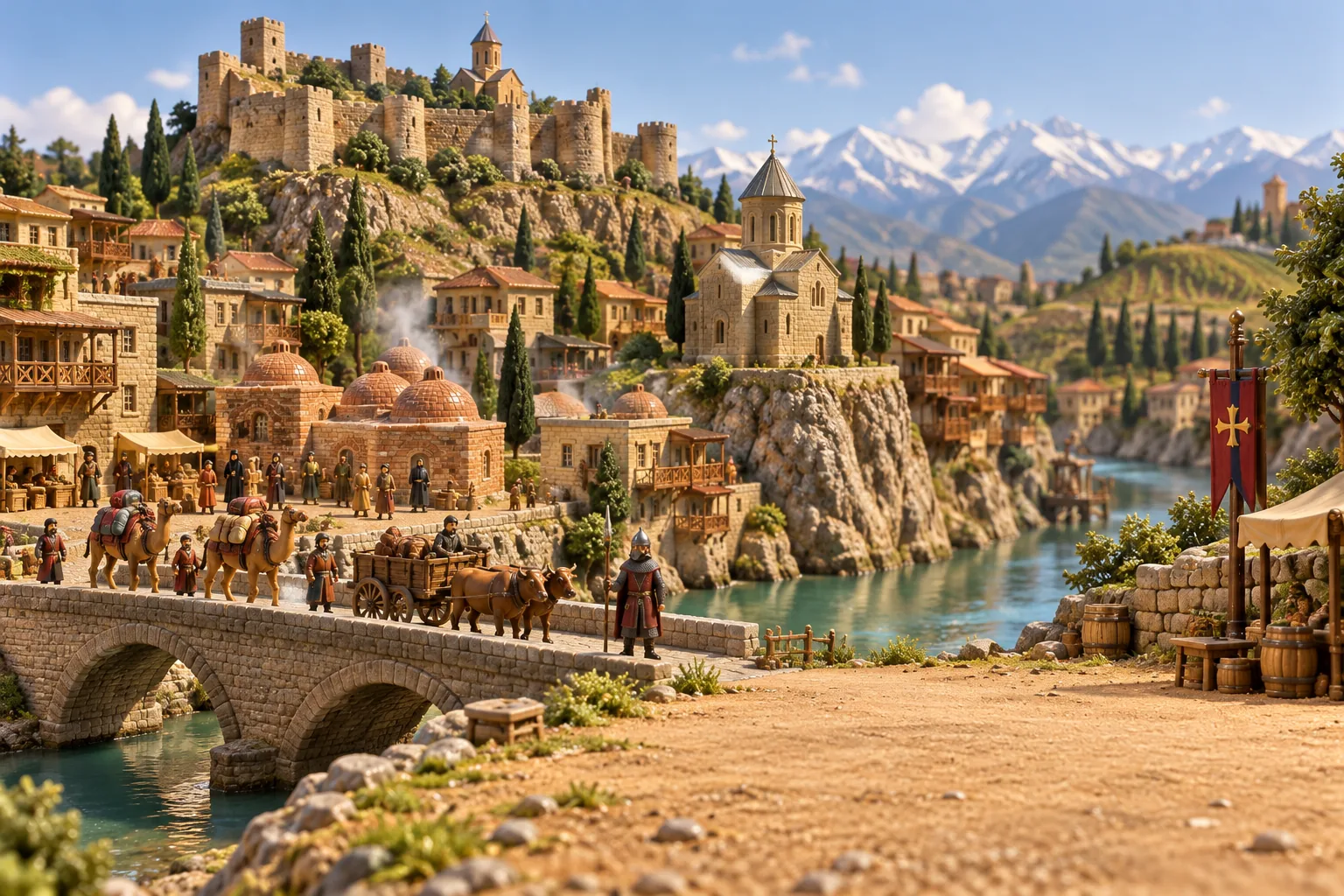 1008–1490 · TbilisiKingdom of GeorgiaA Christian kingdom in the Caucasus smashed a Seljuk holy war at Didgori, and under Queen Tamar its power reached from the Black Sea to Persia.
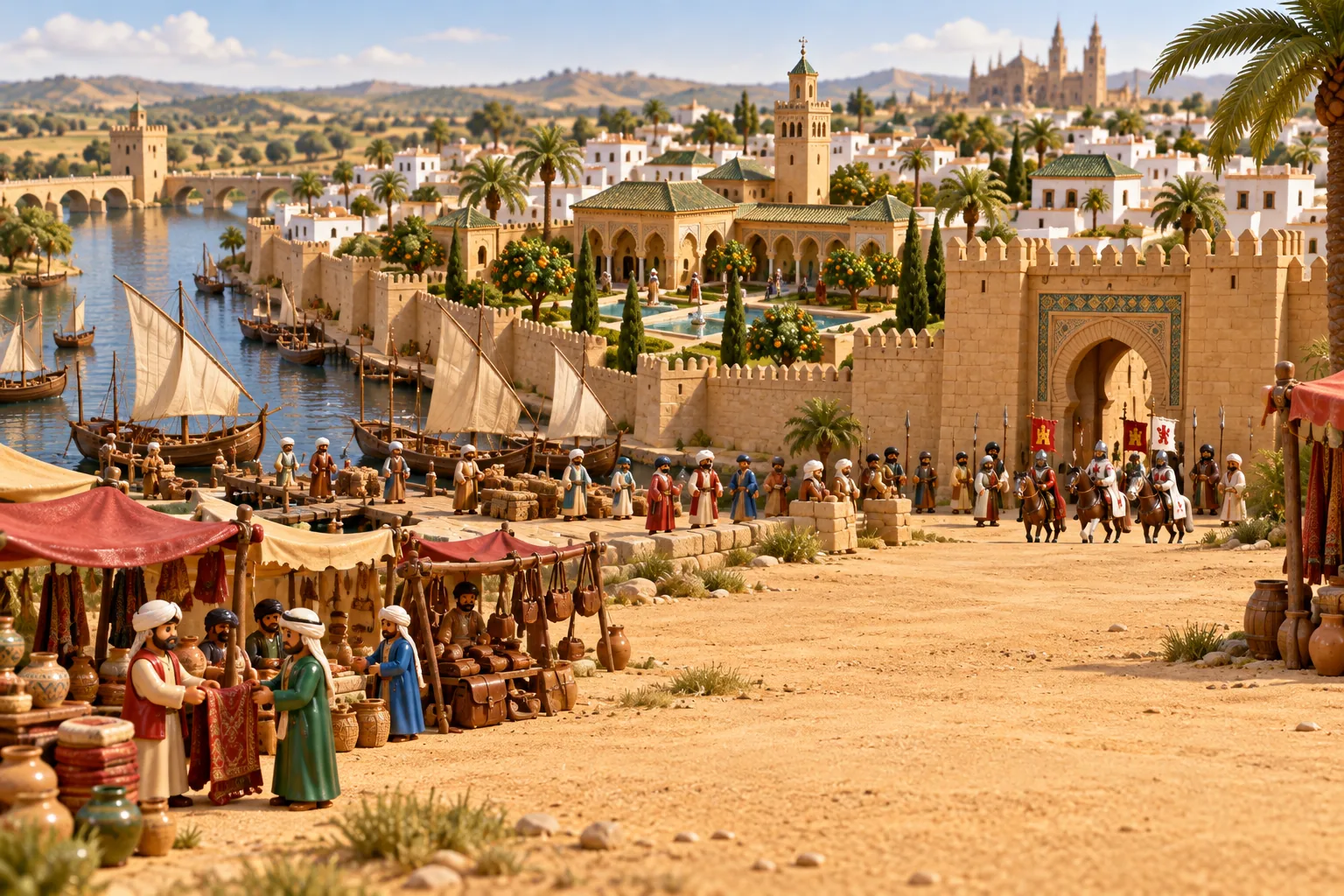 1009 – 1090s · Seville, SpainTaifas of al-AndalusWhen the Caliphate of Córdoba broke apart, dozens of rival Muslim kingdoms competed for poets and paid tribute to Christian kings to survive.
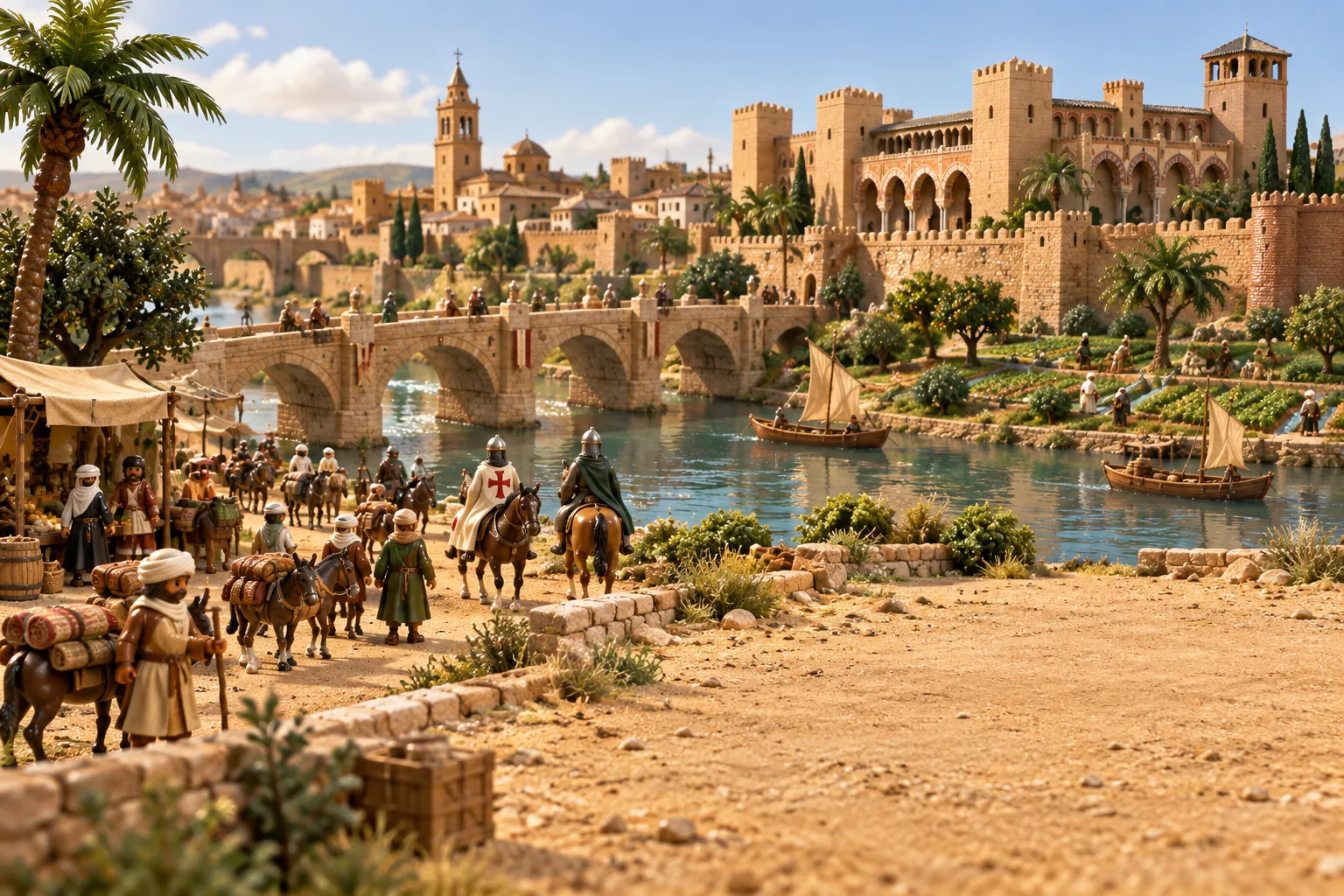 1035–1707 · ZaragozaKingdom of AragonA king who won twenty-nine battles left his realm to three crusading orders, and his nobles pulled his brother out of a monastery instead.
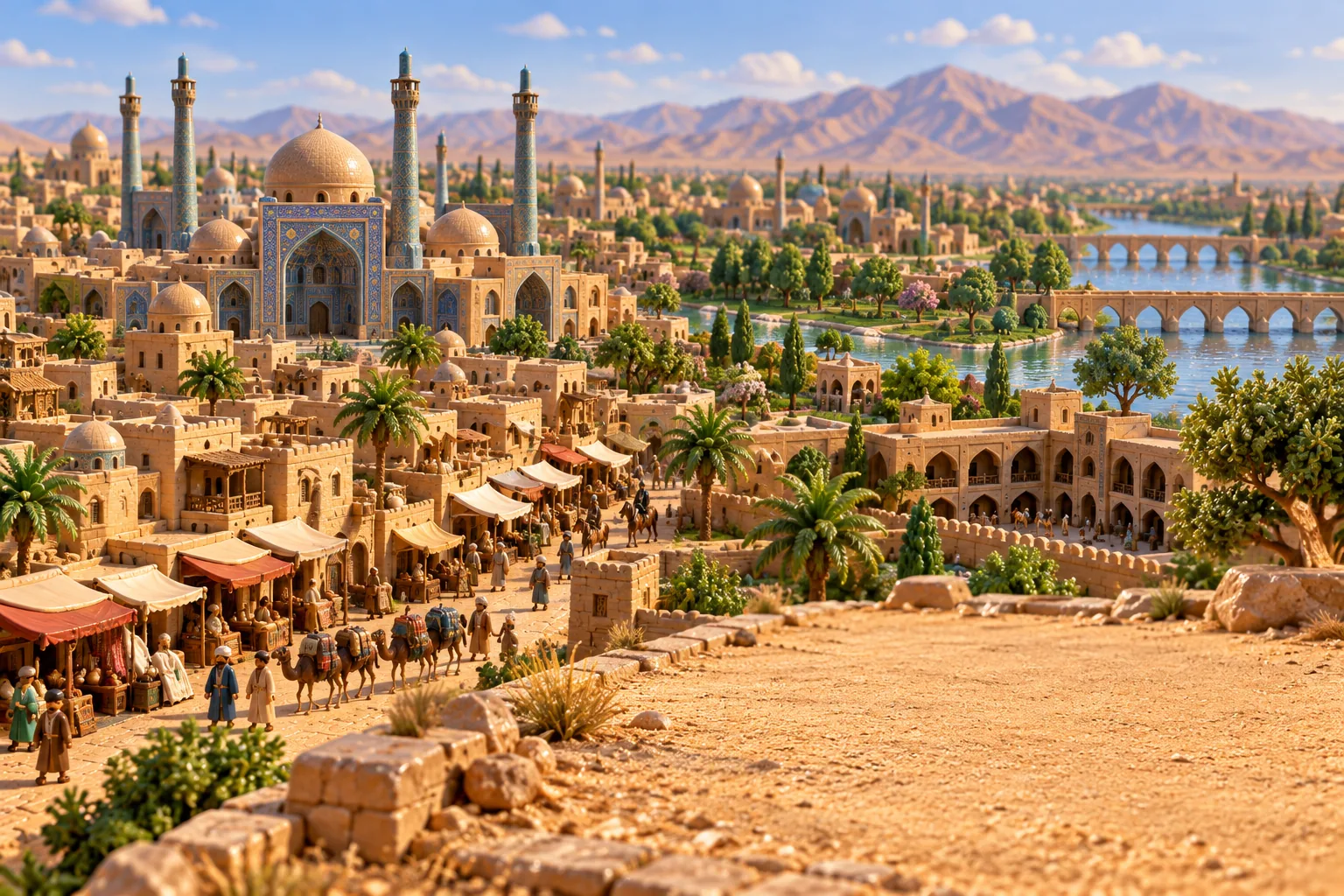 1037–1194 · IsfahanSeljuk EmpireNomad horsemen from the Aral Sea became sultans in Baghdad, and one battle in 1071 opened Anatolia to the Turks.
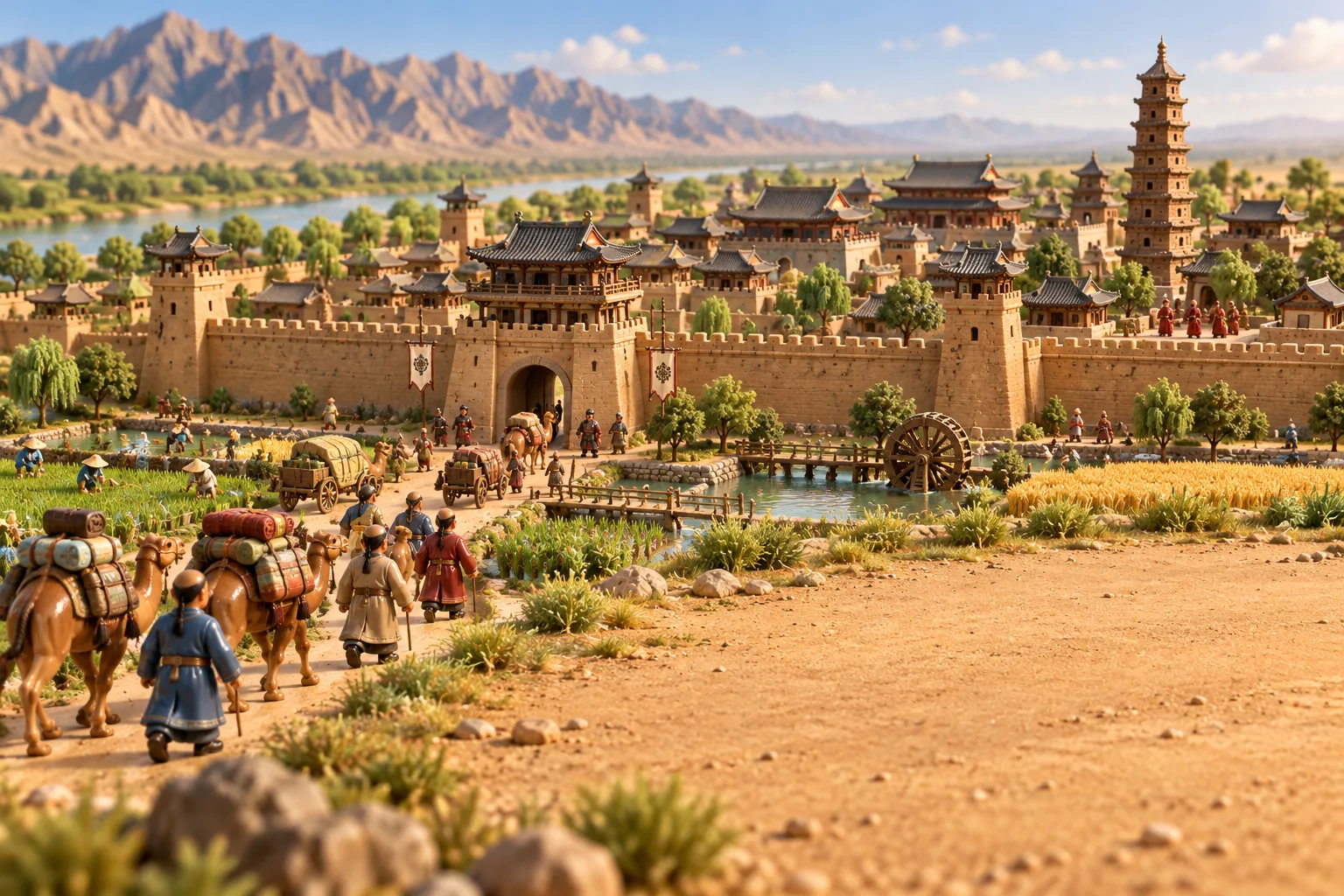 1038–1227 · Xingqing (Yinchuan)Western XiaThe Tanguts wrote in a script of their own, printed books with movable type, and were wiped out in the campaign during which Genghis Khan died.
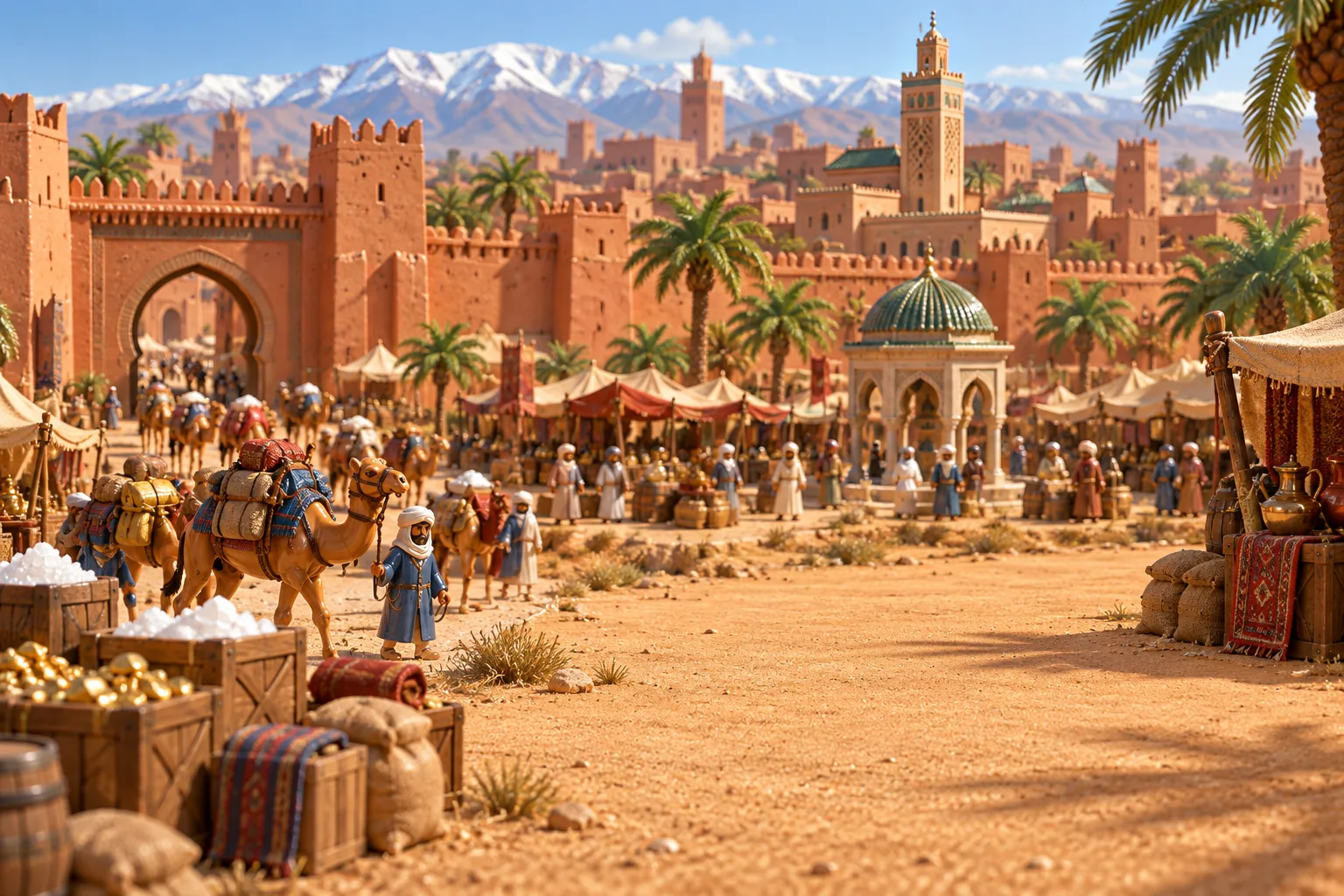 c. 1050 – 1147 · Marrakesh, MoroccoAlmoravid dynastyDesert nomads whose warriors veiled their faces founded Marrakesh around 1070, and sixteen years later they routed the army of Castile at Sagrajas.
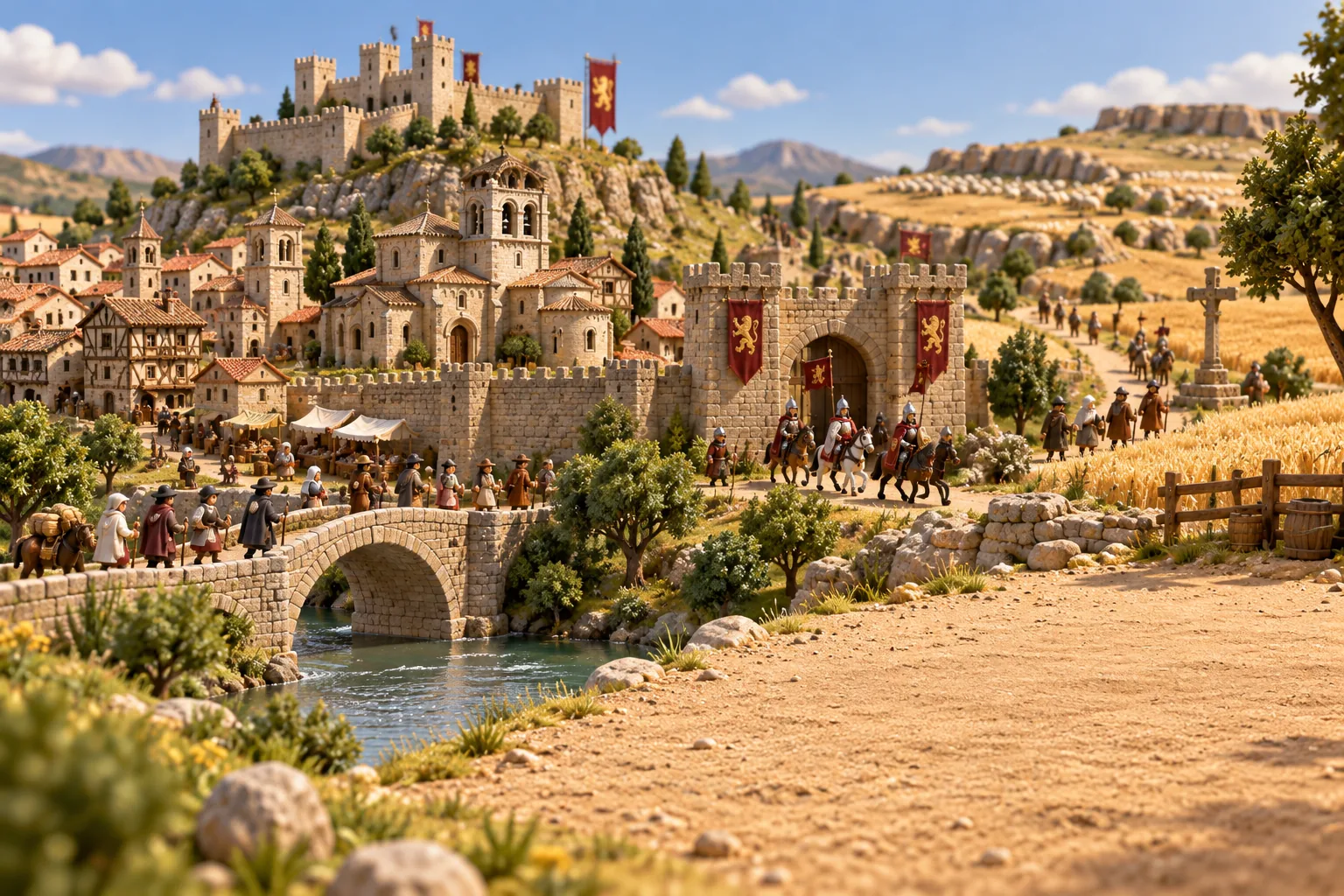 1065–1230 · BurgosKingdom of CastileNamed for its castles, it grew from a frontier county on the edge of al-Andalus into a kingdom that took Toledo in 1085 and gave Spain El Cid.
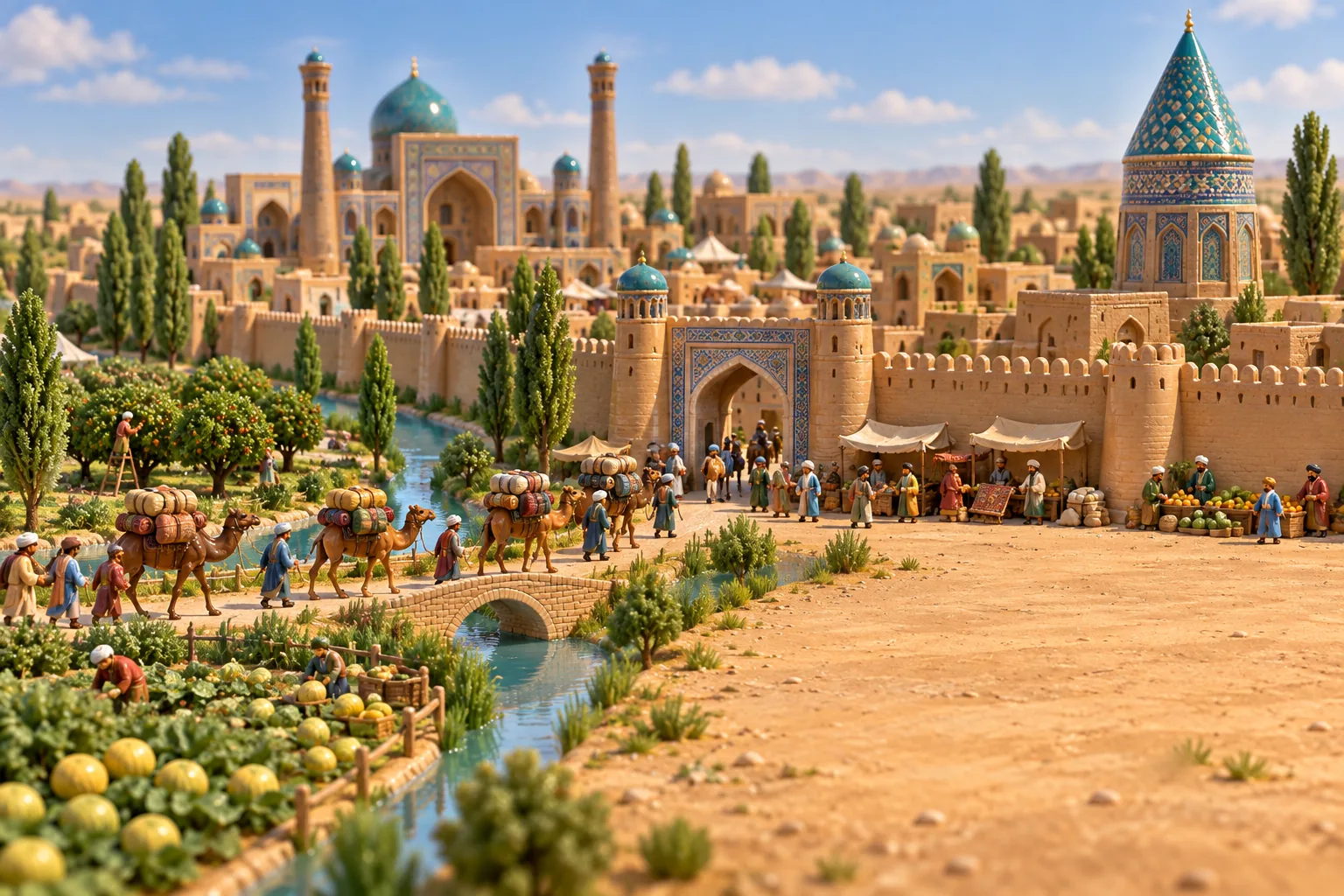 1077–1231 · Gurganj (Kunya-Urgench), TurkmenistanKhwarazmian EmpireWhen a Mongol trade caravan was massacred at Otrar in 1218, Genghis Khan answered by destroying the empire within three years.
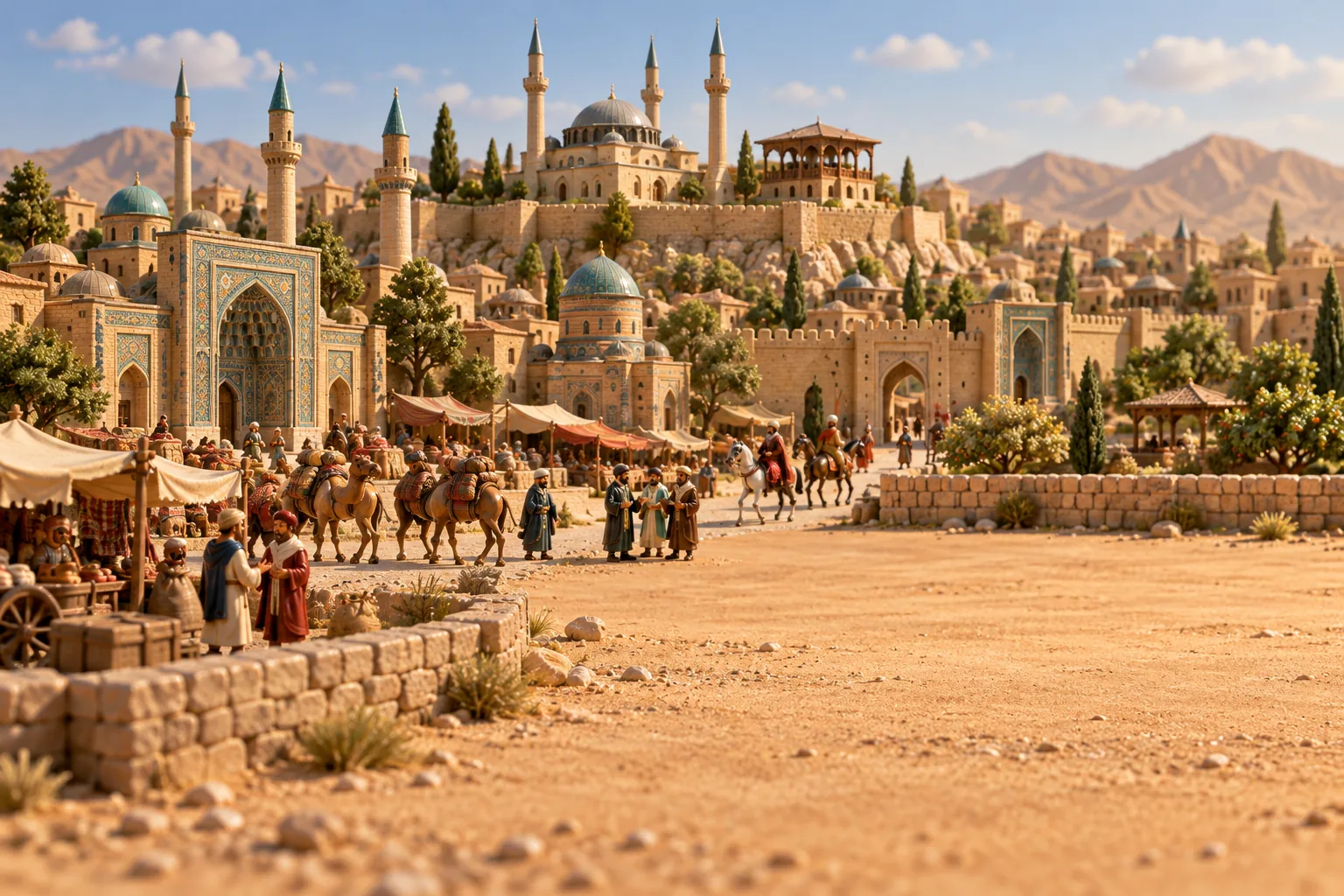 1077–1308 · Konya, TurkeySultanate of RumIts Seljuk sultans ruled from Konya, lined Anatolia's roads with caravanserais, and gave the poet Rumi his name.
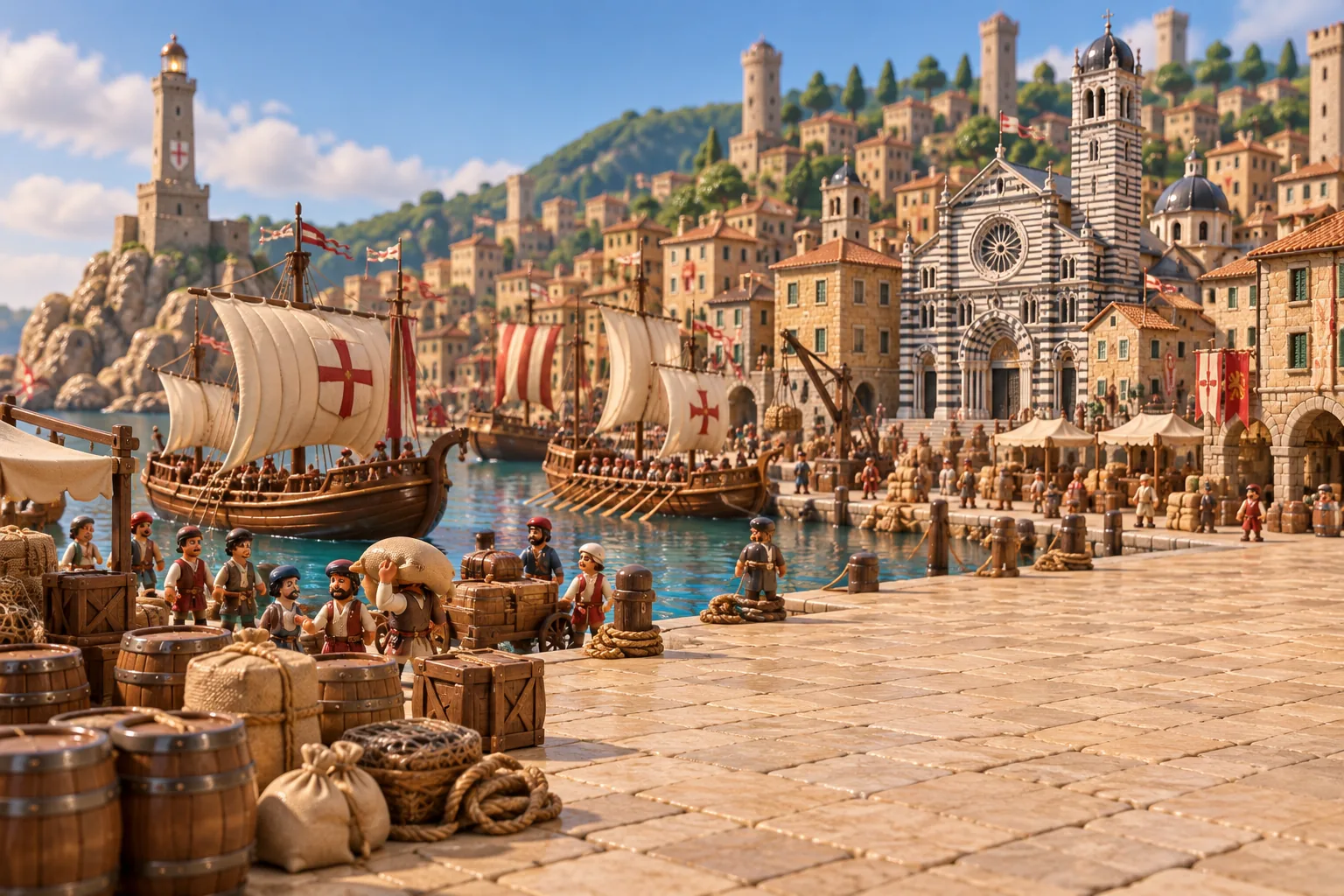 1099–1797 · Genoa, ItalyRepublic of GenoaIts bankers financed Spain's empire, its merchants held colonies from Crimea to Chios, and Columbus was born in its territory.
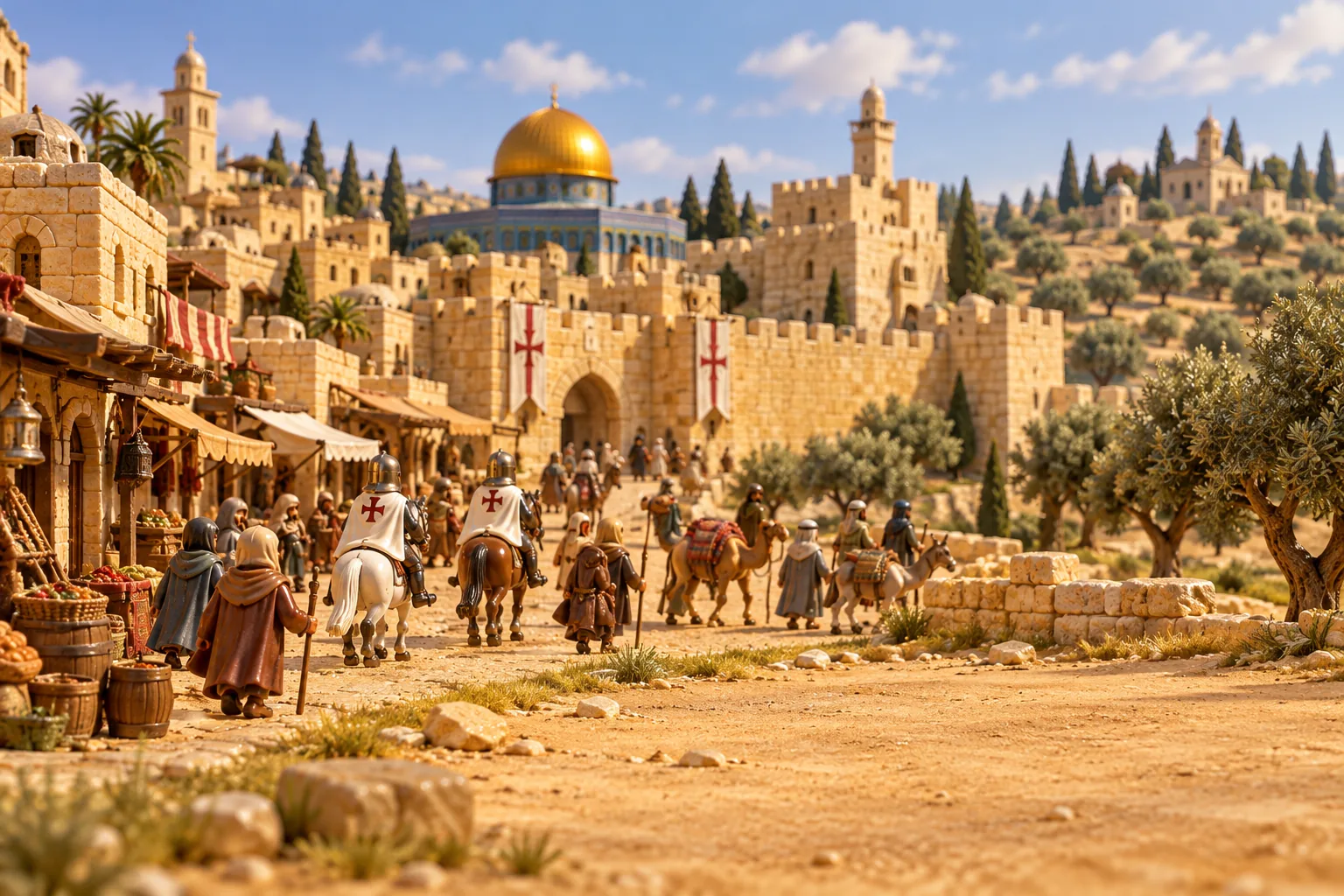 1099–1291 · JerusalemKingdom of JerusalemBorn of the First Crusade in 1099, the kingdom held Jerusalem for 88 years and survived at Acre until 1291.
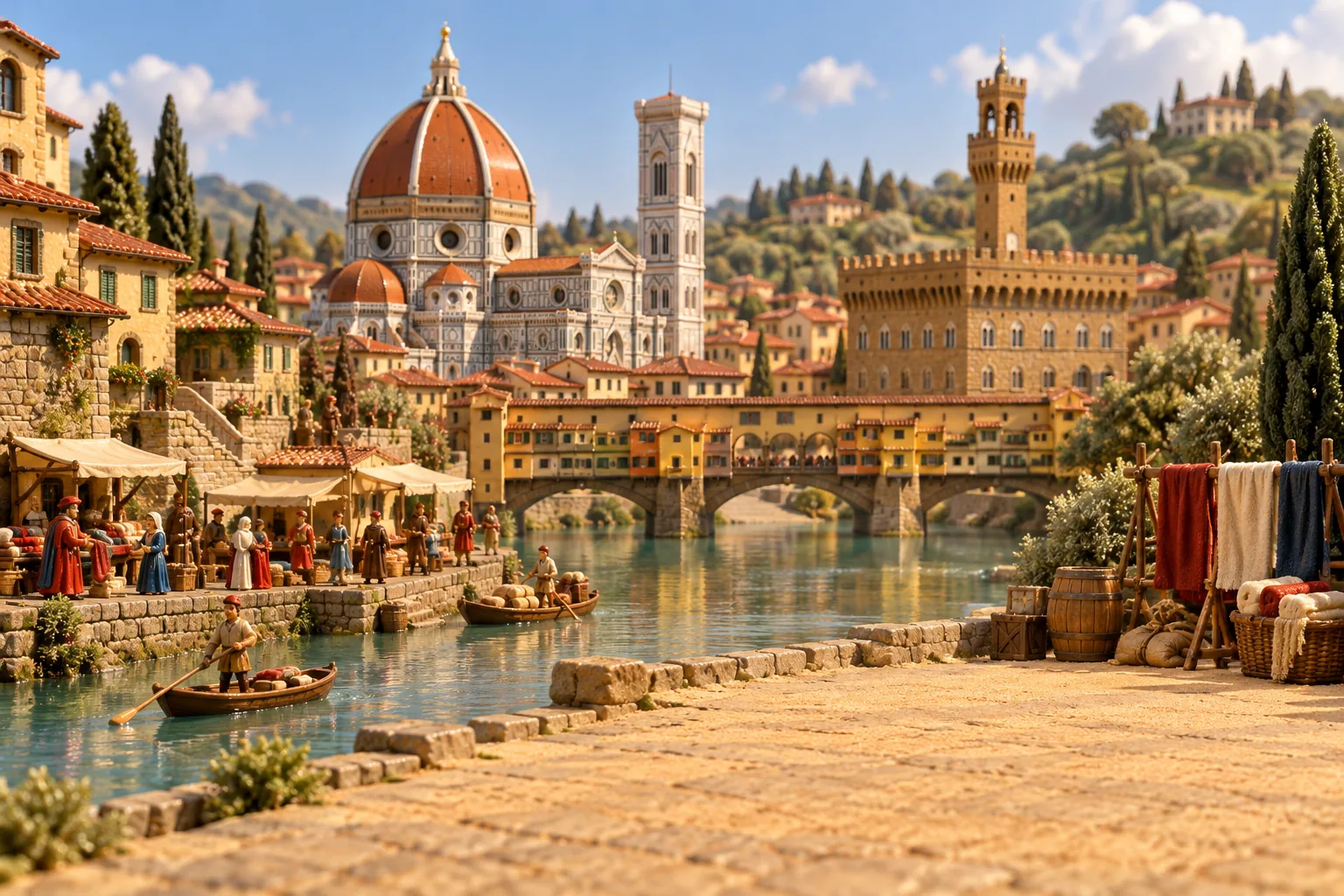 1115–1532 · Florence, ItalyRepublic of FlorenceA city of wool merchants and bankers minted Europe's leading gold coin, raised Brunelleschi's dome and was run for sixty years by a family that held no crown.
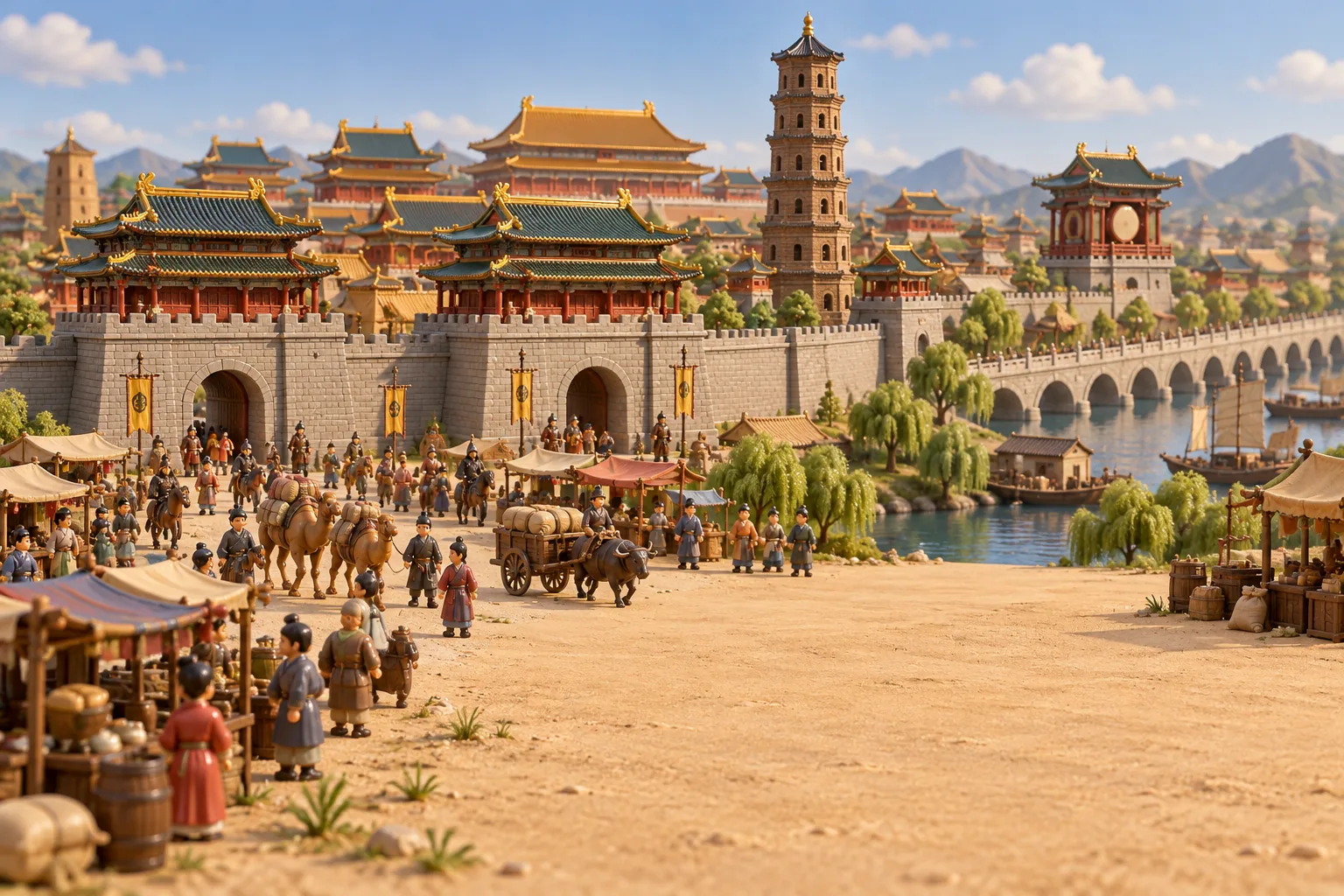 1115–1234 · Zhongdu (Beijing), ChinaJin dynasty (1115–1234)Jurchen horsemen captured the Song capital Kaifeng and two Song emperors in 1127, then fell to the Mongols a century later.
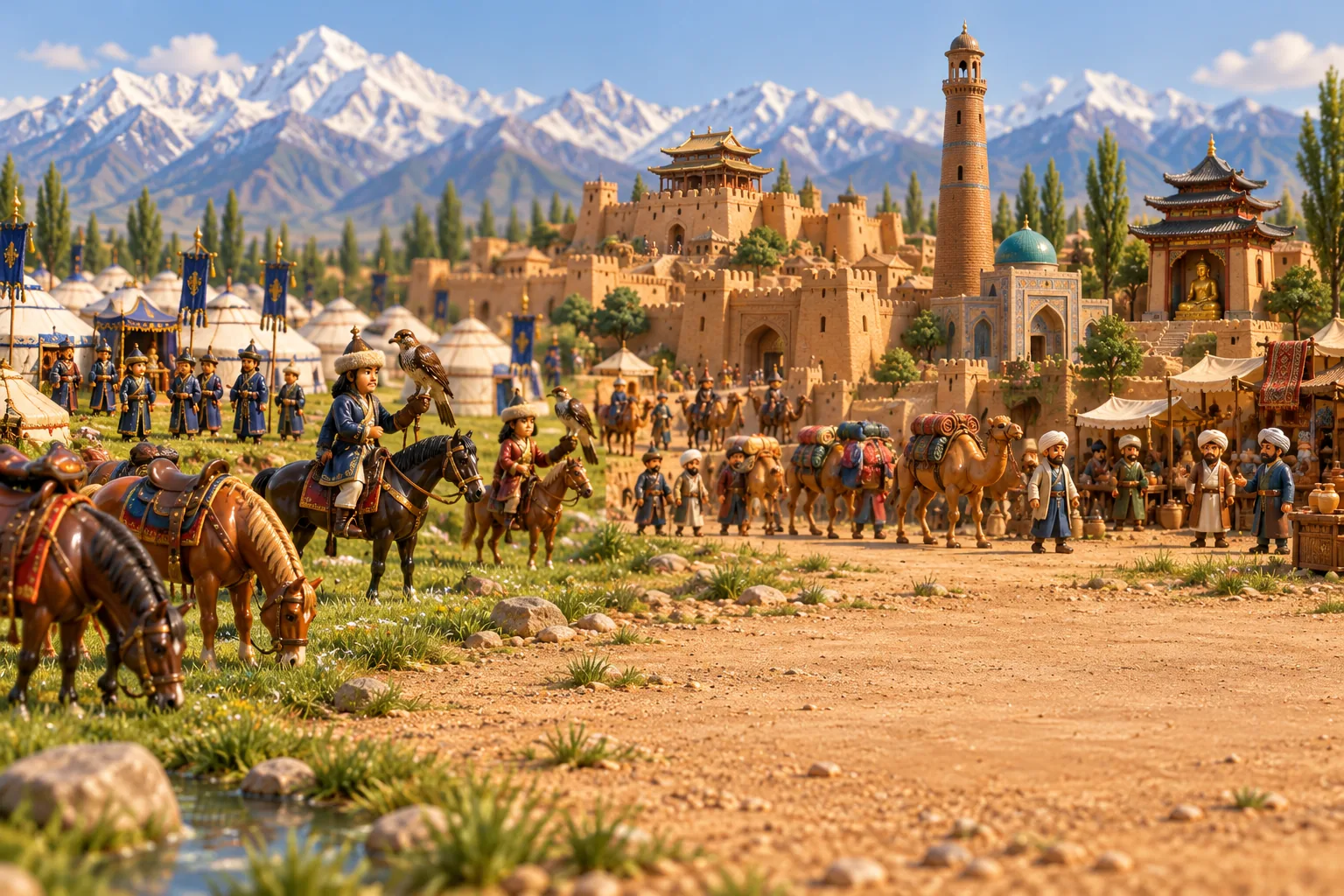 1124–1218 · BalasagunQara KhitaiFleeing northern China, the Khitan prince Yelü Dashi built a new empire in Central Asia and crushed the Seljuk sultan at Qatwan in 1141.
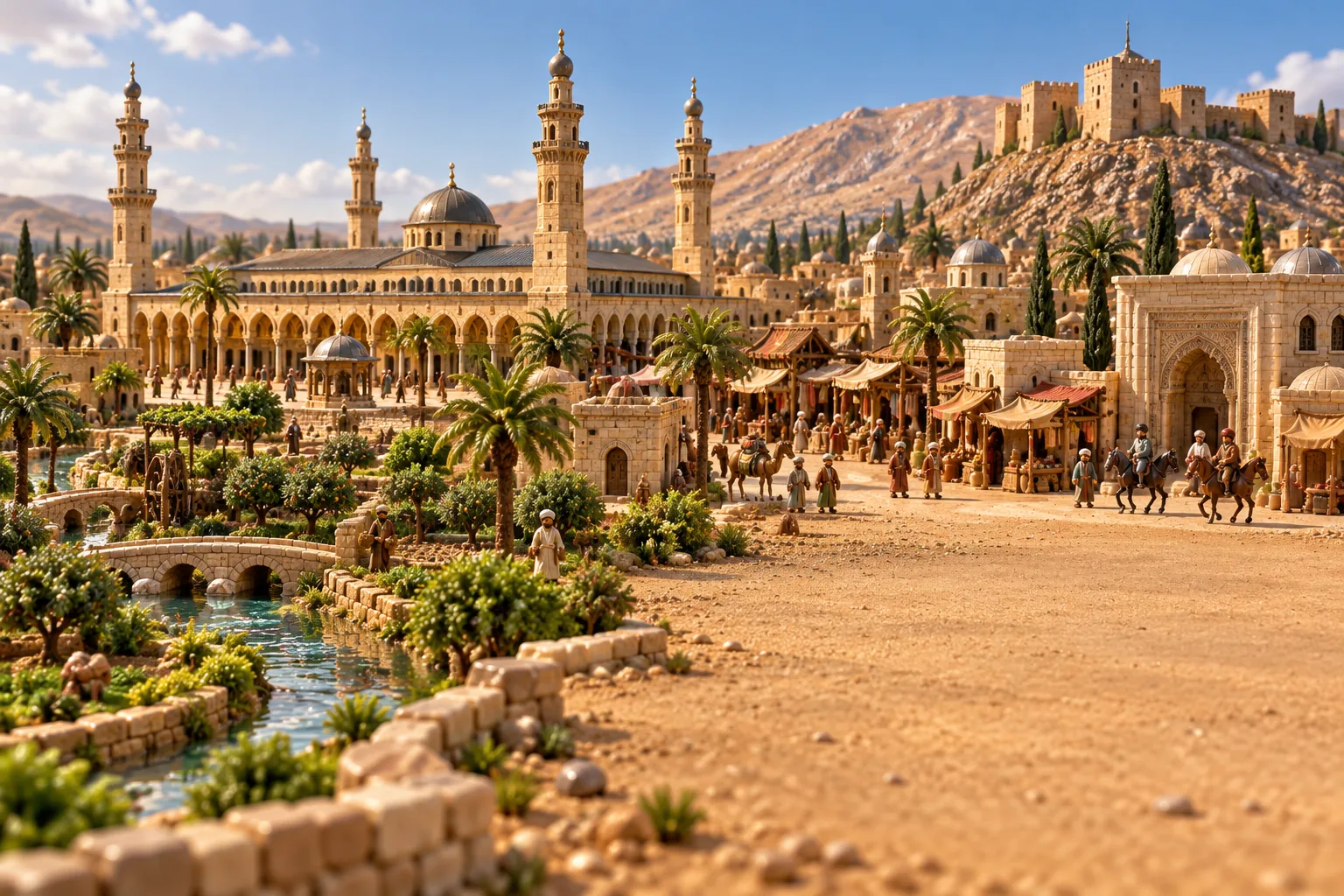 1127–1250 · DamascusZengid dynastyA Turkish governor's capture of a crusader city set off the Second Crusade, and his son's army launched the career of Saladin.
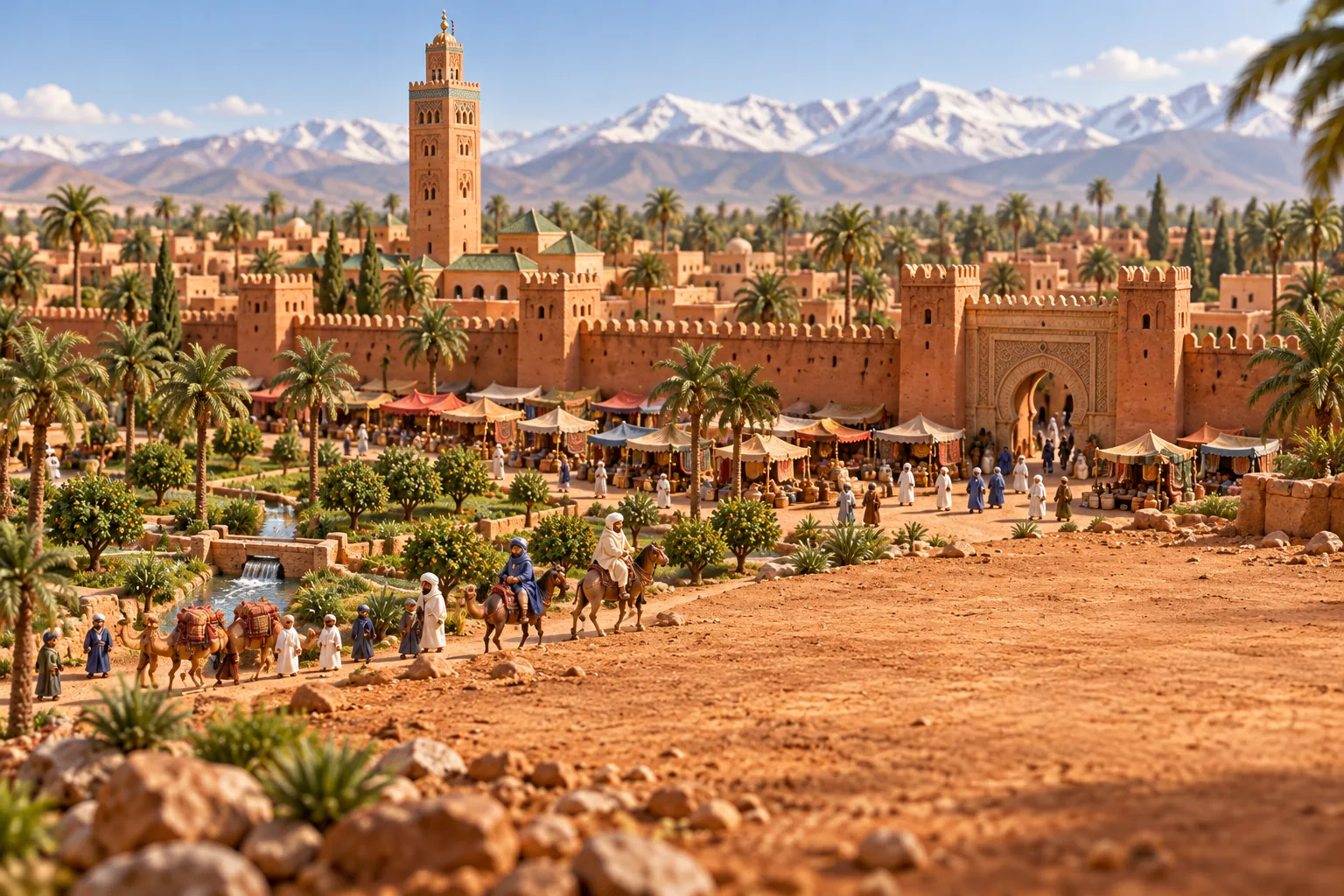 1130–1269 · Marrakesh, MoroccoAlmohad CaliphateIts caliphs built Seville's Giralda and Marrakesh's Kutubiyya, then lost Spain after defeat at Las Navas de Tolosa in 1212.
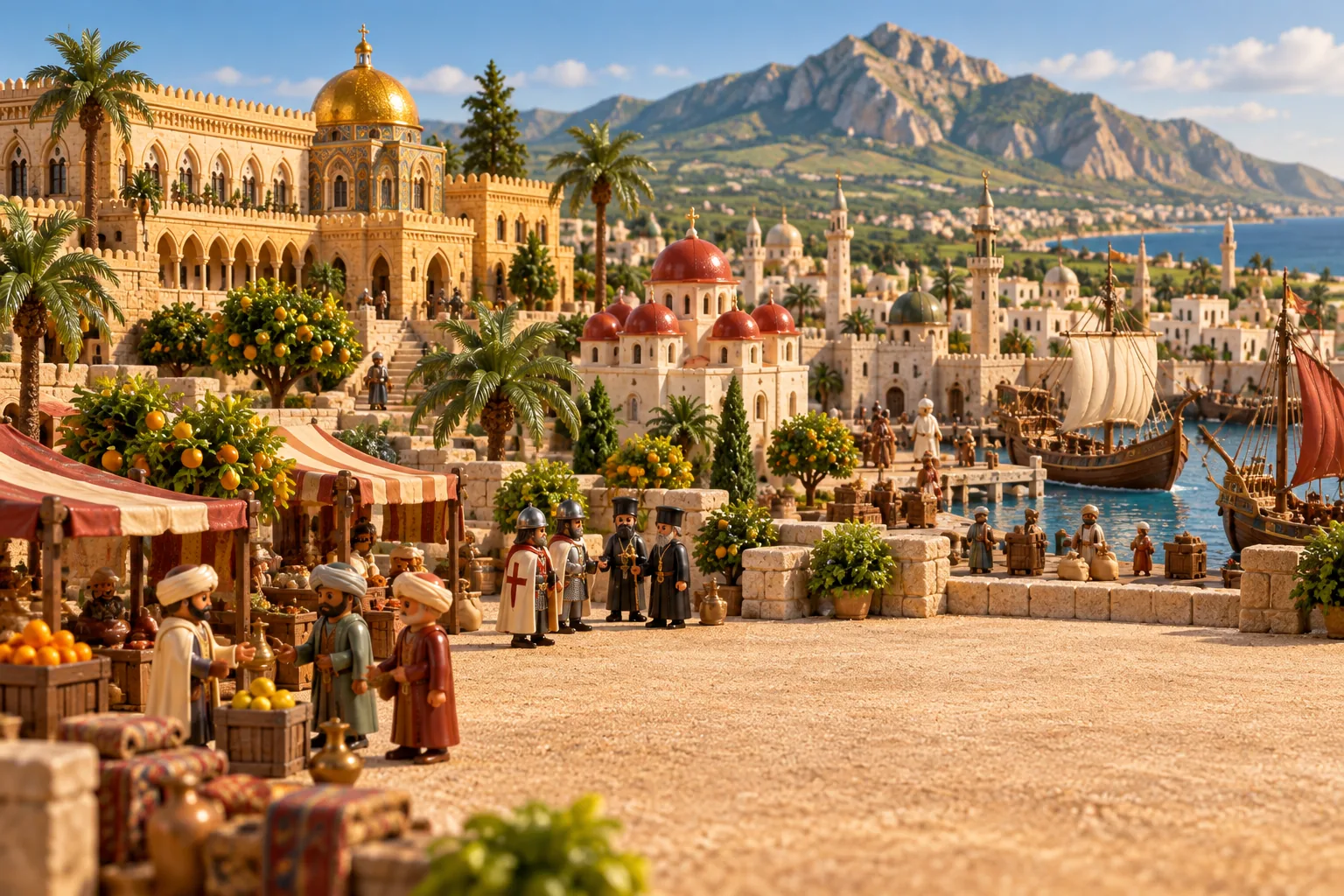 1130–1816 · PalermoKingdom of SicilyDescendants of Vikings made Sicily a kingdom, and their court in Palermo ran on Latin, Greek and Arabic at once.
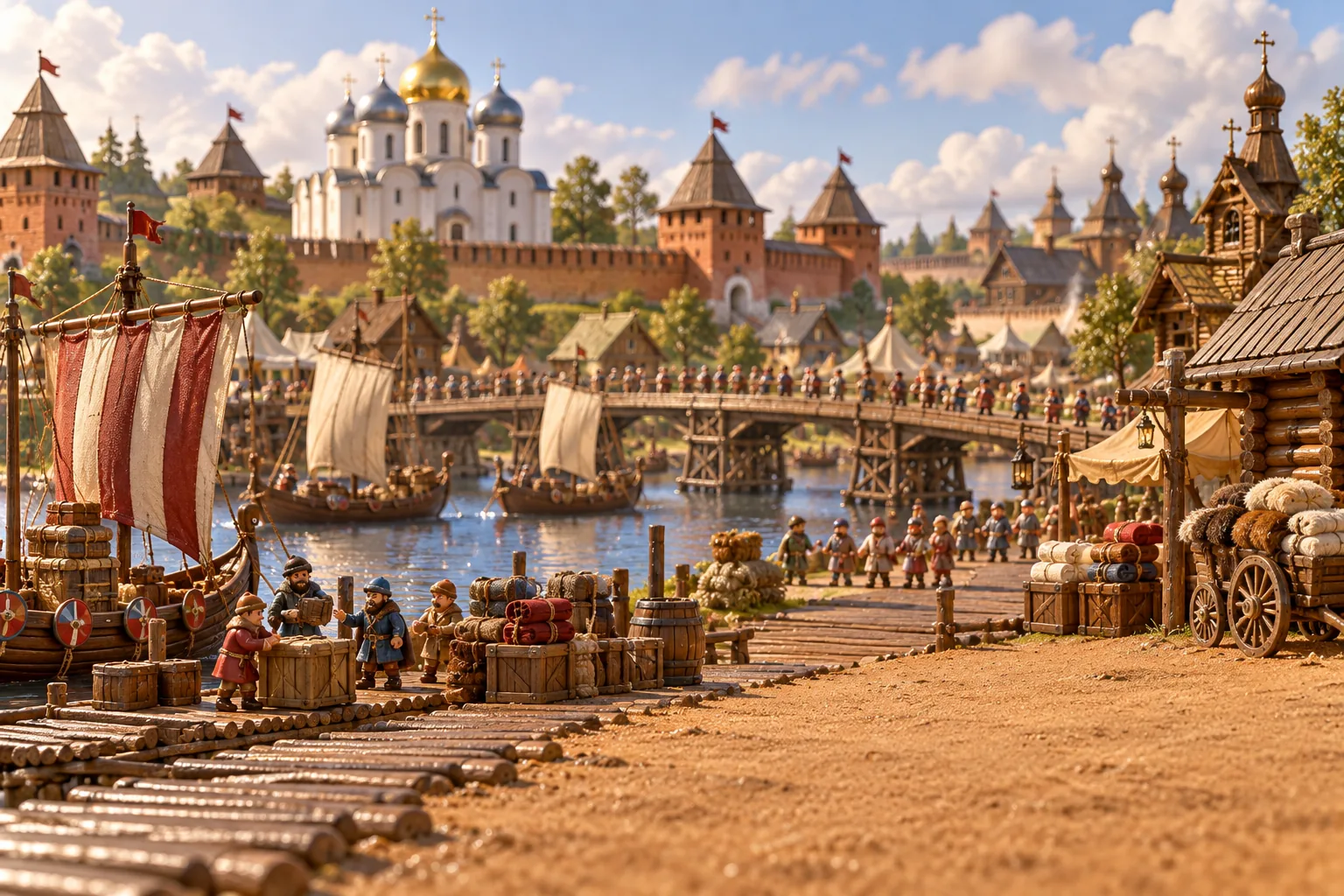 1136–1478 · Veliky NovgorodNovgorod RepublicIts citizens ruled through a public assembly and wrote everyday notes on birch bark, and more than a thousand of them have been dug up since the 1950s.
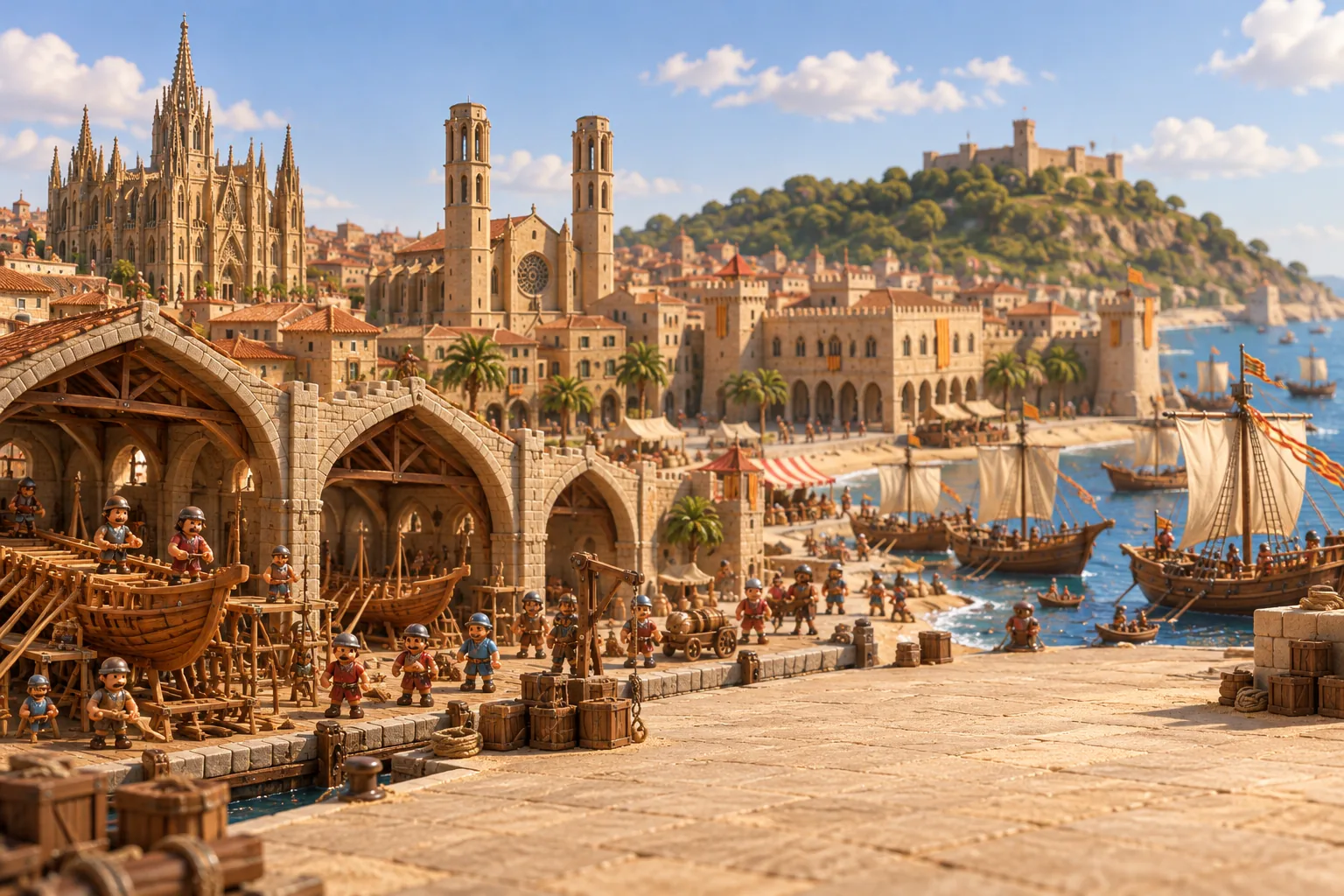 1137–1716 · Barcelona, SpainCrown of AragonA union of Aragon and Catalonia that later took Sicily, Sardinia and Naples, it made Barcelona a Mediterranean sea power.
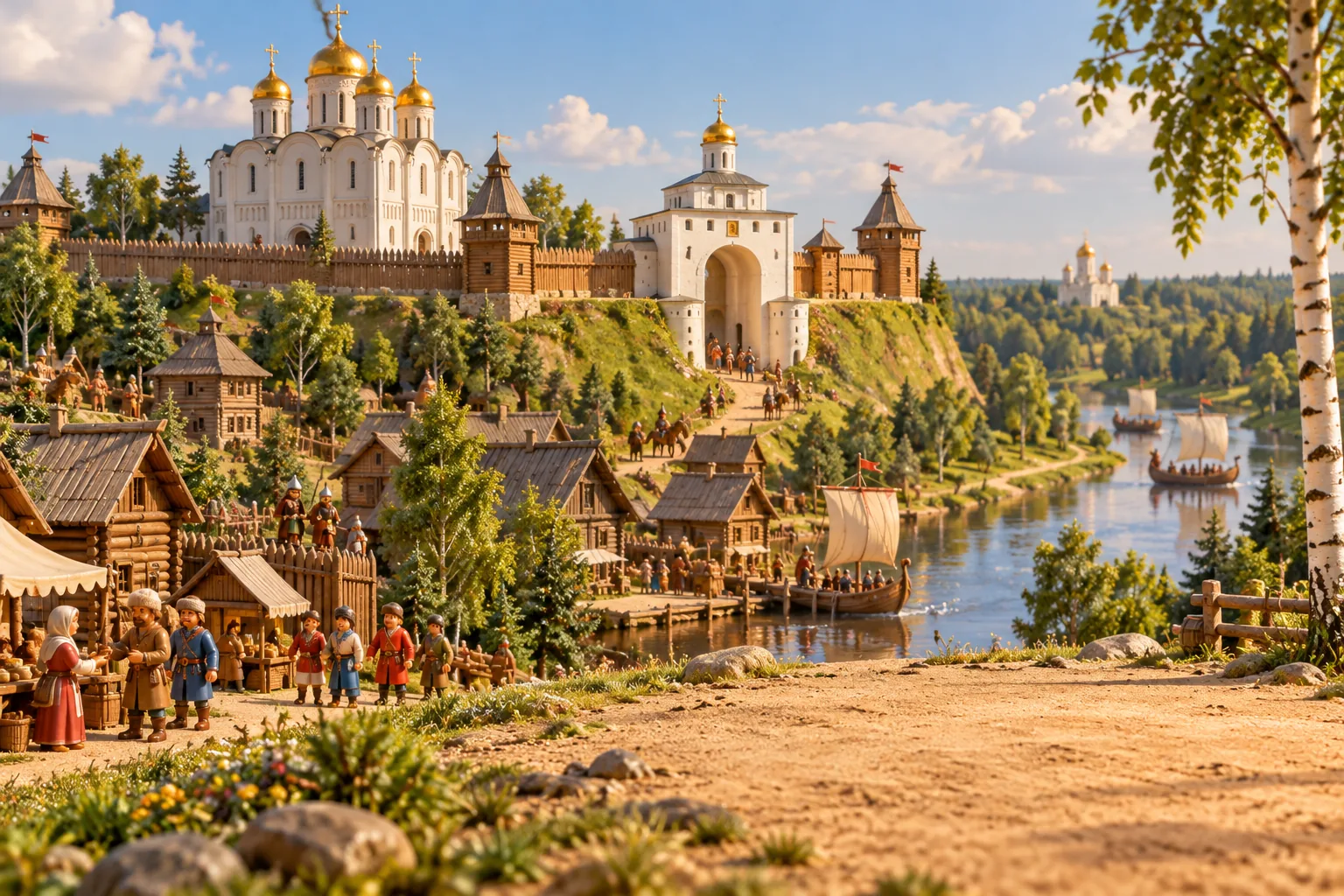 1157–1389 · VladimirGrand Principality of VladimirIn the forests north-east of Kiev a line of princes built cathedrals of white stone, and whoever held their throne ranked first among the princes of Rus'.
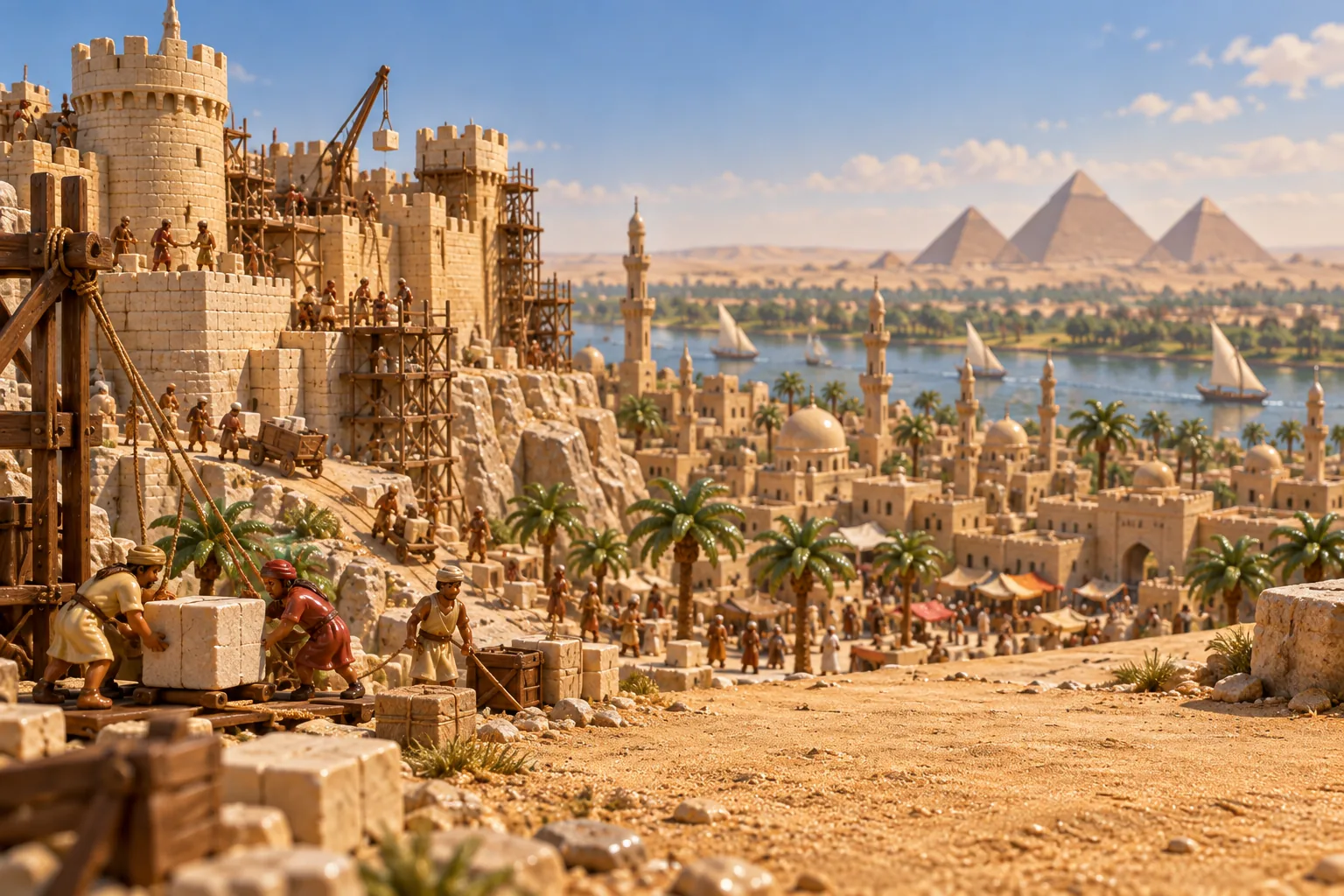 1171–1260 · CairoAyyubid dynastyFounded by Saladin, it took Jerusalem back from the Crusaders in 1187 and fell when its own Mamluk slave soldiers seized power.
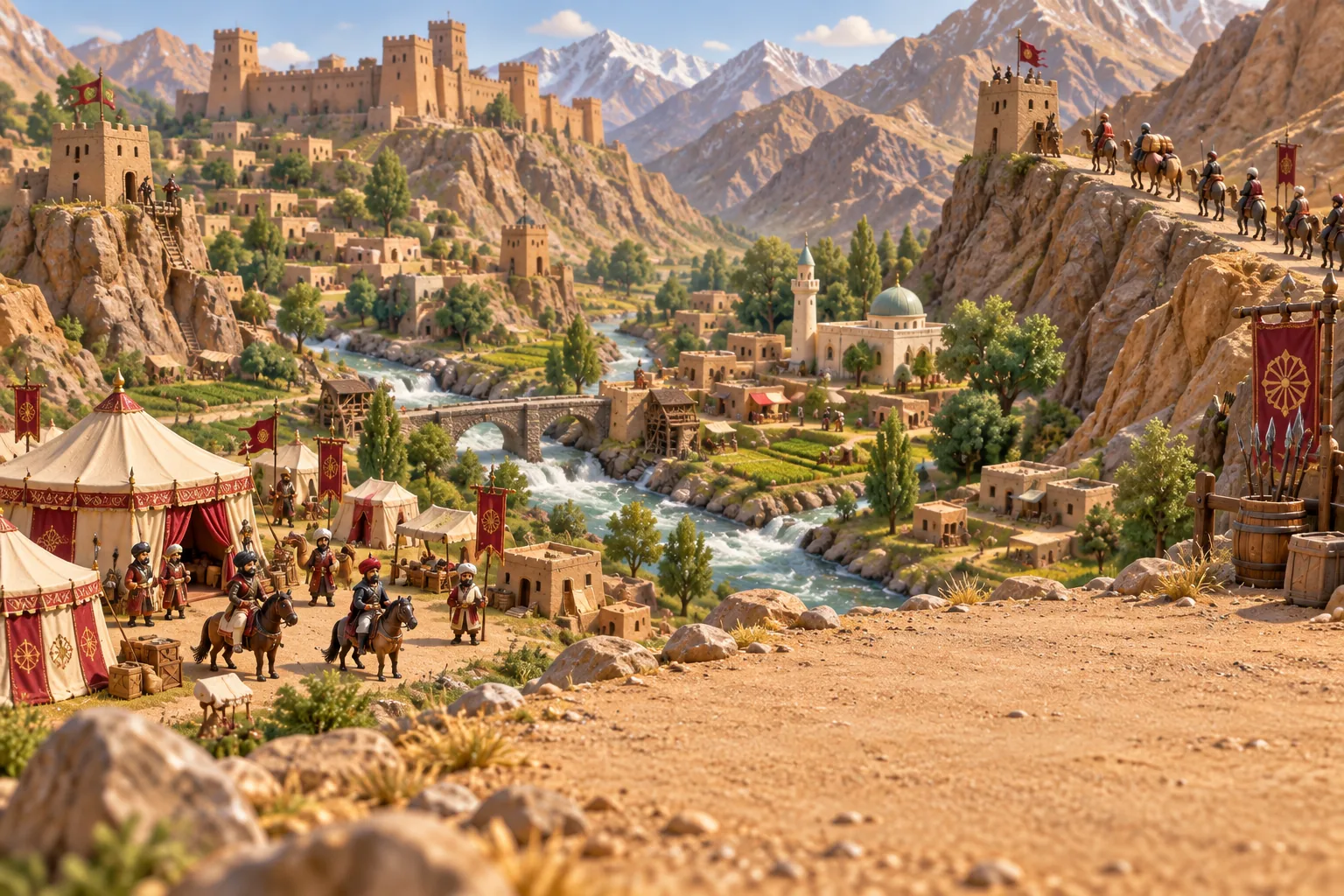 1175–1215 · Firozkoh (Jam), GhorGhurid dynastyFrom a remote valley in central Afghanistan the Ghurids raised the Minaret of Jam and conquered northern India as far as Bengal.
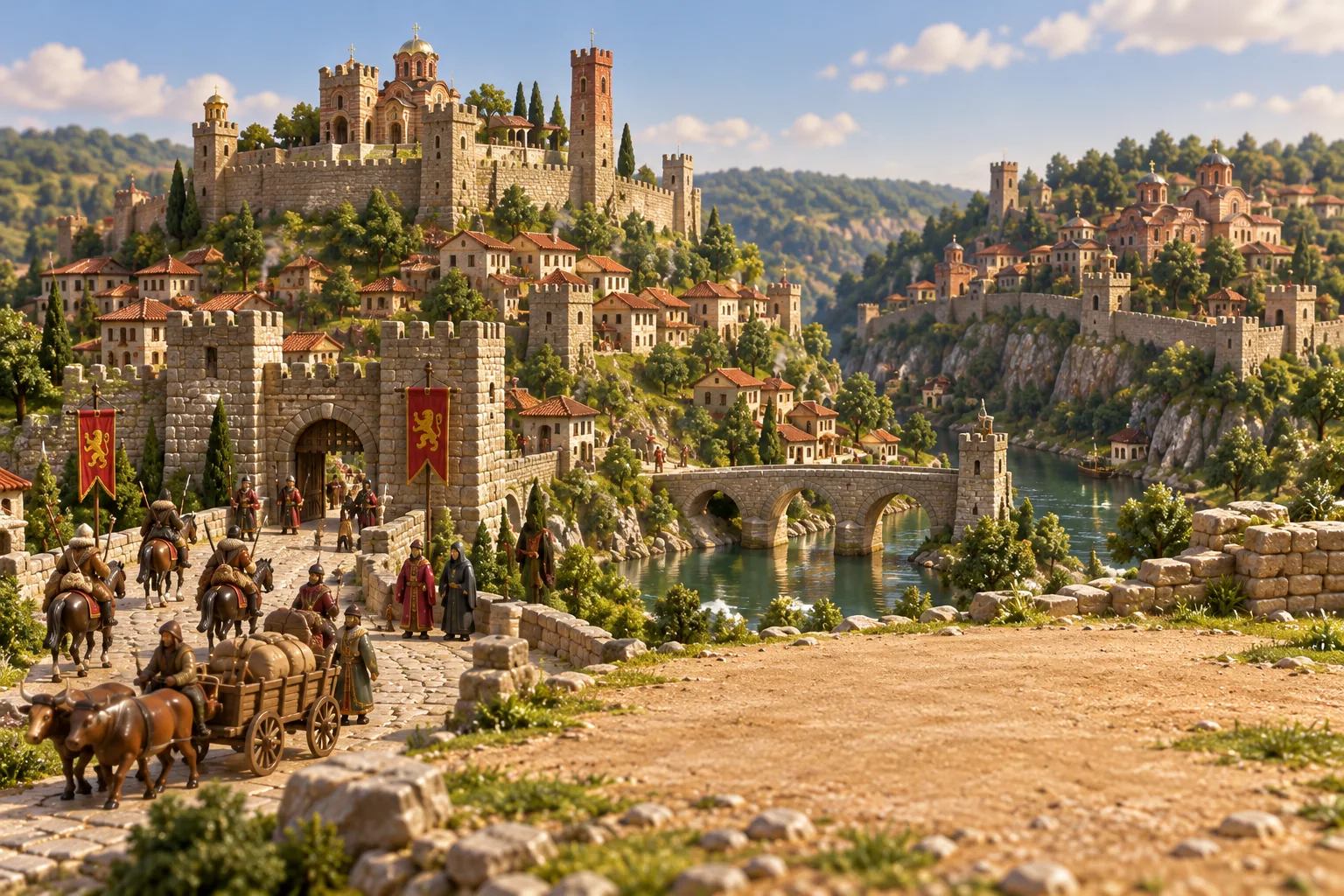 1185–1396 · Veliko TarnovoSecond Bulgarian EmpireA slap in the face at the Byzantine court started a revolt, and twenty years later the Bulgarians captured the Latin emperor of Constantinople.
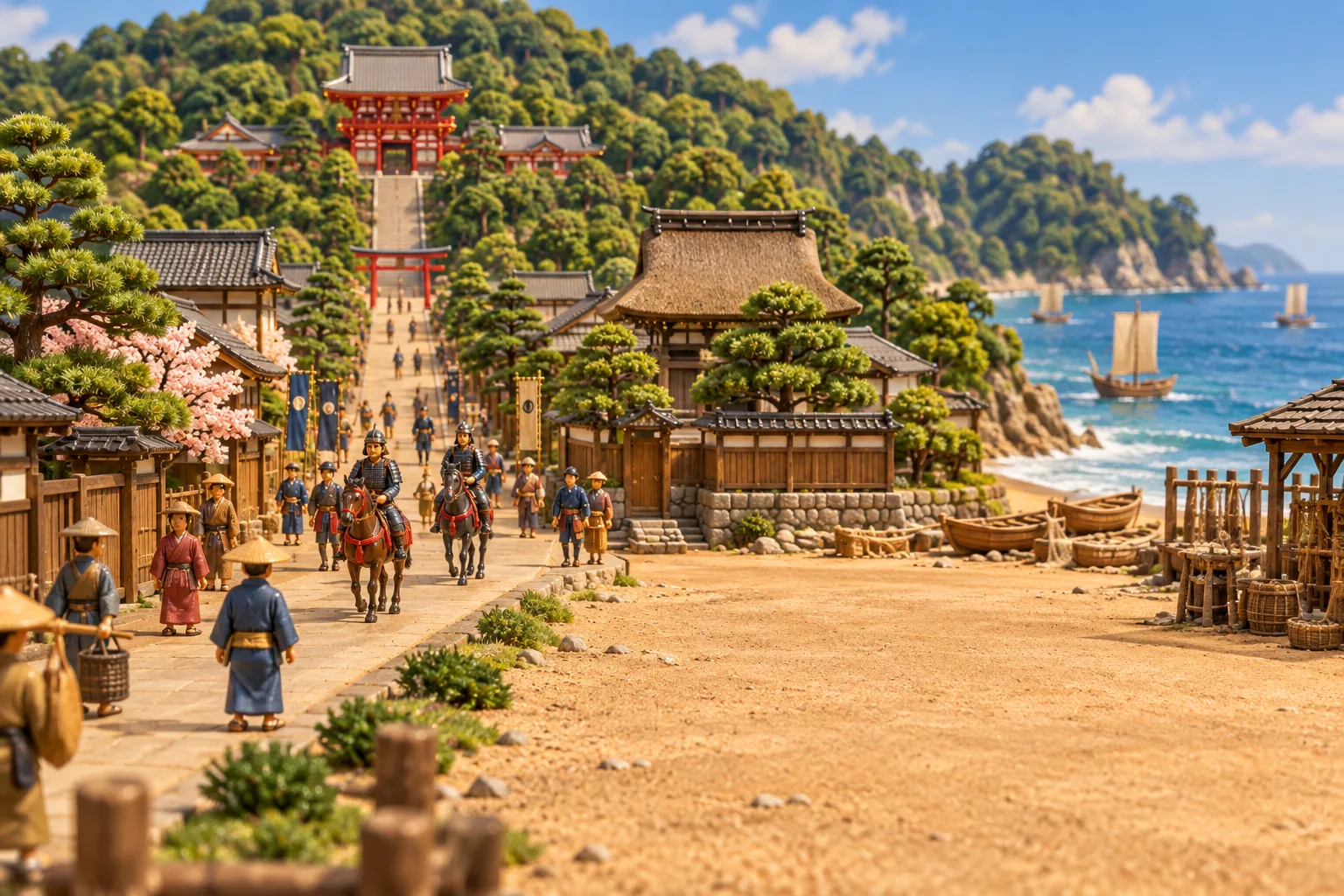 1185–1333 · Kamakura, JapanKamakura shogunateJapan's first warrior government turned back two Mongol invasions, then went broke because it had no spoils to reward its samurai.
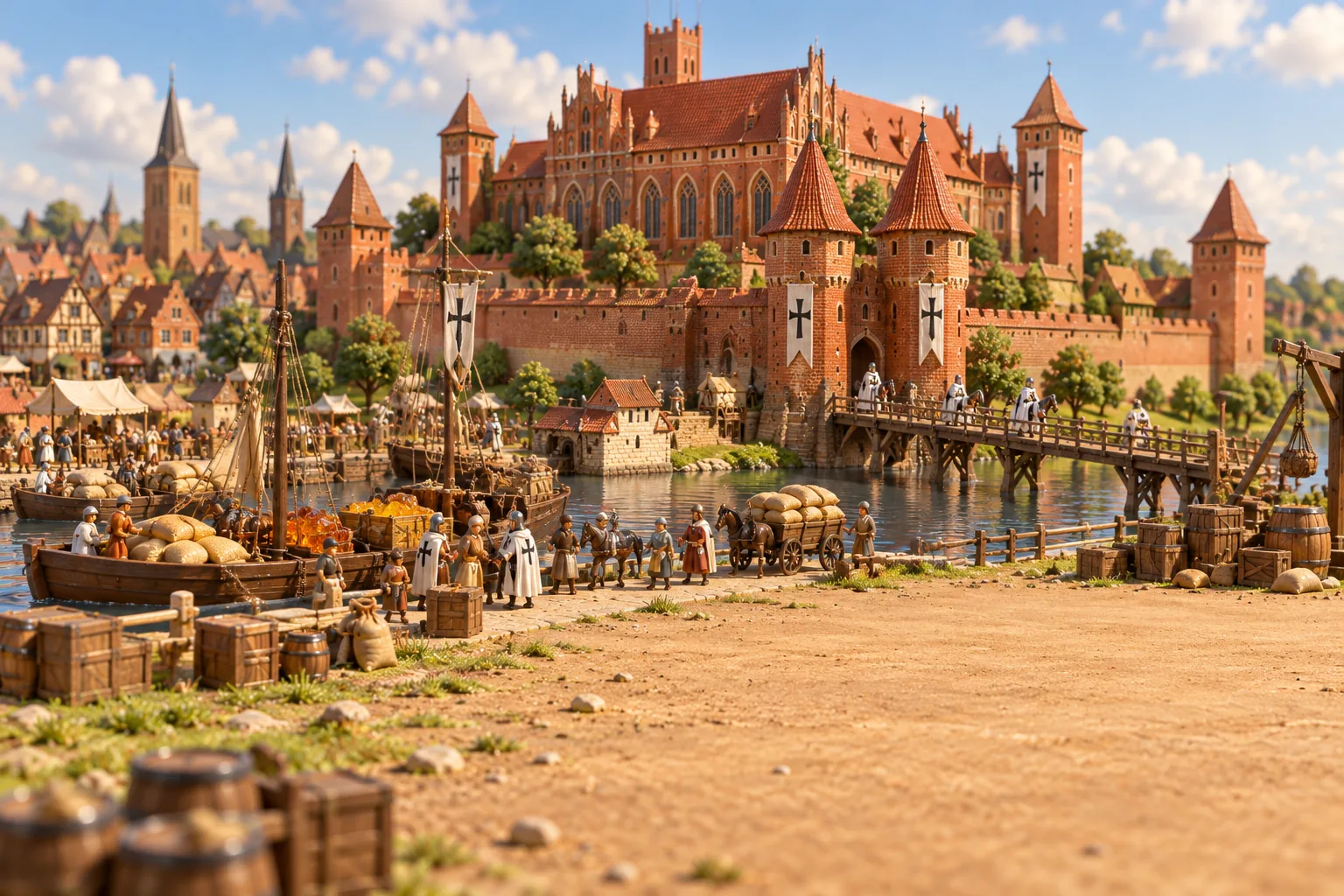 1190–1525 · Marienburg (Malbork), PolandTeutonic OrderFounded as a hospital brotherhood in the Crusades, the Teutonic Knights built a state in Prussia ruled from Malbork Castle.
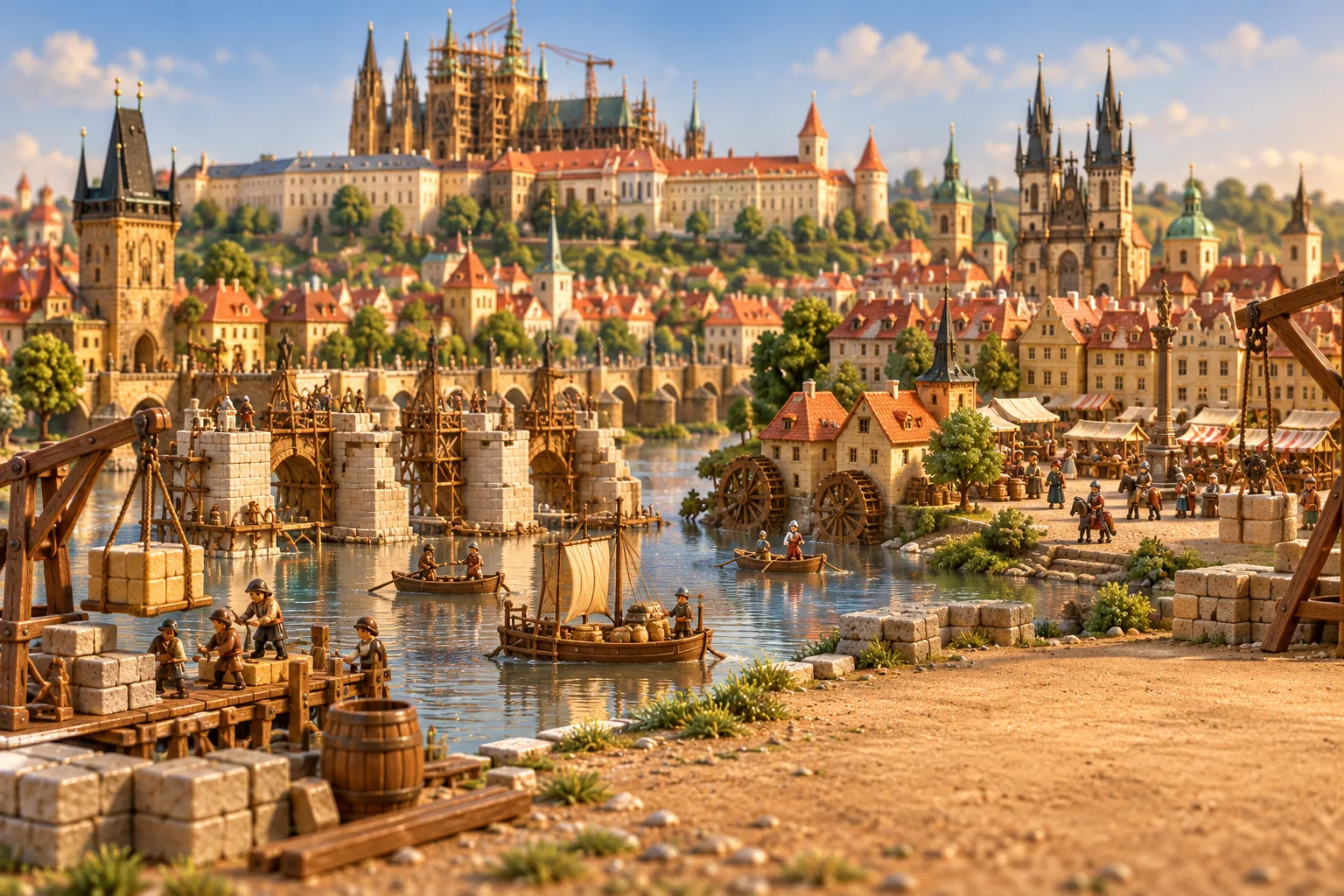 1198–1918 · Prague, Czech RepublicKingdom of BohemiaIts king Charles IV made Prague the imperial capital and founded a university there in 1348 that still bears his name.
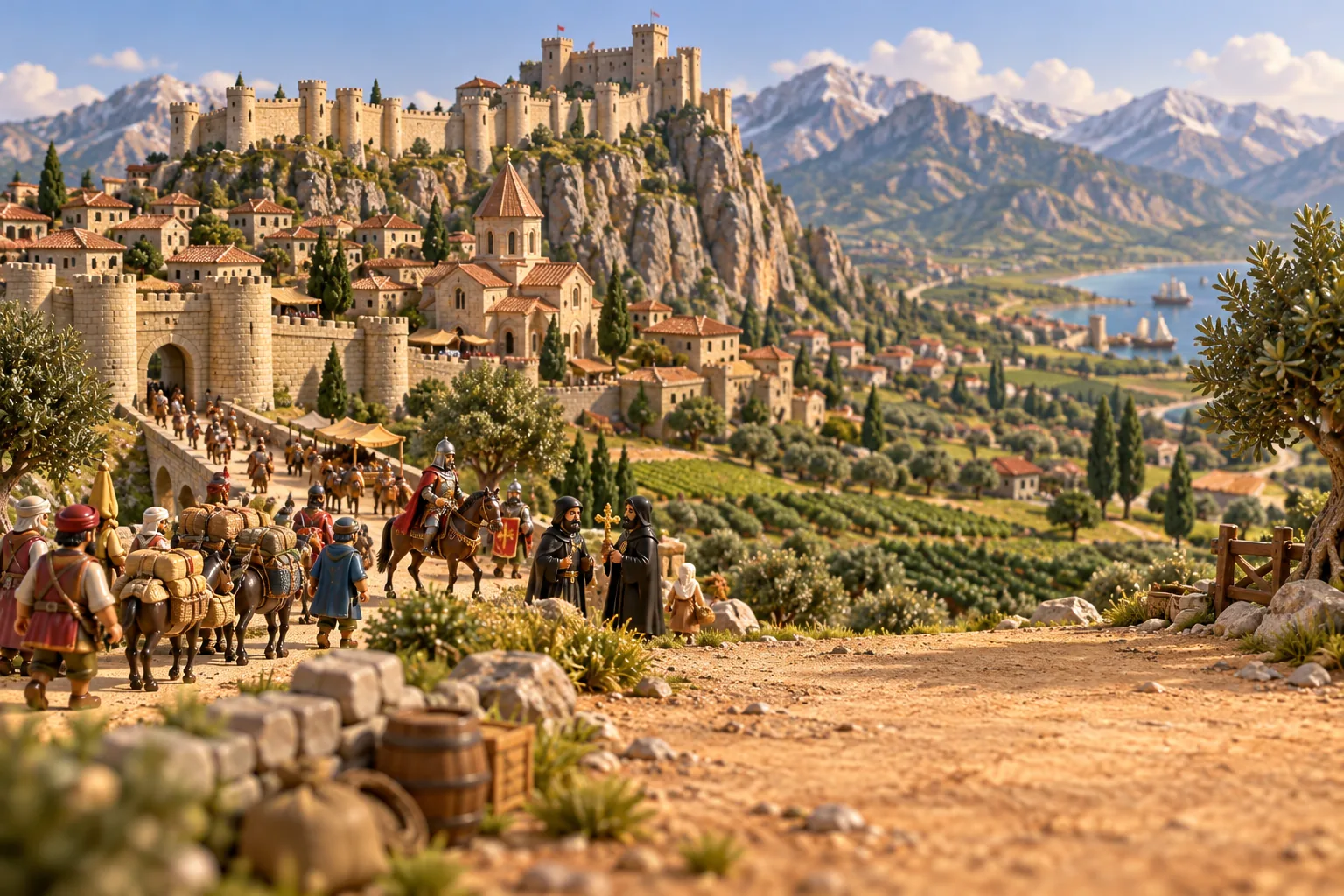 1198–1375 · Sis (Kozan), TurkeyArmenian Kingdom of CiliciaFar from historic Armenia, Armenian princes built a Christian kingdom on the Mediterranean, and Marco Polo set out for China from its port.
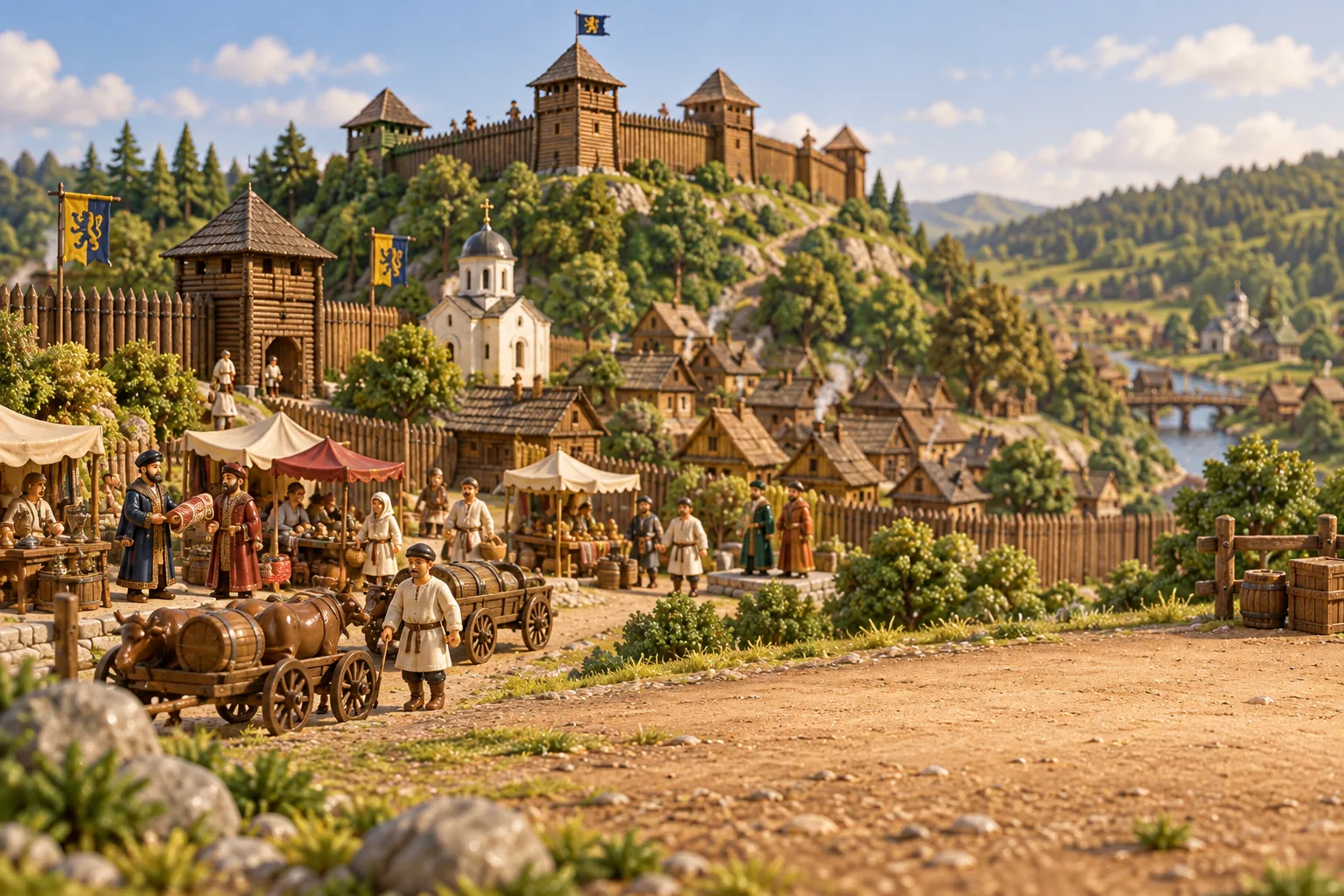 1199–1349 · LvivKingdom of Galicia–VolhyniaIts prince Daniel bowed to the Mongol khan in 1246, then took a royal crown from the pope's envoy in 1253, hoping for a crusade that never came.
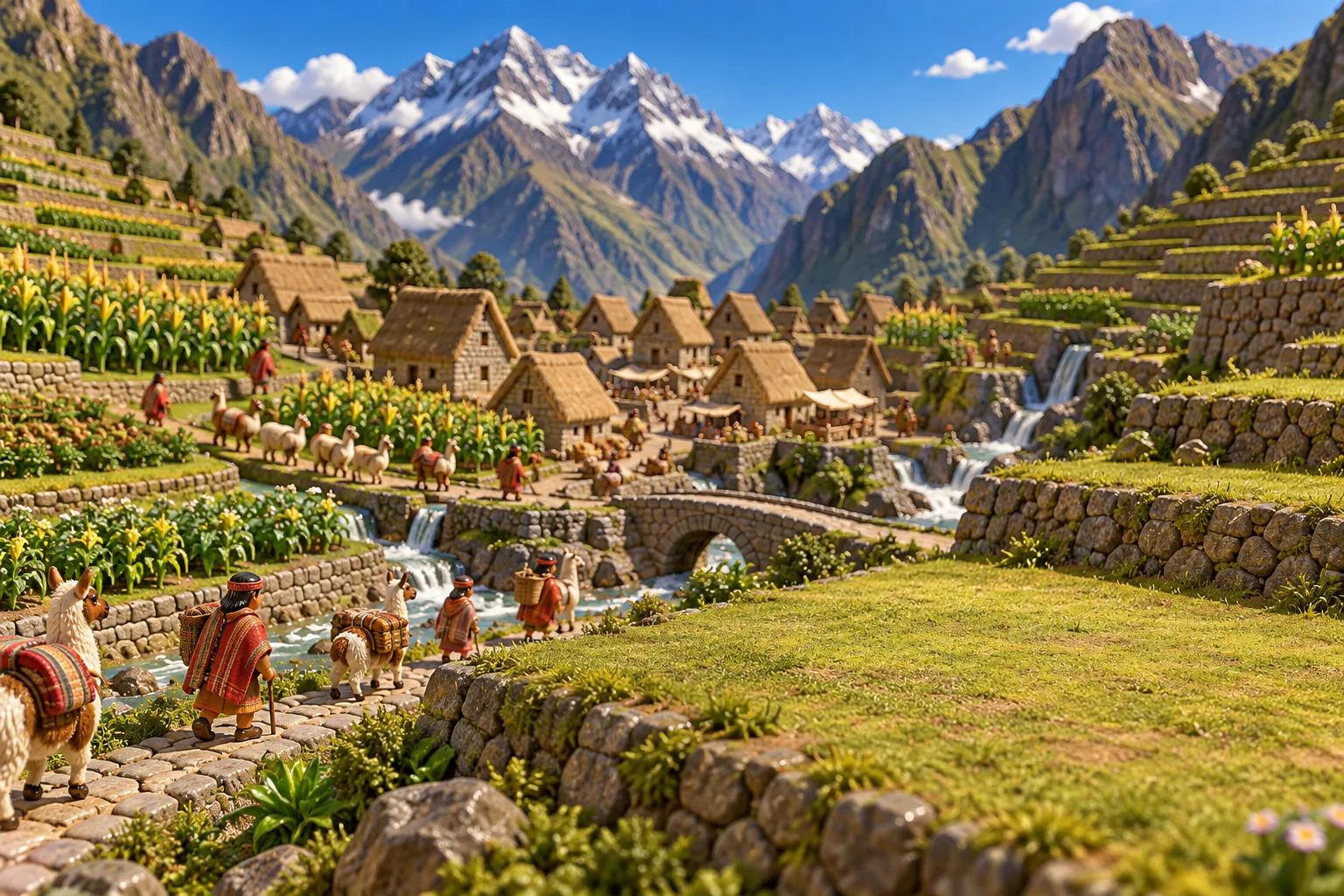 c. 1200 – 1438 · Cusco valley, PeruKingdom of CuscoA small kingdom in an Andean valley, it became the capital of an empire after Pachacuti beat the Chanka around 1438.
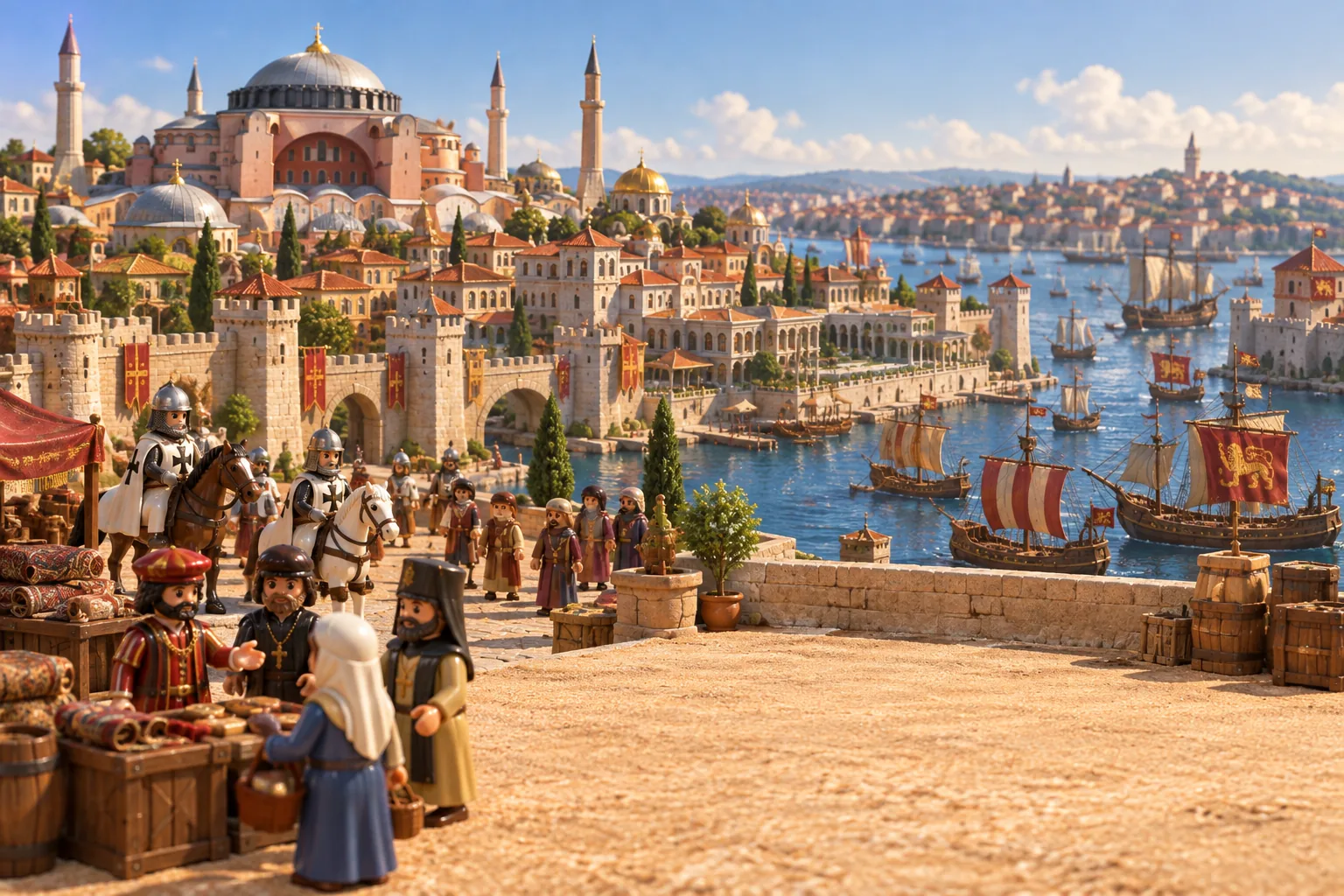 1204–1261 · ConstantinopleLatin EmpireCrusaders who set out for Jerusalem crowned a count of Flanders in Hagia Sophia instead, and his heirs ended up selling the palace roof.
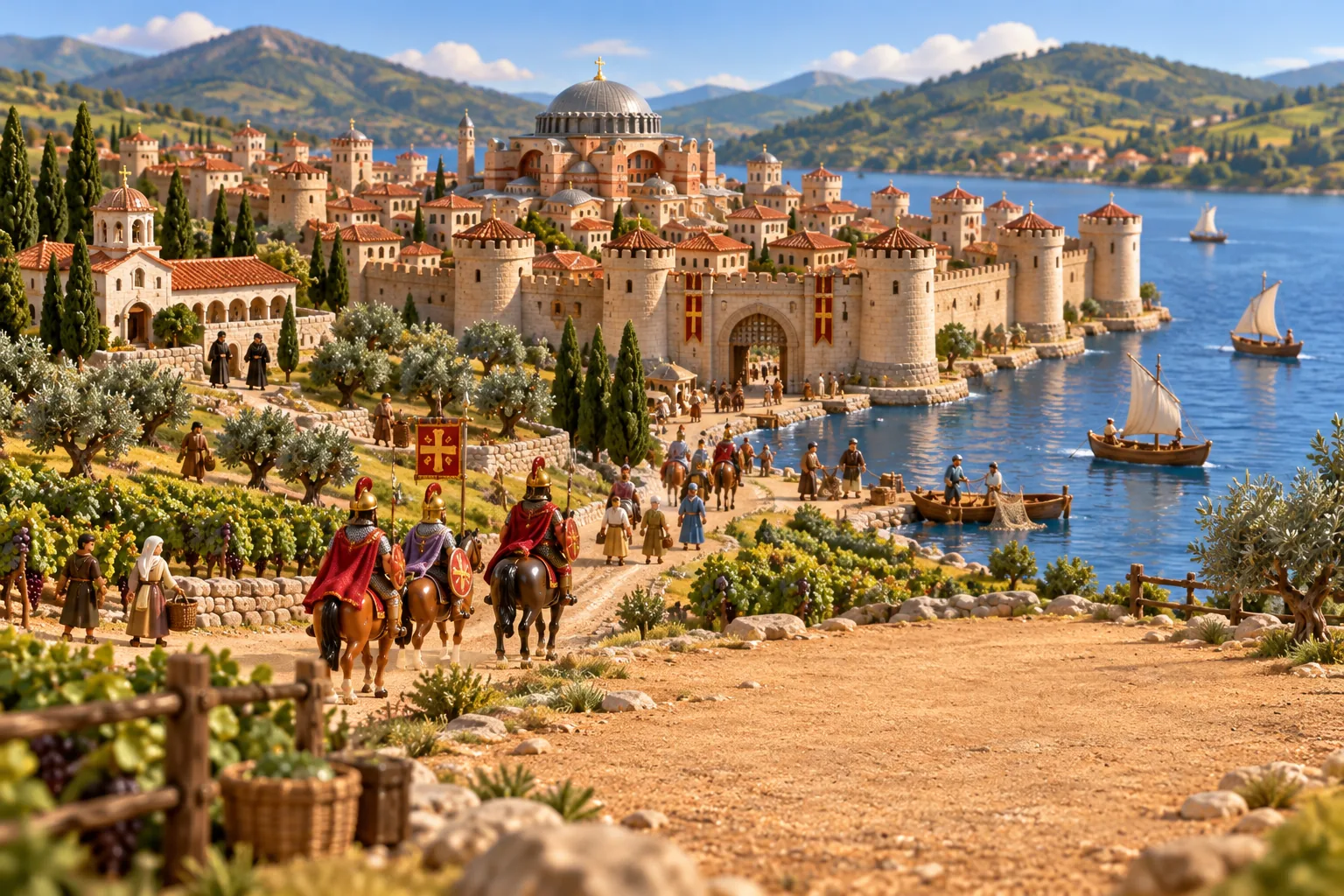 1204–1261 · Nicaea (İznik), TurkeyEmpire of NicaeaExiled Byzantines ruled from Nicaea after the Crusaders sacked Constantinople, and in 1261 a guard opened a city gate and handed it back to them.
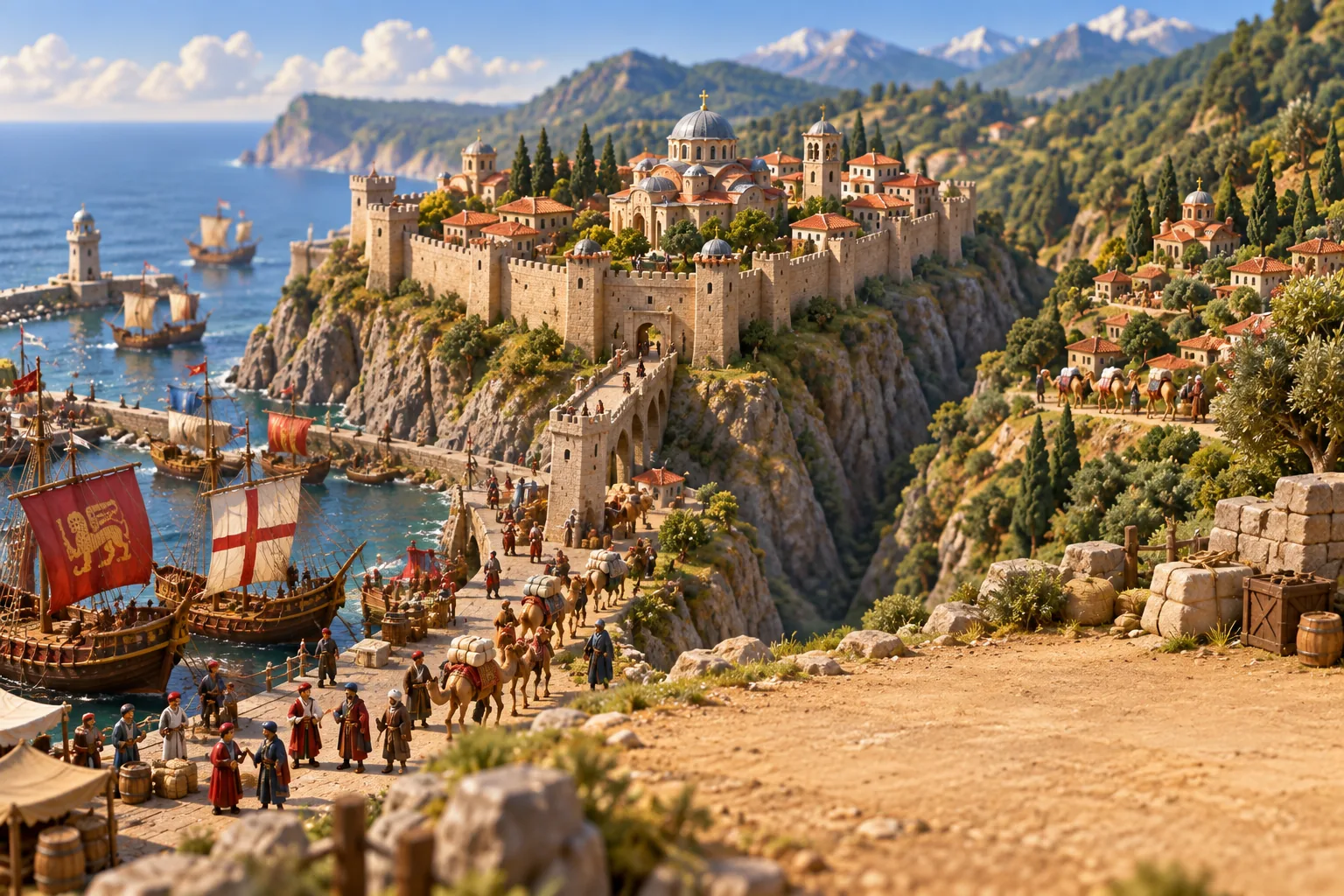 1204–1461 · Trebizond (Trabzon), TurkeyEmpire of TrebizondThis Greek empire on the Black Sea outlived Byzantium by eight years, and surrendered to Mehmed II only in August 1461.
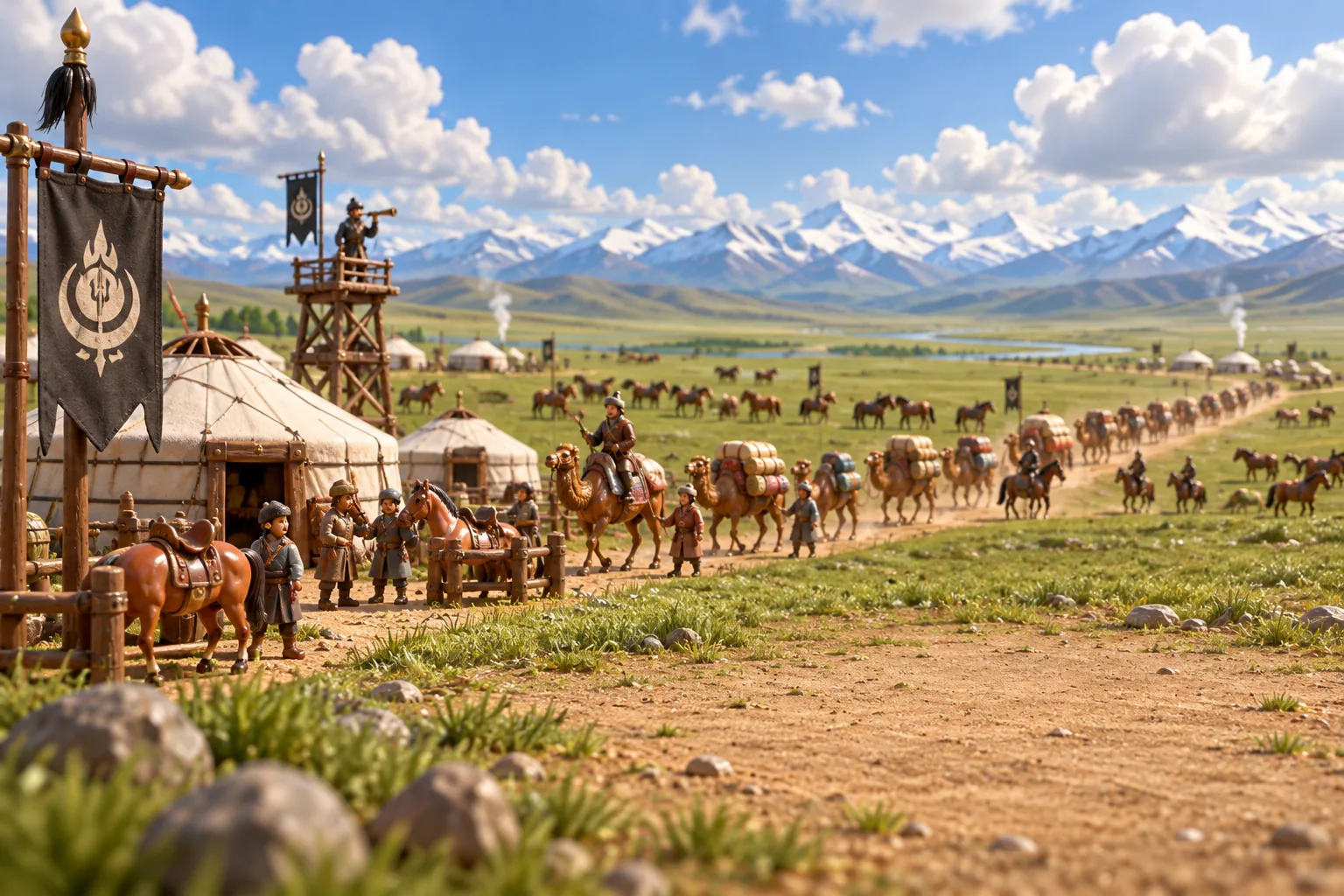 1206–1368 · Karakorum, MongoliaMongol EmpireWithin about fifty years riders from the Mongolian steppe built the largest connected land empire in history, from the Pacific to the Danube.
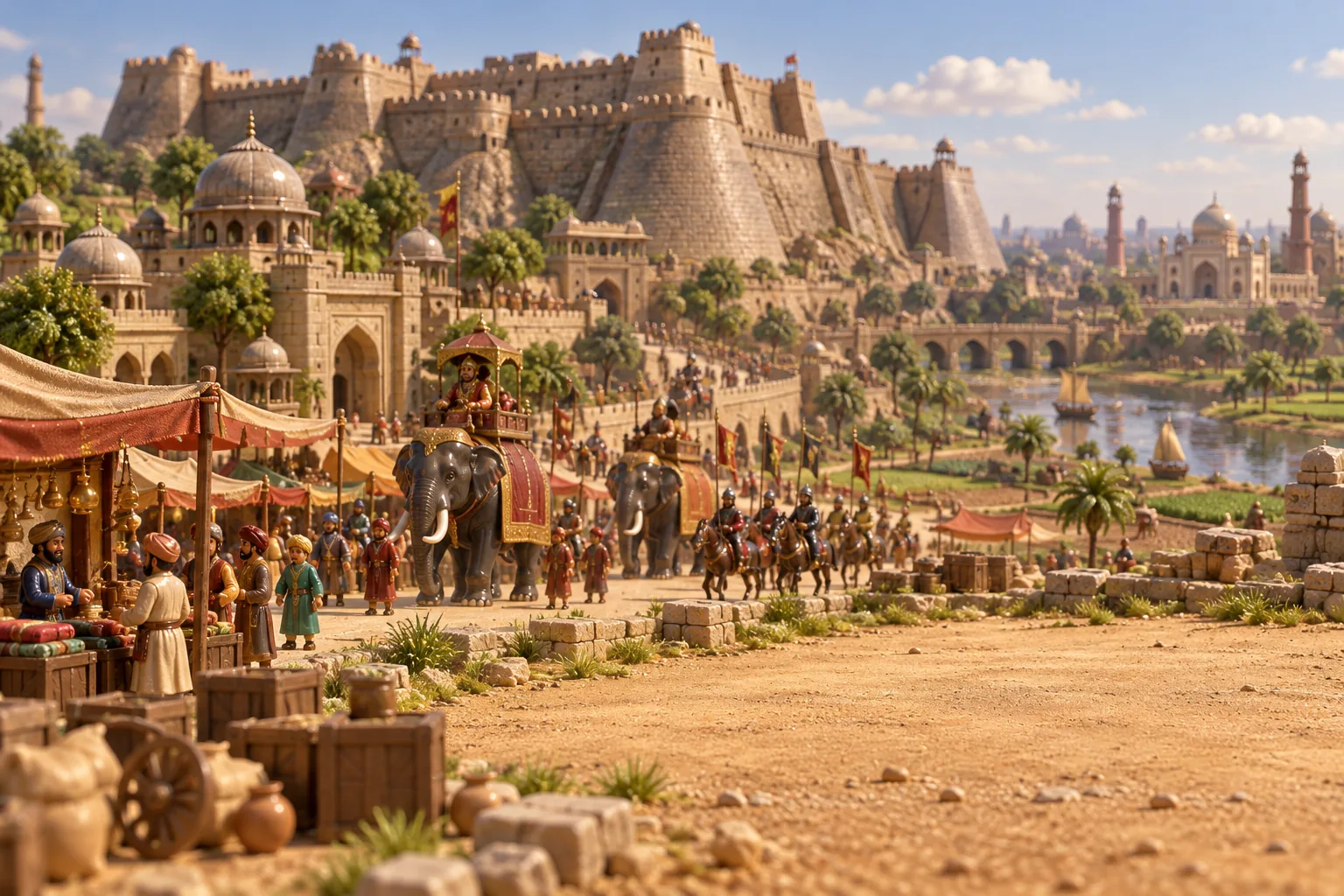 1206–1526 · DelhiDelhi SultanateFounded by a former slave, ruled for a time by a woman sultan, it was one of the few powers that the Mongols could not break.
 1217–1346 · SkopjeKingdom of SerbiaIts kings built some of the finest churches of the Balkans, and in 1346 King Stefan Dušan crowned himself emperor at Skopje.
 c. 1225 – 1363 · Qarshi, UzbekistanChagatai KhanateNamed after Genghis Khan's second son, it ruled Central Asia for generations until Timur rose from among its own nobles.
 1229–1574 · Tunis, TunisiaHafsid dynastyA French king died outside its capital on a crusade in 1270, and for a while even the Sharif of Mecca hailed its ruler as caliph.
 1230–1716 · ToledoCrown of CastileIts queen Isabella backed Columbus in 1492, and the lands he found belonged to Castile, not to Spain as a whole.
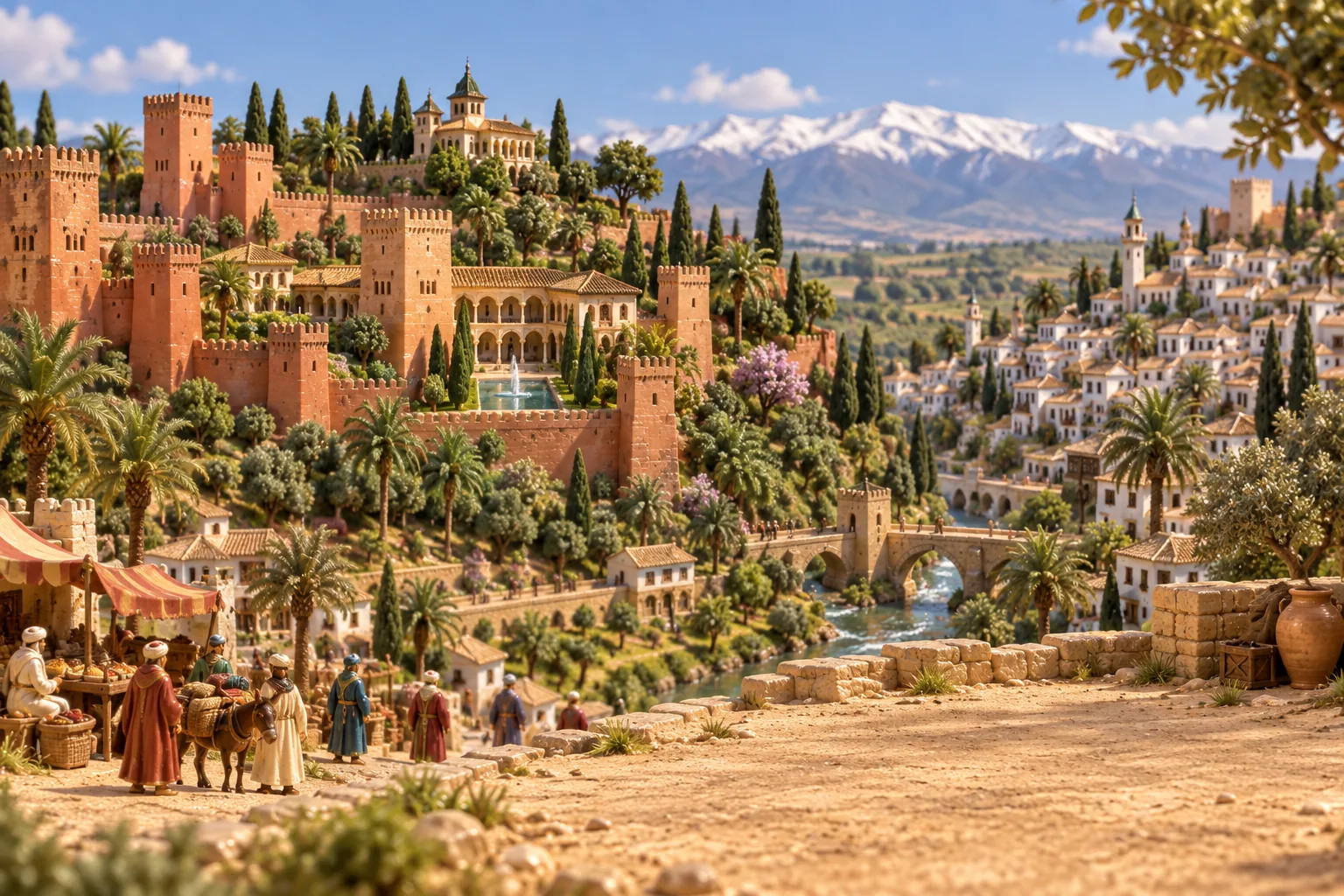 1232–1492 · Granada, SpainEmirate of GranadaThe last Muslim state in western Europe, it built the Alhambra and held out until Boabdil surrendered on 2 January 1492.
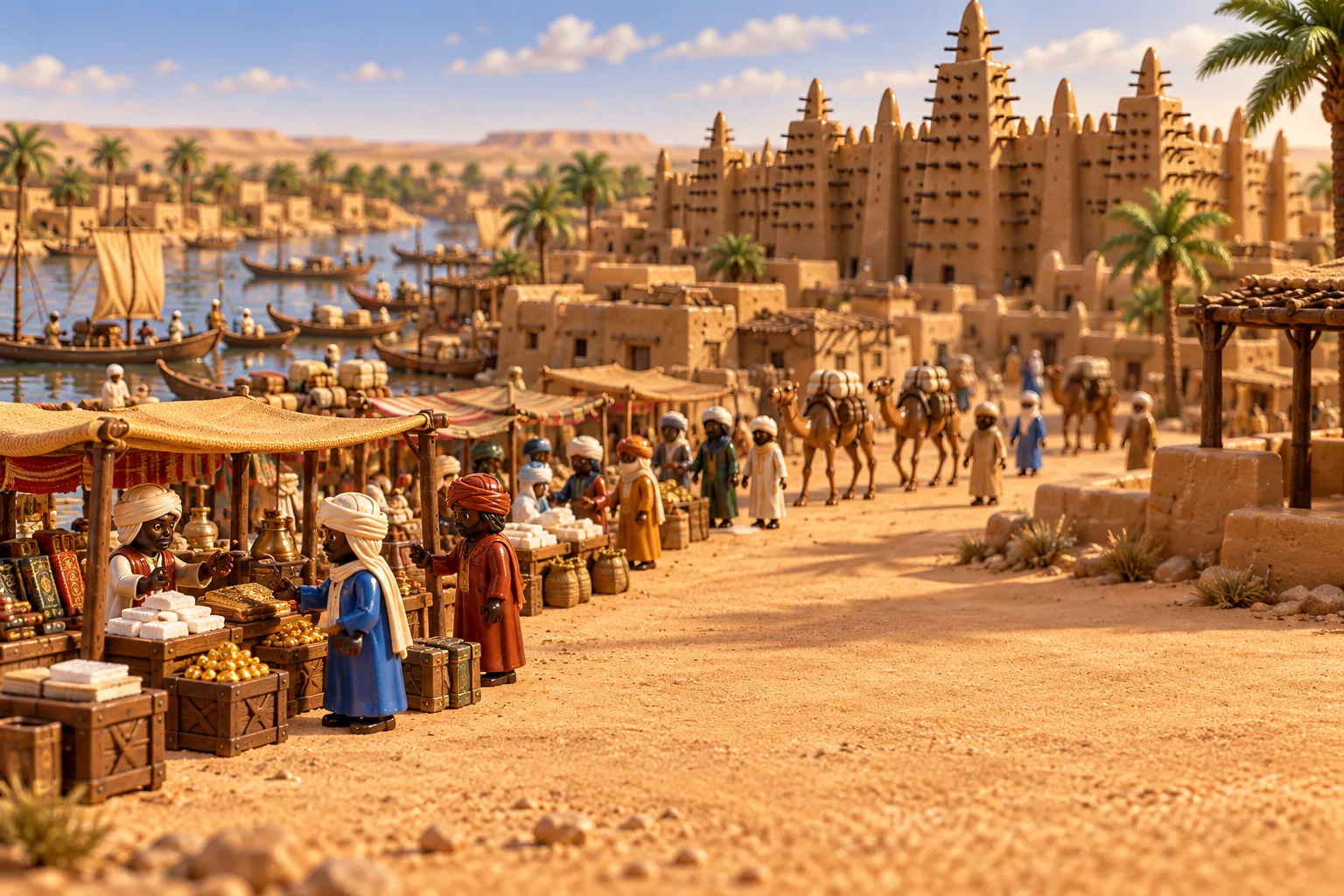 c. 1235 – 1610 · Kangaba, upper NigerMali EmpireA West African king gave away so much gold on his way to Mecca that its price in Egypt fell for twelve years.
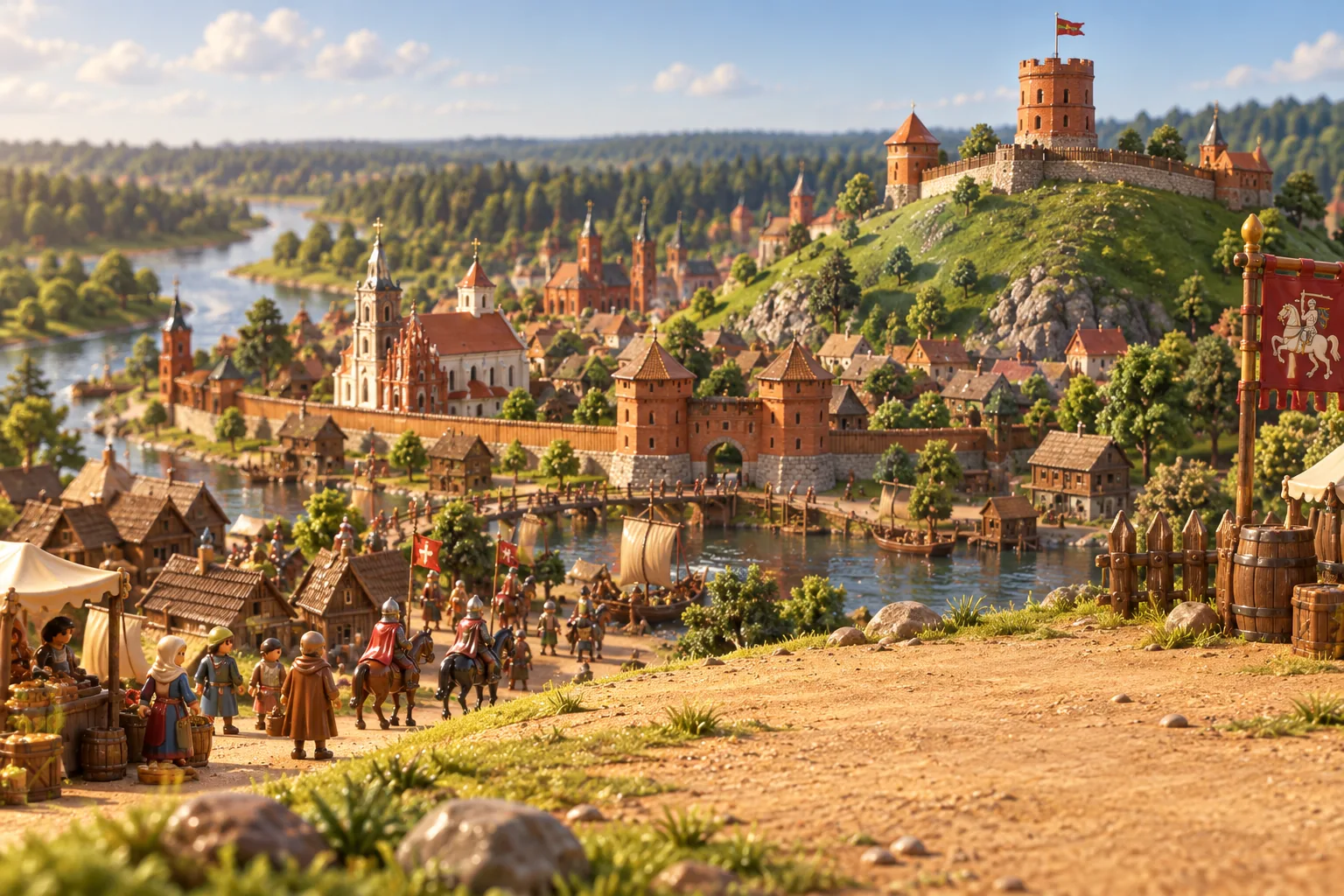 c. 1236 – 1795 · VilniusGrand Duchy of LithuaniaEurope's last pagan state stretched from the Baltic to the Black Sea before its grand duke Jogaila accepted baptism and the Polish crown in 1386.
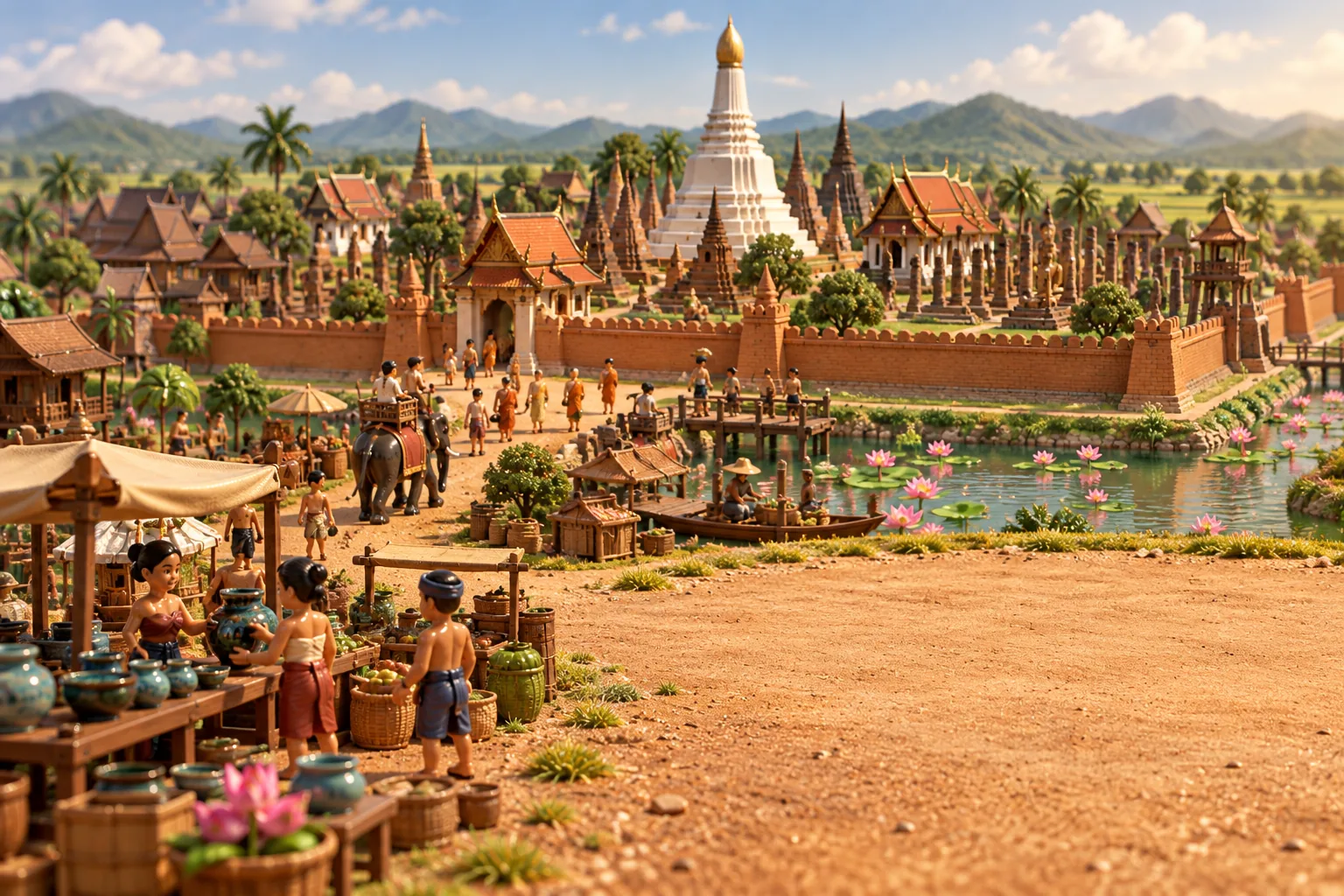 1238–1438 · Sukhothai, ThailandSukhothai KingdomIts third king is credited with inventing the Thai alphabet in 1283, and a stone carved in his name is called the most important document in Thai history.
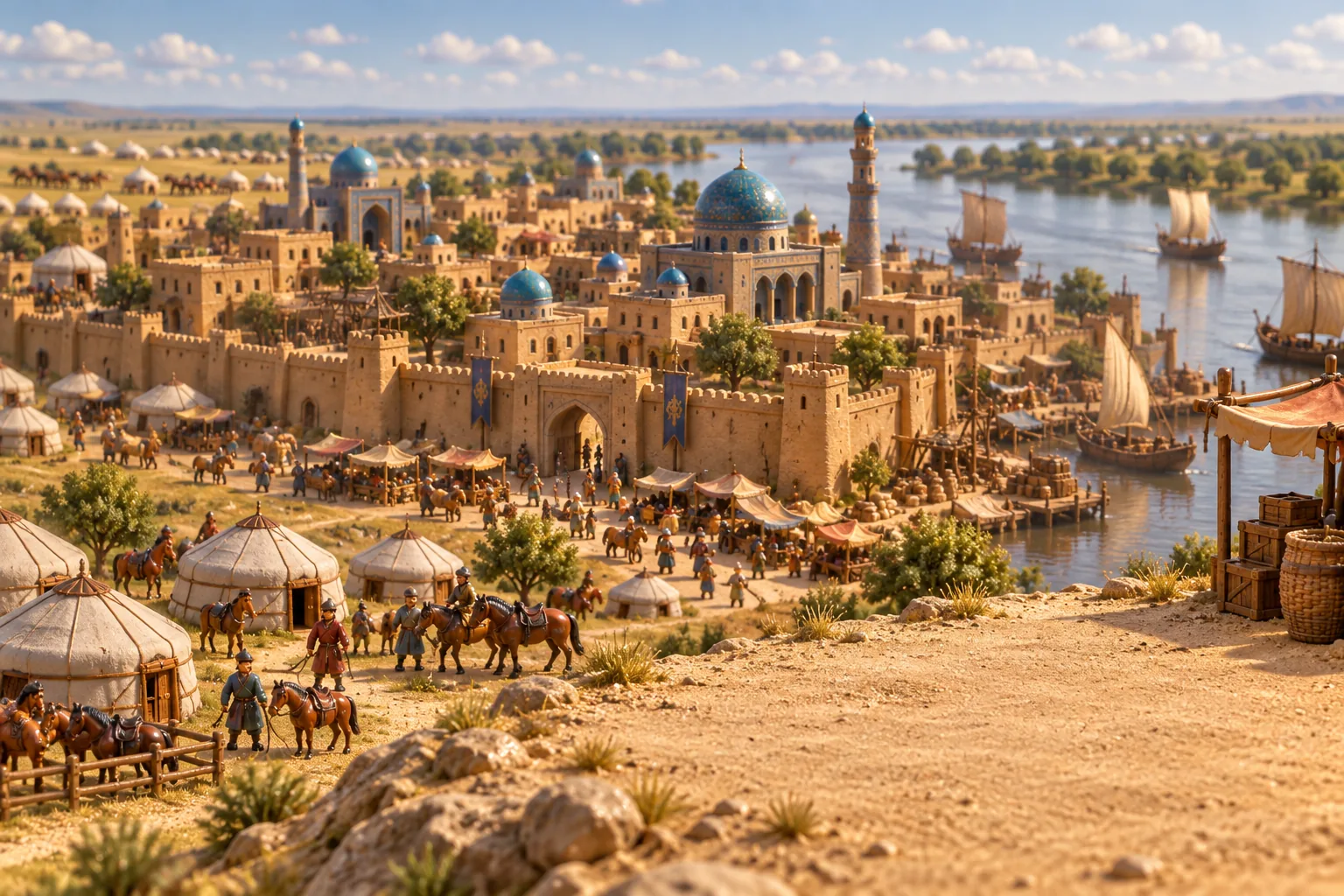 c. 1242 – 1502 · Sarai, on the lower VolgaGolden HordeFor two centuries Russian princes had to travel to a Mongol capital on the Volga to ask the khan for the right to rule.
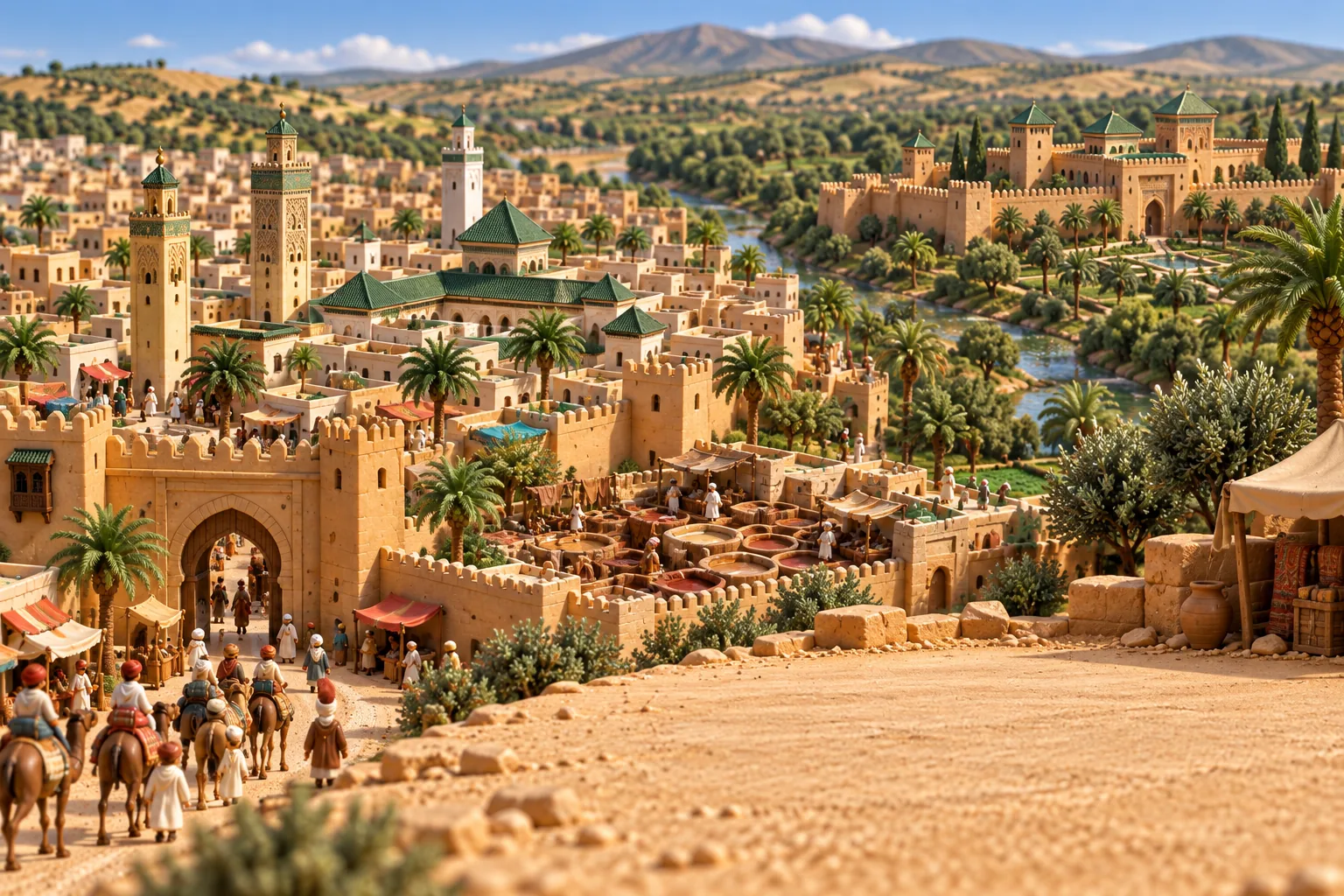 1244–1465 · Fez, MoroccoMarinid dynastyMarinid sultans filled Fez with carved and tiled madrasas, and one of them had Ibn Battuta's travels written down at his court.
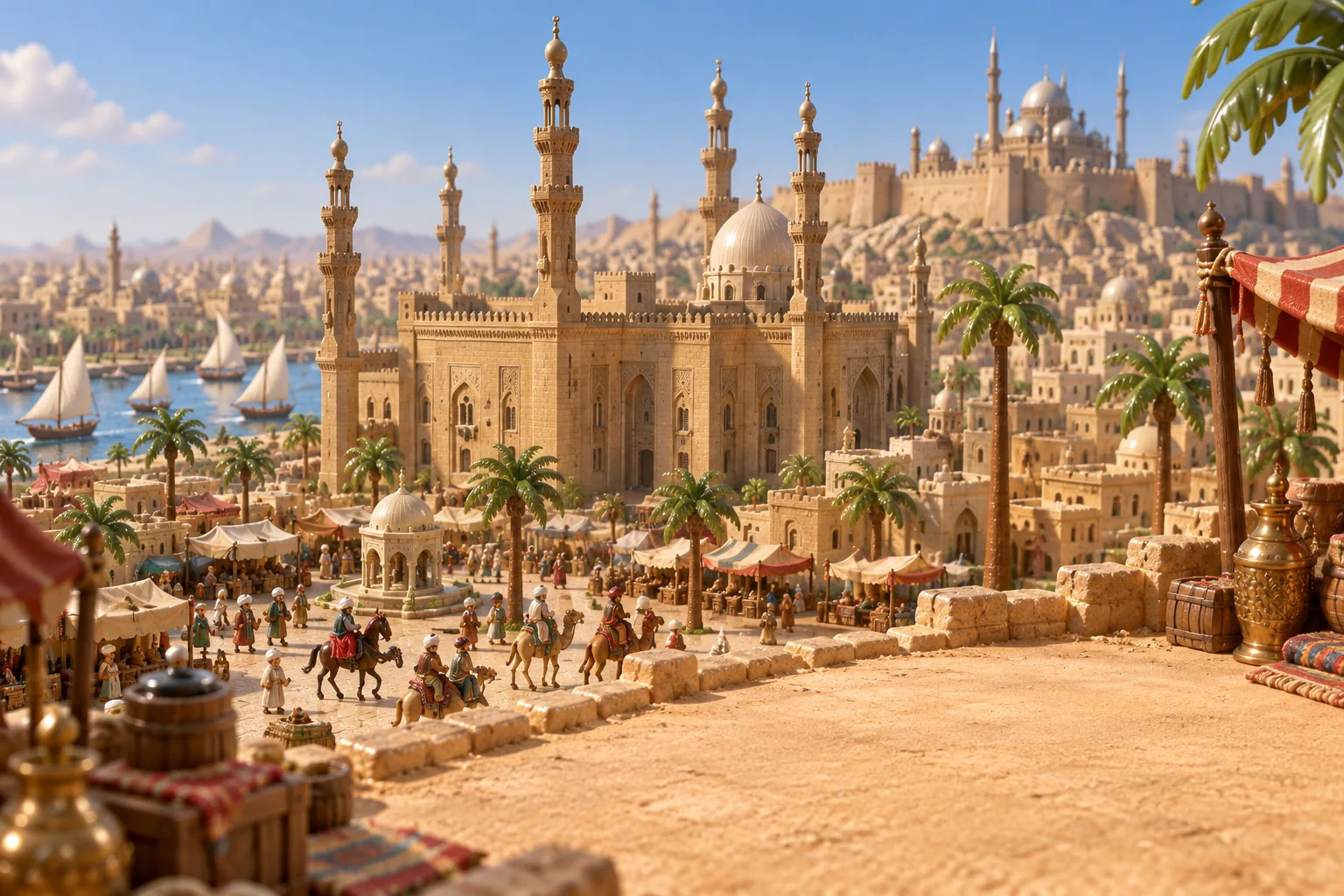 1250–1517 · Cairo, EgyptMamluk SultanateRuled by freed slave soldiers, the Mamluks stopped the Mongols at Ain Jalut in 1260 and took Acre, the last great Crusader stronghold, in 1291.
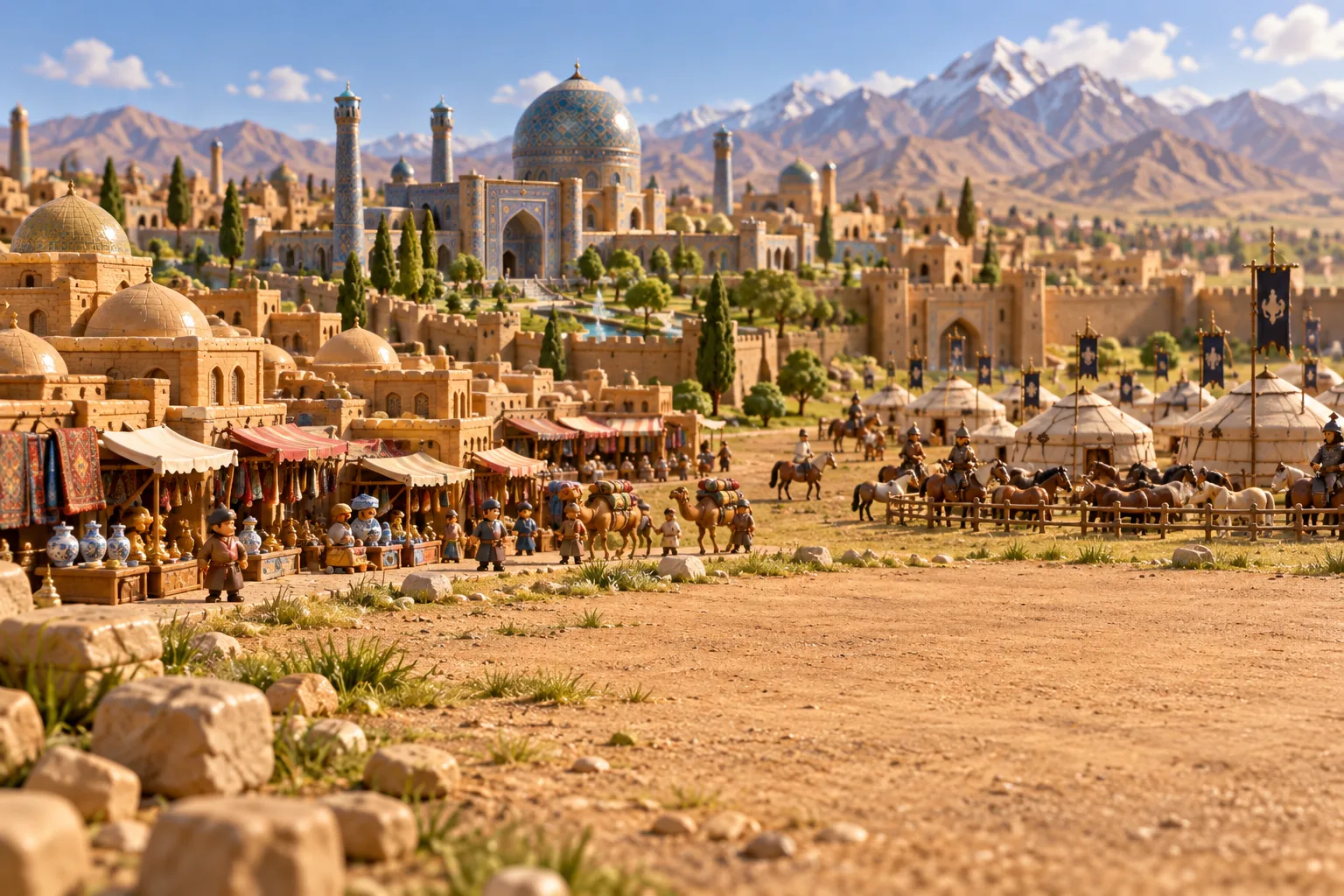 1256–1335 · Tabriz, IranIlkhanateIts founder Hulegu destroyed the Abbasid Caliphate in 1258, yet his descendant Ghazan made Islam the state religion and backed Rashid al-Din's great Compendium of Histories.
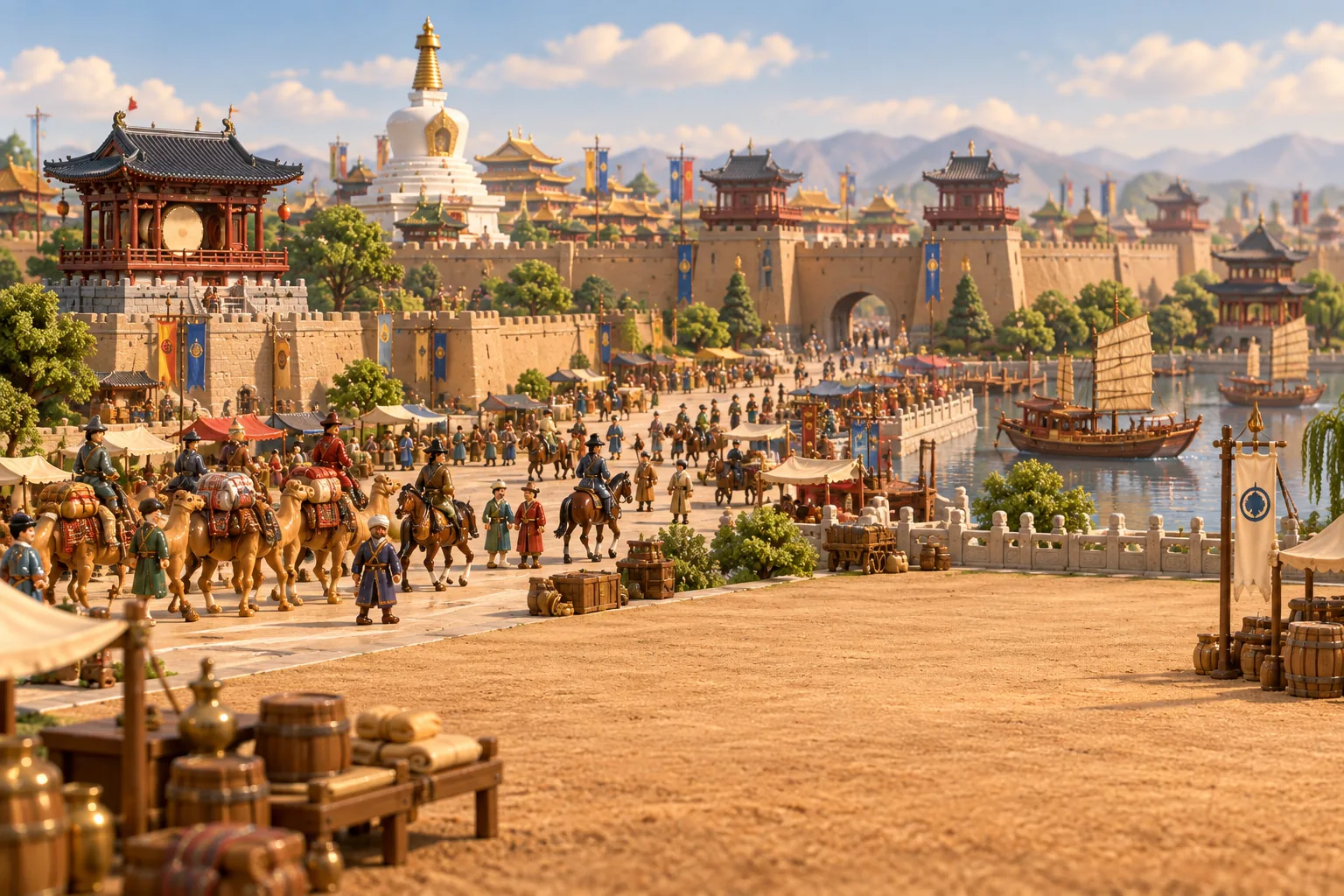 1271–1368 · Khanbaliq (Beijing)Yuan dynastyA Mongol khan built a new capital where Beijing stands, paid his empire in paper money and dazzled a young Venetian named Marco Polo.
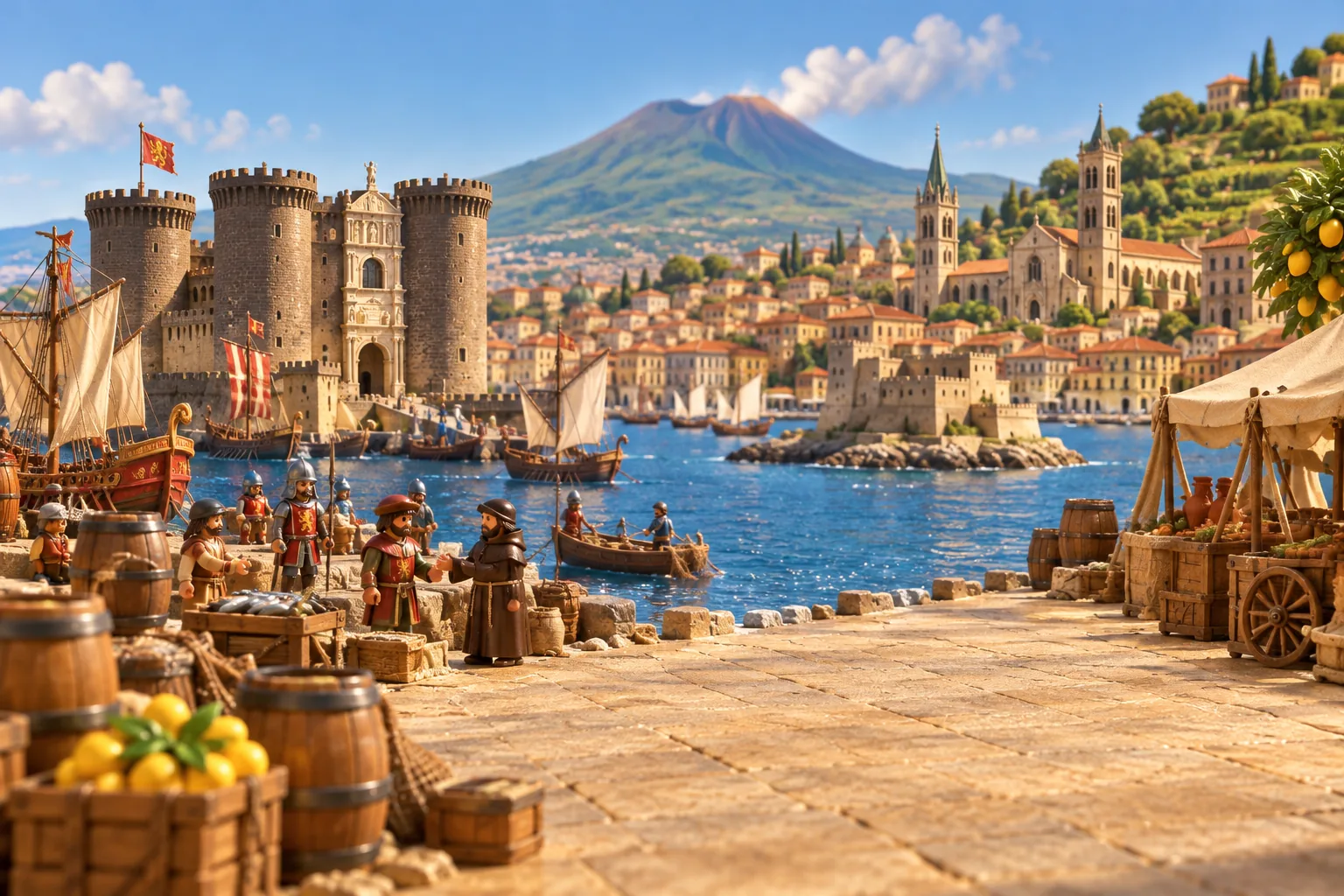 1282–1816 · NaplesKingdom of NaplesIt lost the island of Sicily in 1282 yet went on calling itself the Kingdom of Sicily for more than five hundred years.
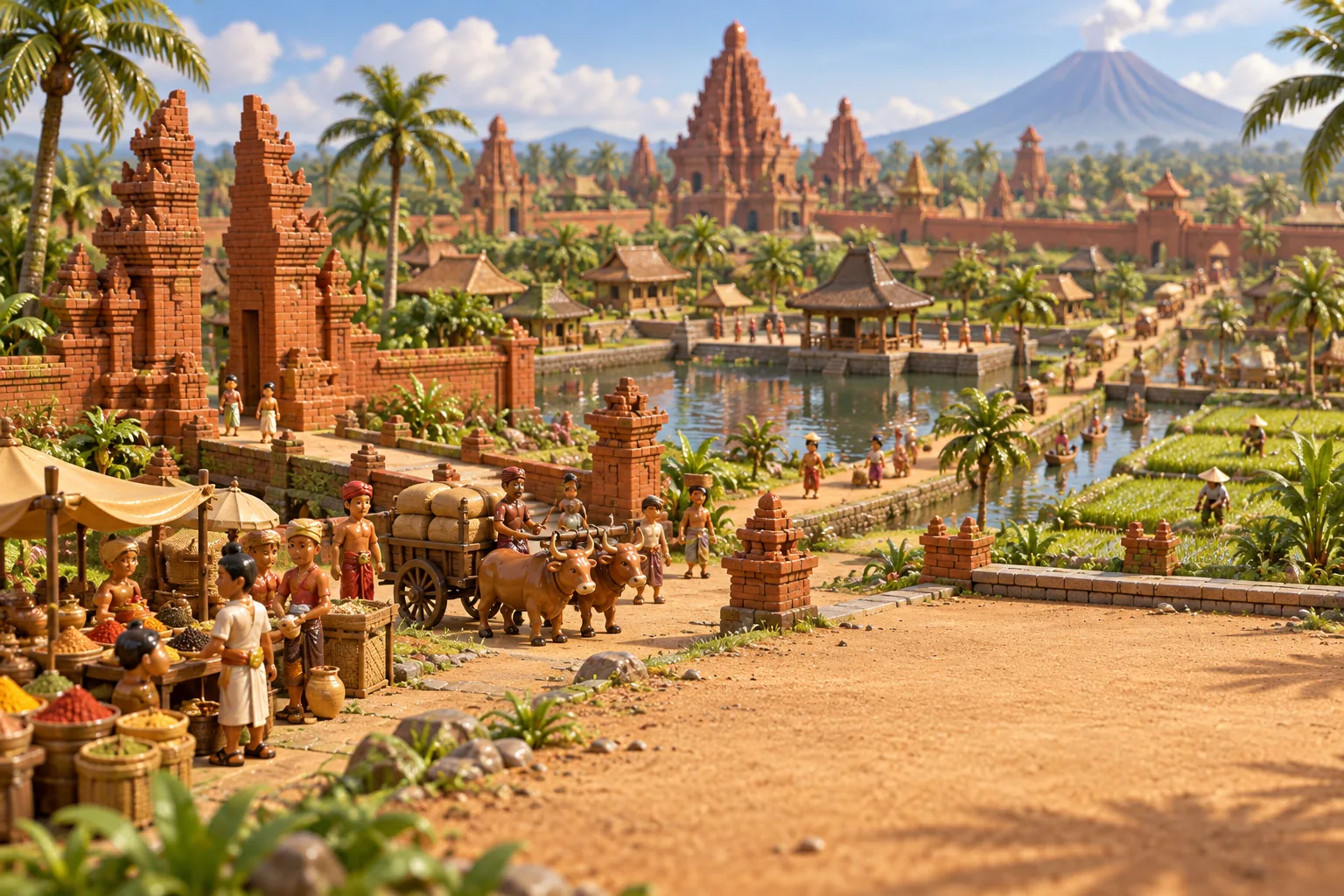 1293–1527 · Trowulan, East JavaMajapahitFrom a brick capital in east Java, it claimed tribute from Sumatra to New Guinea after its prime minister Gajah Mada swore not to rest until the islands were united.
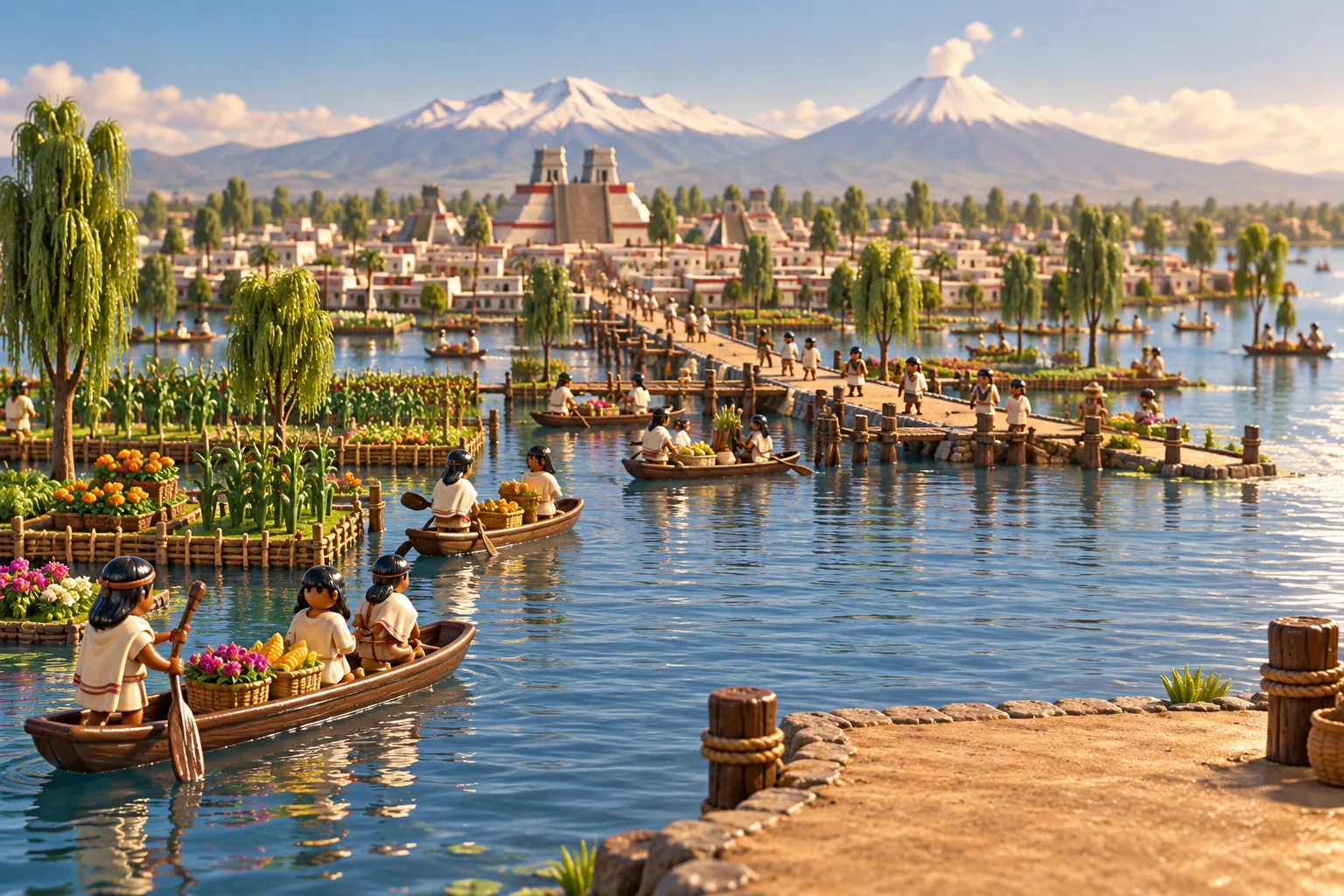 c. 1325 – 1521 · Tenochtitlan (Mexico City)TenochtitlanFounded on a swampy island in Lake Texcoco around 1325, it grew into a city of perhaps 200,000 linked by causeways.
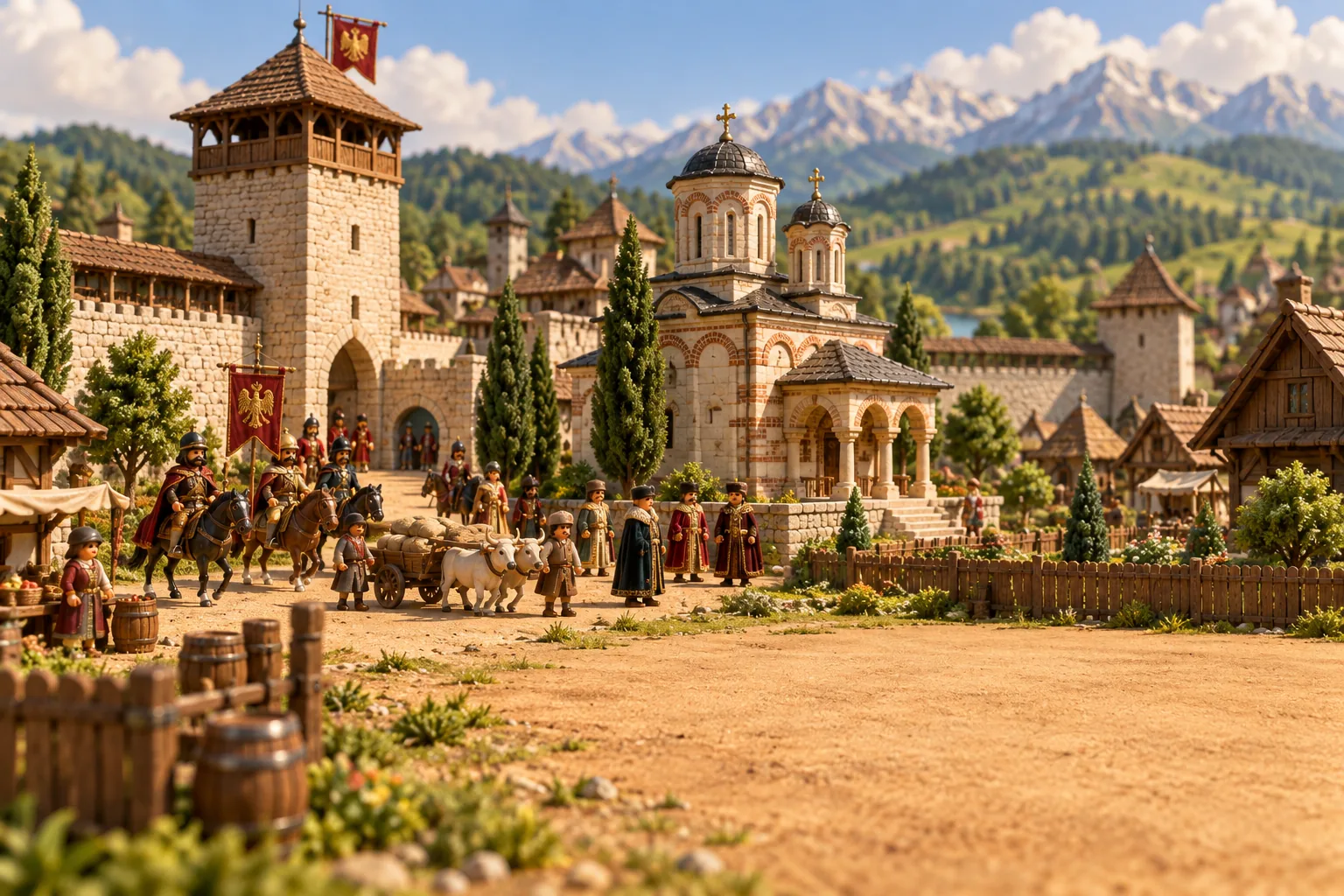 c. 1330 – 1859 · TârgovișteWallachiaThe land once ruled by Vlad the Impaler, the prince behind the legend of Dracula, joined Moldavia in 1859 to form the core of modern Romania.
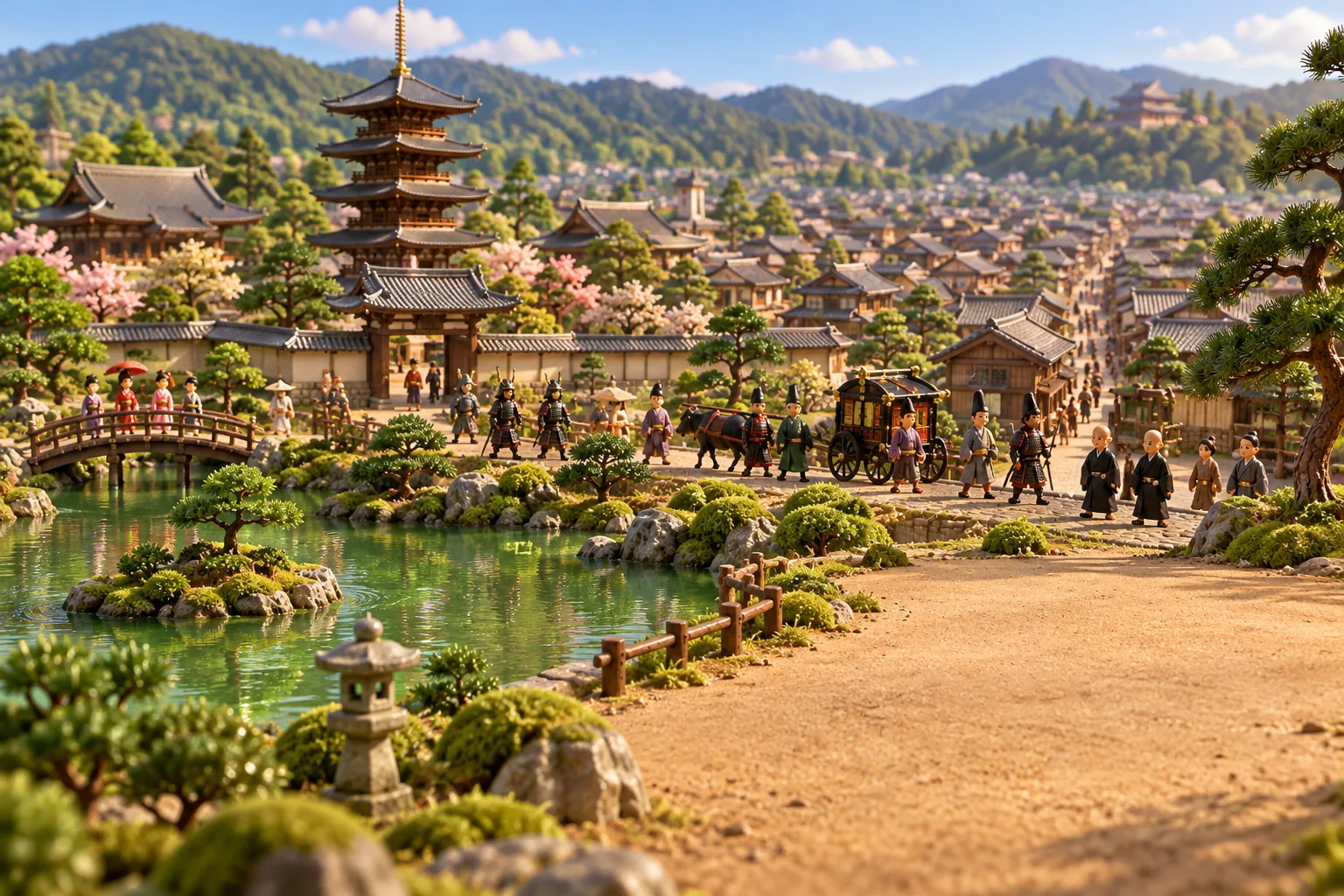 1336–1573 · KyotoAshikaga shogunateIts shoguns gave Japan the Golden Pavilion, Noh theatre and the tea ceremony, then lost control in a civil war that burned Kyoto.
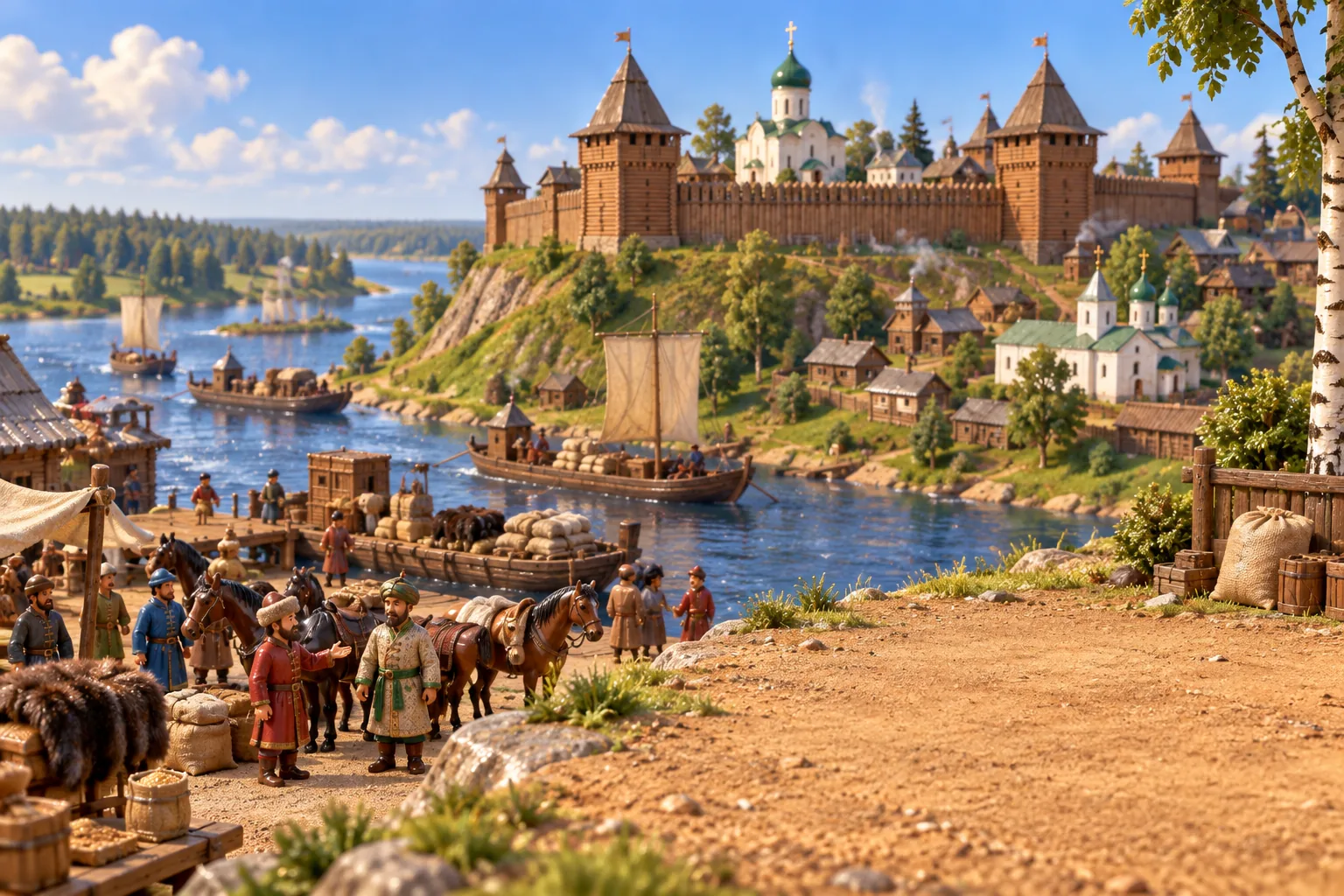 1341–1392 · Nizhny Novgorod, RussiaGrand Principality of Nizhny Novgorod-SuzdalFor half a century the princes of Nizhny Novgorod, where the Oka meets the Volga, rivalled Moscow, until Moscow bought their land from the khan.
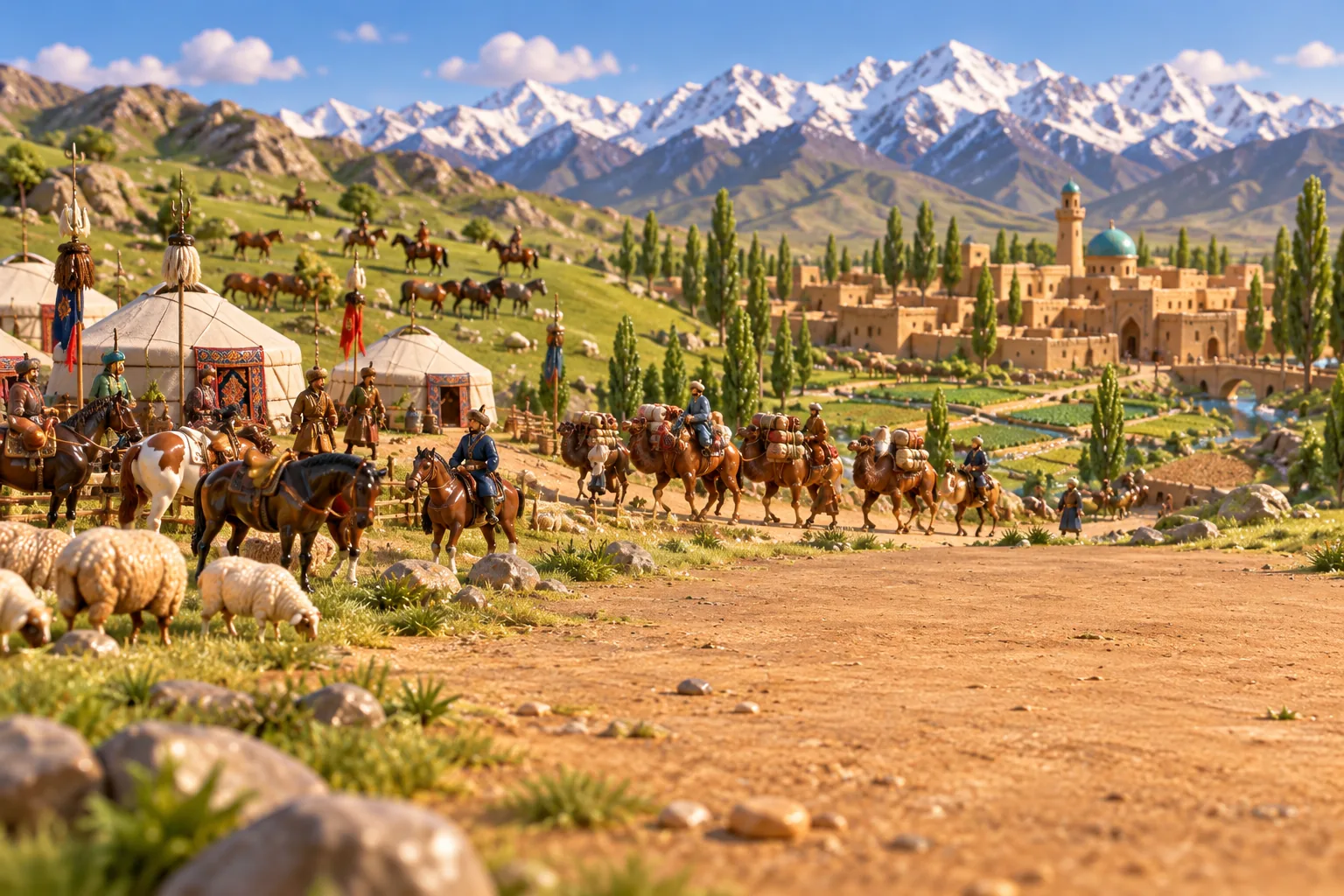 1347 – c. 1680 · Aksu, XinjiangMoghulistanMongol khans of the Tian Shan steppe turned Muslim in 1354, defied Timur for decades, and one of them was Babur's grandfather.
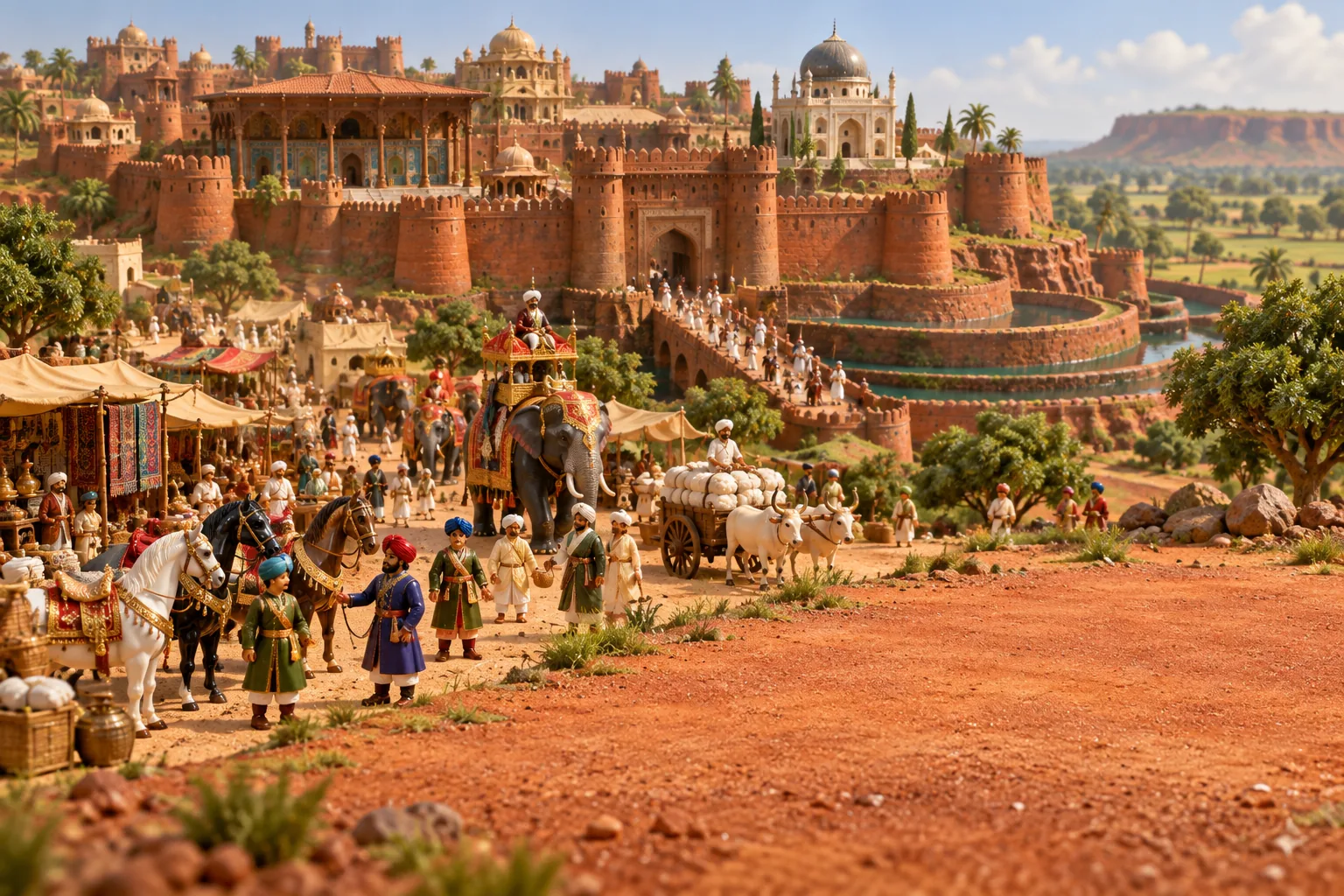 1347–1527 · Bidar, IndiaBahmani SultanateA Russian horse trader from Tver lived in its capital Bidar in the 1470s and left one of the first European accounts of India.
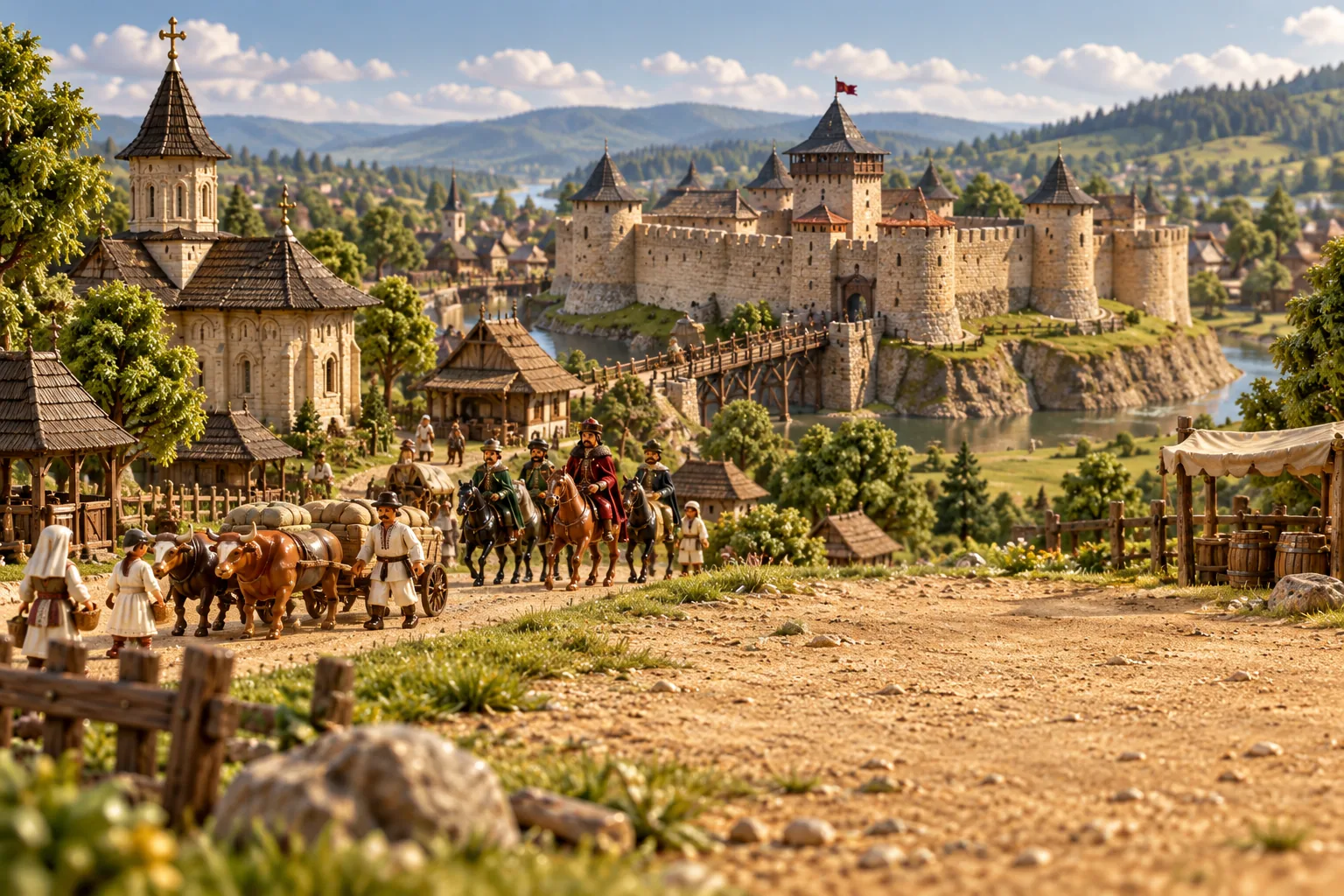 1359–1859 · Suceava, RomaniaPrincipality of MoldaviaIts prince Stephen the Great beat the Ottomans at Vaslui in 1475 and filled his land with stone churches and monasteries.
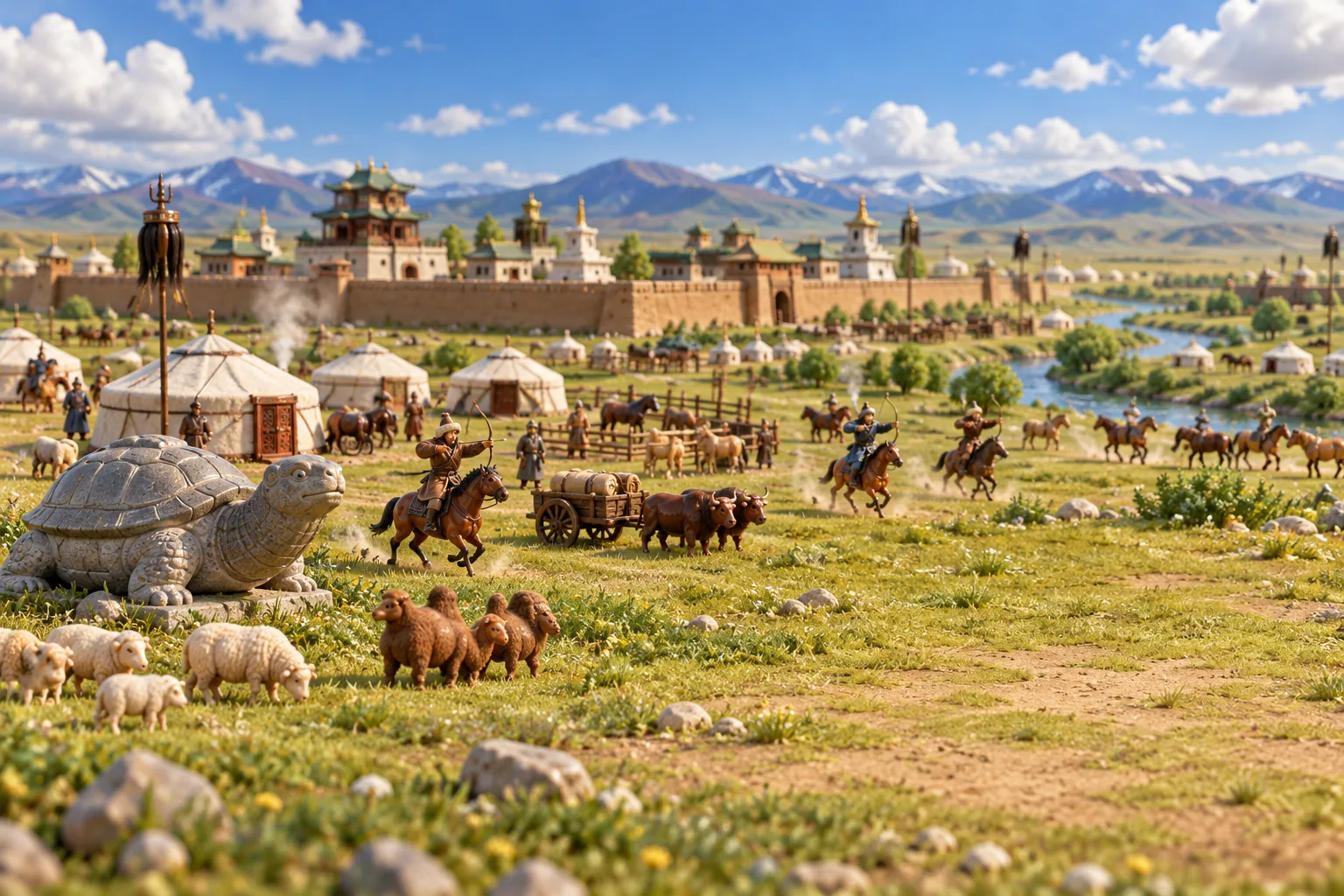 1368–1635 · Karakorum, MongoliaNorthern Yuan dynastyDriven out of China in 1368, the heirs of Kublai Khan kept ruling the steppe for more than 250 years and once even captured a Ming emperor.
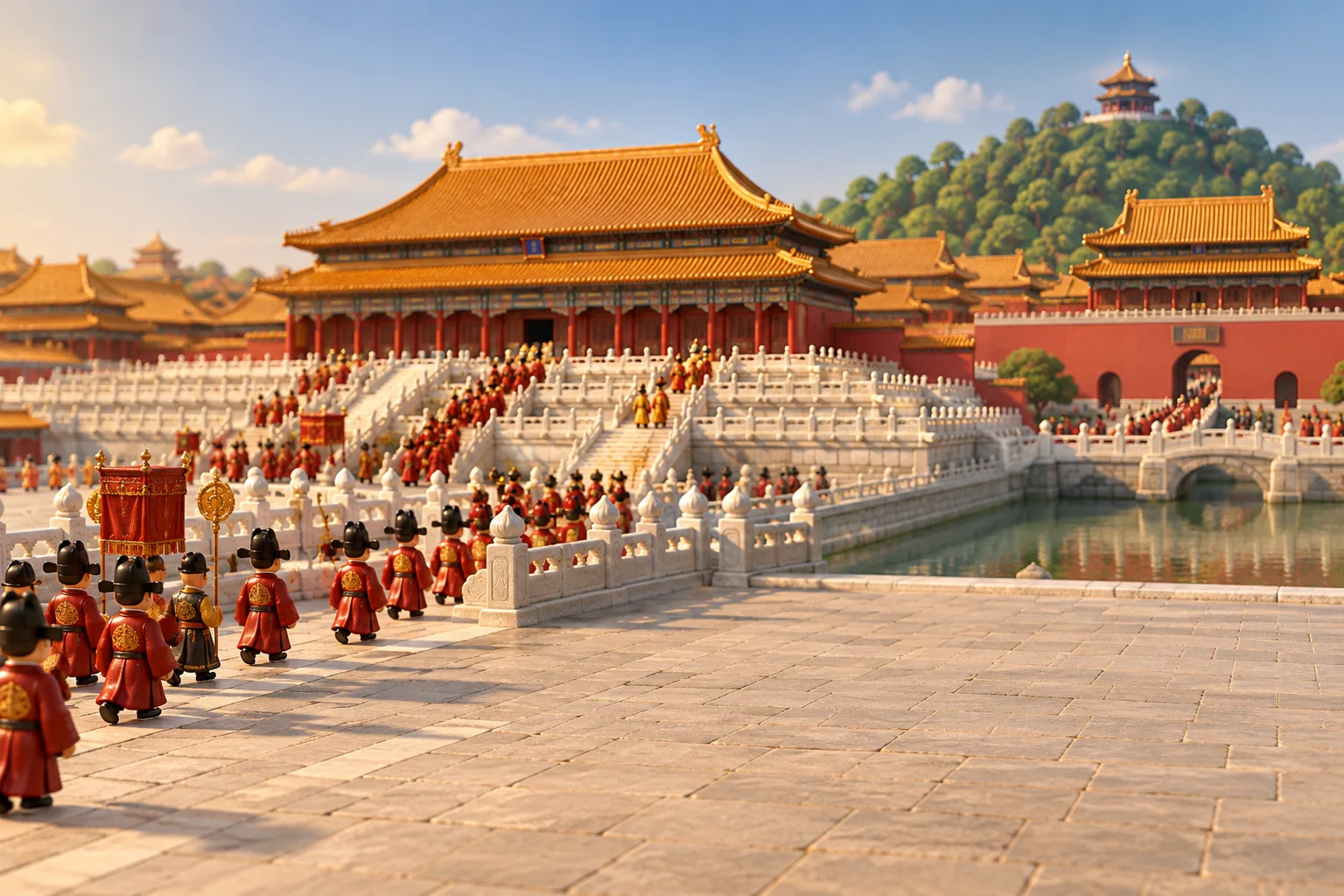 1368–1644 · BeijingMing dynastyA penniless peasant and former Buddhist monk threw the Mongols out of China and founded the dynasty that built the Forbidden City.
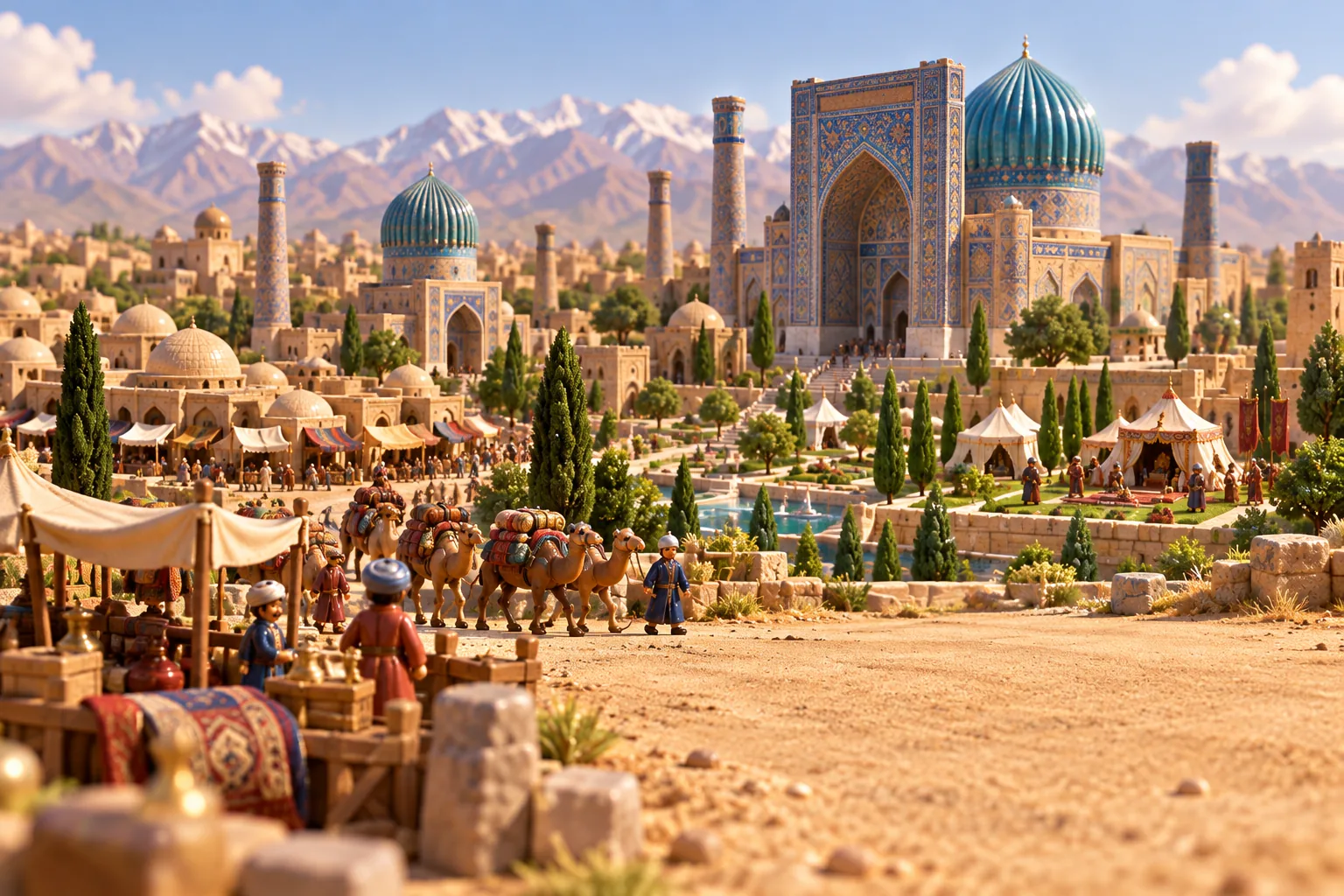 1370–1507 · SamarkandTimurid EmpireA warlord who could not claim Genghis Khan's blood married into it, conquered from Delhi to Anatolia and made Samarkand the jewel of Central Asia.
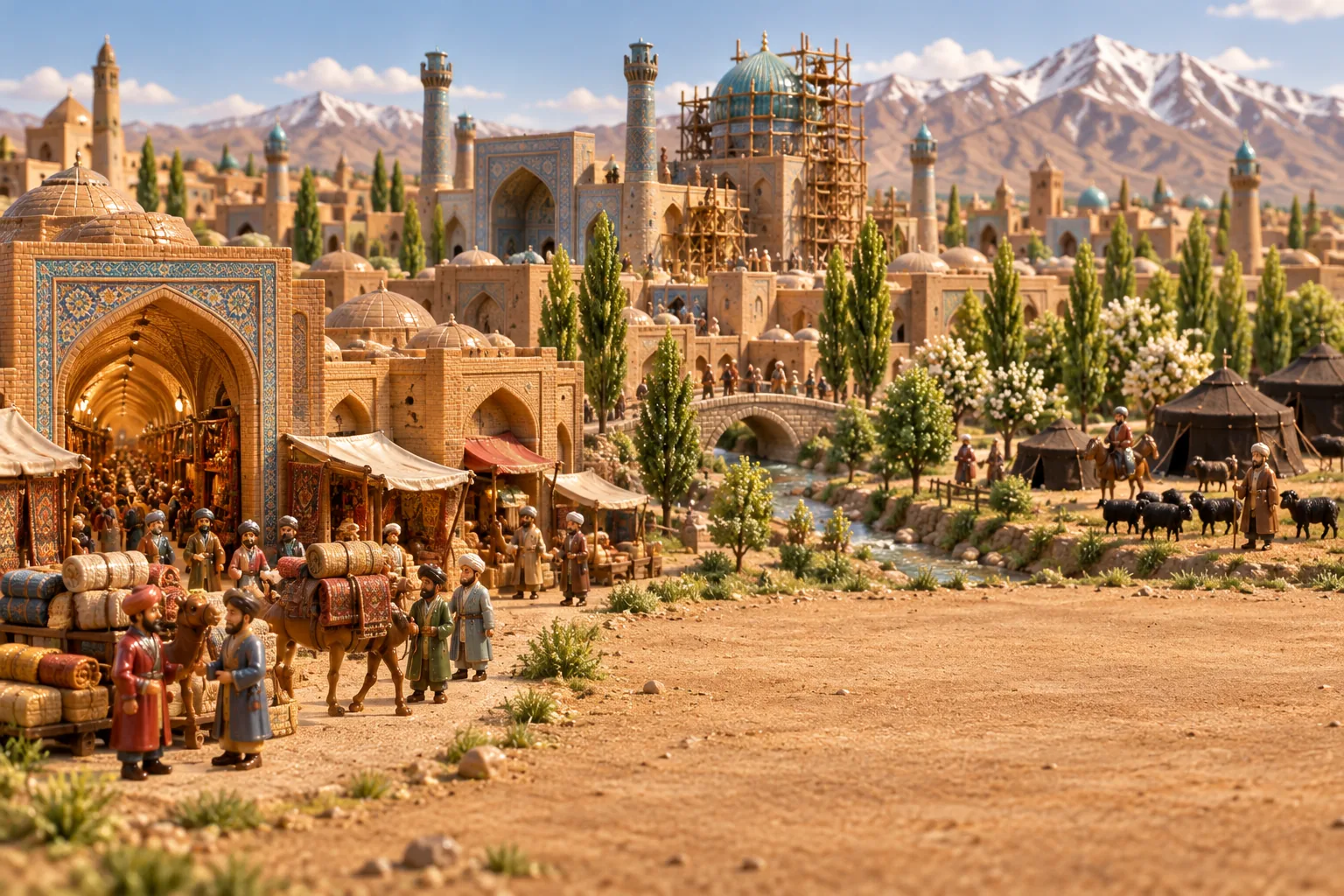 c. 1374 – 1468 · TabrizQara QoyunluNamed for the black sheep on their banners, these Turkoman nomads built an empire from Tabriz and crowned it with the Blue Mosque.
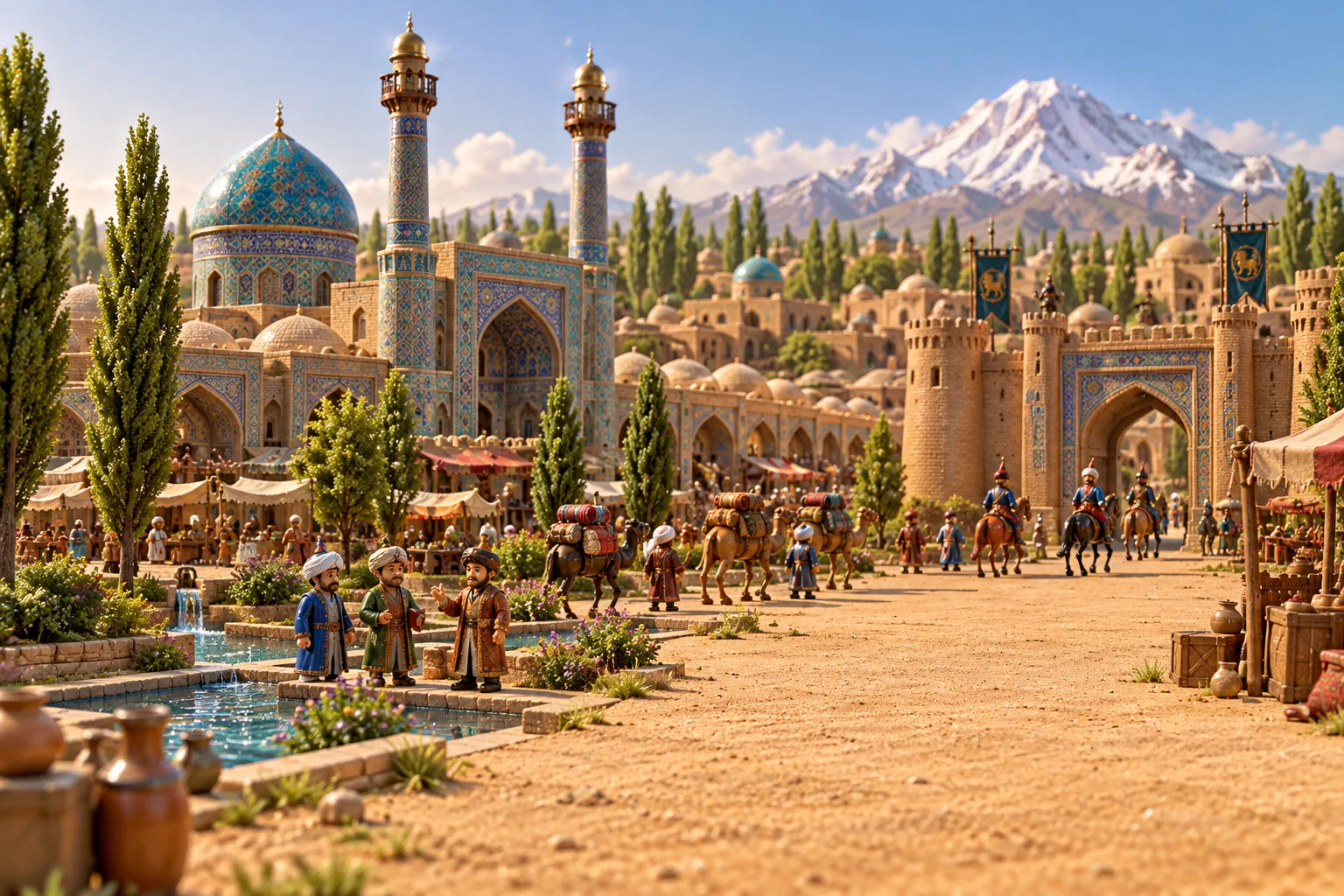 1378–1508 · Tabriz, IranAq QoyunluThe 'White Sheep' Turkomans ruled from Tabriz under Uzun Hasan, who asked Venice for help against the Ottomans.
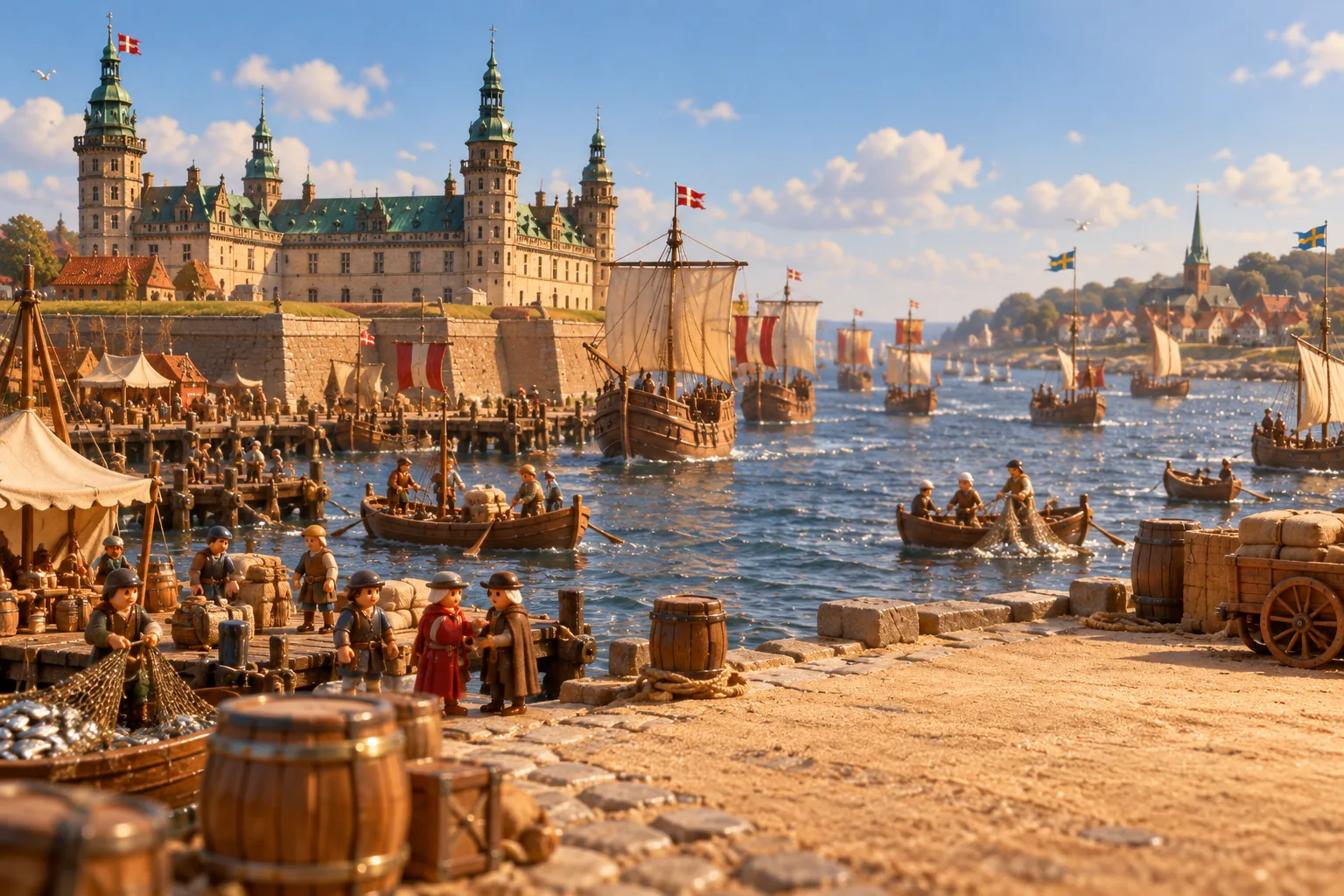 1397–1523 · CopenhagenKalmar UnionFor more than a century one king sat on the thrones of Denmark, Norway and Sweden, until a mass execution in Stockholm drove the Swedes out for good.
Early modern 1500 to 1800
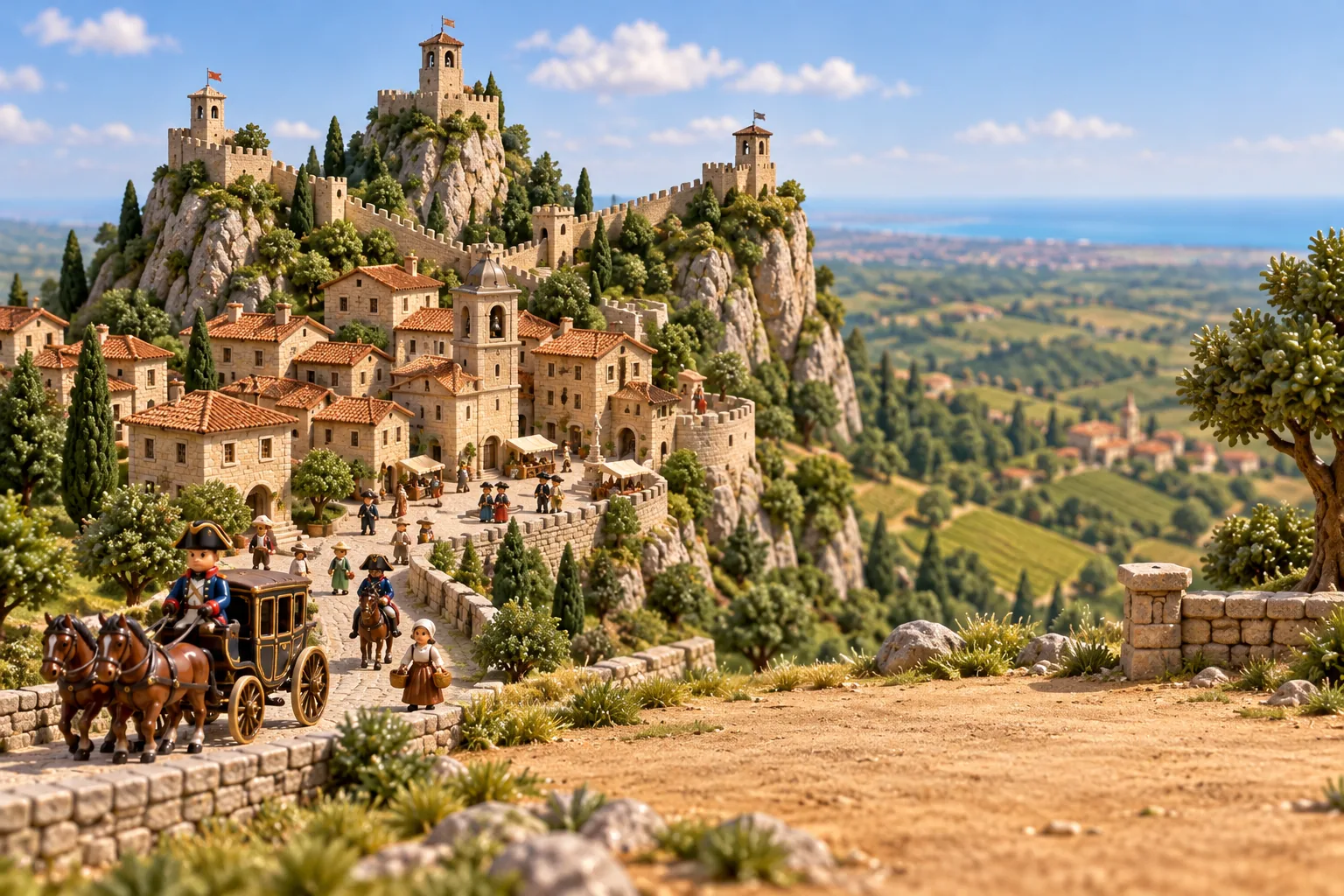 c. 301 – 2013 · Monte Titano, San MarinoSan MarinoIn 1797 Napoleon offered to enlarge the world's oldest surviving republic, and its regents politely said no.
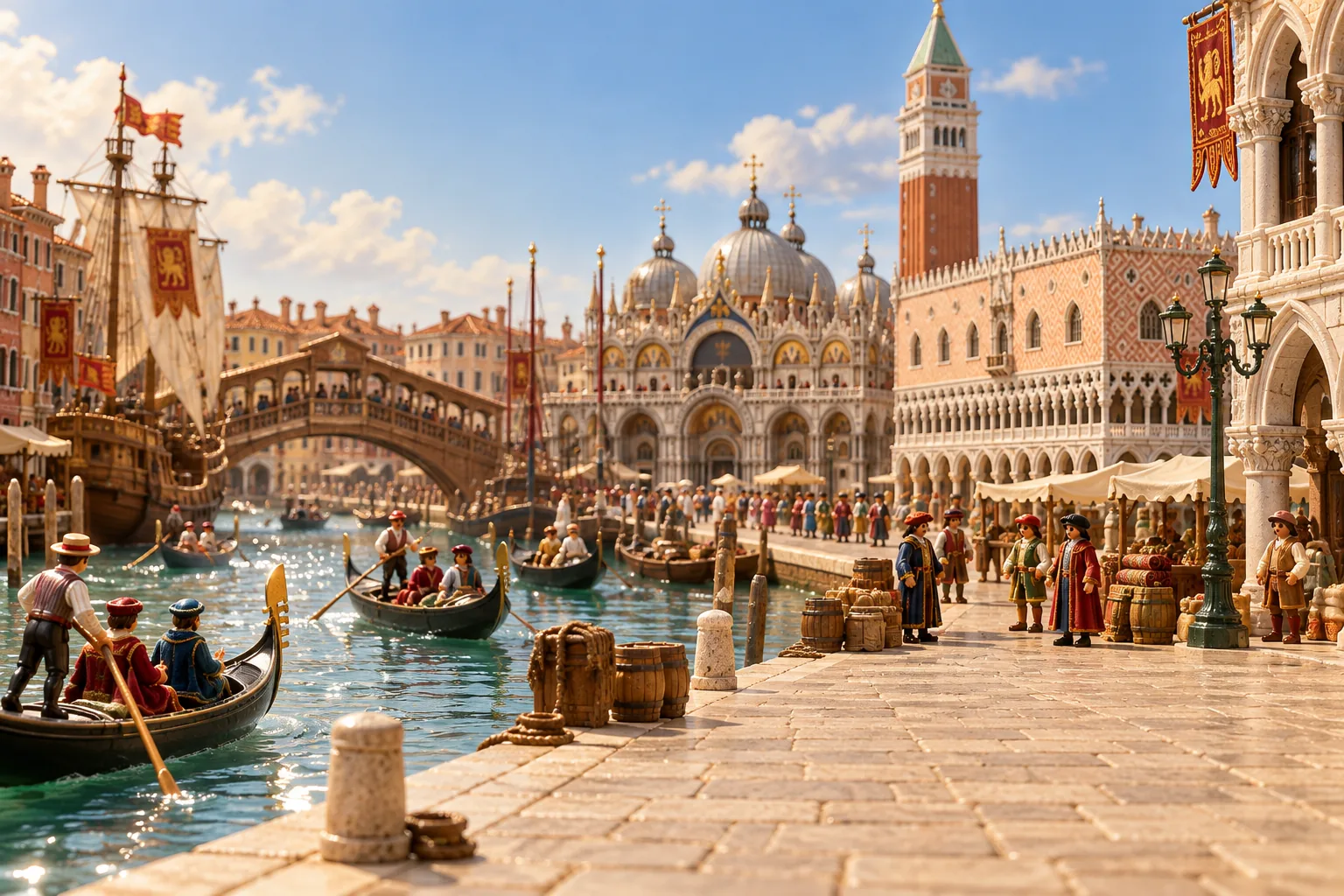 697–1797 · VeniceRepublic of VeniceVenice stayed a republic for 1,100 years, its doge elected for life and its Arsenal able to turn out nearly a ship a day.
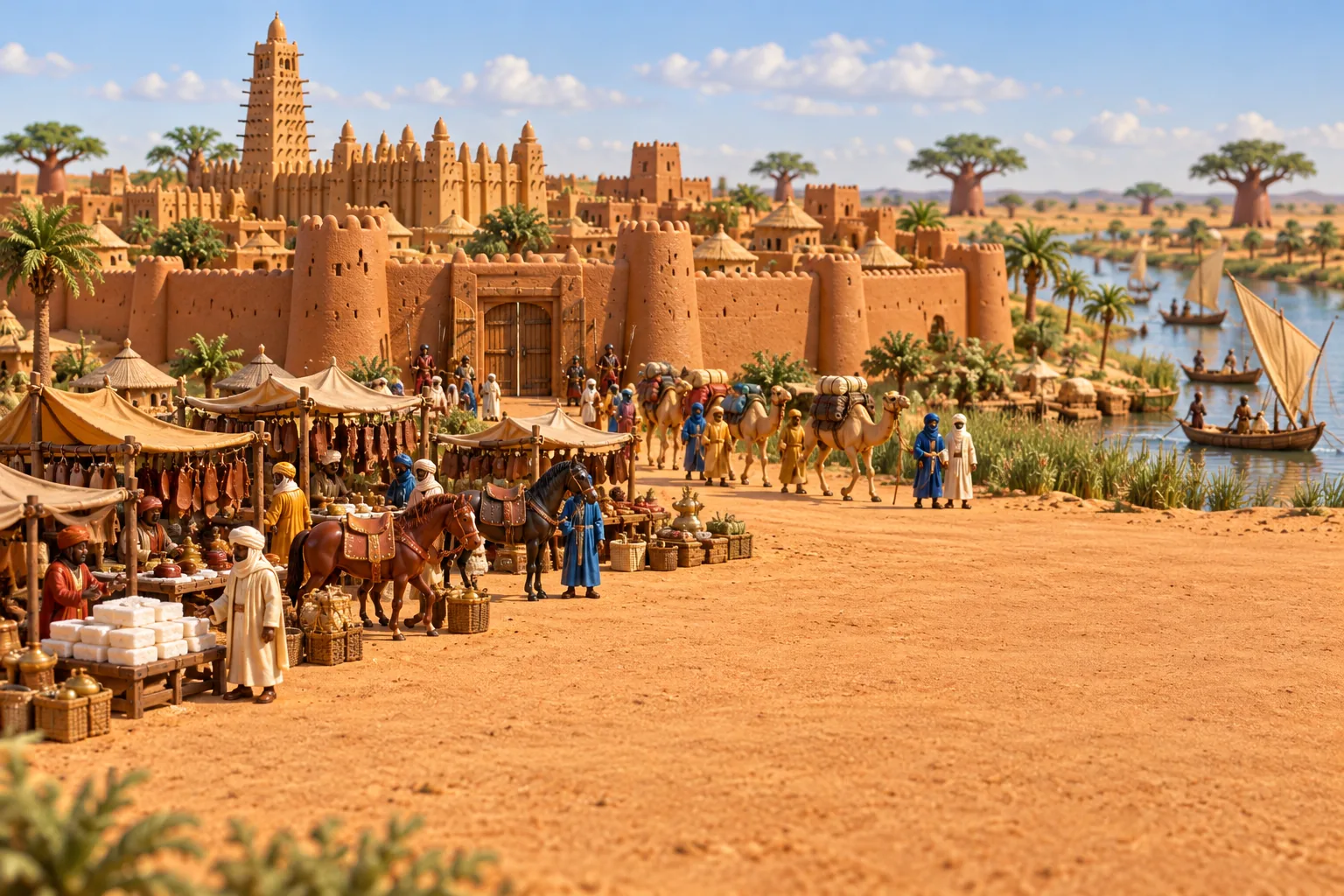 c. 700 – 1893 · Ngazargamu, Bornu (Nigeria)Kanem-Bornu EmpireRuled by the Sayfawa dynasty for about a thousand years, it was one of the longest-lived kingdoms in African history.
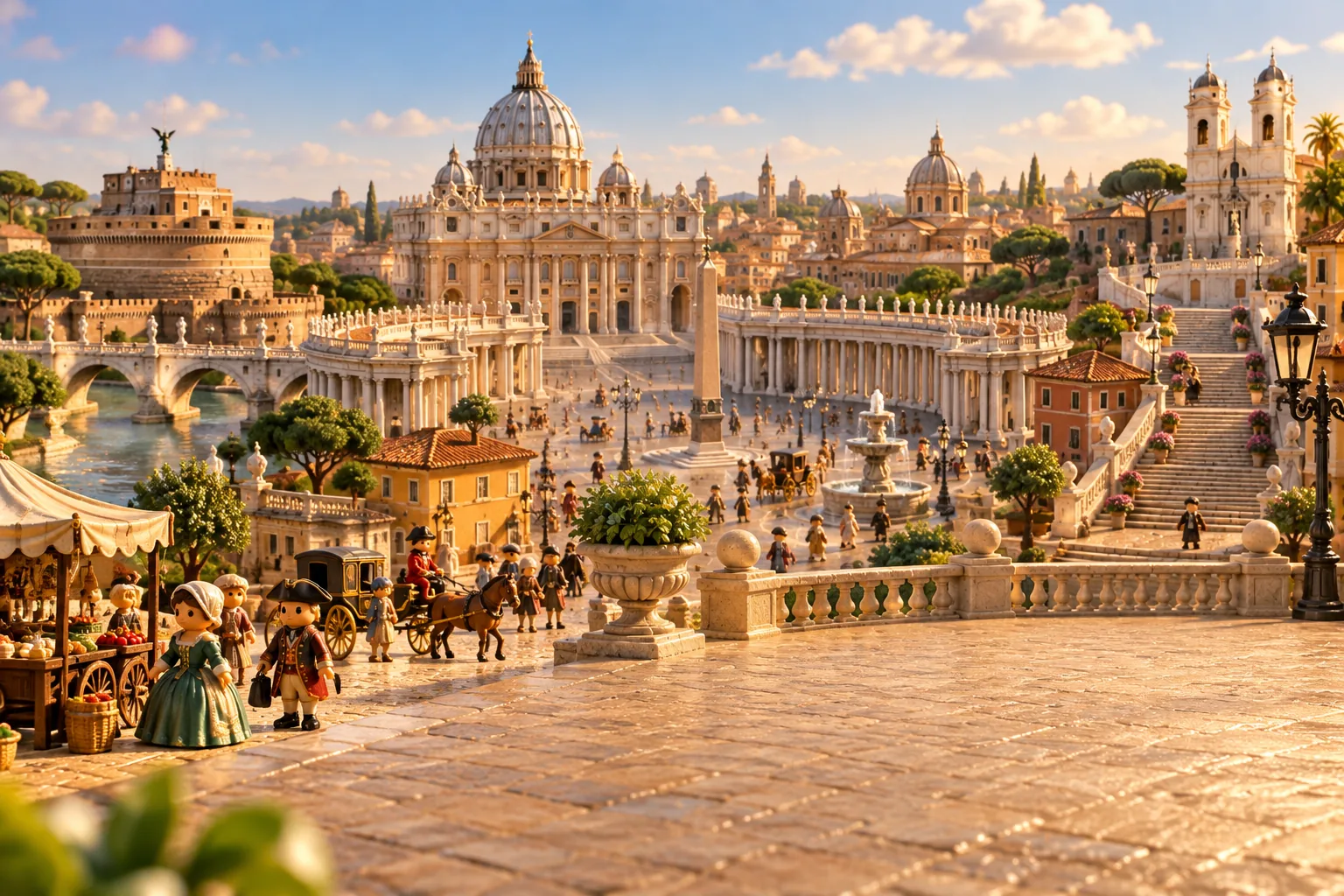 756–1870 · RomePapal StatesPopes ruled a state across central Italy for over 1,100 years, until Italian troops took Rome in 1870 and left them only the Vatican.
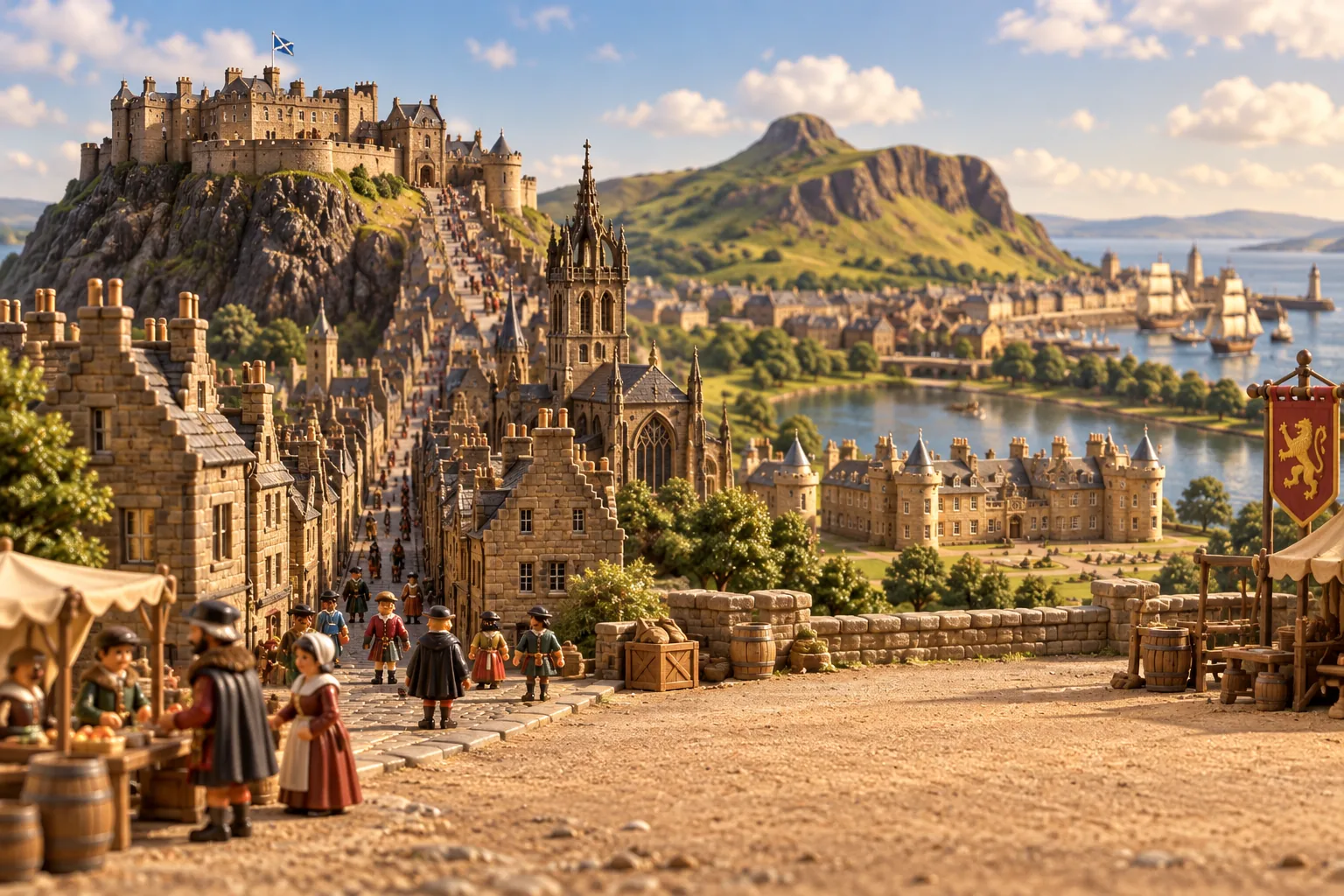 c. 843–1707 · EdinburghKingdom of ScotlandScotland kept its own crown for more than seven centuries, until in 1603 its king James VI inherited England's throne and one man began ruling both.
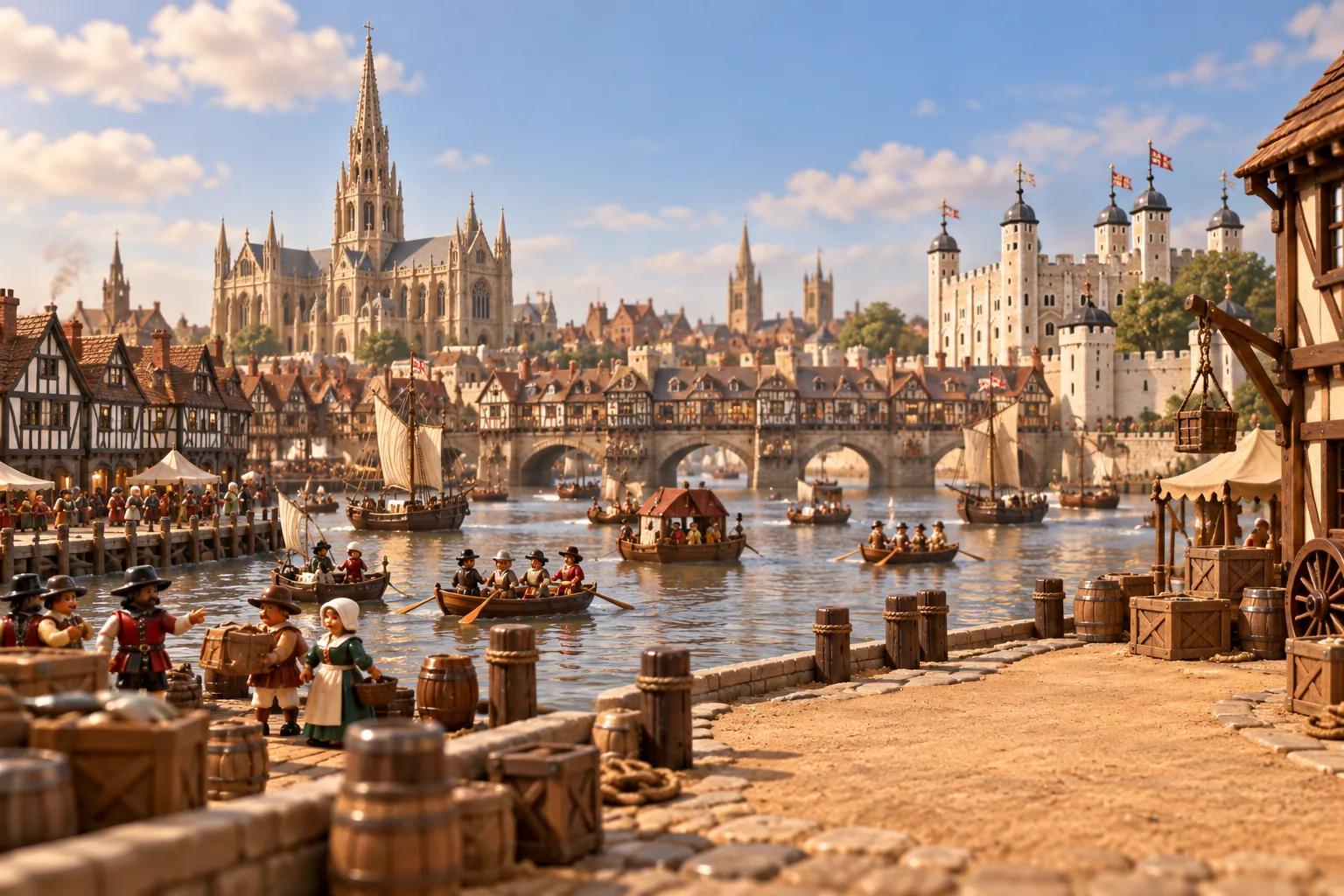 927–1707 · LondonKingdom of EnglandFor almost eight centuries England was its own kingdom, conquered by Danes and Normans, ruled by Tudors and Stuarts, until it voted itself into Great Britain.
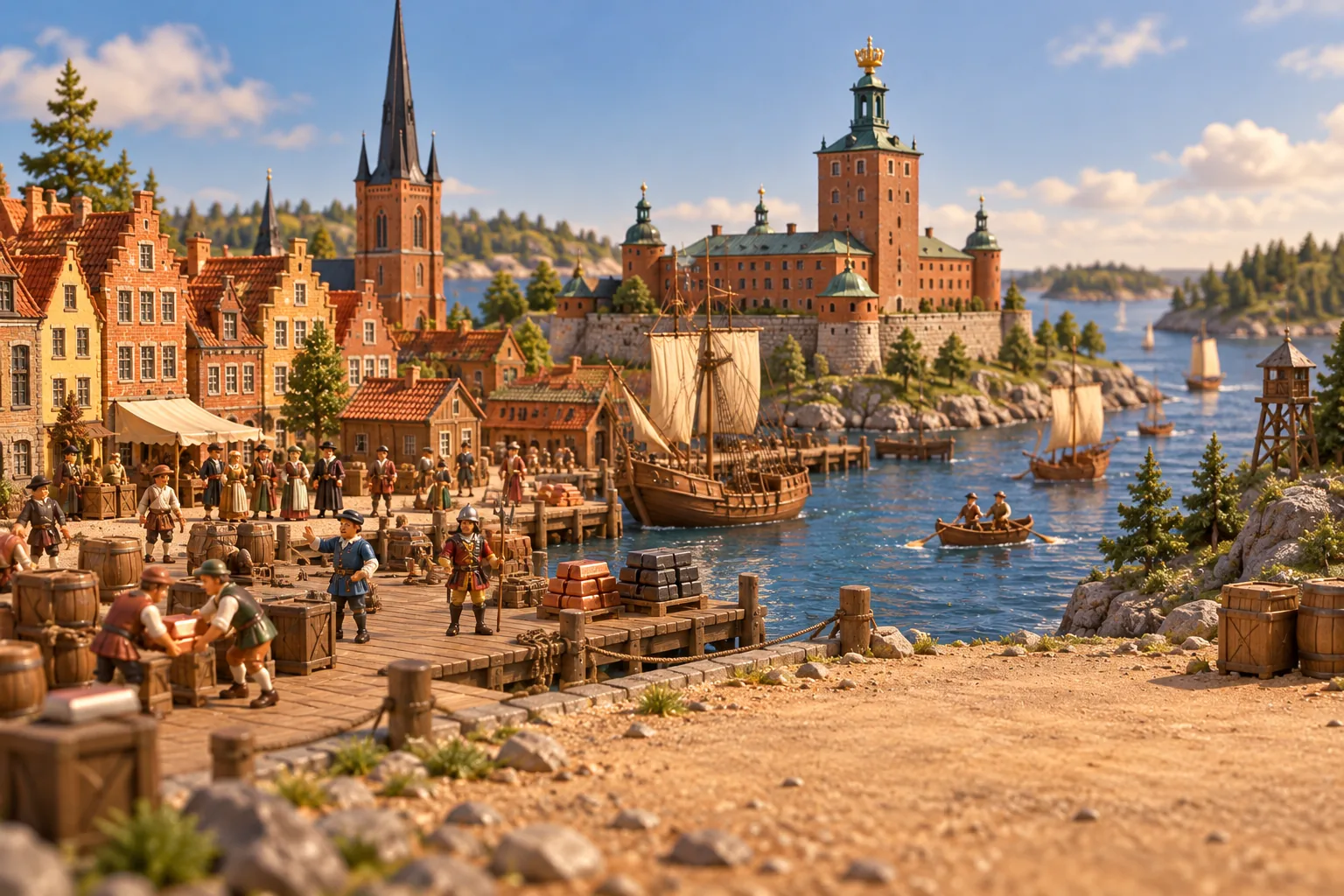 c. 980–2013 · Stockholm, SwedenSwedenA young nobleman who, the story goes, fled from his enemies on skis was made king on 6 June 1523, now Sweden's National Day, and Sweden has not been at war since 1814.
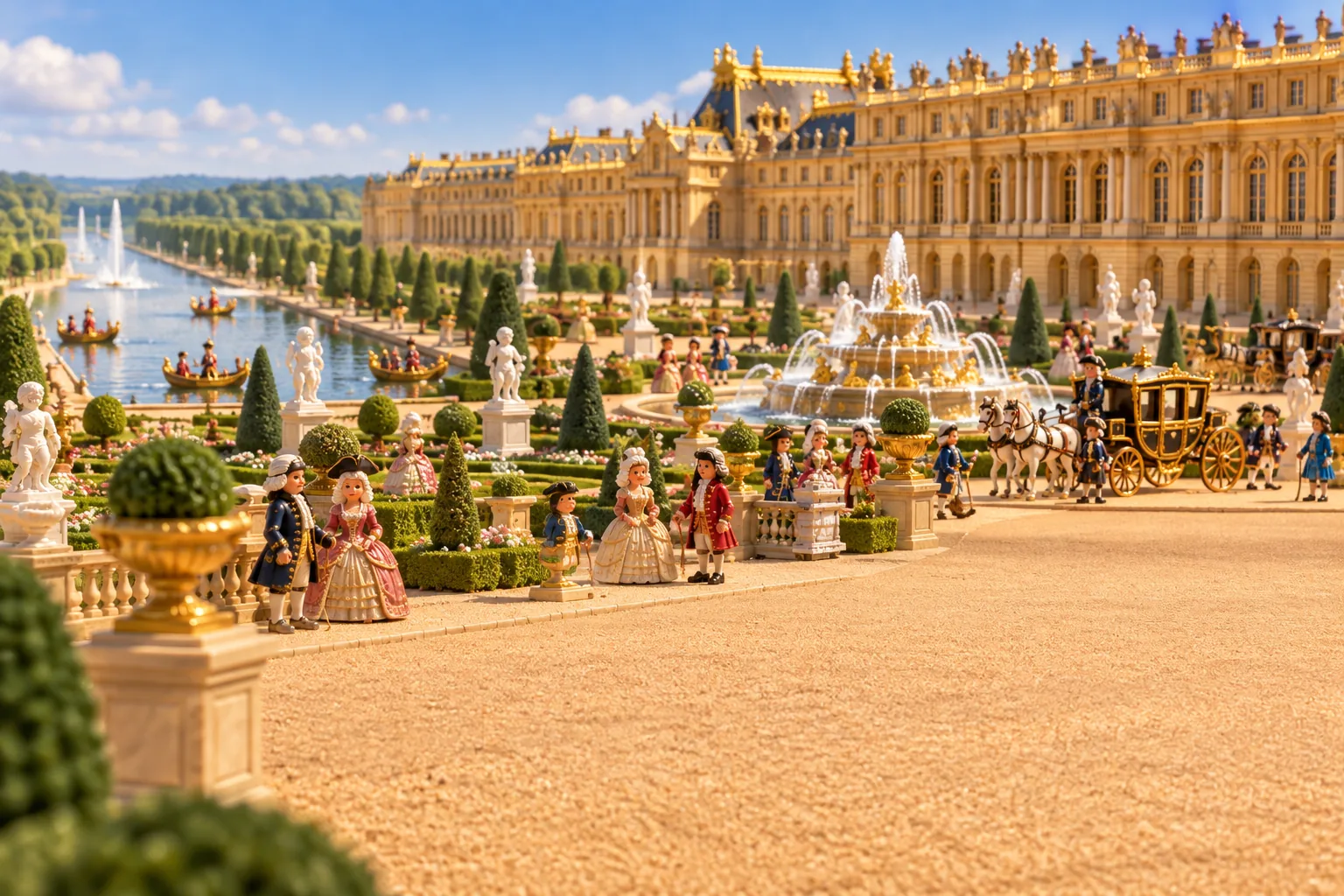 987–1792 · ParisKingdom of FranceOne family and its branches ruled France for more than 800 years, until a king who had inherited the Sun King's crown lost his head in 1793.
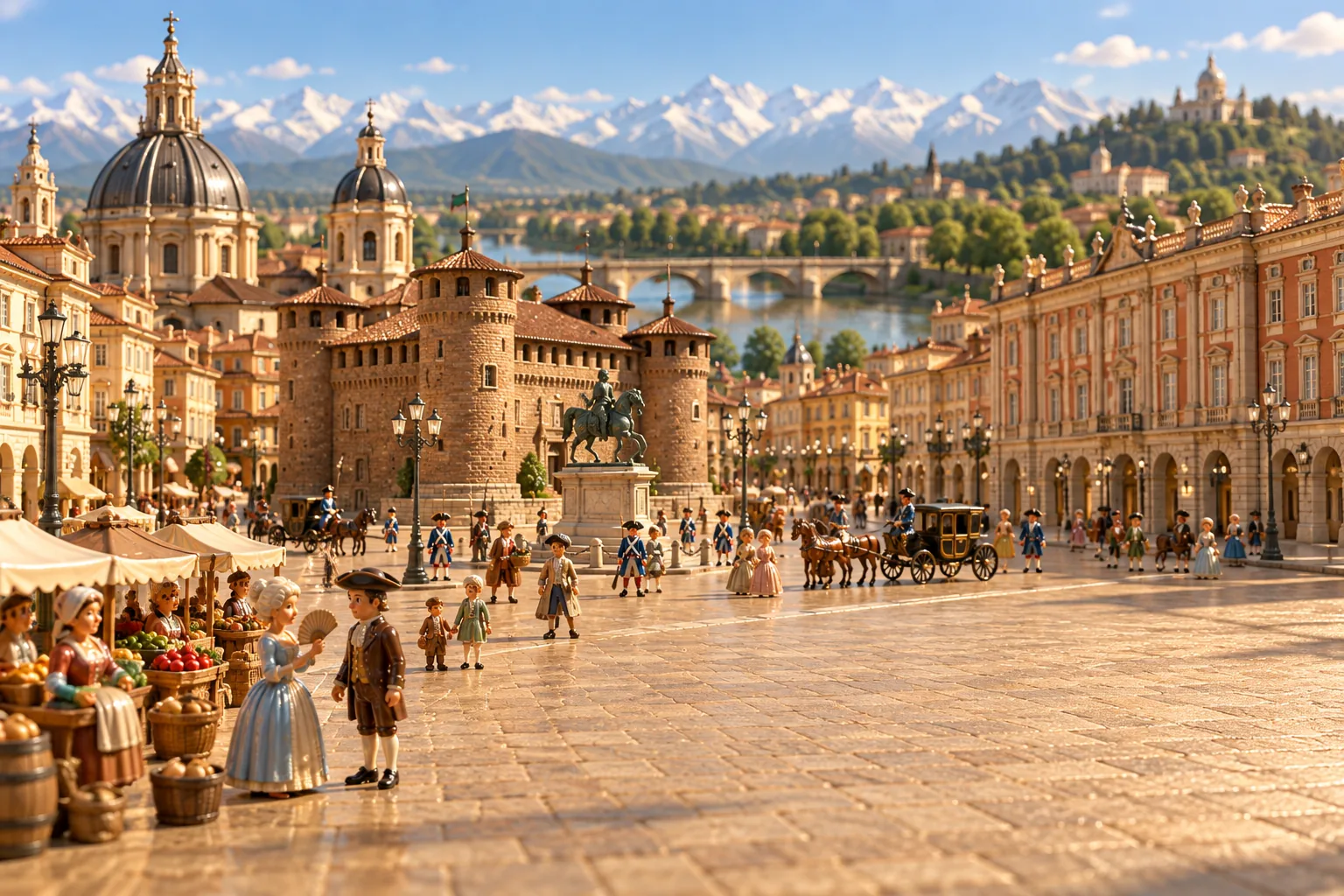 1003–1946 · Turin, ItalyHouse of SavoyA family that began with one poor county in the Alps traded Sicily for Sardinia in 1720 and ended up ruling all of Italy.
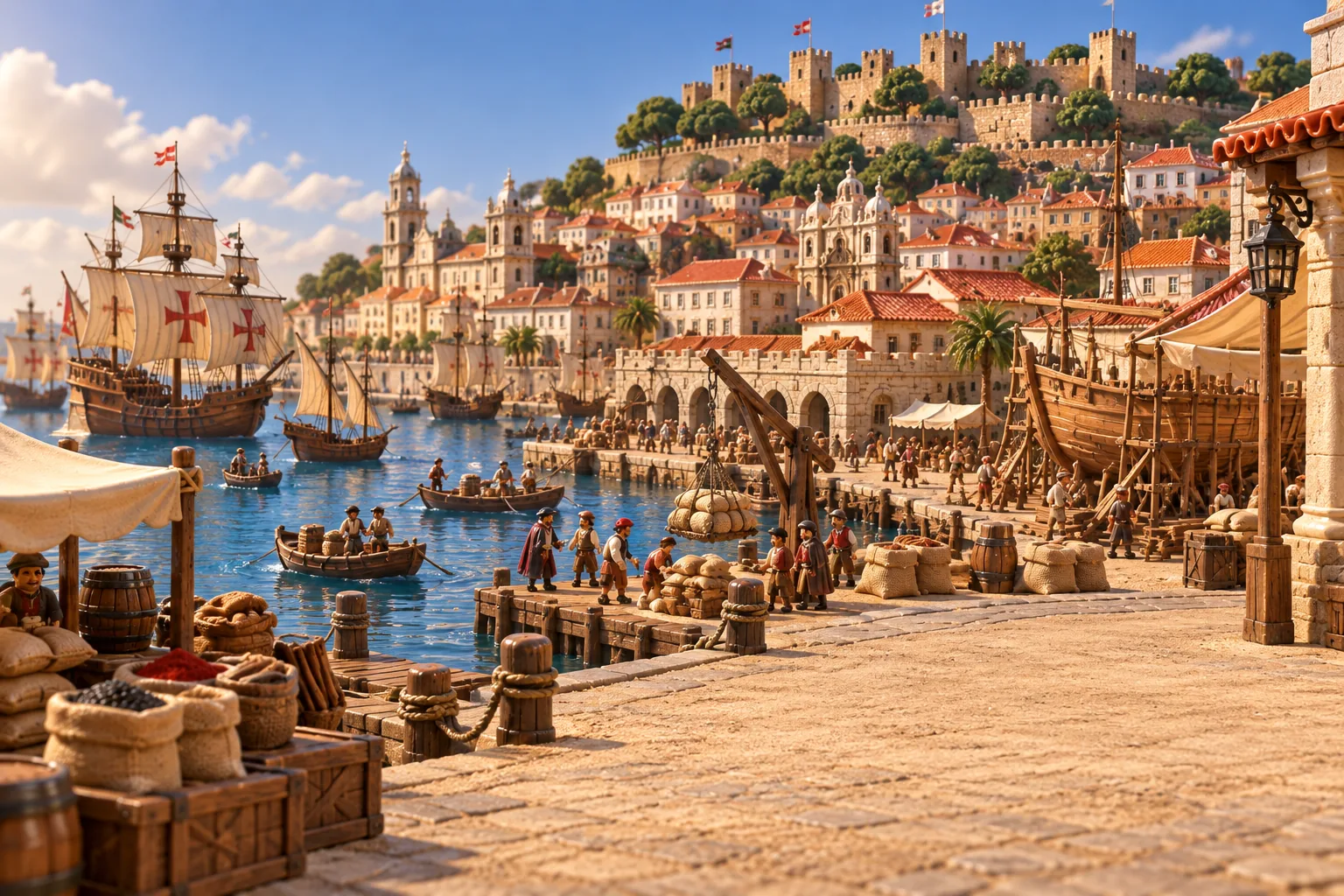 1139–1910 · LisbonKingdom of PortugalA kingdom of about two million people sent Vasco da Gama to India and Cabral to Brazil, and built an empire across Africa, Asia and the Americas.
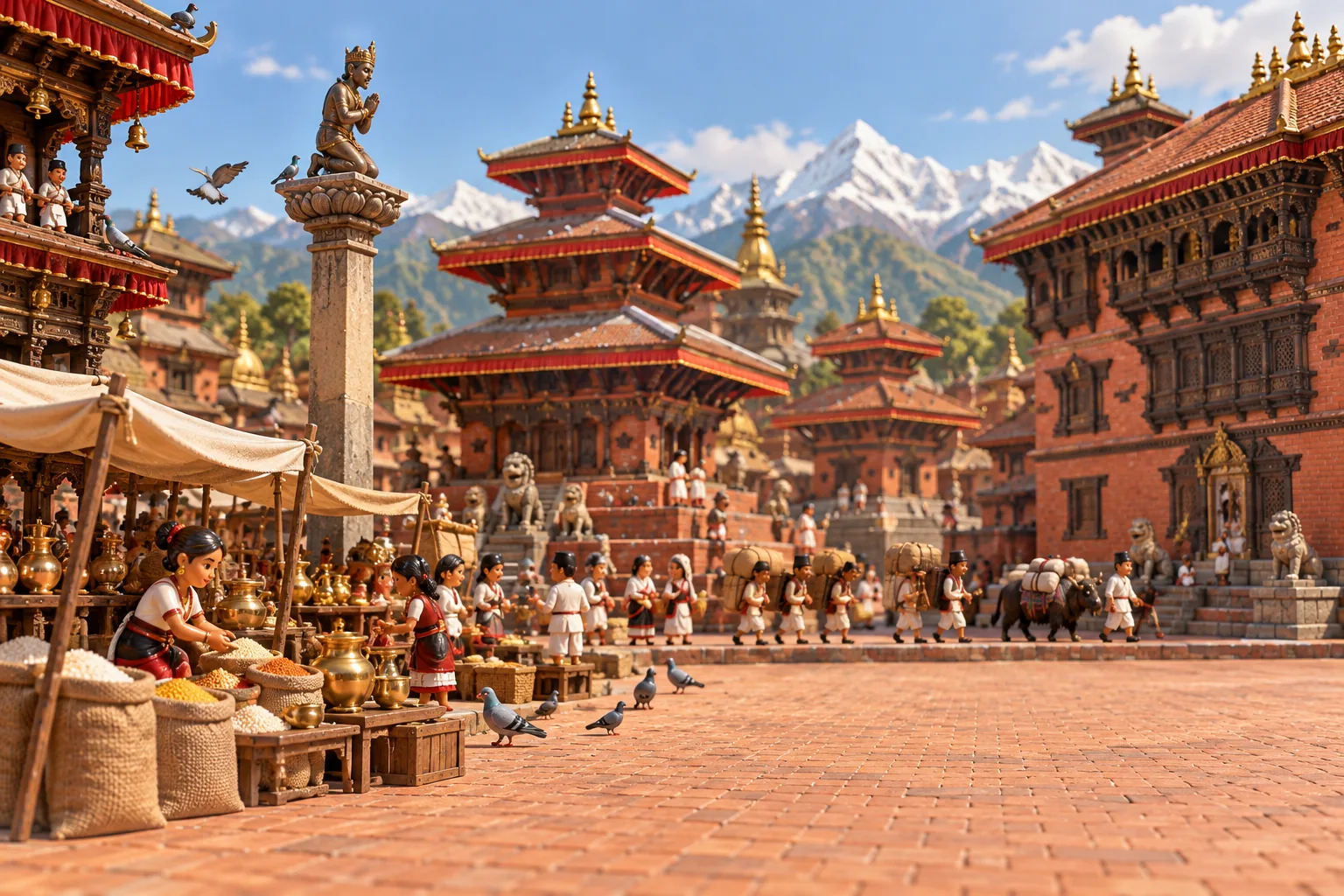 1201–1769 · Kathmandu, NepalMalla dynasty of NepalUnder the Malla kings the Kathmandu valley held three rival city-kingdoms that competed by filling their Durbar Squares with palaces and temples.
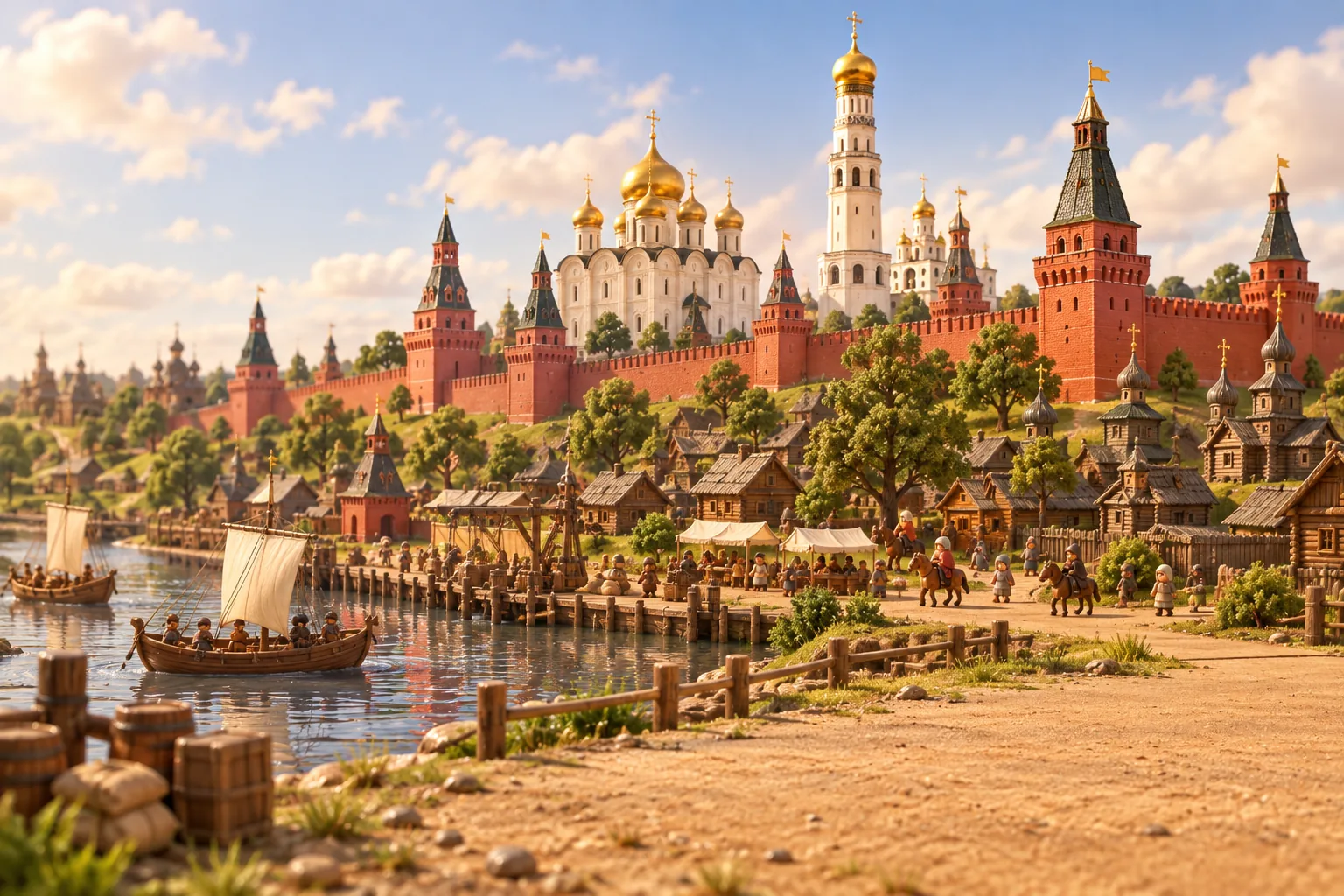 c. 1263 – 1547 · MoscowGrand Principality of MoscowMoscow began as a minor town paying tribute to the Mongols, and in 1480 its grand prince Ivan III faced down the Horde on the Ugra River without a real battle.
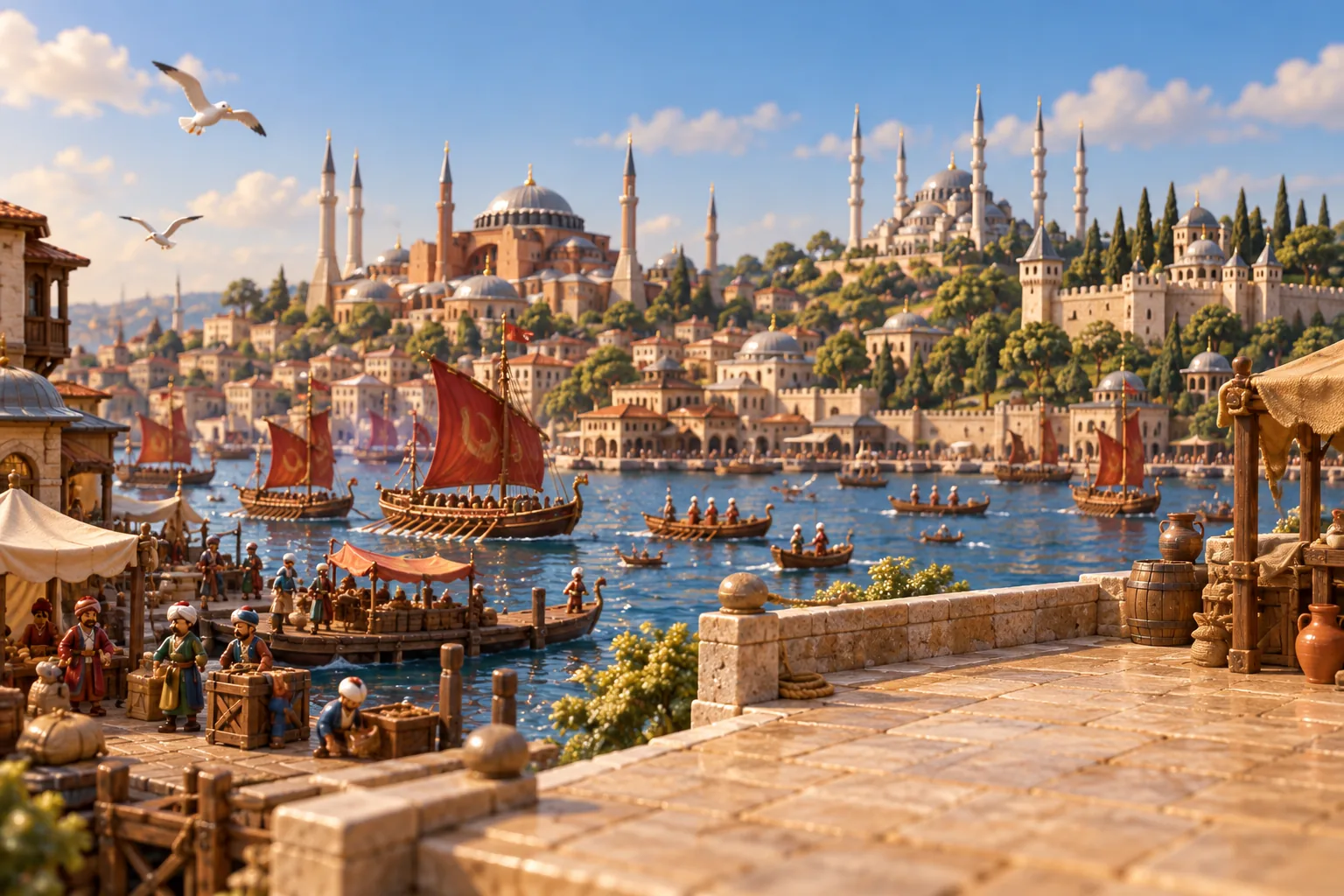 c. 1299 – 1922 · IstanbulOttoman EmpireA border chieftain in Anatolia founded a dynasty that ruled for six centuries, and his descendants turned Constantinople into Istanbul.
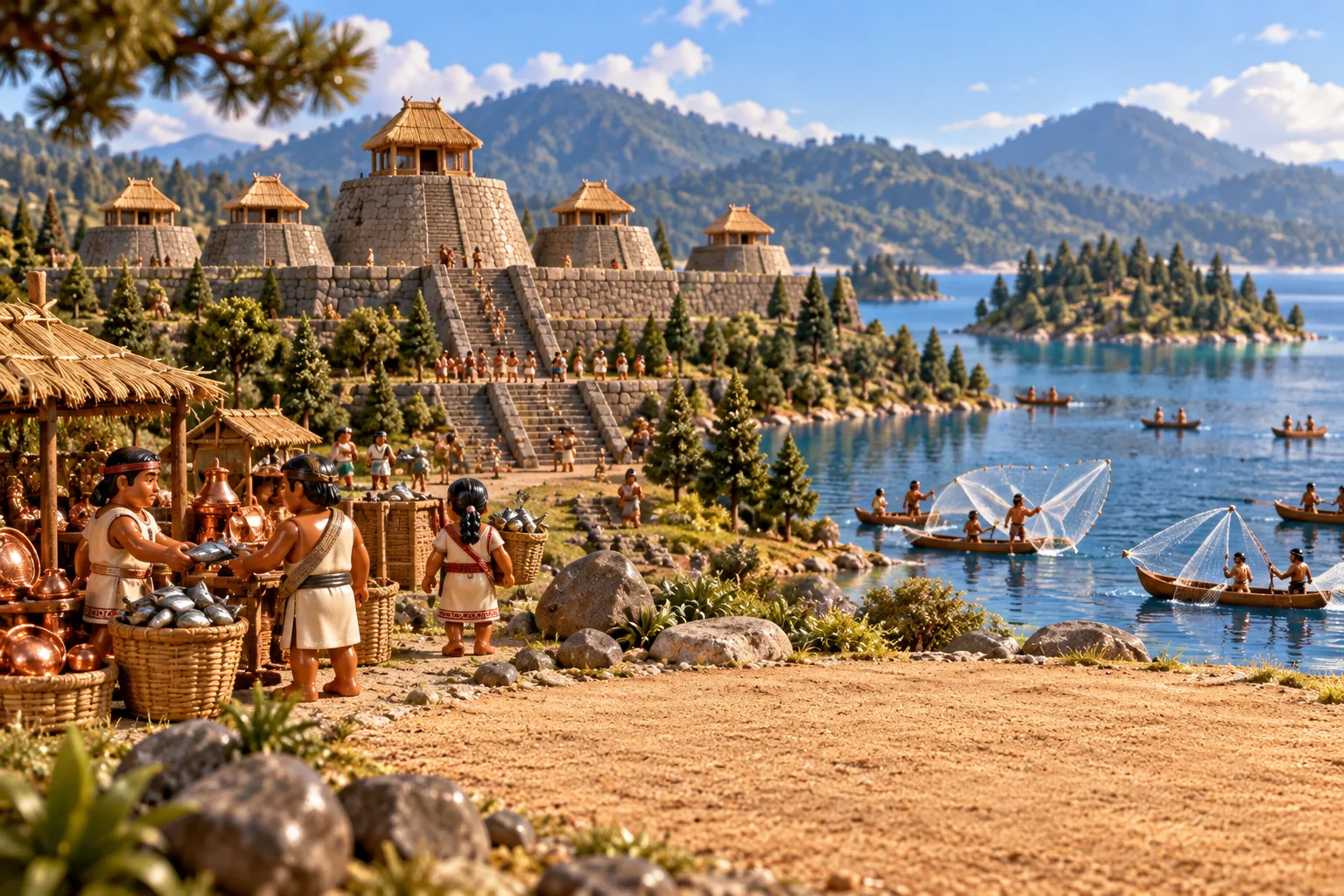 c. 1300 – 1530 · Tzintzuntzan, Michoacán, MexicoPurépecha EmpireThe Purépecha kingdom here beat back the Aztecs and worked copper and bronze, a metal skill rare in Mesoamerica.
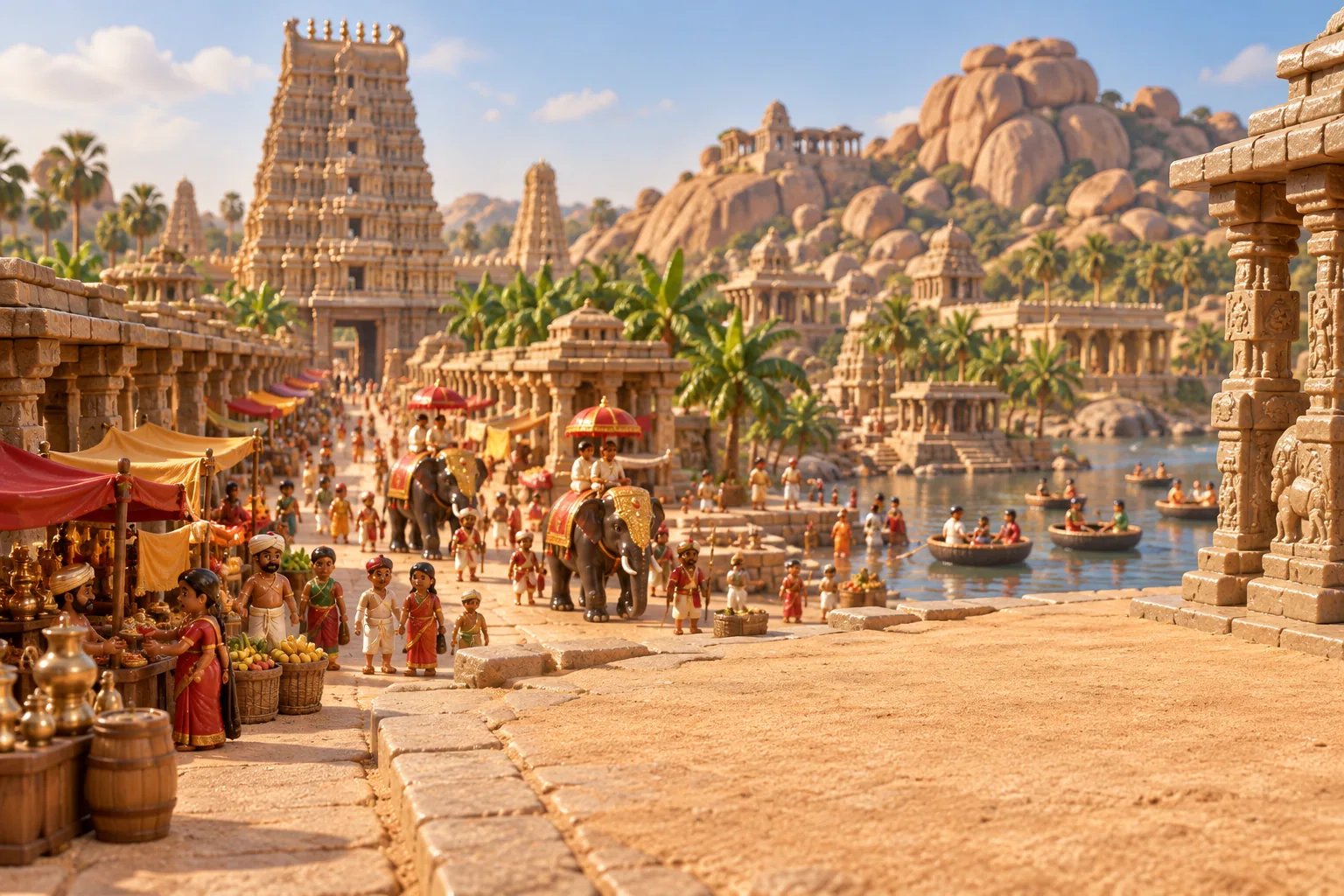 1336–1646 · Hampi, IndiaVijayanagara EmpireIts capital, which a Portuguese visitor called as large as Rome, was looted and burnt for six months after the Battle of Talikota in 1565 and never recovered.
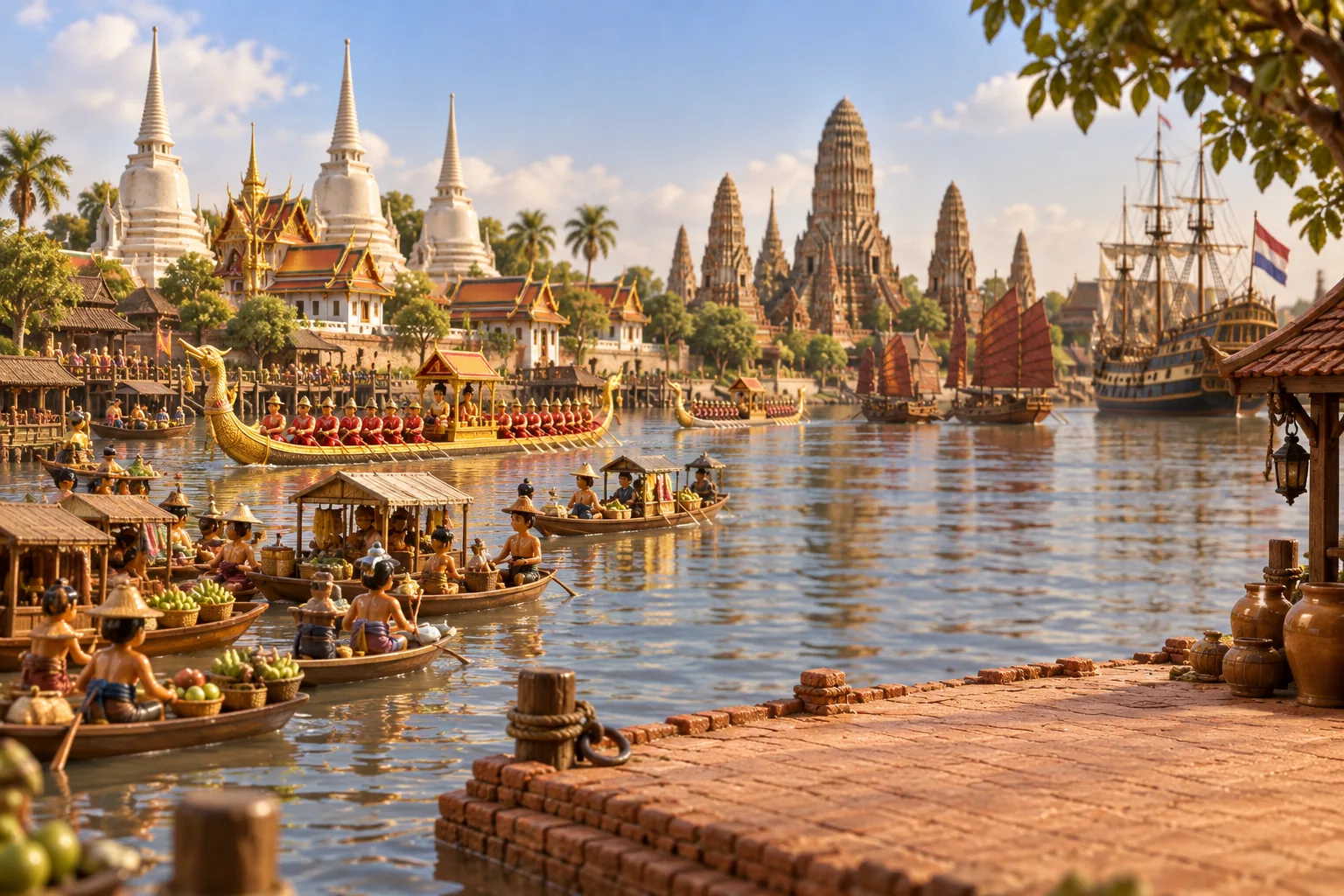 1351–1767 · Ayutthaya, ThailandAyutthaya KingdomFor four centuries one of Asia's great trading capitals, it was burned by a Burmese army in 1767 and abandoned as capital.
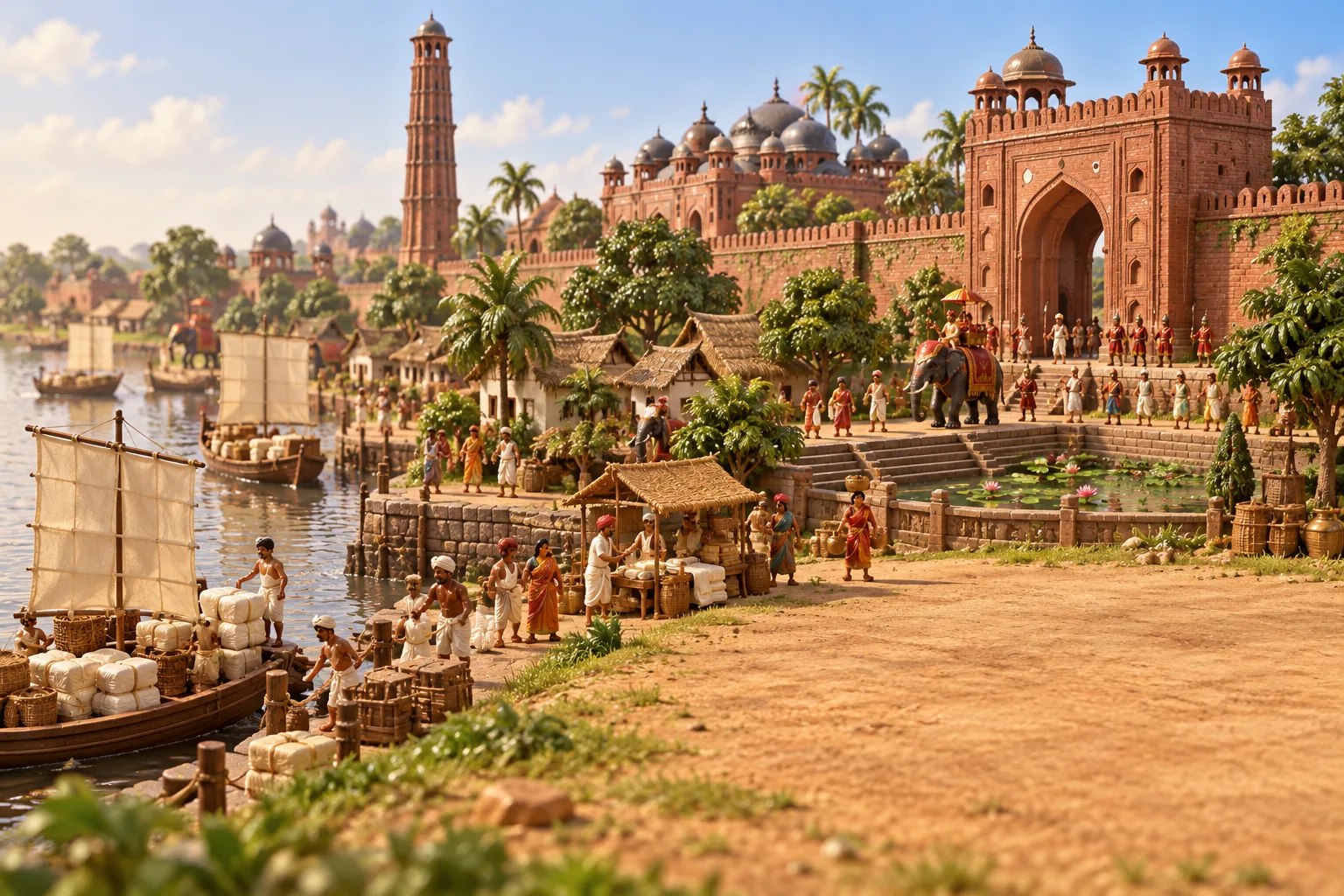 1352–1576 · Gaur, IndiaBengal SultanateIn 1414 its sultan sent an African giraffe to the emperor of China, and around 1500 its capital Gaur was one of the five largest cities in the world.
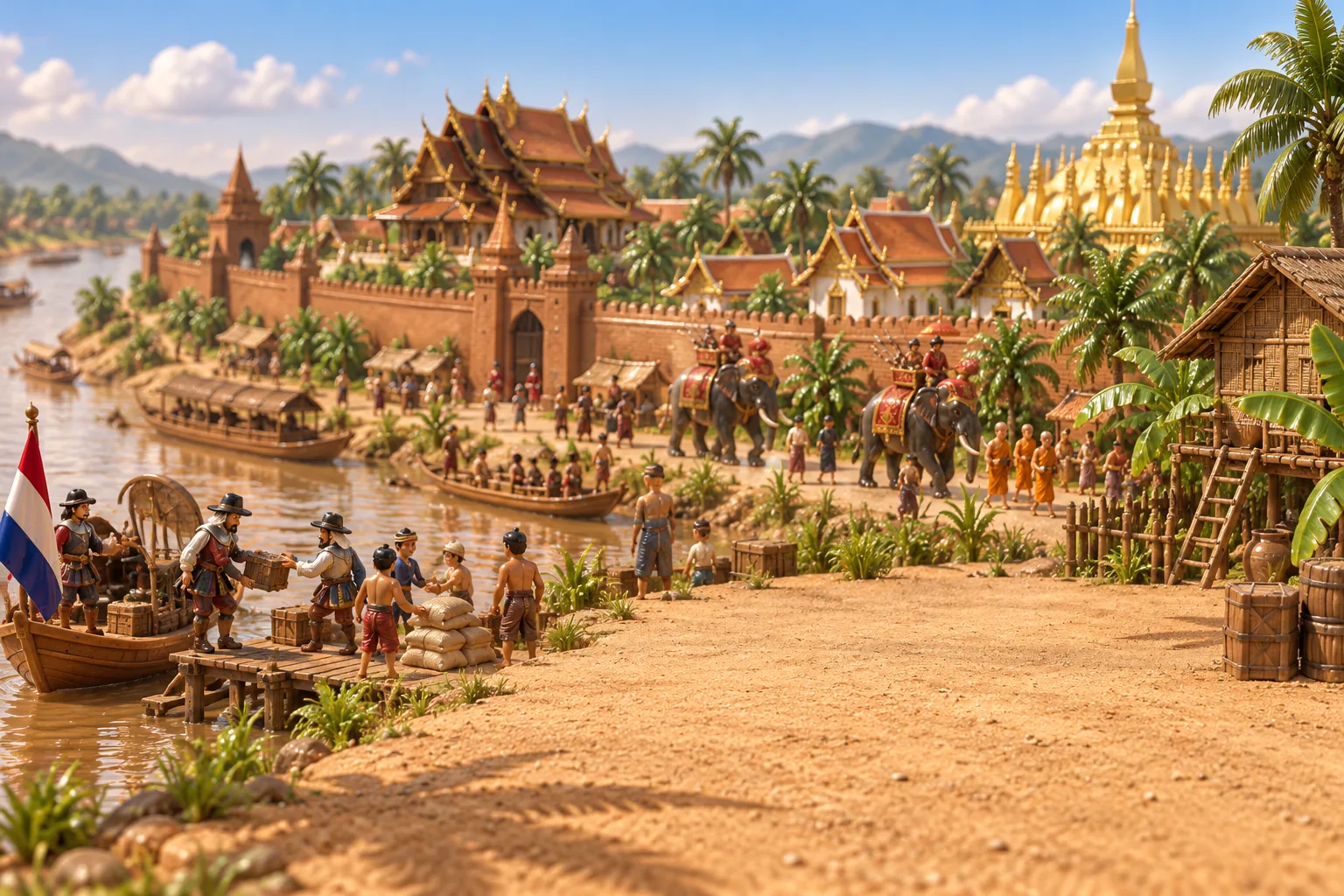 1353–1707 · Vientiane, LaosLan XangIts name means a million elephants, and for three and a half centuries this Lao kingdom was one of the largest in Southeast Asia.
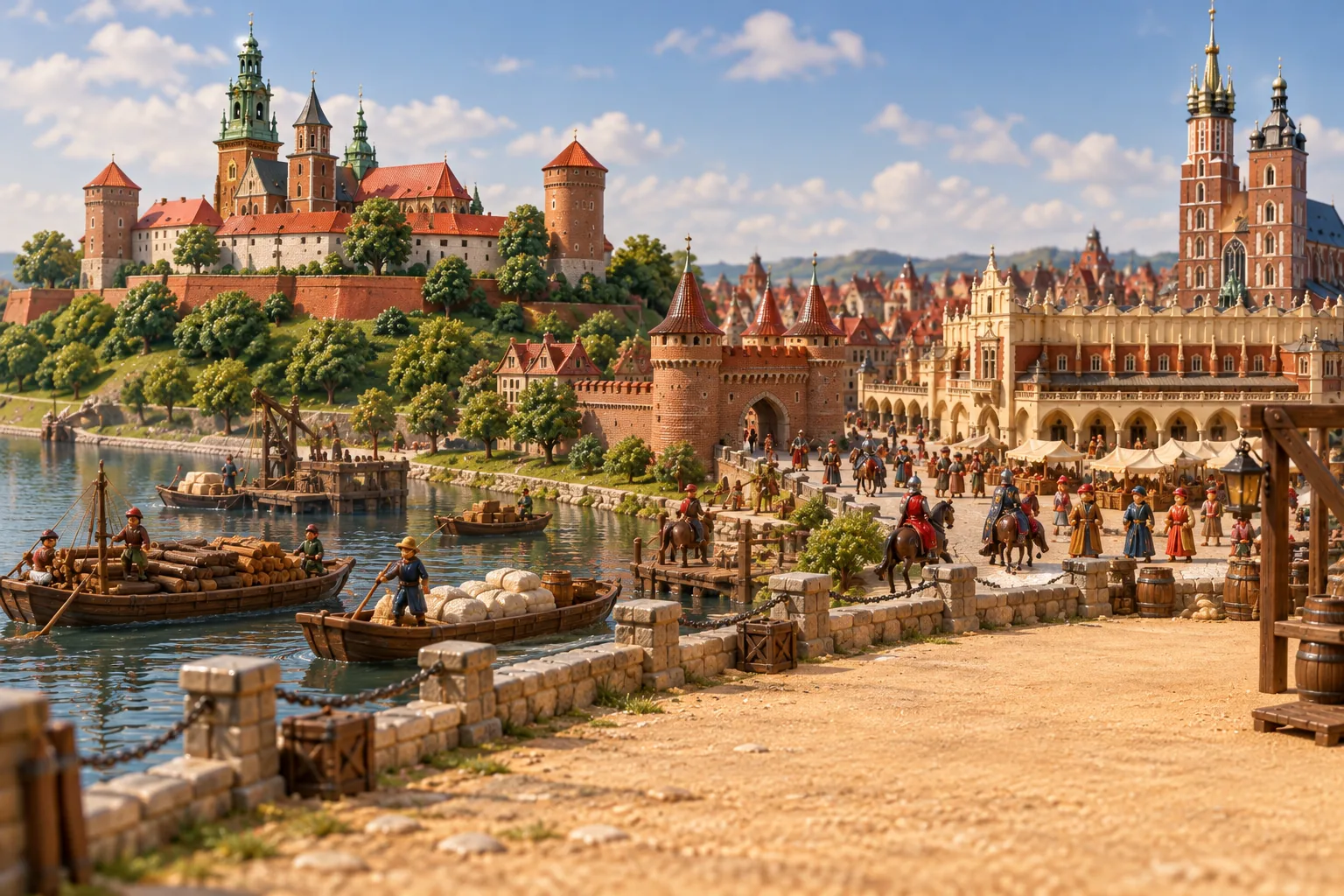 1386–1572 · KrakówJagiellonian dynastyA pagan grand duke was baptised to marry Poland's queen, and around 1500 his grandsons sat on the thrones of Poland, Lithuania, Bohemia and Hungary.
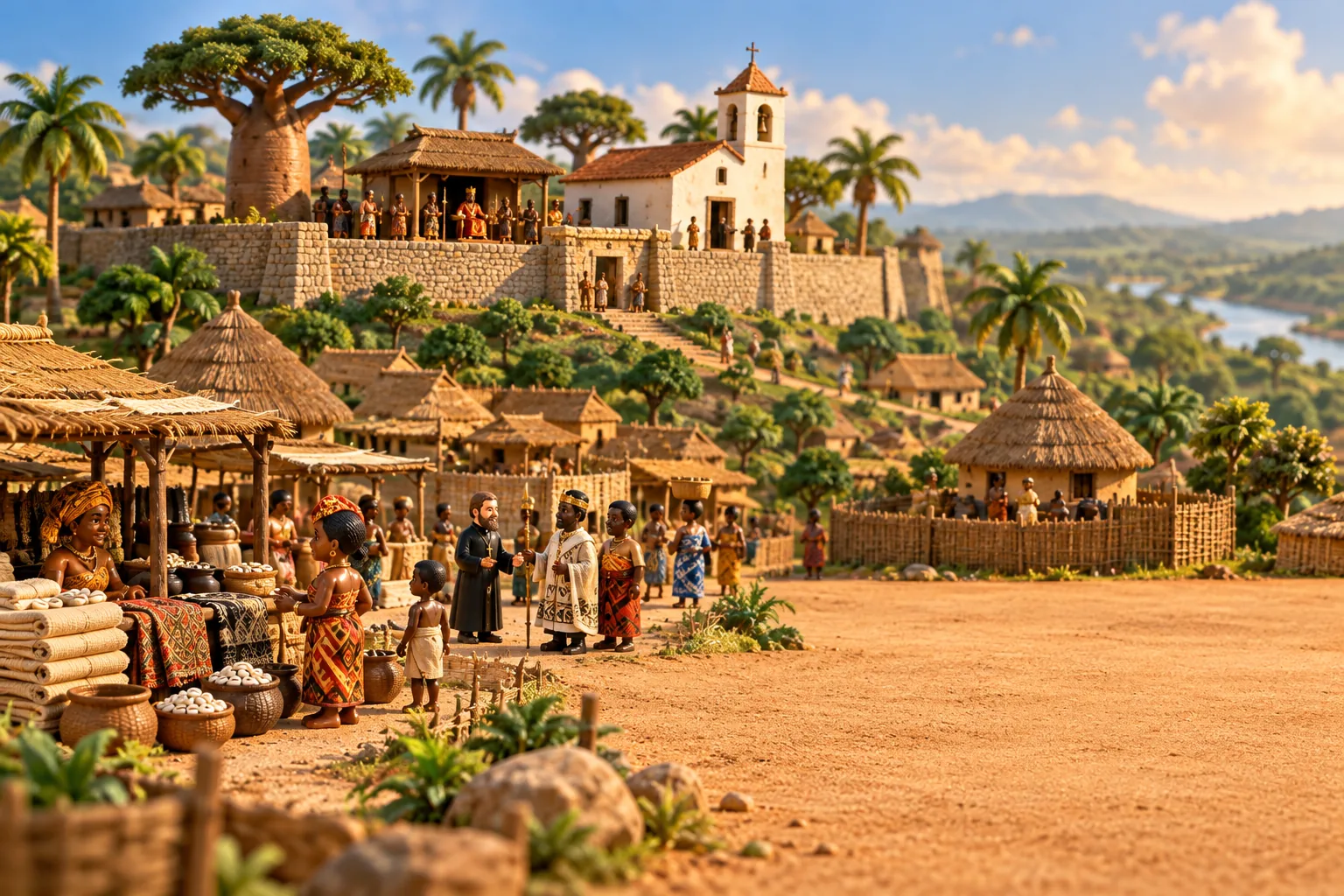 c. 1390 – 1914 · M'banza-Kongo, AngolaKingdom of KongoIts Christian king Afonso I wrote to Portugal's king in 1526 to complain that slave traders were kidnapping his own free subjects.
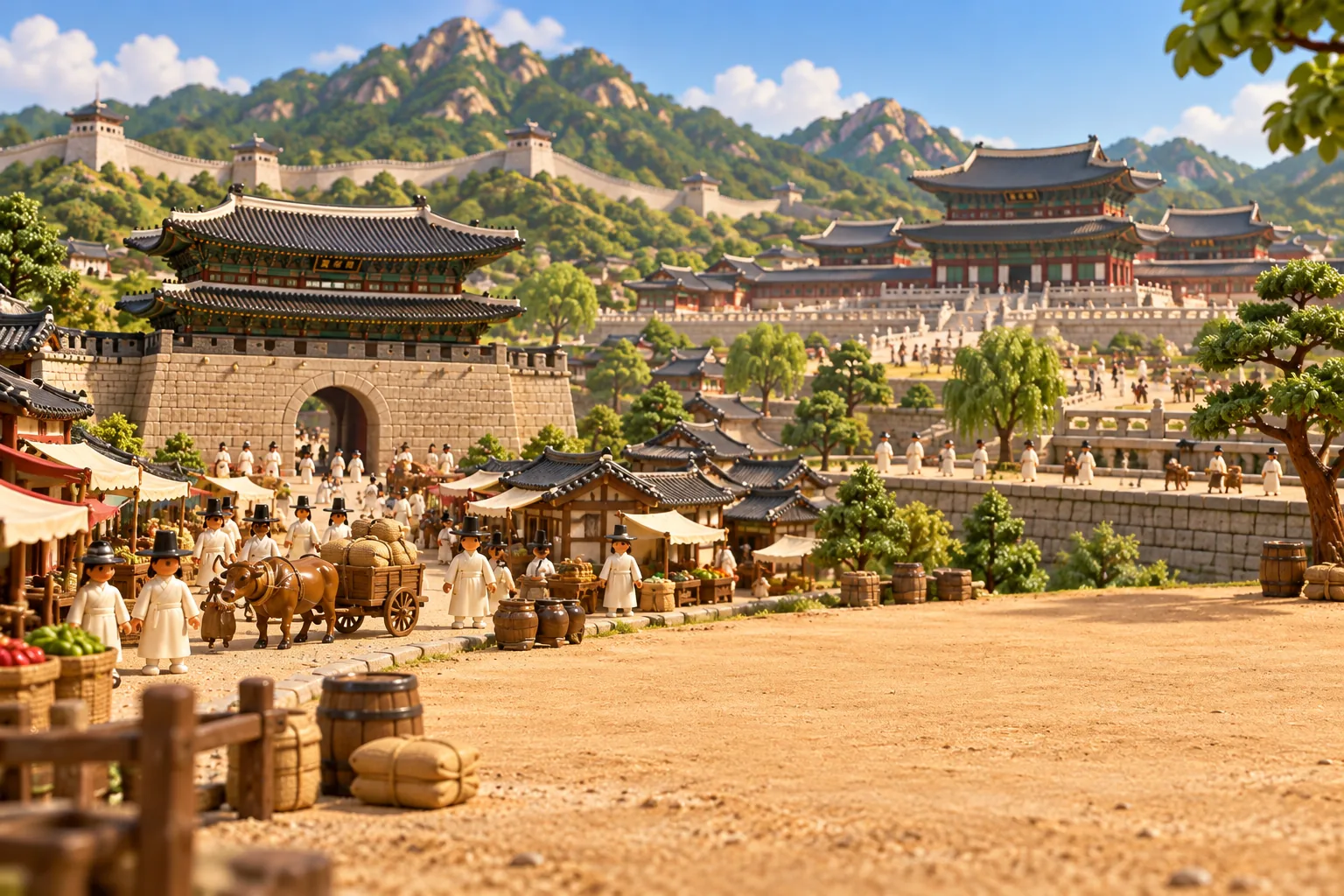 1392–1897 · Hanseong (Seoul), KoreaJoseonJoseon ruled Korea for 505 years, and in 1443 its King Sejong gave Koreans an alphabet of their own, Hangul.
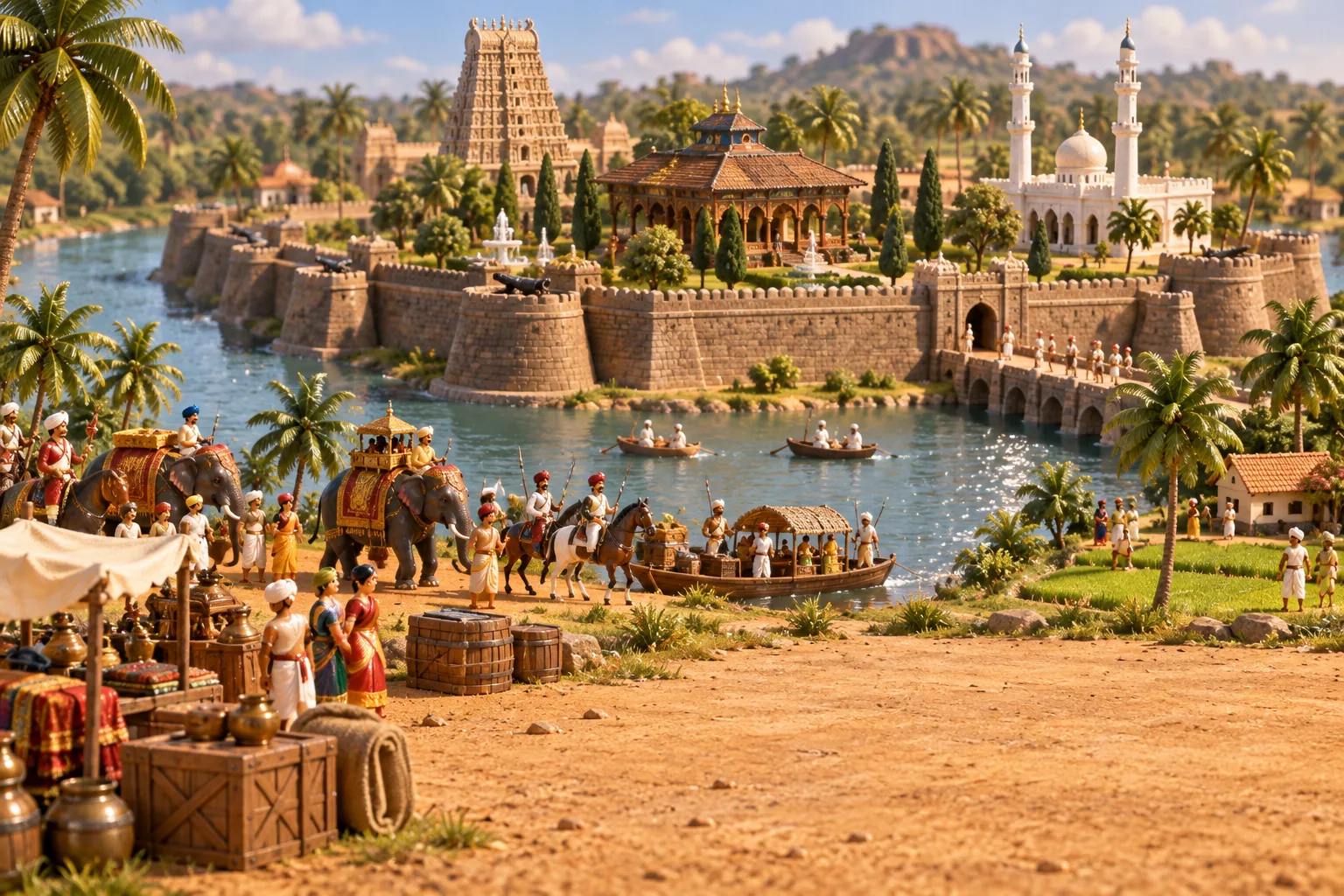 c. 1399 – 1950 · SrirangapatnaKingdom of MysoreIts rocket troops fired iron-cased rockets at British armies, and captured ones taught Britain to build its own.
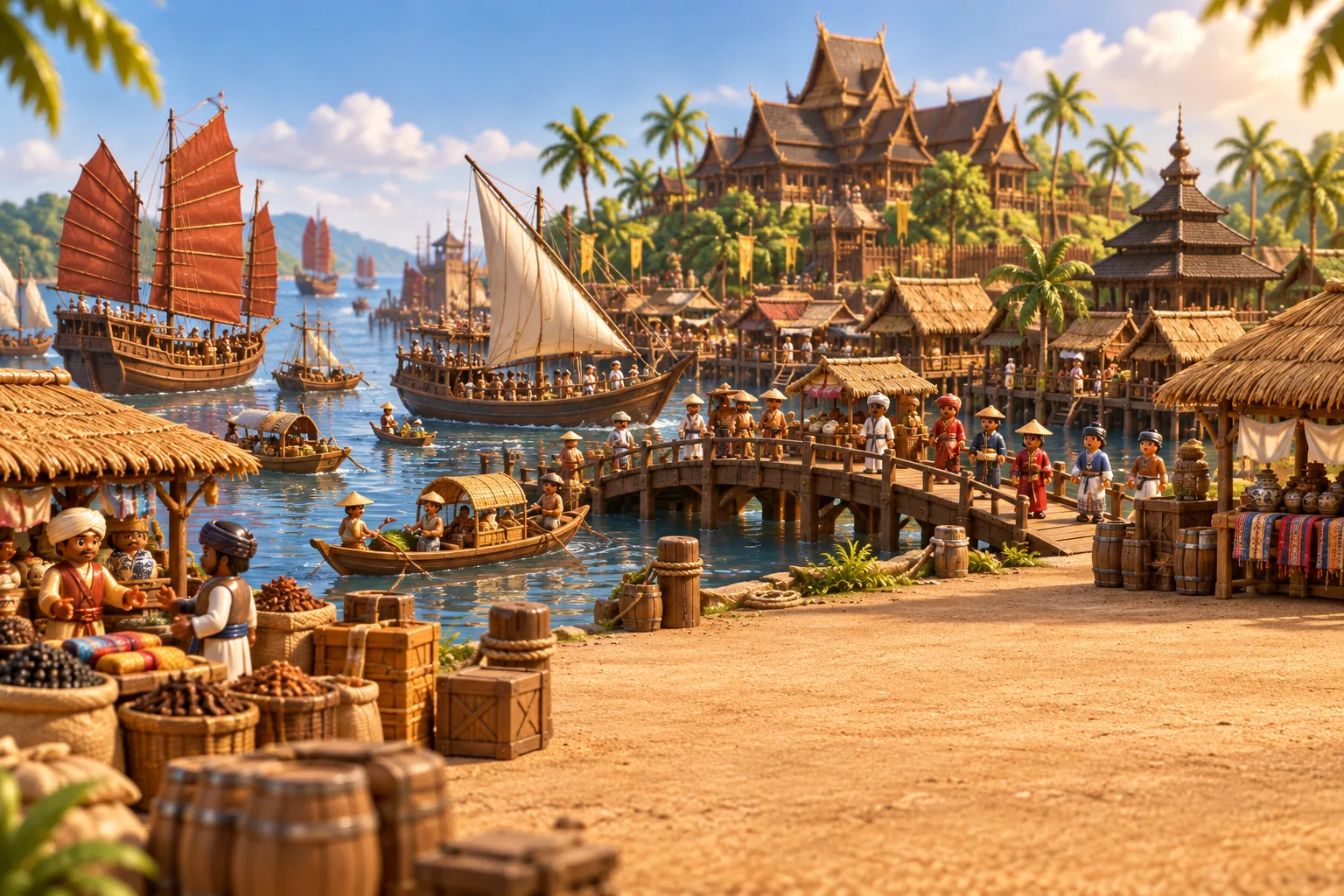 c. 1400 – 1511 · Malacca, MalaysiaMalacca SultanateA prince who watched a mouse deer kick his hunting dog into a river founded a port so rich that a Portuguese writer said its lord held Venice by the throat.
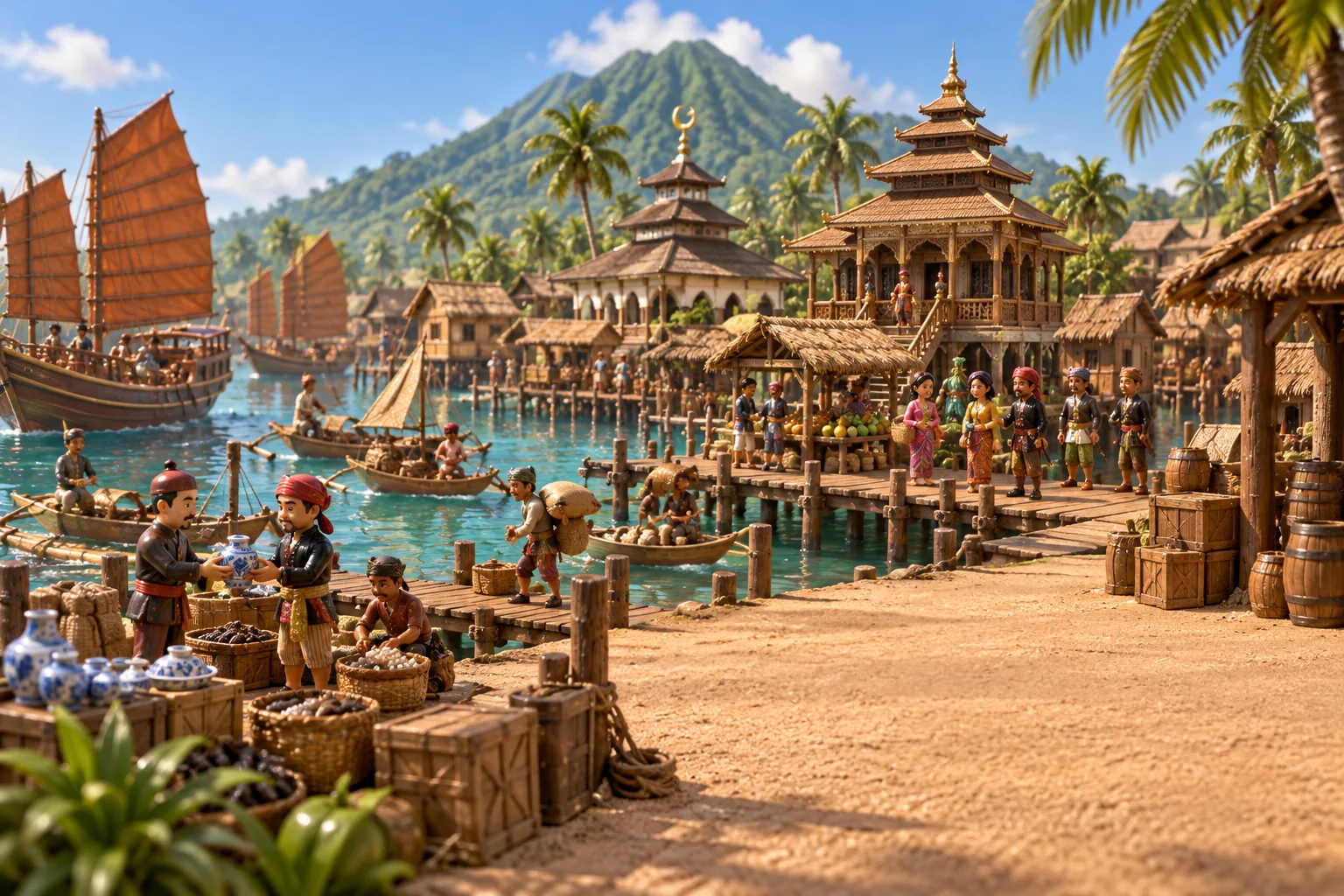 1405–1915 · Jolo, Sulu, PhilippinesSultanate of SuluIn 1878 its sultan signed over North Borneo for a yearly payment, and Malaysia kept sending the sultan's heirs a cheque until 2013.
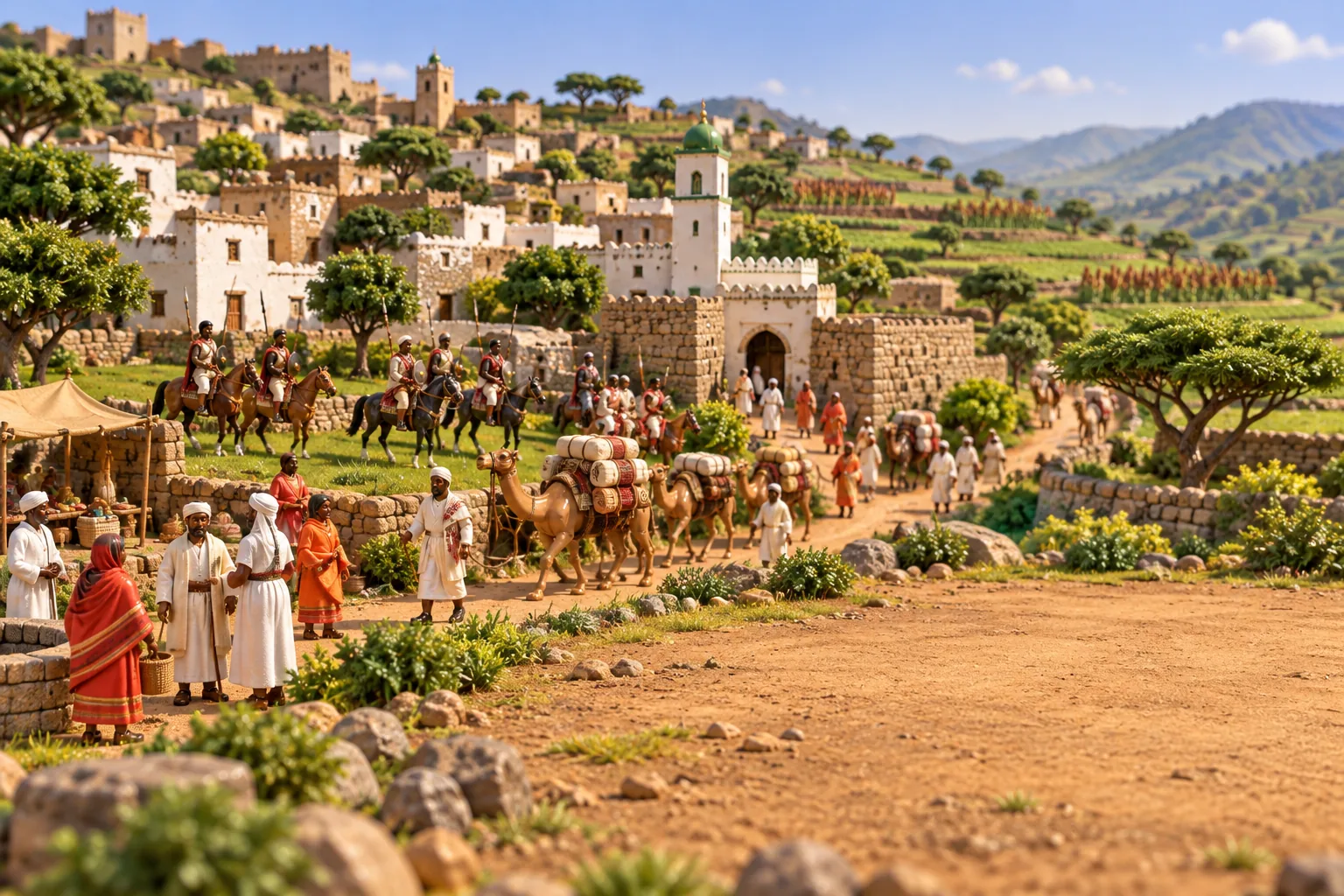 c. 1415–1577 · Harar, EthiopiaAdal SultanateFor more than a decade the armies of a sultanate from the Harar plateau held most of Christian Ethiopia, until a battle by Lake Tana in 1543.
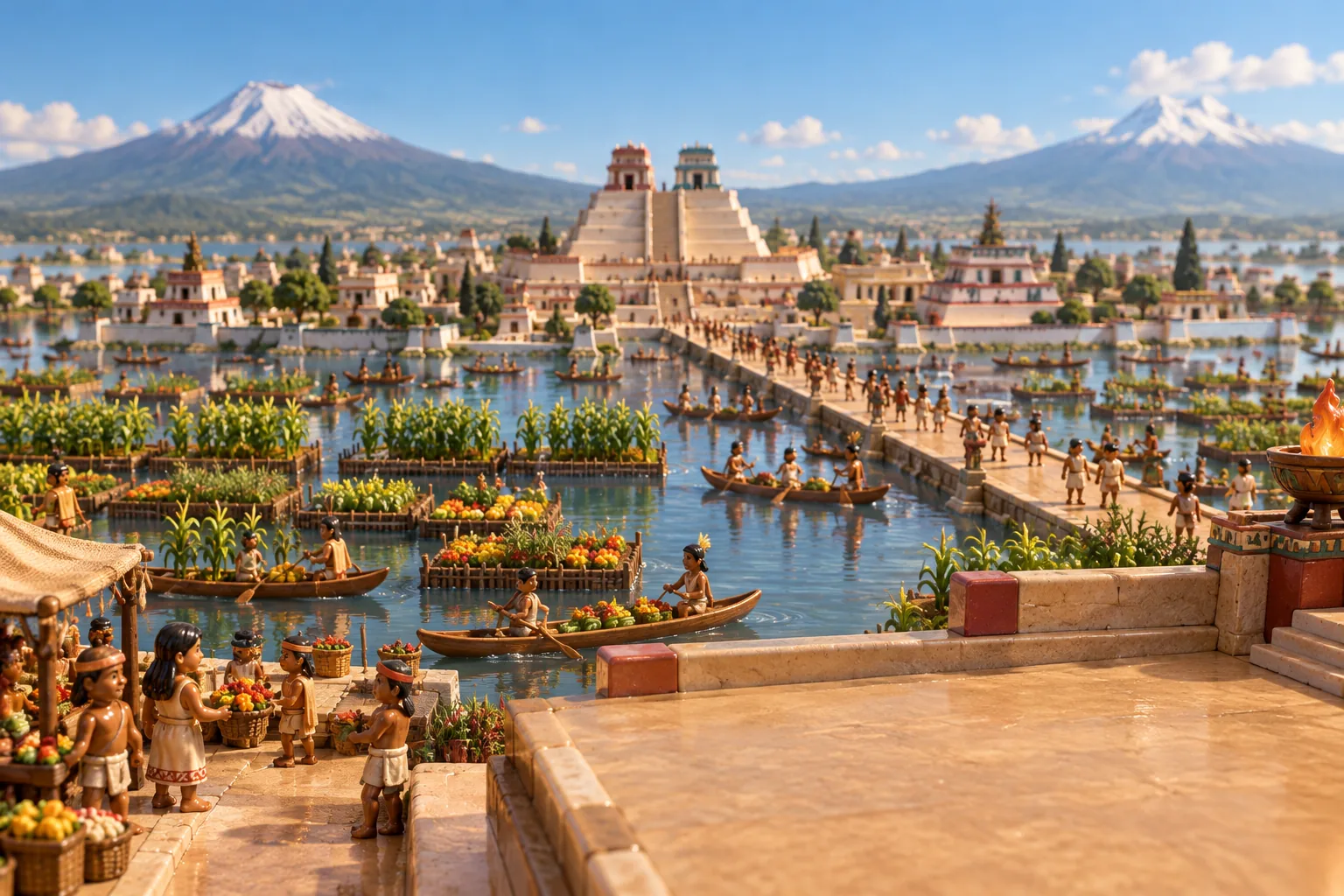 1428–1521 · Tenochtitlan (Mexico City)Aztec EmpireA people who settled on a swampy island in a lake built one of the largest cities in the world there in under two hundred years.
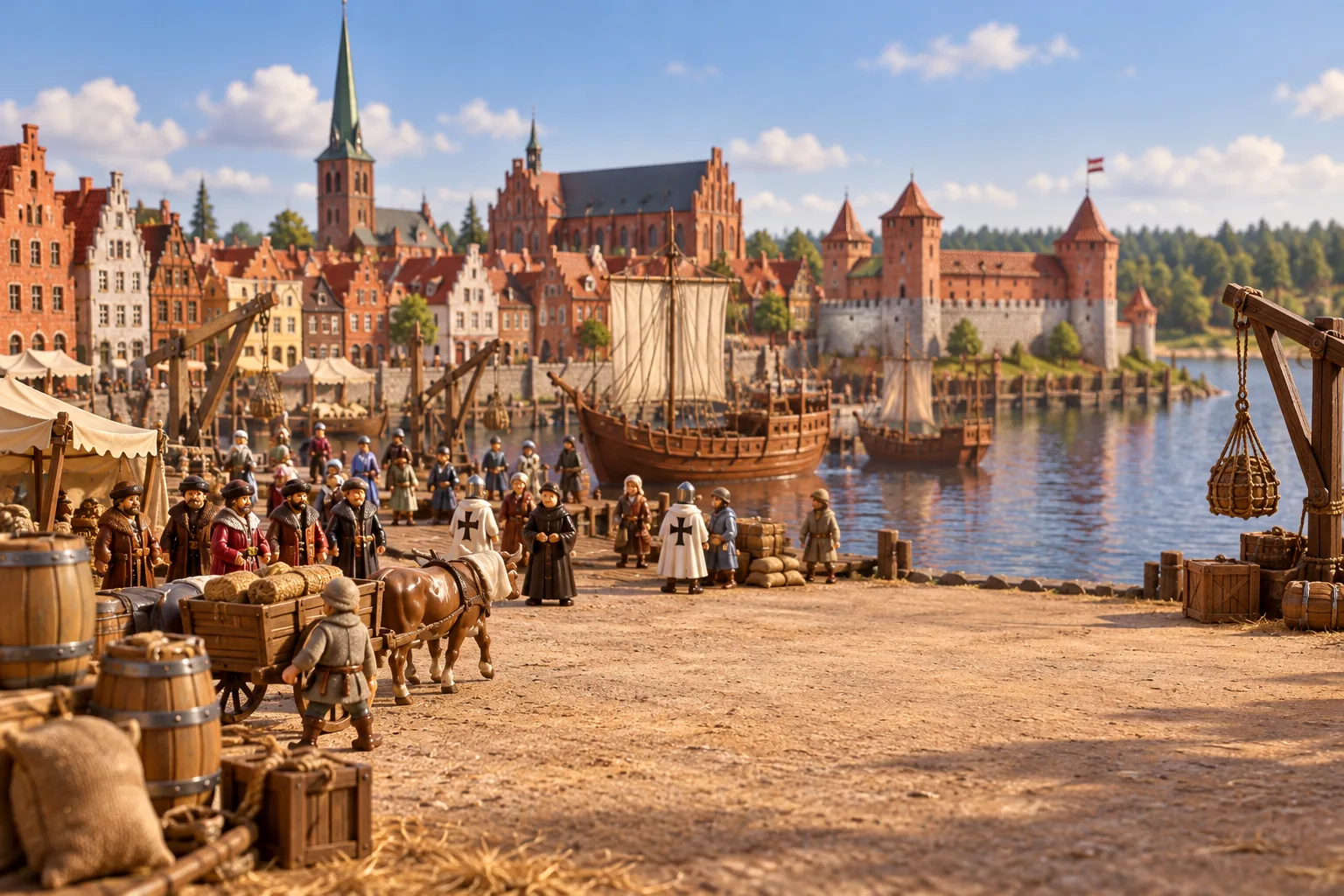 1435–1561 · Walk (Valga), on today's Estonian–Latvian borderLivonian ConfederationCrusader knights, prince-bishops and rich merchant towns ruled today's Latvia and Estonia together until Ivan the Terrible's invasion of 1558 broke them.
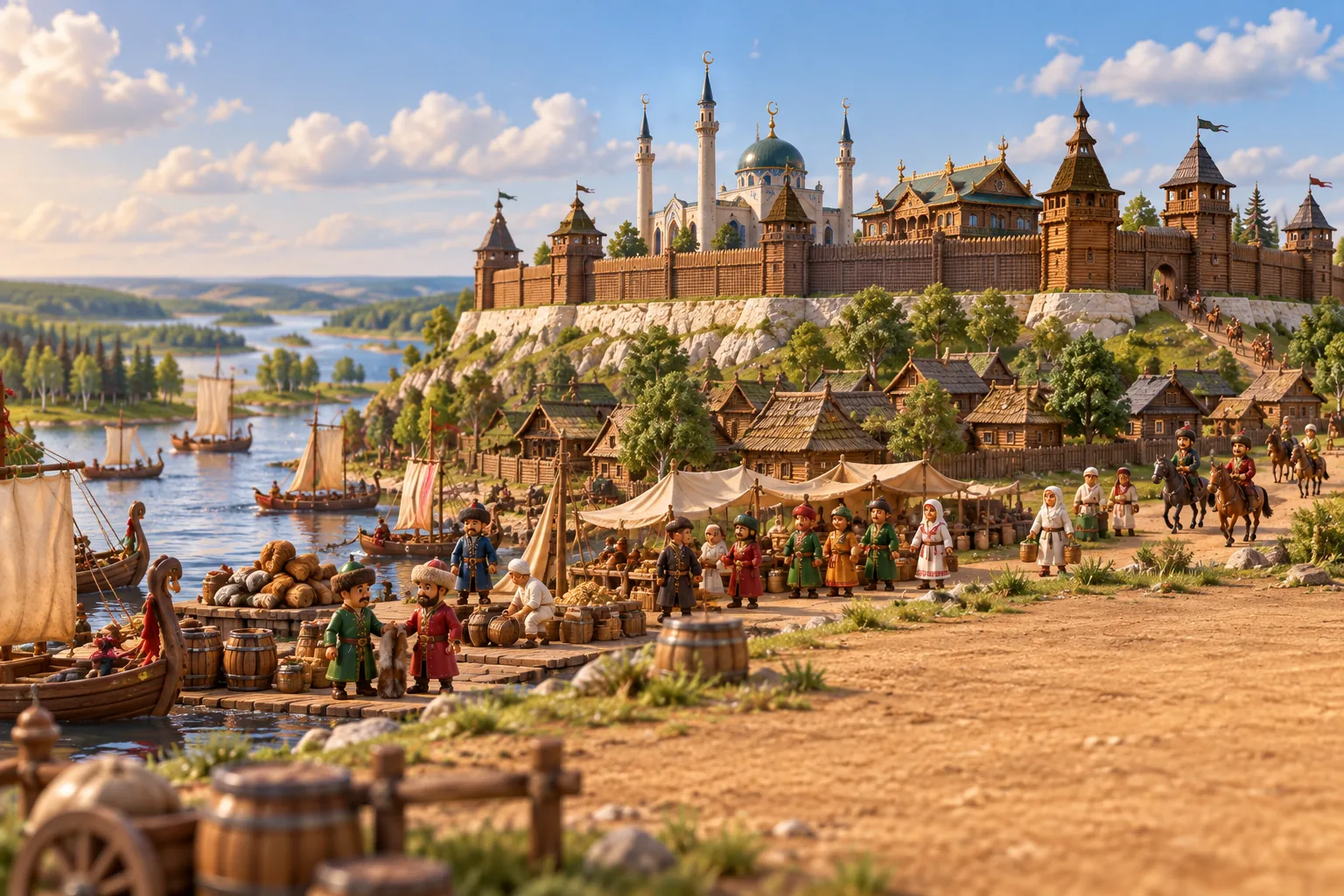 1438–1552 · Kazan, RussiaKhanate of KazanRussian armies besieged Kazan at least ten times before Ivan the Terrible took it in 1552 and built Saint Basil's Cathedral in Moscow to celebrate.
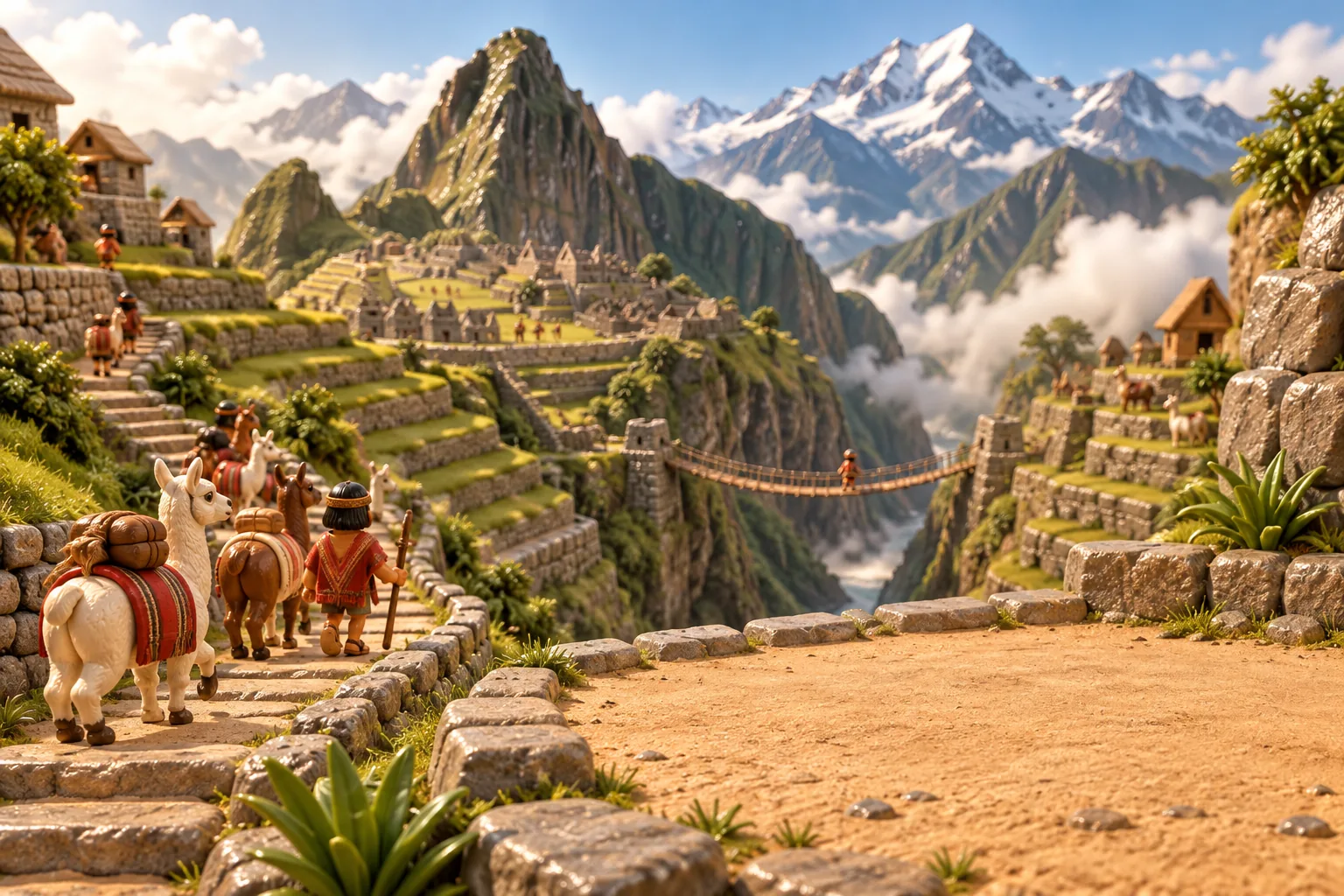 1438–1572 · Cusco, PeruInca EmpireWithout writing, iron or the wheel, the Inca ran an empire four thousand kilometres long along the spine of the Andes.
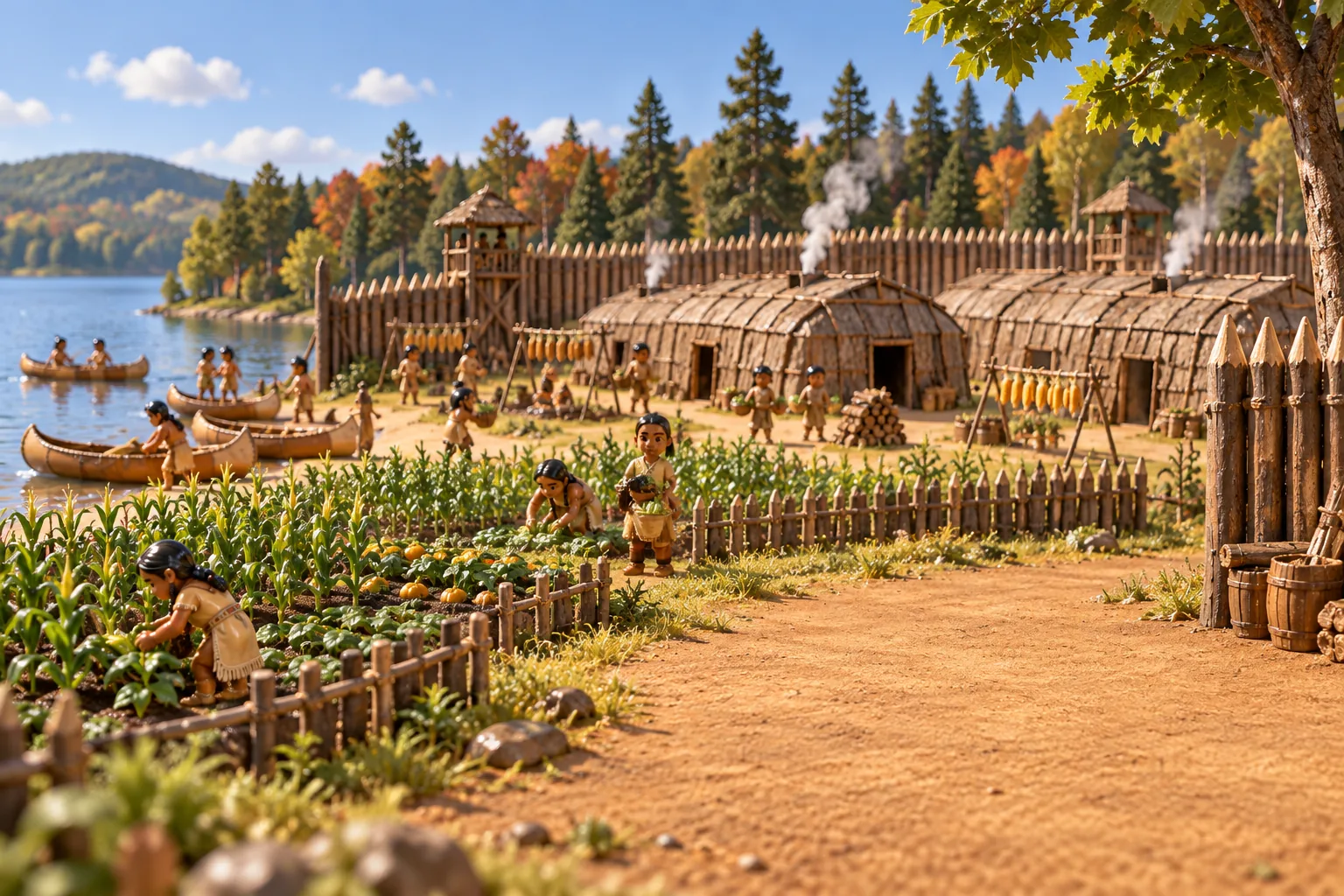 c. 1450 – 1783 · Onondaga country, New YorkIroquois ConfederacyFive feuding nations accepted one Great Law of Peace, and for nearly two centuries their league held the balance between France and Britain in North America.
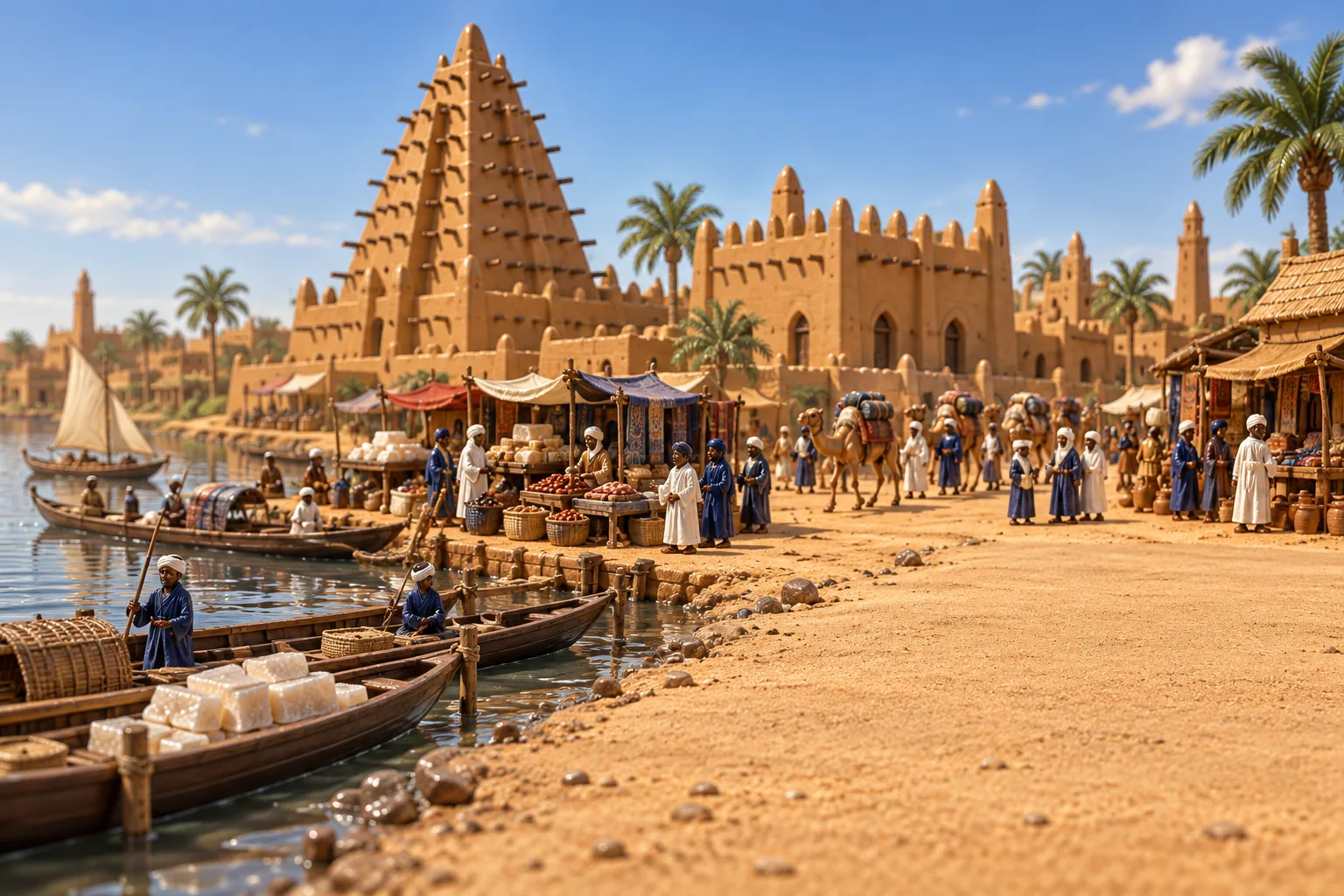 1464–1591 · Gao, MaliSonghai EmpireUnder Askia Muhammad it ruled Timbuktu's scholars and the salt roads, until a Moroccan army with firearms crushed it in 1591.
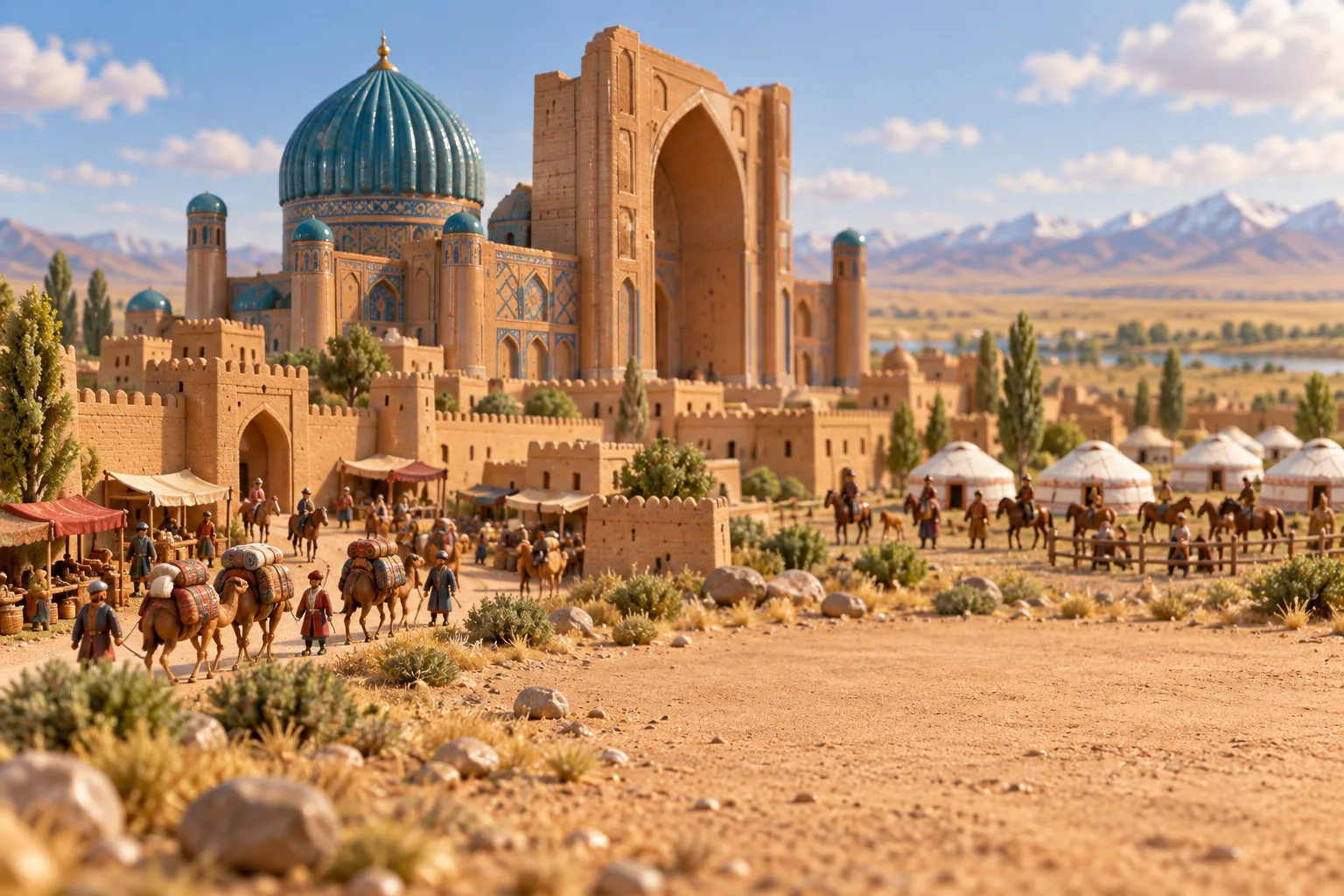 c. 1465 – 1847 · Turkestan, KazakhstanKazakh KhanateThe word qazaq first described princes who lost a fight for the throne and withdrew to the frontier to live by hunting and raiding, and it became the name of a whole people.
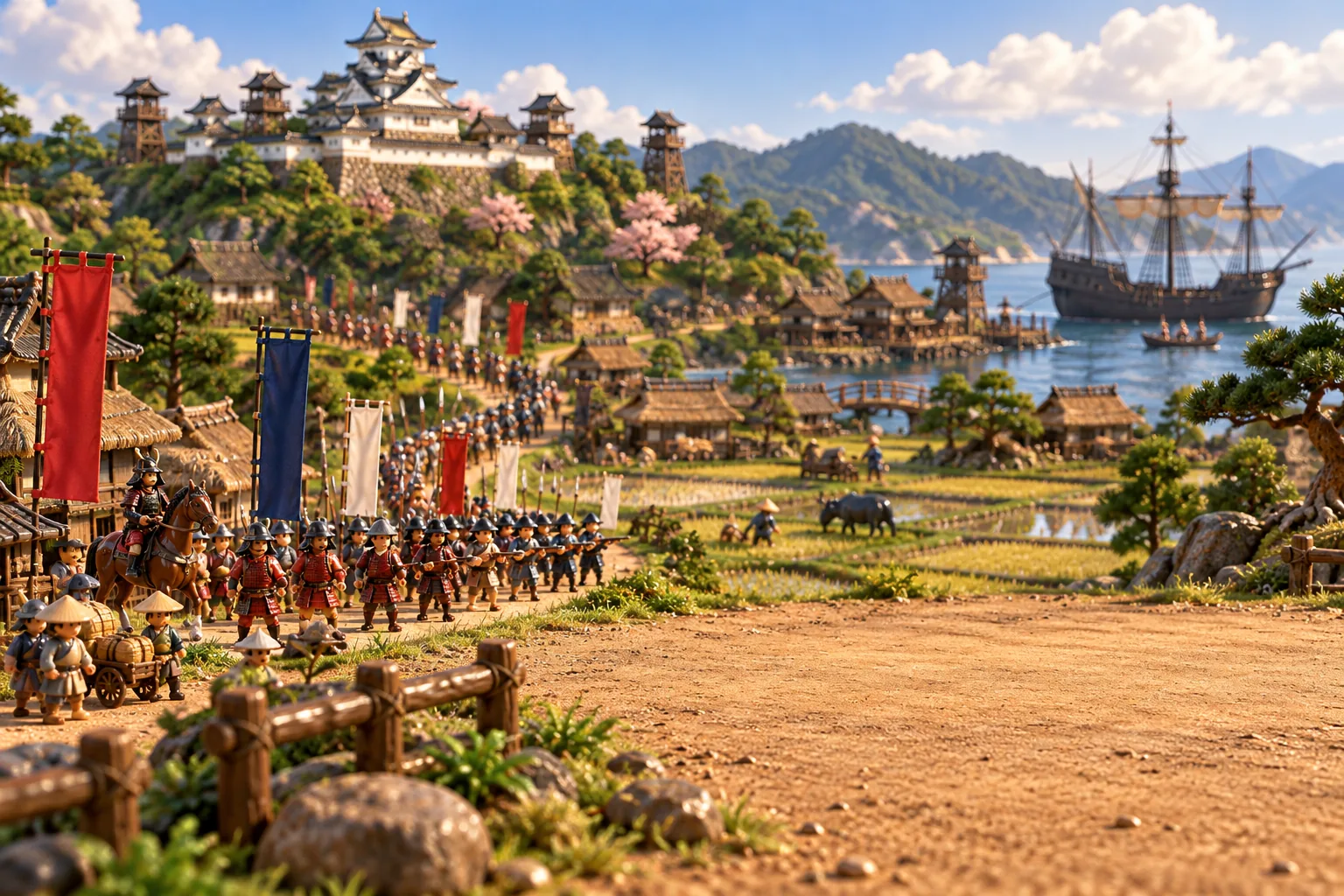 c. 1467 – 1600 · Kyoto, JapanSengoku periodFor more than a century Japanese lords fought almost without pause, until three men, Nobunaga, Hideyoshi and Ieyasu, pulled the country together, helped by guns first brought by the Portuguese.
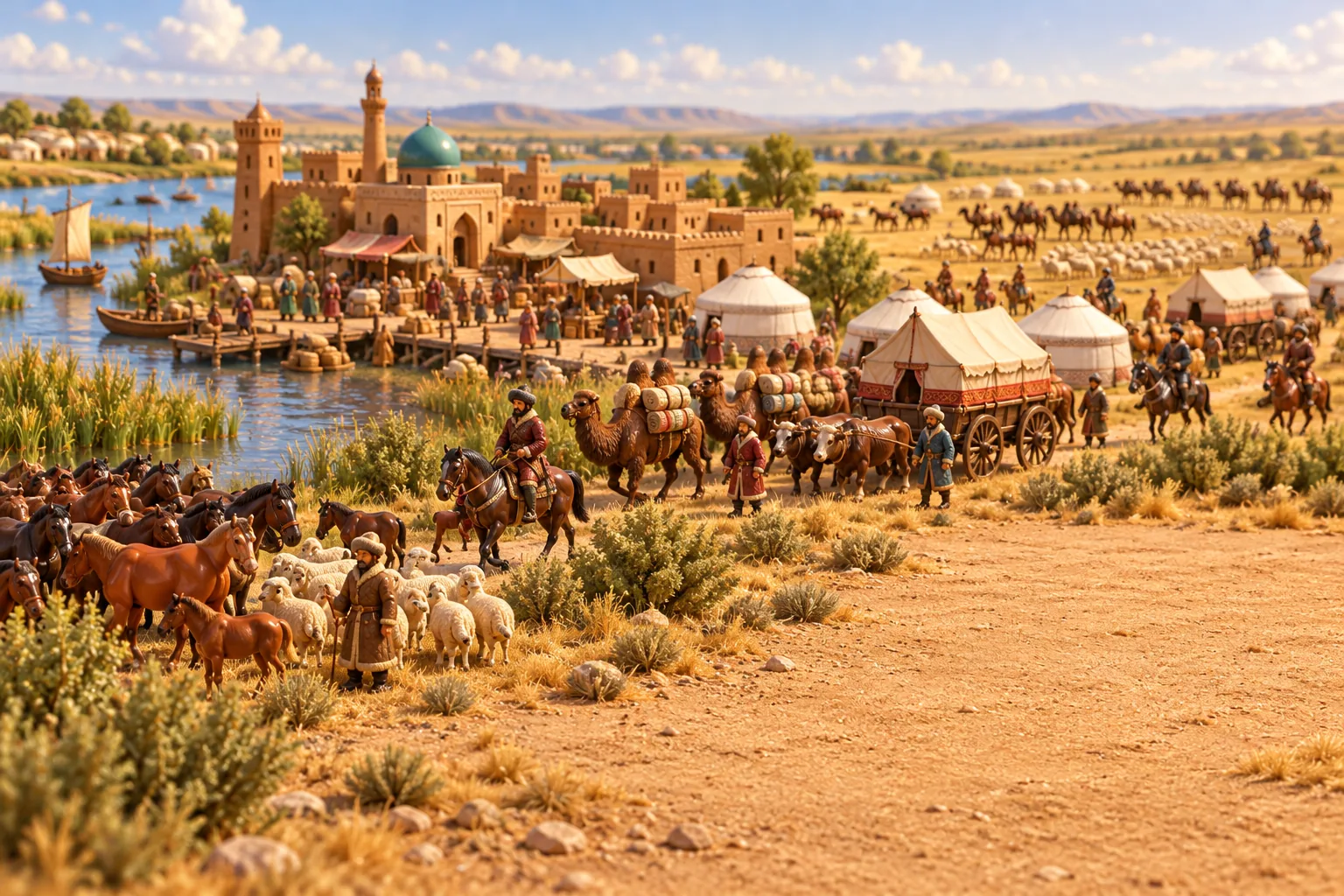 c. 1480 – 1634 · Saraychik, on the Ural riverNogai HordeTheir leaders were not descended from Genghis Khan, so they called themselves beys and refused to bow to any khan.
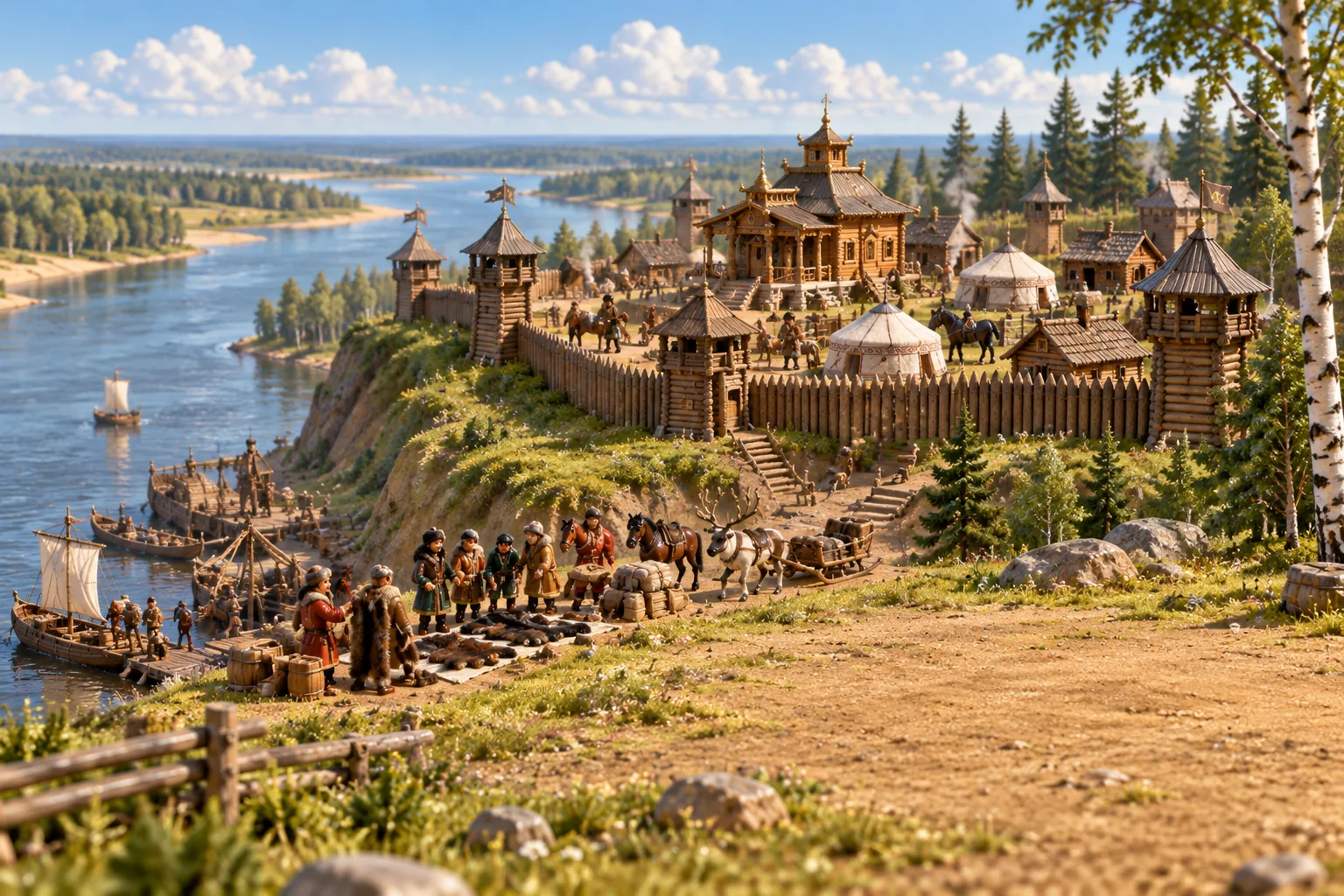 c. 1490–1598 · Isker (Qashliq), near Tobolsk, RussiaSiberian KhanateIts capital Isker fell in 1582 to 840 Cossacks under Yermak, opening all of Siberia to Russia.
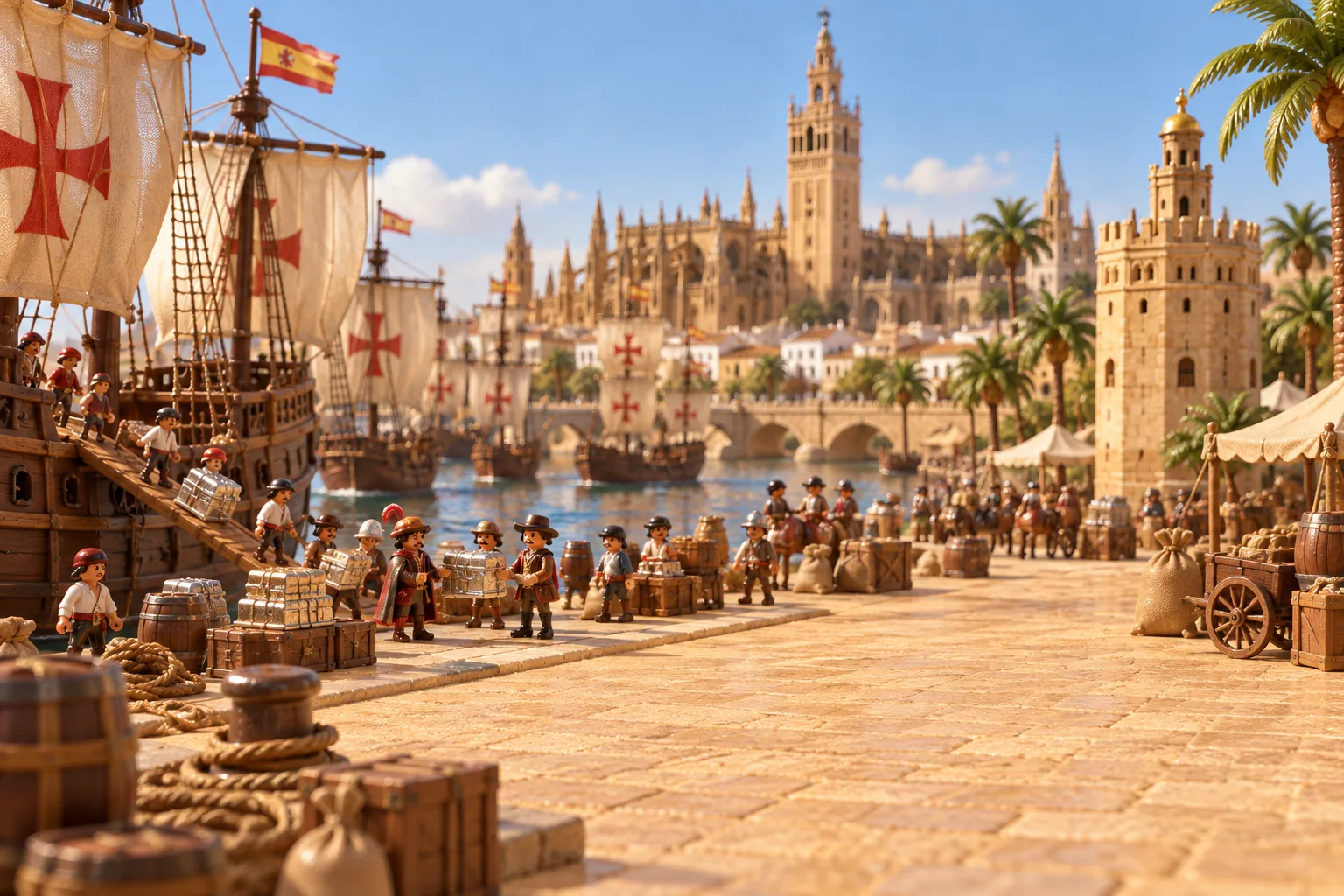 1492–1976 · Mexico City, New SpainSpanish EmpireA few hundred conquistadors and a mountain of silver made Spain the first empire on which, people said, the sun never set.
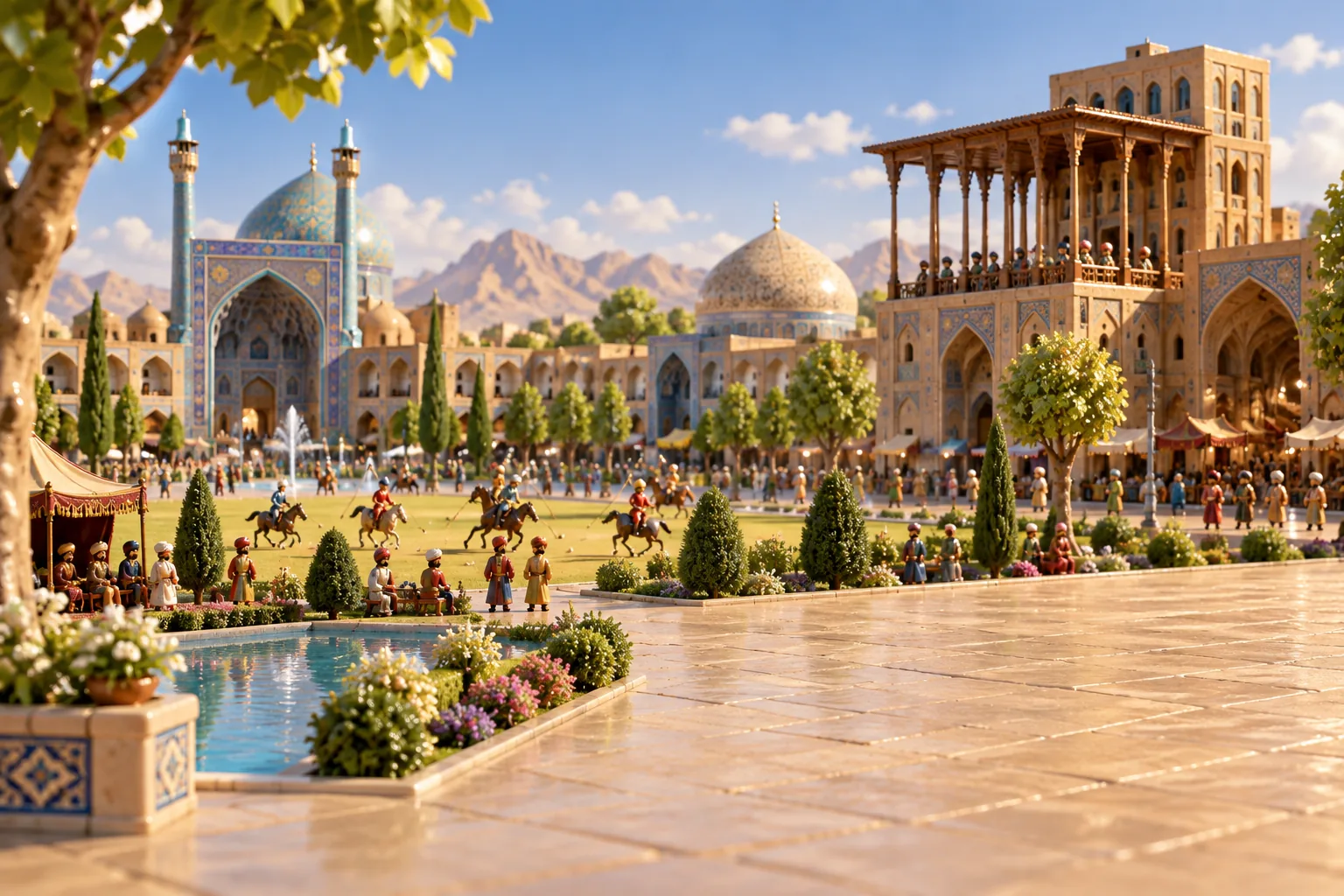 1501–1736 · Isfahan, IranSafavid IranA Sufi leader no older than fourteen was crowned shah in 1501 and made Shia Islam the official faith of Iran, a choice that still shapes the country today.
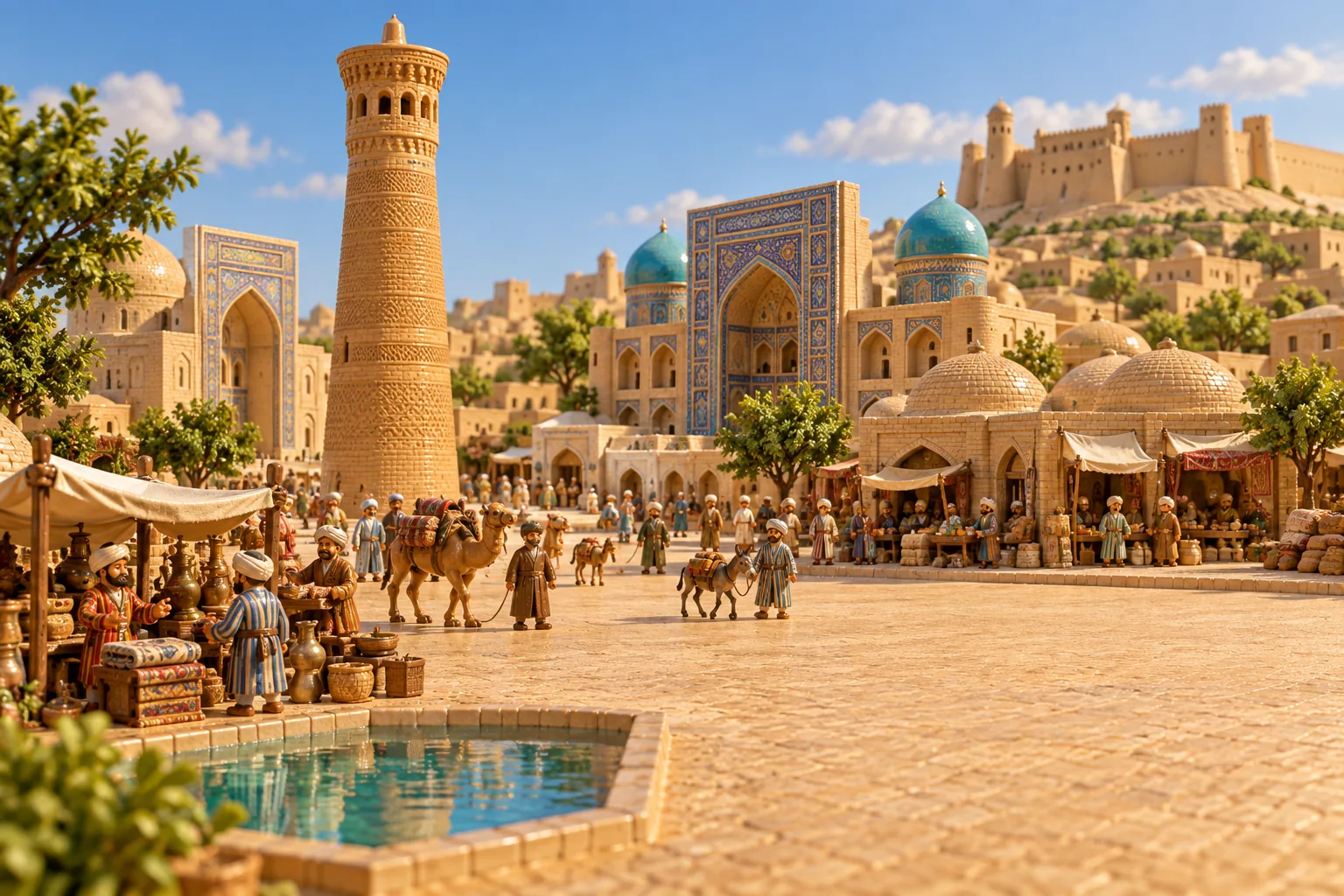 1501–1785 · BukharaKhanate of BukharaThe Uzbek khan who chased Babur out of Samarkand sent him off to found the Mughal Empire, and kept Central Asia for his own heirs.
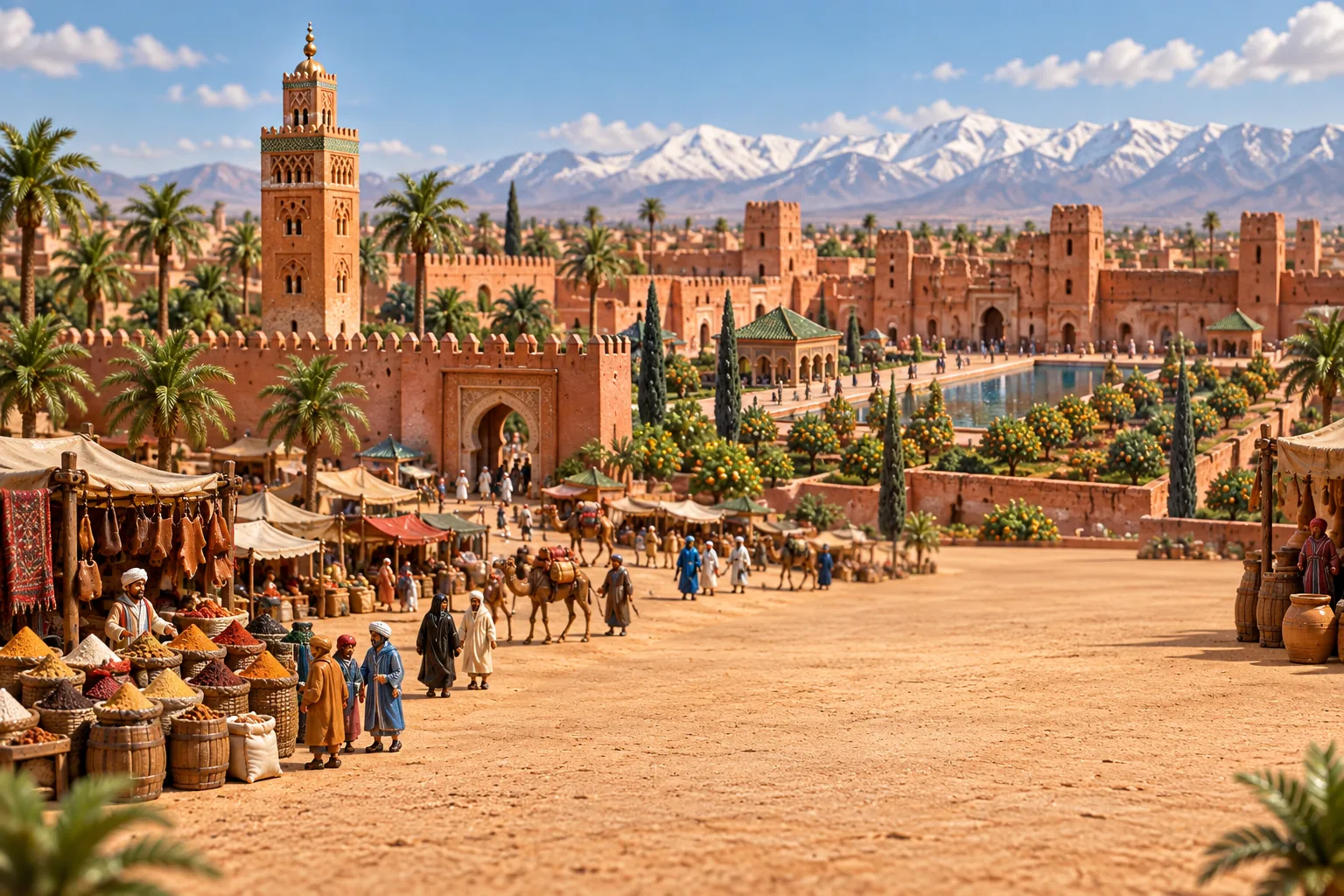 1510–1659 · Marrakesh, MoroccoSaadi dynastyIn 1578 three kings died in a single battle, and the ransoms of Portuguese nobles made Morocco's new sultan the Golden.
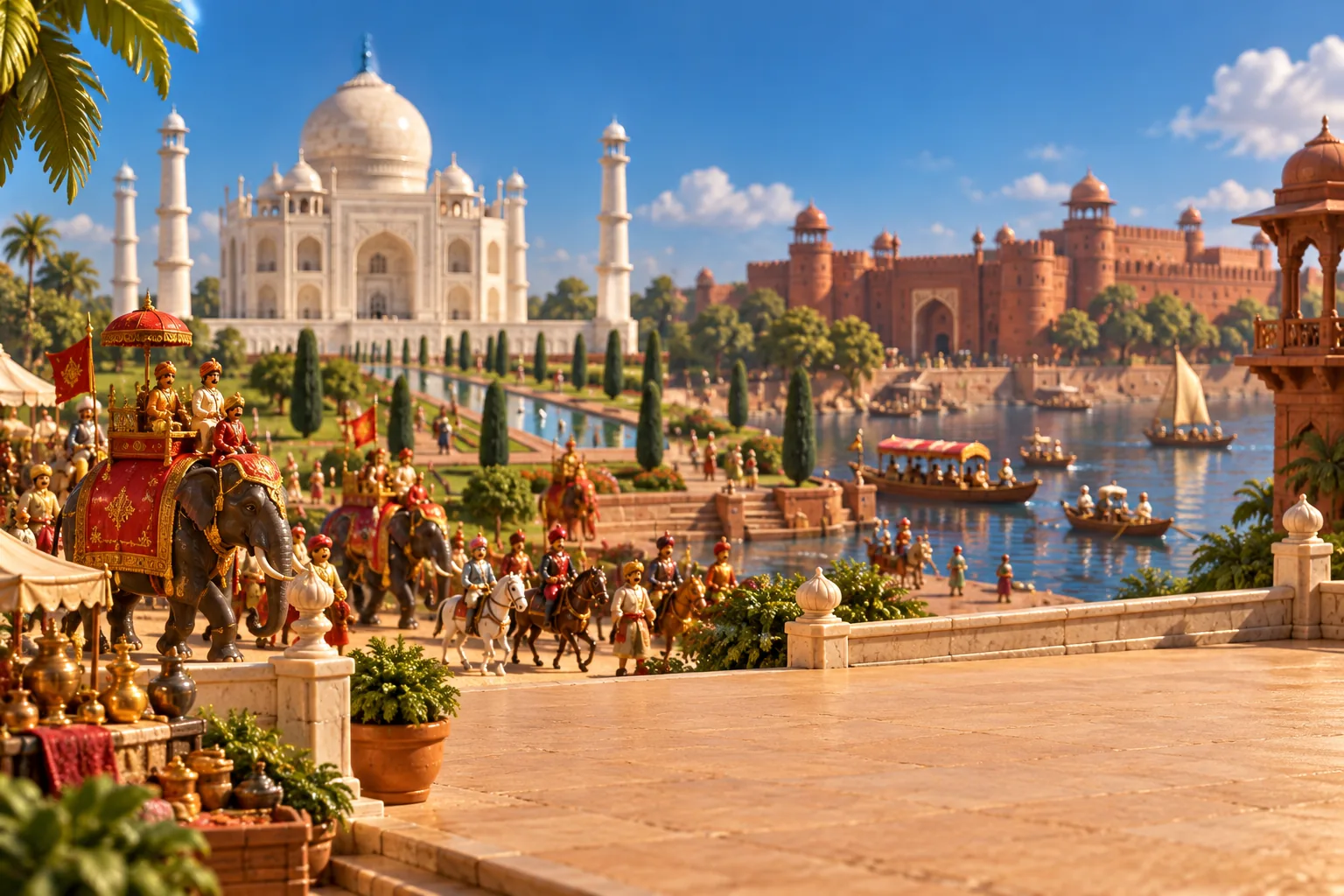 1526–1857 · DelhiMughal EmpireA prince from Central Asia with cannon won India in a single battle, and his great-great-grandson built the Taj Mahal.
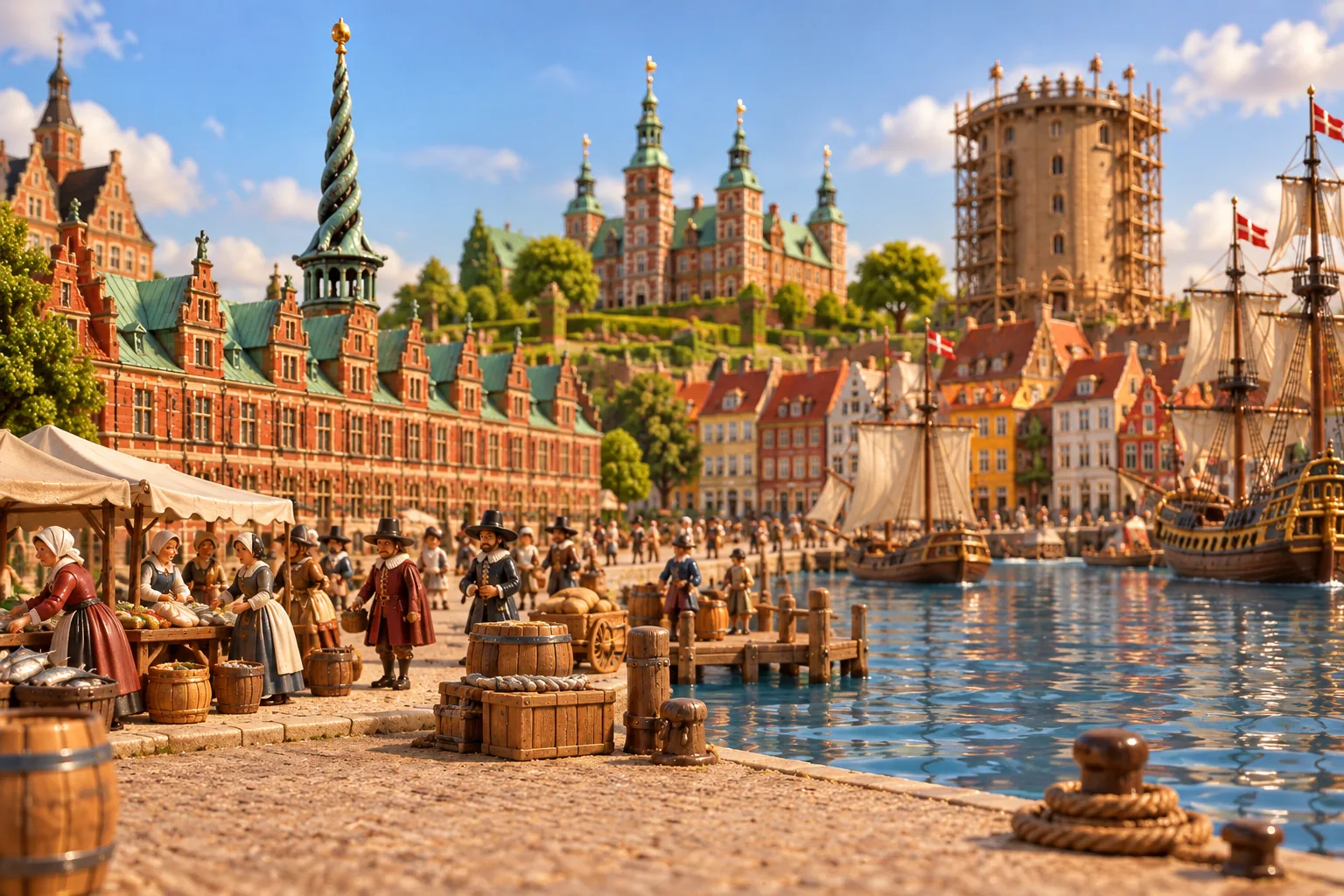 1537–1814 · CopenhagenDenmark–NorwayFor nearly three centuries a king in Copenhagen ruled Norway, Iceland, Greenland and the Faroes, until Napoleon's defeat split them in 1814.
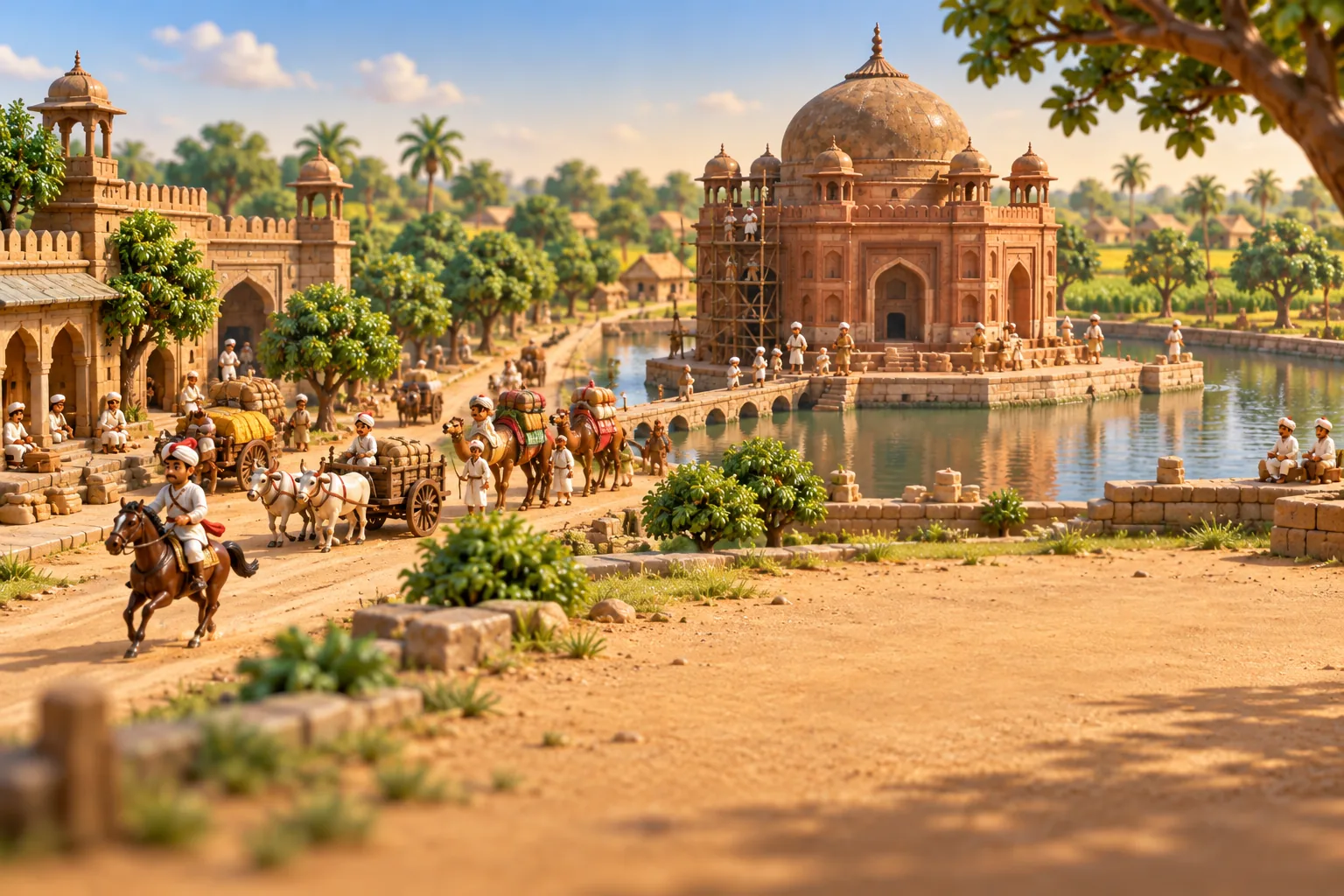 1540–1556 · Sasaram, Bihar, IndiaSur EmpireSher Shah Suri drove the Mughal Humayun out of India in 1540, rebuilt the Grand Trunk Road and gave the world the rupee.
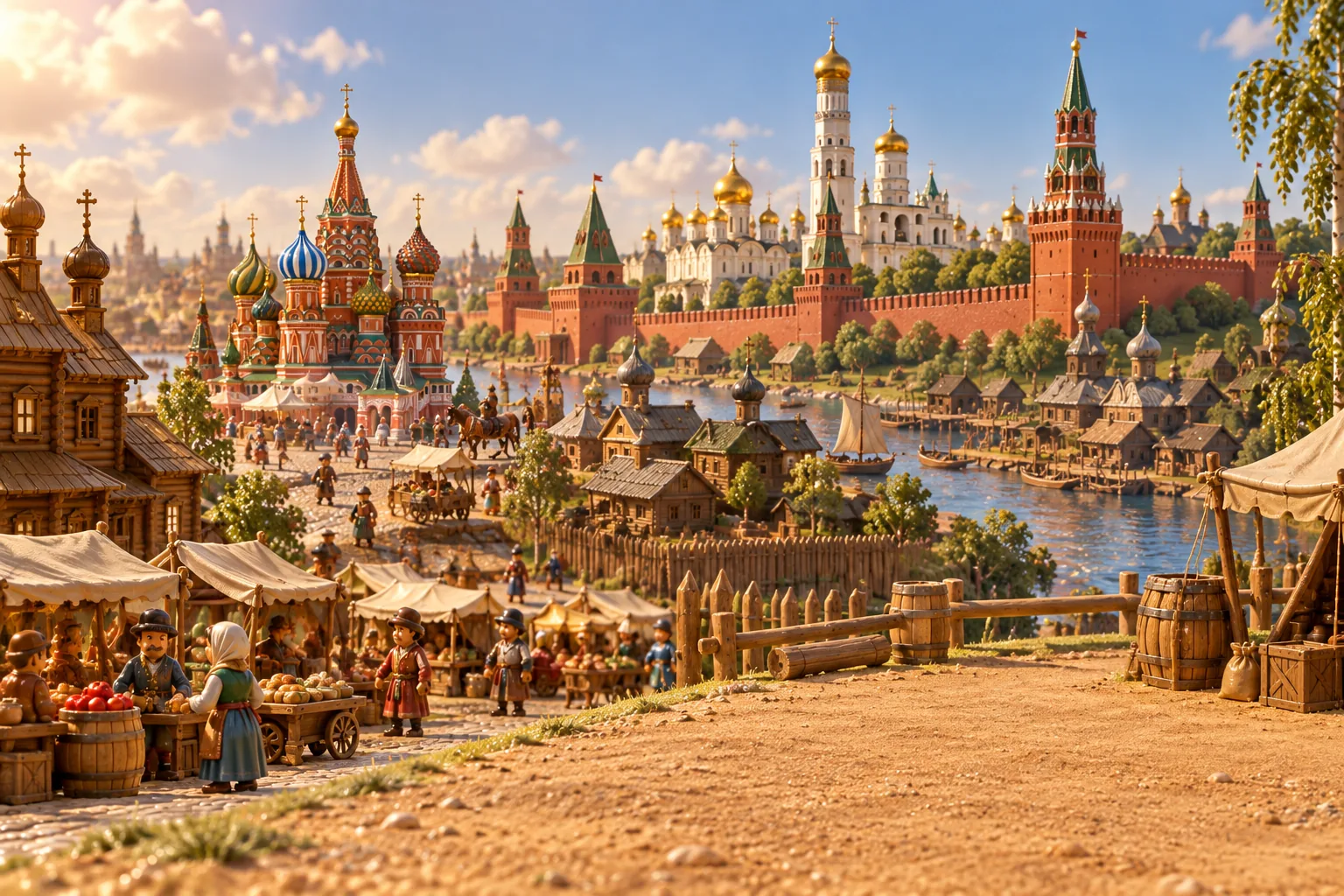 1547–1721 · MoscowTsardom of RussiaBetween 1550 and 1700 Russia grew by an average of 35,000 square kilometres a year, spreading from the Volga to the shores of the Pacific.
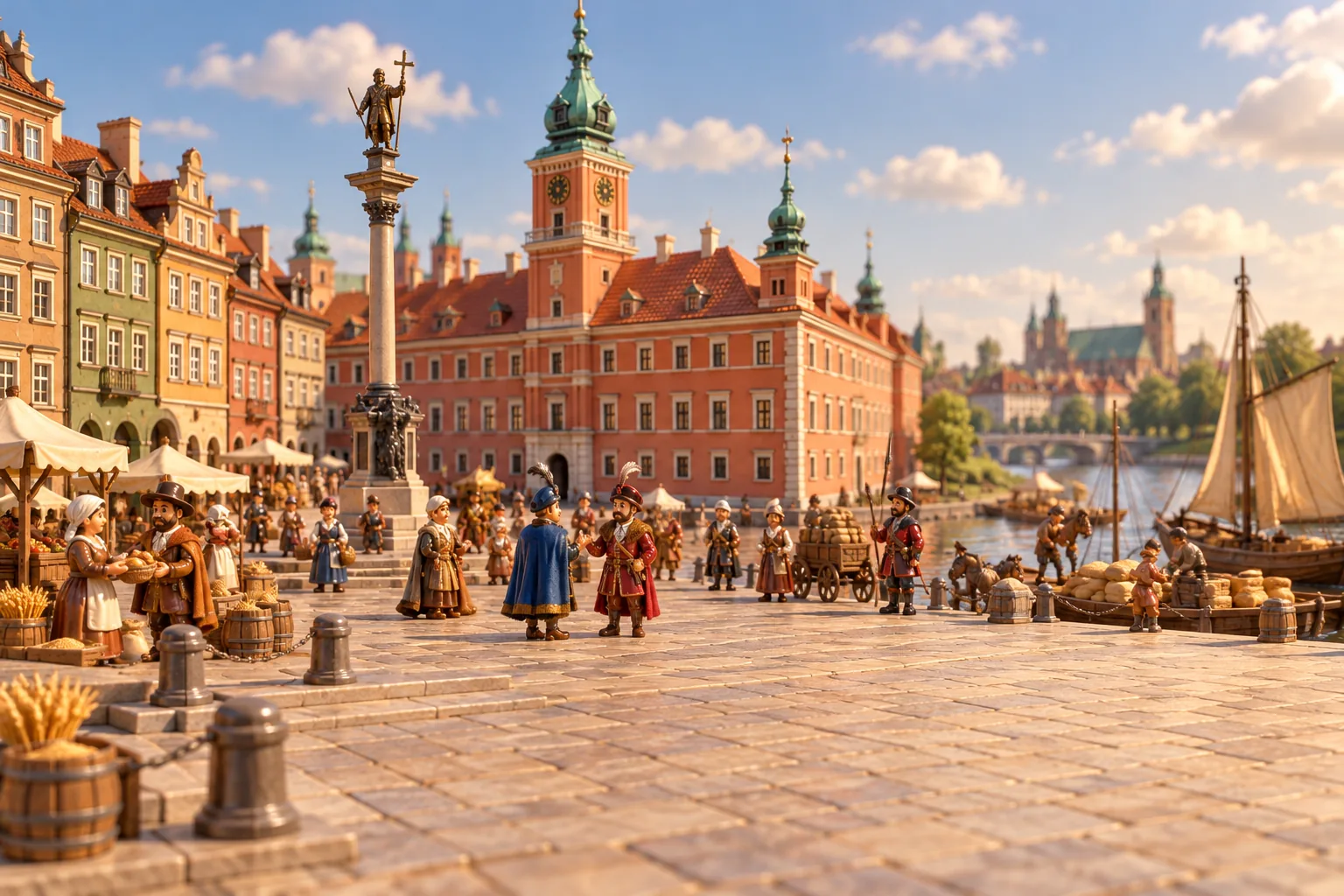 1569–1795 · WarsawPolish–Lithuanian CommonwealthHere the nobles elected their kings, any single deputy could veto a whole parliament, and Europe's first modern written constitution was born.
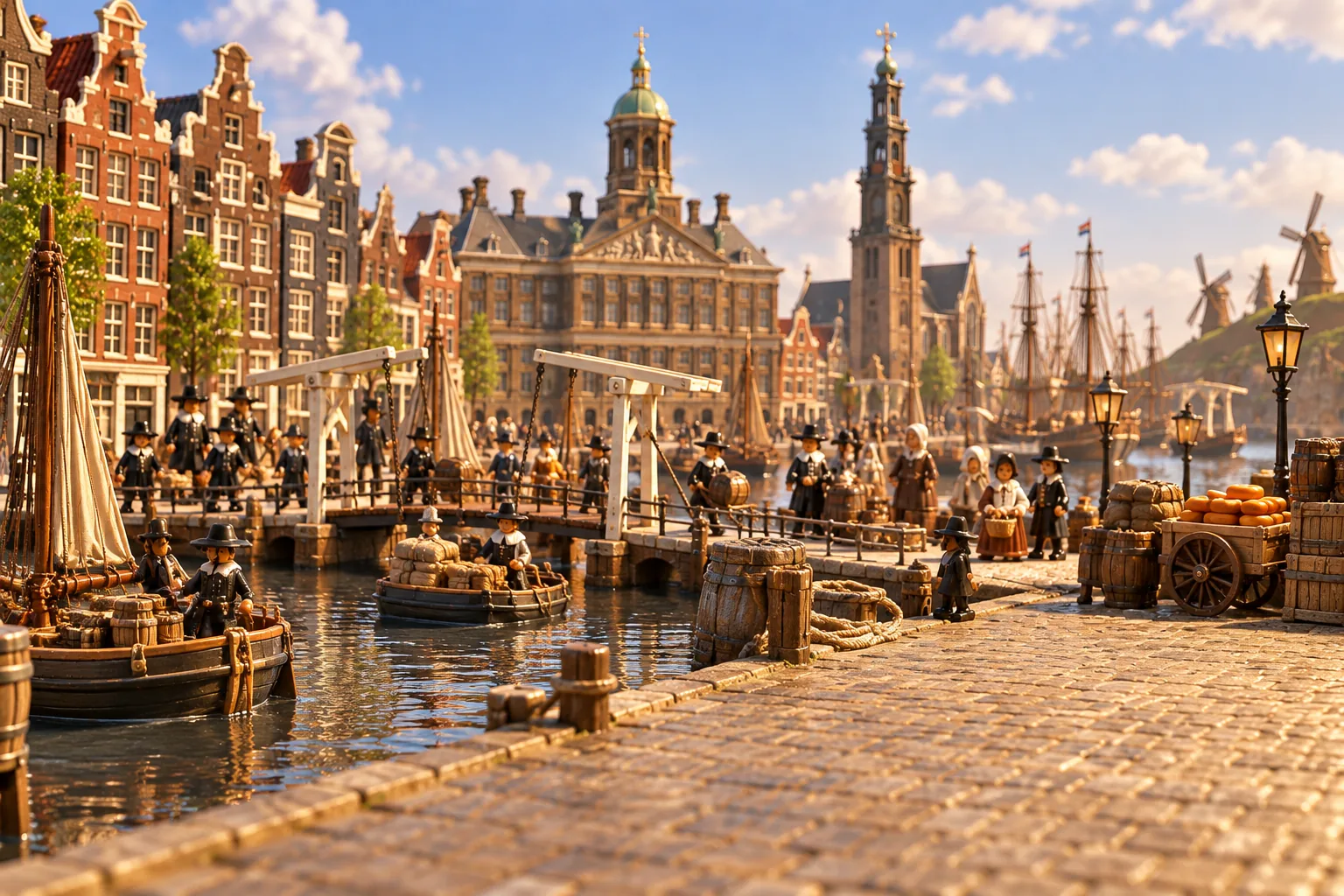 1588–1795 · The HagueDutch RepublicA republic of about 1.5 million people ran trade routes around the globe, and its East India Company founded the world's oldest stock exchange in 1602.
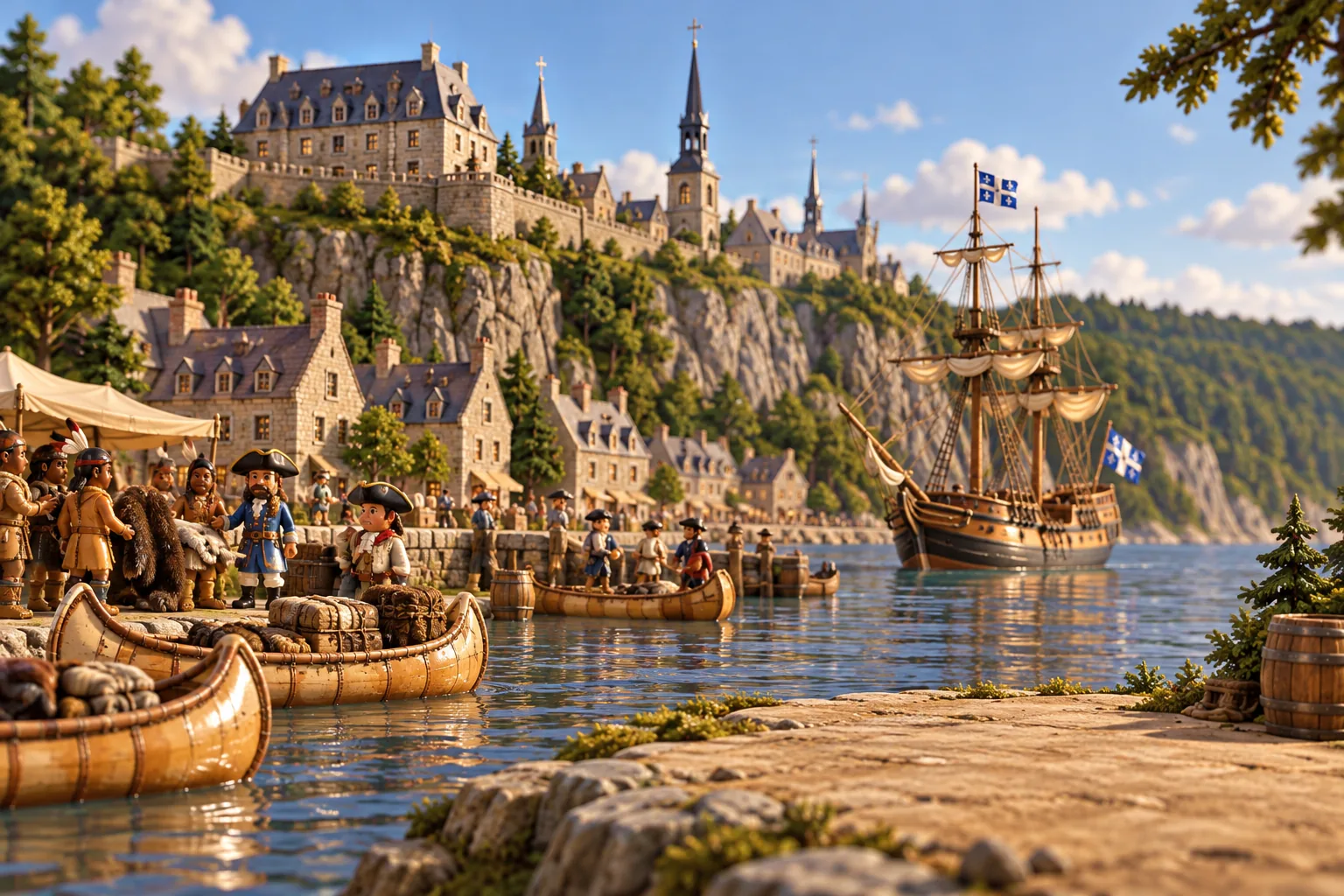 1608–1763 · Quebec CityNew FranceStretching from Quebec to New Orleans, it held a vast territory with under 70,000 French settlers when Britain took it in 1763.
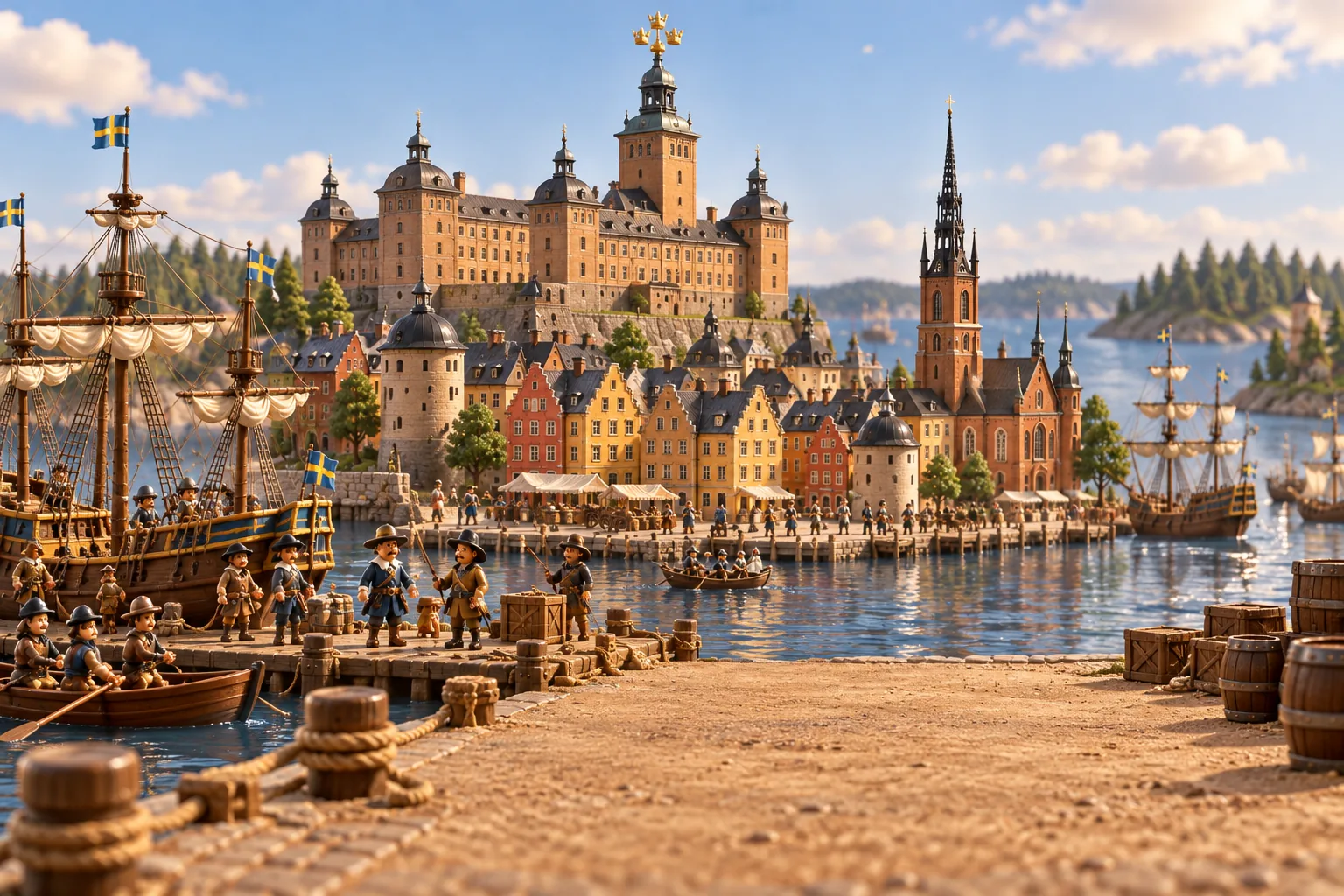 1611–1721 · Stockholm, SwedenSwedish EmpireUnder Gustavus Adolphus a thinly peopled northern kingdom became a great power that ruled the Baltic for a century.
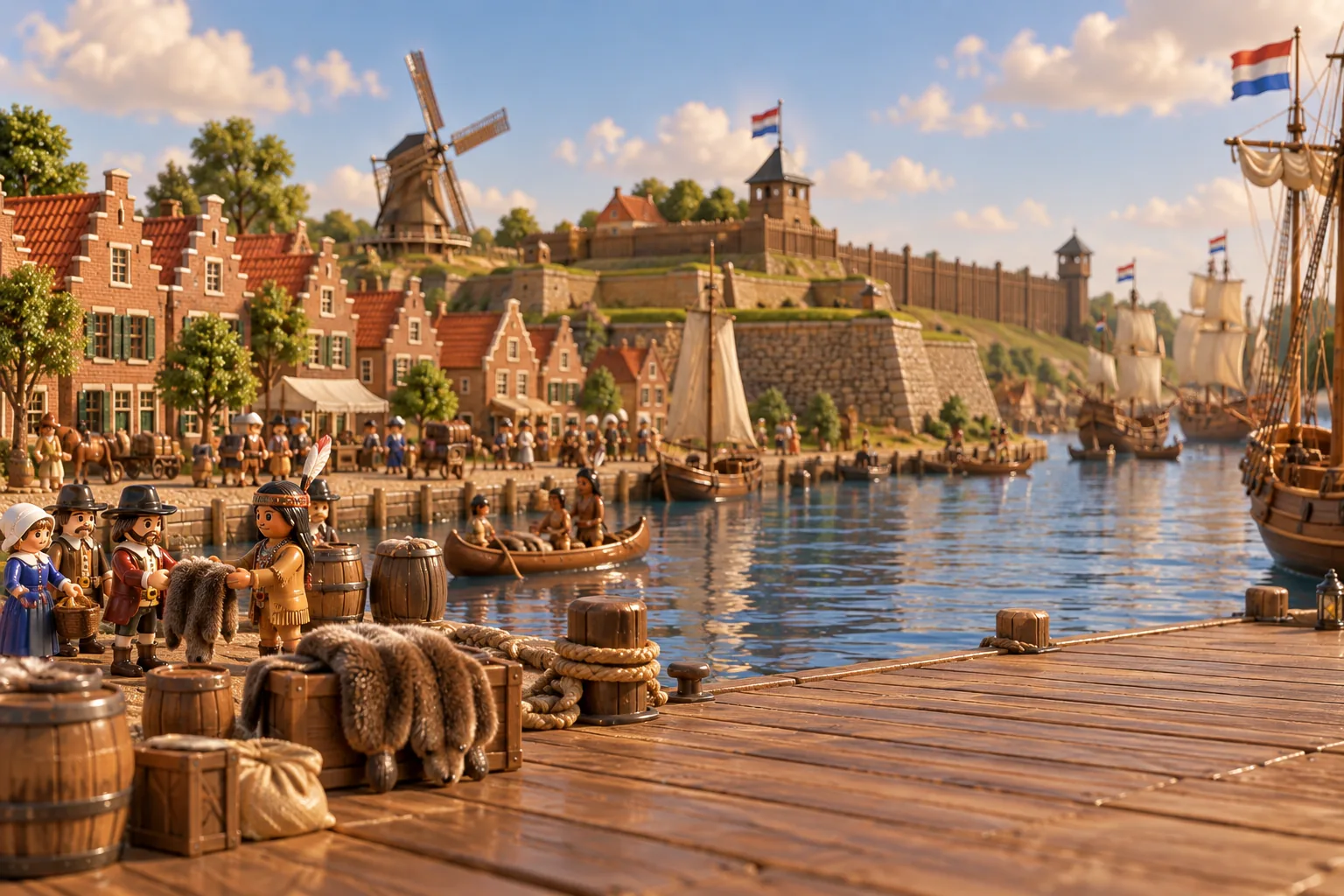 1614–1674 · New Amsterdam (New York City)New NetherlandIts capital, New Amsterdam, surrendered to English warships in 1664 without a fight and was renamed New York.
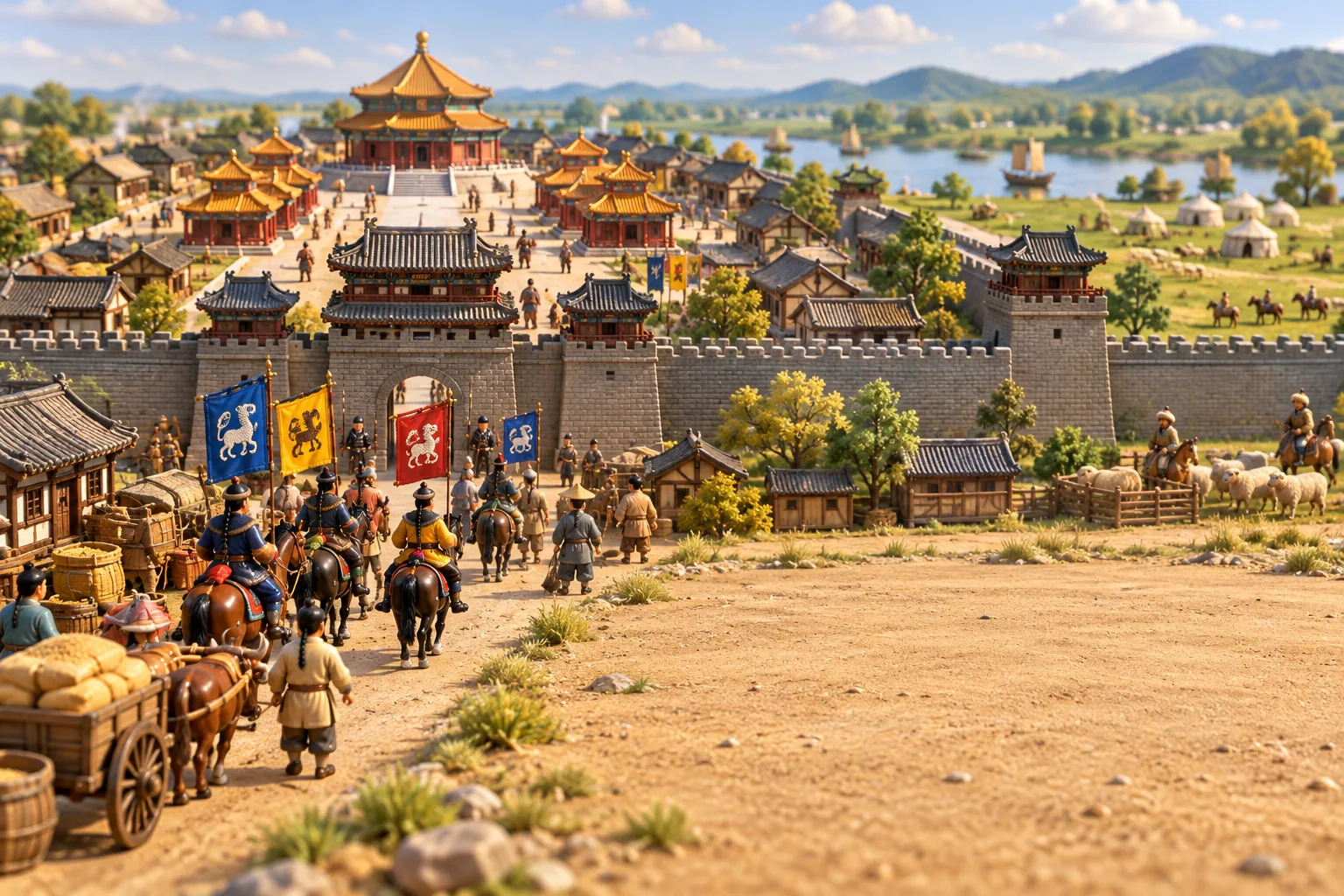 1616–1636 · Shenyang (Mukden), ChinaLater JinA Jurchen chieftain who began as a Ming vassal founded a khanate in Manchuria that, under a new name, went on to rule all of China.
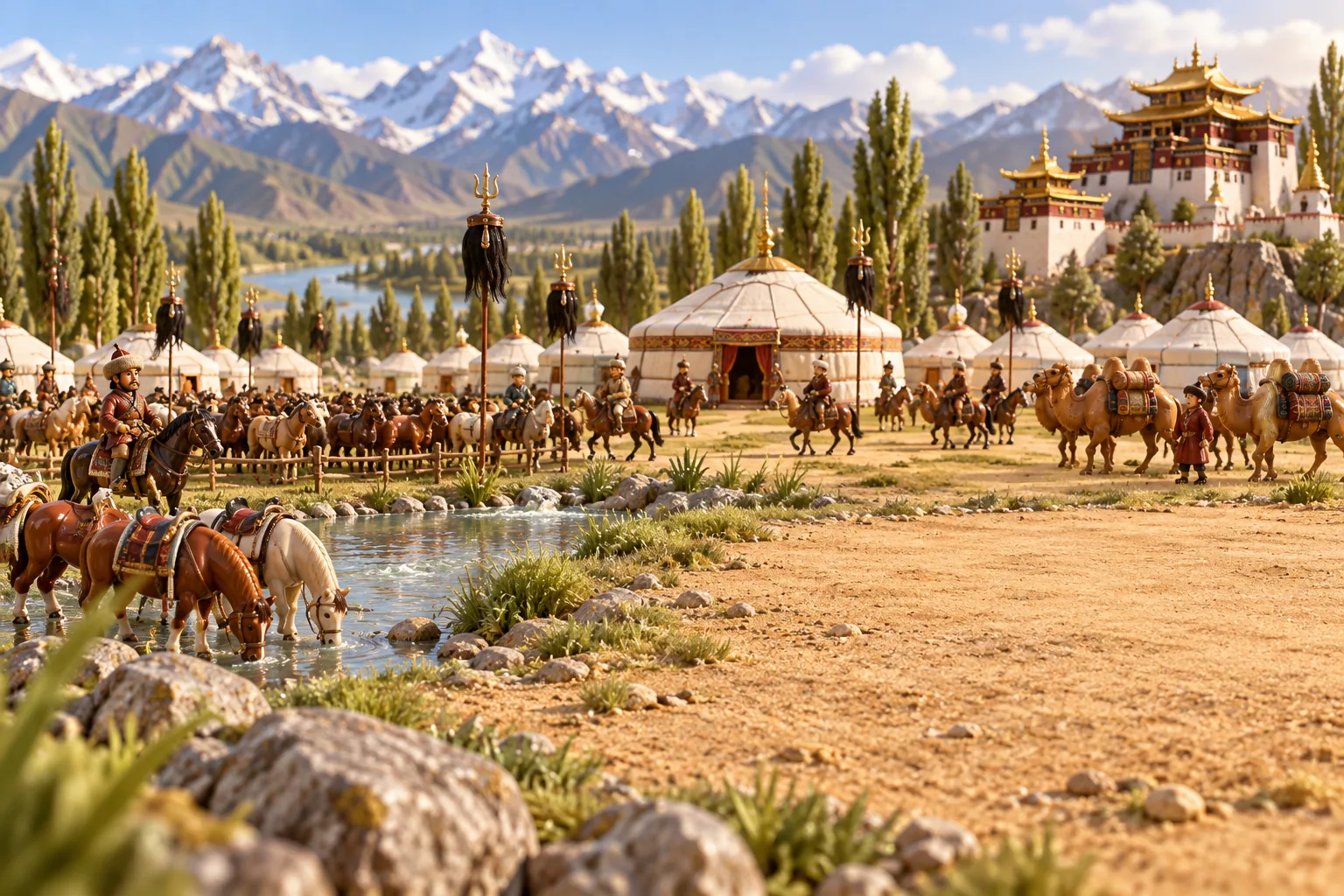 c. 1620 – 1755 · Ghulja (Yining), XinjiangDzungar KhanateThe last great nomad empire of the steppe fought Qing China for decades, until the Qianlong Emperor's armies destroyed both the state and most of its people.
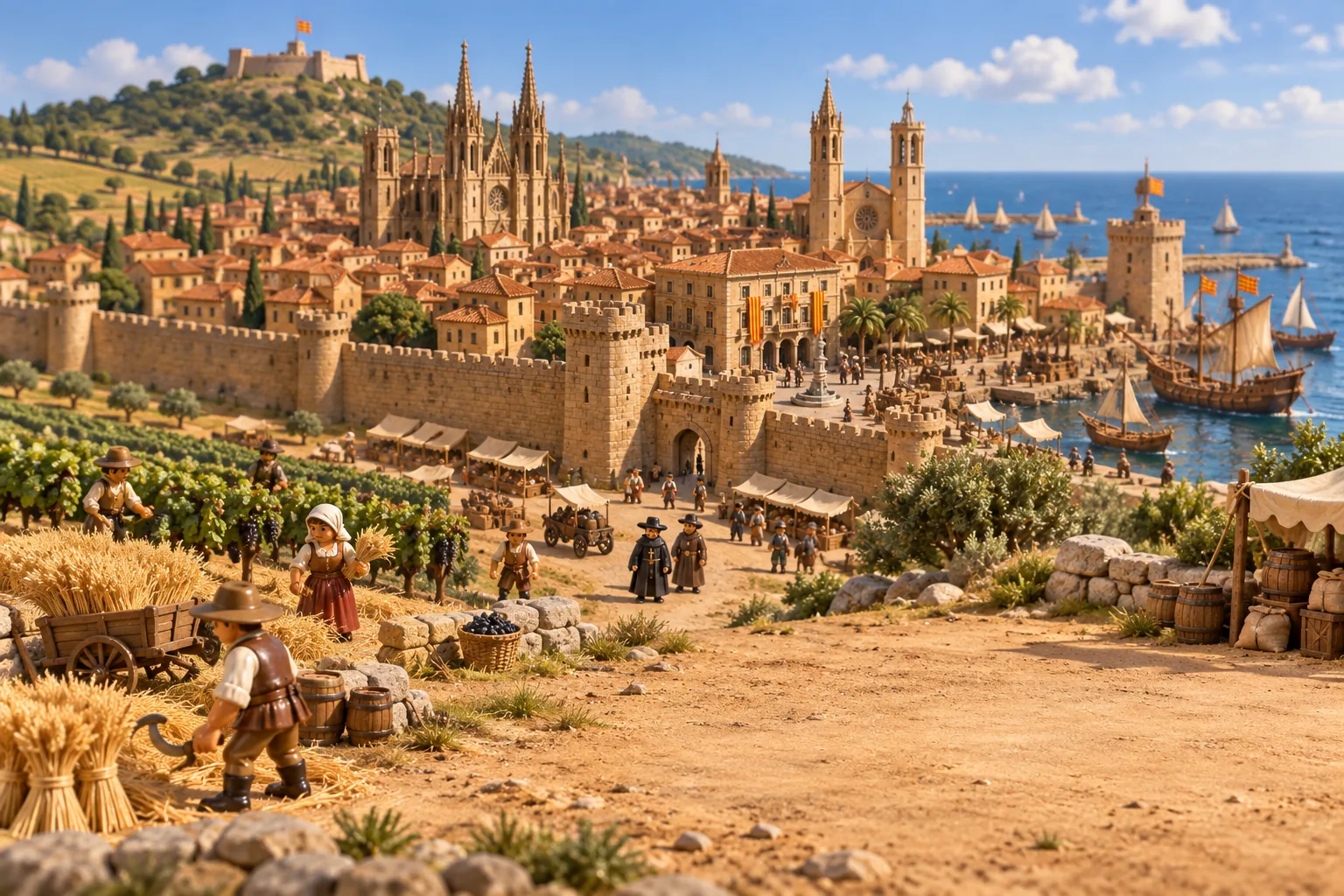 1640–1652 · BarcelonaCataloniaIn January 1641 Catalonia declared itself a republic, and a week later it handed itself to the king of France.
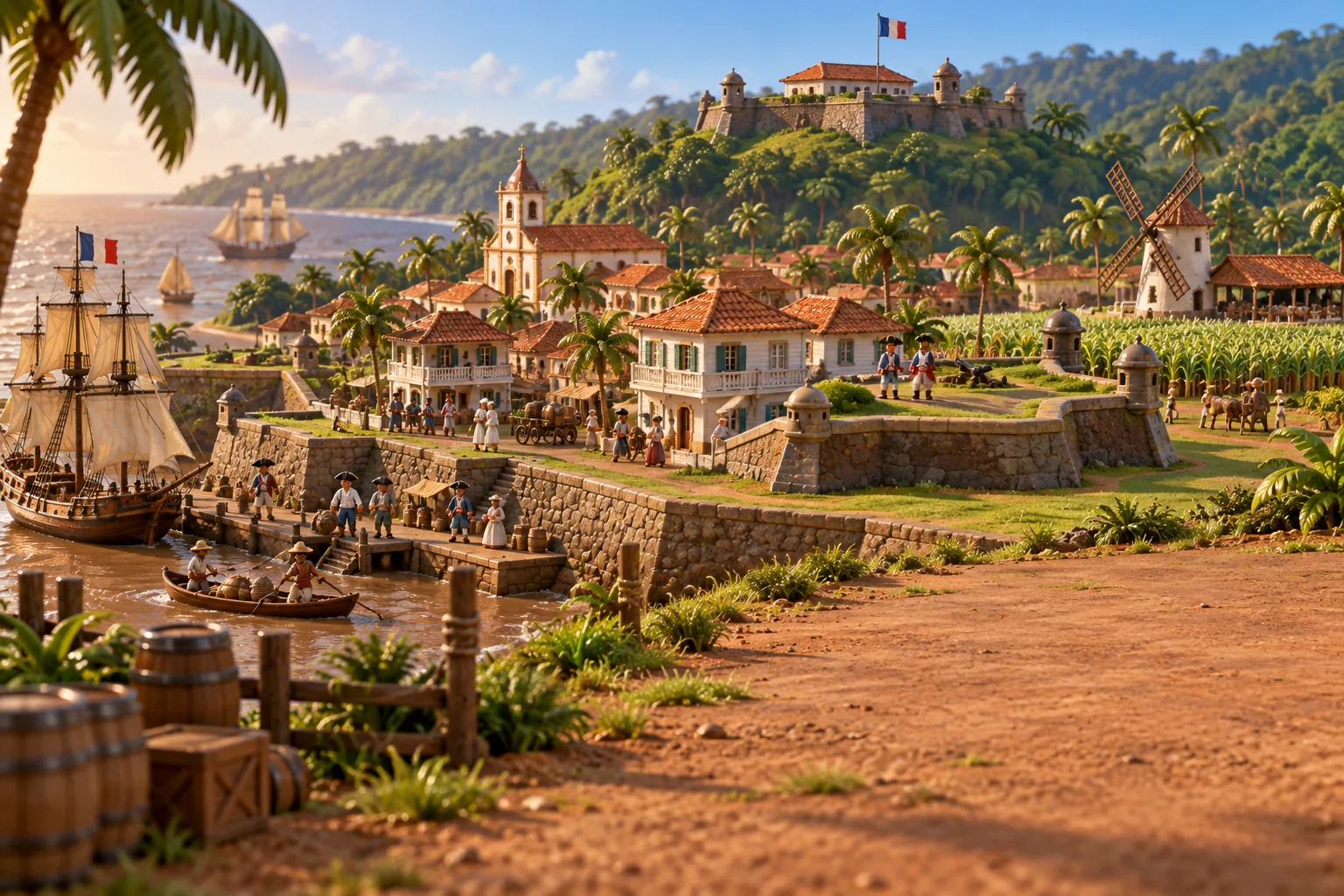 1643–2013 · CayenneFrench GuianaFrance's penal colony here swallowed more than 80,000 convicts, among them Alfred Dreyfus, and the same coast now launches Europe's rockets.
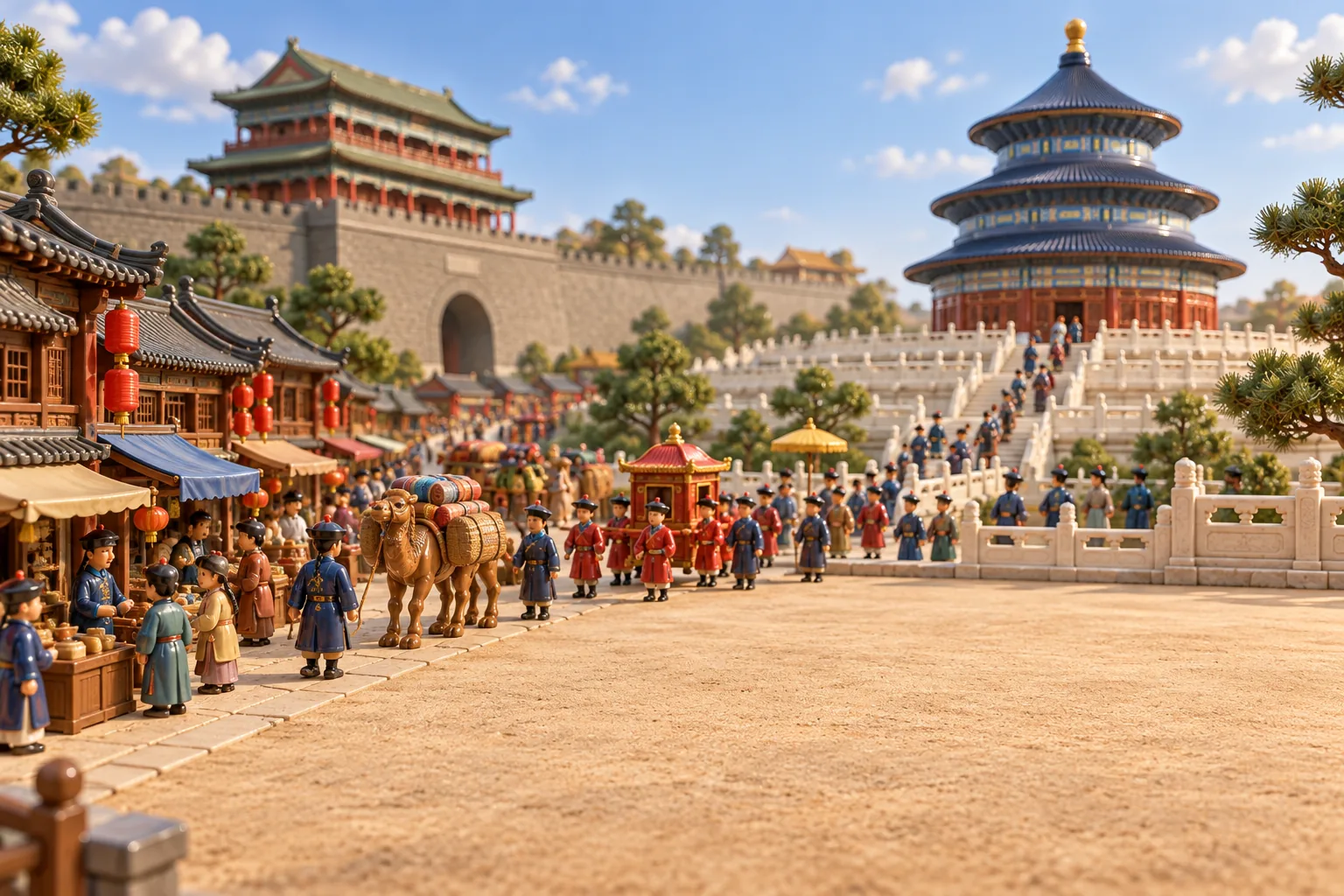 1644–1912 · BeijingQing dynastyA people from beyond the Great Wall walked through an open gate in 1644 and ruled China for the next 268 years.
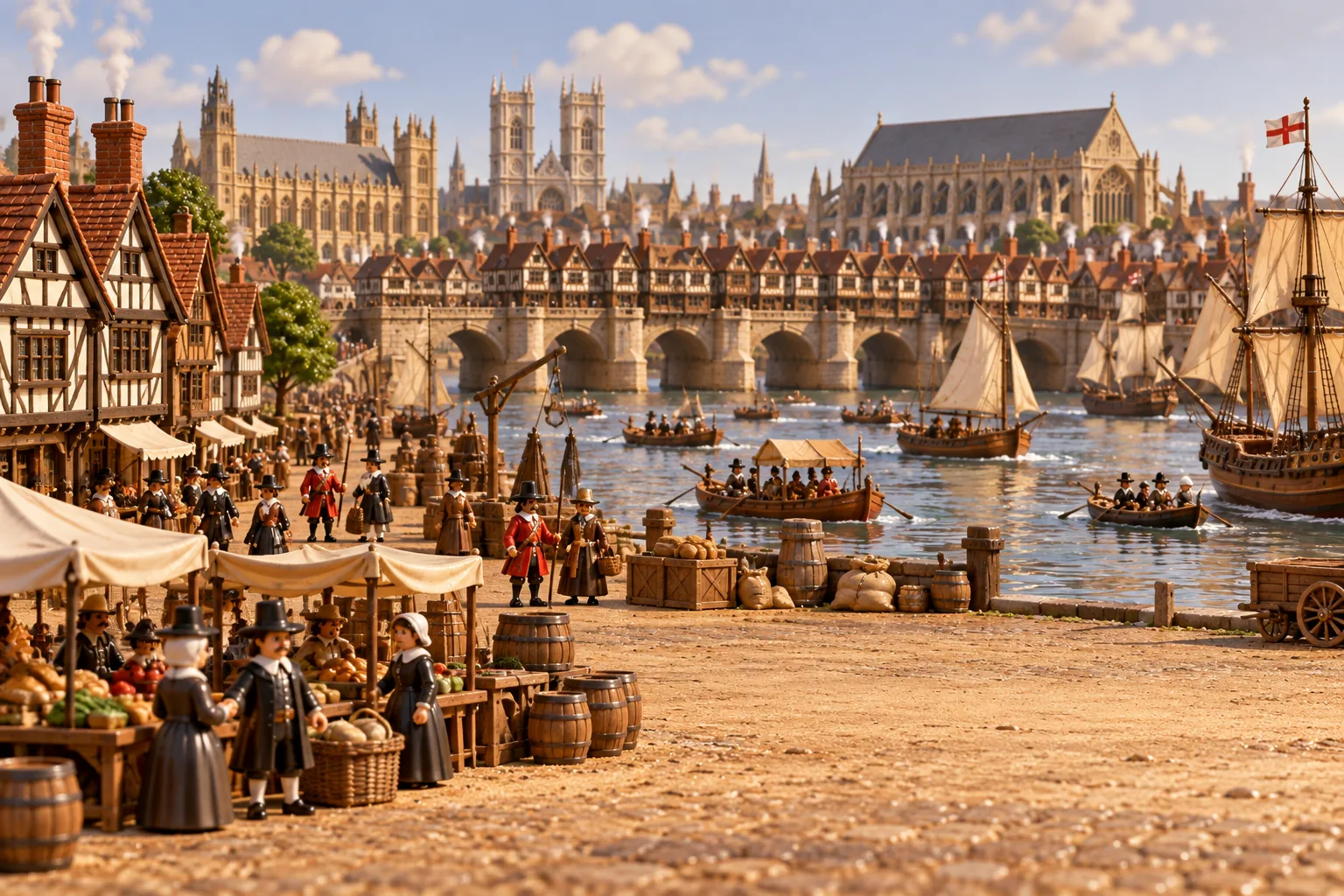 1649–1660 · LondonCommonwealth of EnglandFor eleven years England had no king, and the man who ruled it turned down the crown when Parliament offered it to him.
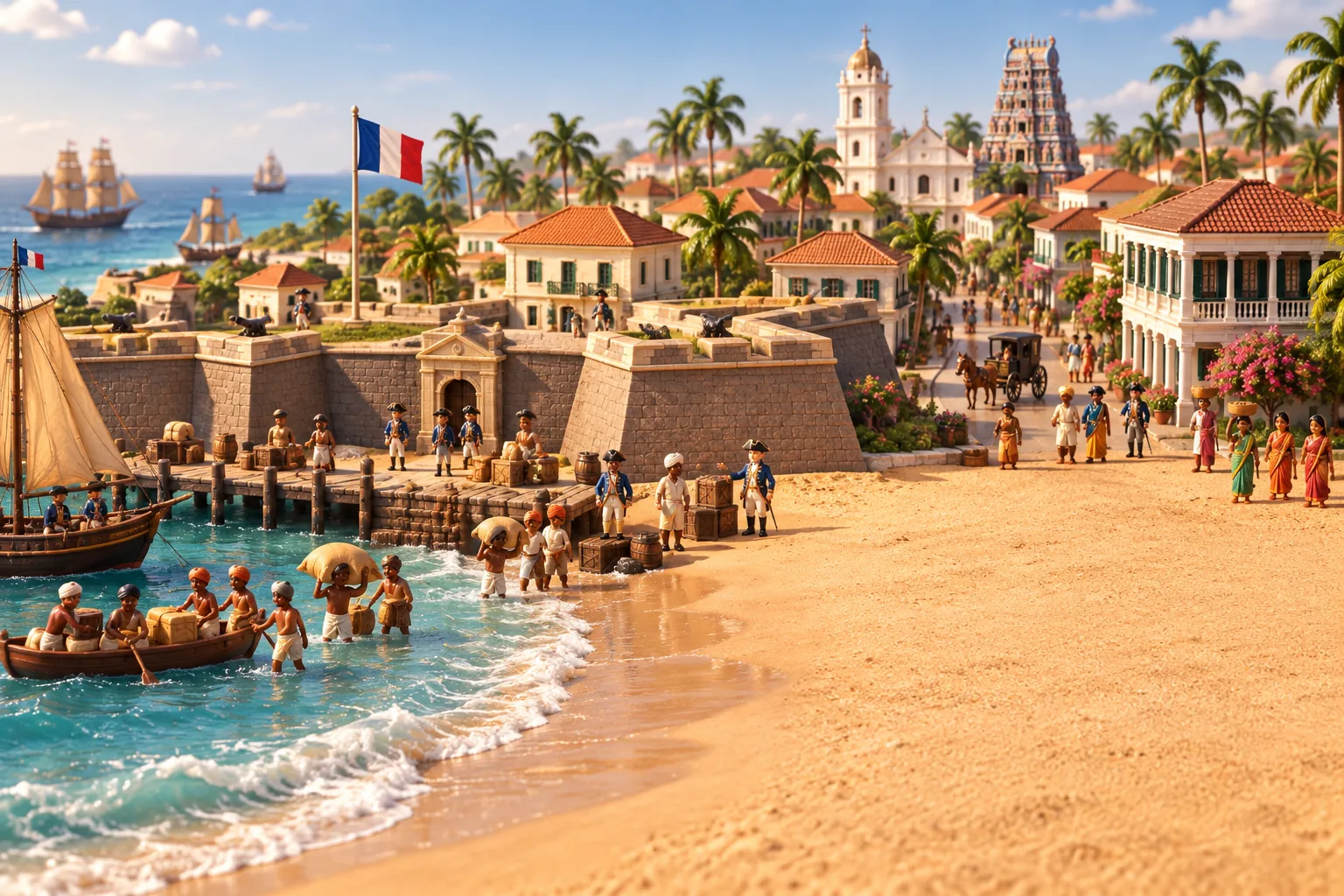 1674–1954 · Pondichéry (Puducherry)French IndiaFive small enclaves including Pondicherry remained French long after India's independence, the last handed over in 1954.
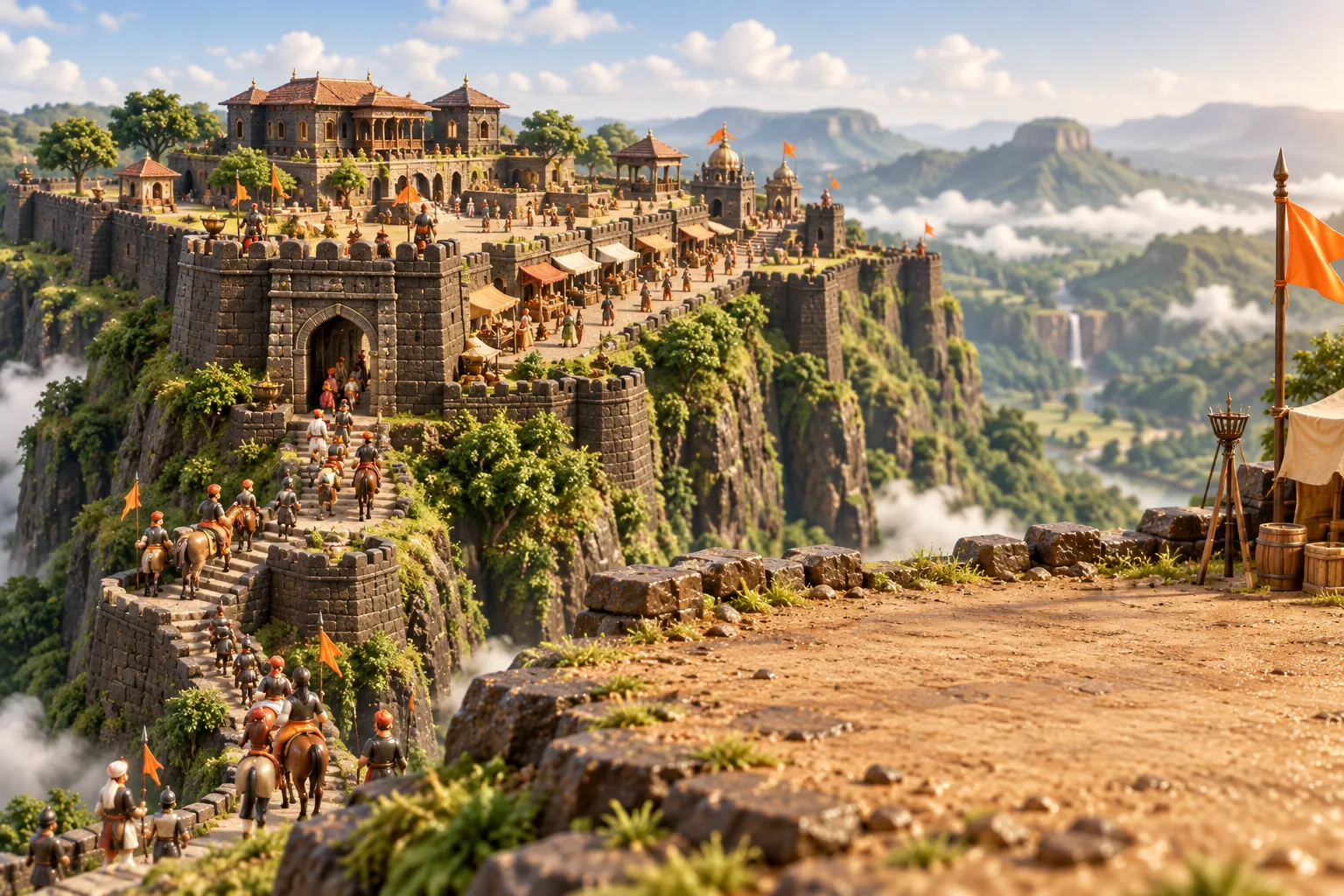 1674–1818 · Pune, IndiaMaratha EmpireBorn of Shivaji's revolt from the hill forts of the Deccan, Maratha armies by 1758 had taken Attock and Peshawar, far to the north-west.
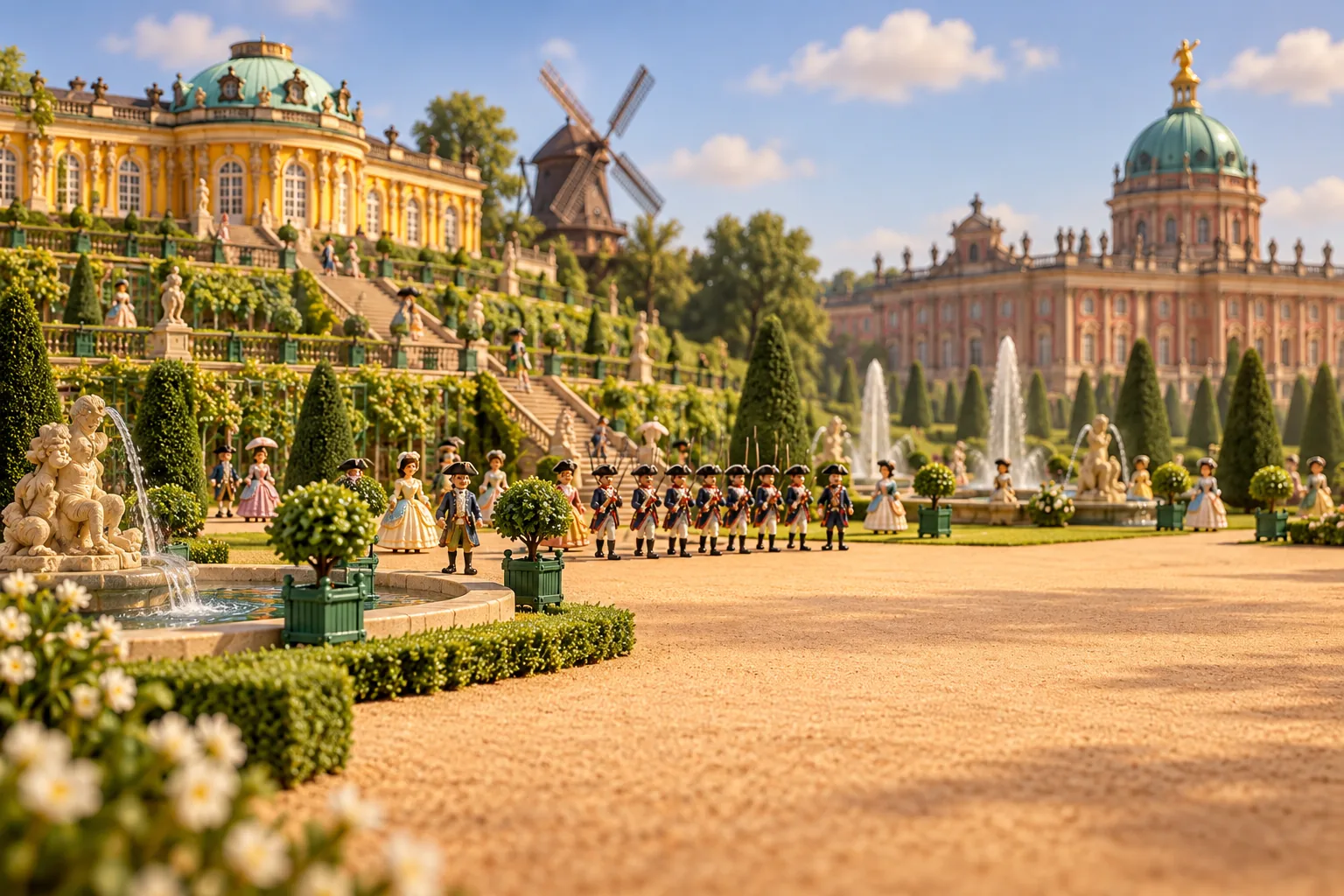 1701–1918 · BerlinKingdom of PrussiaA scattered set of Hohenzollern lands on the Baltic plain turned itself into a great power with drill and conscription, and then swallowed the rest of Germany.
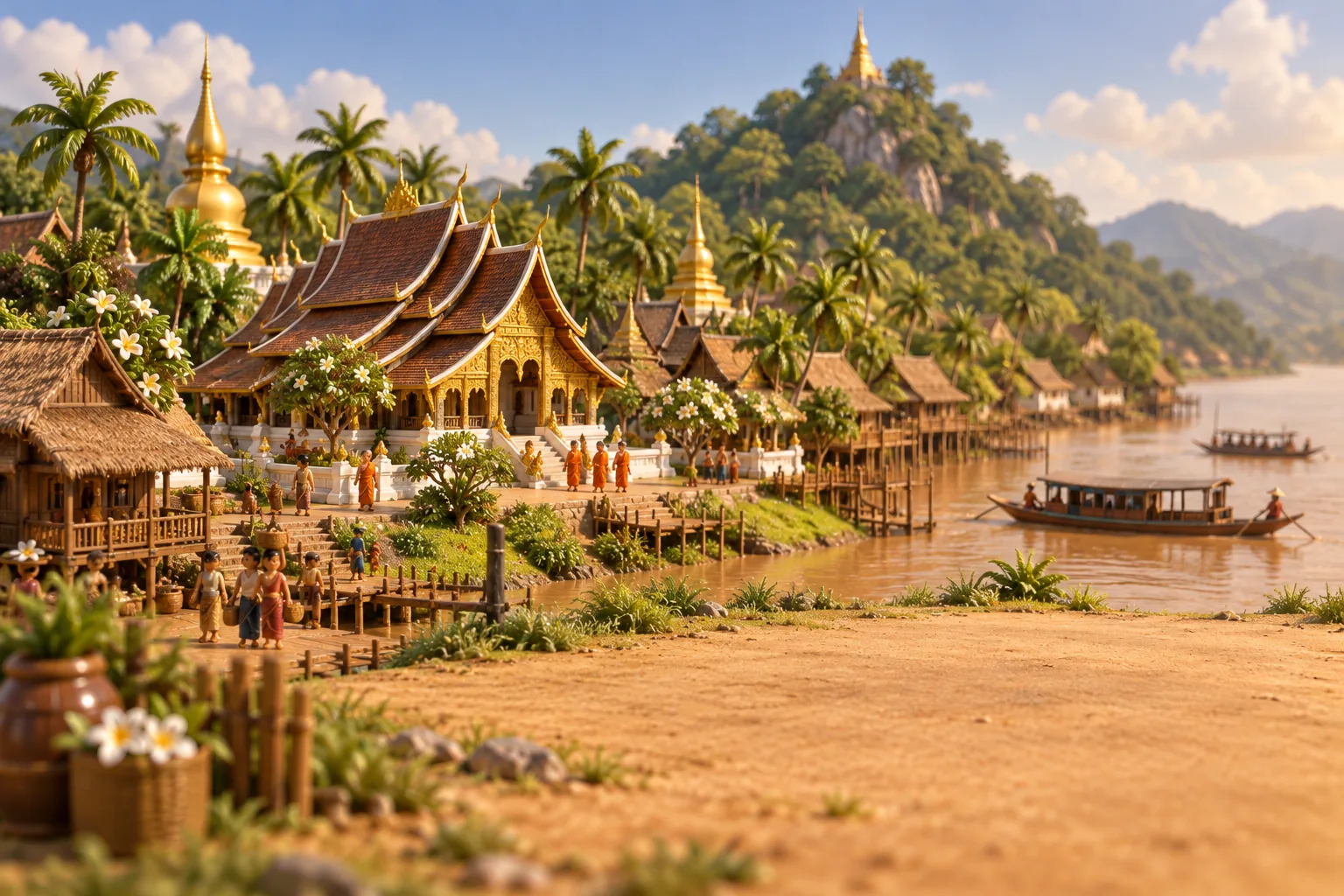 1707–1947 · Luang Prabang, LaosKingdom of Luang PrabangA temple city on a bend of the Mekong became a kingdom of its own in 1707, and its kings ended up as the kings of all Laos.
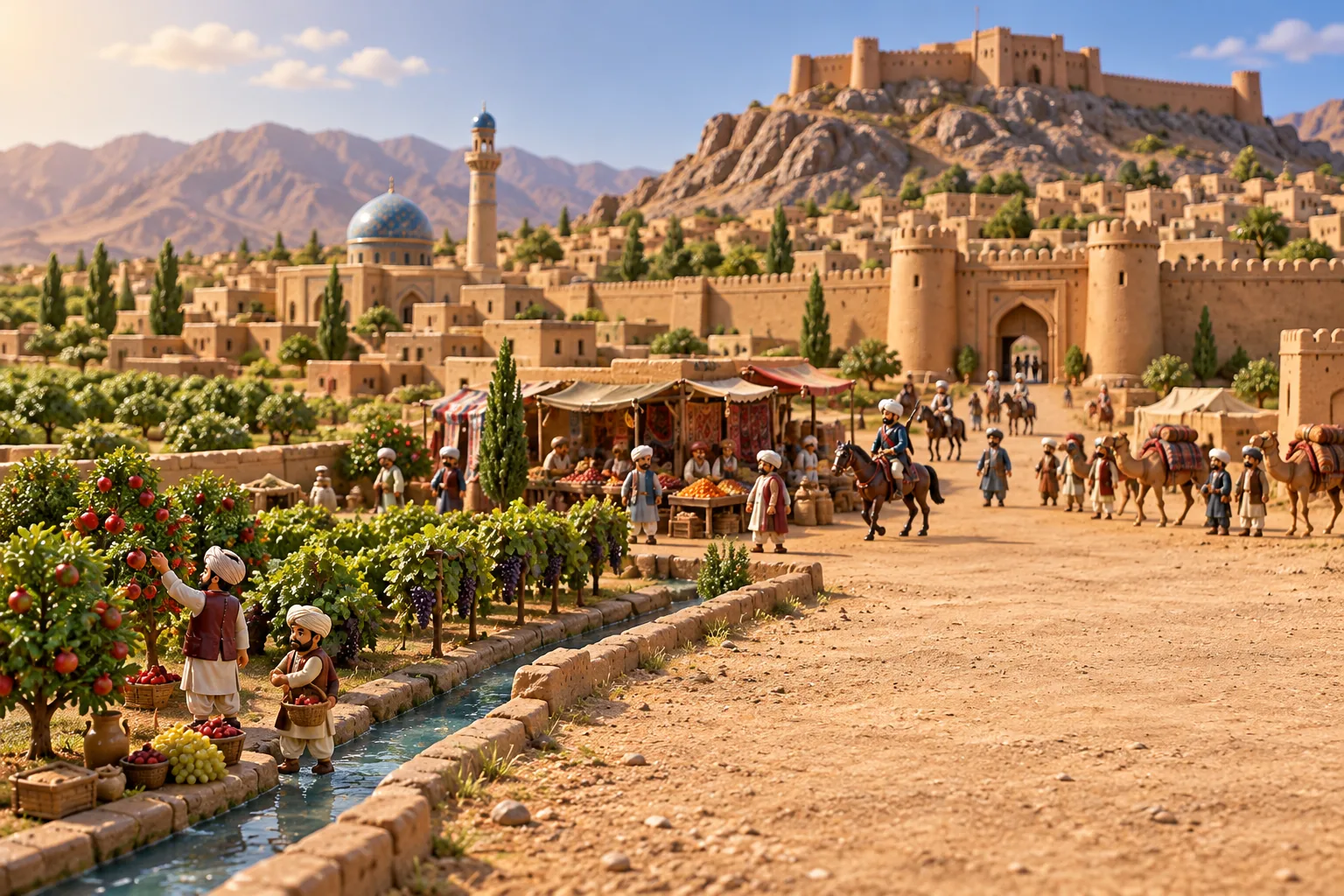 1709–1738 · Kandahar, AfghanistanHotak dynastyA mayor of Kandahar killed the Safavid governor in an ambush, and within thirteen years his son sat on the throne of Persia in Isfahan.
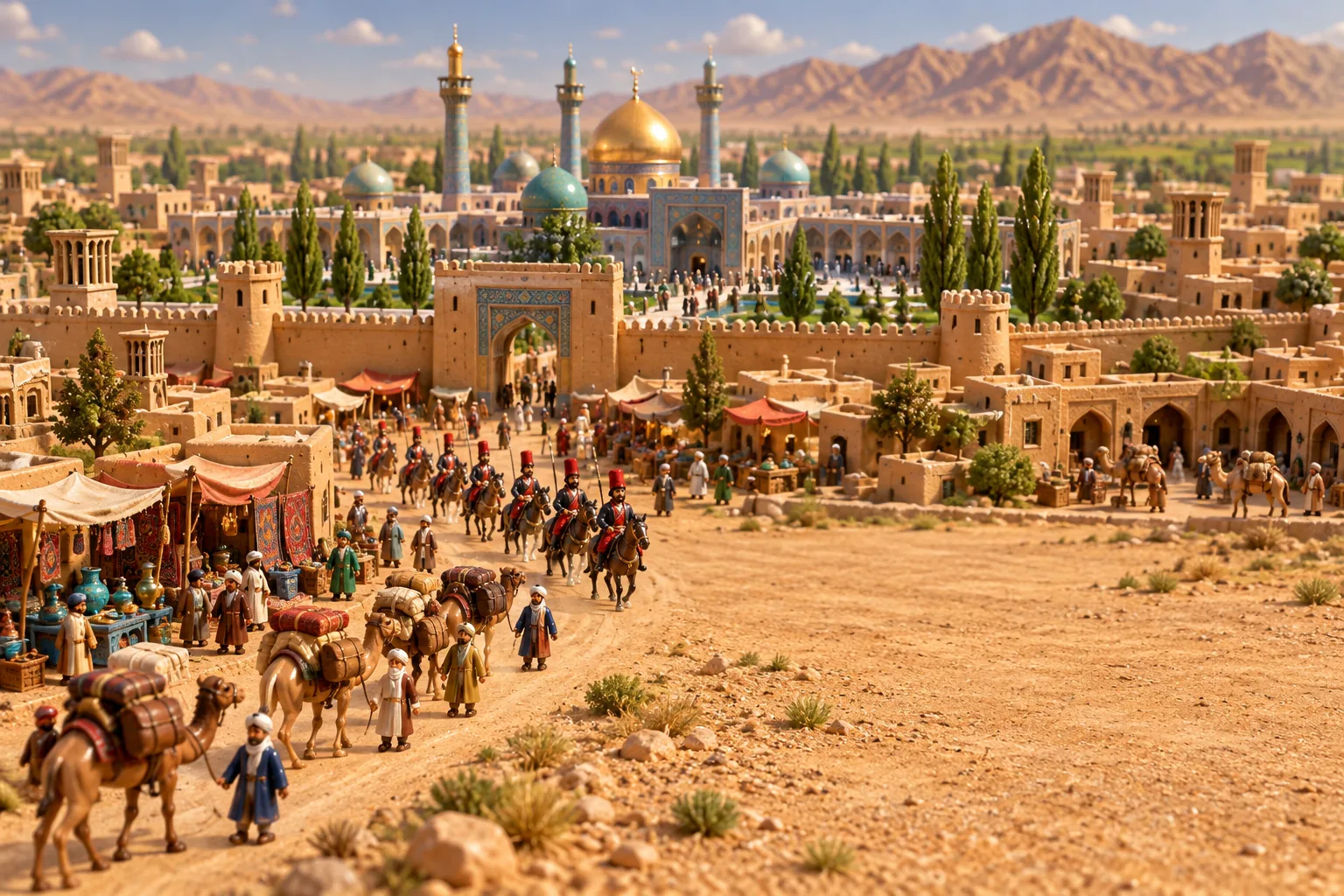 1736–1796 · Mashhad, IranAfsharid IranIts founder Nader Shah crushed the Mughal army at Karnal in 1739 and carried home the Peacock Throne and the Koh-i-Noor diamond.
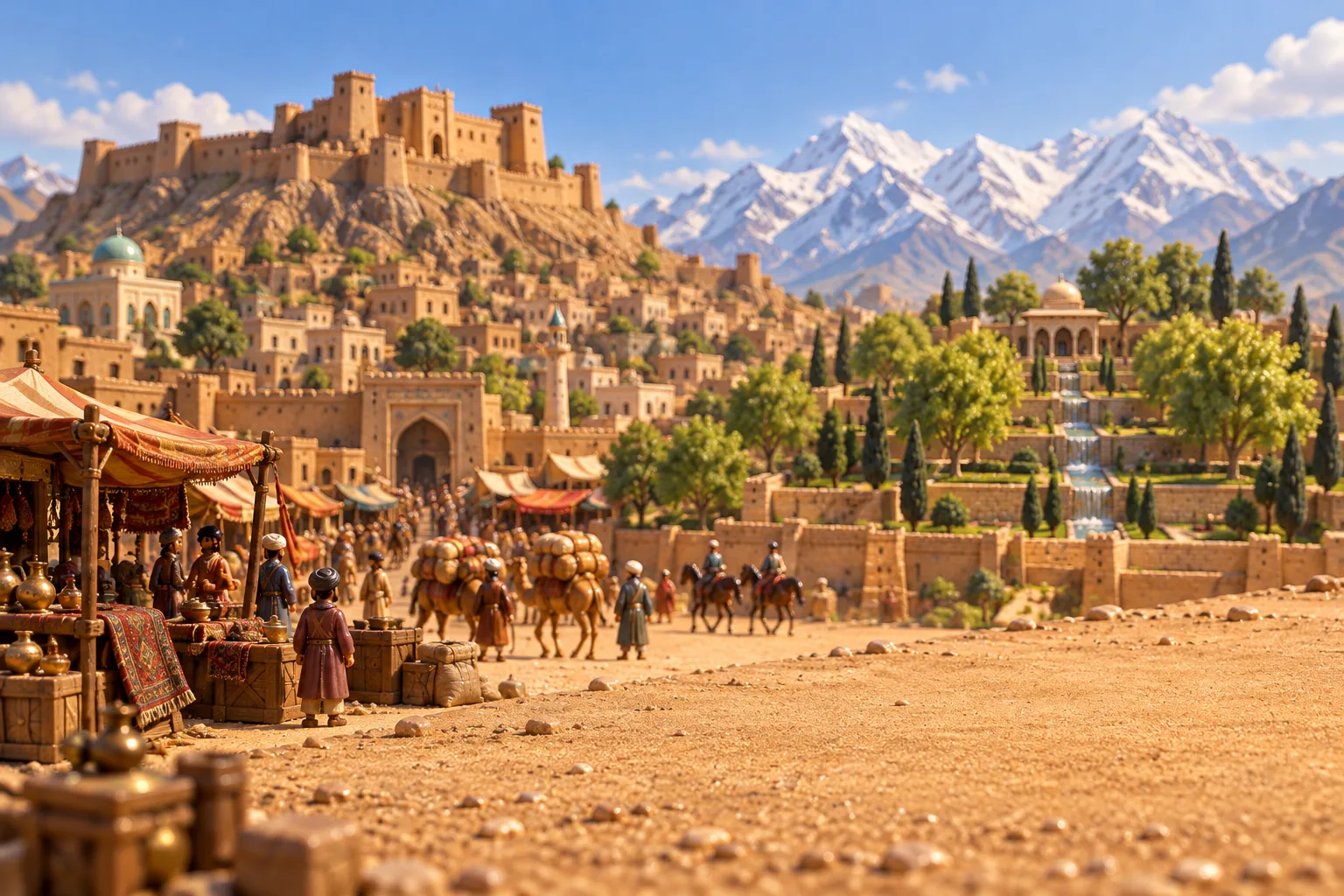 1747–1823 · Kandahar, AfghanistanDurrani EmpireCrowned by a holy man who tucked a few sheaves of grain into his turban, Ahmad Shah Durrani went on to sack Delhi and is still called the father of Afghanistan.
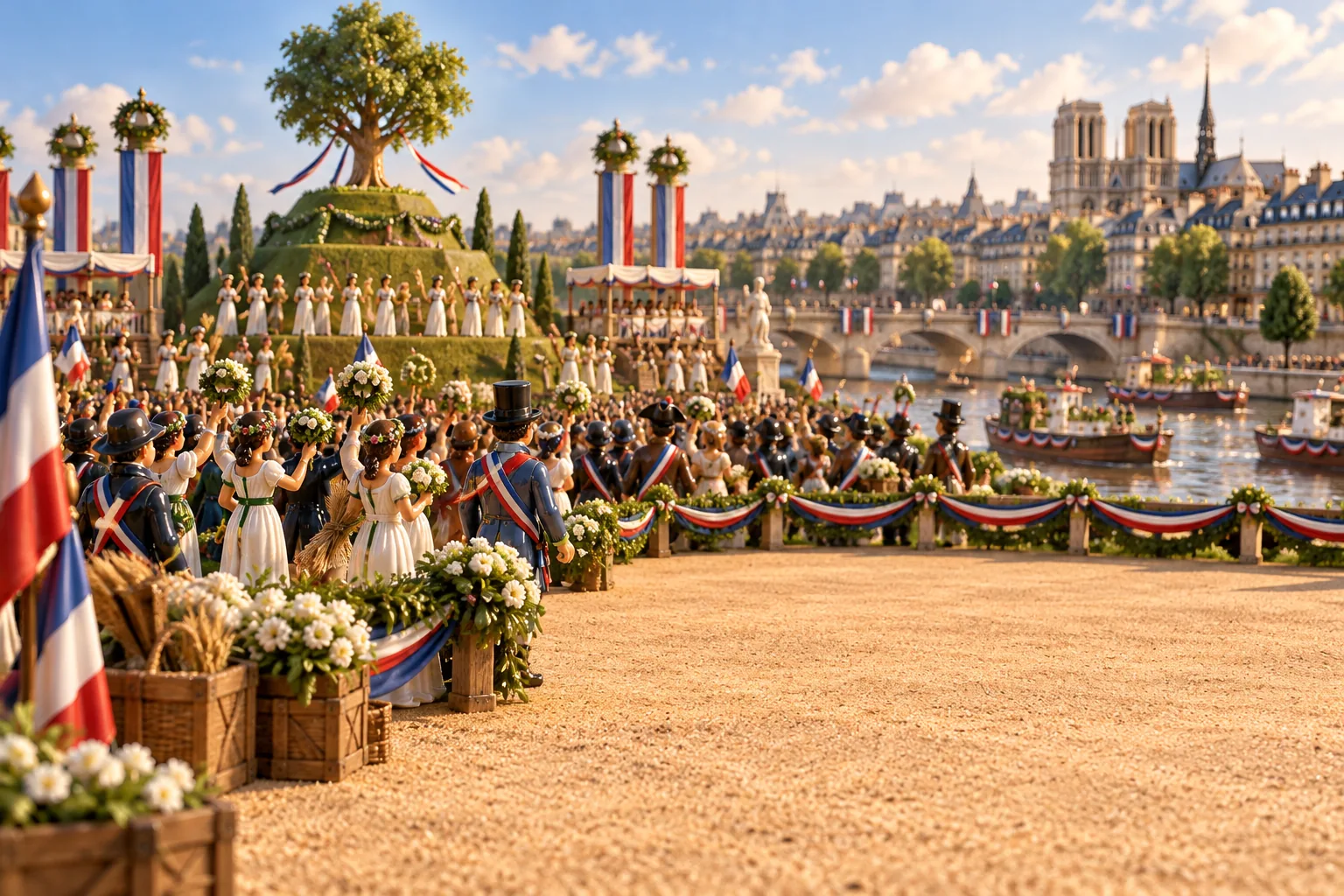 1792–1804 · ParisFrench First RepublicBorn from the fall of the monarchy in 1792, it executed its king, abolished slavery in 1794 and restarted time with Year I and a ten-day week.
Industrial age 1800 to 1945
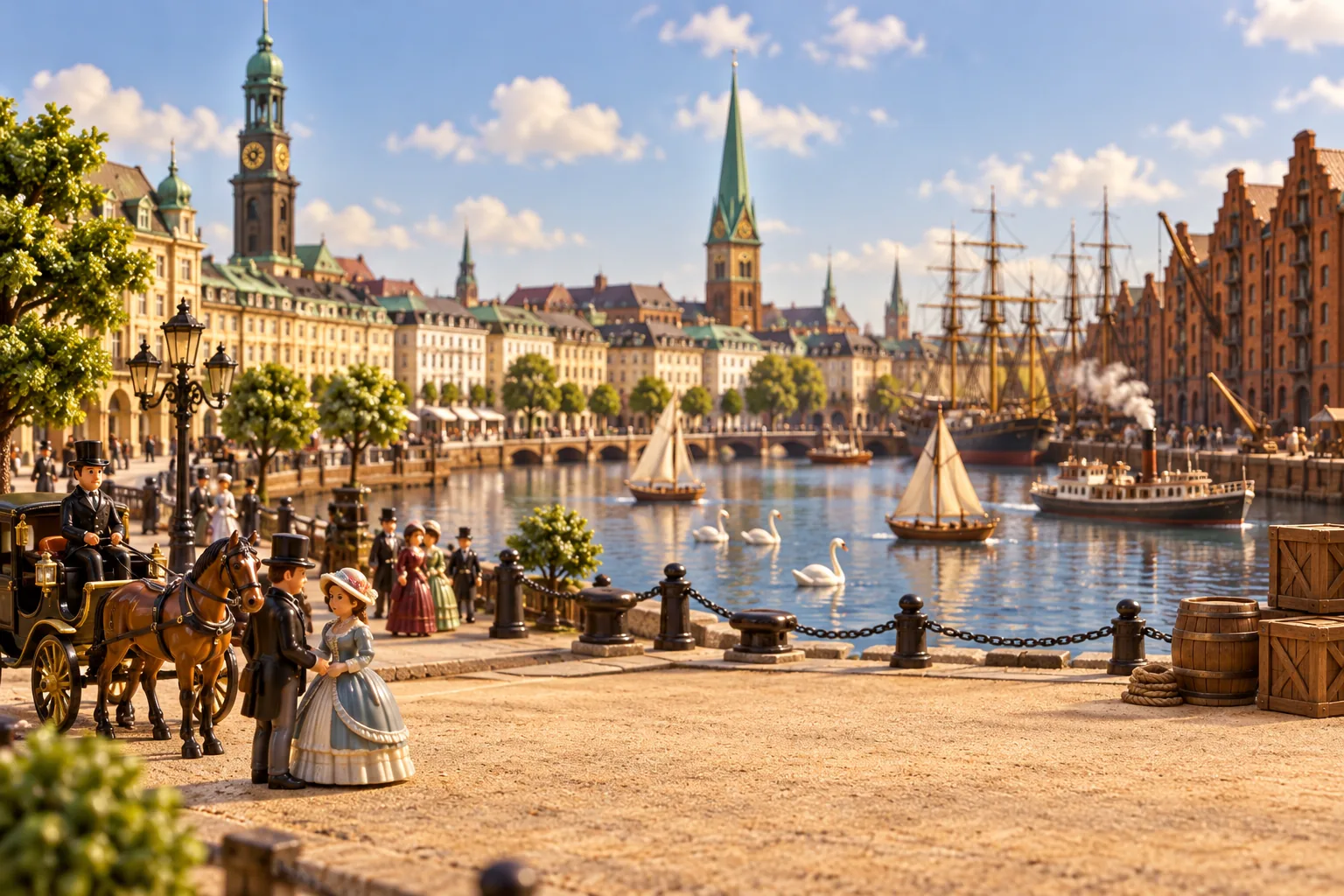 1189–1871 · HamburgHamburgFor centuries a city of merchants on the Elbe answered to no prince, governed itself through its own Senate and was a sovereign state until 1871.
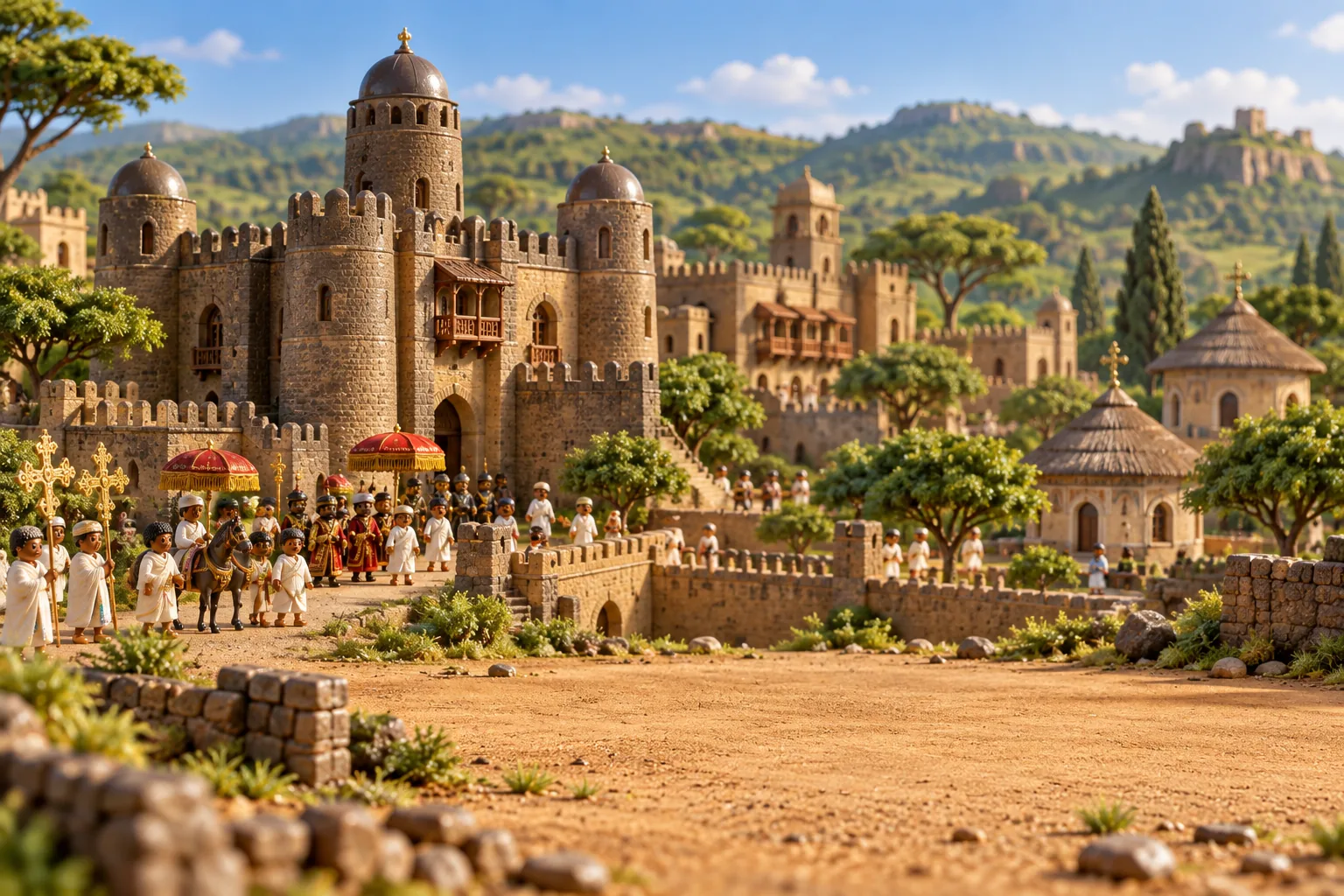 c. 1270 – 1974 · Addis AbabaEthiopian EmpireAn African Christian empire that claimed descent from King Solomon and the Queen of Sheba crushed a European army at Adwa and stayed free.
 1415–1999 · Rio de Janeiro, BrazilPortuguese EmpireThe first of Europe's sea empires and the last to let go, it once had its capital not in Lisbon but in Rio de Janeiro.
 1511–1920 · Khiva, UzbekistanKhanate of KhivaKhiva's slave market sold Persian and Russian captives for centuries, until Russian troops took the city in 1873 and freed them.
 1603–1868 · Edo (Tokyo)Tokugawa shogunateFor more than two centuries the shoguns kept Japan almost closed, letting only the Dutch trade with Europe from a small island in Nagasaki harbour.
 1607–1997 · LondonBritish EmpireAn island off the coast of Europe came to rule about a quarter of the world's land, so that somewhere in the empire the sun was always up.
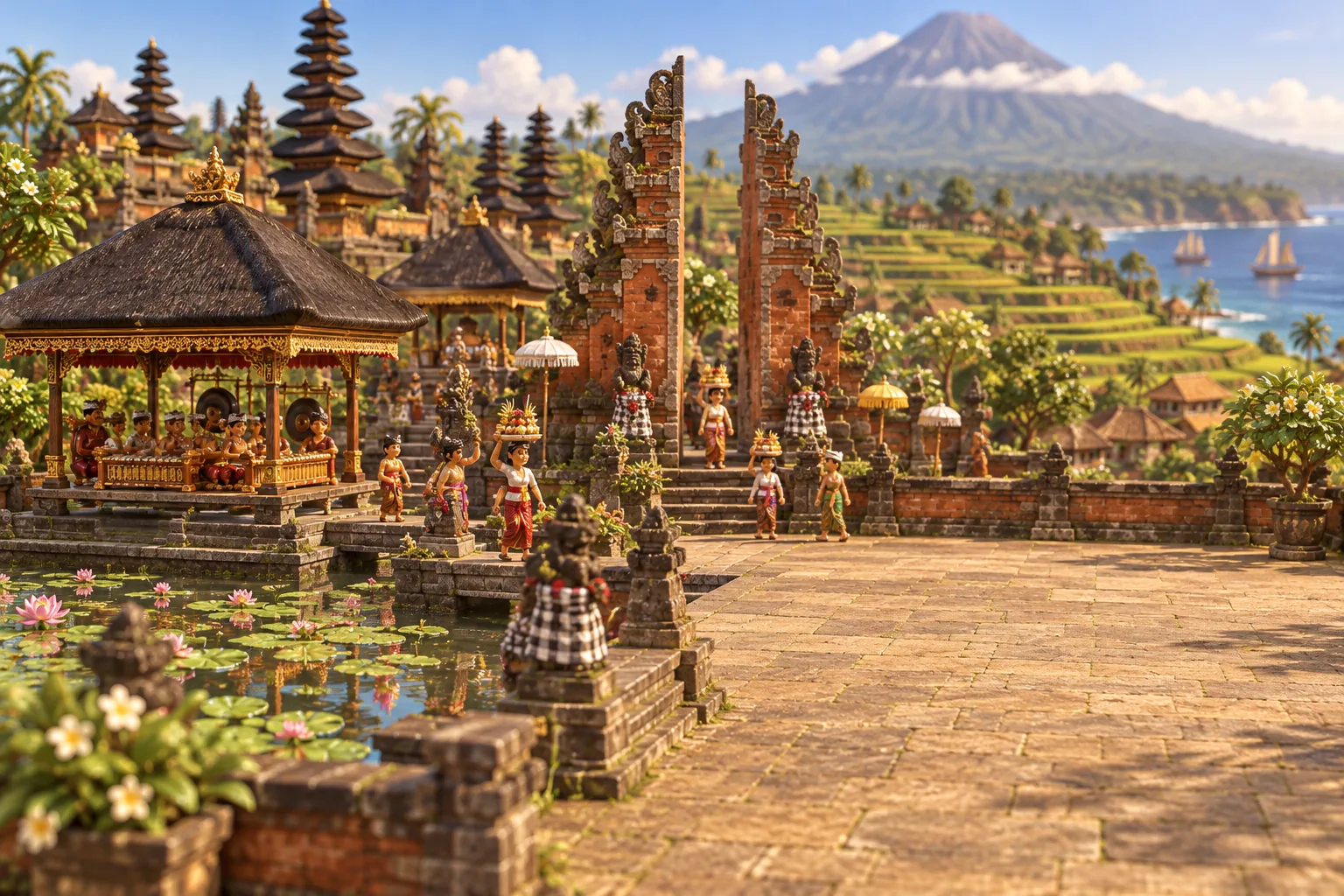 1686–1908 · Klungkung (Semarapura), BaliKingdoms of BaliIn 1906 the royal court of Badung, dressed in white, walked into Dutch gunfire in a ritual mass suicide called a puputan.
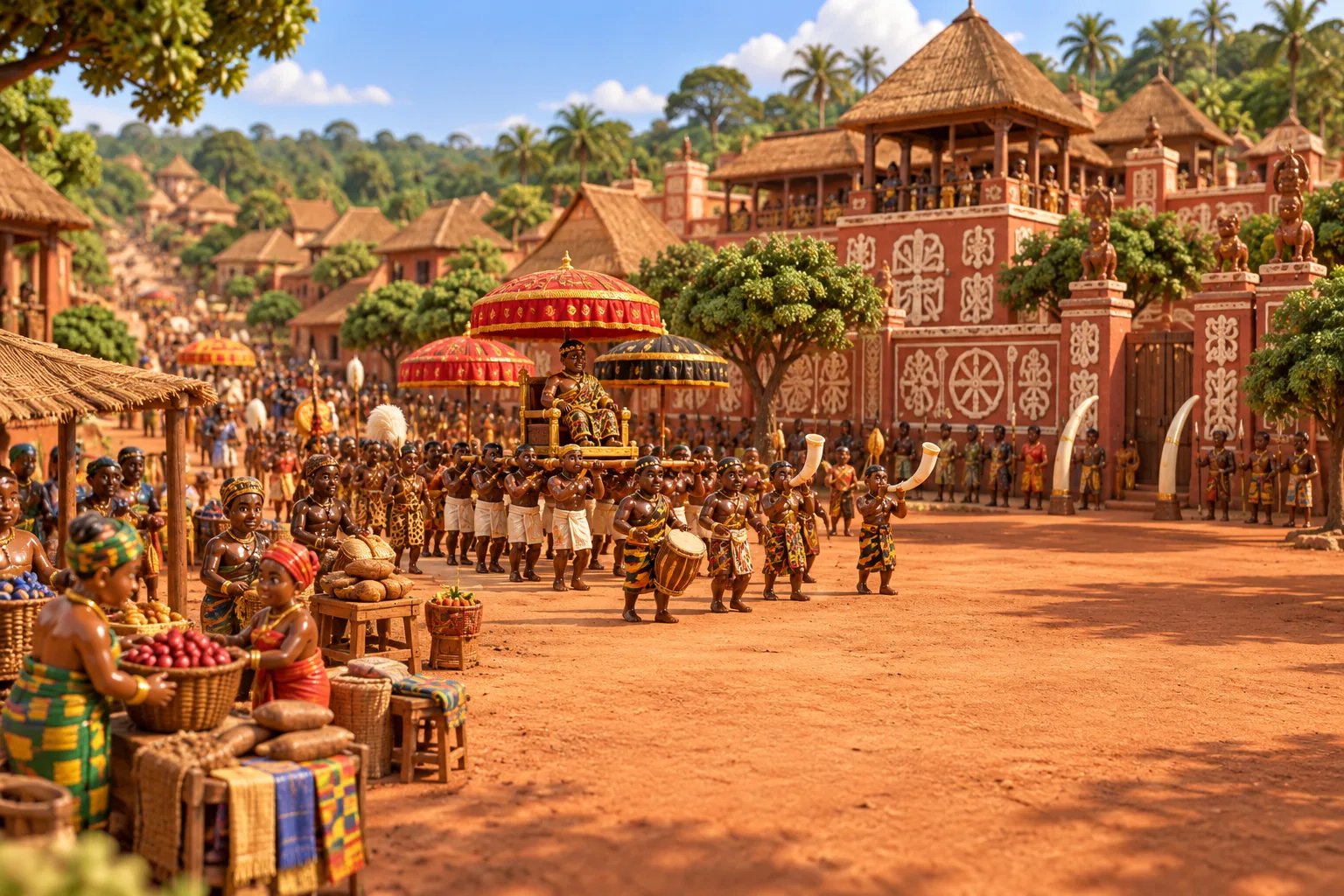 1701–1902 · Kumasi, GhanaAshanti EmpireIts kings were enthroned on a Golden Stool that bound the nation together, and its armies held off Britain for most of a century.
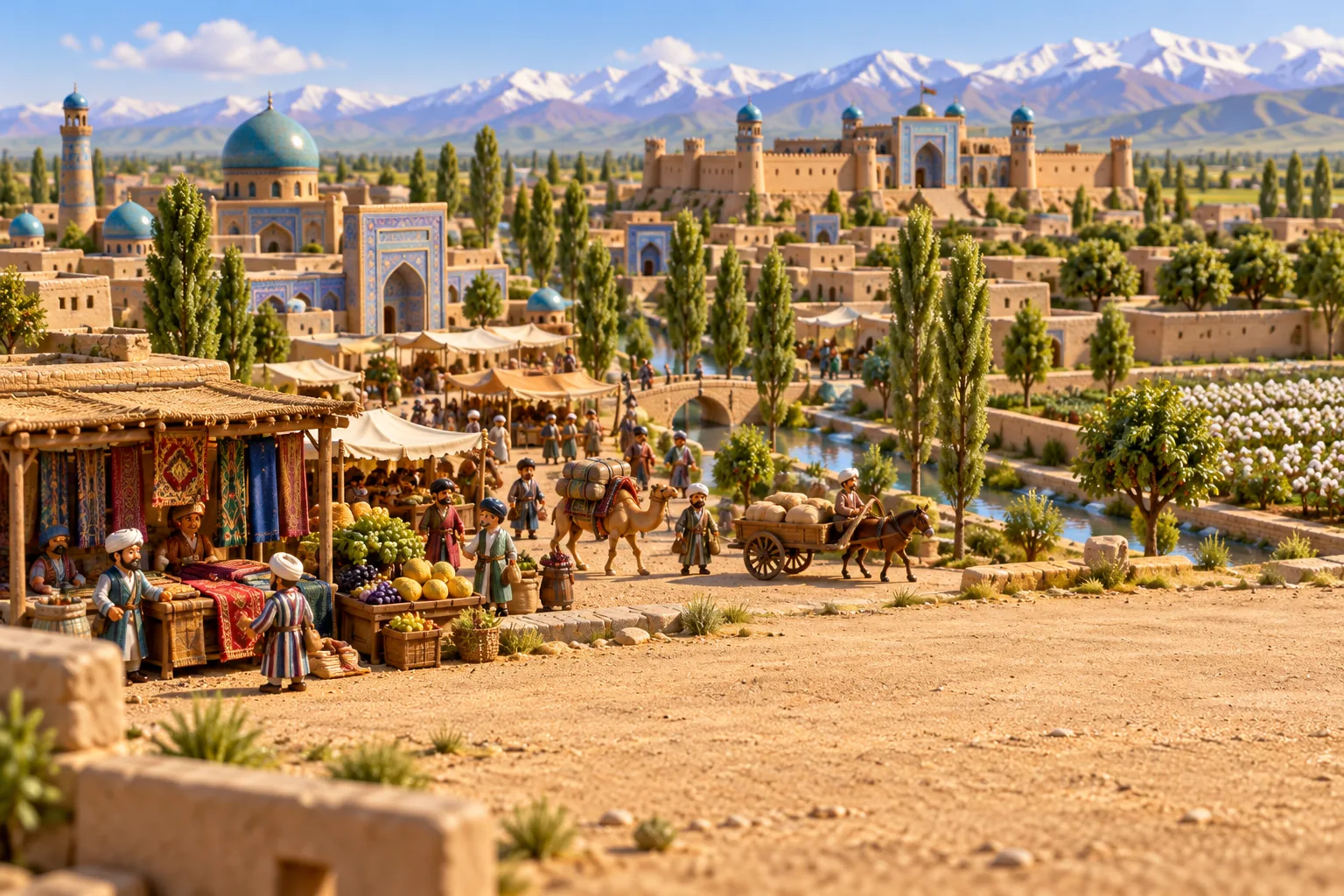 1709–1876 · Kokand, UzbekistanKhanate of KokandThis Fergana Valley khanate dug canals, traded with China and India, and ruled over five million people until Russian troops annexed it in 1876.
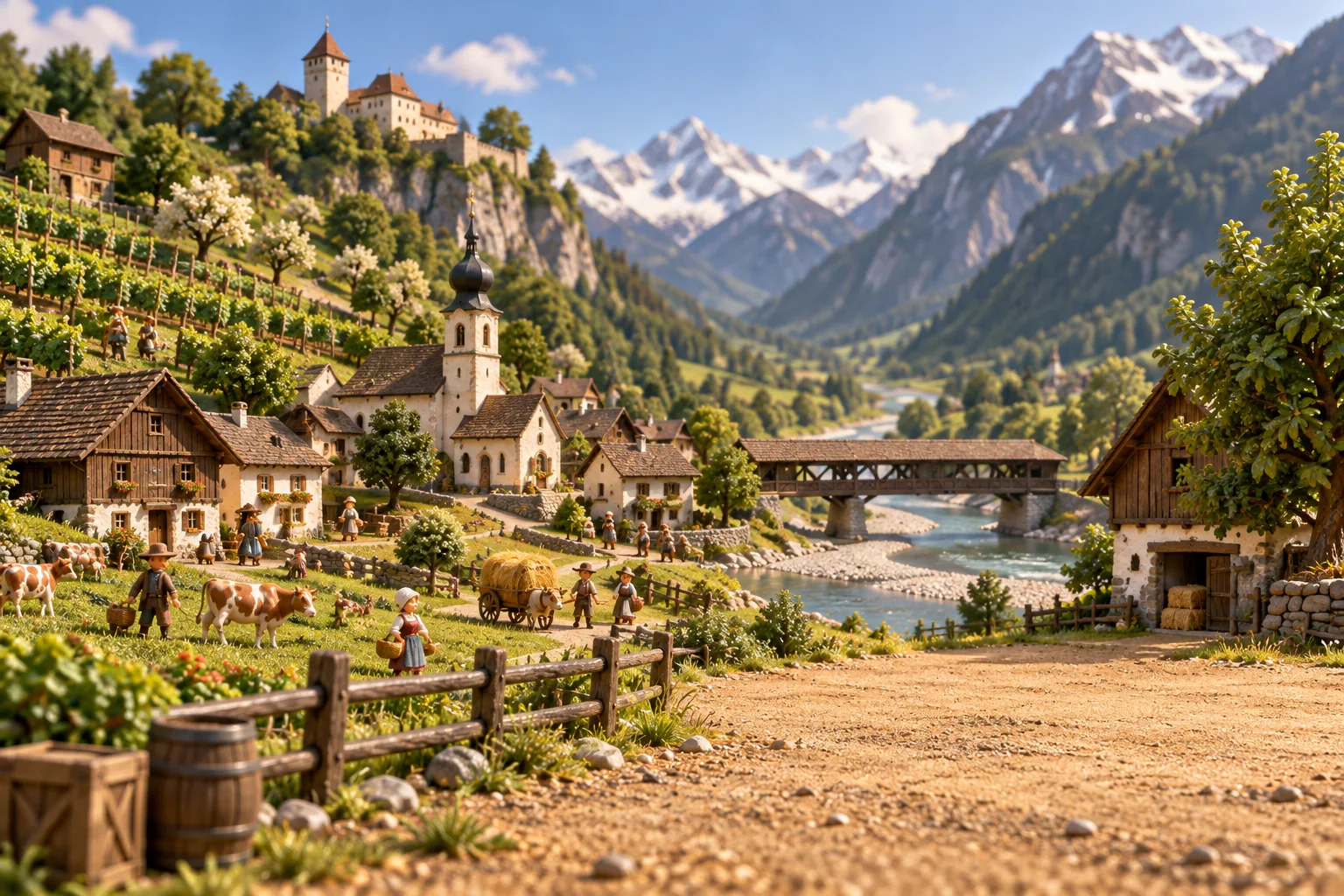 1719–2013 · VaduzLiechtensteinIts princes bought two tiny lordships to win a seat among the princes of the Holy Roman Empire, and none of them came to see it until 1842.
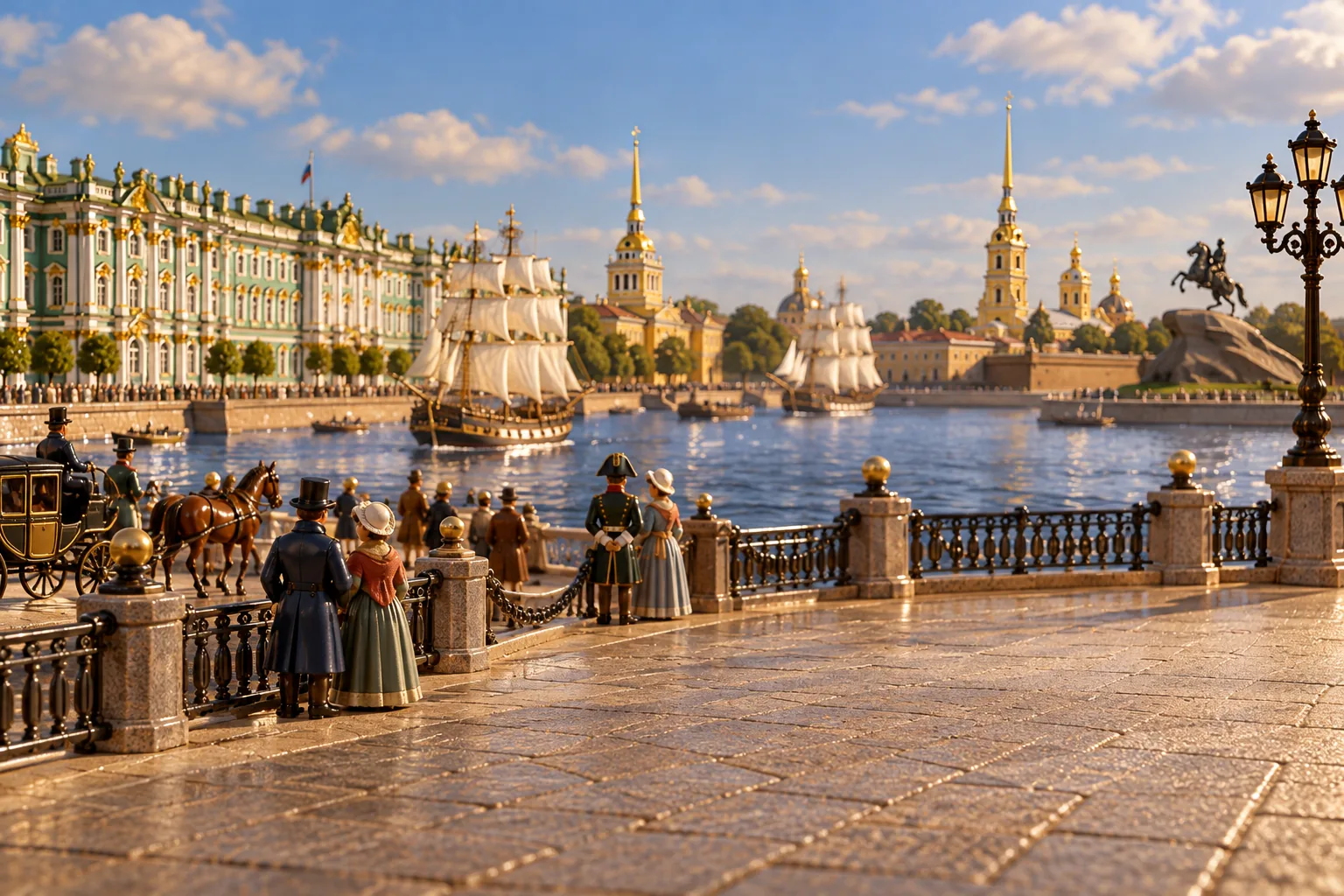 1721–1917 · Saint PetersburgRussian EmpireAt its height it covered a sixth of the world's land, from Poland to the Pacific, and its last tsar was overthrown in a single week of 1917.
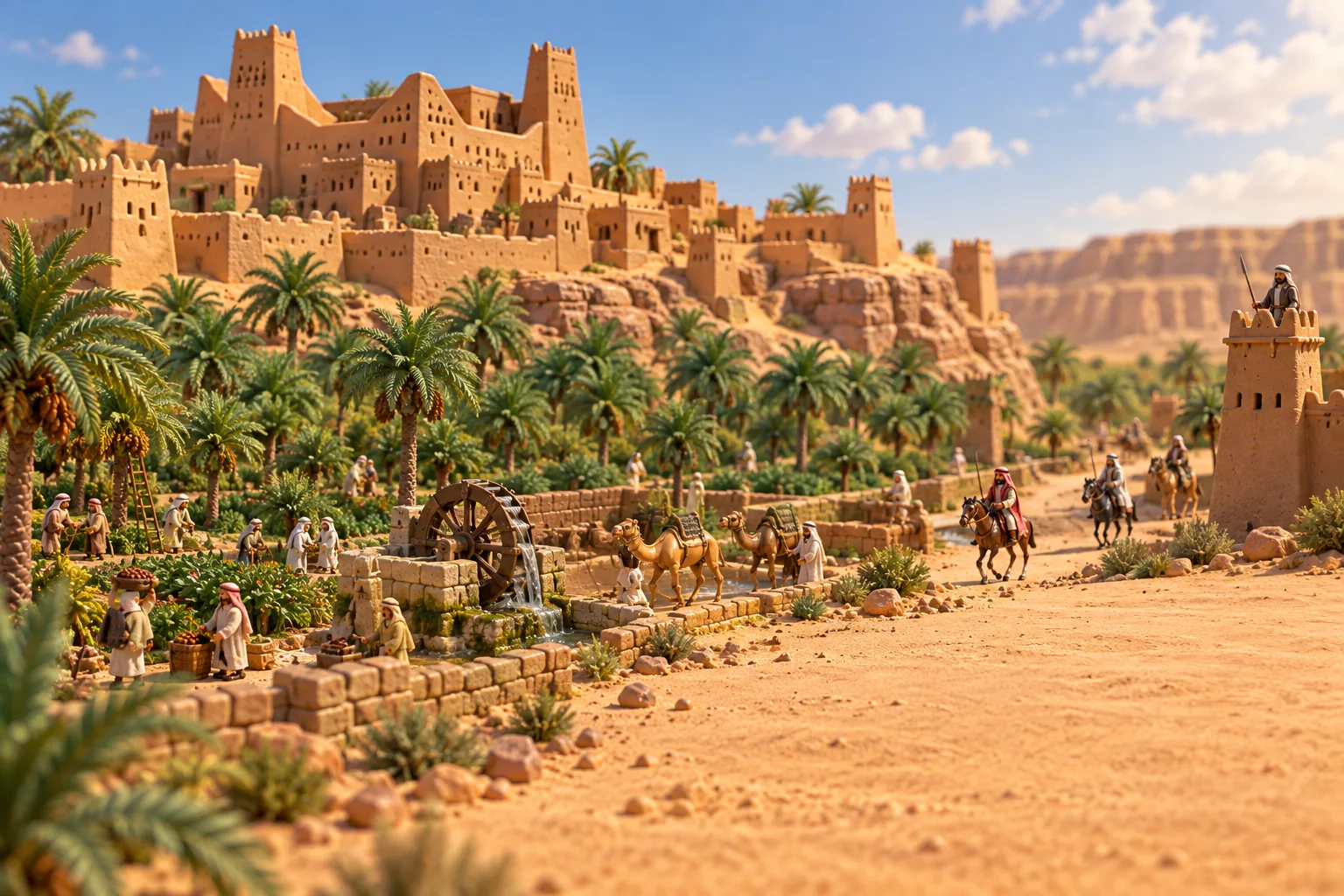 1744–1818 · Diriyah, Saudi ArabiaFirst Saudi StateBorn from a 1744 pact between an emir and a preacher, Ibn Abd al-Wahhab, it ended when Ottoman-Egyptian troops razed Diriyah.
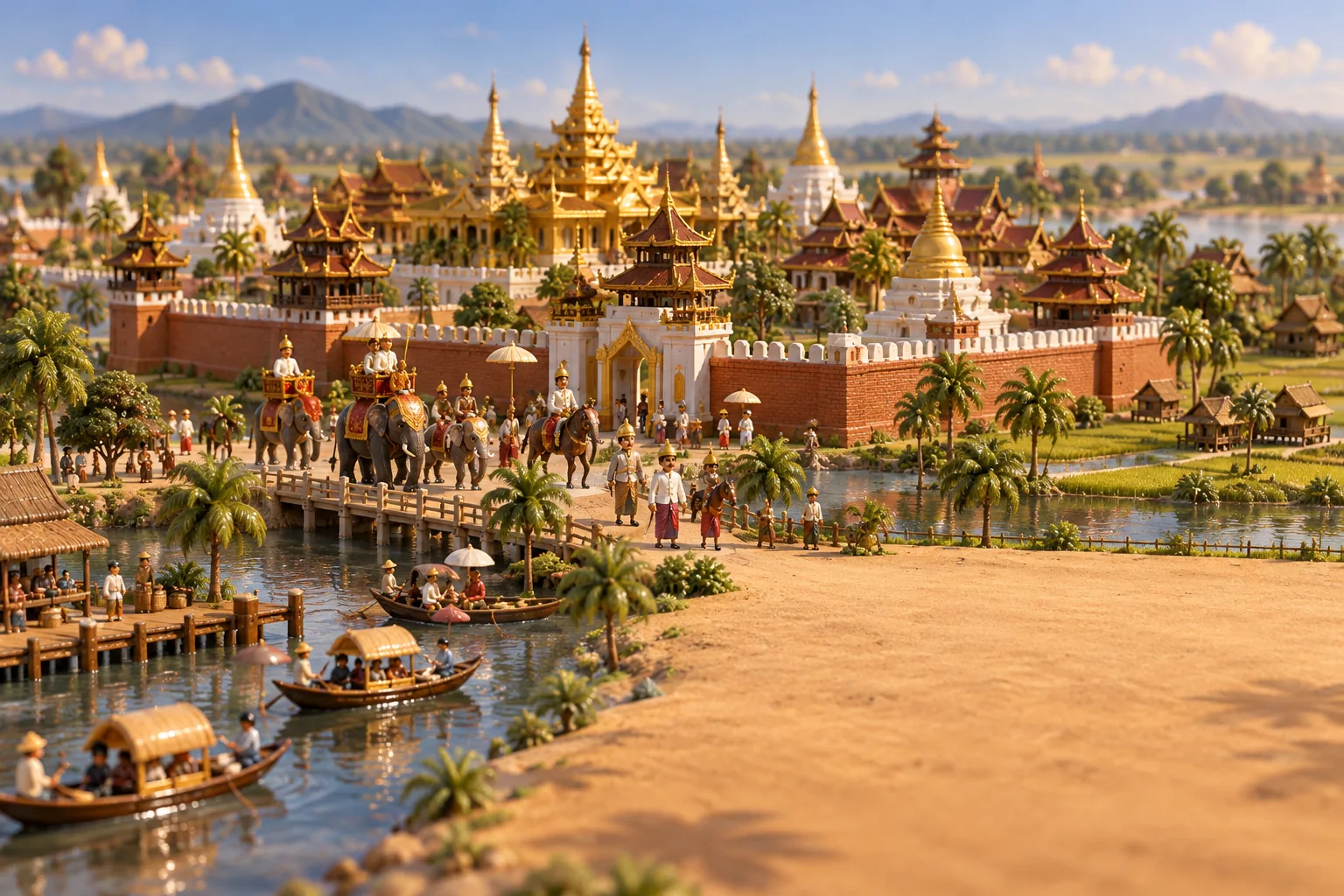 1752–1885 · Amarapura, MyanmarKonbaung dynastyBurma's last royal dynasty sacked Ayutthaya and beat back four Chinese invasions, then lost three wars to Britain and sent its last king into exile.
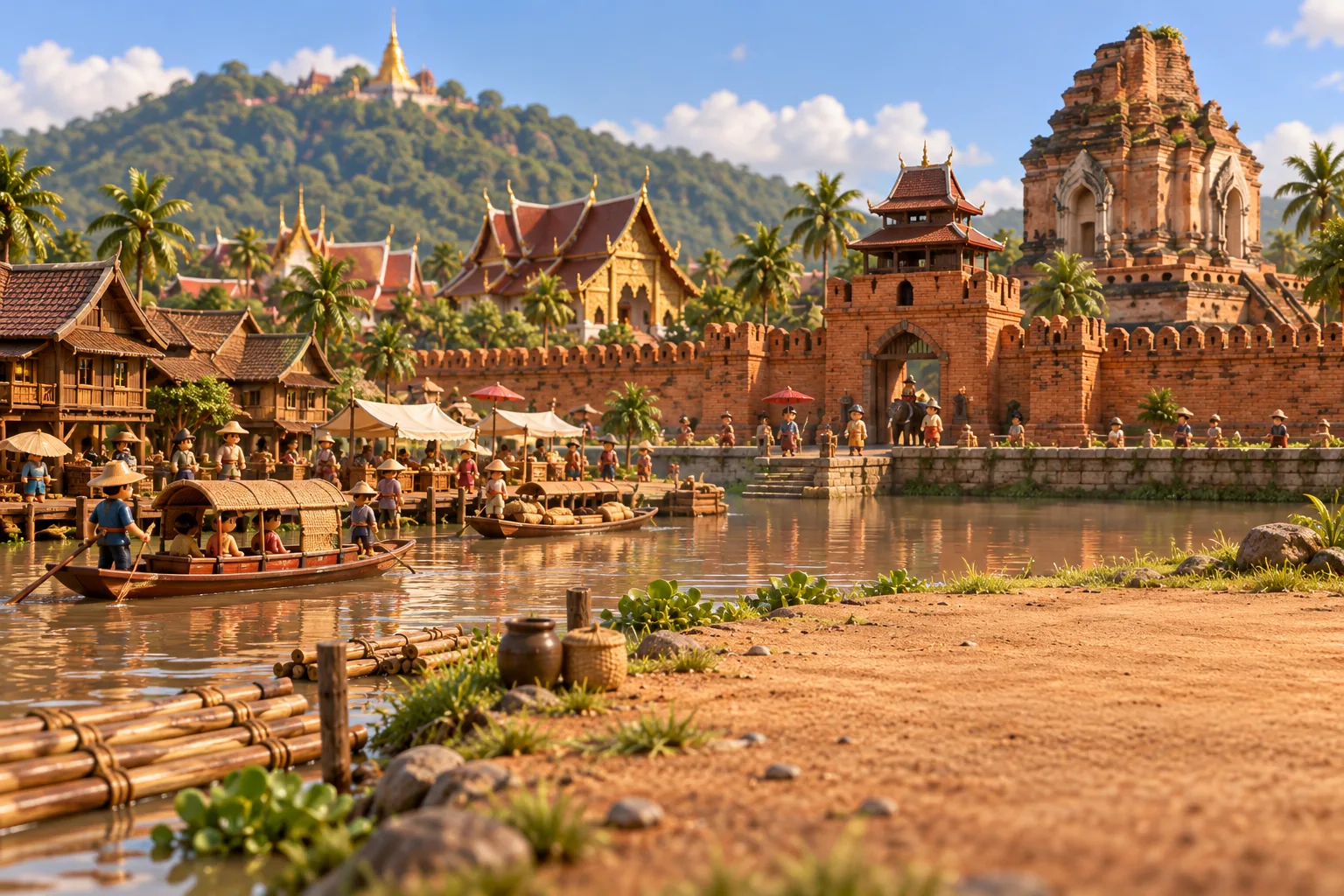 1775–1899 · Chiang Mai, ThailandKingdom of Chiang MaiFounded by King Mangrai in 1296 as Lan Na's capital, it was ruled by Burma for two centuries before falling under Siam.
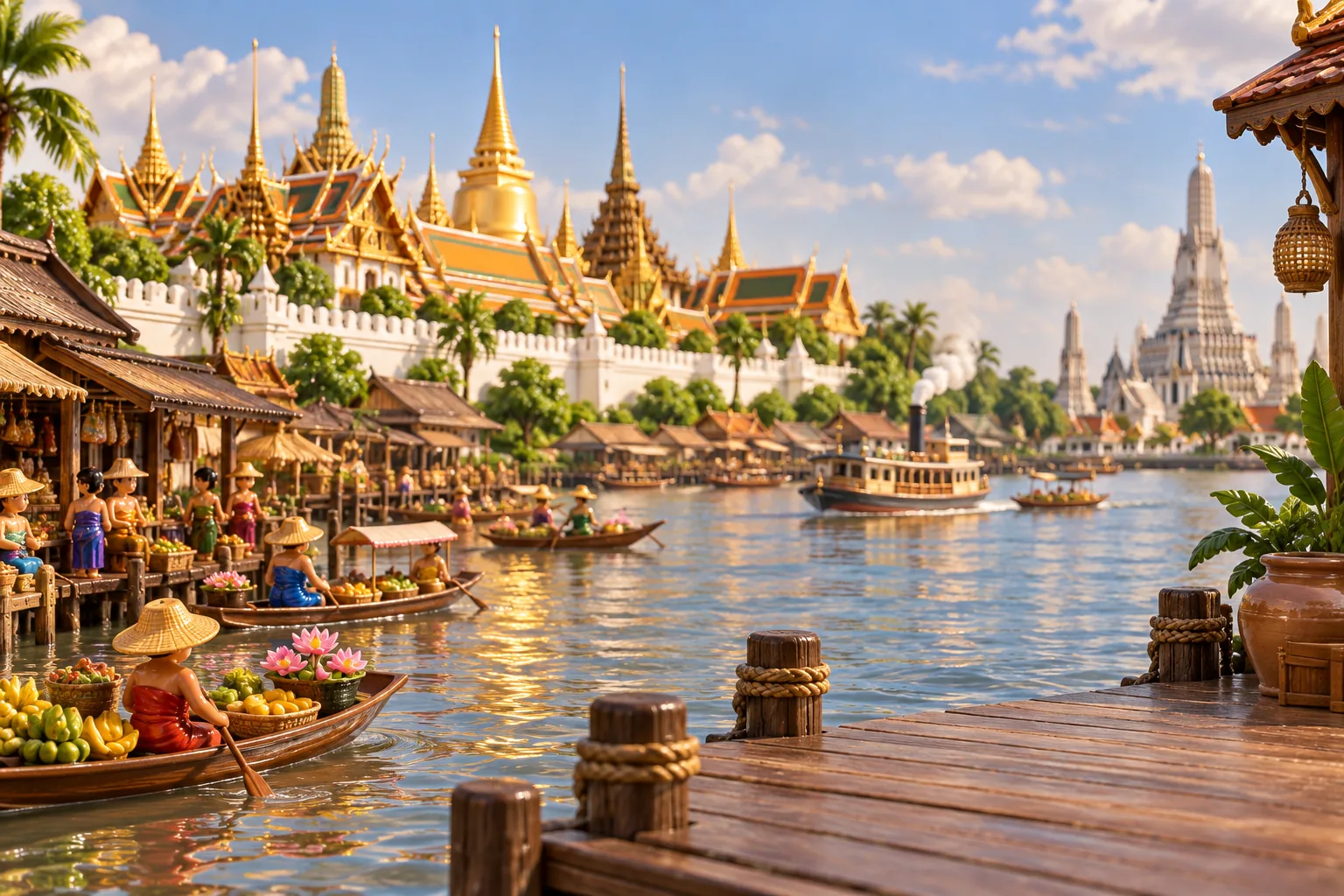 1782–1932 · BangkokRattanakosin KingdomIts first king founded Bangkok in 1782, and his heirs kept Siam the only country in Southeast Asia never colonized.
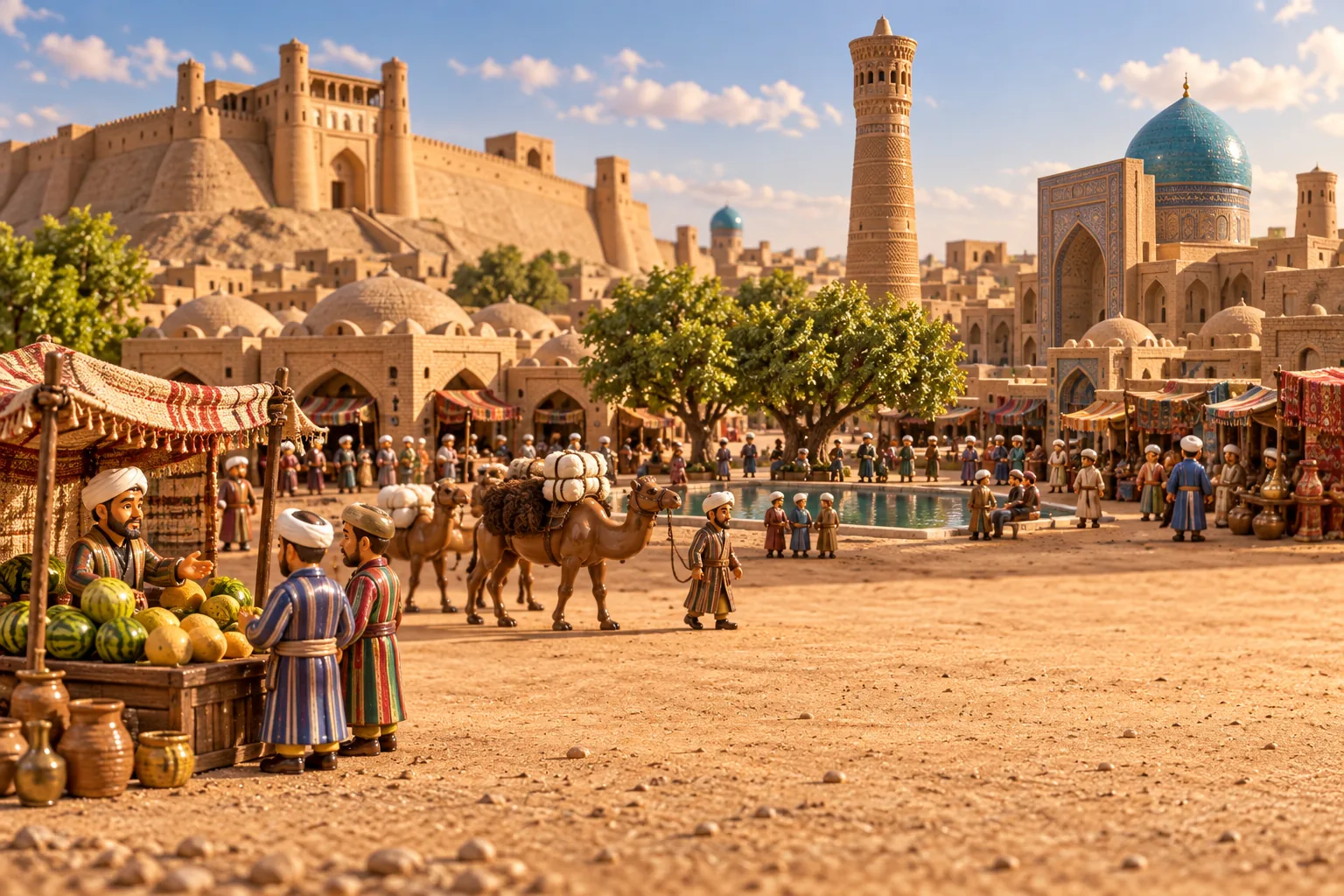 1785–1920 · Bukhara, UzbekistanEmirate of BukharaIts emir had two British officers beheaded as spies in 1842, then burst out laughing at the missionary who came looking for them.
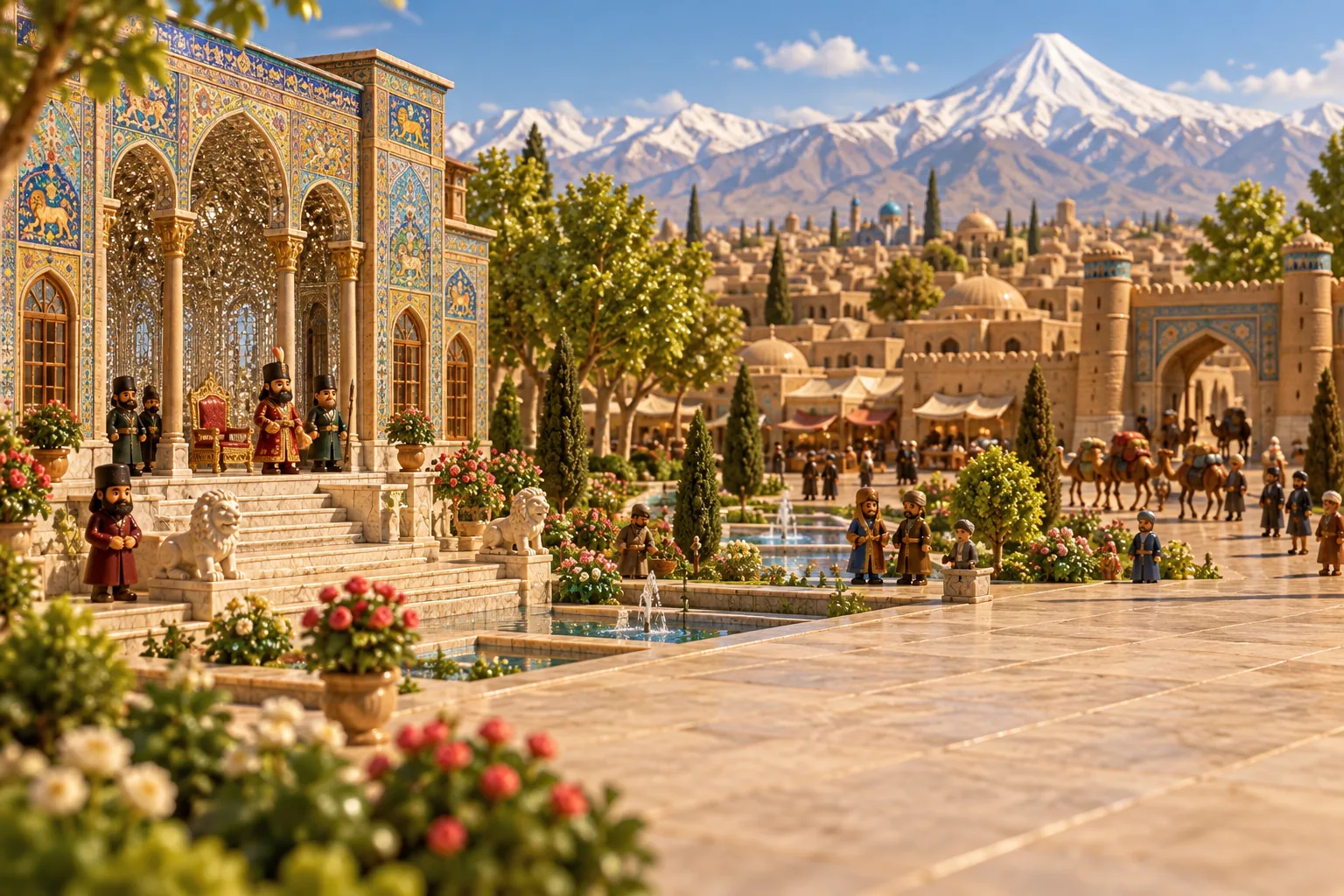 1789–1925 · TehranQajar IranIts founder Agha Mohammad Khan made Tehran Iran's capital, and later shahs, short of money, handed foreigners concessions over Iran's tobacco and oil.
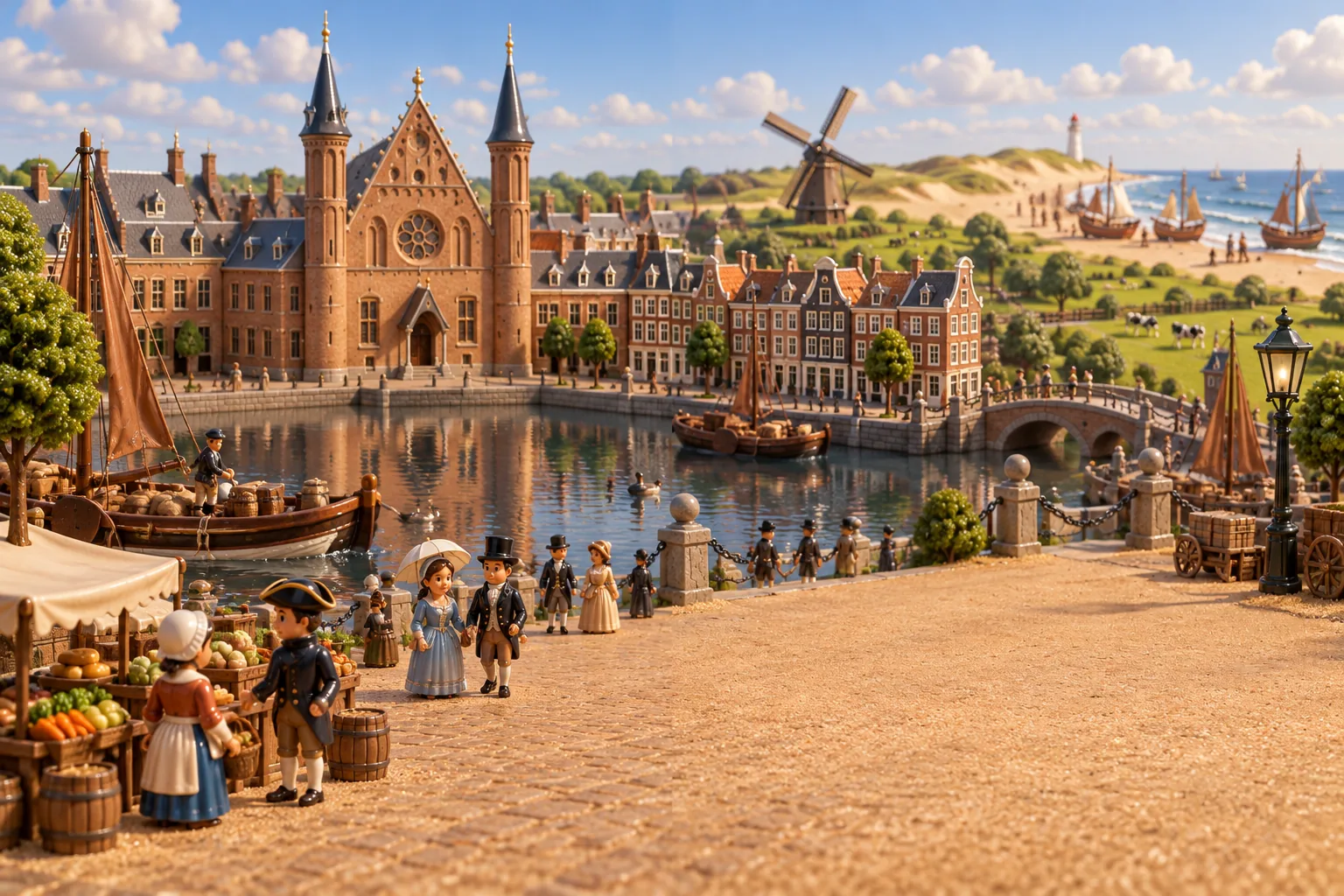 1795–1806 · The HagueBatavian RepublicA French army walked into Holland across frozen rivers, and the Dutch used the moment to write their first democratic constitution.
 1799–1849 · Lahore, PakistanSikh EmpireRanjit Singh forged it from rival Sikh bands into a power with European-trained troops, and it owned the Koh-i-Noor diamond.
 1802–1945 · Huế, VietnamNguyễn dynastyIts emperors ruled a united Vietnam from the walled citadel of Huế, then kept their throne under French rule until 1945.
 1804–1867 · ViennaAustrian EmpireIts chancellor Metternich steered Europe's conservative order for three decades, until revolution in 1848 forced him to flee Vienna for London.
 1804–1903 · Sokoto, NigeriaSokoto CaliphateA preacher-scholar's revolt joined more than 30 emirates into the most populous state in West Africa, run by rulers who wrote hundreds of books.
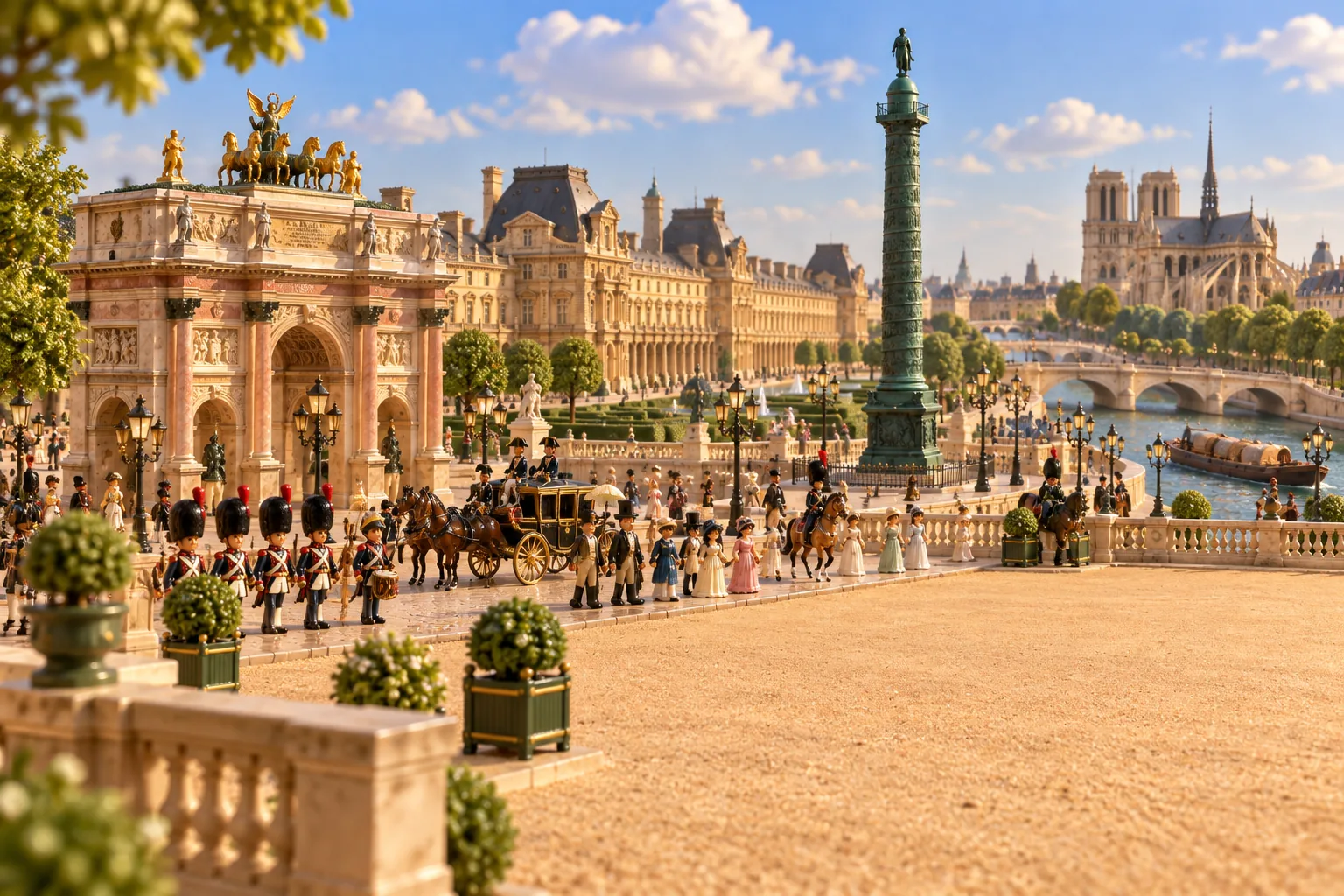 1804–1815 · ParisFirst French EmpireAt its height Napoleon ruled or controlled most of continental Europe, and the civil code he spread with his armies outlived his empire.
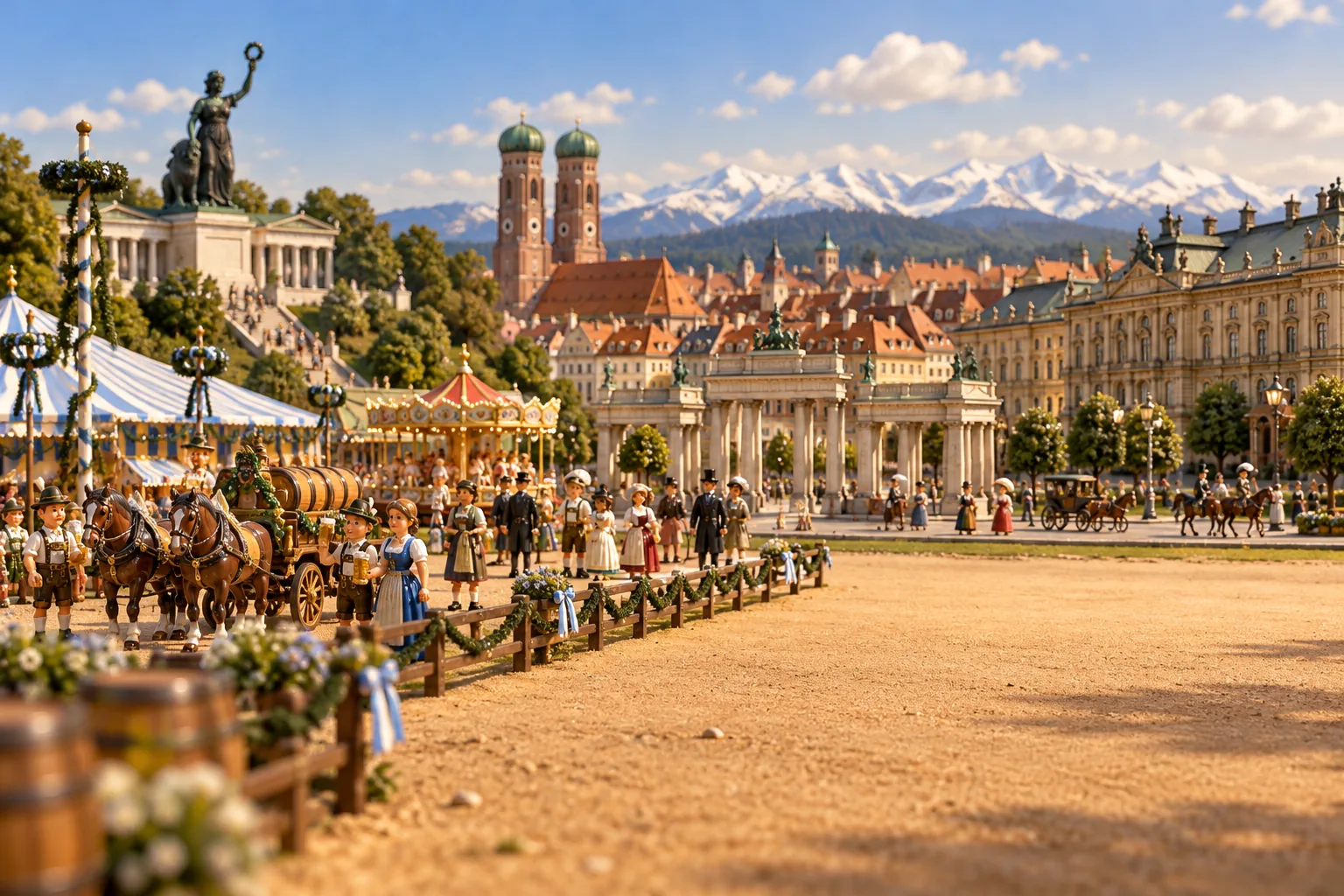 1806–1918 · MunichKingdom of BavariaNapoleon made it a kingdom, a royal wedding gave it the Oktoberfest, and its dreamy king Ludwig II went deep into debt building fairy-tale castles.
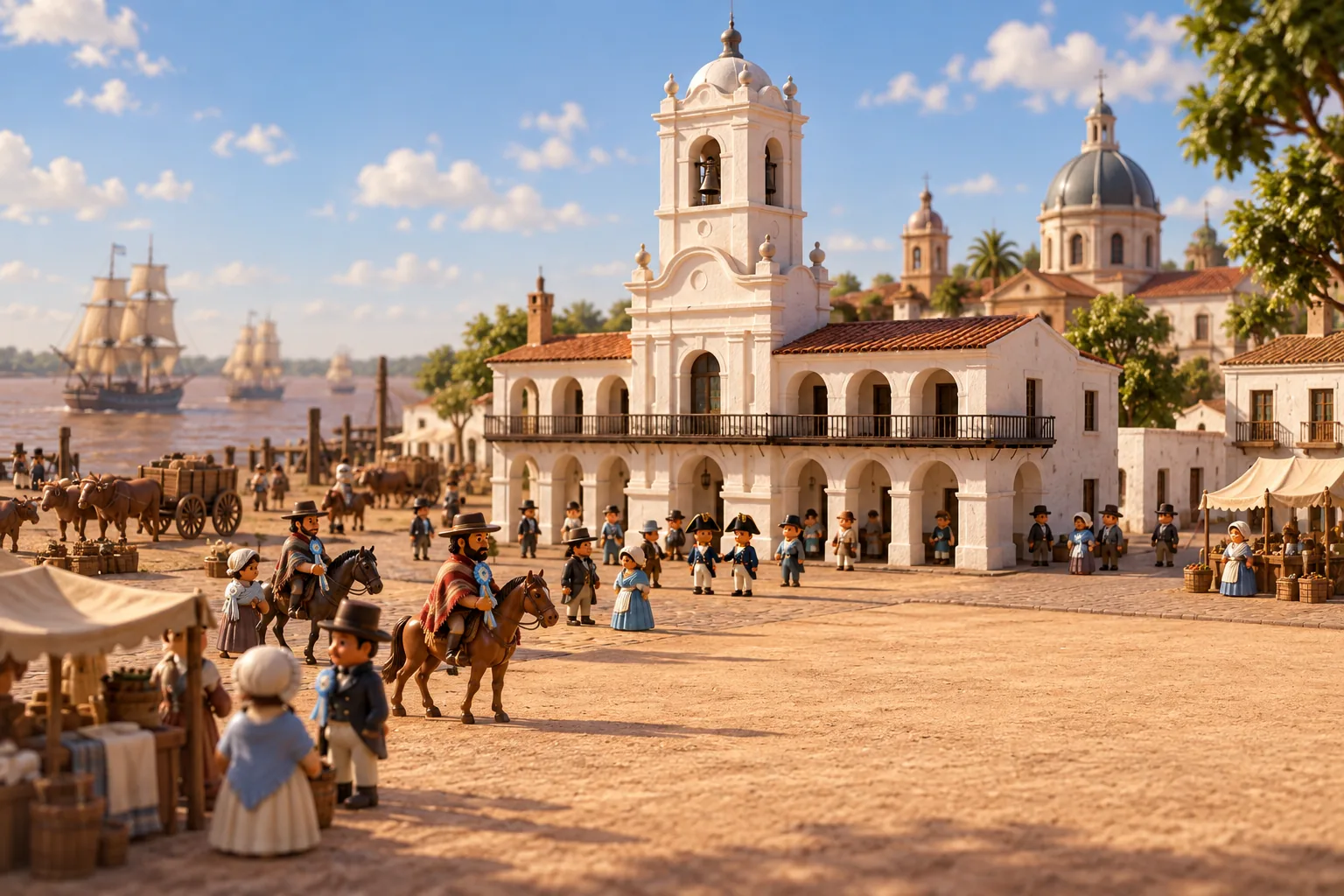 1810–1831 · Buenos AiresUnited Provinces of the Río de la PlataIts congress at Tucumán declared independence from Spain on 9 July 1816, and its provinces later became Argentina.
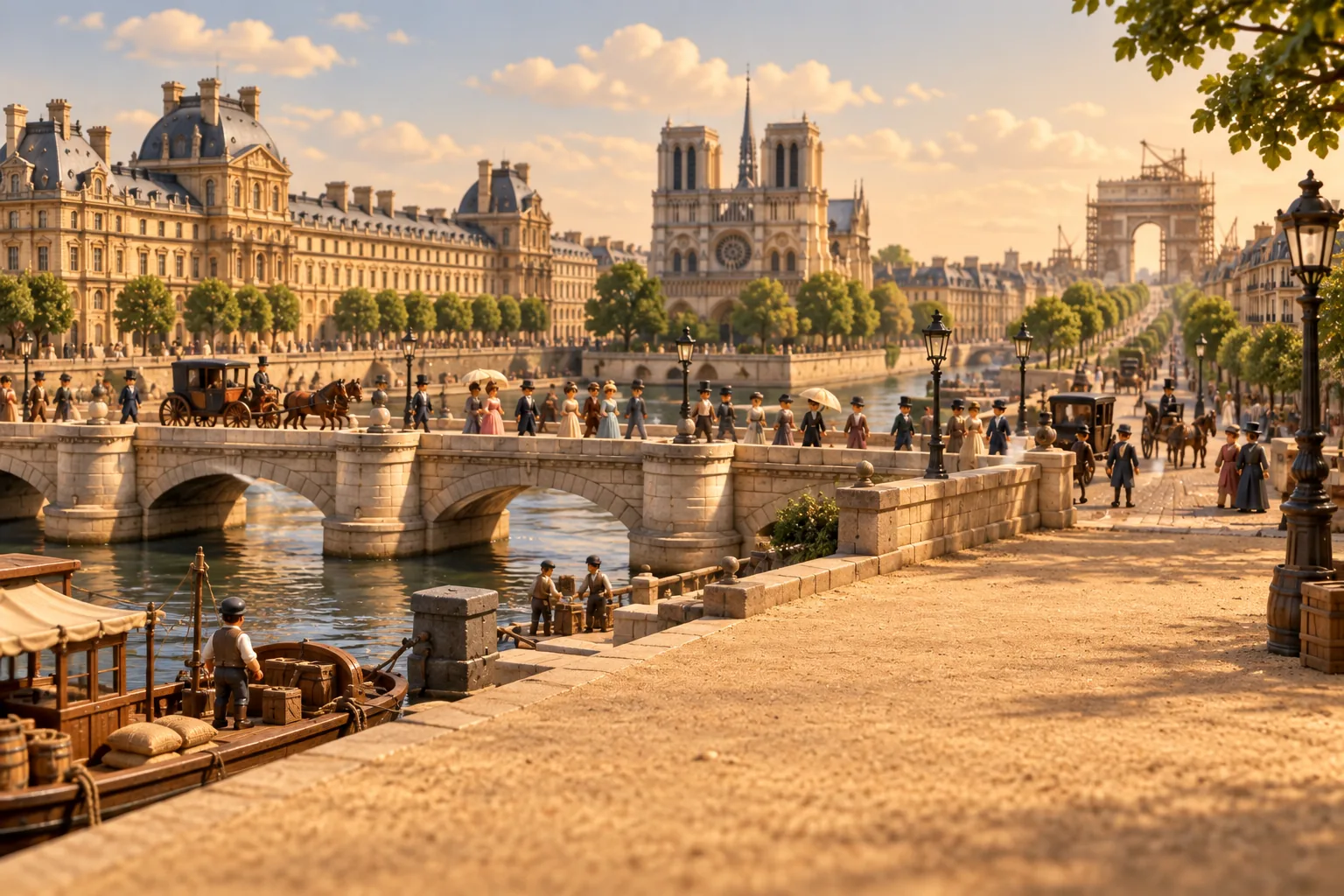 1814–1830 · Paris, FranceBourbon Restoration in FranceLouis XVIII came back after Napoleon's fall, and his brother Charles X lost the throne in the July Revolution of 1830.
 1814–1905 · StockholmUnion between Sweden and NorwayFor 91 years two kingdoms shared one king, and when Norway voted to leave, only 184 people voted to stay.
 1815–1866 · Frankfurt am Main, GermanyGerman ConfederationA loose league of 39 German states led by Austria, it broke apart in 1866 when Prussia beat Austria in a few weeks of war.
 1816–1861 · NaplesKingdom of the Two SiciliesIt opened Italy's first railway in 1839, yet a British statesman called its government "the negation of God", and Garibaldi's volunteers toppled it in 1860.
 1819–1831 · Bogotá, ColombiaGran ColombiaBolívar's republic joined today's Colombia, Venezuela, Ecuador and Panama, then fell apart within a decade as the men who had fought Spain together turned on each other.
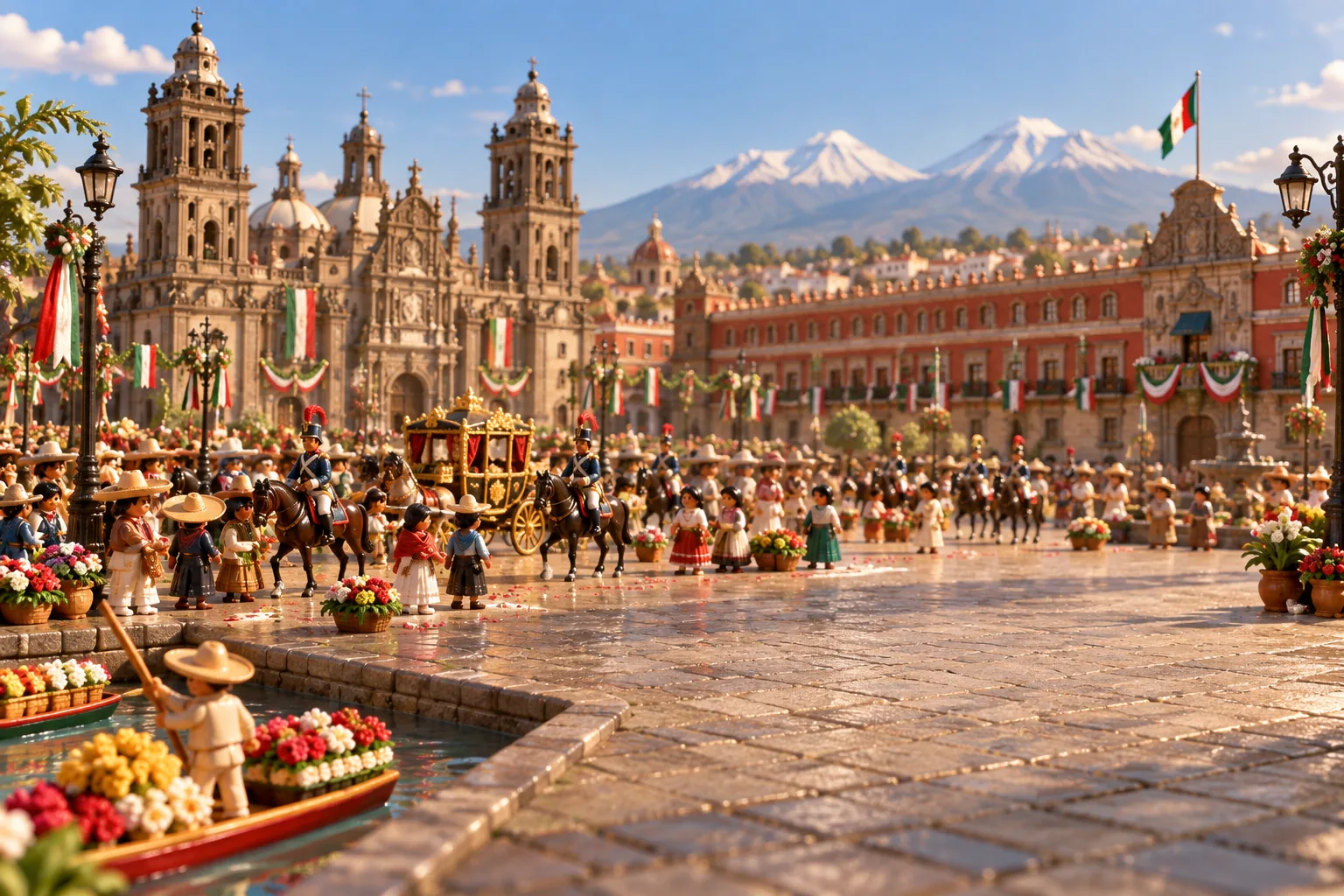 1821–1823 · Mexico CityFirst Mexican EmpireThe first independent Mexico was an empire stretching from California to Costa Rica, and its emperor was crowned with borrowed jewels.
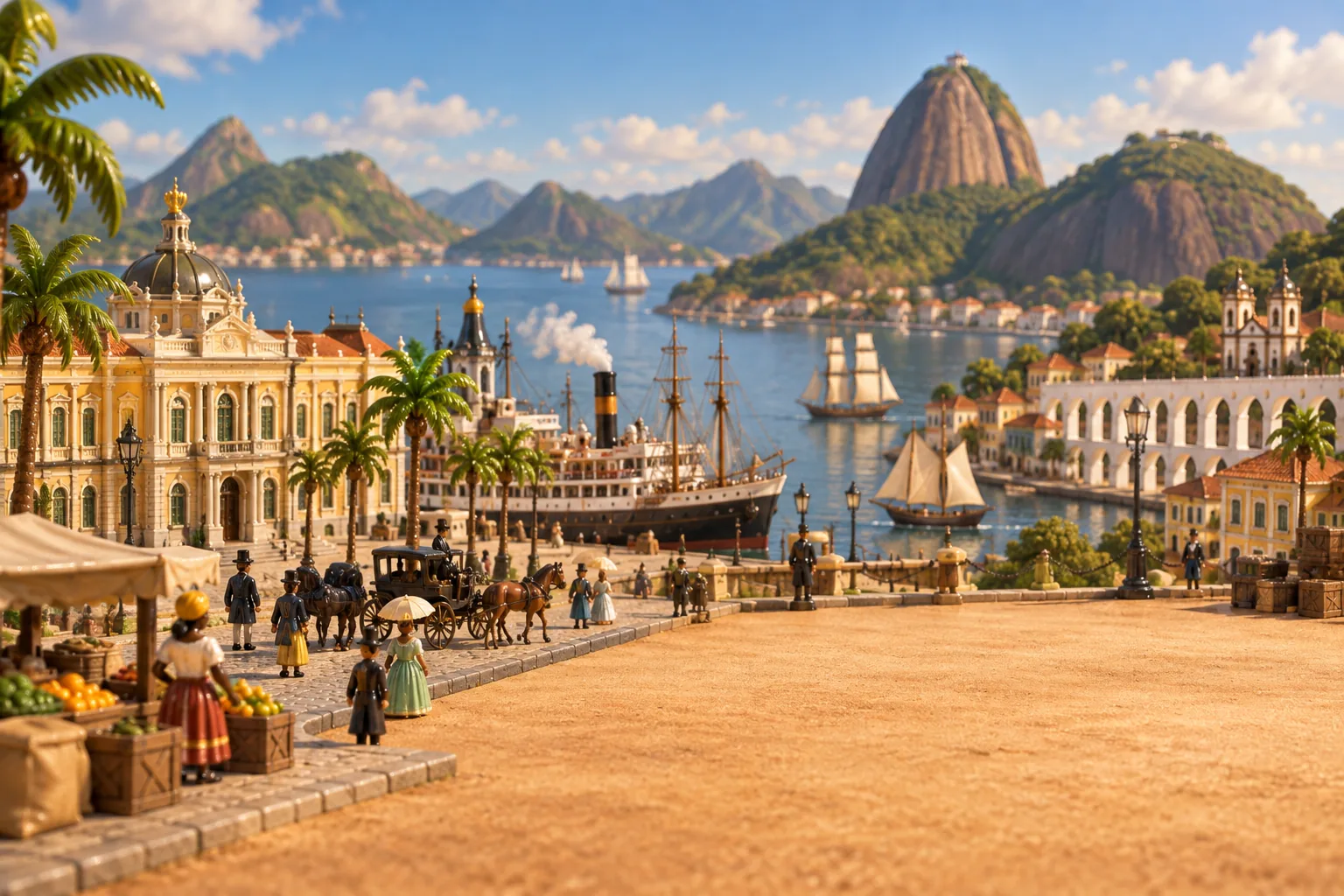 1822–1889 · Rio de Janeiro, BrazilEmpire of BrazilBrazil became independent under a Portuguese prince and stayed an empire for 67 years, until a coup so quiet that few who saw it knew it was a rebellion.
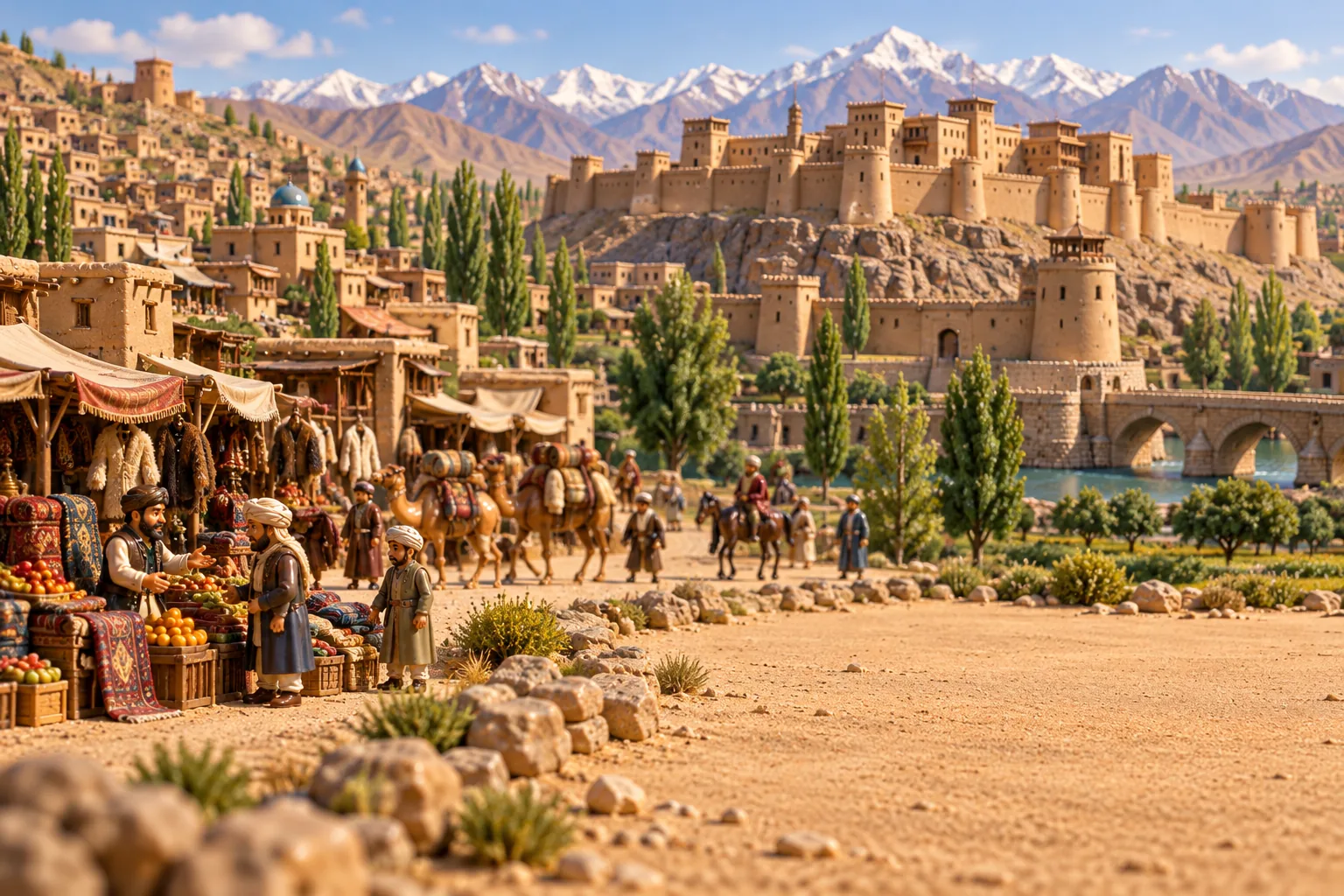 1823–1926 · KabulEmirate of AfghanistanSqueezed between British India and the Russian Empire, the emirs of Kabul fought Britain three times and kept their country a buffer of the Great Game.
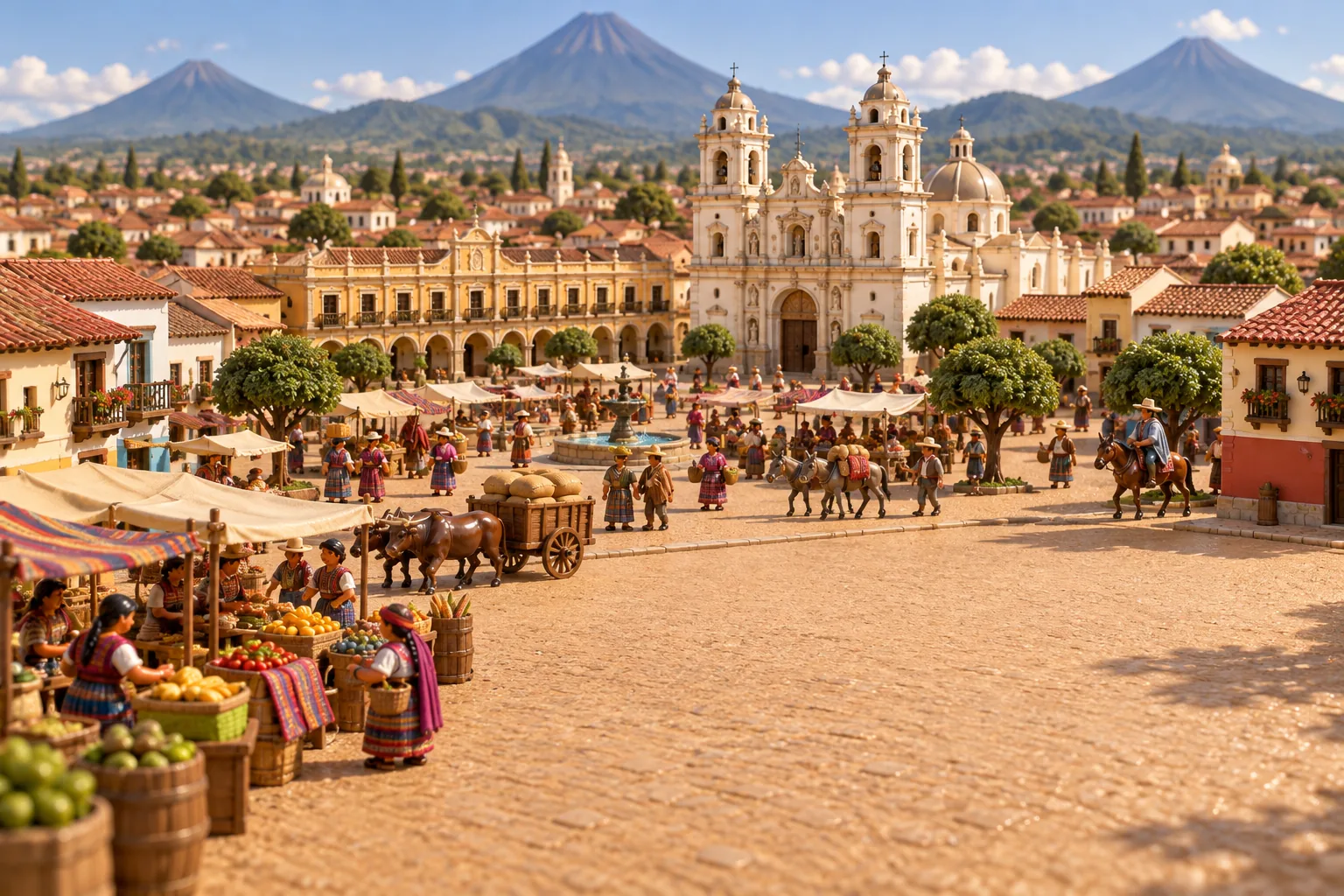 1823–1841 · Guatemala City, GuatemalaFederal Republic of Central AmericaFive nations from Guatemala to Costa Rica shared one federal republic for about fifteen years before civil wars broke it apart.
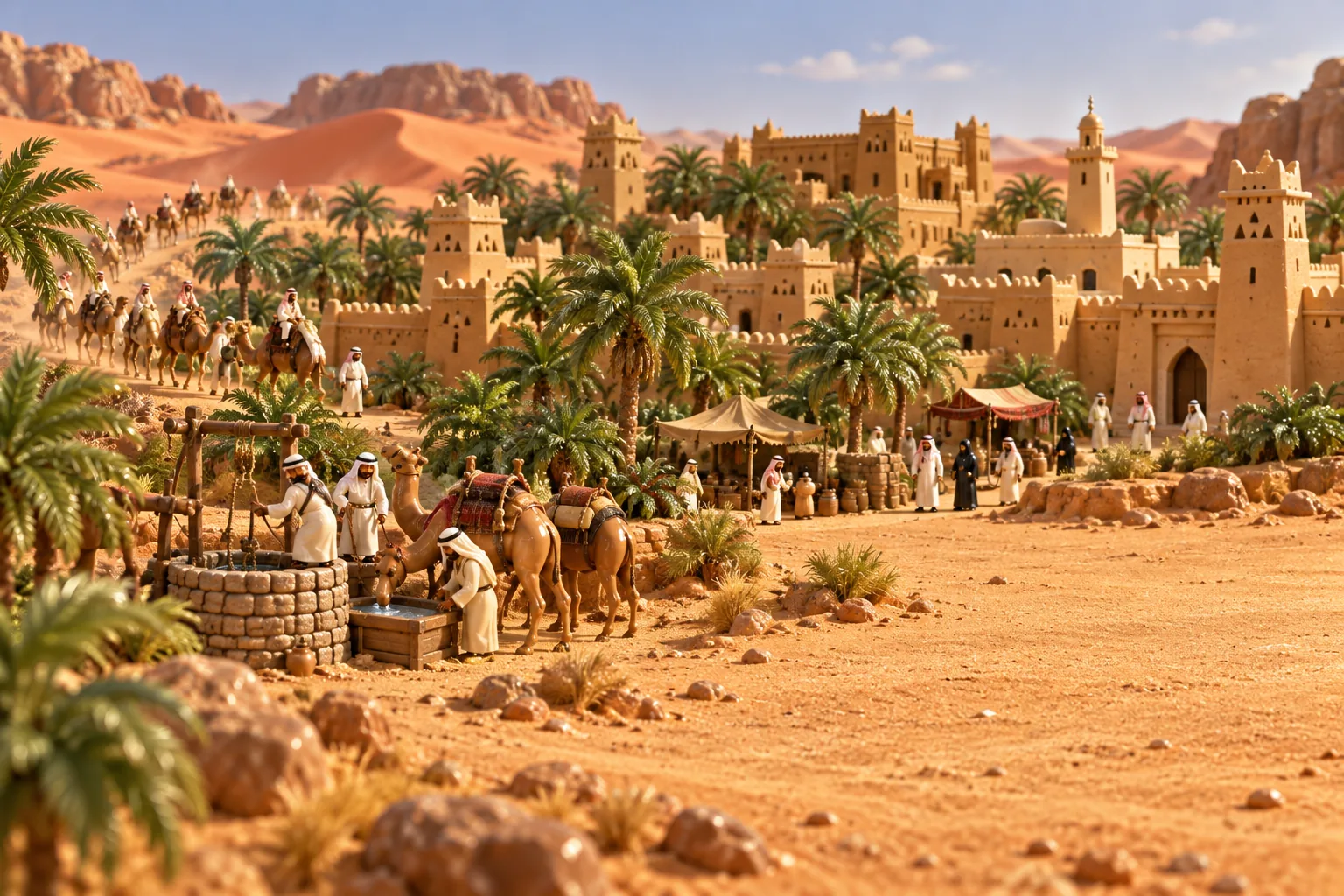 1824–1891 · Riyadh, Saudi ArabiaSecond Saudi StateSix years after Ottoman-Egyptian troops razed Diriyah, a surviving grandson of the first Saudi imam took Riyadh, and his descendants still rule from it.
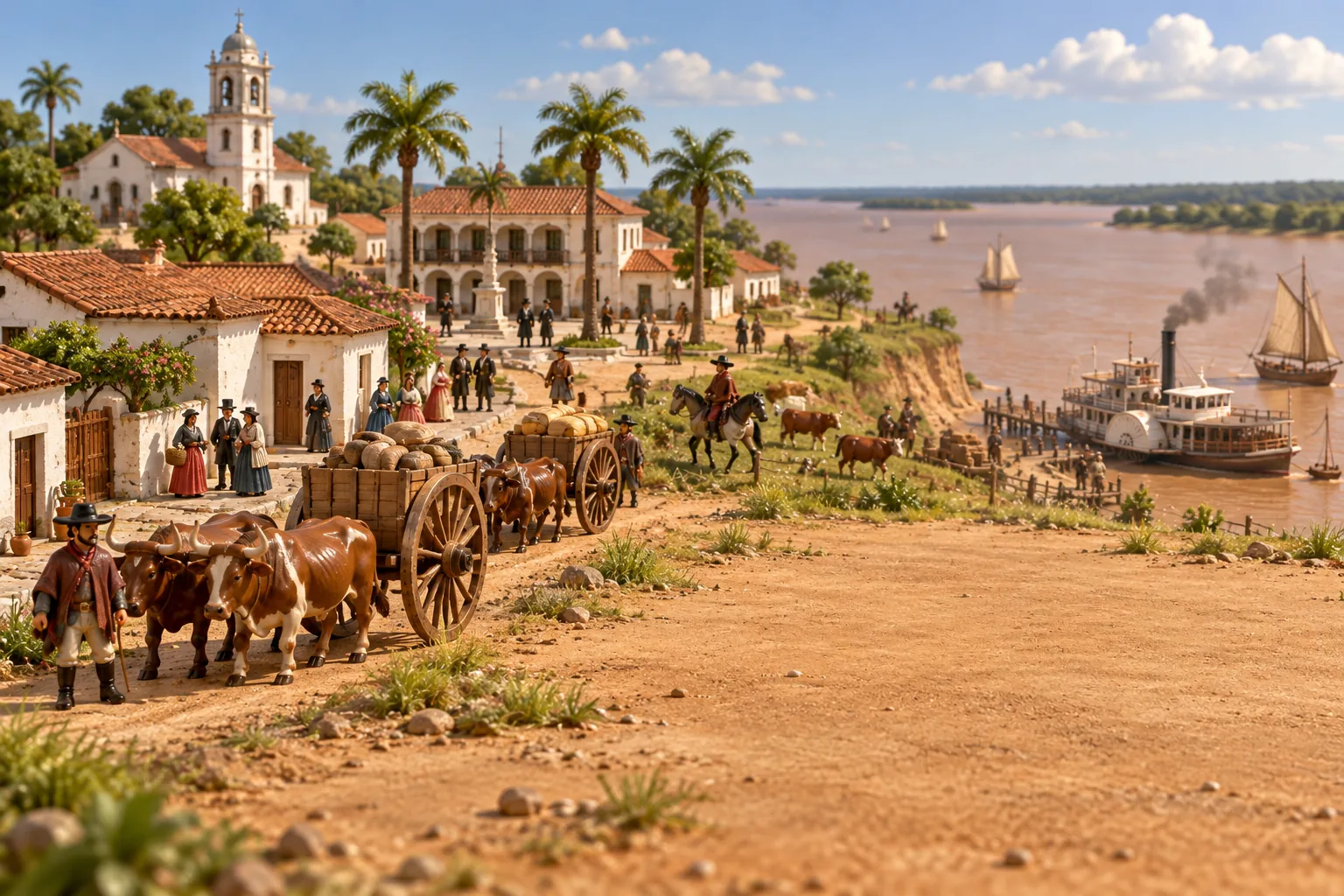 1831–1861 · Paraná, ArgentinaArgentine ConfederationFor most of the 1850s the capital of Argentina was the river town of Paraná, because the rich province of Buenos Aires had walked out of the country.
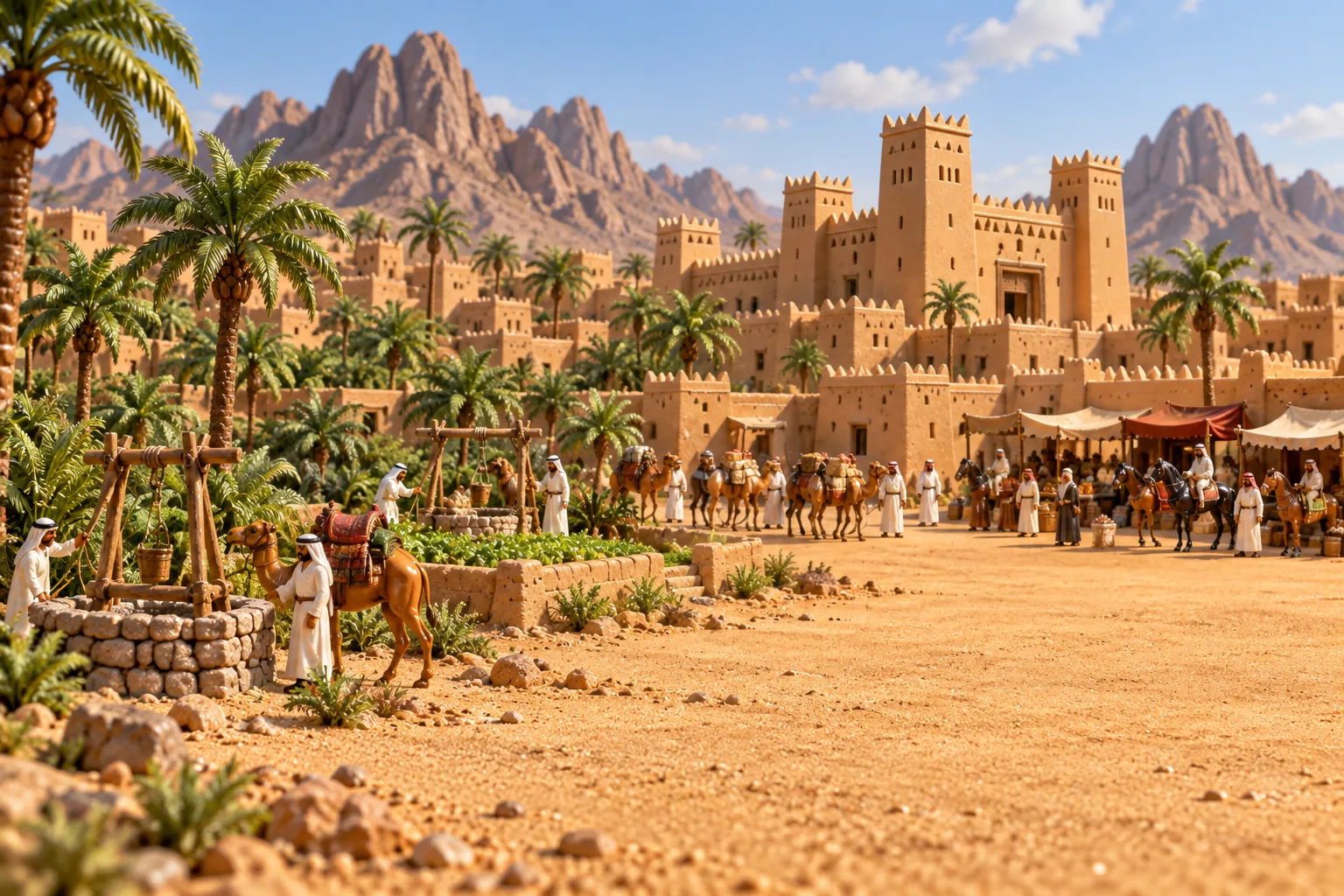 1836–1921 · Ha'il, Saudi ArabiaEmirate of Jabal ShammarIts Rashidi emirs took Riyadh from the Saudis in 1891, but young Ibn Saud came back from exile and retook it in 1902.
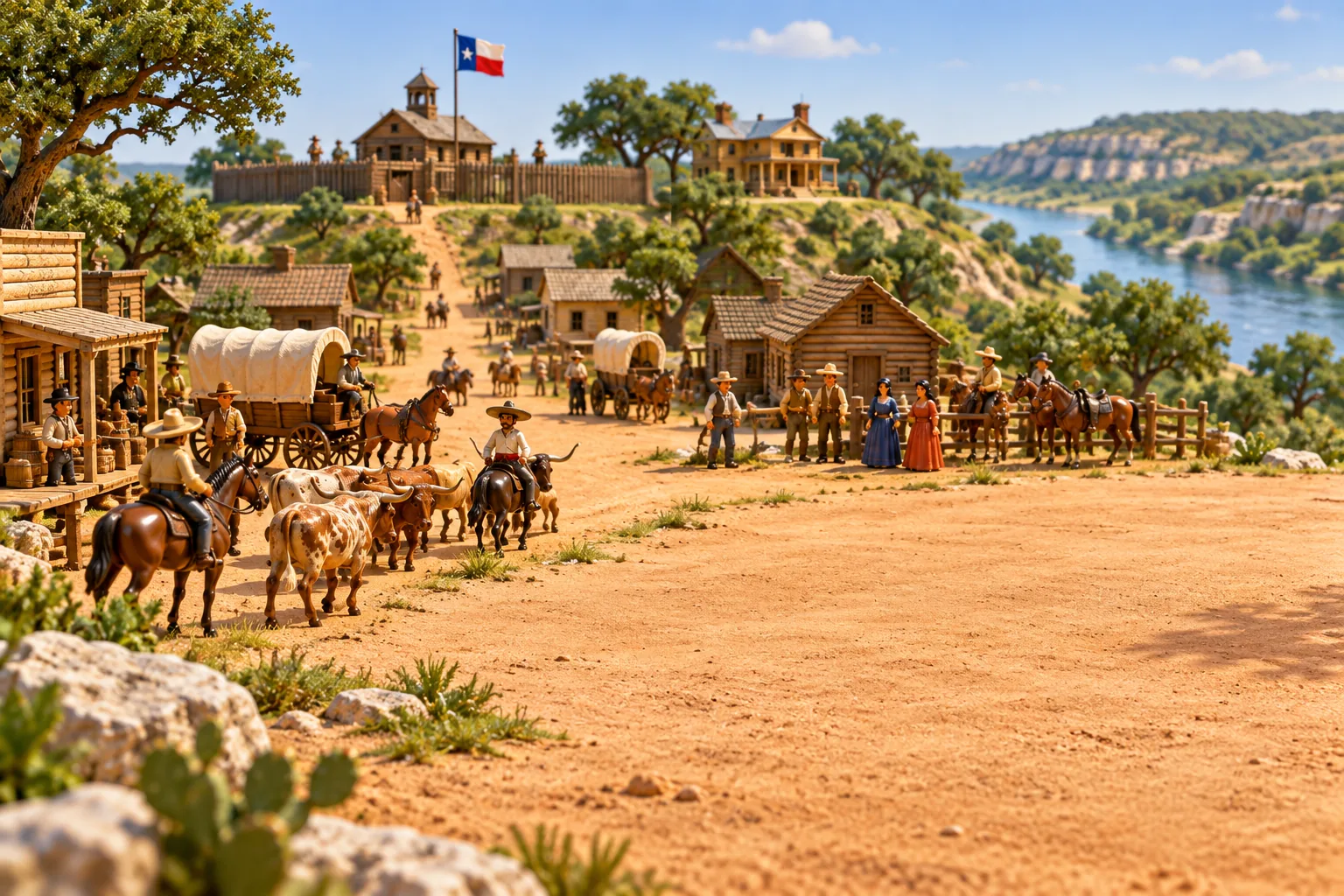 1836–1846 · Austin, TexasRepublic of TexasFor nearly ten years Texas was its own country, with a president, a navy and an embassy in London across from St James's Palace.
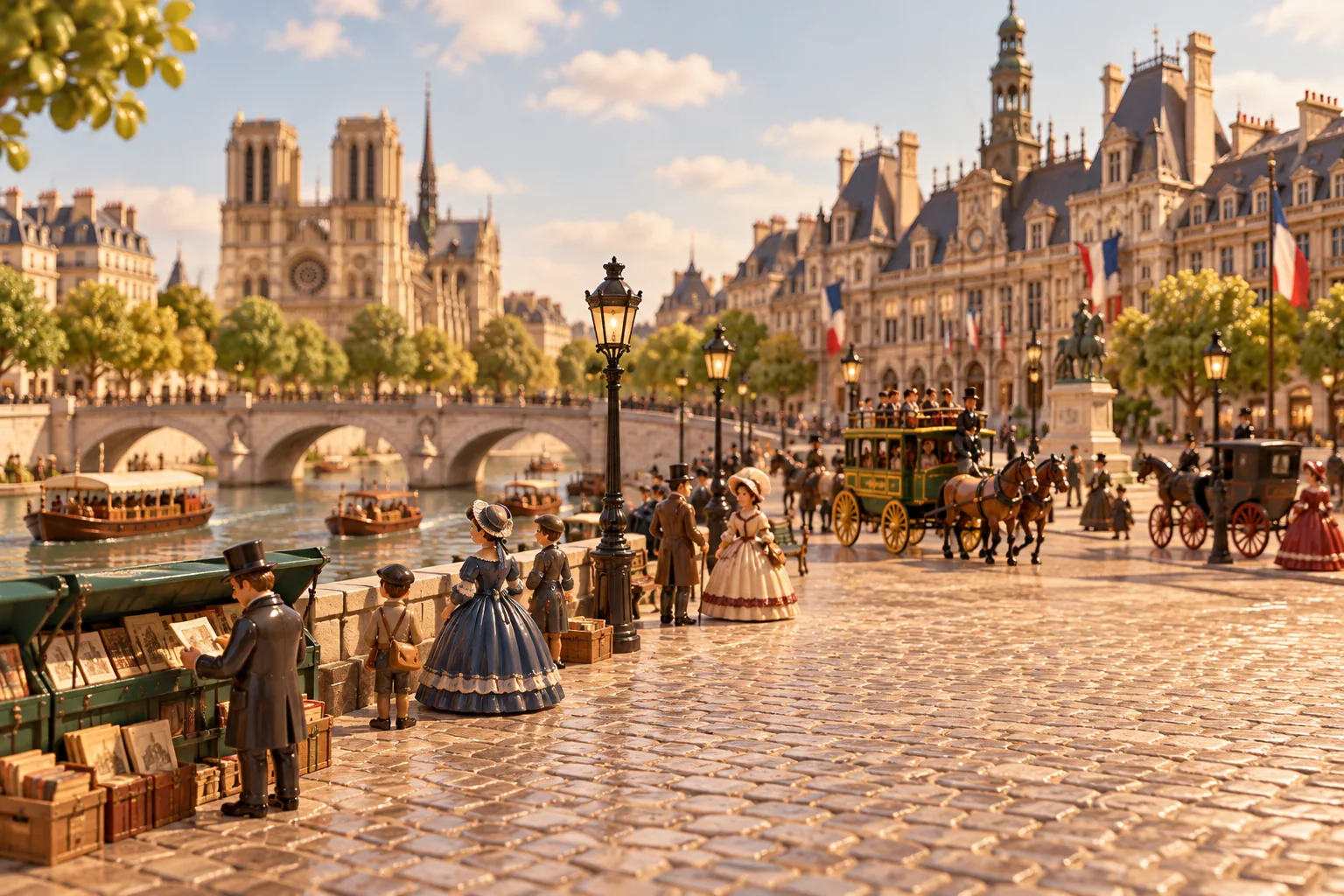 1848–1852 · ParisFrench Second RepublicFrance gave every man the vote in 1848, and at the first chance the voters chose Napoleon's nephew, who ended the republic three years later.
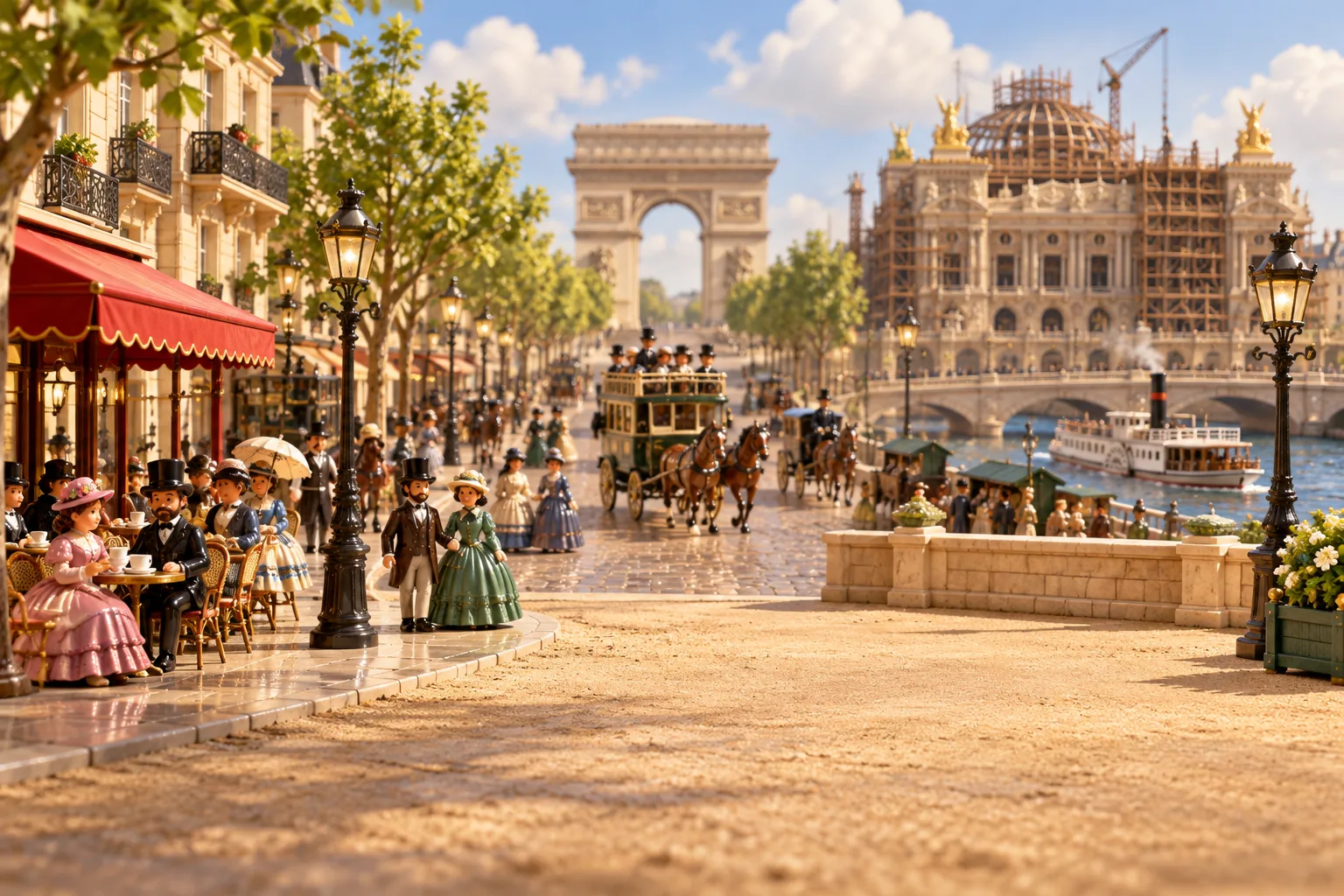 1852–1870 · Paris, FranceSecond French EmpireNapoleon III had Haussmann rebuild Paris with wide boulevards, then was taken prisoner by the Prussians at Sedan in 1870.
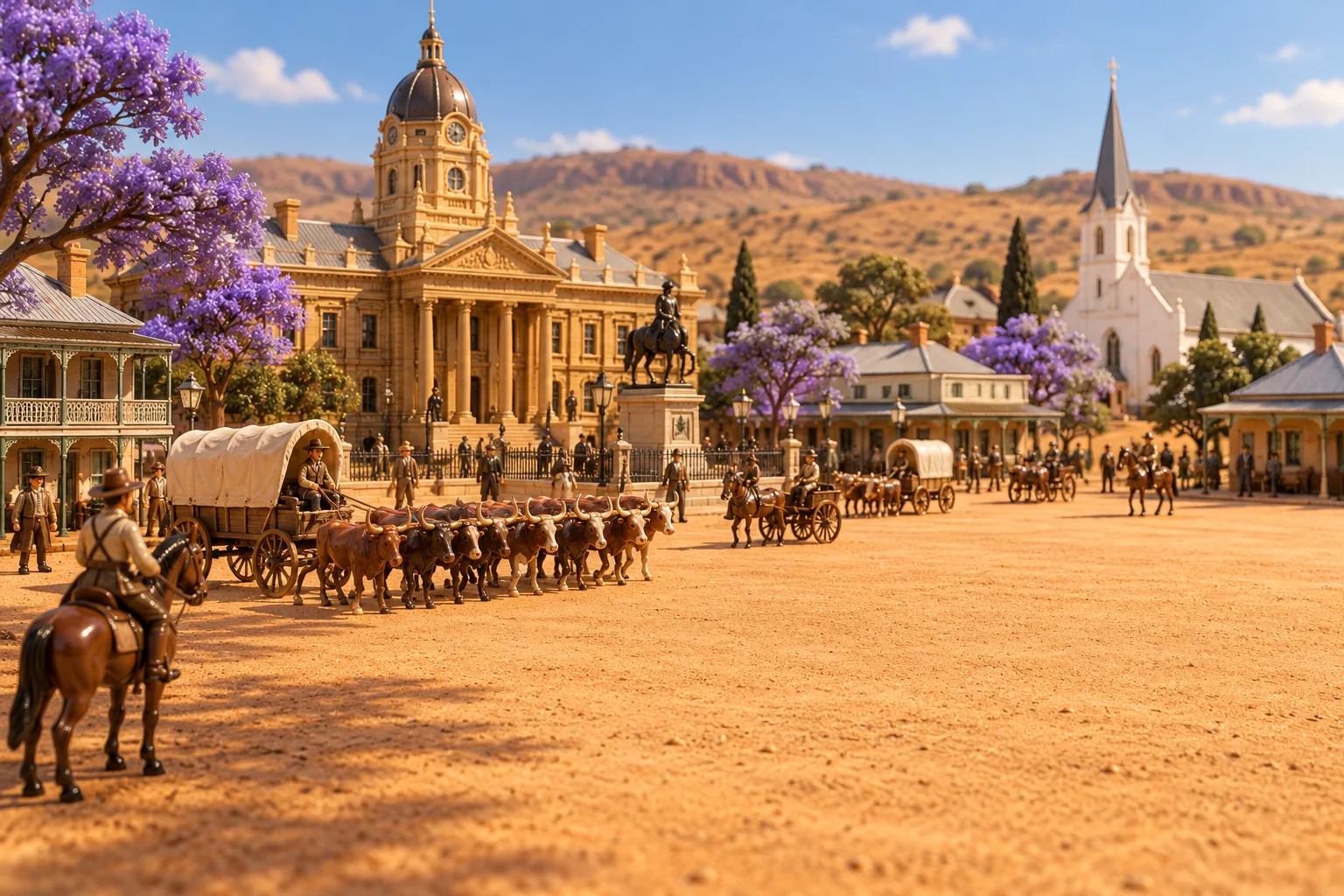 1852–1902 · PretoriaSouth African RepublicWhen gold was found on the Witwatersrand in the 1880s, this Boer republic sat on the world's richest goldfield, and Britain wanted it.
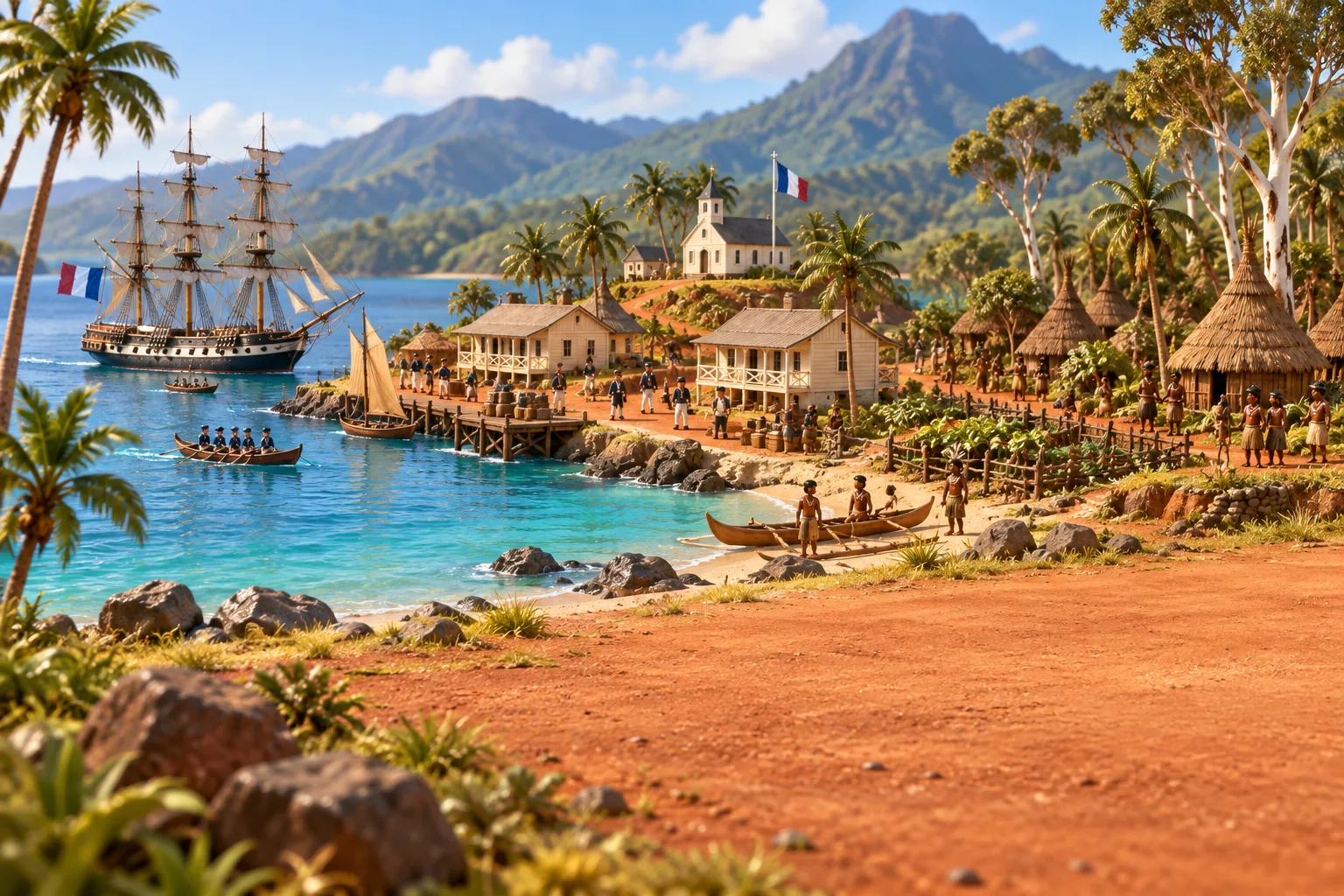 1853–2013 · Nouméa (Port-de-France)New CaledoniaFrance annexed New Caledonia in 1853 and shipped some 22,000 convicts there, among them rebels of the Paris Commune.
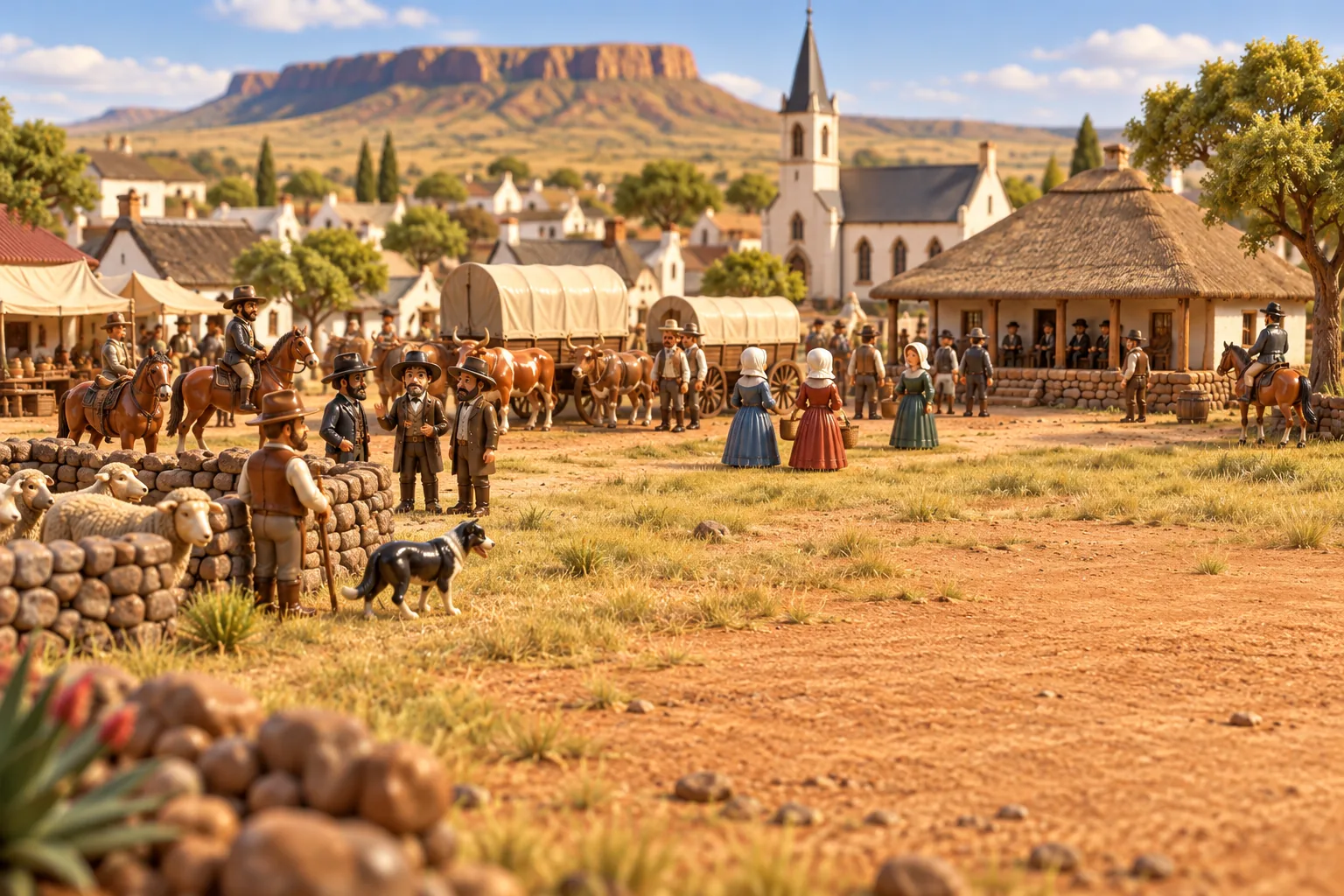 1854–1902 · BloemfonteinOrange Free StateBoer farmers who had trekked away from British rule got a republic almost by accident, when Britain decided it no longer wanted the land.
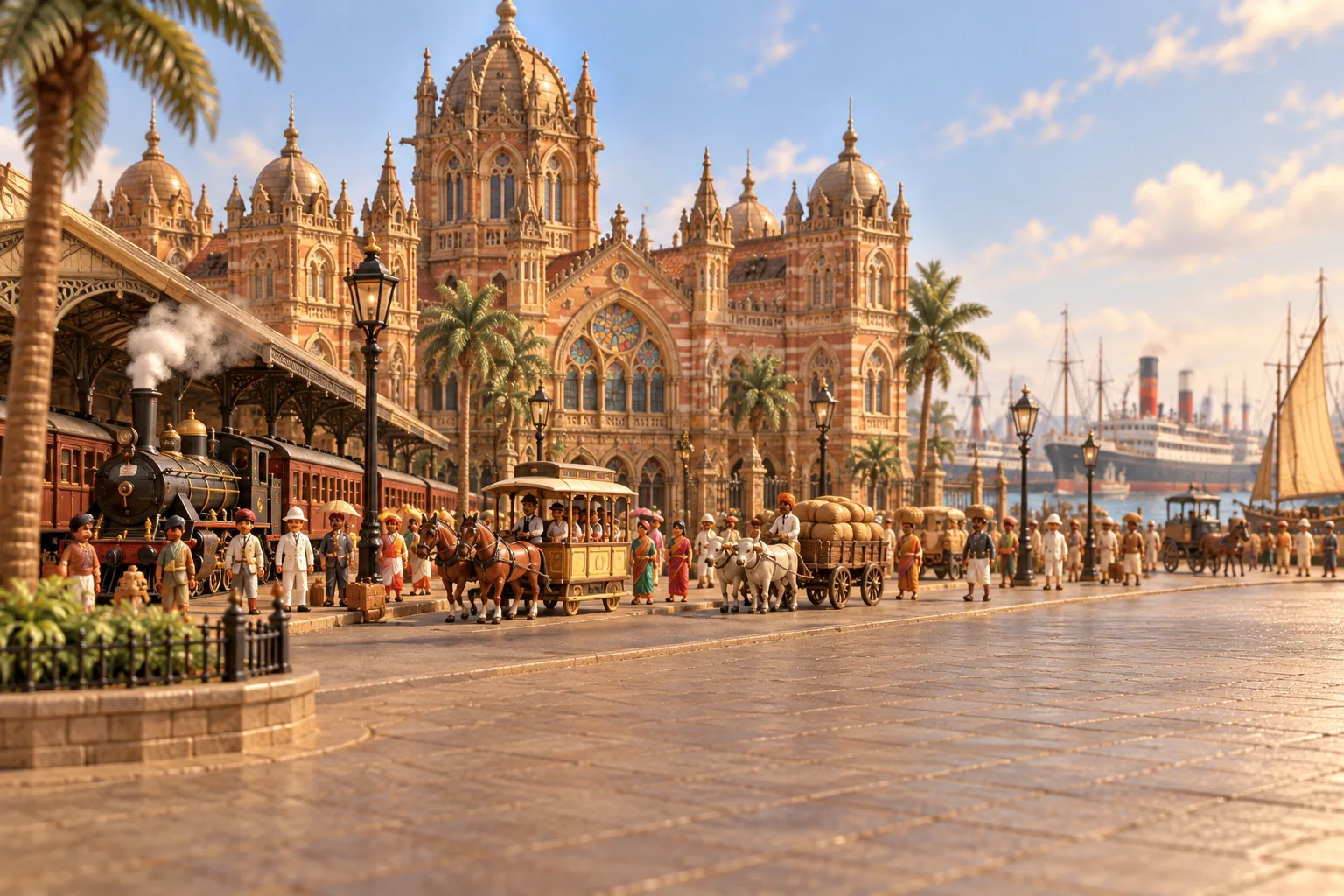 1858–1947 · Calcutta (Kolkata), capital until 1911British RajRuled by the British Crown from 1858, it ended in 1947 in independence and a partition that split the subcontinent in two.
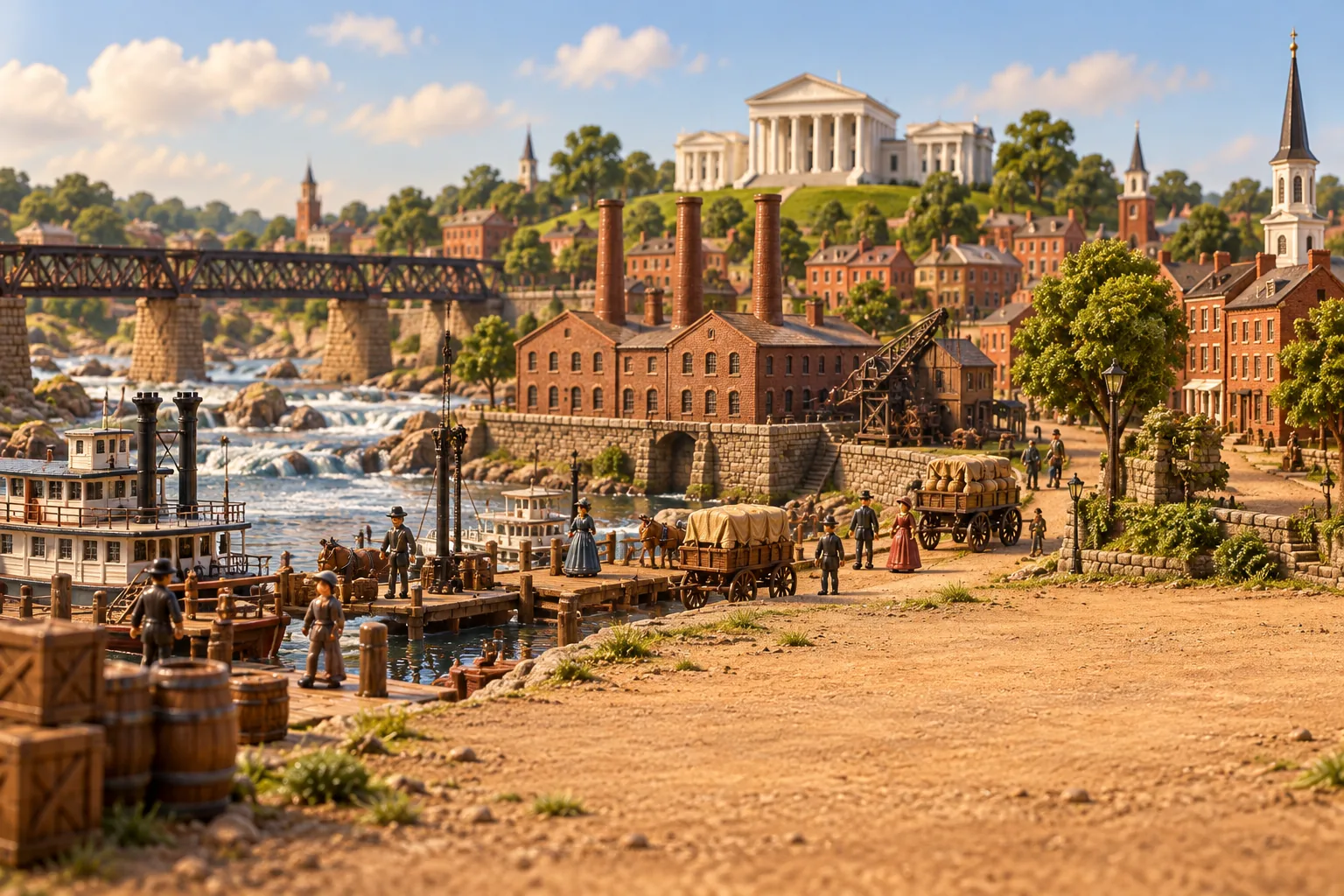 1861–1865 · Richmond, VirginiaConfederate States of AmericaIts vice-president called slavery the cornerstone of the new nation, and it lasted four years, all of them at war.
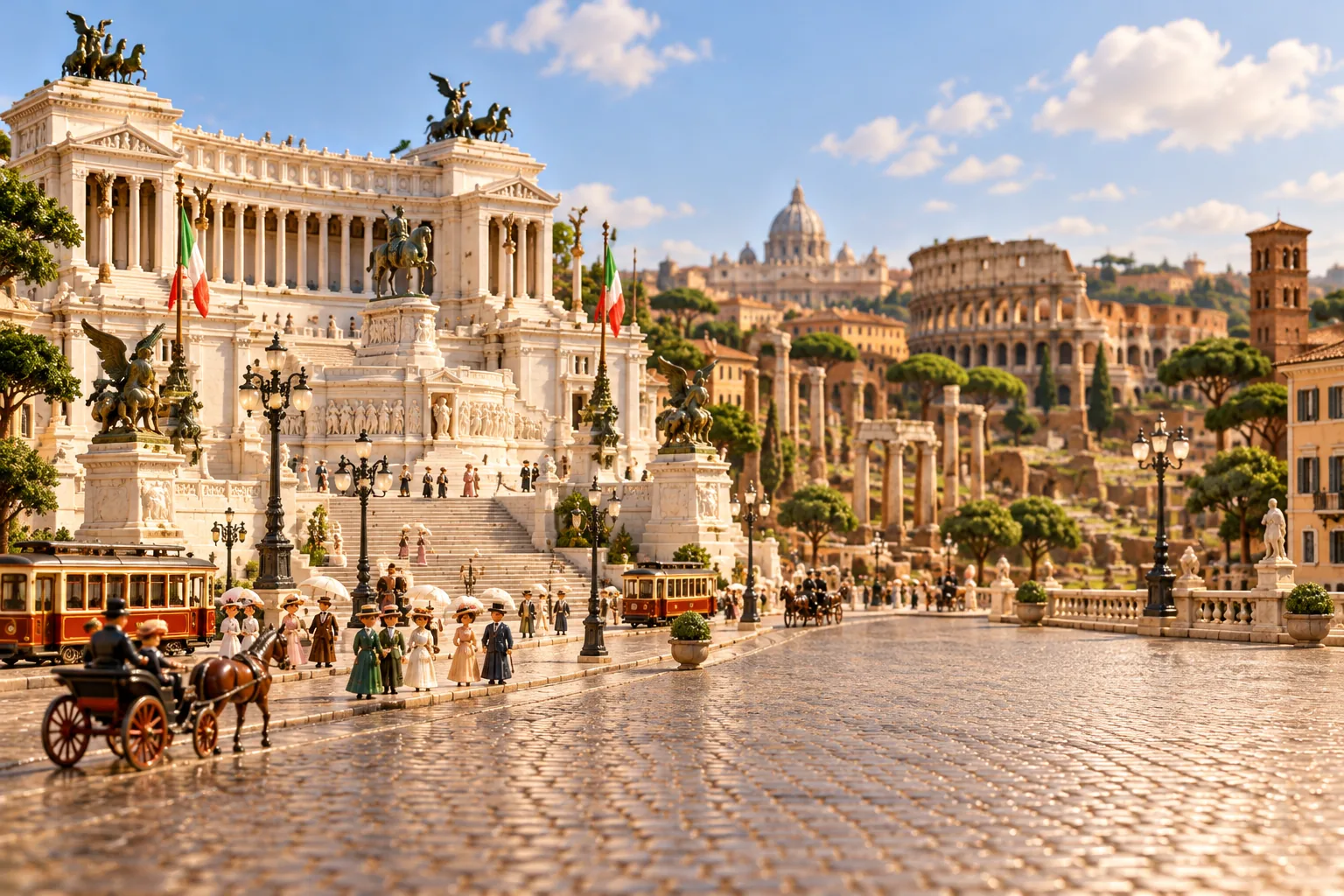 1861–1946 · RomeKingdom of ItalyUnified under the House of Savoy in 1861, it took Rome only in 1870 and lost its king in a 1946 referendum.
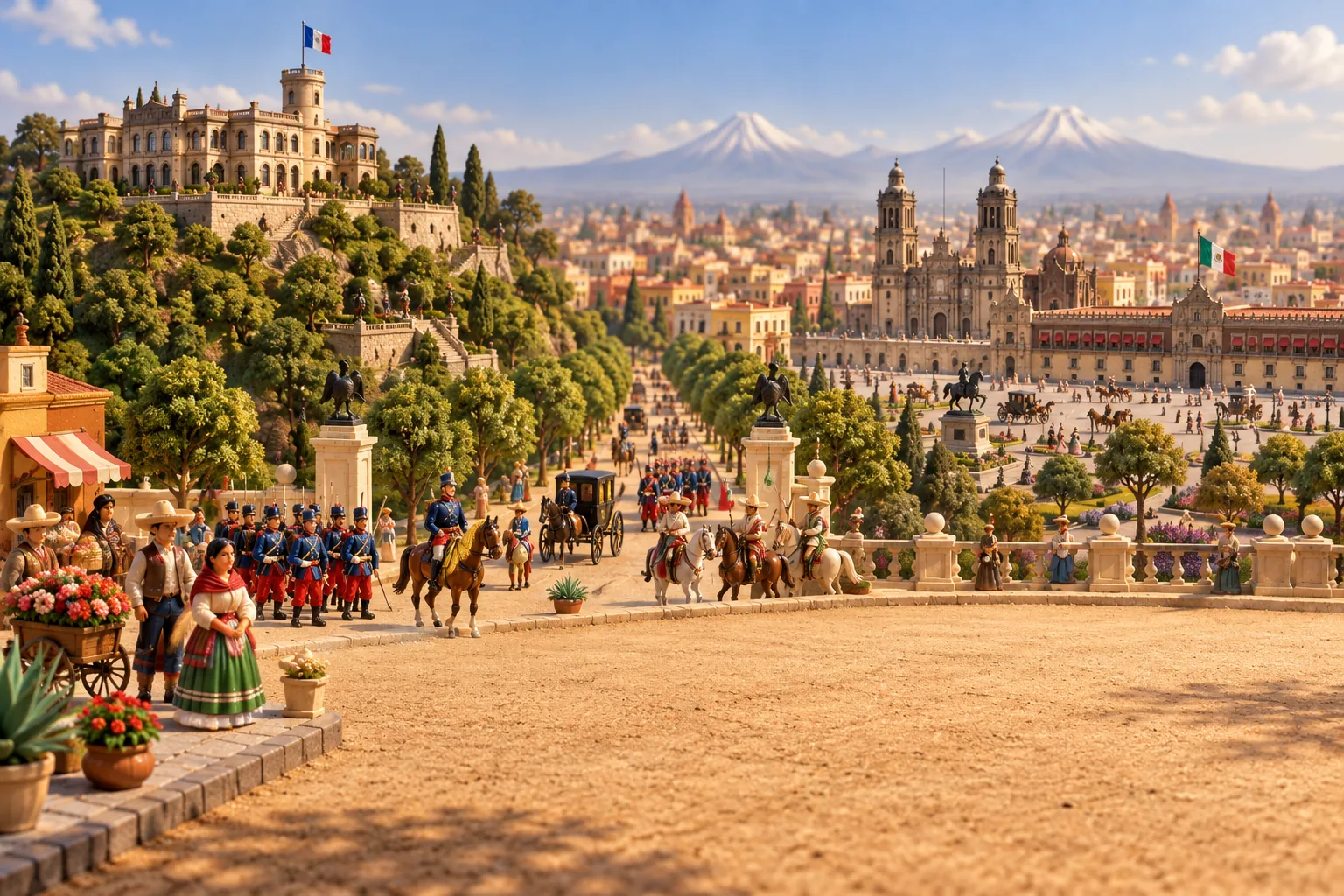 1864–1867 · Mexico CitySecond Mexican EmpireAn Austrian archduke sailed to Mexico to be its emperor, cut a grand avenue through the capital for his empress and was shot by Juárez's republicans three years later.
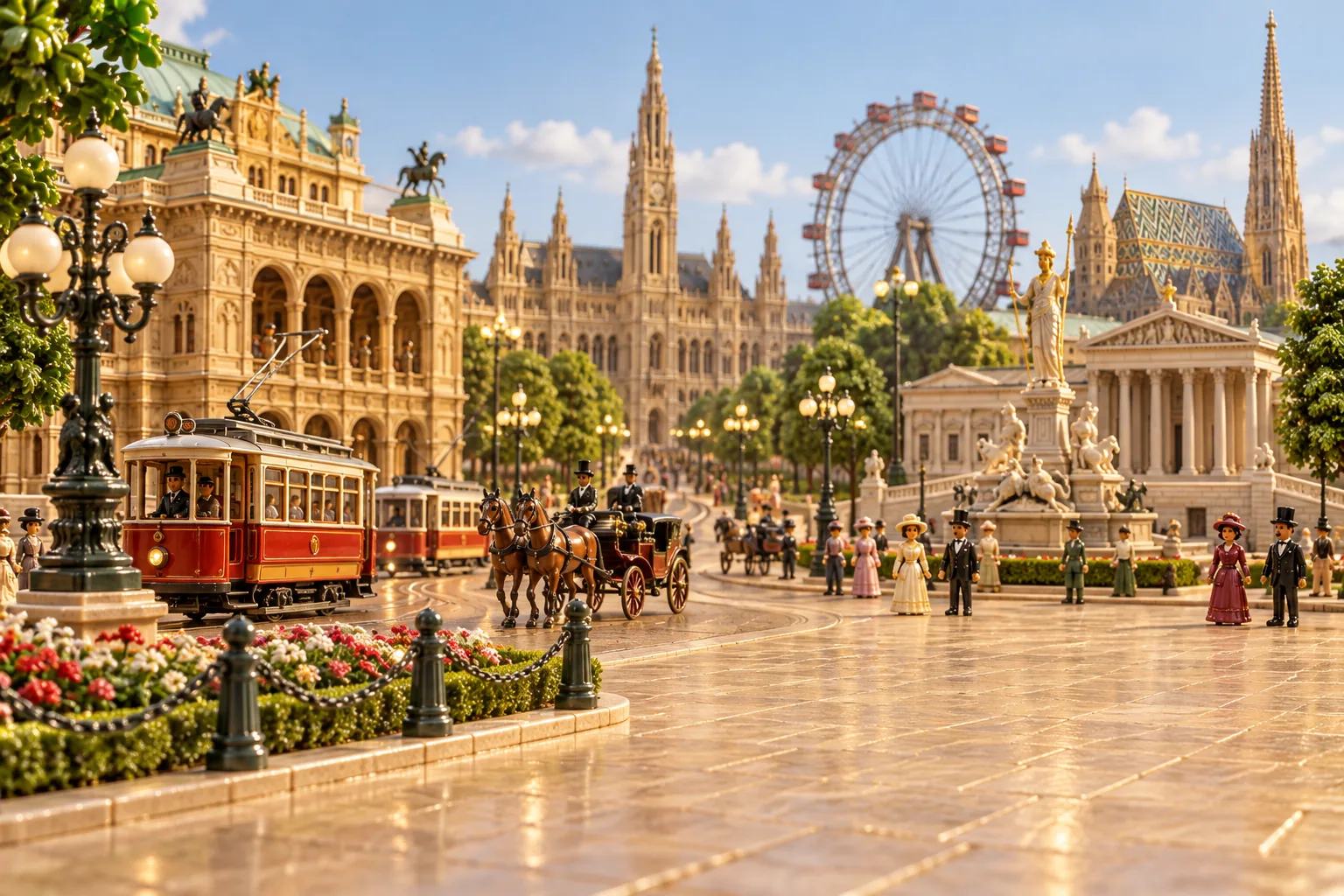 1867–1918 · ViennaAustria–HungaryOne man was both Emperor of Austria and King of Hungary, ruling many peoples from the Alps to the Carpathians, until a murder in Sarajevo set off a world war.
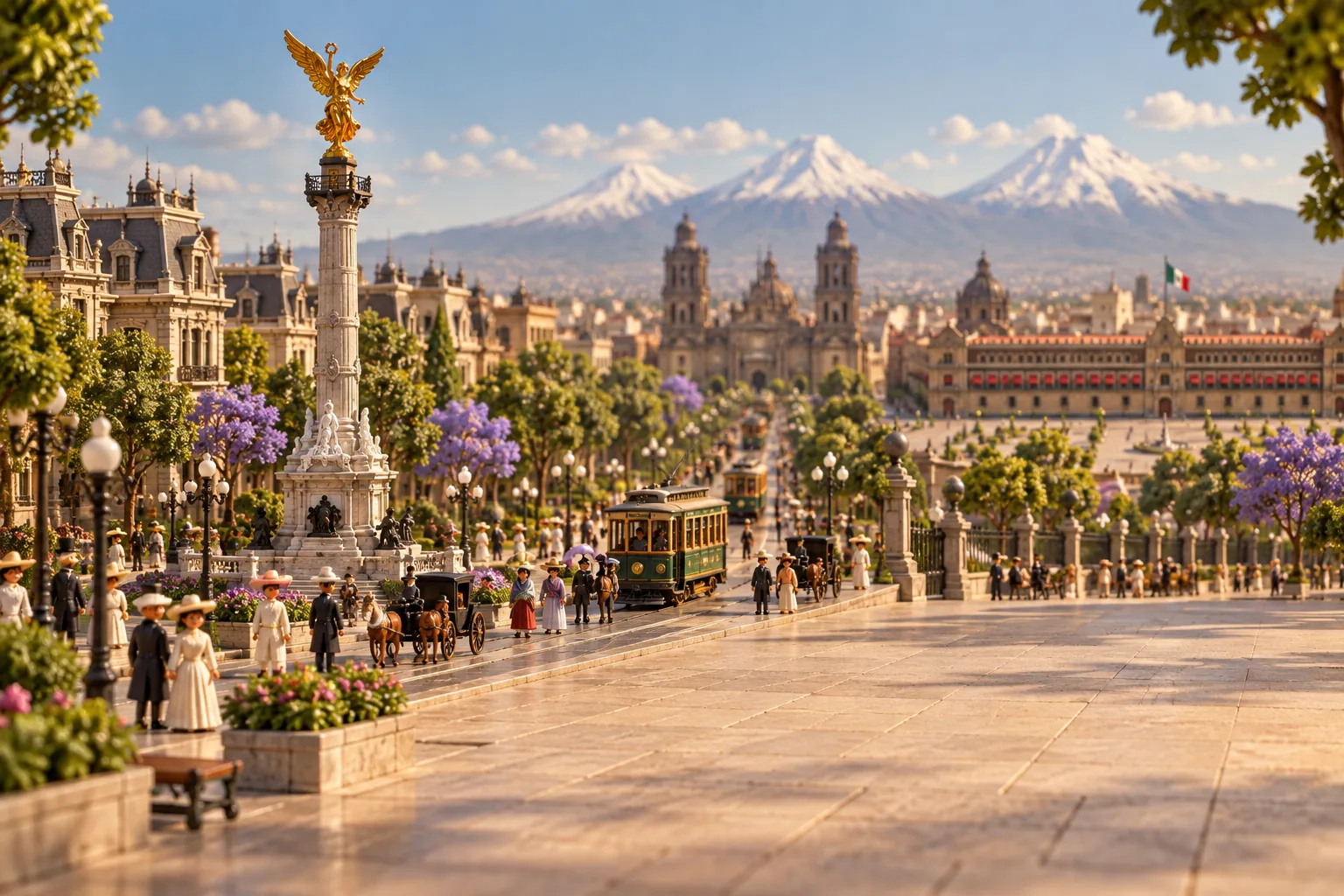 1867–2013 · Mexico CityMexicoIts capital stands on the ruins of the Aztec city of Tenochtitlan, and its 1917 constitution, written in the middle of a revolution, is still in force.
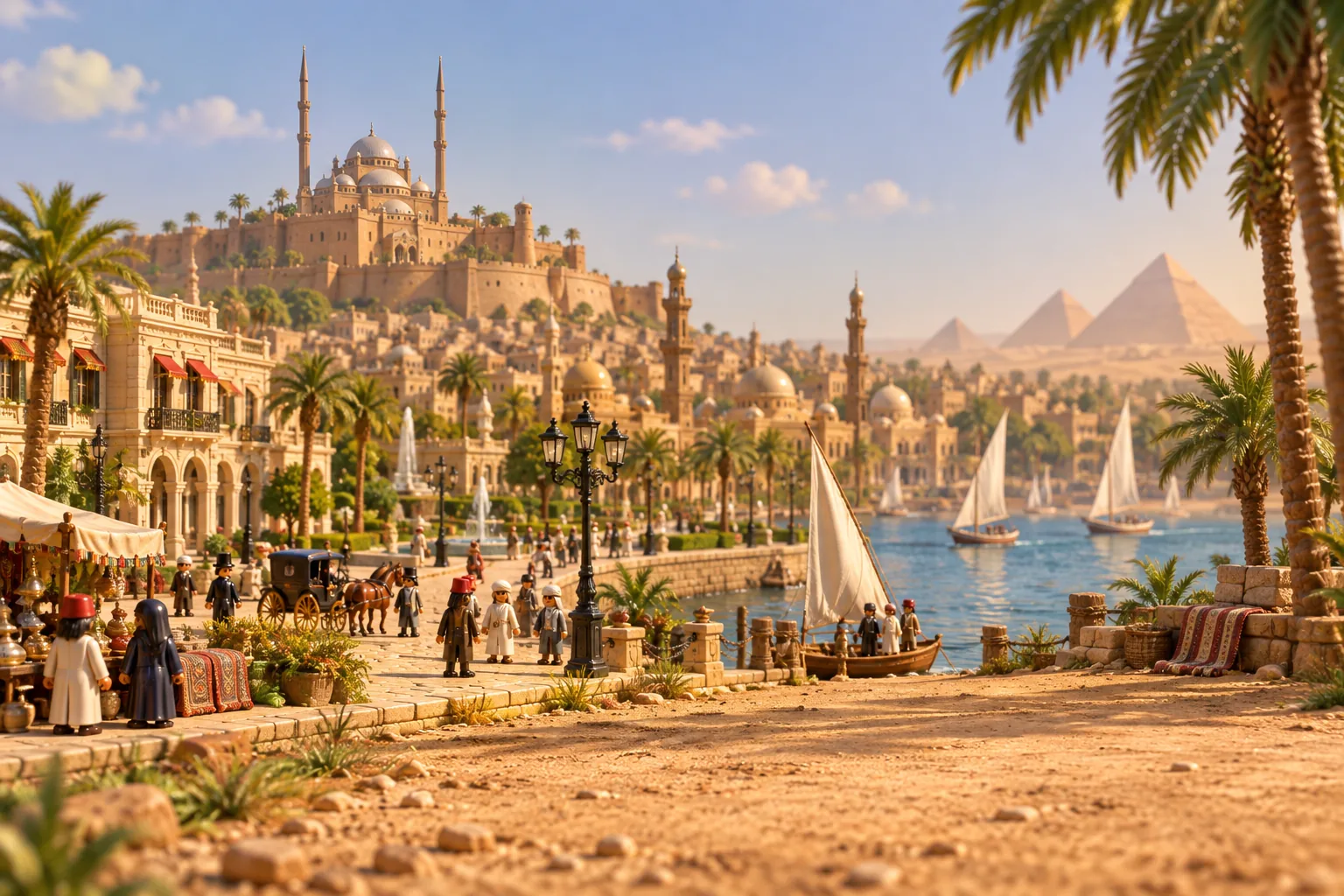 1867–1914 · CairoKhedivate of EgyptKhedive Ismail opened the Suez Canal in 1869 and spent so heavily that Egypt went bankrupt and Britain occupied it in 1882.
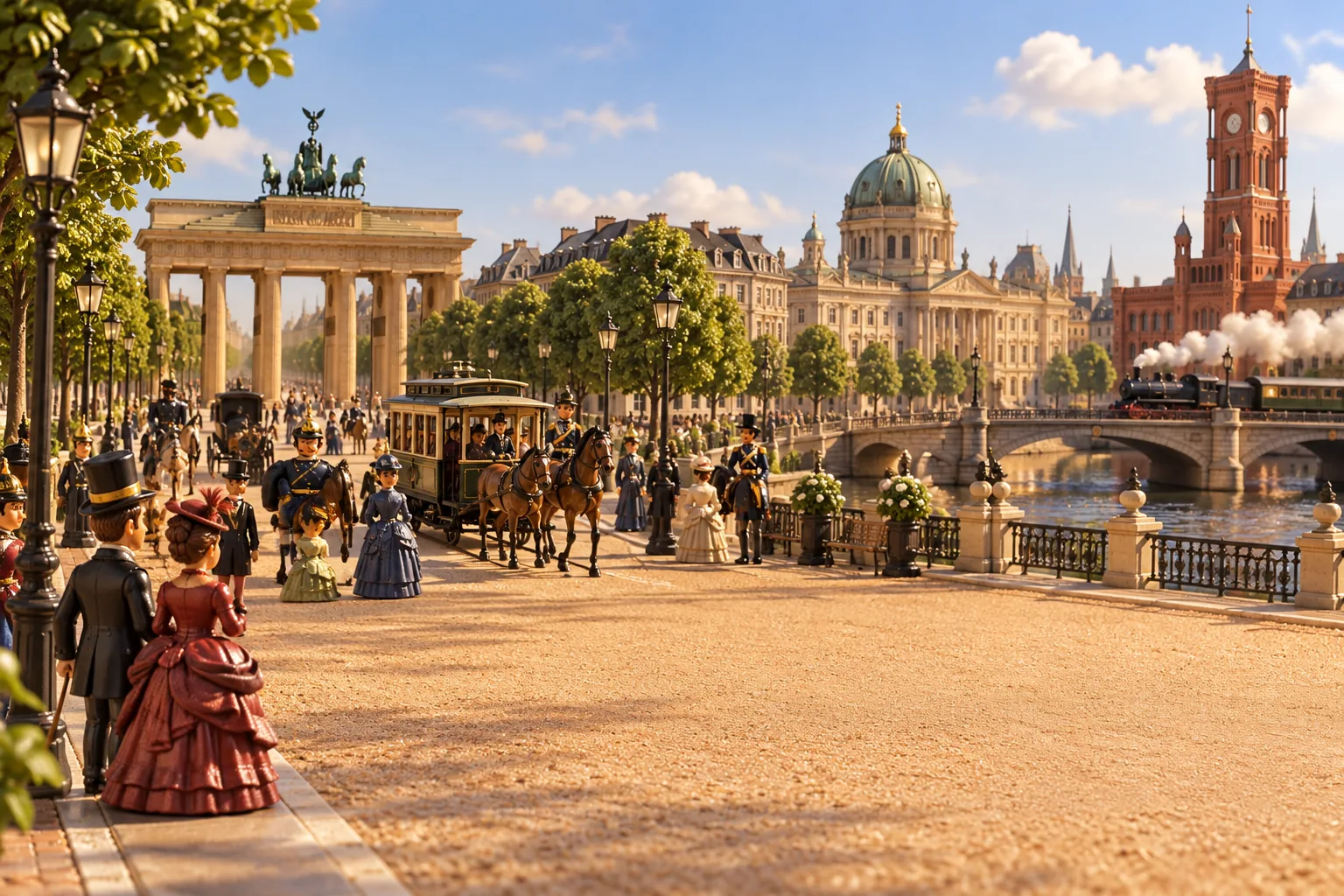 1867–1870 · Berlin, GermanyNorth German ConfederationIts parliament was elected by the votes of all men, an idea Bismarck took from the failed revolution of 1848, and within four years his federation became the German Empire.
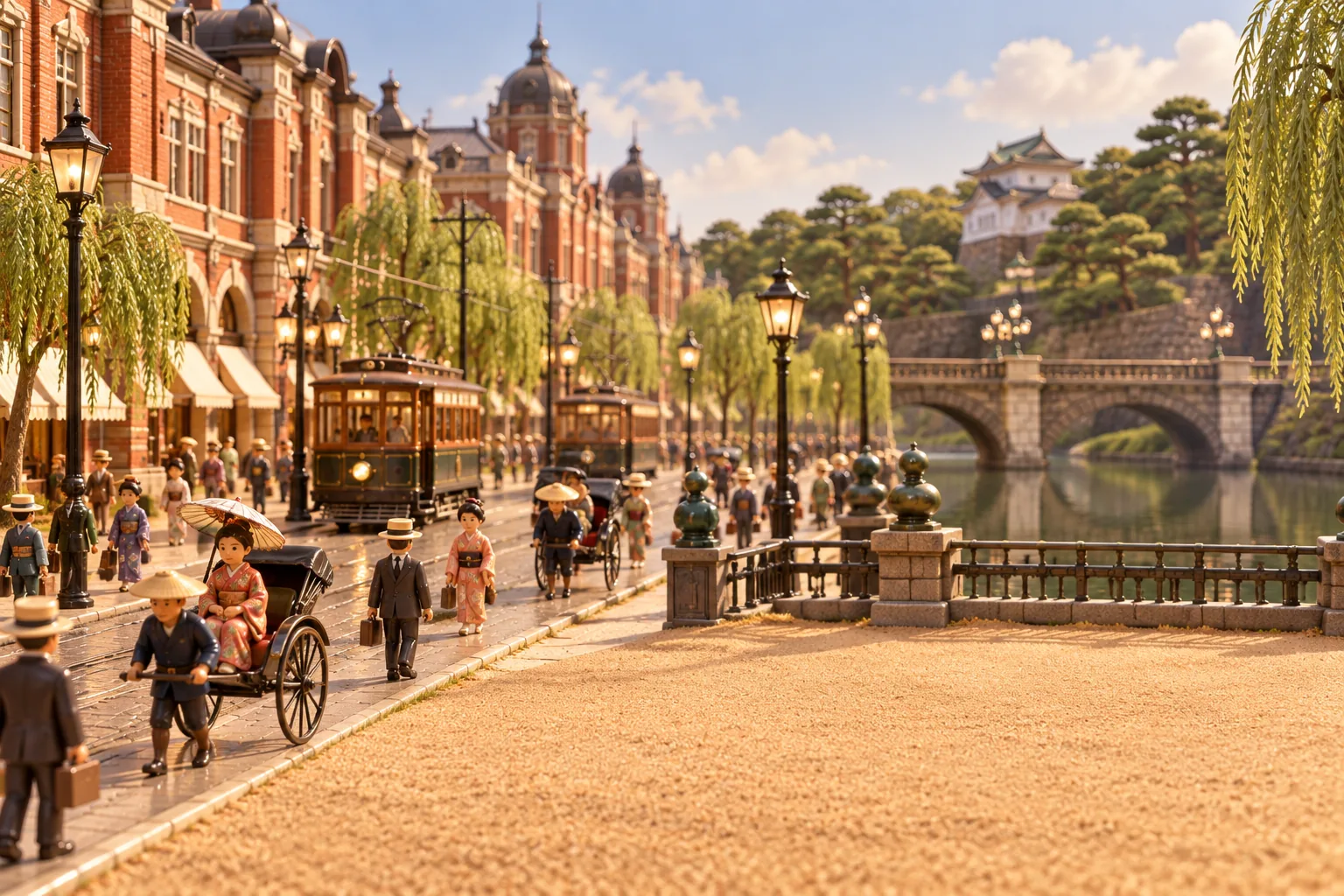 1868–1947 · TokyoEmpire of JapanIn one lifetime Japan went from samurai in topknots to battleships that sank a Russian fleet, and then to an empire that ended in atomic fire.
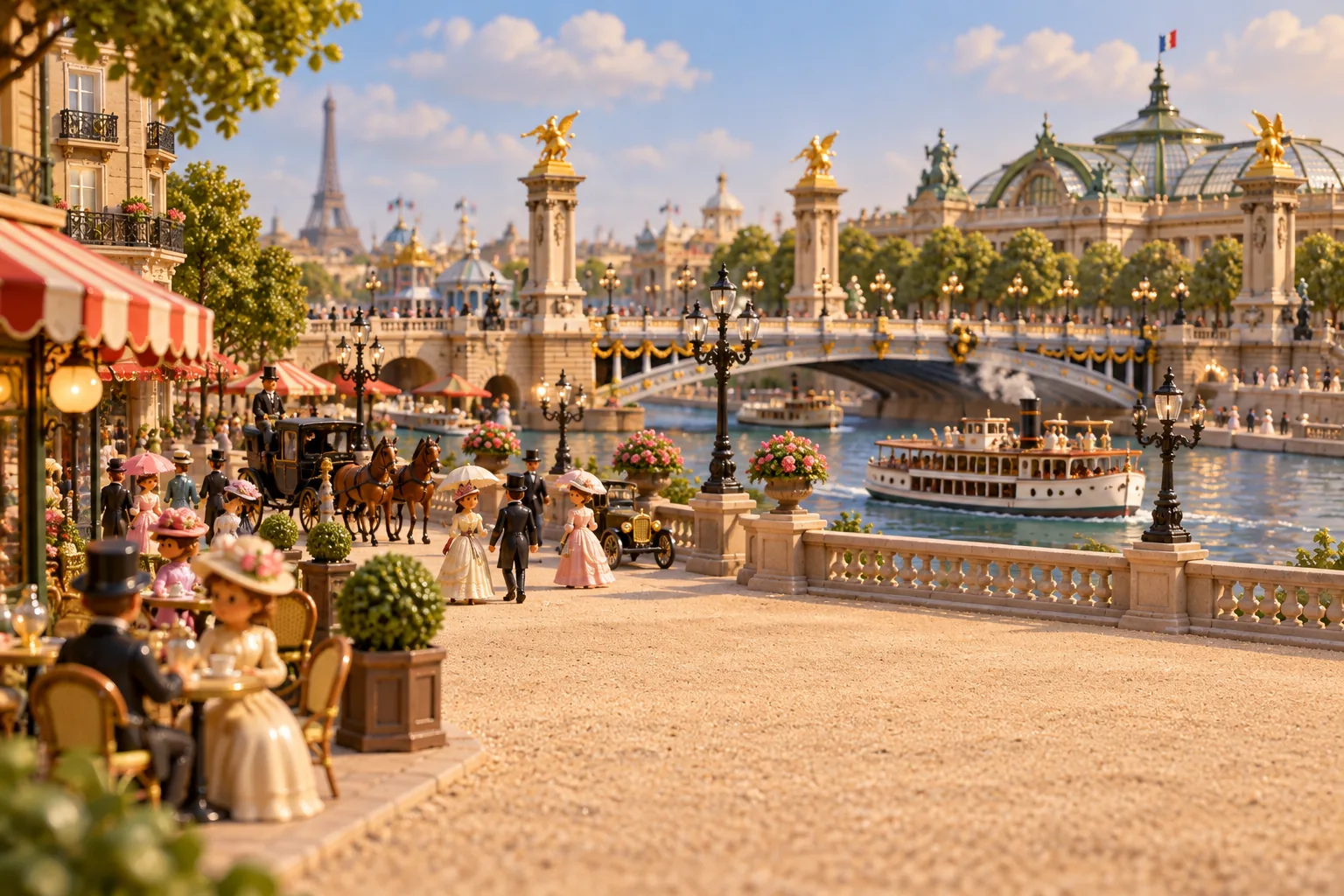 1870–1940 · ParisFrench Third RepublicMeant only as a stopgap after a lost war, it lasted seventy years, built the second-largest colonial empire and was voted out of existence by its own parliament.
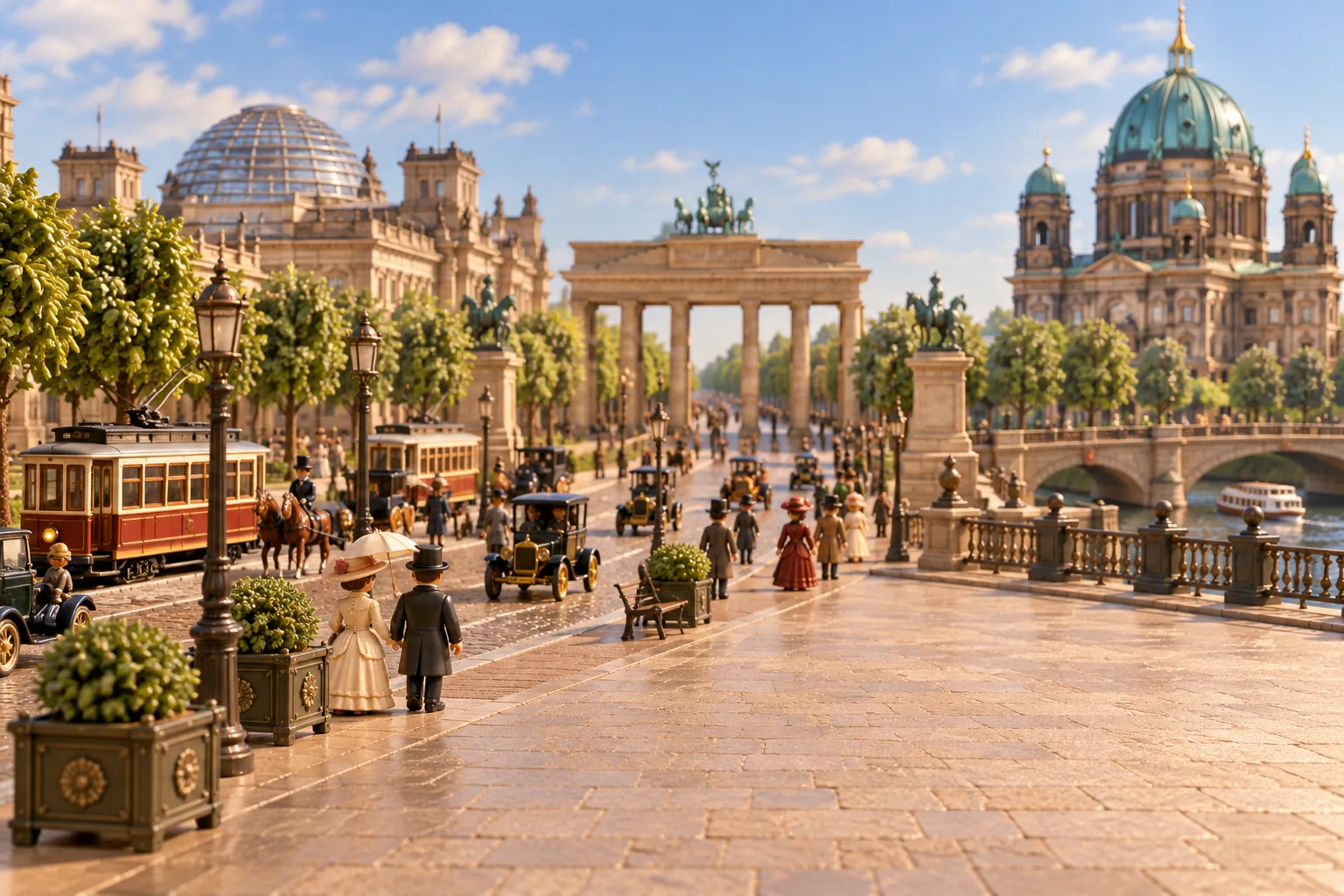 1871–1918 · BerlinGerman EmpireGermany was proclaimed an empire in a palace of its defeated enemy, and in 47 years it won a third of all Nobel Prizes and lost a world war.
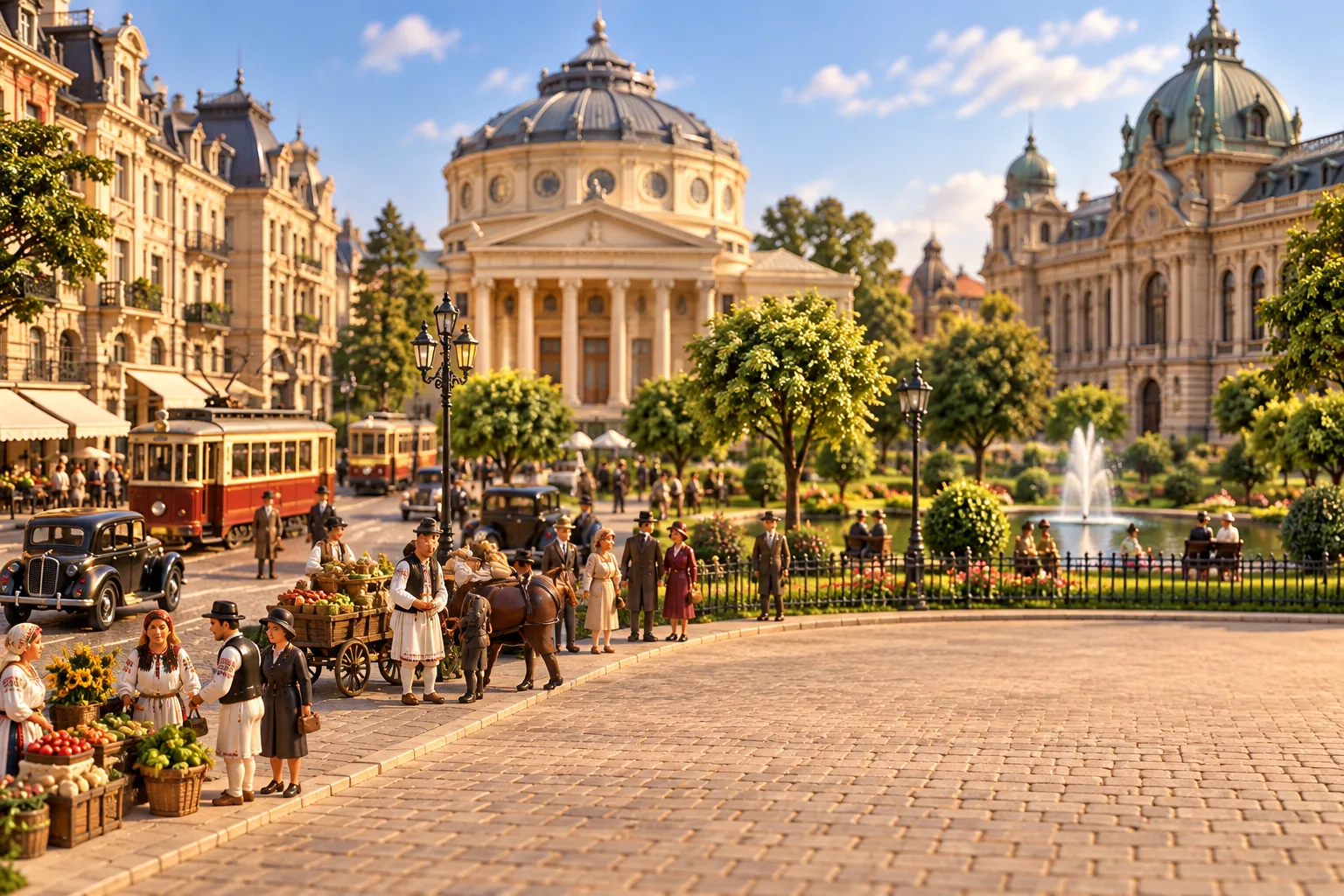 1881–1947 · BucharestKingdom of RomaniaA Prussian prince founded the dynasty, the First World War more than doubled the country, and the last king was forced out on the final day of 1947.
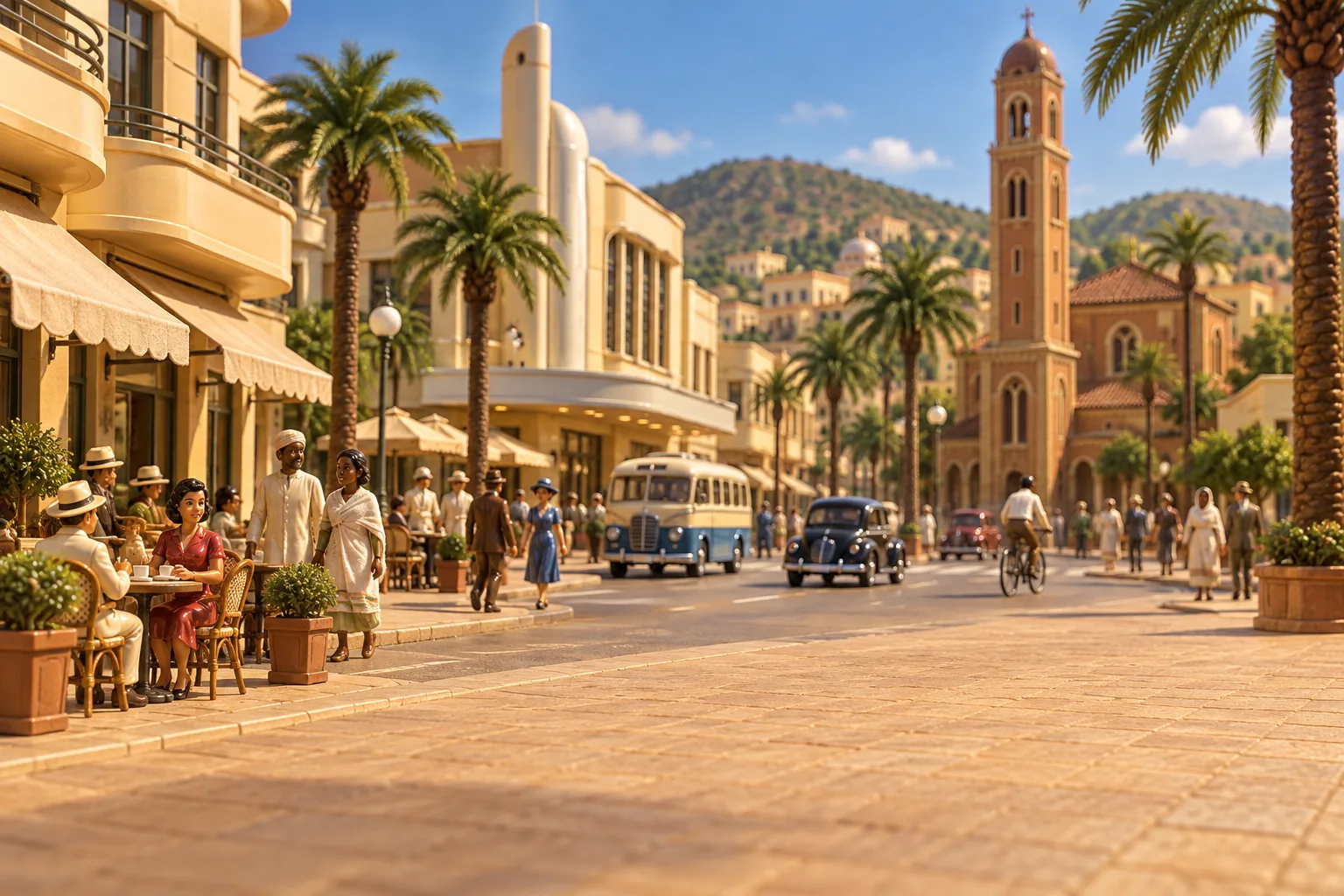 1882–1943 · Asmara, EritreaItalian EmpireItaly lost to Ethiopia at Adwa in 1896, occupied it in 1936, and lost its whole African empire within seven years.
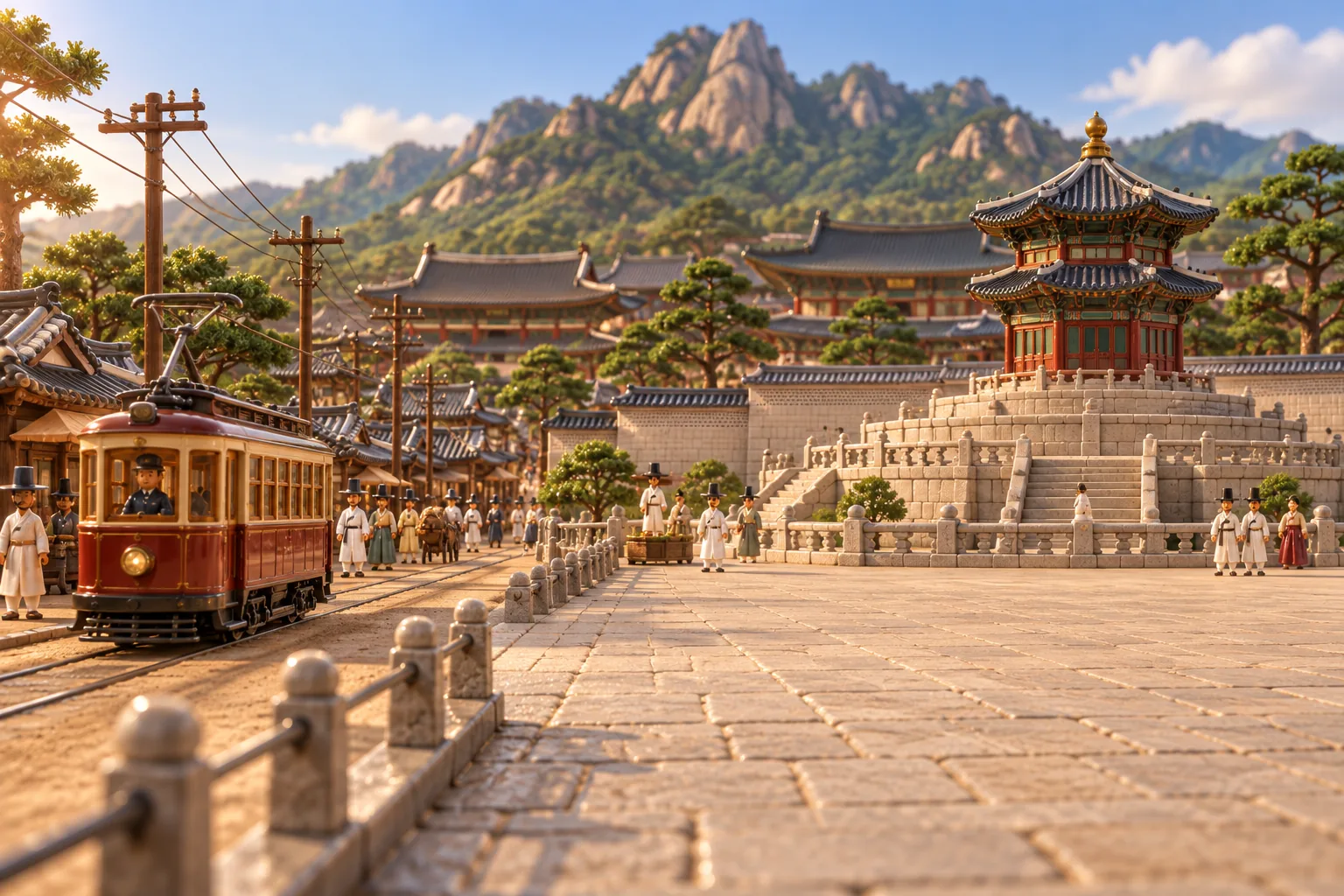 1897–1910 · Seoul (Hanseong)Korean EmpireKing Gojong proclaimed himself emperor in 1897 to show Korea was no one's vassal, but Japan annexed it thirteen years later.
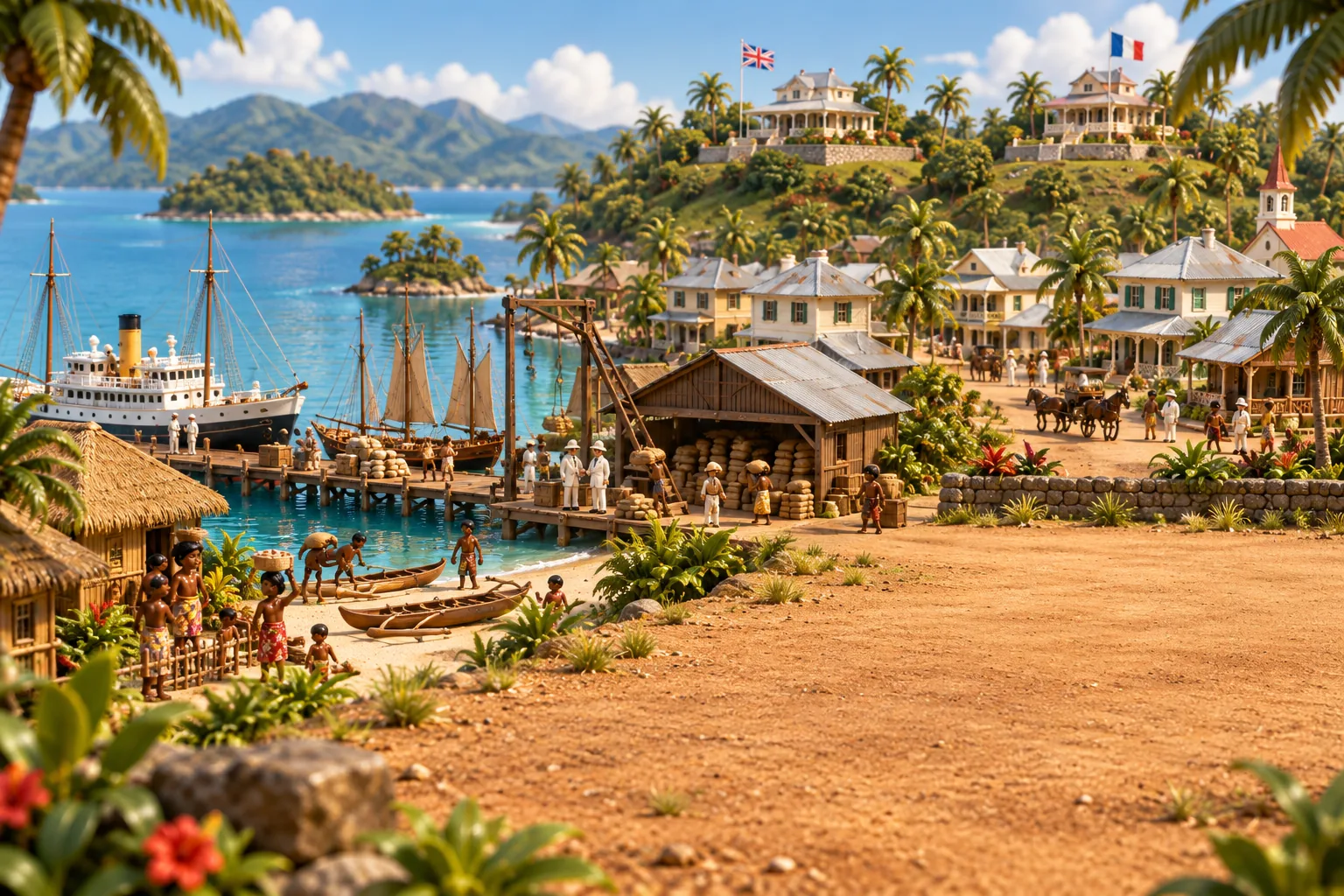 1906–1980 · Port VilaNew HebridesBritain and France ruled these islands together with two police forces, two school systems and two currencies, and cynics called it the Pandemonium.
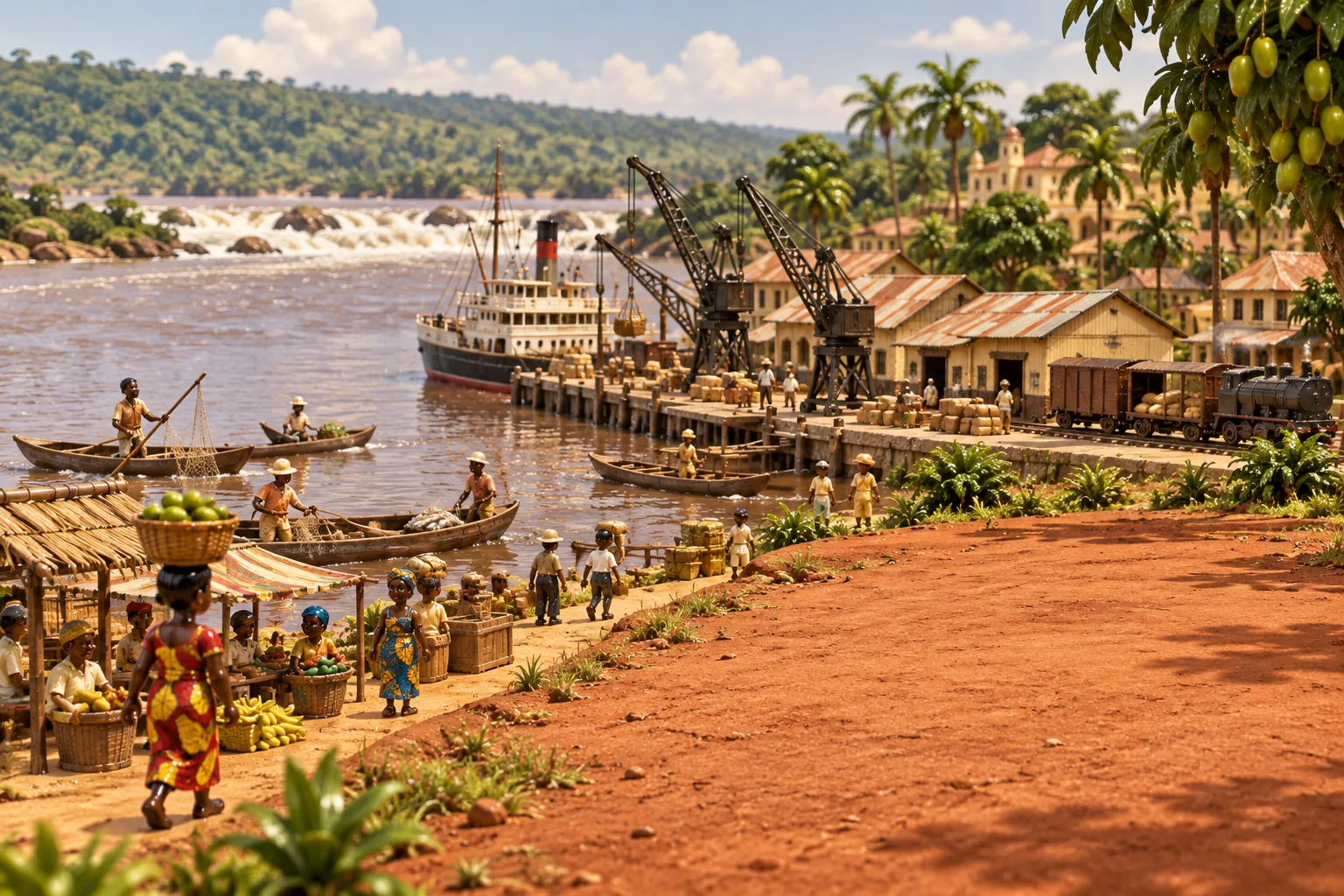 1908–1960 · Léopoldville (Kinshasa)Belgian CongoBelgium took the Congo from King Leopold II in 1908, after his private colony became notorious for forced labour and severed hands.
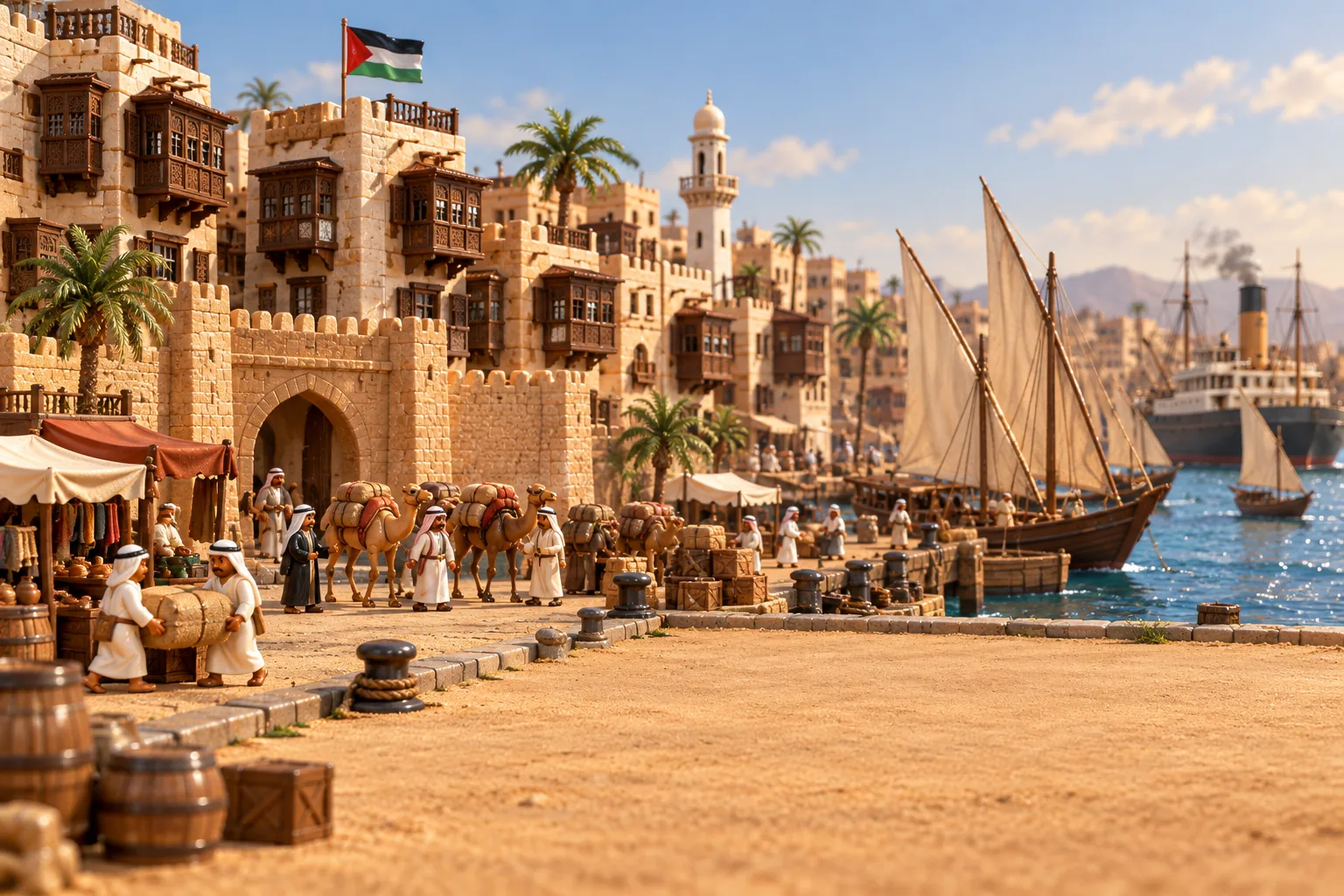 1916–1925 · Mecca, Saudi ArabiaKingdom of HejazBorn of the Arab Revolt, it was one of only two countries that never ratified the Treaty of Versailles. The other was the United States.
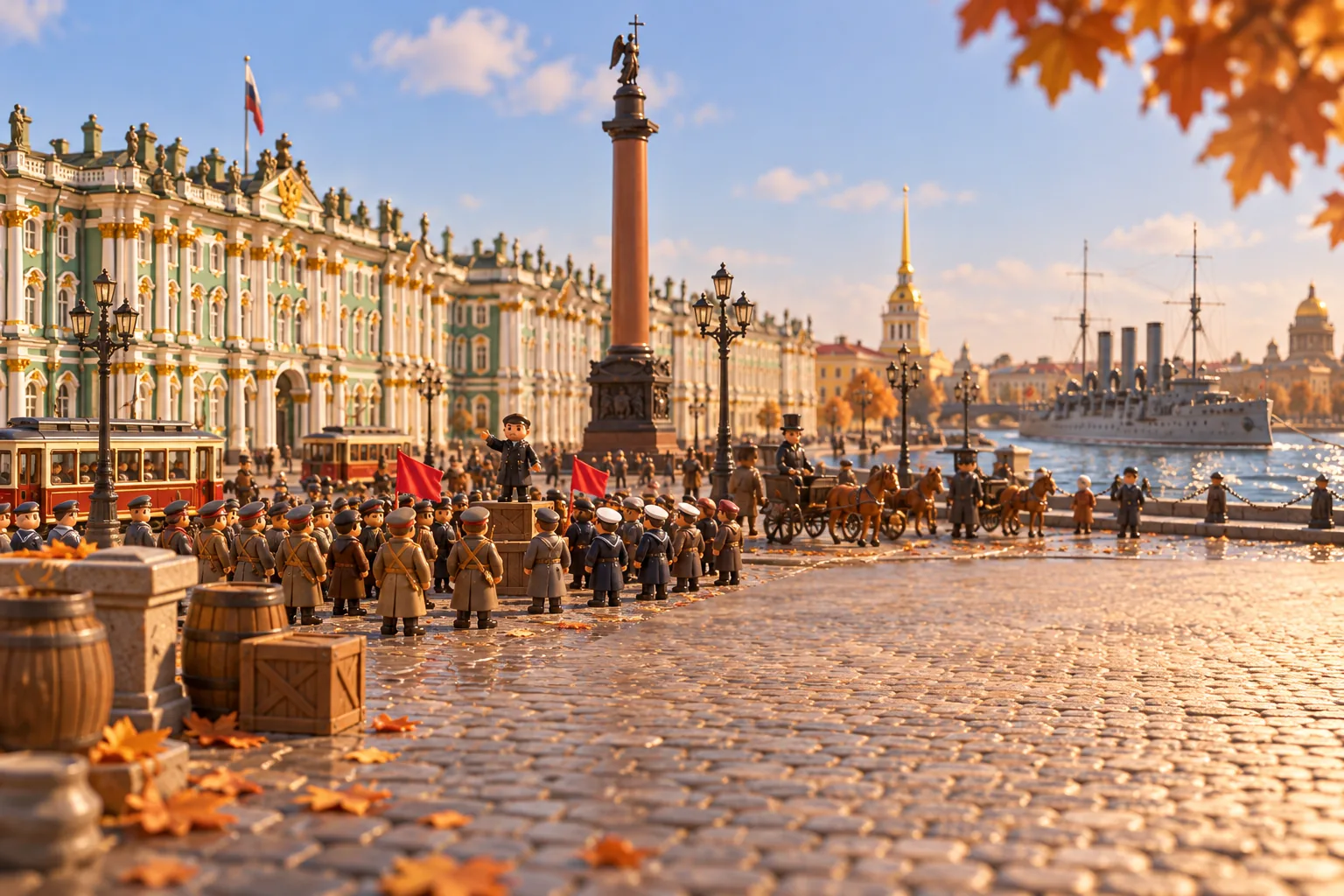 1917–1918 · Petrograd (Saint Petersburg), RussiaRussian RepublicProclaimed by Kerensky in September 1917, the Russian Republic lasted barely two months before the Bolsheviks seized power.
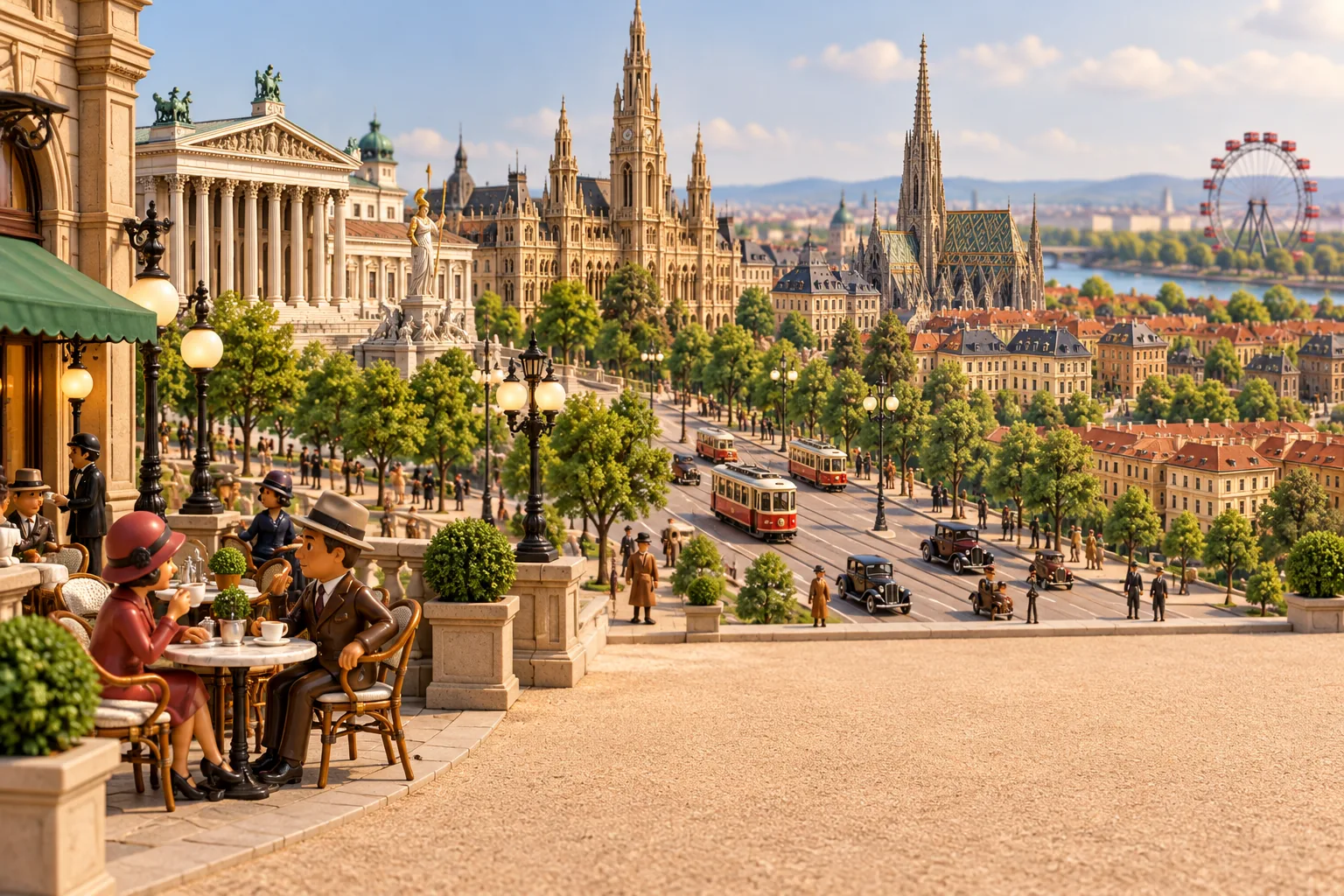 1918–2013 · ViennaAustriaWhen the Habsburg empire fell apart in 1918, its German-speaking core was left as a small republic that many of its own citizens doubted could survive.
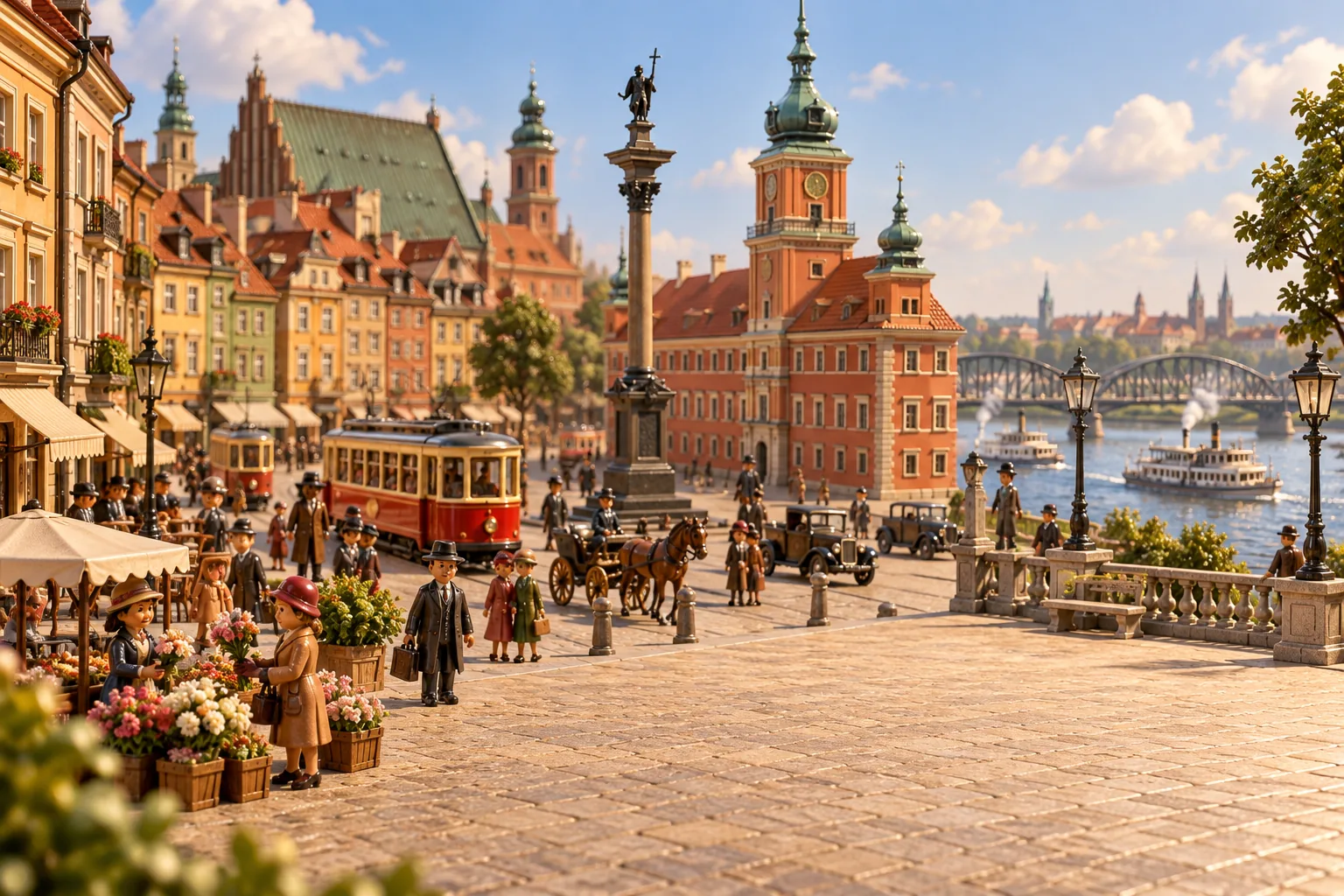 1918–1939 · WarsawSecond Polish RepublicAfter 123 years off the map Poland came back in 1918, and within twenty years it had built a brand-new seaport on the Baltic at Gdynia.
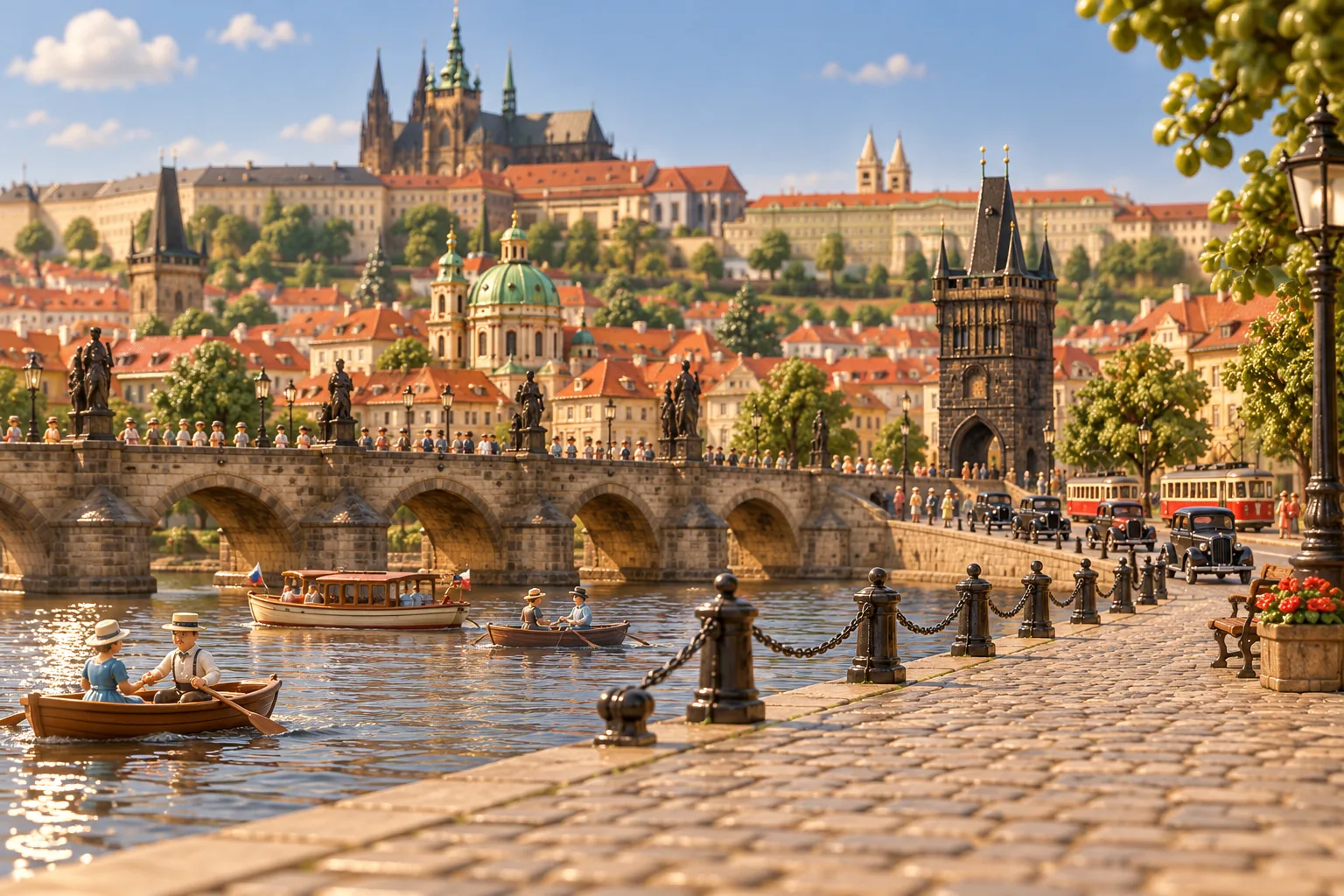 1918–1992 · PragueCzechoslovakiaCarved from Austria-Hungary in 1918, it stayed a democracy through the 1930s until Munich handed its borderlands to Hitler.
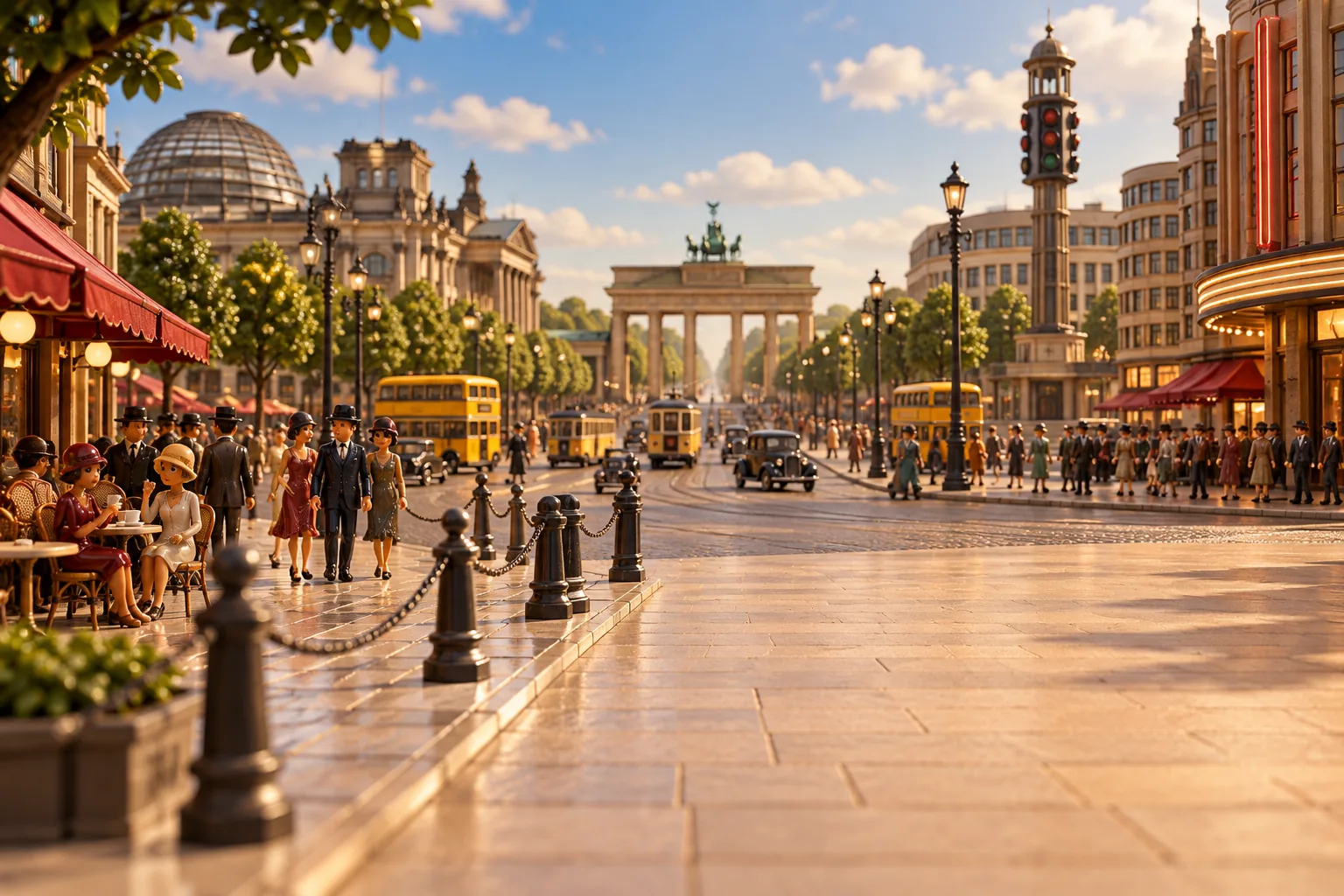 9 November 1918 – 23 March 1933 · BerlinWeimar RepublicGermany's first democracy survived revolution, hyperinflation and attempted putsches, then appointed Hitler chancellor in January 1933.
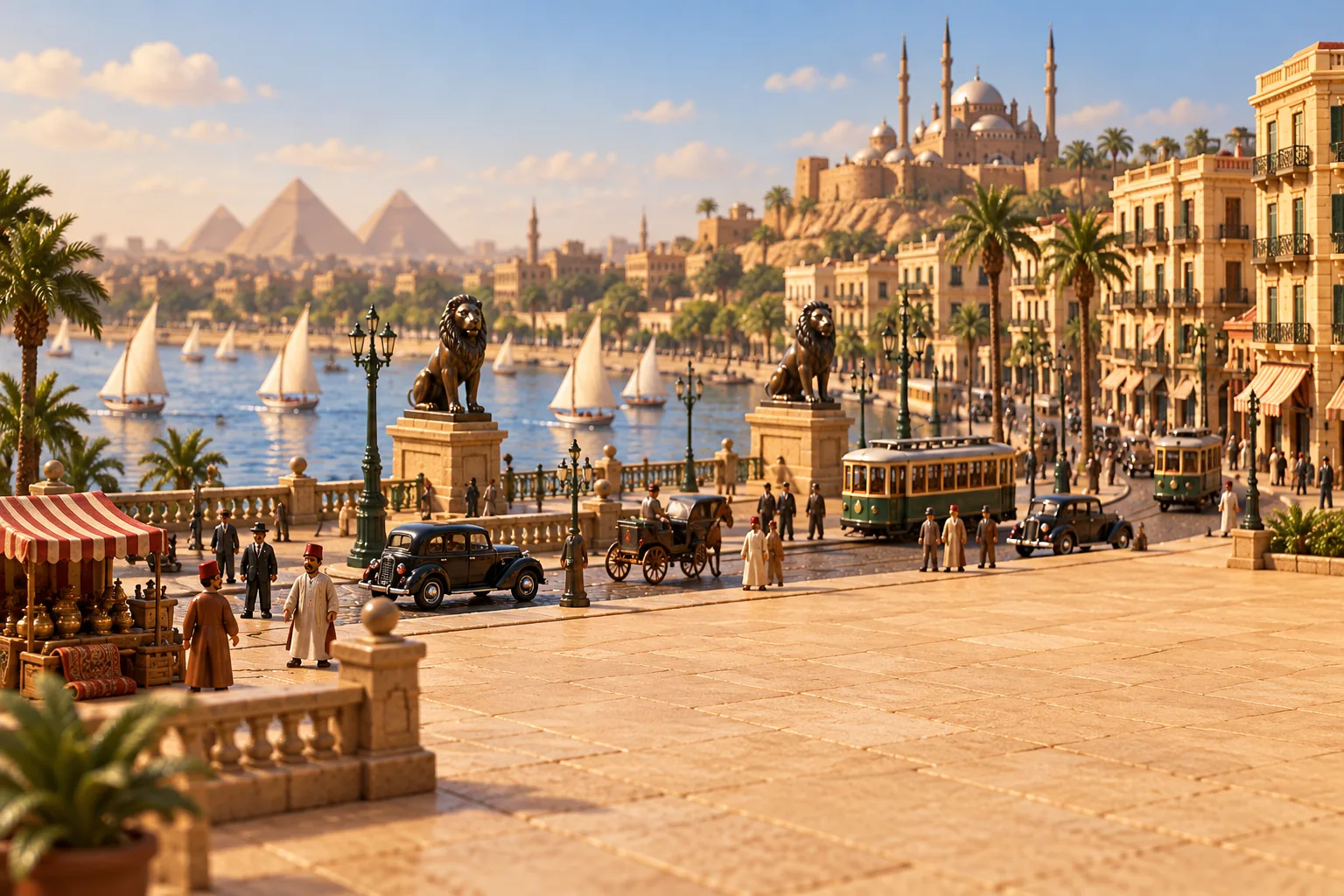 1922–1953 · CairoKingdom of EgyptBritain declared Egypt independent in 1922 but kept its troops on the Suez Canal, and thirty years later army officers sent the last real king away on his yacht.
 1930–2013 · Buenos AiresArgentinaAround 1900 it ranked among the richest countries per person, then swung between coups for half a century.
 14 April 1931 – 1 April 1939 · MadridSecond Spanish RepublicTwo days after a local election, Spain woke up a republic, and within eight years the new democracy was swallowed by civil war.
 1940–1944 · Brazzaville (government in London)Free FranceIt began as one man at a BBC microphone in June 1940, and its first real territory was a colony in the middle of Africa.
 10 July 1940 – 9 August 1944 · Vichy, FranceVichy FranceGoverning from the hotels of a spa town, Marshal Pétain's regime collaborated with Hitler and helped deport about 76,000 Jews from France.
Our time 1945 to today
 1724–1948 · Hyderabad, IndiaHyderabad StateA Mughal governor's family ruled the Deccan for 224 years, with its own currency, its own airline and a ruler hailed as the richest man alive.
 since 1776 · Washington, D.C.United StatesThirteen colonies on the Atlantic coast declared independence in 1776, and by about 1890 their union had the largest economy in the world.
 1832–1924, 1935–1973 · AthensKingdom of GreeceGreece chose a British prince as king by referendum, got a Danish one instead, and more than a century later voted its monarchy out.
 1867–2013 · OttawaCanadaThe second-largest country on Earth, it won full independence from Britain step by step, without a revolution.
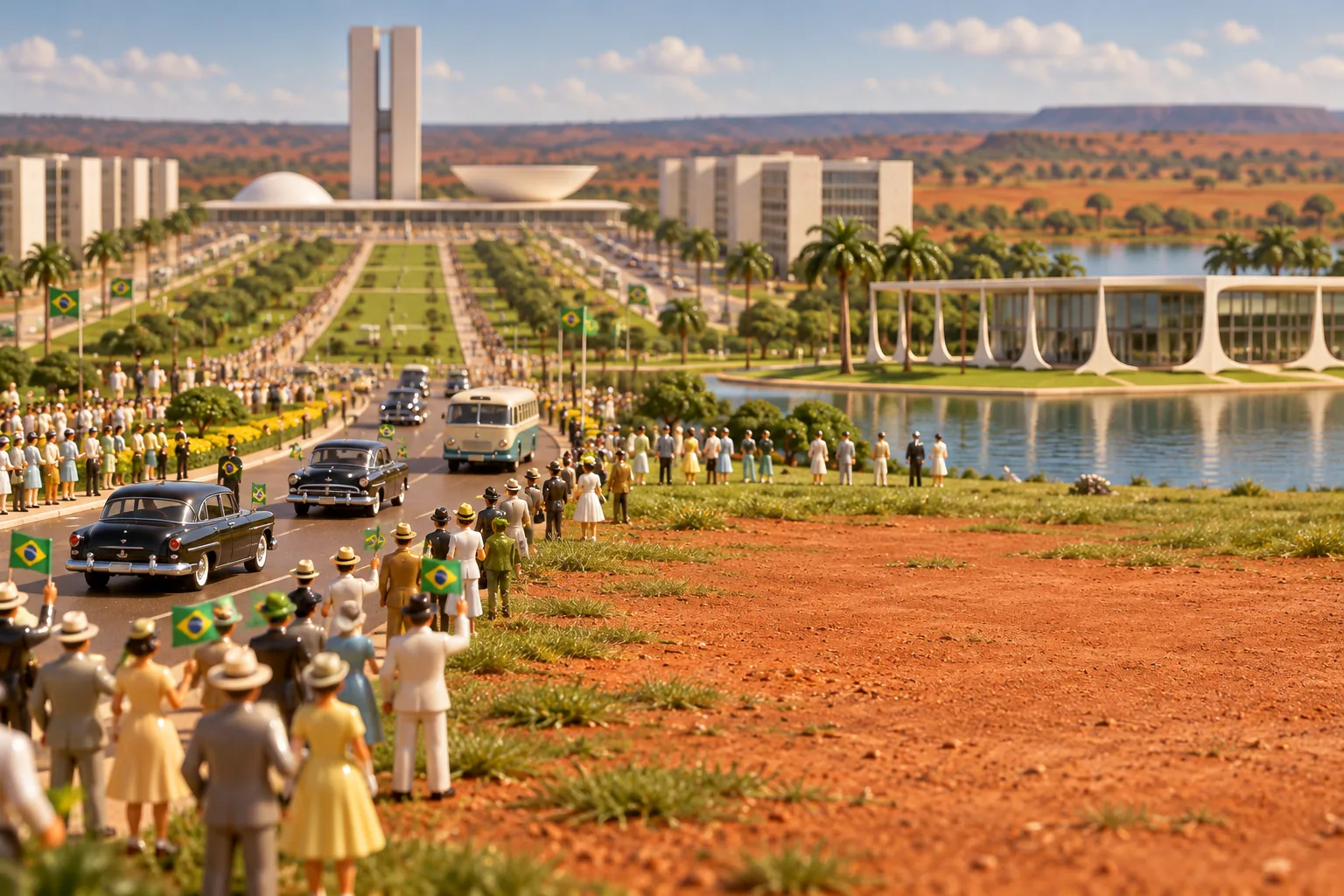 1889–2013 · BrasíliaBrazilThe last country in the Americas to abolish slavery, it built a new capital from scratch in its interior in 1960.
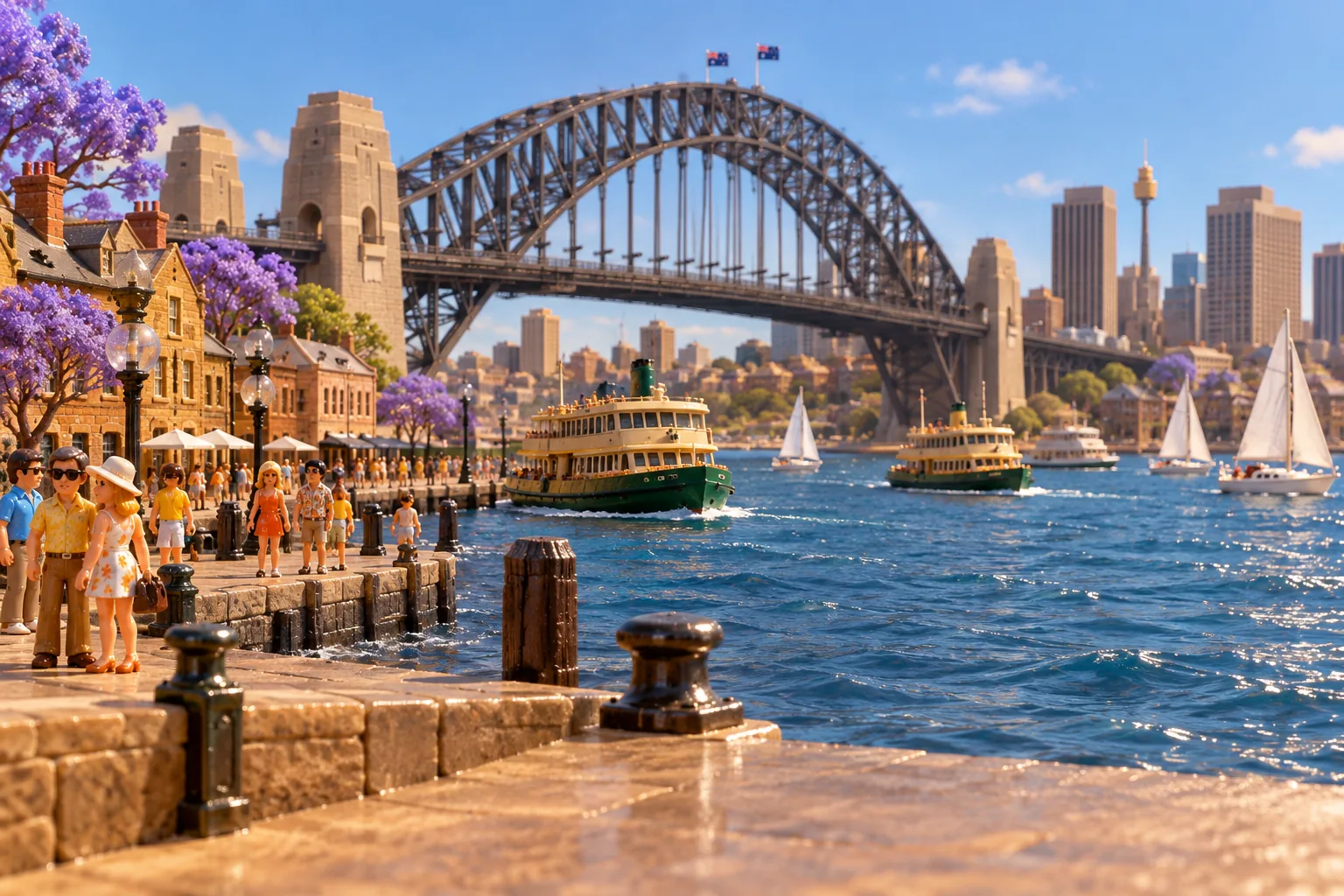 1901–2013 · CanberraAustraliaA whole continent made into one country, it federated in 1901 and later built its capital from scratch.
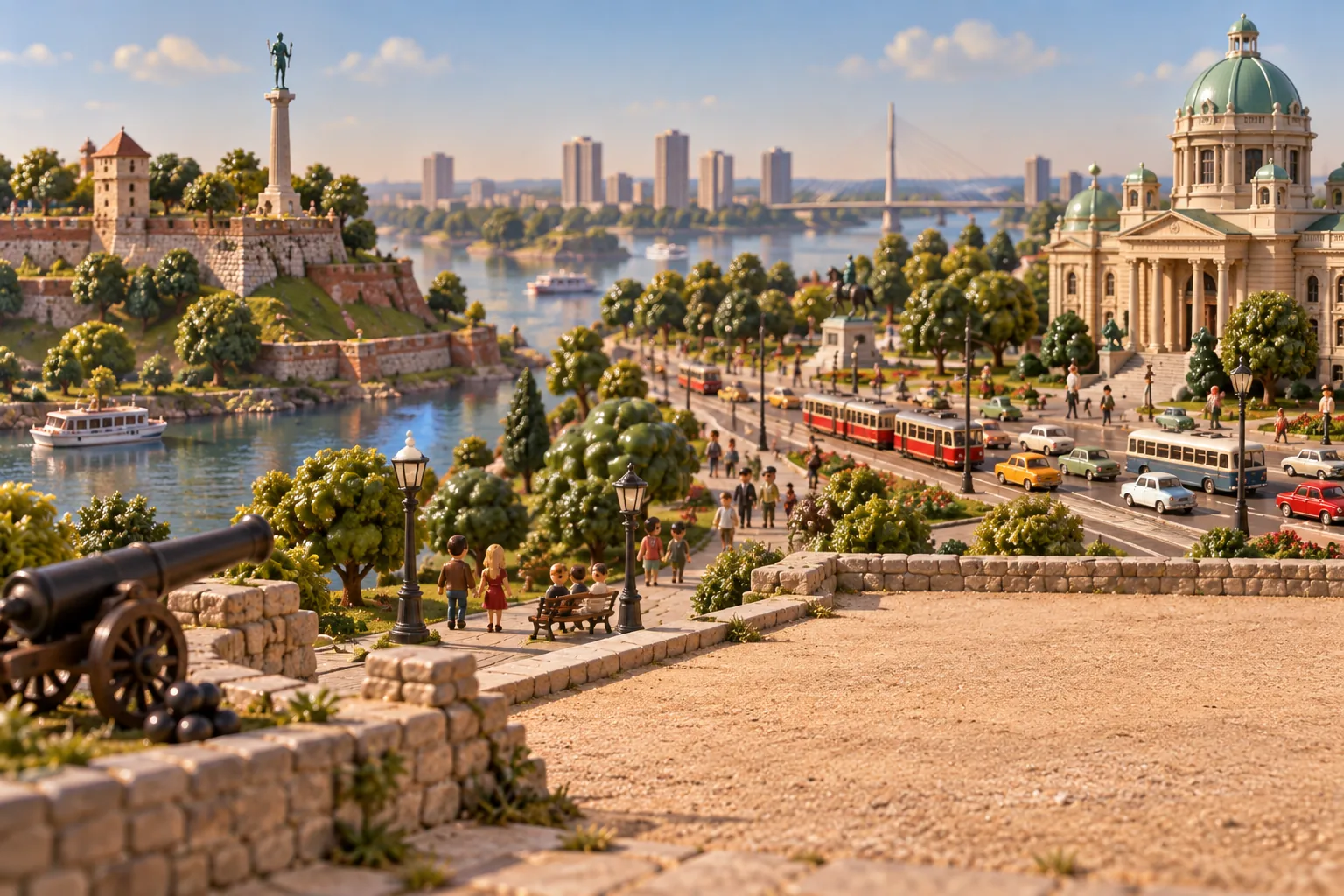 1918–1992 · BelgradeYugoslaviaThe land of the South Slavs was a kingdom, then Tito's communist federation that defied Stalin, and finally six republics torn apart by war.
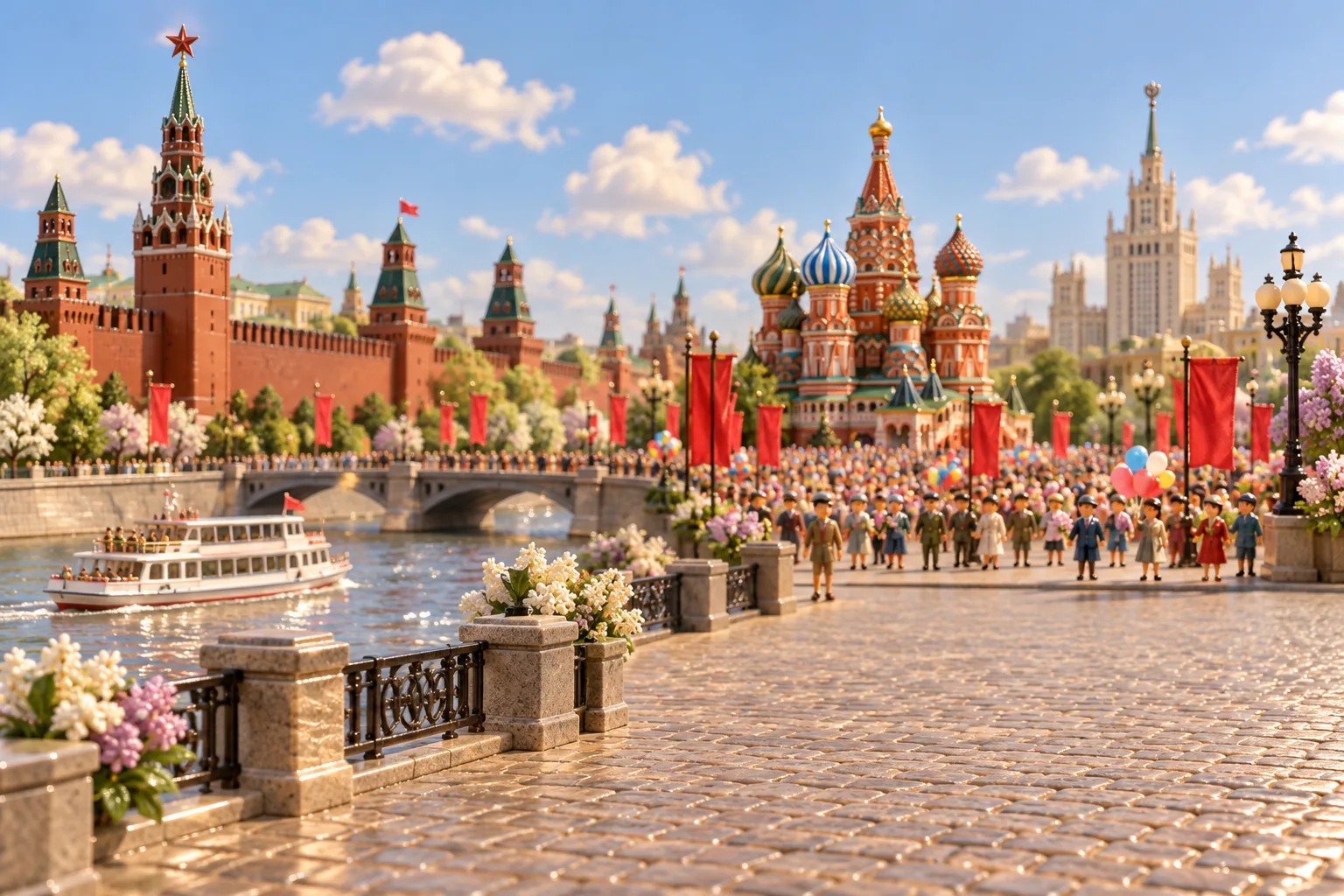 1922–1991 · MoscowSoviet UnionIt put the first human into space and ruled half a continent, and then its own leaders signed it out of existence.
 1924–1992 · Ulaanbaatar, MongoliaMongolian People's RepublicThe world's second communist state stayed a Soviet satellite for its whole life, longer than any other, until protests and a hunger strike in 1990 brought down its leaders.
 1925–1979 · Tehran, IranPahlavi dynastyA Cossack brigadier who marched a few thousand troops into Tehran in 1921 was proclaimed shah four years later, and his son became Iran's last shah.
 1926–1973 · KabulKingdom of AfghanistanIts last king, Zahir Shah, reigned for 40 years until his cousin seized power in 1973 while he was in Italy.
 1932–1958 · Baghdad, IraqKingdom of IraqA Hashemite prince from Mecca, driven out of Damascus by the French, was crowned king in Baghdad and brought Iraq into the League of Nations as an independent state.
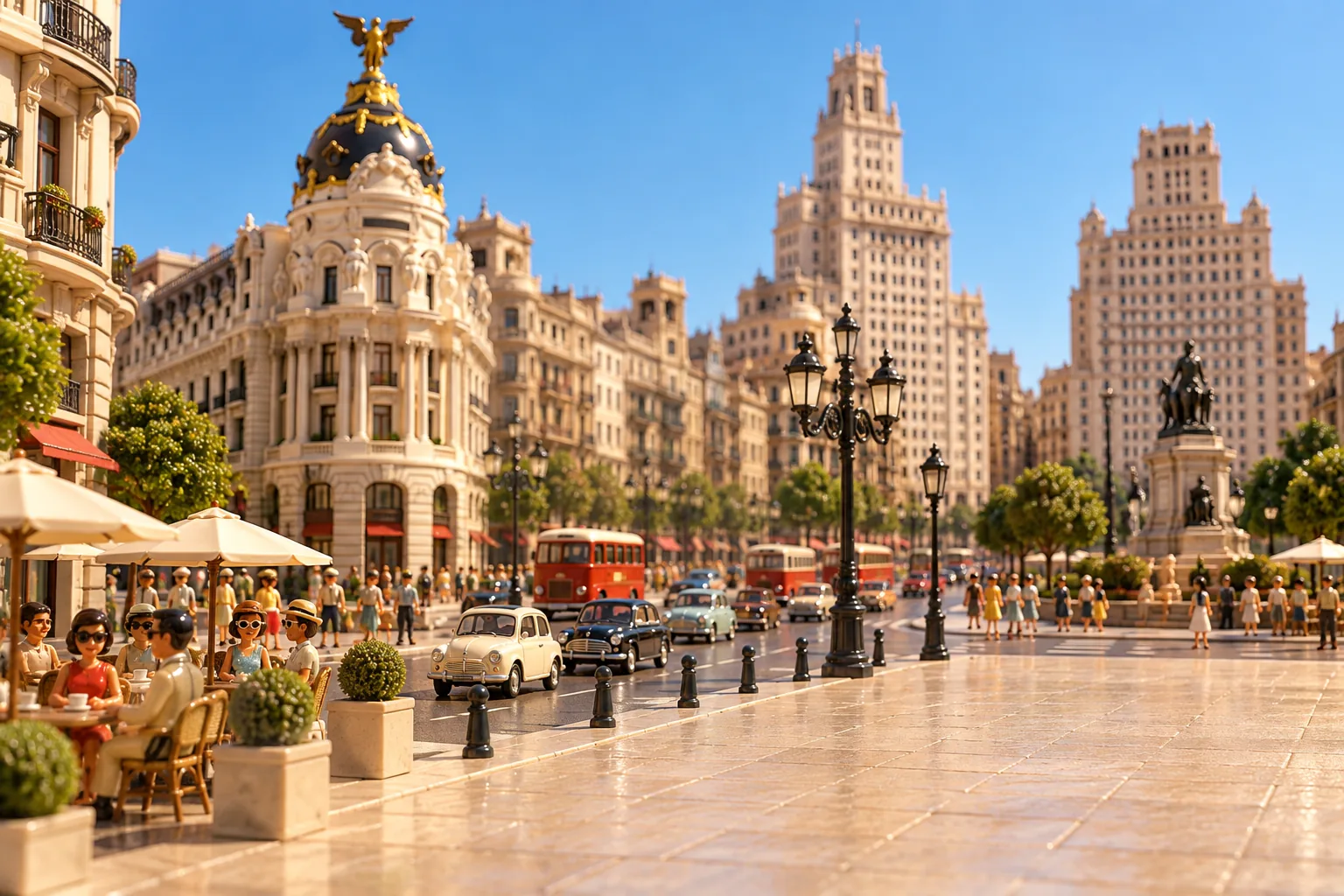 1939–1975 · Madrid, SpainFrancoist SpainAfter winning the civil war, Franco ruled Spain for 36 years and chose a king, Juan Carlos, as his successor.
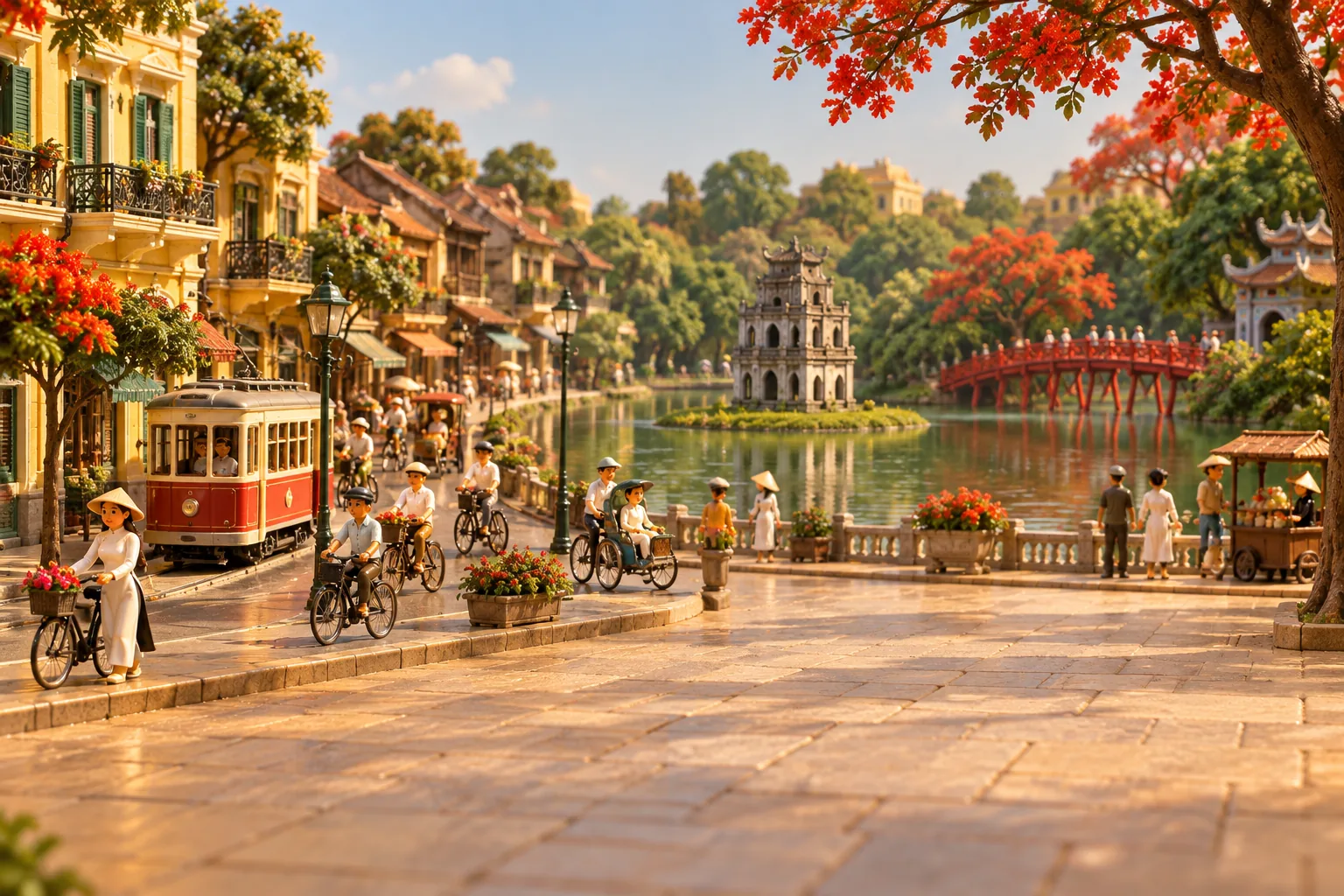 1945–1976 · HanoiNorth VietnamDeclared in a Hanoi square in 1945, it fought France and then the United States for thirty years before swallowing the South in 1975.
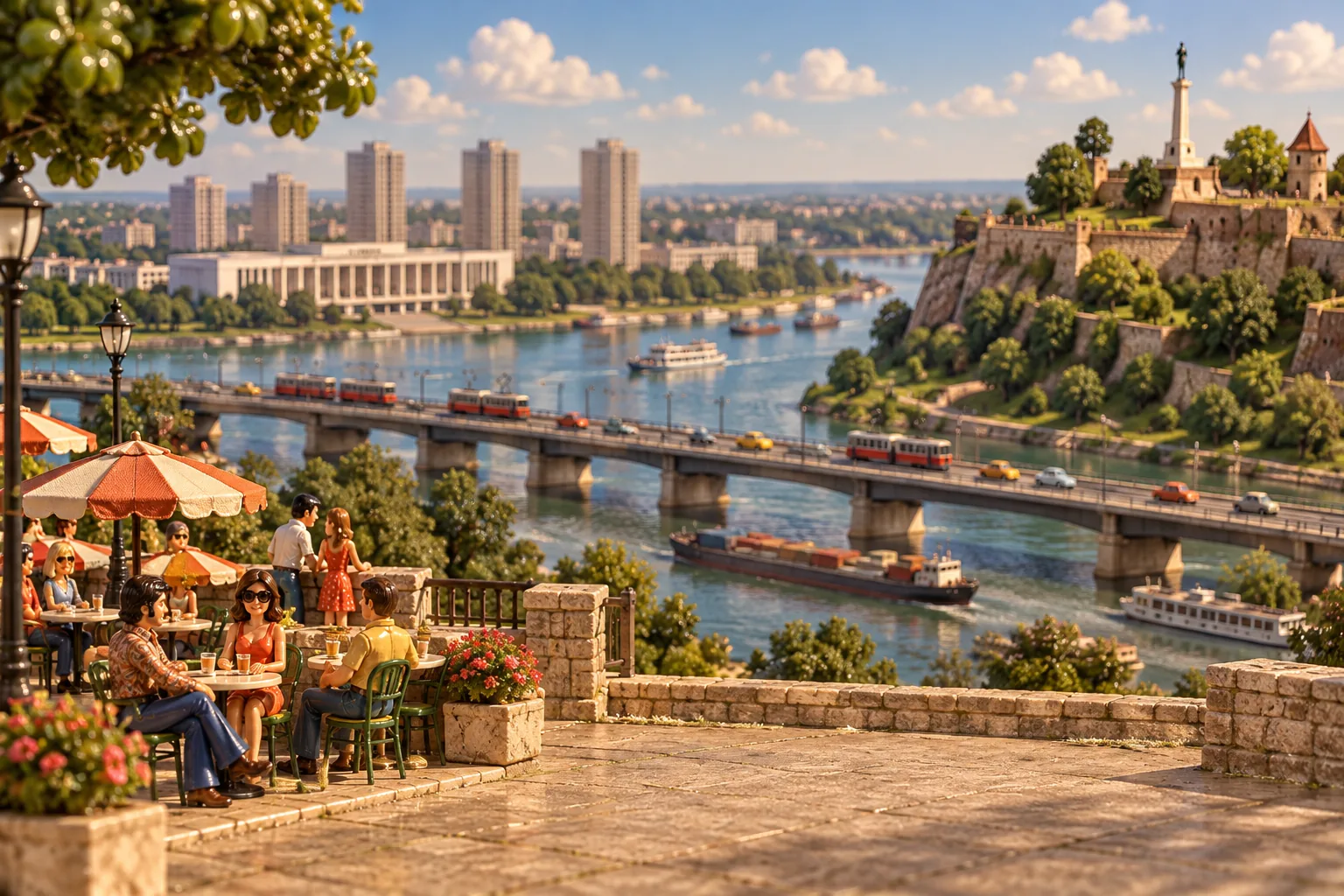 1945–1992 · Belgrade, SerbiaSocialist Federal Republic of YugoslaviaTito's Yugoslavia broke with Stalin in 1948 and helped found the Non-Aligned Movement, then tore apart in war after 1991.
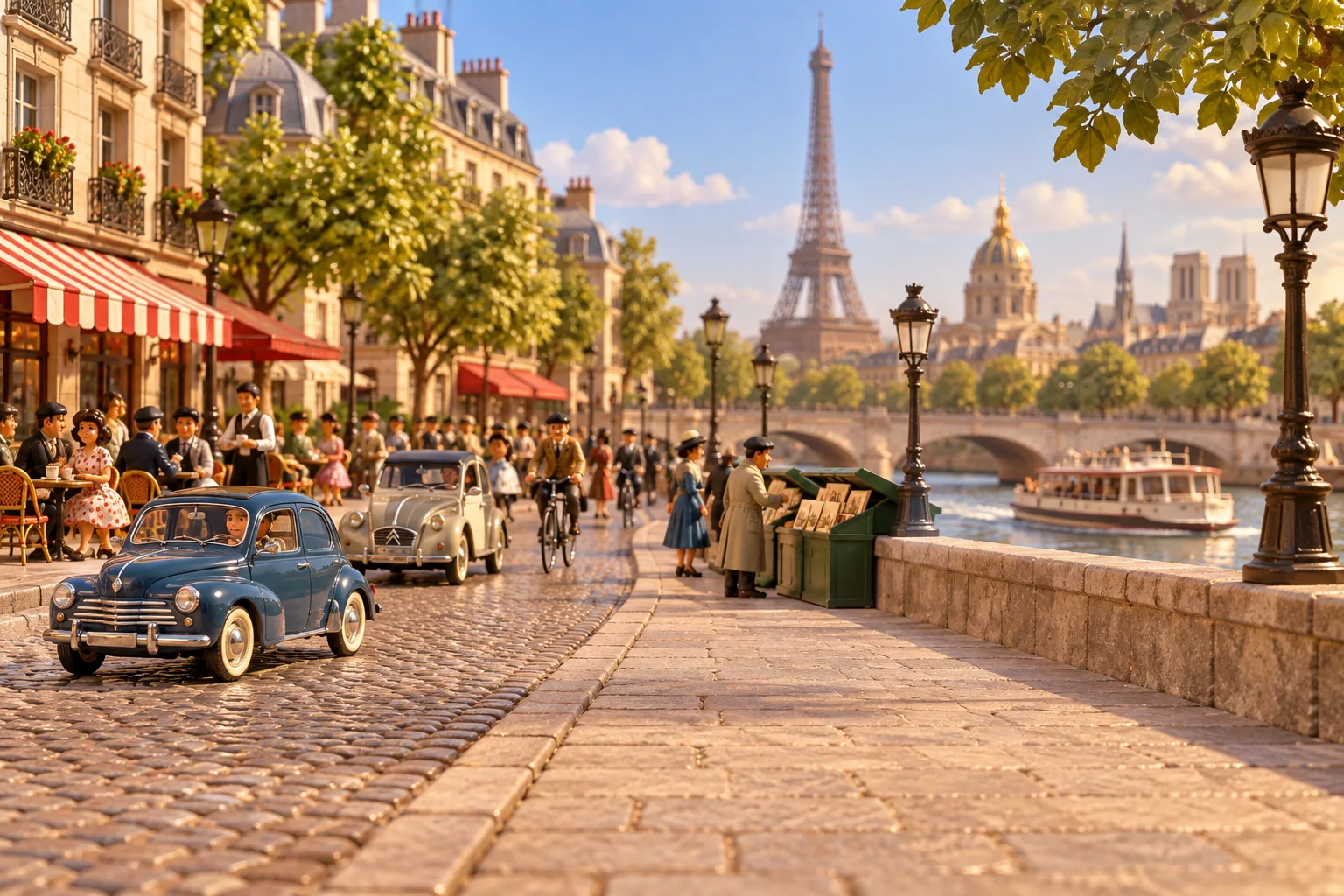 27 October 1946 – 4 October 1958 · ParisFrench Fourth RepublicIt rebuilt France and helped launch European integration, but went through more than twenty governments before Algeria brought it down.
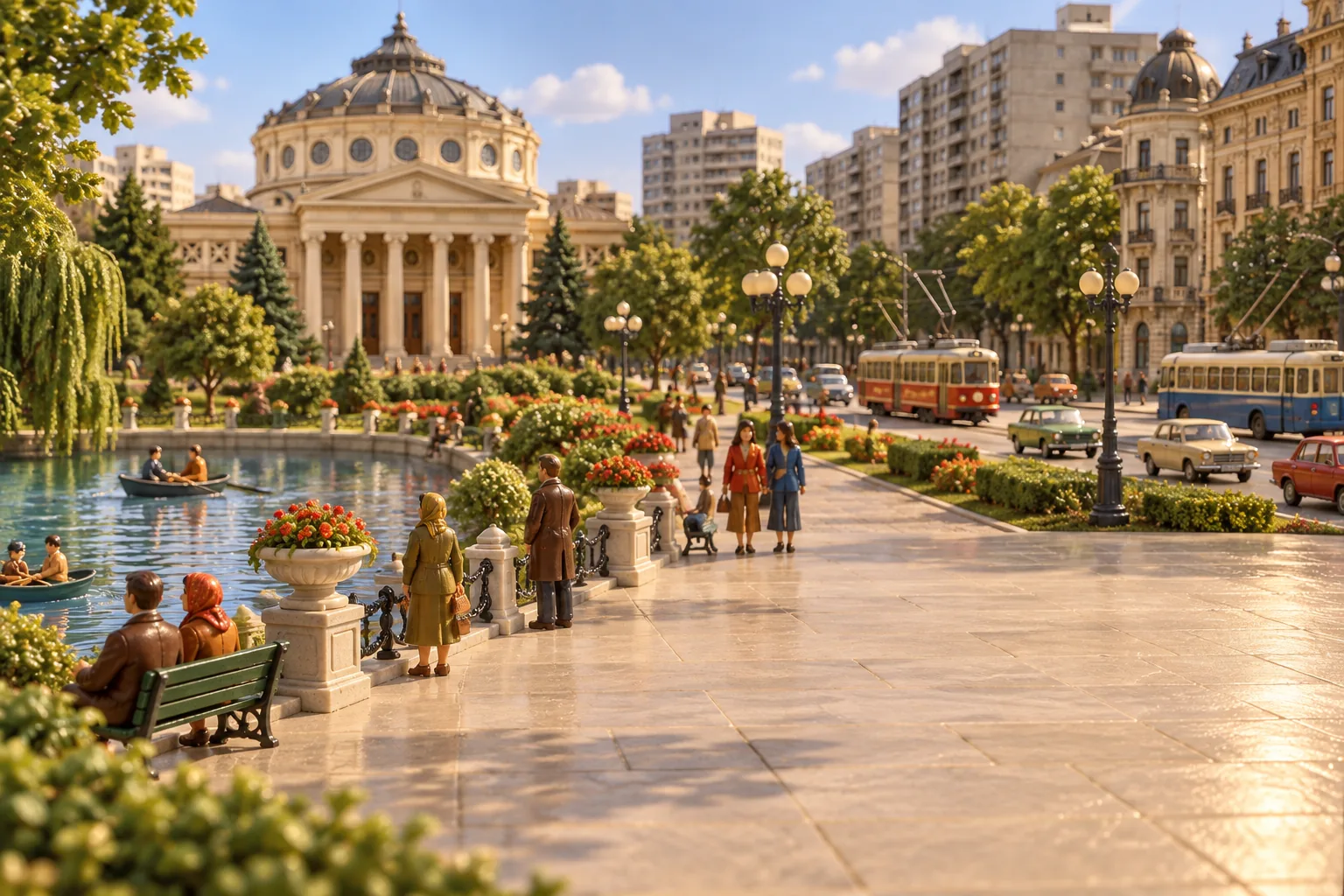 1947–1989 · BucharestSocialist Republic of RomaniaRomania defied Moscow over Czechoslovakia, then rationed its people's food and heat to pay off its foreign debt.
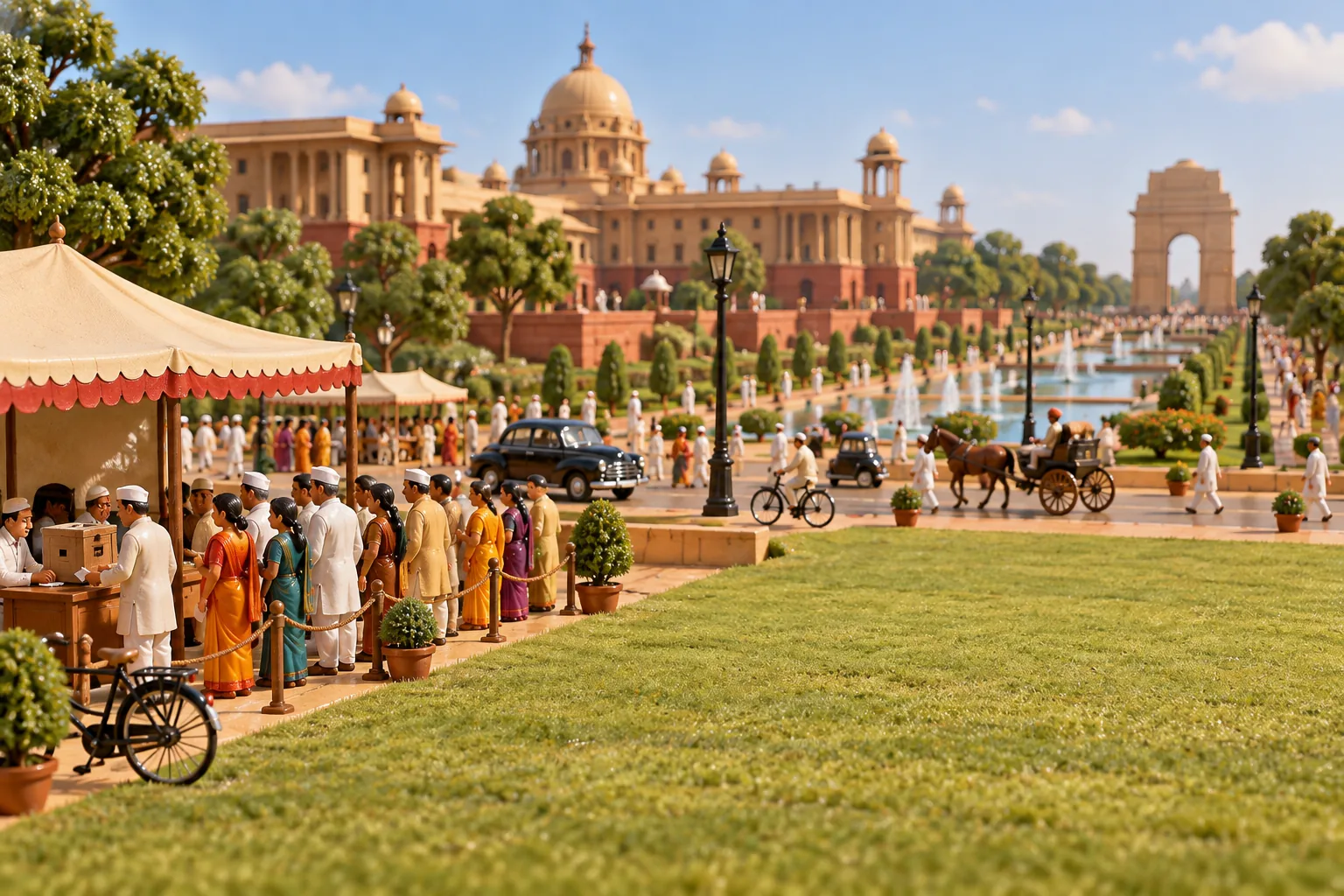 1947–2013 · New DelhiIndiaThe world's largest democracy held its first general election in 1951 with 173 million voters, most unable to read.
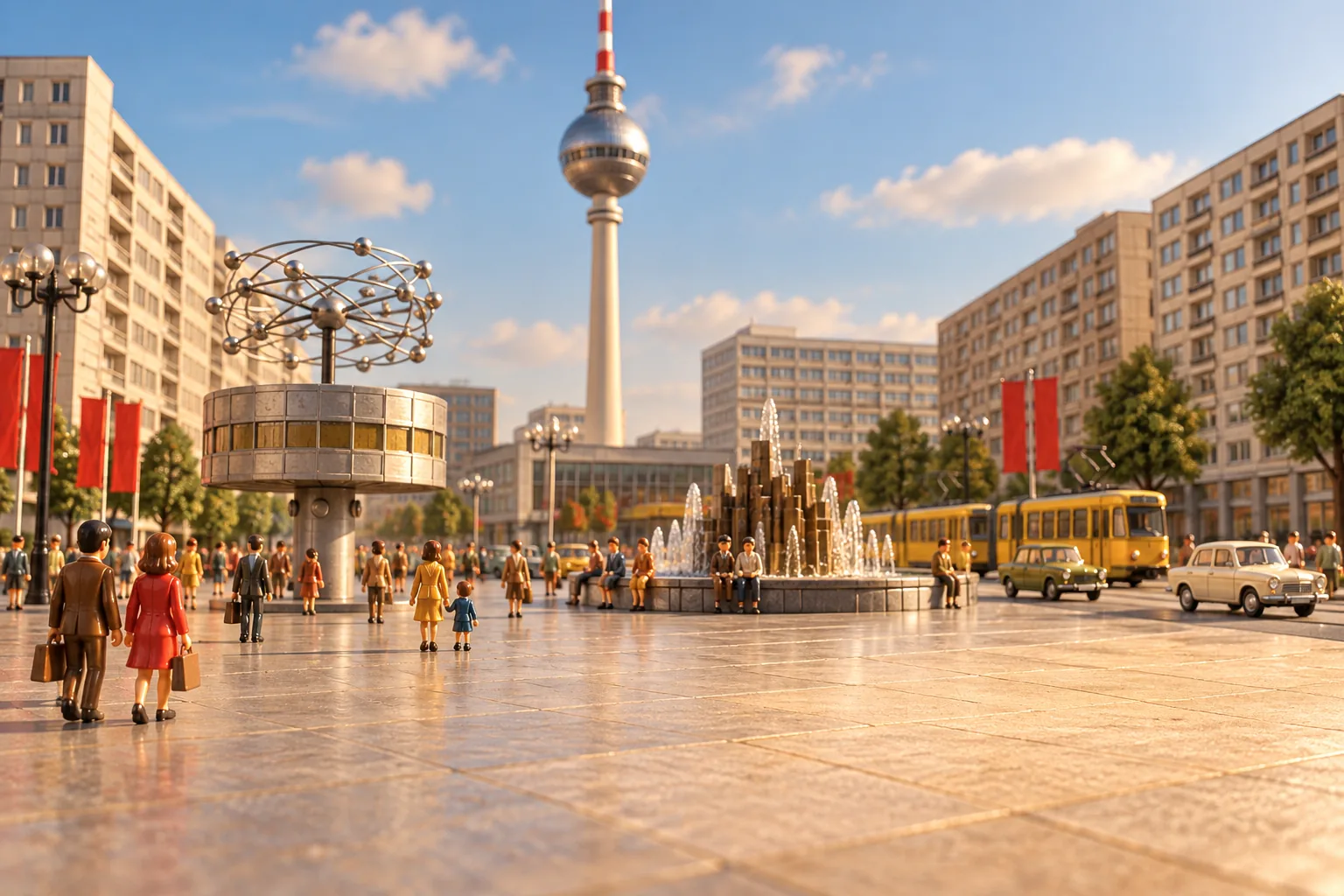 1949–1990 · East BerlinEast GermanyIts rulers built a wall through Berlin in 1961 to stop their own people leaving, and 28 years later crowds simply walked through it.
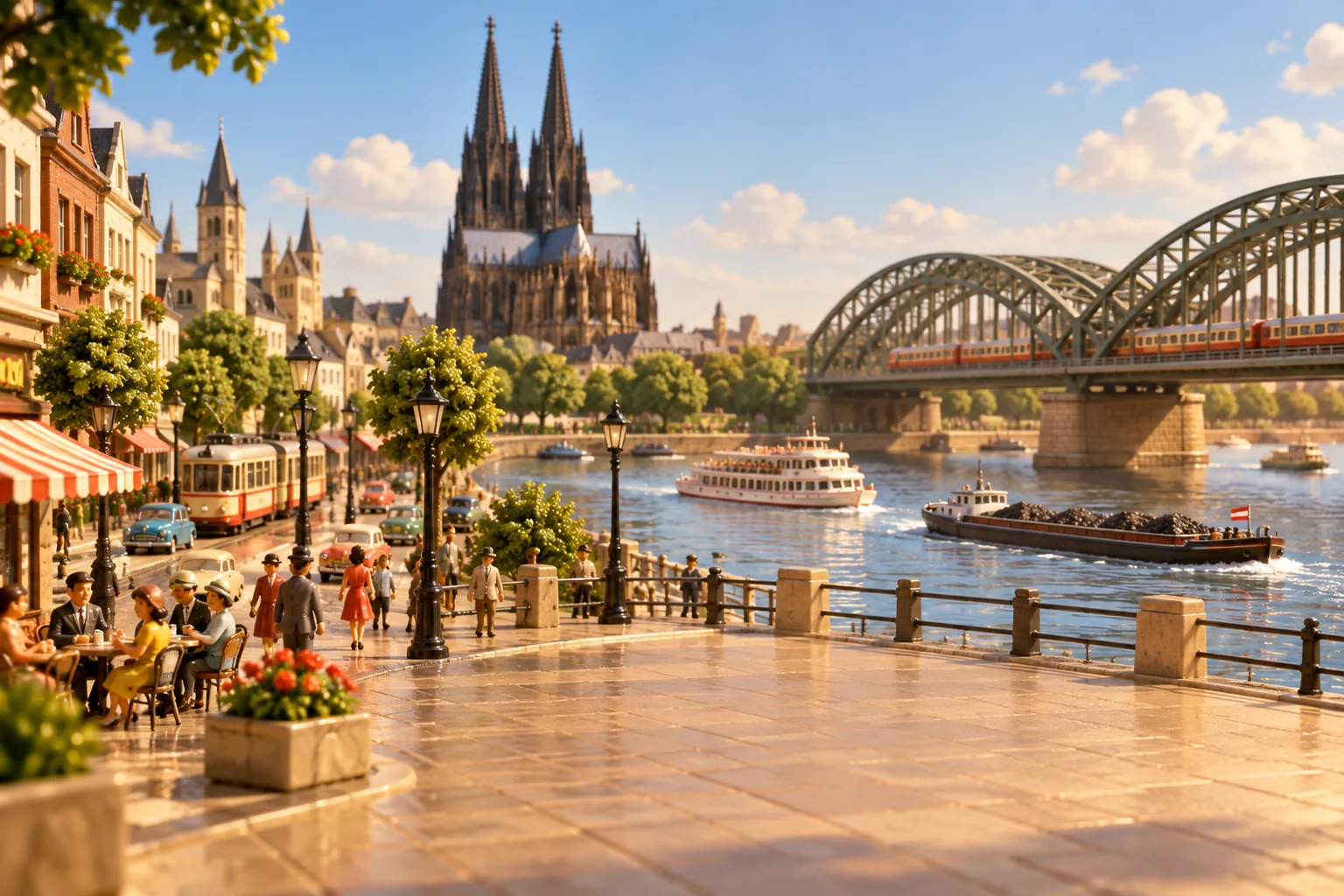 1949–1990 · BonnWest GermanyRebuilt from the rubble of the Second World War, it turned a new currency and Marshall Plan aid into an economic miracle and became one of the strongest economies on earth.
 1951–1969 · Tripoli, LibyaKingdom of LibyaIt began as a poor desert kingdom of three regions, then in June 1959 prospectors confirmed huge oil deposits in Cyrenaica.
 1955–1975 · SaigonSouth VietnamBacked by the United States through a long war, South Vietnam lasted twenty years and ended when Saigon surrendered on 30 April 1975.
 1958–1971 · Cairo, EgyptUnited Arab RepublicEgypt and Syria merged under Nasser in 1958, but Syria walked out after three years and Egypt kept the name until 1971.
 1965–1979 · Salisbury (Harare)RhodesiaIan Smith's white minority government declared independence from Britain in 1965, and no country in the world formally recognized it.
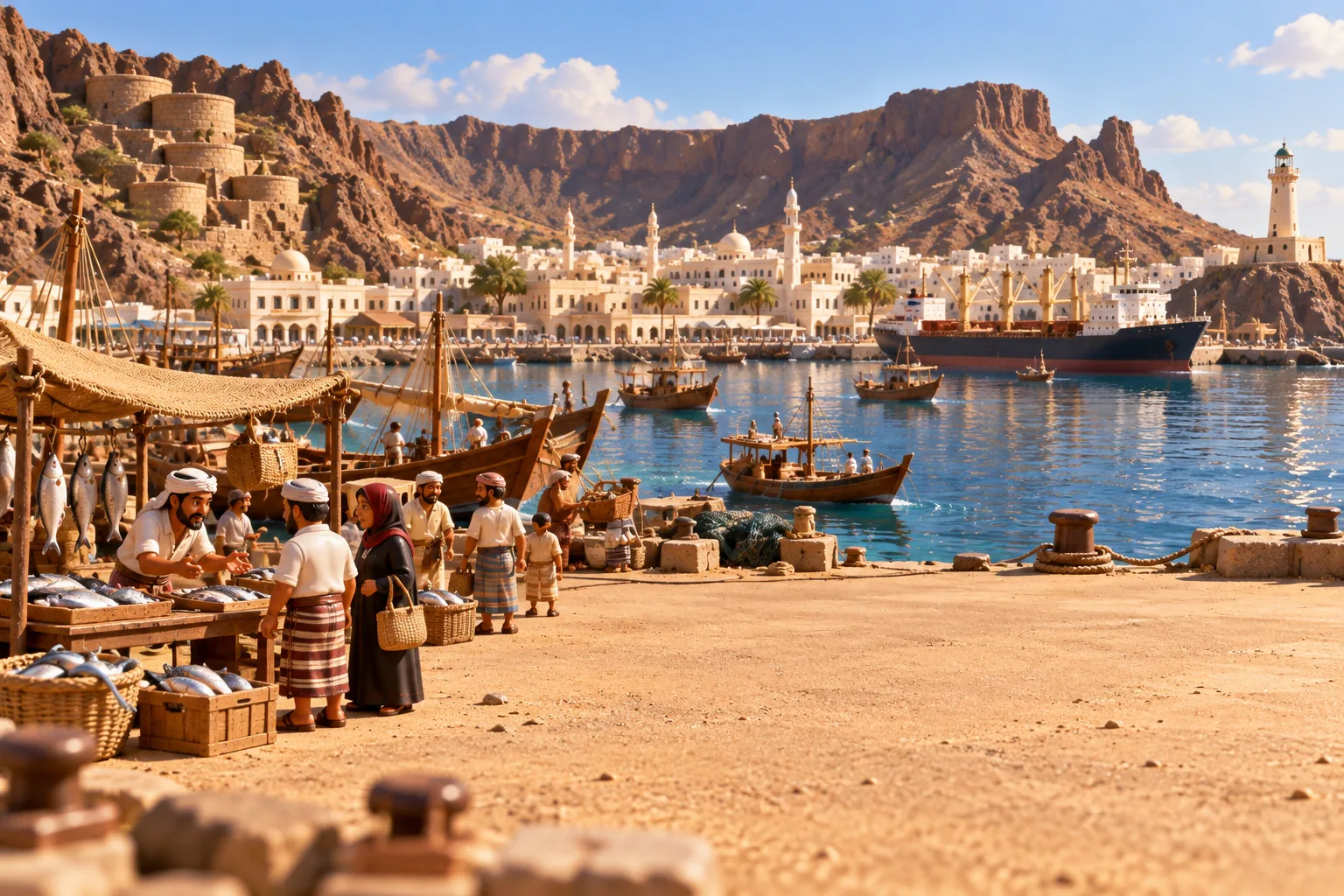 30 November 1967 – 22 May 1990 · AdenSouth YemenThe Arab world's only Marxist state, it was born when Britain left Aden in 1967 and merged with North Yemen in 1990.
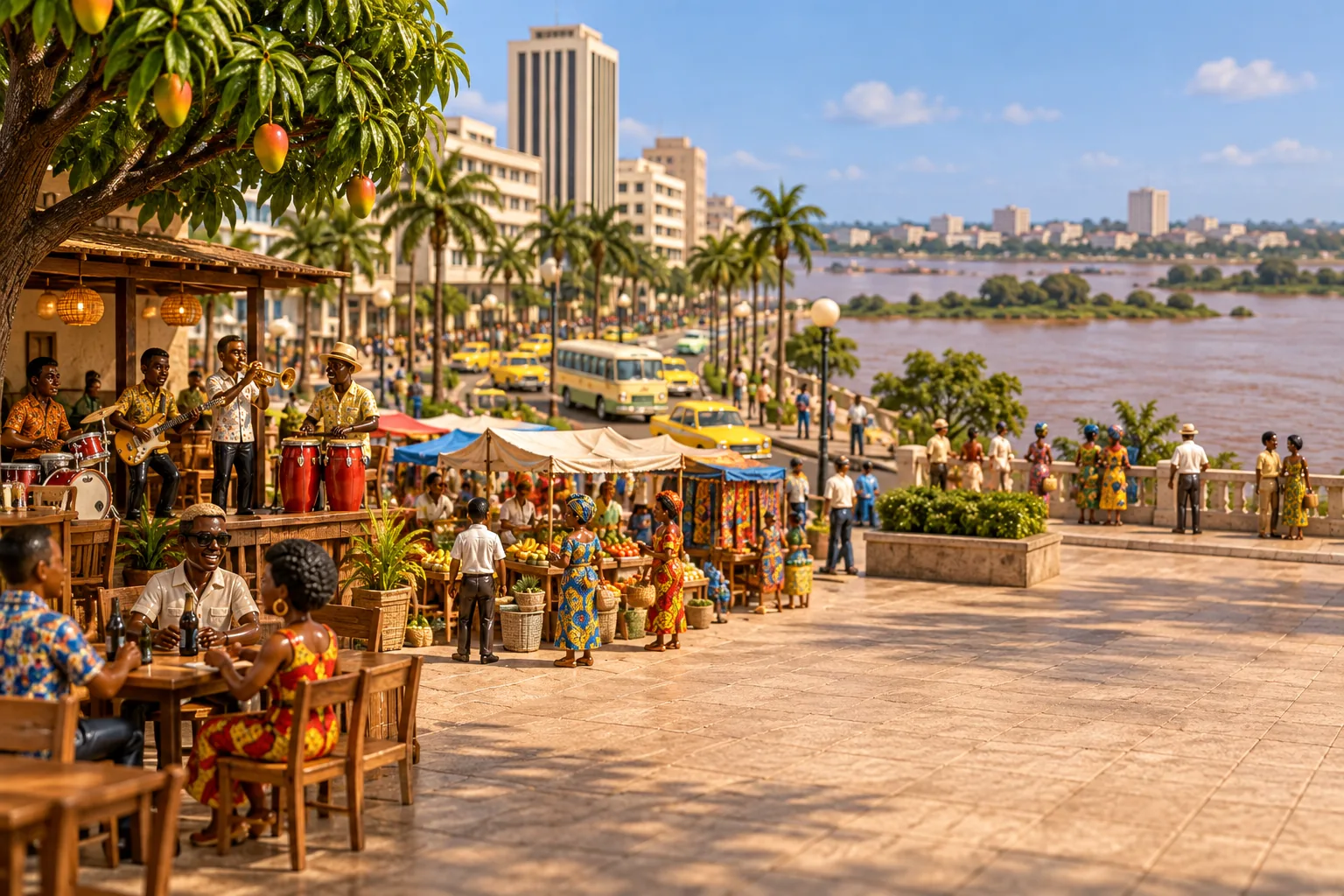 1971–1997 · KinshasaZaireMobutu renamed the country and its great river Zaire, made every citizen a party member at birth and told people to drop their Christian names.