Ancient world · state
Middle Kingdom of Egypt
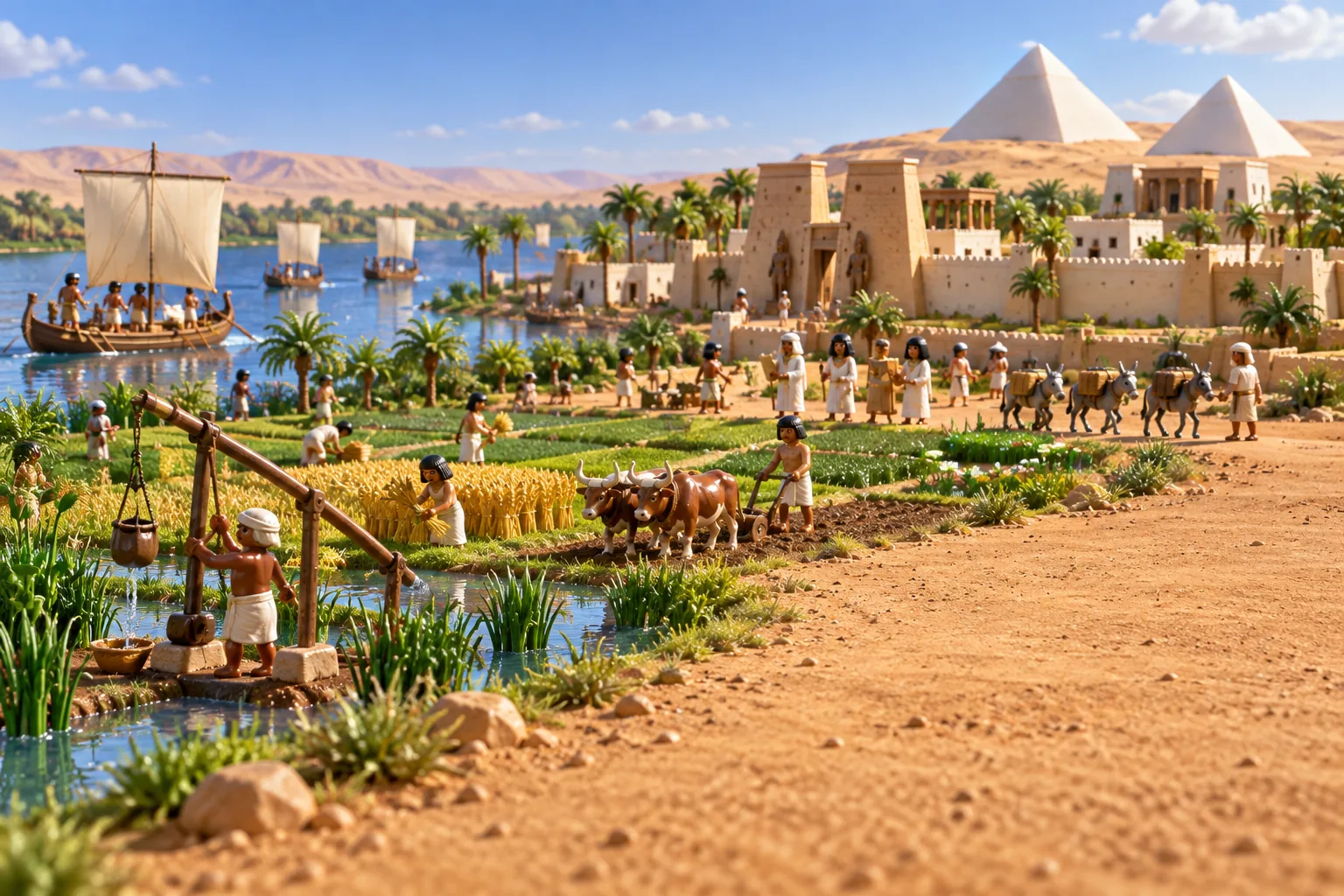
Pharaohs of the Middle Kingdom reunited Egypt after a century of civil war, and its writers produced stories that Egyptians copied as classics for centuries.
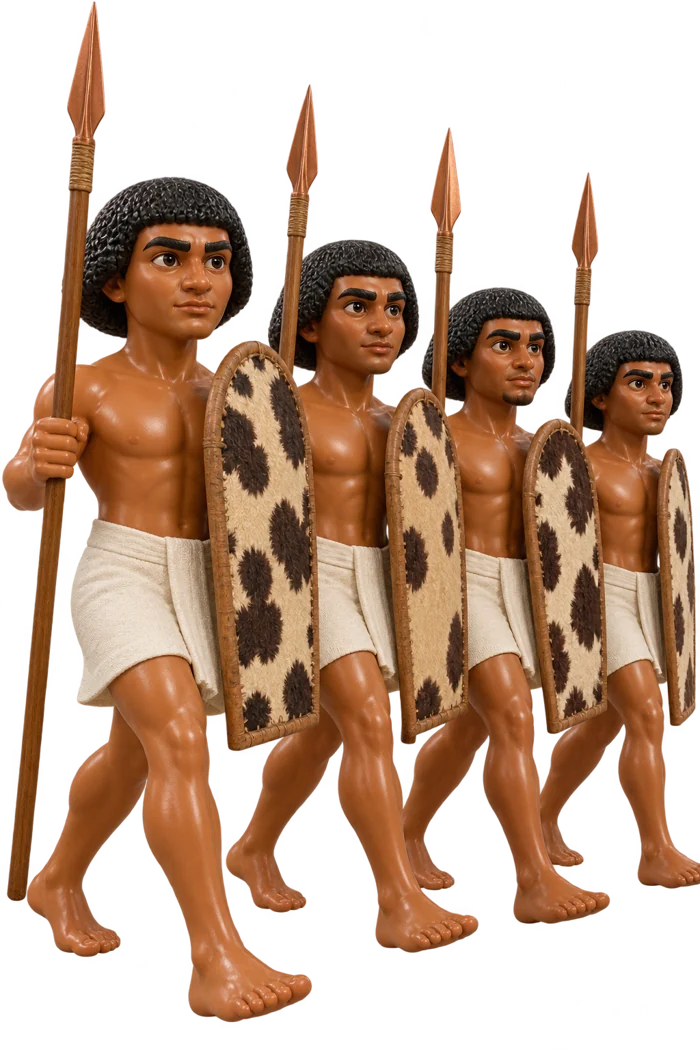
After the Old Kingdom collapsed, Egypt split between rival kings at Herakleopolis in the north and Thebes in the south. Mentuhotep II took the Theban throne in 2055 BC and in his fourteenth year marched north, toppled the Herakleopolitan dynasty and reunited the country. He fought in Nubia and restored Egyptian control over Sinai.
Amenemhat I, founder of the Twelfth Dynasty, built a new capital in the north, Itjtawy, the Seizer of the Two Lands, probably near today's el-Lisht, and walled off the eastern Delta against raiders. He began the custom of crowning his son as co-ruler. Senusret II turned the Faiyum oasis into farmland, and Senusret III, a warrior king, led brutal campaigns in Nubia and fixed the border at Semna with a chain of massive forts. Under Amenemhat III, who reigned for 45 years, the mines of Sinai were worked all year and Egypt reached the height of its prosperity.
Egyptian literature was first written down in this age, and later Egyptians treated its works, such as the Story of Sinuhe and the Tale of the Shipwrecked Sailor, as classics. After a dry spell of low Nile floods, the dynasty weakened. Sobekneferu, the first woman known for certain to have ruled as pharaoh, reigned for no more than four years, and under the short-lived kings who followed, Egypt slid into the Second Intermediate Period.
Read more on Wikipedia
Sources: en.wikipedia.org/wiki/Middle Kingdom of Egypt, en.wikipedia.org/wiki/Itjtawy, en.wikipedia.org/wiki/William the Hippo, en.wikipedia.org/wiki/Mesehti

