Antiquity · state
Kingdom of Iberia
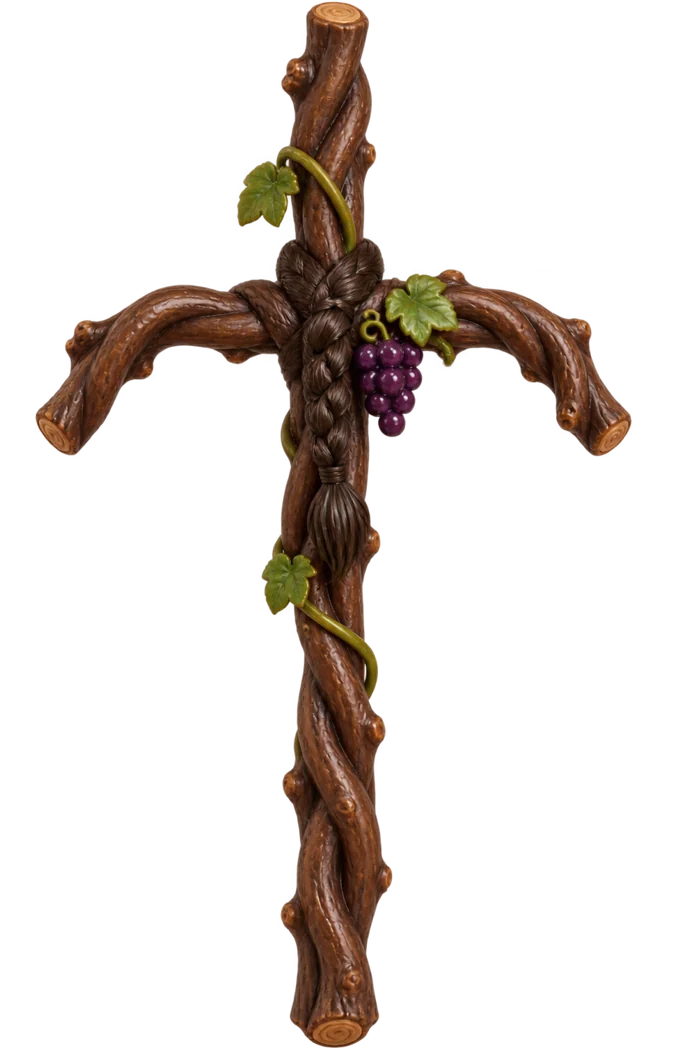
A woman preacher from Cappadocia, carrying a cross of vine stems tied with her own hair, is remembered for turning this kingdom Christian in the 4th century.
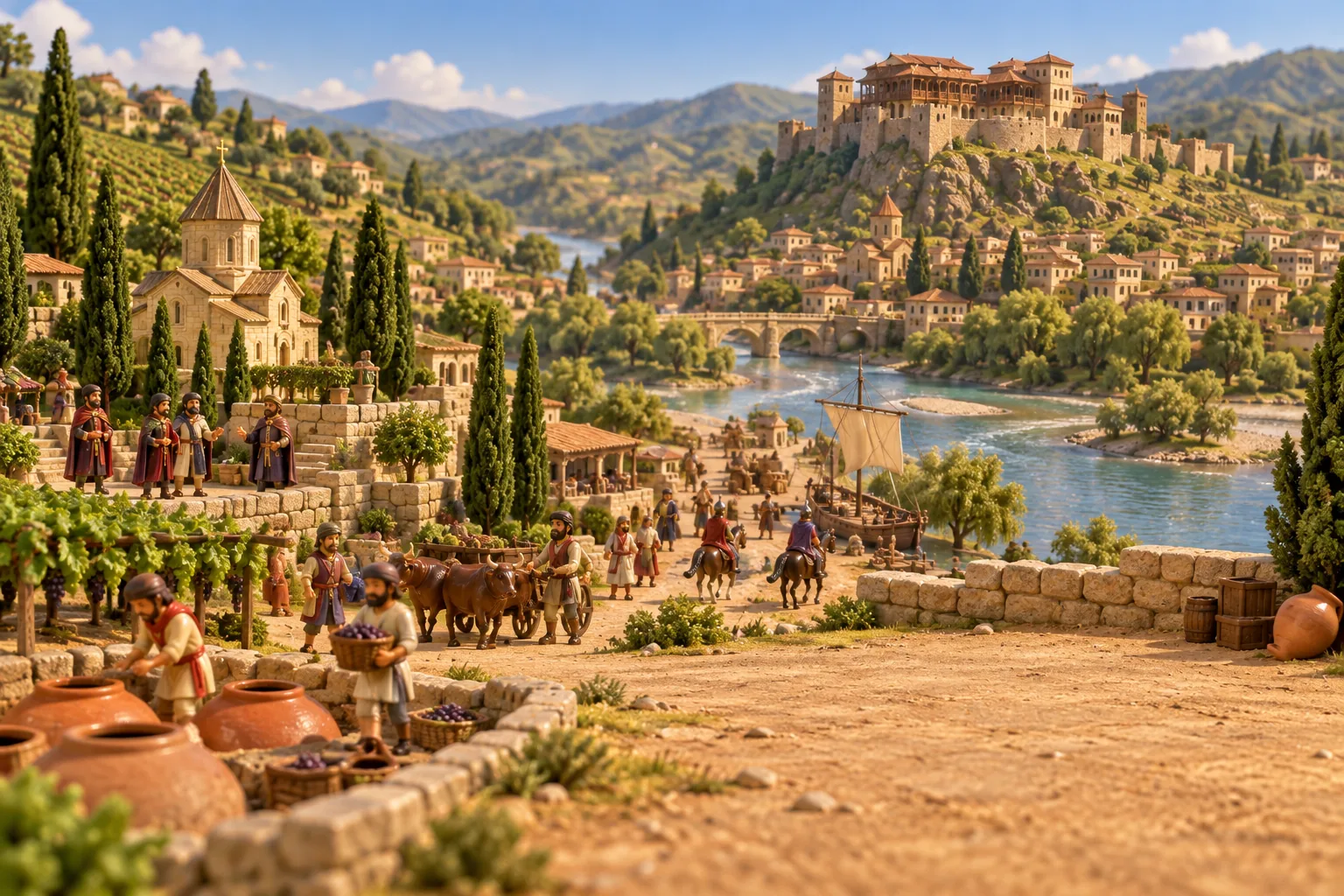
Greeks and Romans called the kingdom of Kartli, in today's eastern Georgia, Iberia. Its people, the Iberians, became the core of the Georgian nation. Georgian chronicles make Pharnavaz its first king, around 300 BC; he is credited with the citadel of Armaztsikhe above Mtskheta, a temple to the god Armazi and a division of the land into counties. Later the crown passed to an Armenian prince, and in 65 BC the Roman general Pompey marched in during his war against Mithridates of Pontus.
Iberia lived between Rome and Persia. An inscription found at Mtskheta calls Mithridates I, who ruled from 58 to 106, the friend of the Caesars, and Emperor Vespasian fortified a site near the capital for the Iberian kings in 75. King Pharasmanes II visited Rome under Antoninus Pius, where a statue was raised in his honour. Rich burials at Armazi and Bori held silver cups, and officials wrote in an Aramaic-based script.
Around 319 King Mirian III and his nobles adopted Christianity, which tradition links to the Cappadocian missionary Saint Nino. Vakhtang I Gorgasali, from 447 to 502, revived the kingdom and made Tbilisi his capital. In 580 the Persian king Hormizd IV abolished the monarchy and Iberia became a Persian province.
Read more on Wikipedia
Sources: en.wikipedia.org/wiki/Kingdom of Iberia, en.wikipedia.org/wiki/Saint Nino