Industrial age · state
British Empire
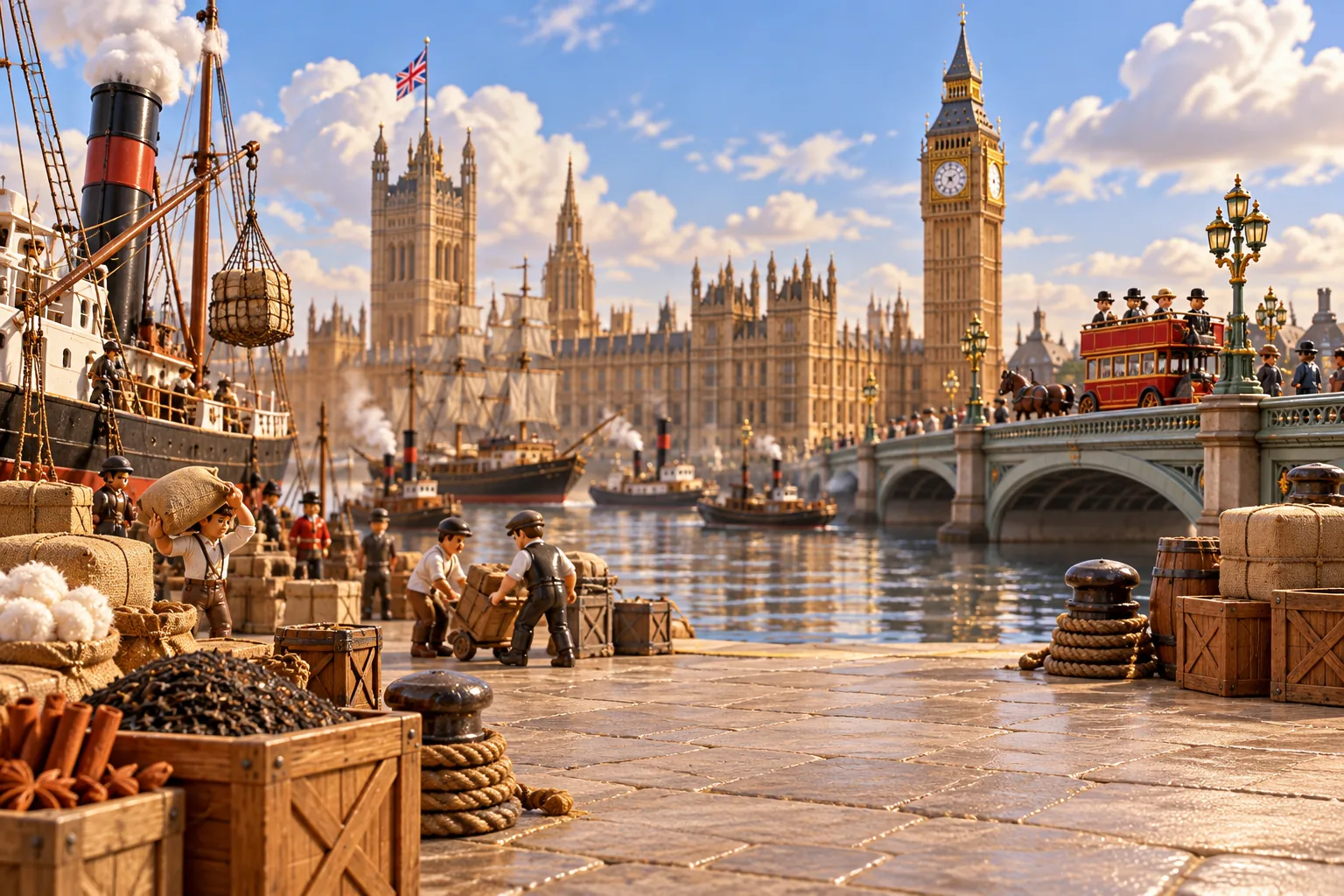
An island off the coast of Europe came to rule about a quarter of the world's land, so that somewhere in the empire the sun was always up.
The empire began with merchants and settlers. The East India Company got its charter in 1600, and in 1607 English colonists founded Jamestown in Virginia. Sugar islands in the Caribbean grew rich on the labour of enslaved Africans; British ships carried more than three million people across the Atlantic. Britain banned the slave trade in 1807 and slavery in most of its colonies from 1834.
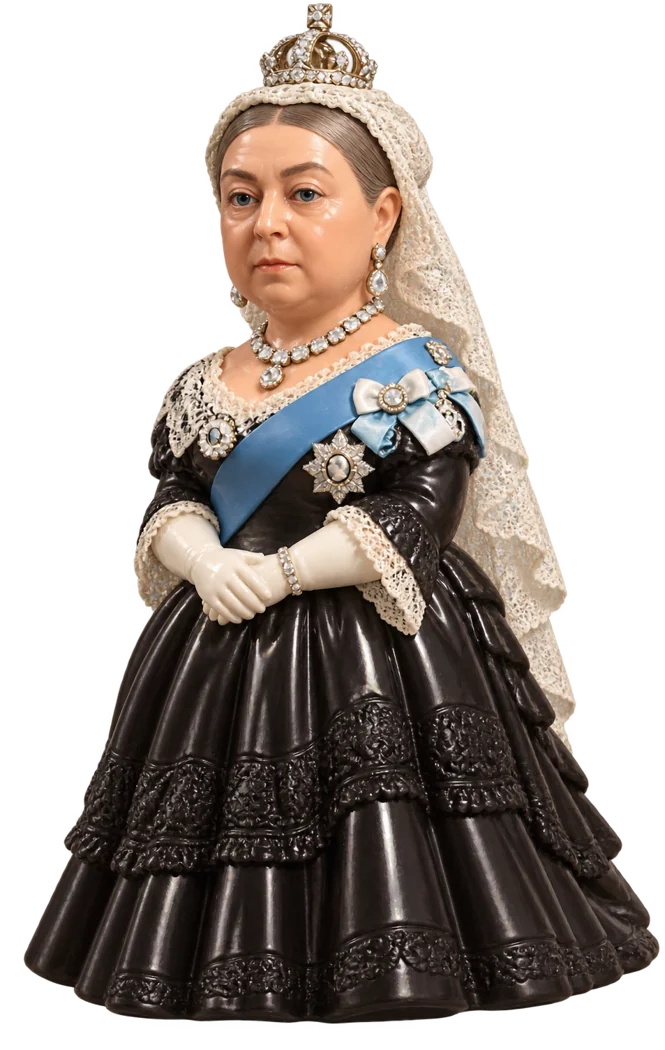
Losing the thirteen American colonies in 1783 did not stop the growth. After the battle of Plassey in 1757 the East India Company took Bengal and then most of India; after the rebellion of 1857 the Crown ruled India directly, and in 1876 Queen Victoria became Empress of India. Britain took Australia, New Zealand, much of Africa and ports from Gibraltar to Hong Kong, guarded by the largest navy in the world.
By about 1920 the empire covered roughly a quarter of the world's land and ruled about a quarter of its people. Two world wars drained it. India and Pakistan became independent in 1947, most African and Caribbean colonies in the 1950s and 1960s, and in 1997 Britain handed Hong Kong back to China. Many former colonies stayed together in the Commonwealth.
Read more on Wikipedia
Sources: en.wikipedia.org/wiki/British Empire, en.wikipedia.org/wiki/Robert Fortune, en.wikipedia.org/wiki/Empress of India


