Our time · state
Brazil
The last country in the Americas to abolish slavery, it built a new capital from scratch in its interior in 1960.
Brazil was an empire under Pedro II when slavery was finally abolished in May 1888, decades after the slave trade itself had been outlawed in 1850. On 15 November 1889 army officers overthrew the monarchy and proclaimed a republic. An armed revolution in 1930 ended this First Republic and brought Getúlio Vargas to power, and his self-coup of 1937 created the authoritarian Estado Novo.
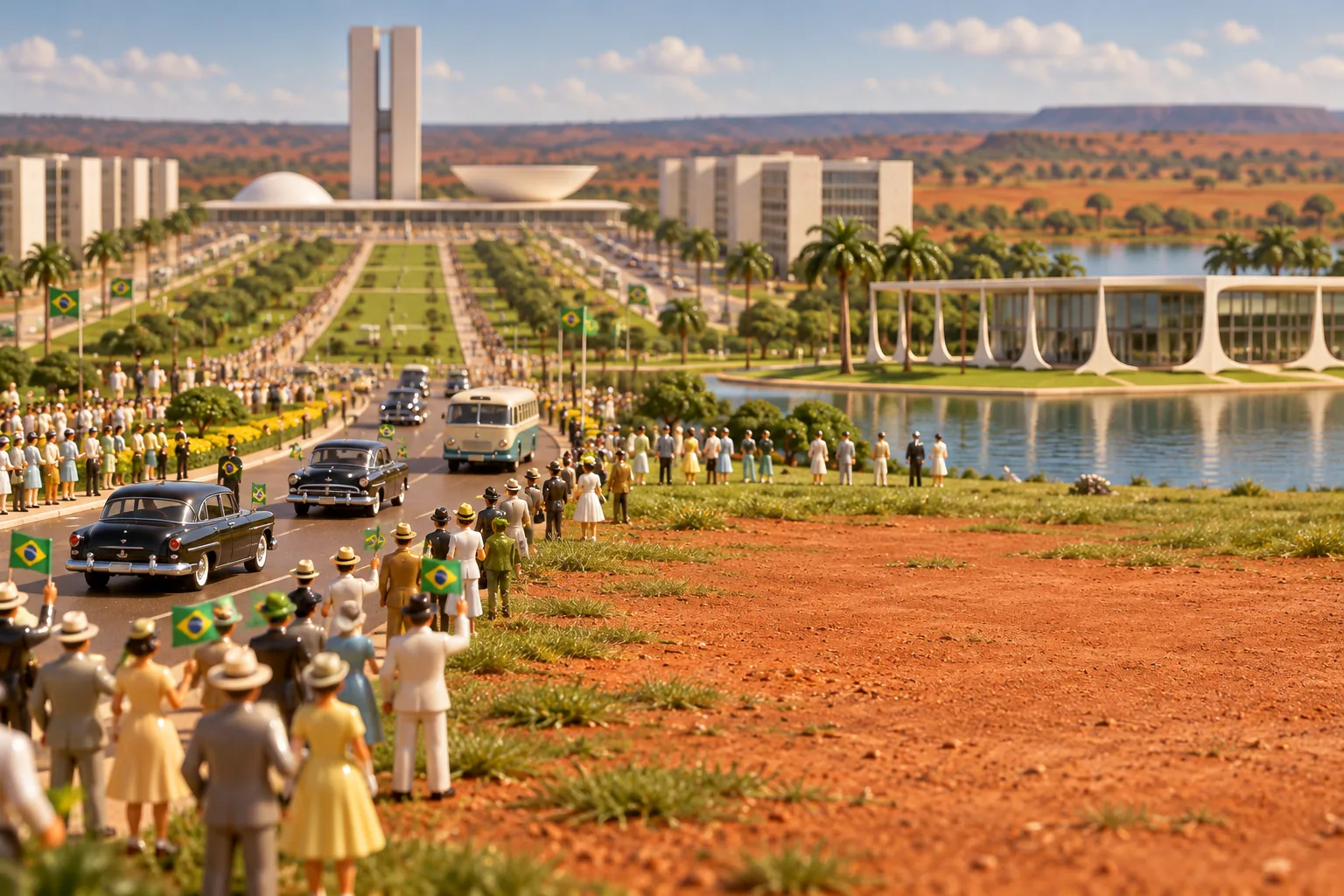
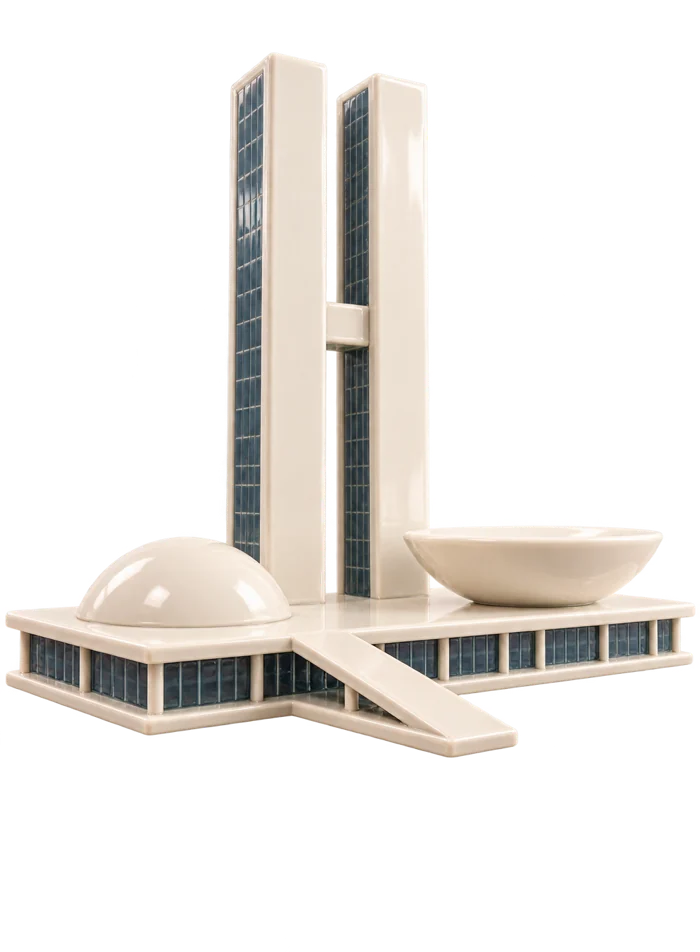
Brazil stayed neutral in the Second World War until August 1942, then joined the Allies, fought in the Battle of the Atlantic and sent an expeditionary force to Italy. Vargas was overthrown in 1945, returned by election in 1950 and killed himself in August 1954 amid a political crisis. Juscelino Kubitschek, president from 1956, pushed industry forward, and his greatest work was a brand-new capital in the empty interior: Brasília, inaugurated in 1960, with modernist buildings by Oscar Niemeyer.
In 1964 the military seized power with support from the United States and ruled until 1985. A new constitution came in 1988. Fernando Collor was impeached in 1992, and in 1994 Fernando Henrique Cardoso's Plano Real finally tamed hyperinflation. The peaceful handover from Cardoso to his opponent Luiz Inácio Lula da Silva, elected in 2002, was seen as proof that Brazilian democracy had settled.
Read more on Wikipedia
Sources: en.wikipedia.org/wiki/Brazil, en.wikipedia.org/wiki/Brasília