Middle Ages · state
Seljuk Empire
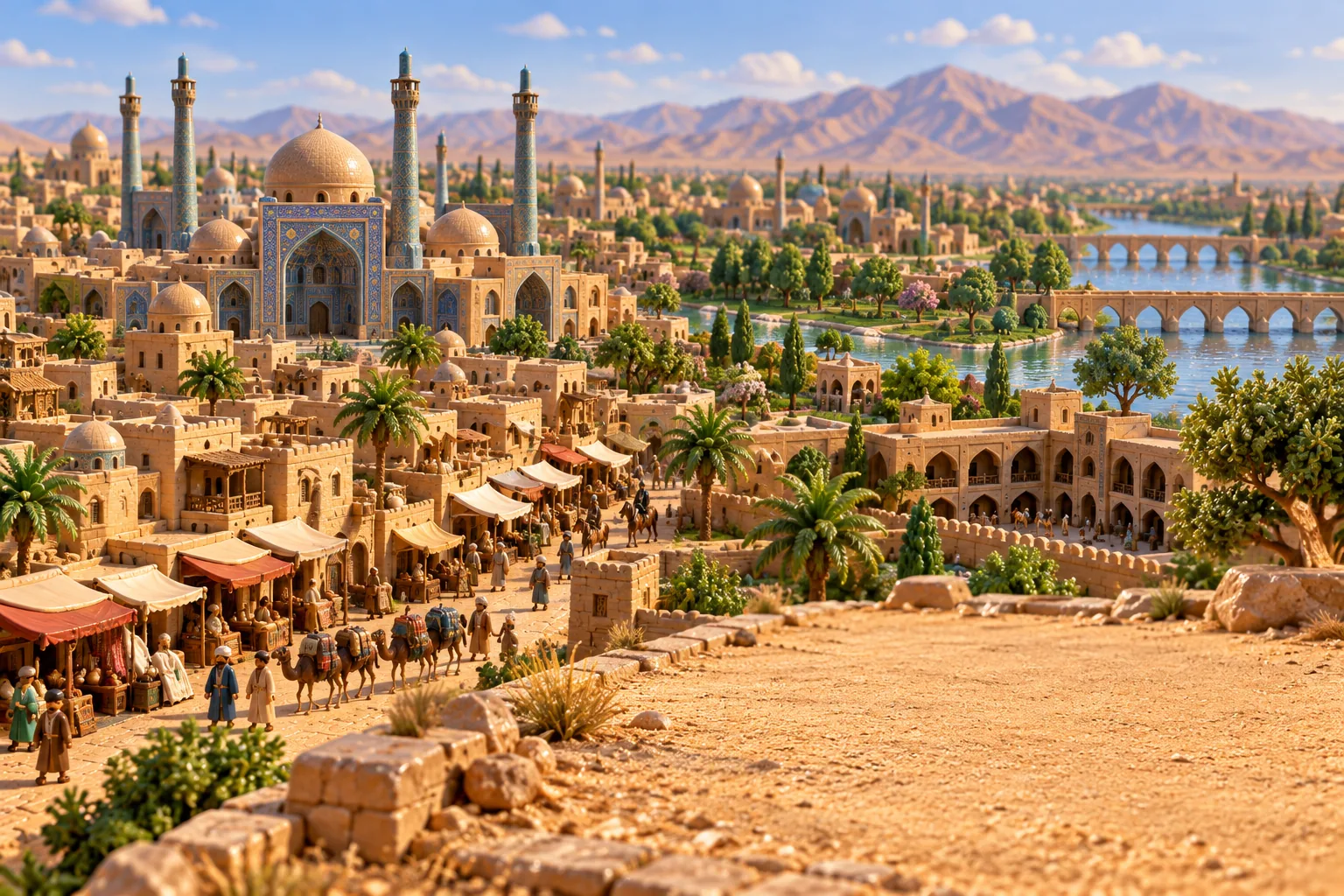
Nomad horsemen from the Aral Sea became sultans in Baghdad, and one battle in 1071 opened Anatolia to the Turks.
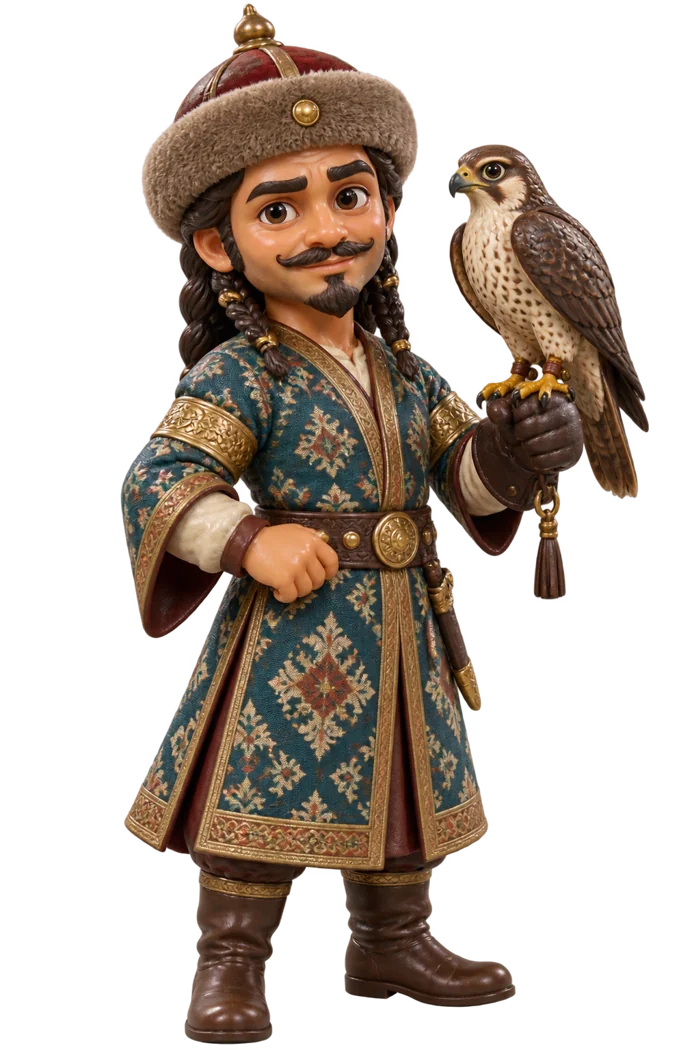
The Seljuks were a clan of Oghuz Turks named after their founder, the warlord Seljuk. In 1037 the brothers Tughril and Chaghri set up their rule in Khorasan, and in 1040 they crushed the Ghaznavid ruler Mas'ud I at Dandanaqan. In 1055 Tughril entered Baghdad, ended the Buyids' grip on the caliph and became the first Seljuk to call himself Sultan and Protector of the Abbasid Caliphate.
Chaghri's son Alp Arslan added Armenia and Georgia in 1064, and his victory over Byzantium at Manzikert in 1071 opened Anatolia to Turkish settlement. Under his successor Malik-Shah I, who moved the capital from Ray to Isfahan, and the Persian vizier Nizam al-Mulk, the empire reached from Byzantium to the borders of China. Nizam al-Mulk founded the Nizamiyya college of Baghdad, and the astronomer Omar Khayyam and the philosopher al-Ghazali worked in this golden age. The Assassins of Hasan-i Sabbah murdered many leading officials, according to many sources Nizam al-Mulk himself.
Malik-Shah's sons fought over the throne, and the First Crusade took Nicaea and Antioch. Ahmad Sanjar was crushed by the Kara-Khitans at Qatwan on 9 September 1141, and in 1153 his own Oghuz tribesmen defeated and captured him. By 1194 the Khwarazmians had replaced the Seljuks in the east.
Read more on Wikipedia
Sources: en.wikipedia.org/wiki/Seljuk Empire


