Middle Ages · state
Kingdom of Aksum
Aksum minted its own gold coins, carved granite tomb towers meant to stand 33 metres tall, and made Christianity its state religion in the 4th century.
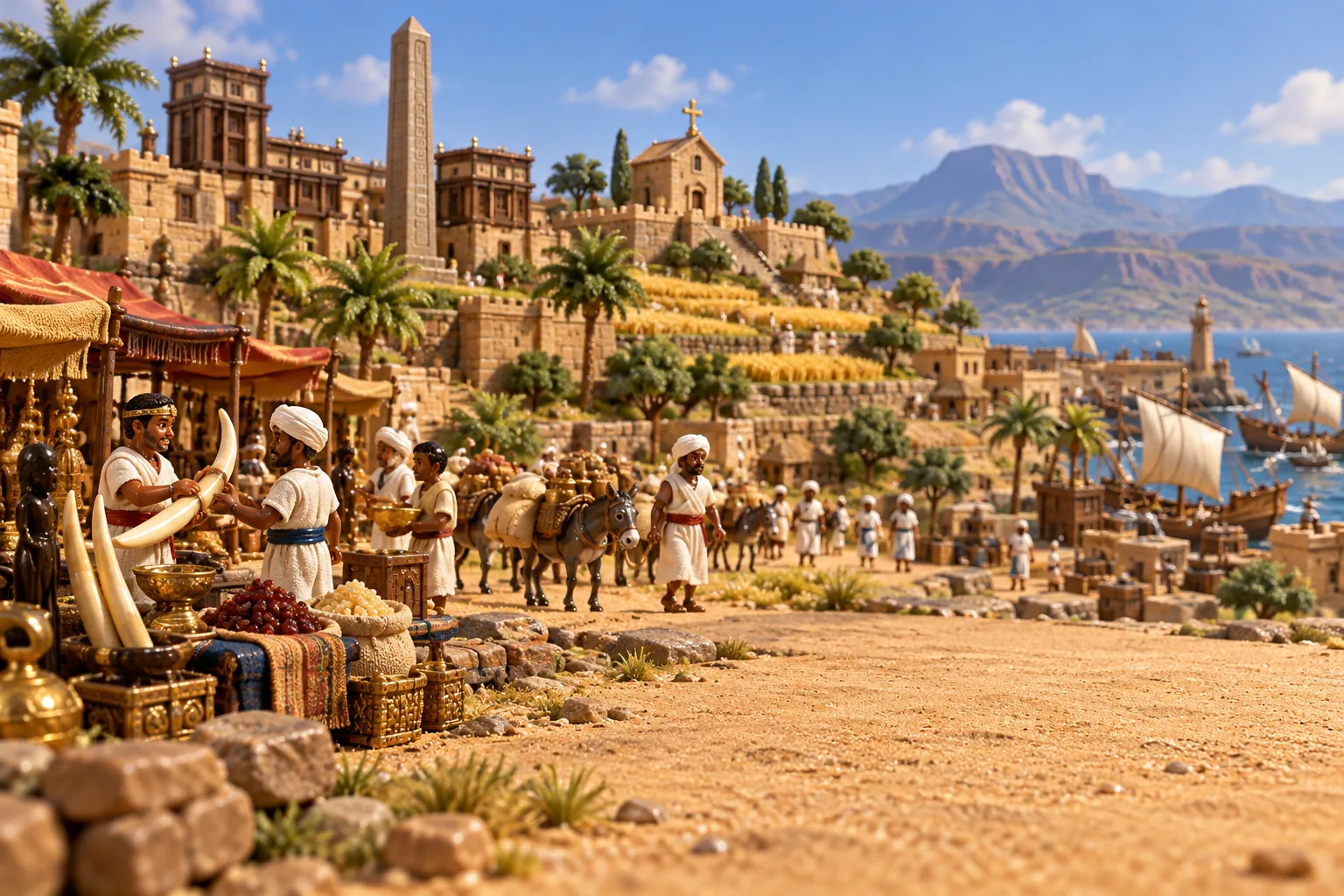
Archaeology suggests that a state arose around the town of Axum, in the highlands of today's Tigray and Eritrea, between 150 BC and AD 150. The Periplus of the Erythraean Sea, a Greek trading guide from the 1st century AD, already describes ivory and tortoiseshell leaving its Red Sea port of Adulis, where the trade route between Rome and India passed.
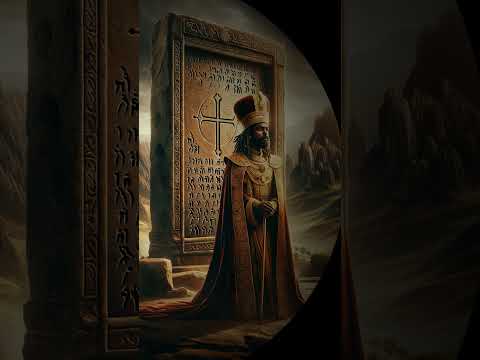
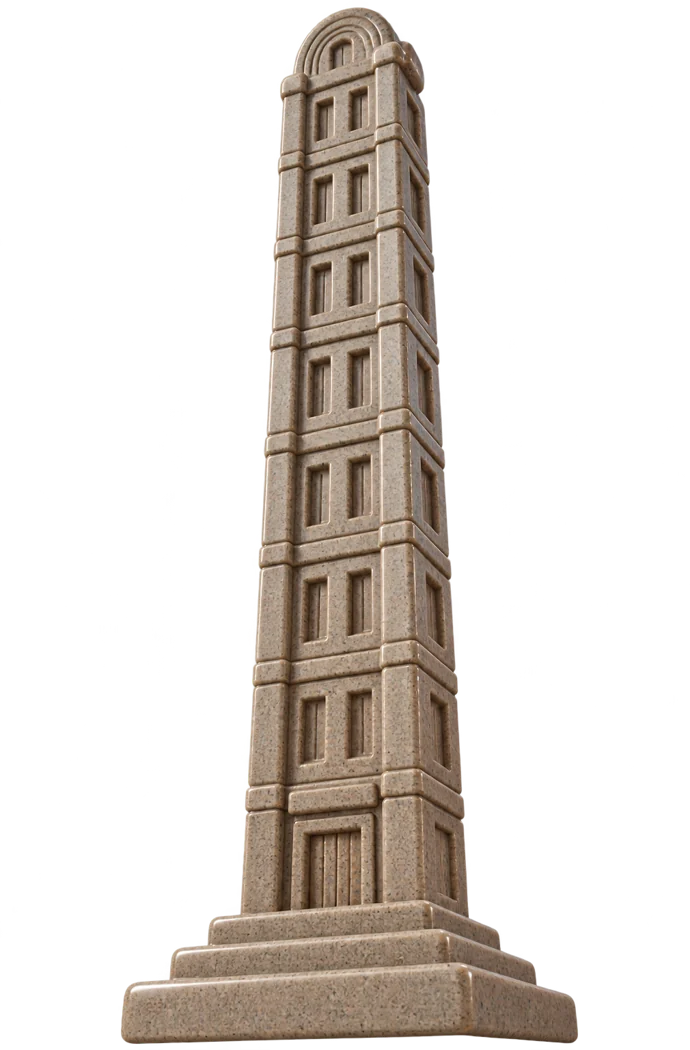
From the reign of Endybis around 270, Aksum struck coins in gold, silver and bronze, among the first in Africa. Kings marked their tombs with granite stelae carved like many-storeyed palaces, with false doors and windows; the Great Stele would have stood 33 metres had it not broken. King Ezana, taught by Frumentius, made Christianity the state religion, and around 340 his coins swapped pagan symbols for the cross. Around 520 King Kaleb crossed the Red Sea, overthrew the Himyarite king Dhu Nuwas in Yemen and brought Aksum to its largest size.
Persian armies drove Aksum out of Yemen in the 570s. The rise of Islam cut its trade with the Byzantine world, coin minting stopped in the early 8th century, and Beja nomads overran the routes to the coast. The capital moved south to Kubar, a city whose site is now unknown. Local tradition says a queen called Gudit sacked Axum around 960, and the Zagwe dynasty later took over, most likely around 1137.
Read more on Wikipedia
Sources: en.wikipedia.org/wiki/Kingdom of Aksum, en.wikipedia.org/wiki/Obelisk of Aksum