Middle Ages · state
Sasanian Empire
For four centuries the kings of kings at Ctesiphon stood up to Rome, and one of them kept a captured Roman emperor as his prisoner for life.
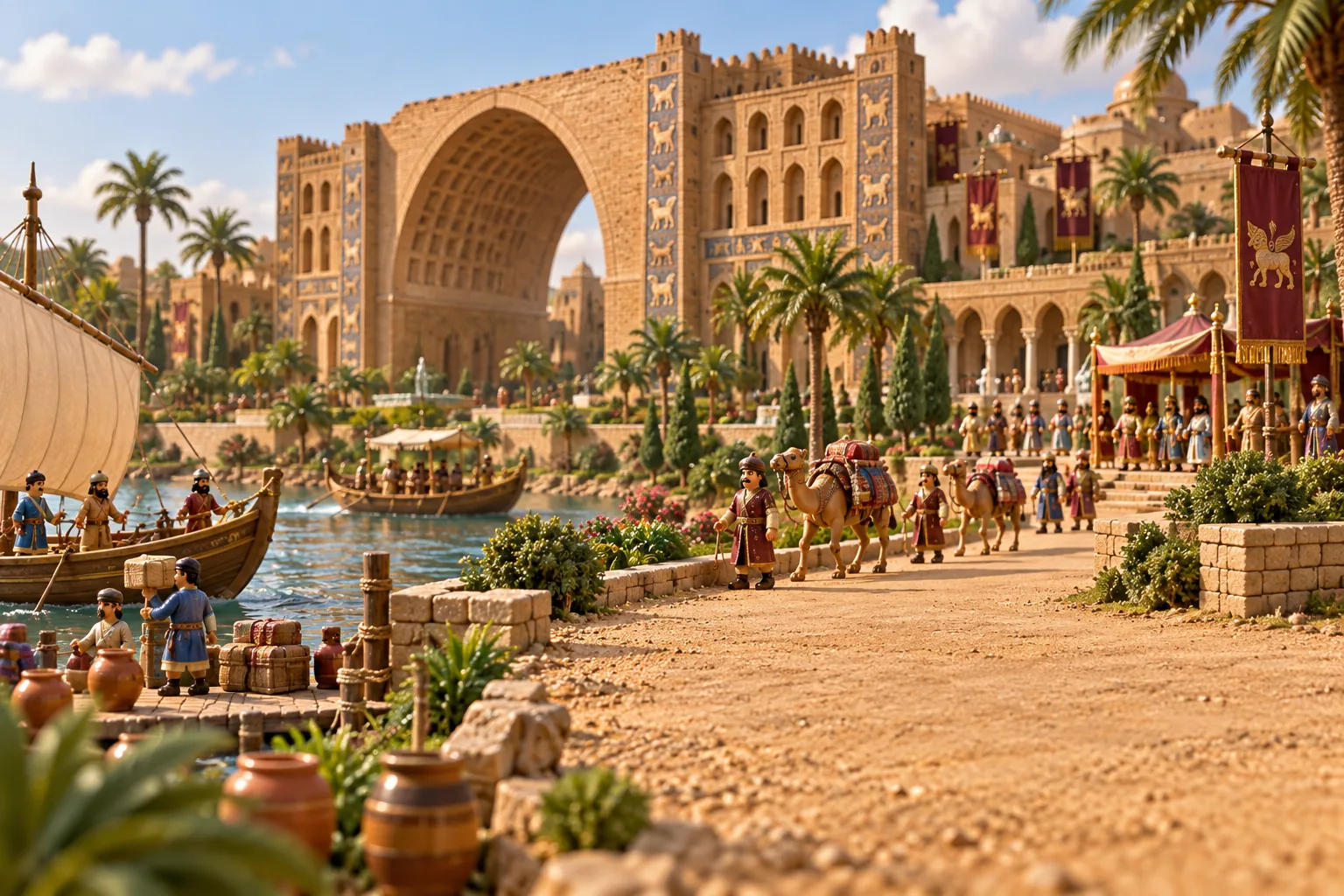
The empire called itself Eranshahr, the Empire of the Iranians. Its founder Ardashir I defeated Artabanus IV, the last Parthian king, at the Battle of Hormozdgan in 224 and set out to restore the glory of the old Achaemenid Persians. Ctesiphon on the Tigris was the capital for all but the first two years, and Zoroastrianism became the faith that bound the state together.
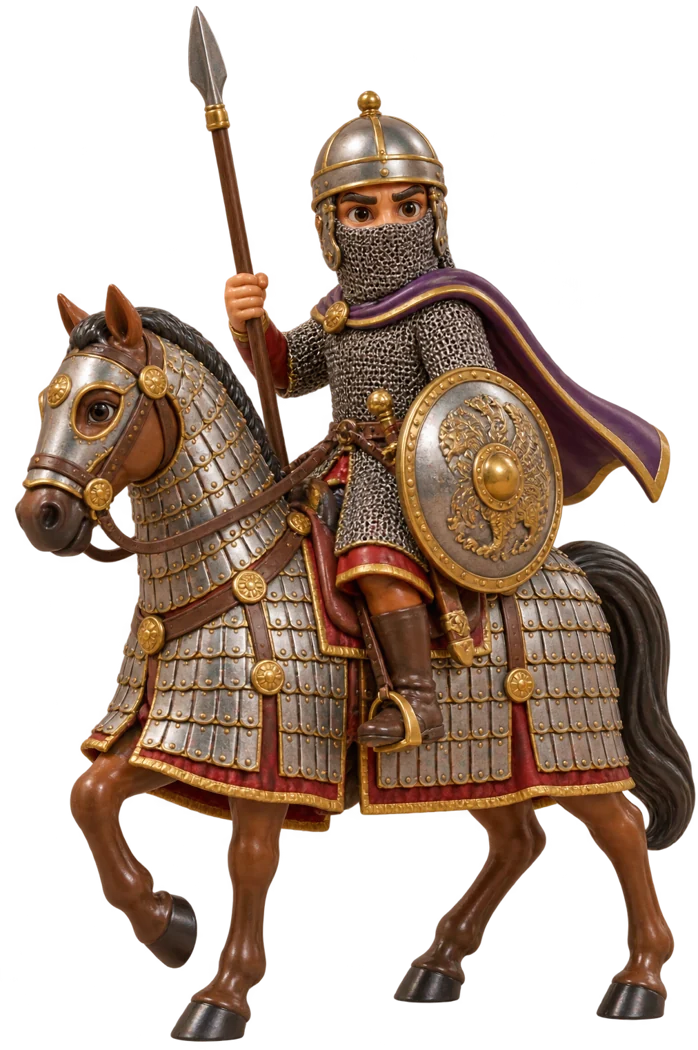
His successor Shapur I defeated a Roman army at Edessa and captured the emperor Valerian, who stayed his prisoner for the rest of his life. Khosrow I, famous for his reforms, built a paid force of mounted knights, and in 532 the emperor Justinian paid him 440,000 pieces of gold for an eternal peace. Under Khosrow II the empire reached its greatest size: his generals took Jerusalem in 614, Alexandria in 619 and the rest of Egypt by 621.
Then the Byzantine emperor Heraclius struck back, defeating a Persian army near Nineveh in 627. In 628 Kavad II overthrew Khosrow II, and plague and civil war followed. The Arab armies of the Rashidun Caliphate won at al-Qadisiyyah in 636 and Nahavand in 641, and in 651 the last king, Yazdegerd III, was killed by a local miller for his purse at Merv.
Read more on Wikipedia


