Middle Ages · state
Mali Empire
A West African king gave away so much gold on his way to Mecca that its price in Egypt fell for twelve years.
Mali began as a small Mandinka kingdom on the upper Niger as the old Ghana Empire declined. Around 1235 the warrior-prince Sundiata Keita freed the region from Soumaoro Kanté, king of the Sosso, and the assembly at Kouroukan Fouga, with 29 clan delegates, gave the new empire its laws. After Sundiata died around 1255 the rulers took the title mansa, and in 1285 a former slave of the royal family, the general Sakura, seized power and enlarged the realm.
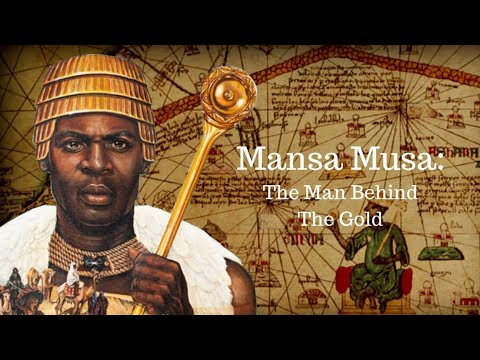
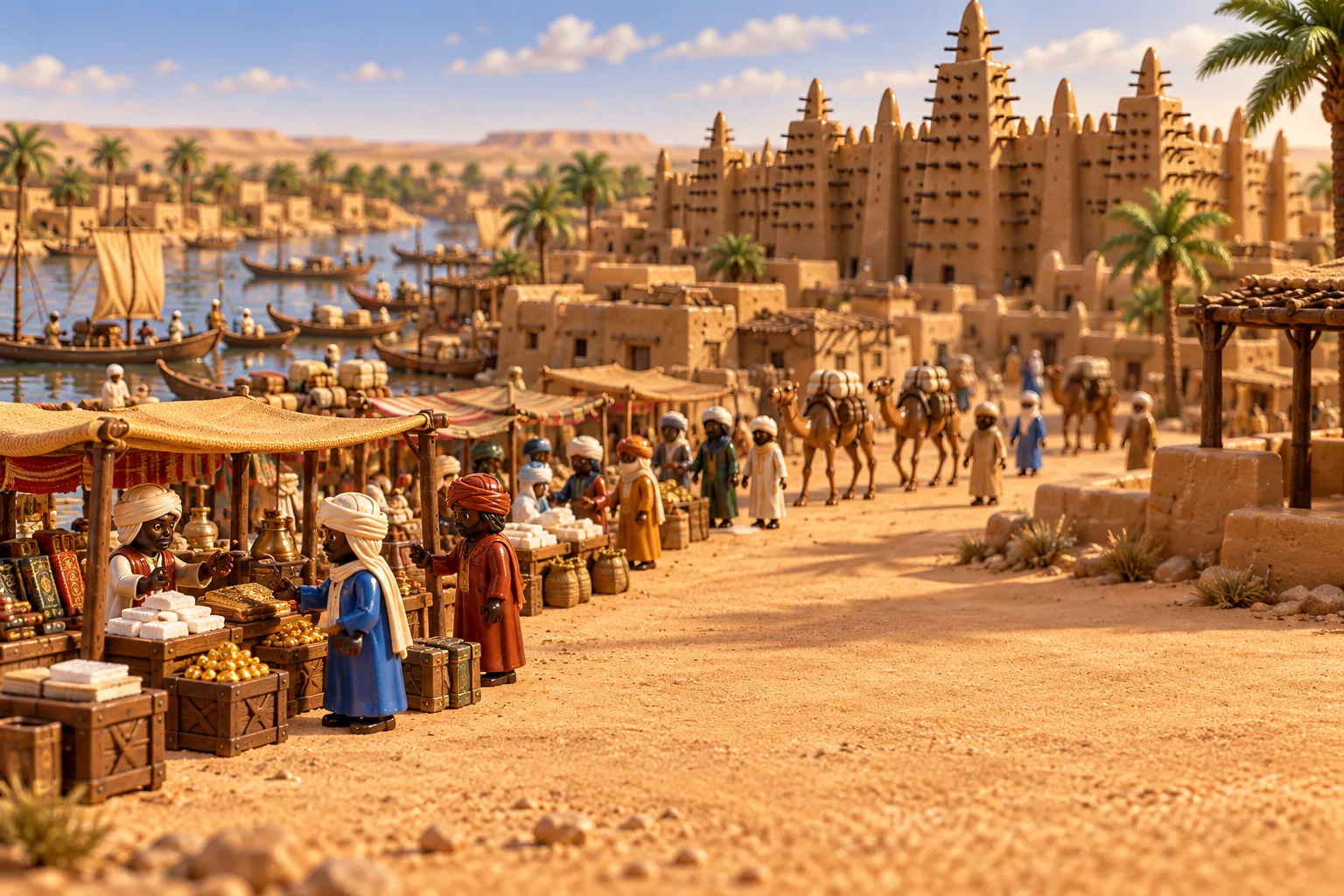
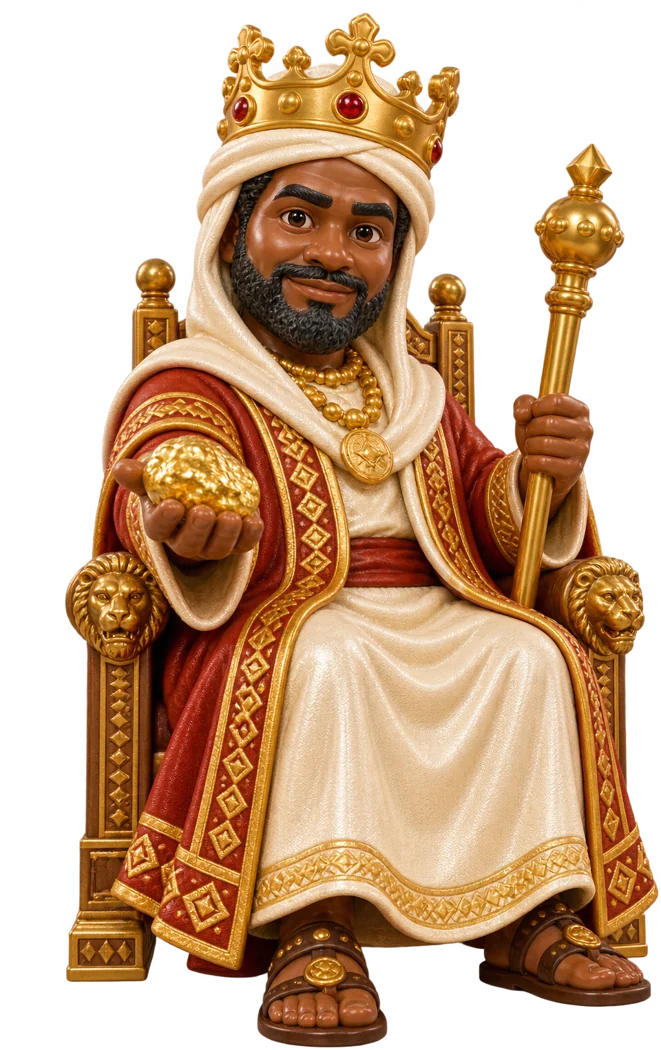
Mansa Musa, who took the throne around 1312, ruled Mali's golden age. In 1324 he peacefully annexed Timbuktu and turned Sankore into an Islamic university. On his pilgrimage to Mecca from 1324 to 1326 he gave so many alms and bought so much in Cairo that the gold dinar fell in value. The empire taxed every ounce of gold, copper and salt crossing its borders. Ibn Battuta visited the capital in 1352 under Mansa Suleyman and left the first eyewitness account of a West African kingdom.
Suleyman's death around 1360 began a slow decline. Mali lost Timbuktu in 1433, and from 1507 the Songhai and other neighbours chipped away its lands. A comeback ended in defeat outside Djenné in 1599, and Mahmud IV, the last Keita to rule all Manden, died around 1610.
Read more on Wikipedia
Sources: en.wikipedia.org/wiki/Mali Empire