Middle Ages · state
Buyid dynasty
Three sons of a fisherman from the mountains of Daylam took Baghdad in 945 and kept the caliphs of Islam as their figureheads for a hundred years.
Buya was a fisherman from Lahijan in Daylam, by the Caspian Sea, whose father had been a Zoroastrian. His three sons became soldiers and then conquerors. In 934 Ali took Fars and made Shiraz his capital, Hasan took Ray in 943, and in 945 the youngest, Ahmad, entered Baghdad. They took grand titles: Imad al-Dawla, 'Fortifier of the State', Rukn al-Dawla, 'Pillar of the State', and Mu'izz al-Dawla.
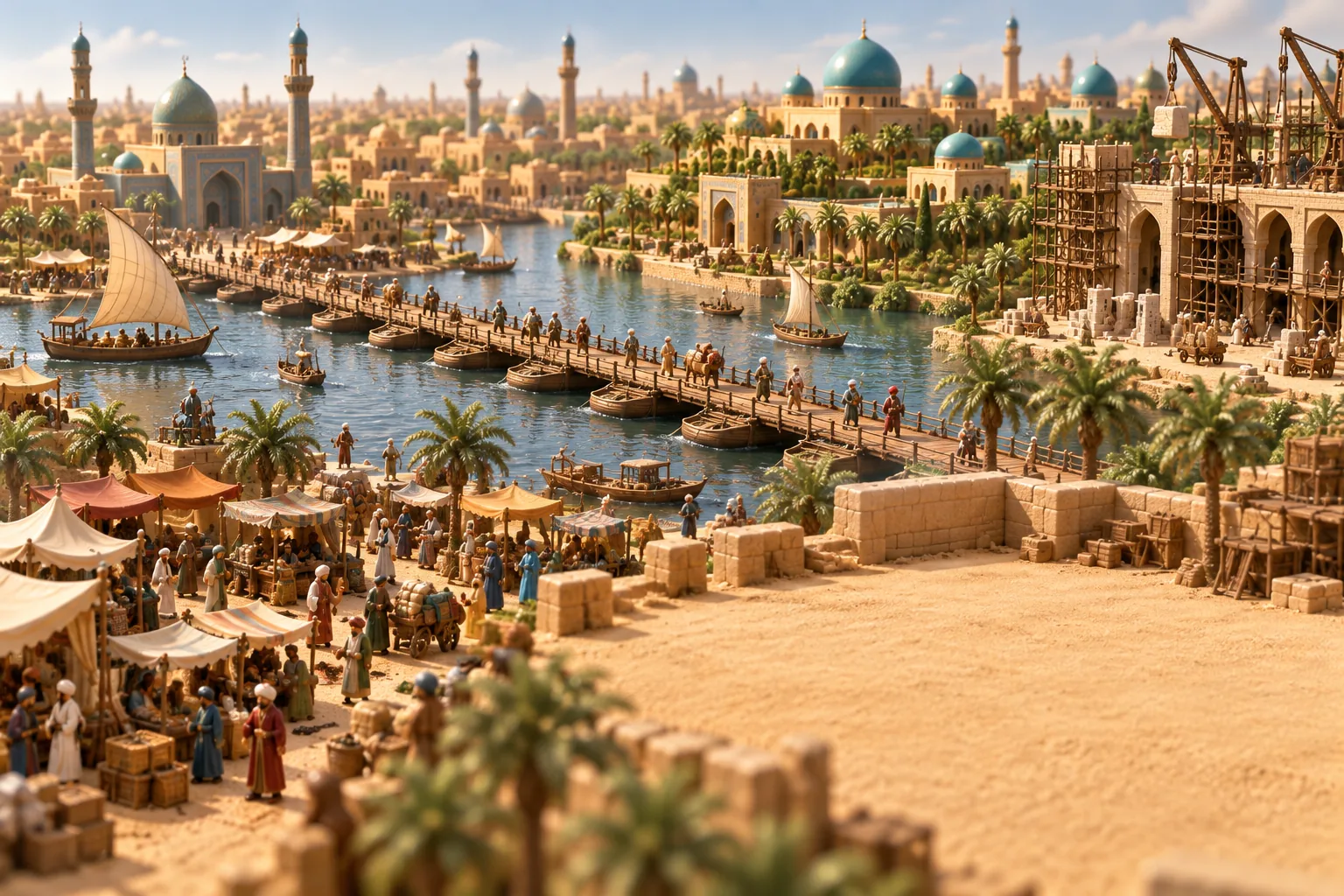
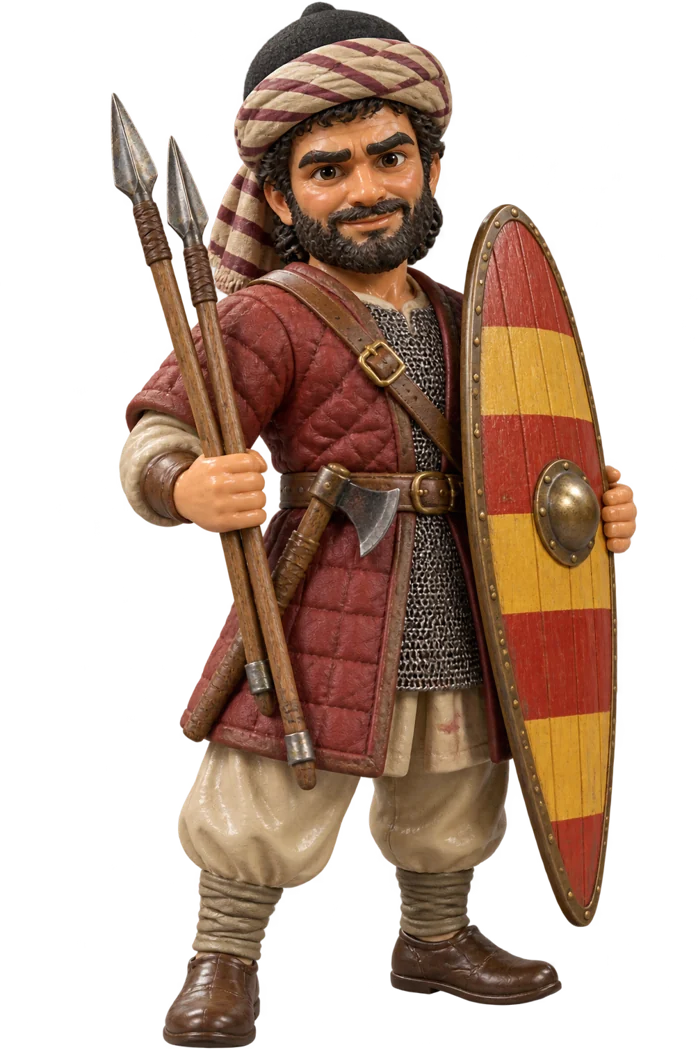
The Buyids were Shia, yet they kept the Sunni Abbasid caliphs on the throne as figureheads while they ruled as amirs. Proud Iranians, they revived the Sasanian title Shahanshah, king of kings, and carved inscriptions at Persepolis. Their army mixed Daylamite foot soldiers with Turkish cavalry, who often quarrelled. The dynasty peaked under Adud al-Dawla, from 949 to 983, whose realm stretched from the Byzantine border in Syria to Khorasan. He built the Band-e Amir dam near Shiraz and a great hospital in Baghdad, the 'Adudi.
After his death the family's three principalities drifted apart, and local rulers broke away. Mahmud of Ghazna took Ray in 1029, and in 1055 the Seljuk Tughril entered Baghdad and removed the last Buyid there. The last Buyid ruler of Fars, Abu Mansur Fulad Sutun, lost power in 1062.
Read more on Wikipedia
Sources: en.wikipedia.org/wiki/Buyid dynasty, en.wikipedia.org/wiki/Adud al-Dawla
