Middle Ages · state
Almohad Caliphate
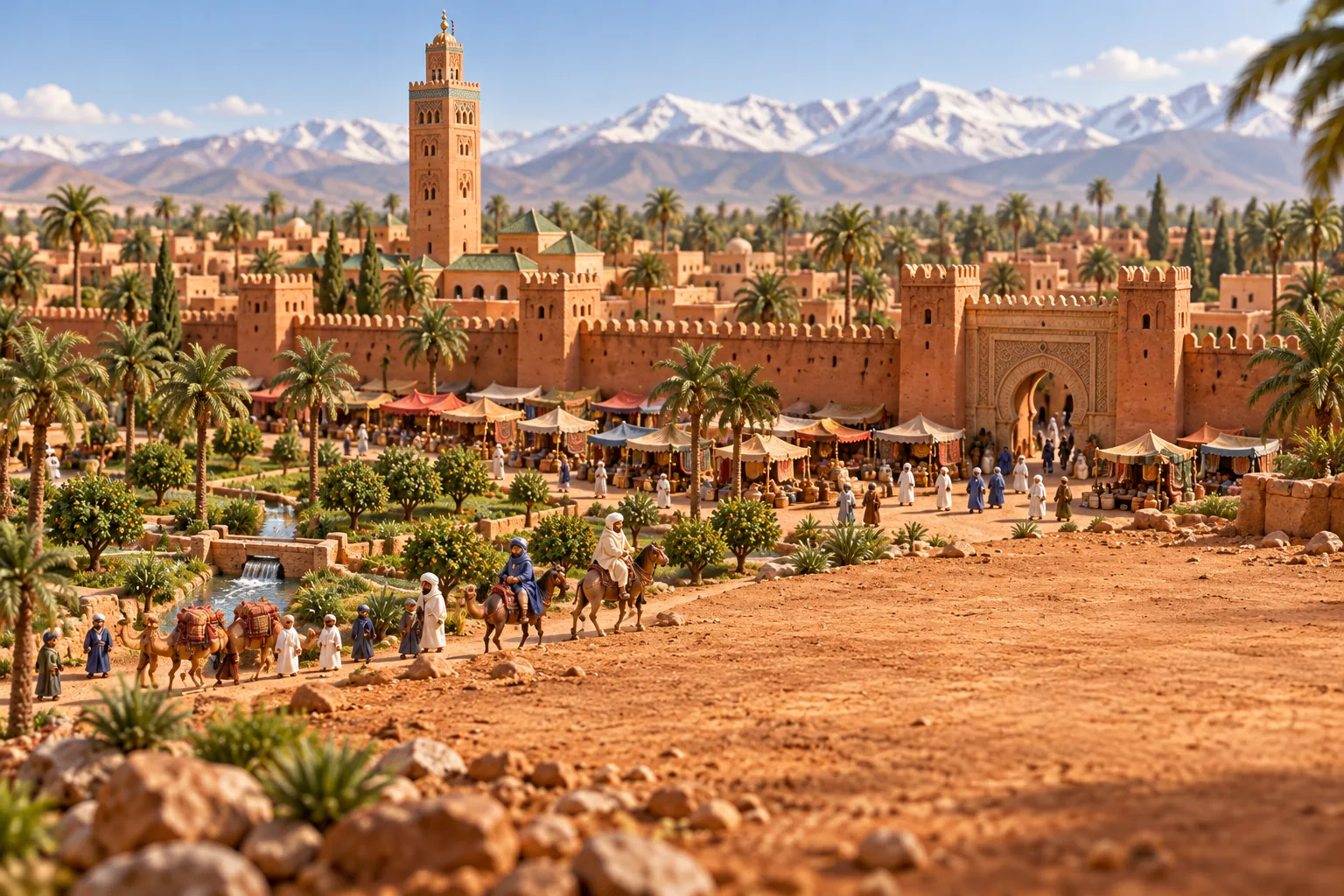
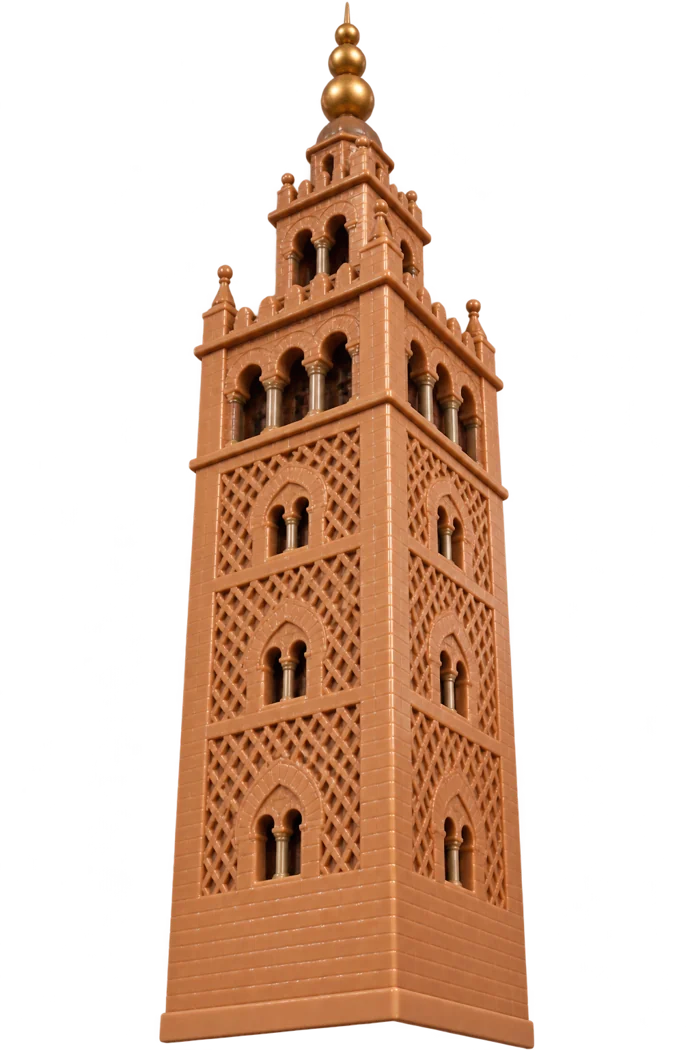
Its caliphs built Seville's Giralda and Marrakesh's Kutubiyya, then lost Spain after defeat at Las Navas de Tolosa in 1212.
The Almohad movement began among the Masmuda Berbers of the Atlas Mountains. Its founder, Ibn Tumart, preached a strict doctrine of the unity of God, tawhid, and attacked what he saw as the laxity of his time. His followers called themselves al-Muwahhidun, 'those who affirm the unity of God', and around 1121 recognised him as the Mahdi. He set up a base at Tinmel in the mountains.
His successor Abd al-Mu'min overthrew the Almoravids, captured Marrakesh in 1147 and declared himself caliph, and the Almohads went on to rule much of the Maghreb and al-Andalus. They built great mosques: the Kutubiyya in Marrakesh, and in Seville a Great Mosque begun in 1171 by Abu Ya'qub Yusuf, whose tower, the Giralda, rose from 1184. Ya'qub al-Mansur earned his title, 'the Victorious', by beating Alfonso VIII of Castile at Alarcos in 1195, and he protected the philosopher Averroes. Ibn Tufayl and Ibn Arabi also belonged to this age.
The Almohads abolished the protected status of Christians and Jews, and many left for the Christian north; Maimonides went east. In 1212 the caliph Muhammad al-Nasir was defeated at Las Navas de Tolosa by the kings of Castile, Aragon and Navarre, the turning point in Iberia. Revolts helped the Marinids rise from 1215, and the last Almohad ruler, Idris al-Wathiq, was killed in Marrakesh in 1269.
Read more on Wikipedia


