Antiquity · state
Nanda Empire
Greek writers said its king could field 200,000 foot soldiers, 20,000 horsemen and thousands of elephants, and Alexander's men refused to march against him.
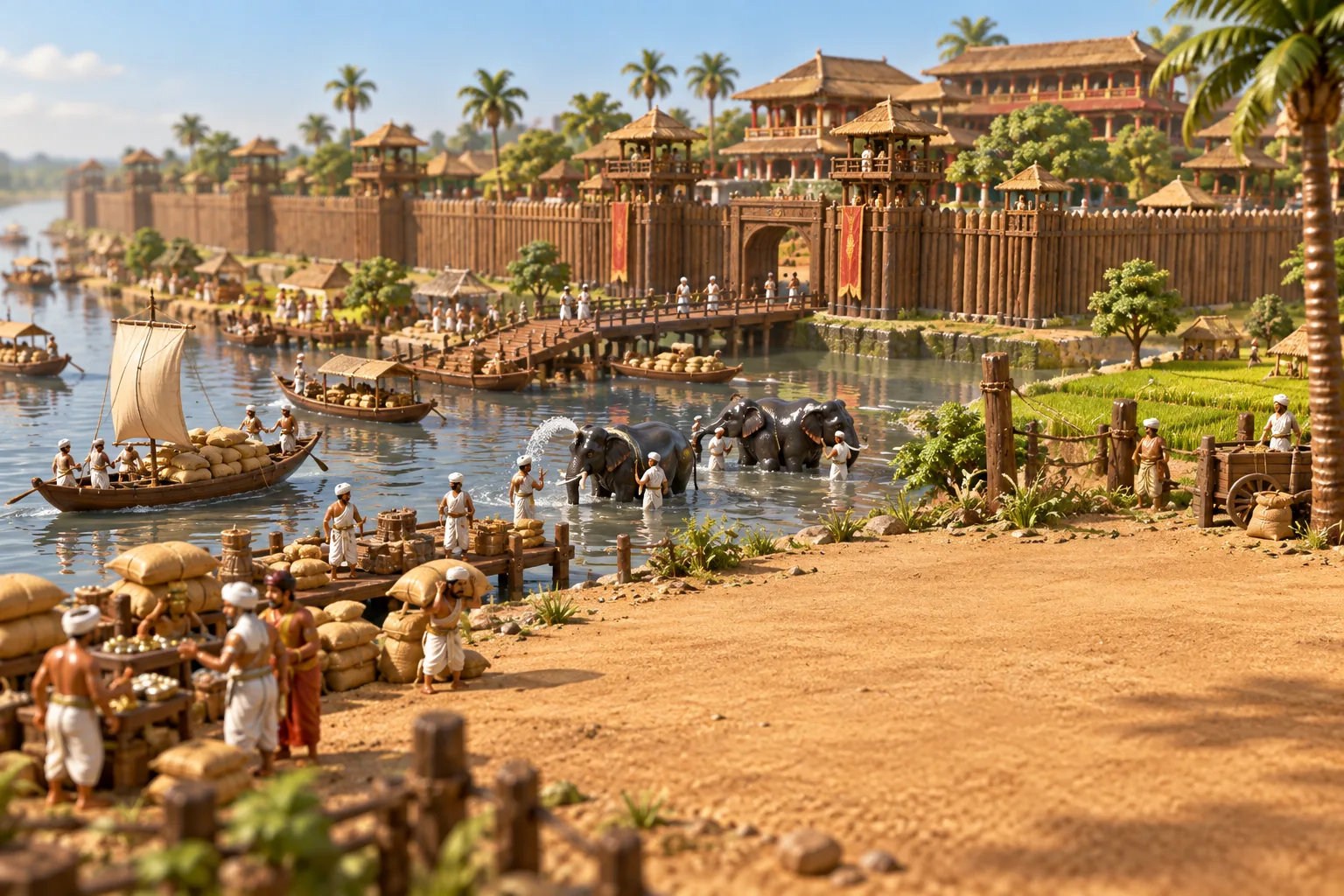
The Nandas ruled Magadha in the 4th century BC from Pataliputra, near today's Patna, building on the earlier Haryanka and Shaishunaga kings. They held the Ganges valley, eastern India and at least part of Kalinga, and probably Avanti in central India. They set up a more centralised government, and ancient sources credit them with great wealth, probably from a new currency and tax system. Their own subjects disliked them for their low birth and heavy taxes.
Greek and Jain stories agree that the founder was the son of a barber. According to the Roman writer Curtius, he became the queen's lover, killed the king and took power as guardian of the princes. The Puranas call the founder Mahapadma and say he destroyed the old warrior clans; Buddhist tradition counts nine Nanda kings, ruling for 22 years in all.
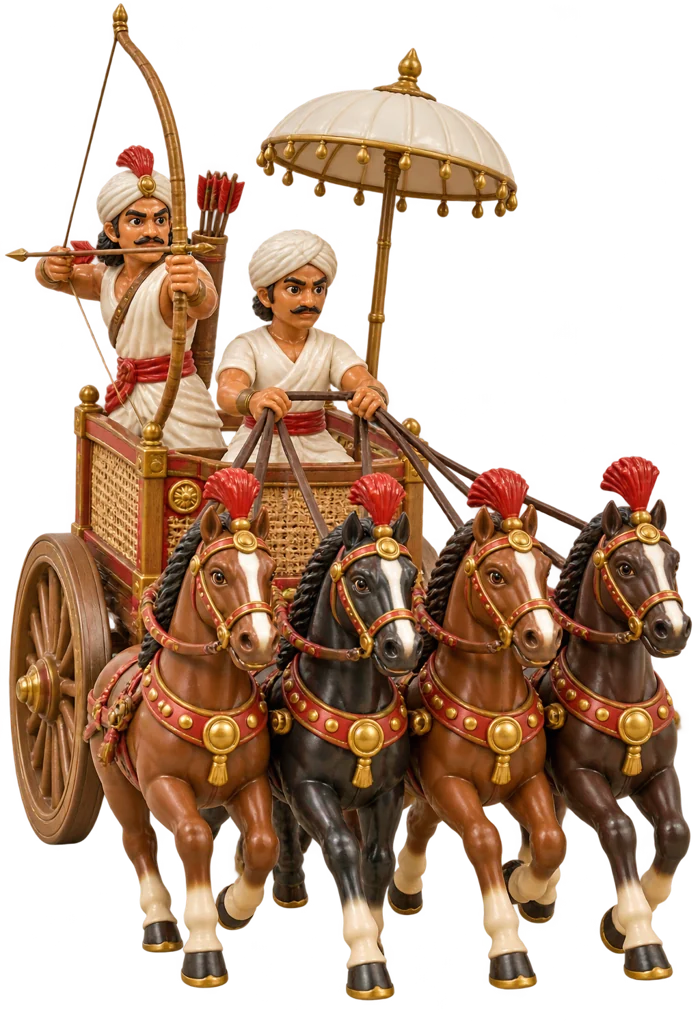
In the summer of 326 BC Alexander the Great's army reached the Beas River, beyond which lay the land of a king the Greeks called Agrammes or Xandrames, usually identified as Dhana Nanda. Curtius says Alexander heard of 200,000 infantry, 20,000 cavalry, 3,000 elephants and 2,000 four-horse chariots. Exhausted after years of campaigning, his soldiers mutinied and turned back. Soon after, Chandragupta Maurya, guided by his mentor Chanakya, overthrew the last Nanda king and founded the Maurya Empire.
Read more on Wikipedia
Sources: en.wikipedia.org/wiki/Nanda Empire, en.wikipedia.org/wiki/Mahapadma Nanda


