Industrial age · state
Kingdom of the Two Sicilies
It opened Italy's first railway in 1839, yet a British statesman called its government "the negation of God", and Garibaldi's volunteers toppled it in 1860.
After Napoleon's fall the Bourbon king Ferdinand IV returned to Naples, and in 1816 he joined his two realms, both officially called Sicily, into the Kingdom of the Two Sicilies, renaming himself Ferdinand I. It was the largest Italian state by area and population, covering the whole peninsula south of the Papal States. Austria kept the right to station troops there, and the king annulled Sicily's constitution. Liberals formed secret societies such as the Carbonari, and in 1820 a revolution forced Ferdinand to grant a constitution until an Austrian army ended it.
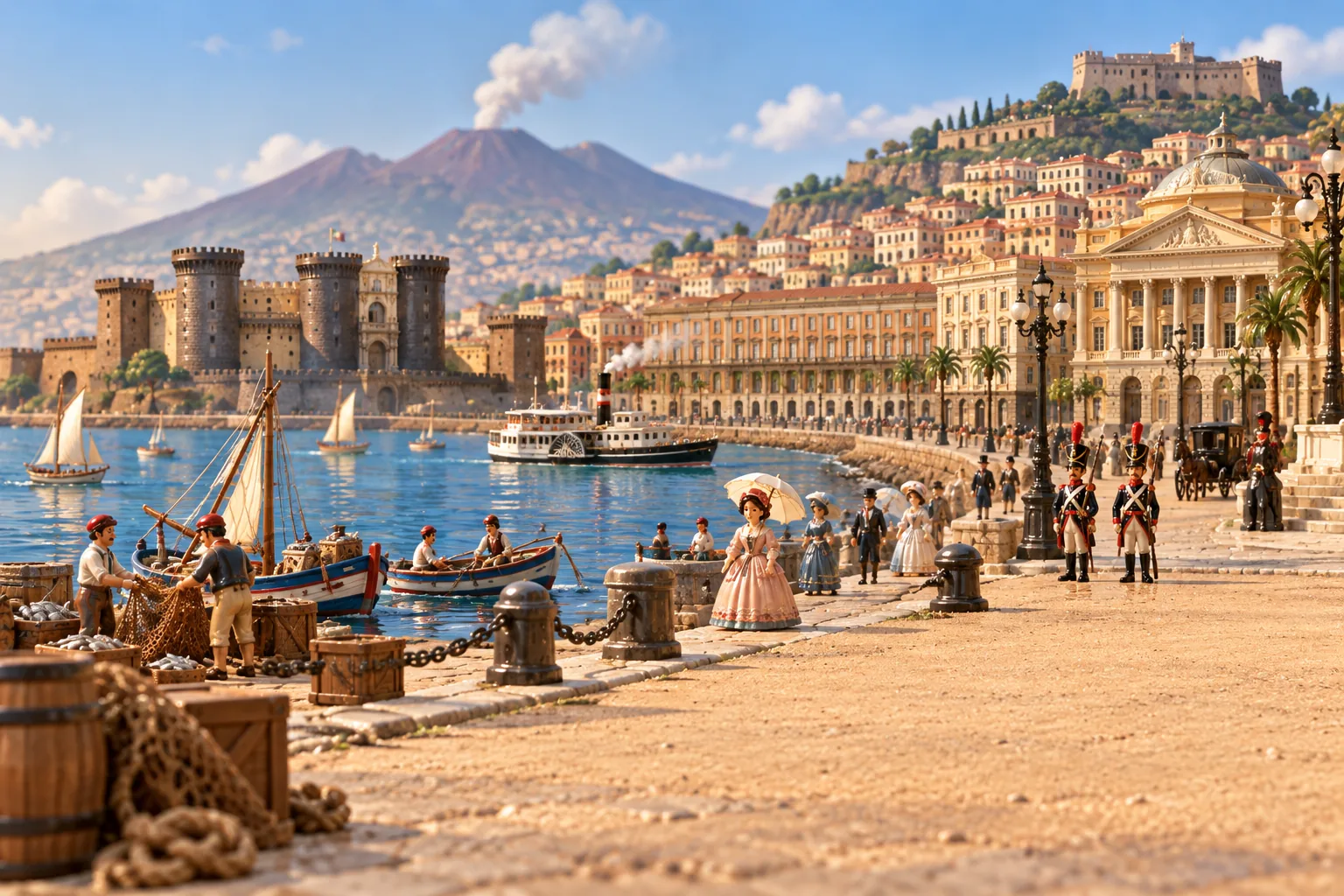
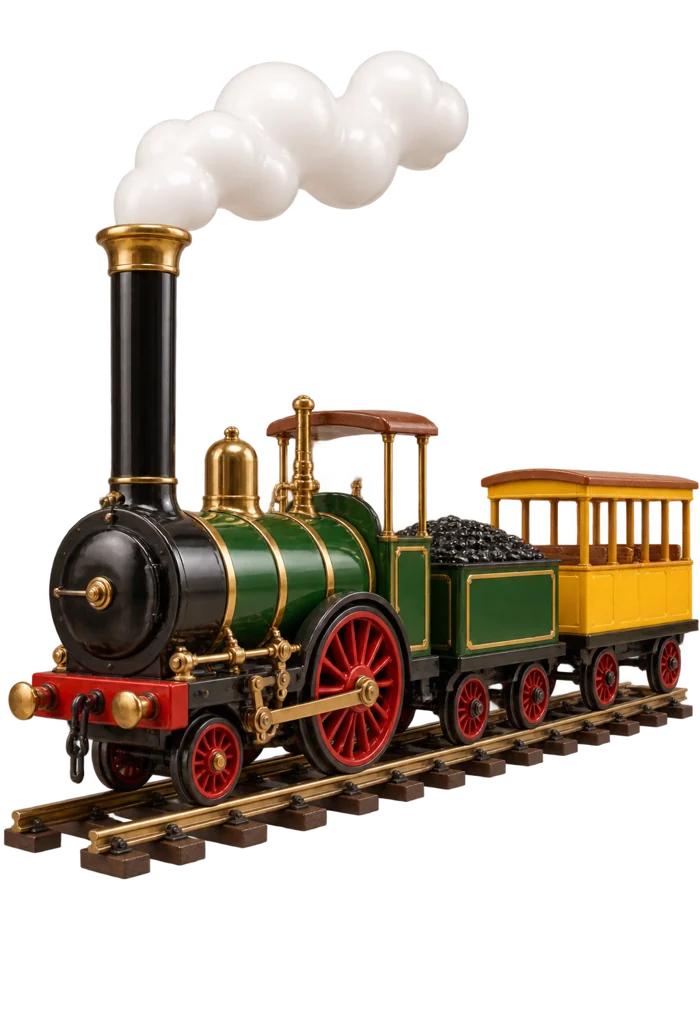
The kingdom had the largest merchant fleet in the Mediterranean and its first steamboat, launched near Naples in 1818. The first railway in Italy, from Naples to Portici, opened in 1839, and the world's first volcano observatory was founded on Vesuvius in 1841. Yet by 1859 the kingdom had only 99 kilometres of track. After the revolution of 1848, King Ferdinand II ruled harshly, and the British politician Gladstone denounced his regime as "the negation of God erected to a system of government".
In 1860 Giuseppe Garibaldi landed in Sicily with the Expedition of the Thousand, crossed to the mainland and won at the Volturno. King Francis II surrendered at Gaeta in February 1861, and the south joined the new Kingdom of Italy.
Read more on Wikipedia
Sources: en.wikipedia.org/wiki/Kingdom of the Two Sicilies, en.wikipedia.org/wiki/Naples–Portici railway