Antiquity · state
Goths
Gothic cathedrals and goth music are named after them, but the real Goths were a Germanic people who killed a Roman emperor, sacked Rome and ruled Italy and Spain.
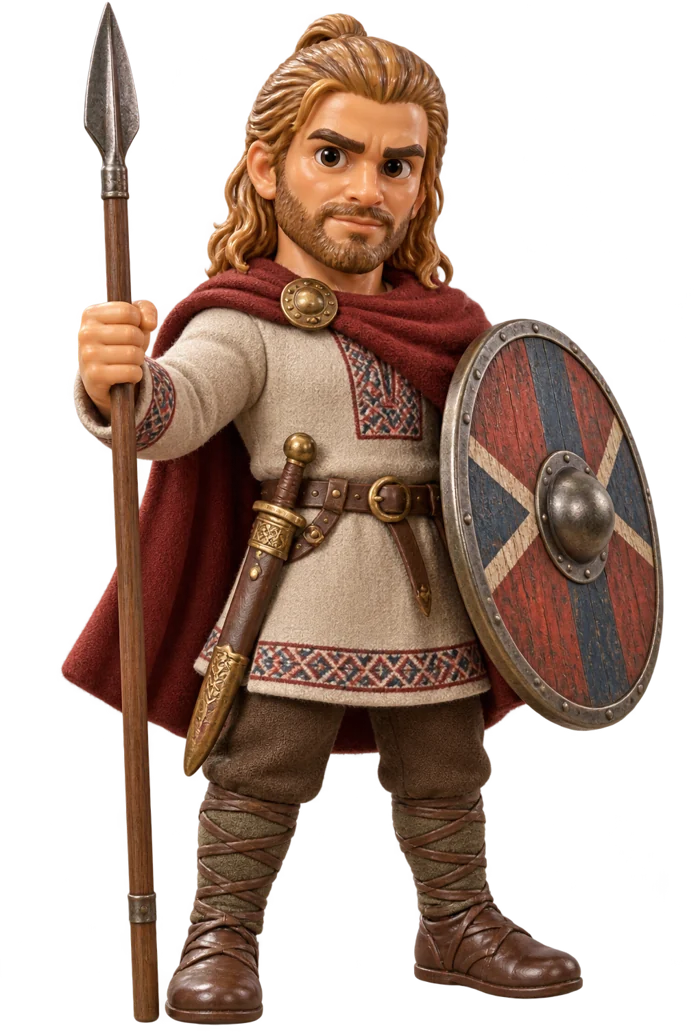
Around AD 98 the Roman historian Tacitus described the Gotones, who lived near the sea beyond the Vandals and carried round shields and short swords. Scholars link them with the Wielbark culture on the lower Vistula in what is now Poland. The 6th-century writer Jordanes claimed the Goths had come by sea from Scandza, or Scandinavia, under a king named Berig.
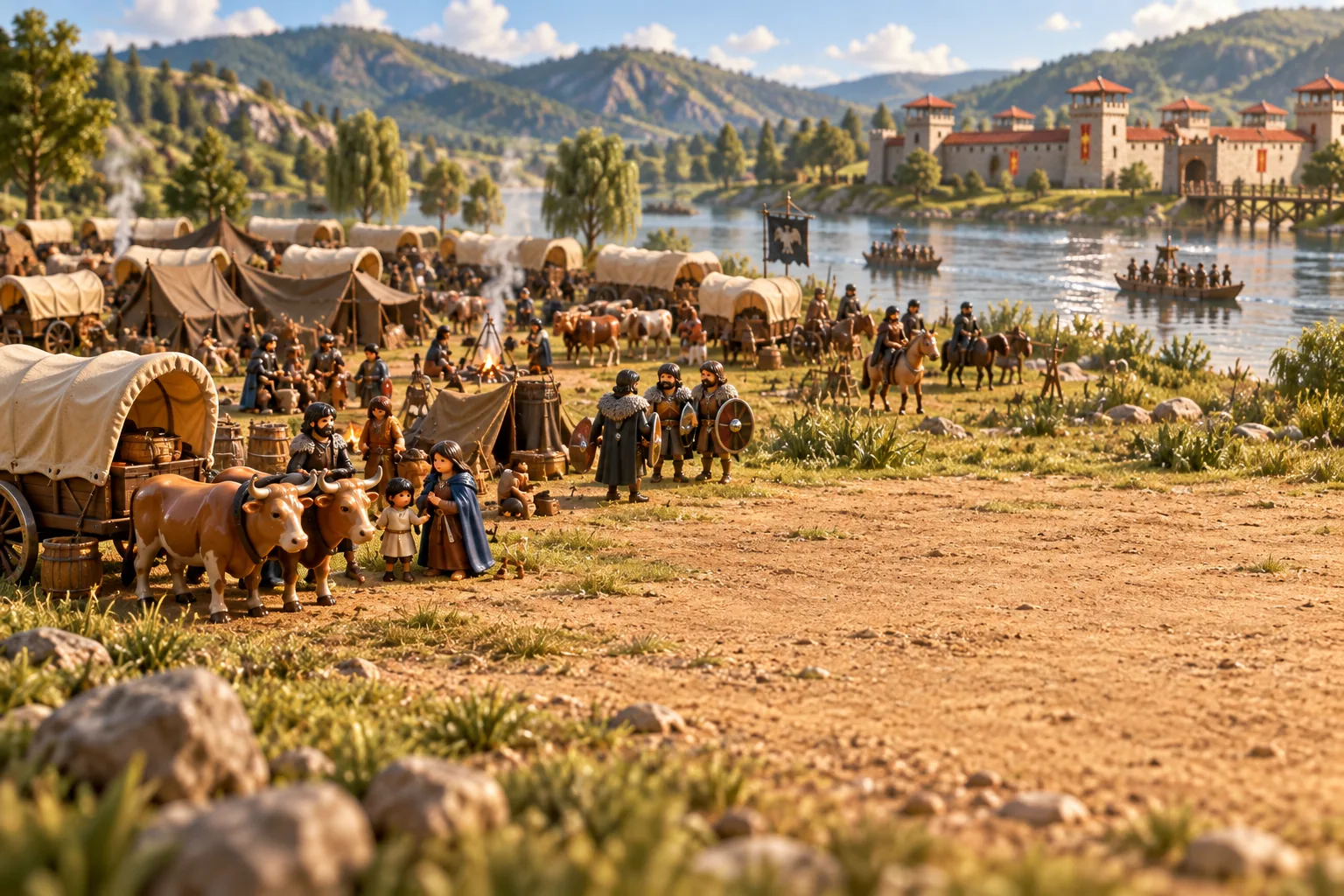
By the 3rd century, after a long move south-east, the Goths held the lands north of the Black Sea and the Lower Danube. In 251 their king Cniva destroyed a Roman army at Abritus and killed Emperor Decius, and Gothic and Heruli fleets later sacked Athens, Corinth and Sparta. Around 375 the Huns overran them. Gothic refugees crossed the Danube in 376, and in 378 they crushed the Romans at Adrianople, where Emperor Valens died. Alaric I sacked Rome in 410.
Two kingdoms grew from these groups. The Visigoths settled in southern Gaul around Toulouse, and after the Frankish king Clovis beat them at Vouillé in 507 they made Toledo in Spain their capital. The Ostrogoths under Theodoric the Great took Italy by 493 and ruled from Ravenna, until the Eastern Roman Empire destroyed their kingdom in the Gothic War of 535 to 554. The Visigothic Kingdom fell to the Umayyad Caliphate after its last king, Roderic, lost at Guadalete in 711.
Read more on Wikipedia
Sources: en.wikipedia.org/wiki/Goths


