Early modern · state
Malla dynasty of Nepal
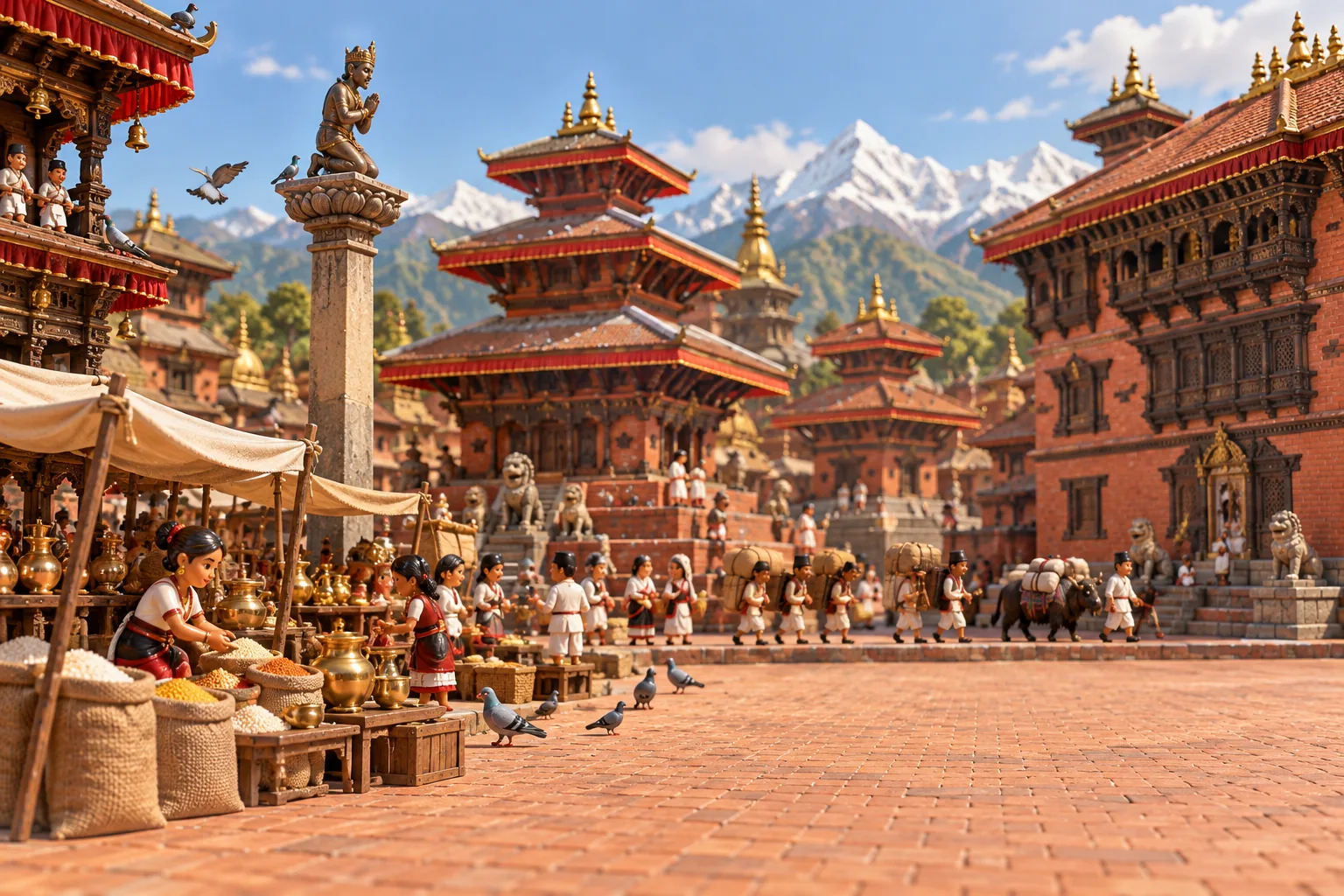
Under the Malla kings the Kathmandu valley held three rival city-kingdoms that competed by filling their Durbar Squares with palaces and temples.
From 1201 the rulers of the Kathmandu Valley took the name Malla, Sanskrit for wrestler; Arimalla was the first. For nearly six centuries they presided over the Newar civilization, one of the most refined urban cultures of the Himalayan foothills, on the trade route between India and Tibet. The valley suffered a devastating raid by the Sultan of Bengal, Shamsuddin Ilyas Shah, in the 1340s, and was reunited by Jayasthiti Malla, who took Patan by 1370 and is credited with the first codification of law in Nepal.
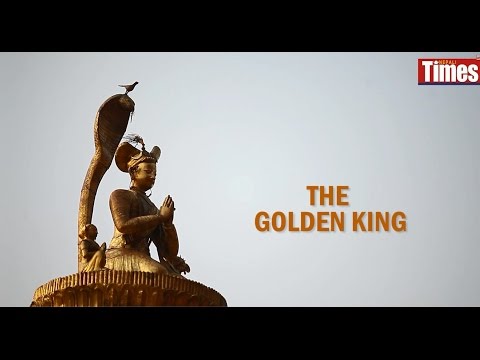
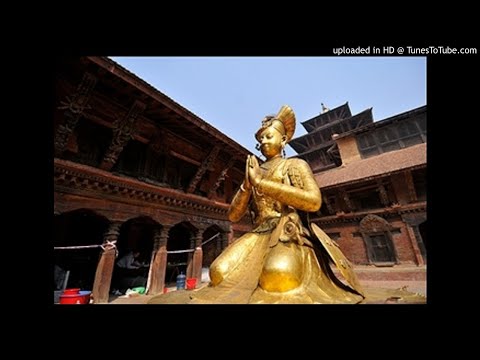
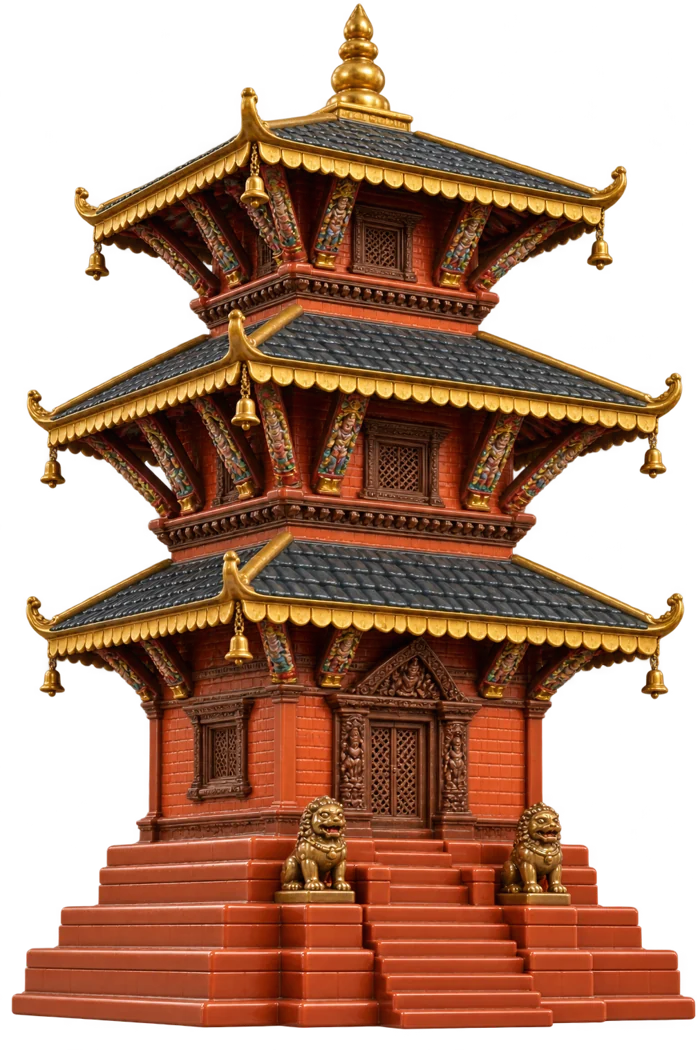
After the death of Yaksha Malla in 1482, his sons divided the valley into rival kingdoms: Kantipur, the city now called Kathmandu, along with Bhaktapur and Lalitpur, also called Patan. The rivalry was fought out in war but also in art, as each court filled its Durbar Square with palaces and pagoda temples. The best-known later kings were Pratap Malla of Kantipur, who reigned from 1641 to 1674, Siddhi Narasimha Malla of Lalitpur and Bhupatindra Malla of Bhaktapur.
In 1768–69 Prithvi Narayan Shah of the Gorkha Kingdom, who had surrounded the valley, conquered the three cities one by one. Bhaktapur fell last, and with it the Malla period ended.
Read more on Wikipedia
Sources: en.wikipedia.org/wiki/Malla dynasty (Nepal), en.wikipedia.org/wiki/Kingdom of Kantipur