Middle Ages · state
Kamakura shogunate
Japan's first warrior government turned back two Mongol invasions, then went broke because it had no spoils to reward its samurai.
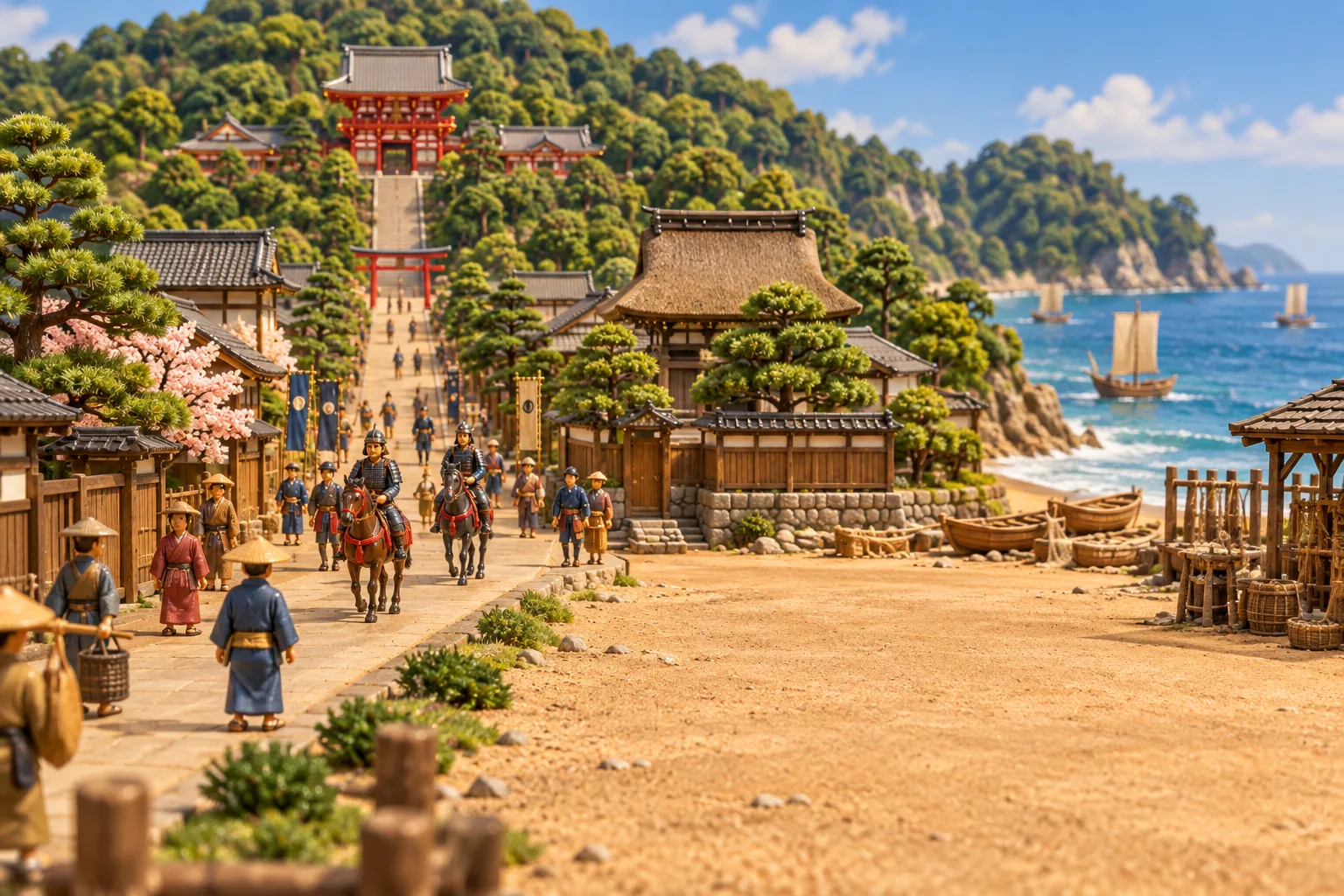
From 1180 to 1185 the Minamoto and Taira clans fought the Genpei War. The winner, Minamoto no Yoritomo, did not hand power back to the court in Kyoto. He set up his own military government at Kamakura in the east, appointed military governors over the provinces and stewards on the estates, and in 1192 took the title of shogun. The emperor and his court stayed on as figureheads.
Yoritomo died in an accident in 1199, and his wife's family, the Hōjō, took over as regents. His widow Hōjō Masako held so much power that people called her the nun shogun. After the last Minamoto shogun was murdered in 1219, the Hōjō ruled through puppet shoguns from noble and imperial families. They crushed Emperor Go-Toba's attempt to win back power in 1221 and in 1232 issued a law code, the Goseibai Shikimoku.
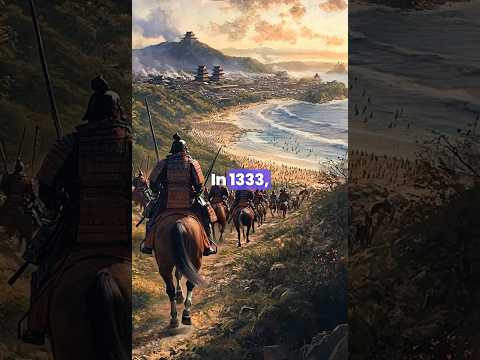
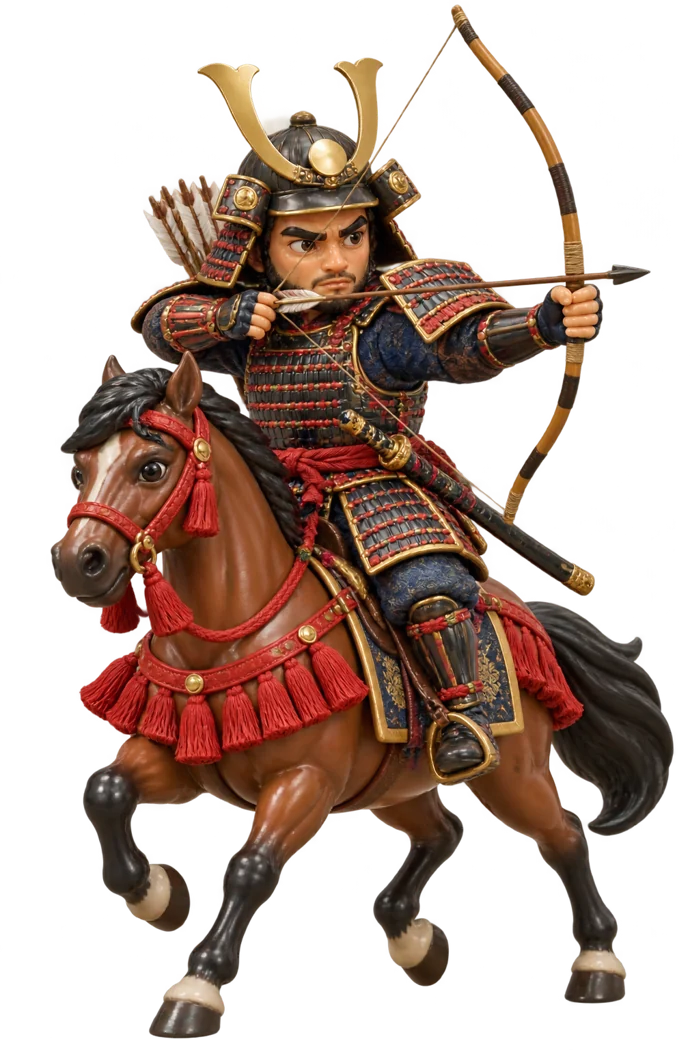
Kublai Khan sent invasion fleets in 1274 and 1281. The samurai held them off, and typhoons wrecked the Mongol ships, a storm later called the kamikaze, or divine wind. But the war brought no new land to share out among the warriors, and discontent grew. In 1333 Emperor Go-Daigo's supporters, among them Ashikaga Takauji and Nitta Yoshisada, brought the shogunate down, and Nitta took Kamakura.
Read more on Wikipedia
Sources: en.wikipedia.org/wiki/Kamakura shogunate, en.wikipedia.org/wiki/Mongol invasions of Japan