Ancient world · state
Greek Dark Ages
When the Mycenaean palaces fell, the Greeks forgot how to write for some four hundred years, then borrowed an alphabet from the Phoenicians and added the vowels.
Around 1200 BC the palaces of Mycenaean Greece began to fall, destroyed, abandoned or both, as part of the wider Late Bronze Age collapse that also broke the Hittites and weakened Egypt. Settlements became fewer and smaller, which suggests famine and a falling population. Linear B, the script palace scribes had used to write Greek, went out of use, along with stone palaces and wall paintings. For a long time it was blamed on Dorian invaders or the Sea Peoples, but historians now also point to revolts inside the palace states.
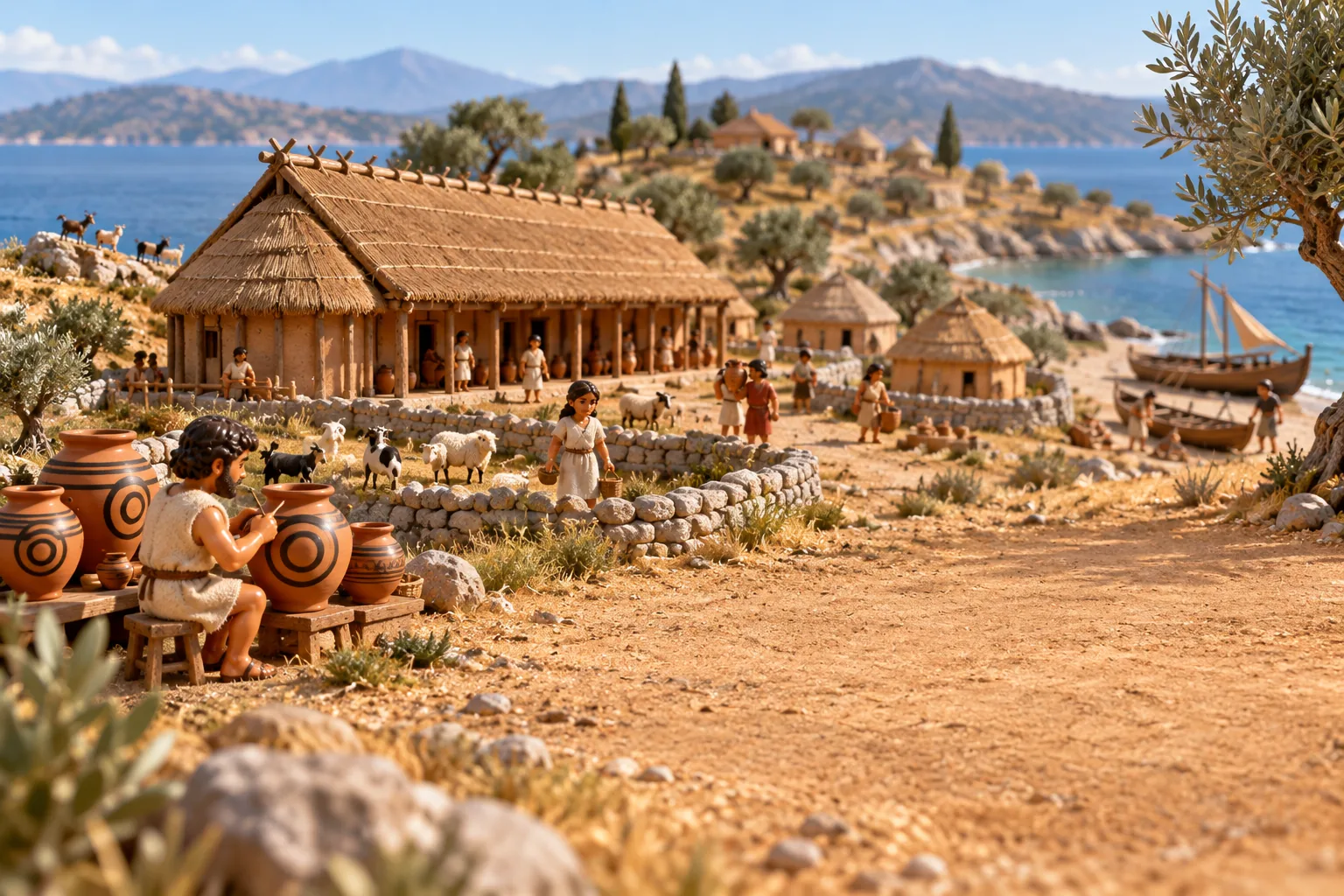
Life went on in small, separate communities, each with its own pottery and burial customs. Iron smelting arrived from Cyprus and the Levant, and by 900 BC almost all weapons in graves were iron. A few places, such as Lefkandi, Athens, Argos and Knossos, grew to more than a thousand people. At Lefkandi on Euboea archaeologists found the largest 10th-century building yet known in Greece, 50 metres long, over the graves of a warrior, a richly adorned woman and four horses.
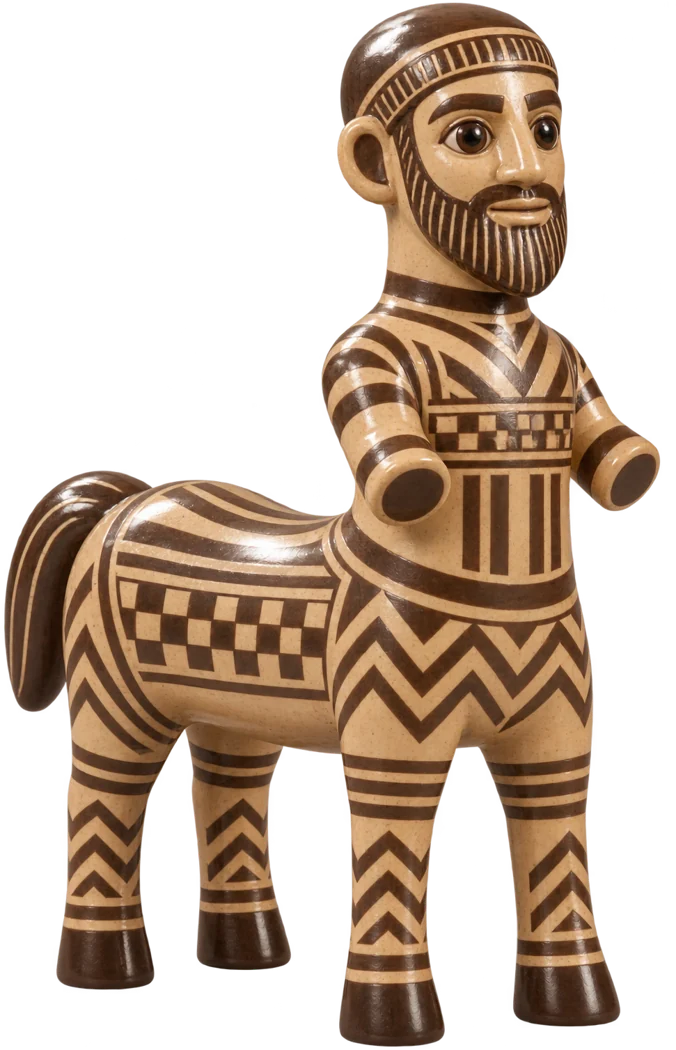
By the 8th century BC trade with the East had revived. A Greek who knew Phoenician writing adapted its letters, turning some into vowels, and created the first true alphabet, while painted pots began to show scenes like those of the Homeric epics.
Read more on Wikipedia

