Early modern · state
Bengal Sultanate
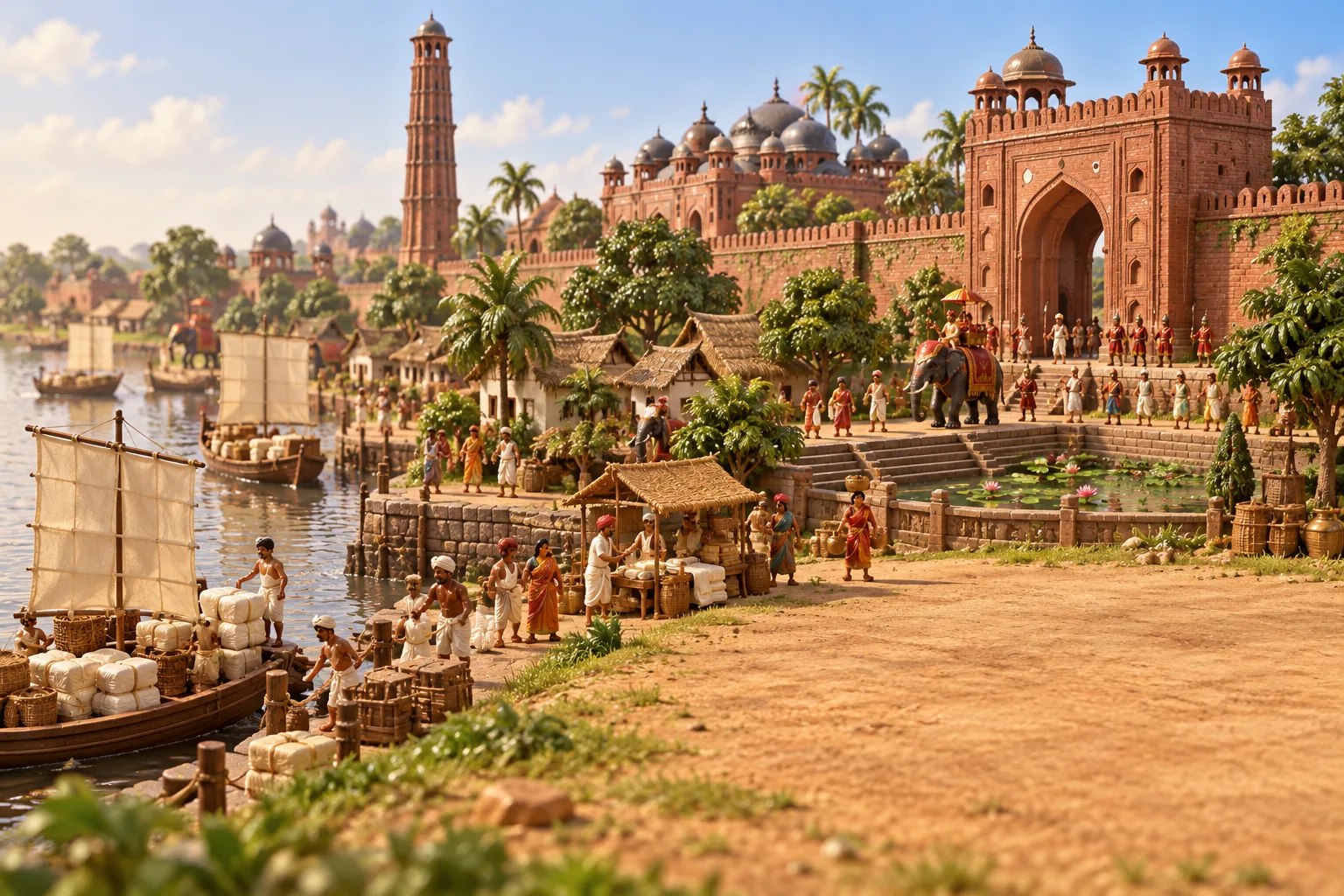
In 1414 its sultan sent an African giraffe to the emperor of China, and around 1500 its capital Gaur was one of the five largest cities in the world.
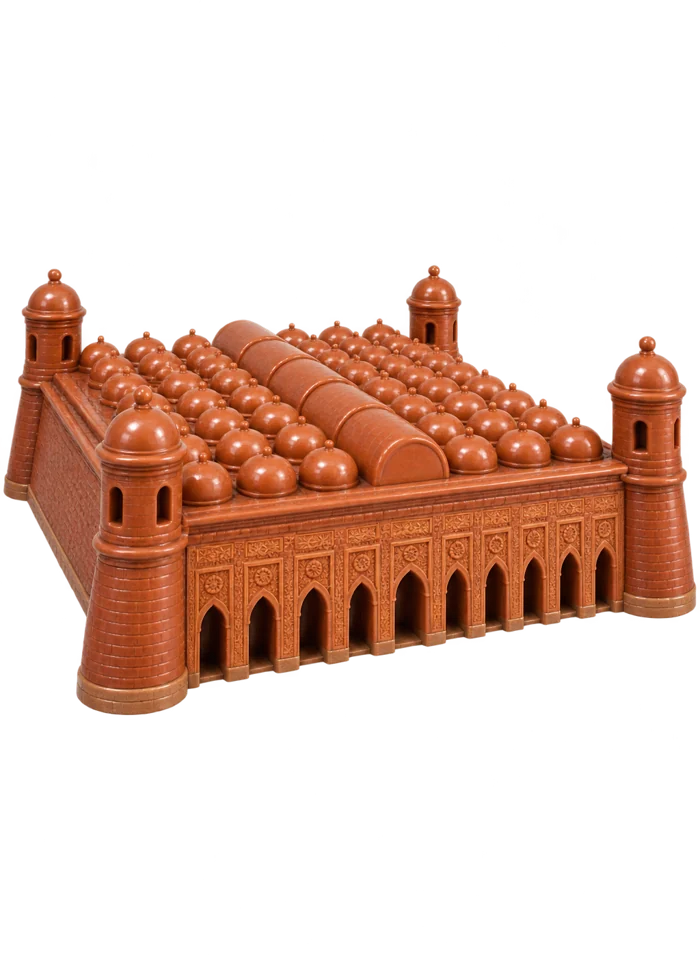
In the 1330s three rival governors broke away from Delhi in Bengal. By 1352 Shamsuddin Ilyas Shah had beaten the others and ruled from Pandua, and his Ilyas Shahi dynasty held Bengal, with breaks, for some fifteen decades. His son Sikandar Shah built the huge Adina Mosque. His grandson Ghiyasuddin Azam Shah sent embassies to Ming China, exchanged letters and poems with the Persian poet Hafez and invited him to settle in Sonargaon.
In the early 15th century the Hindu landowner Raja Ganesha put his son, a convert, on the throne as Jalaluddin Muhammad Shah, under whom the sultanate peaked. The Yongle Emperor sent embassies to Bengal, some from Zheng He's treasure fleet. Pandua exported fine muslin, wine and paper made from mulberry bark, and in 1450 the capital moved to Gaur. Taka coins were struck in mint towns across the delta, and Persian was the language of court while Bengali first gained official standing.
Alauddin Hussain Shah took power in 1494; Muslims and Hindus served together in his government, and his armies took much of Assam and Chittagong. His dynasty fell in 1538 to Sher Shah Suri. The last sultans, the Afghan Karranis, ruled from Tanda until Akbar's army beat Daud Khan Karrani at Raj Mahal in 1576.
Read more on Wikipedia
Sources: en.wikipedia.org/wiki/Bengal Sultanate, en.wikipedia.org/wiki/Sixty Dome Mosque
