Early modern · state
Kanem-Bornu Empire
Ruled by the Sayfawa dynasty for about a thousand years, it was one of the longest-lived kingdoms in African history.
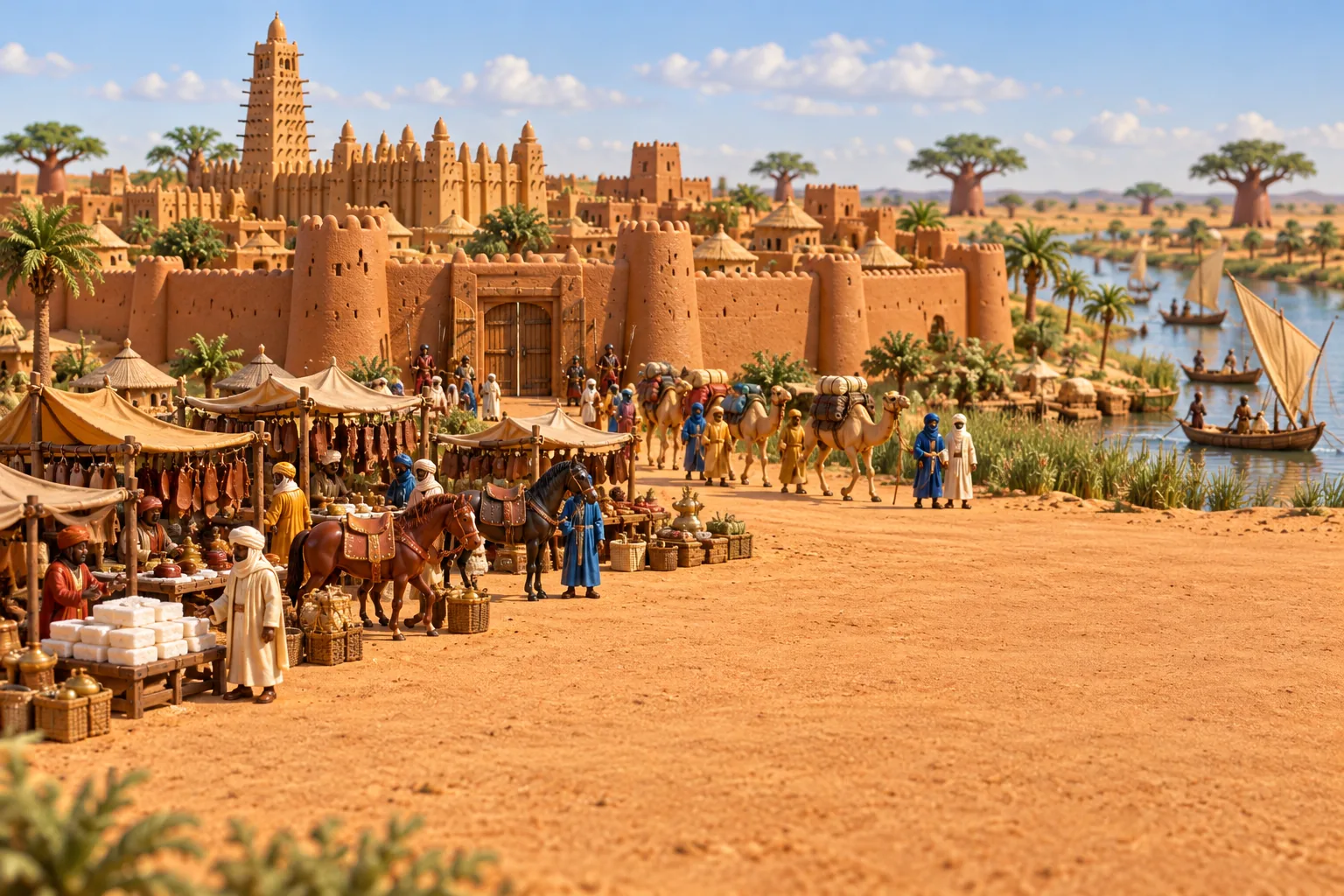
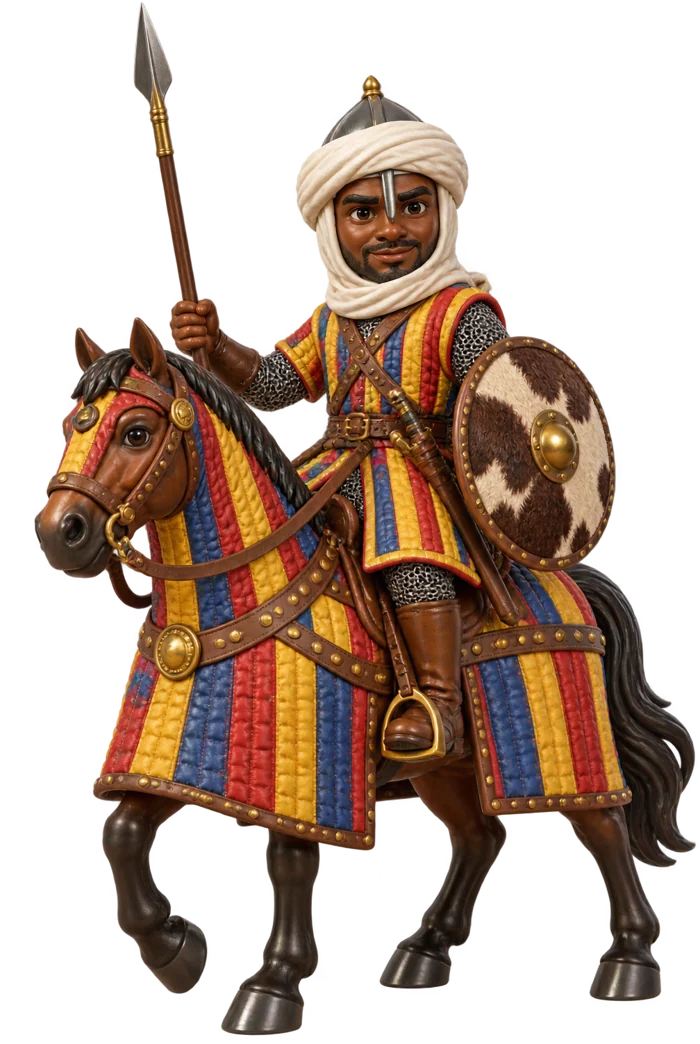
The early history of the empire is poorly known; it is believed to have begun around 700, with its kings, the mais, ruling from Njimi in Kanem, east of Lake Chad. In the 11th century it converted to Islam and the Sayfawa dynasty took over. The 13th-century mai Dunama II Dibalemi brought Kanem to its peak; he commanded 40,000 horsemen and ruled as far north as the Fezzan. The empire lived on Saharan trade, exporting salt, ivory, slaves and animal products and buying horses from North Africa.
Around 1380 the Bilala people drove the Sayfawa out of Kanem, and for about a century the court kept moving. Then mai Ali Gaji founded a permanent capital, Ngazargamu, on the Yobe River around 1472, at the southern end of the Saharan trade routes in Bornu, west of the lake. Idris Alooma brought this Bornu empire to its height in the late 16th century; through diplomacy with Sultan Murad III he obtained Turkish muskets and Turkish instructors for his army.
In 1808 Fulani jihadists destroyed Ngazargamu. The scholar Muhammad al-Amin al-Kanemi fought them off, took the title shehu and in 1814 founded a new seat at Kukawa, and his family replaced the Sayfawa. In 1893 the Sudanese warlord Rabih az-Zubayr conquered Bornu, and by 1902 its lands were divided among France, Britain and Germany.
Read more on Wikipedia

