
Antiquity · state
Nanyue
A northern Chinese general sent to conquer the south made himself king there, dressed like the local Yue, and gave Vietnam its name.
Around 218 BC the First Emperor of Qin sent huge armies against the Hundred Yue peoples of the far south, and the general Zhao Tuo rose to command. When the Qin empire collapsed, he closed the mountain passes, and in 204 BC he founded the kingdom of Nanyue, Southern Yue, with its capital at Panyu, today's Guangzhou. It stretched over modern Guangdong and Guangxi and later into northern Vietnam.
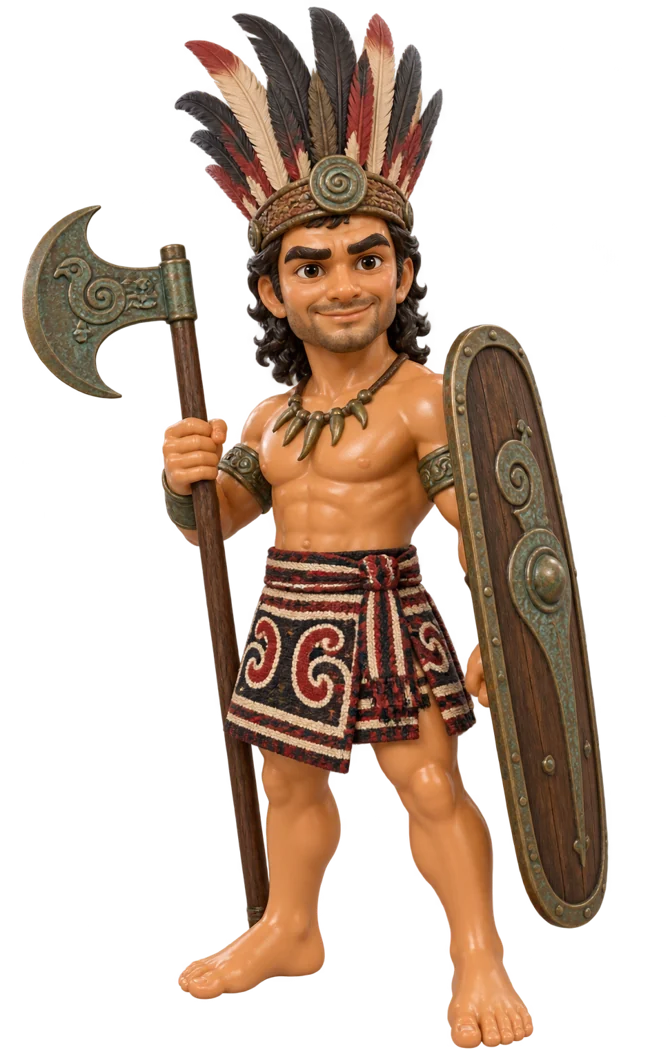
In 196 BC the Han emperor Gaozu sent the envoy Lu Jia, who was shocked to find Zhao Tuo dressed in Yue clothes and greeted with Yue customs; Zhao Tuo accepted the Han seal as a vassal king. When Empress Lü cut off trade and had his relatives in his northern home town killed, he declared himself emperor and attacked the Han kingdom of Changsha. In 179 BC he annexed the kingdom of Âu Lạc in the Red River delta. He died in 137 BC, having lived more than a hundred years.
His grandson Zhao Mo kept the title of emperor at home while bowing to the Han abroad. In 112 BC the prime minister Lü Jia killed a young king who wanted to join the Han, and in autumn of 111 BC Emperor Wu sent 100,000 men in five columns. They took Panyu, and Nanyue was divided into Han commanderies.
Read more on Wikipedia
Sources: en.wikipedia.org/wiki/Nanyue, en.wikipedia.org/wiki/Museum of the Mausoleum of the Nanyue King