Antiquity · state
Parthian Empire
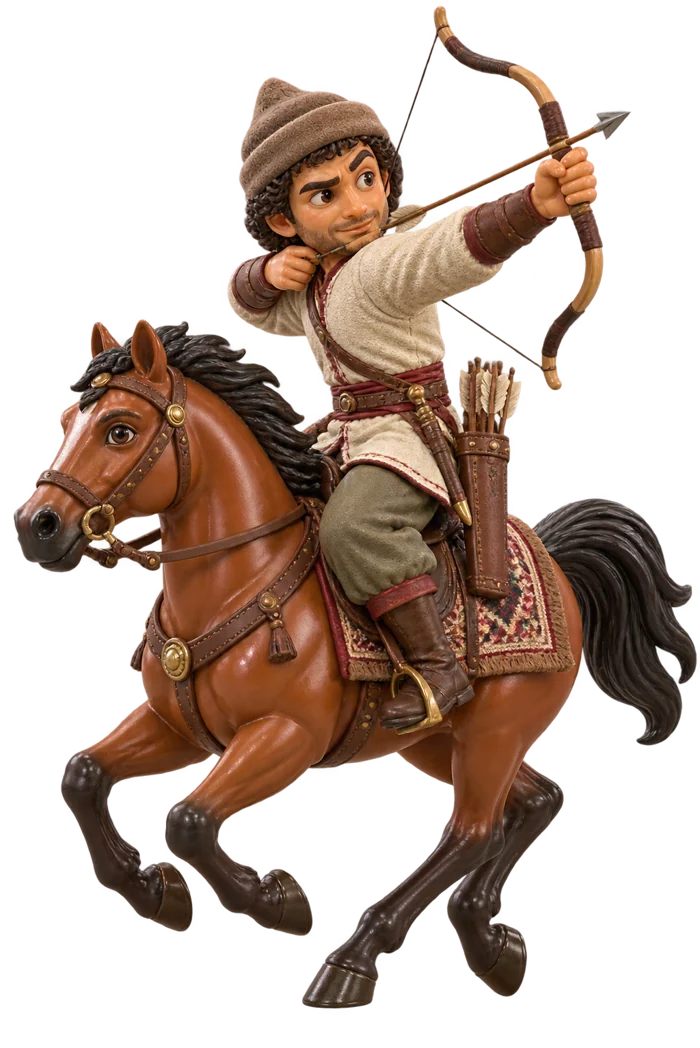
Their horse archers could shoot backwards at full gallop, and they used the head of a Roman general as a stage prop.
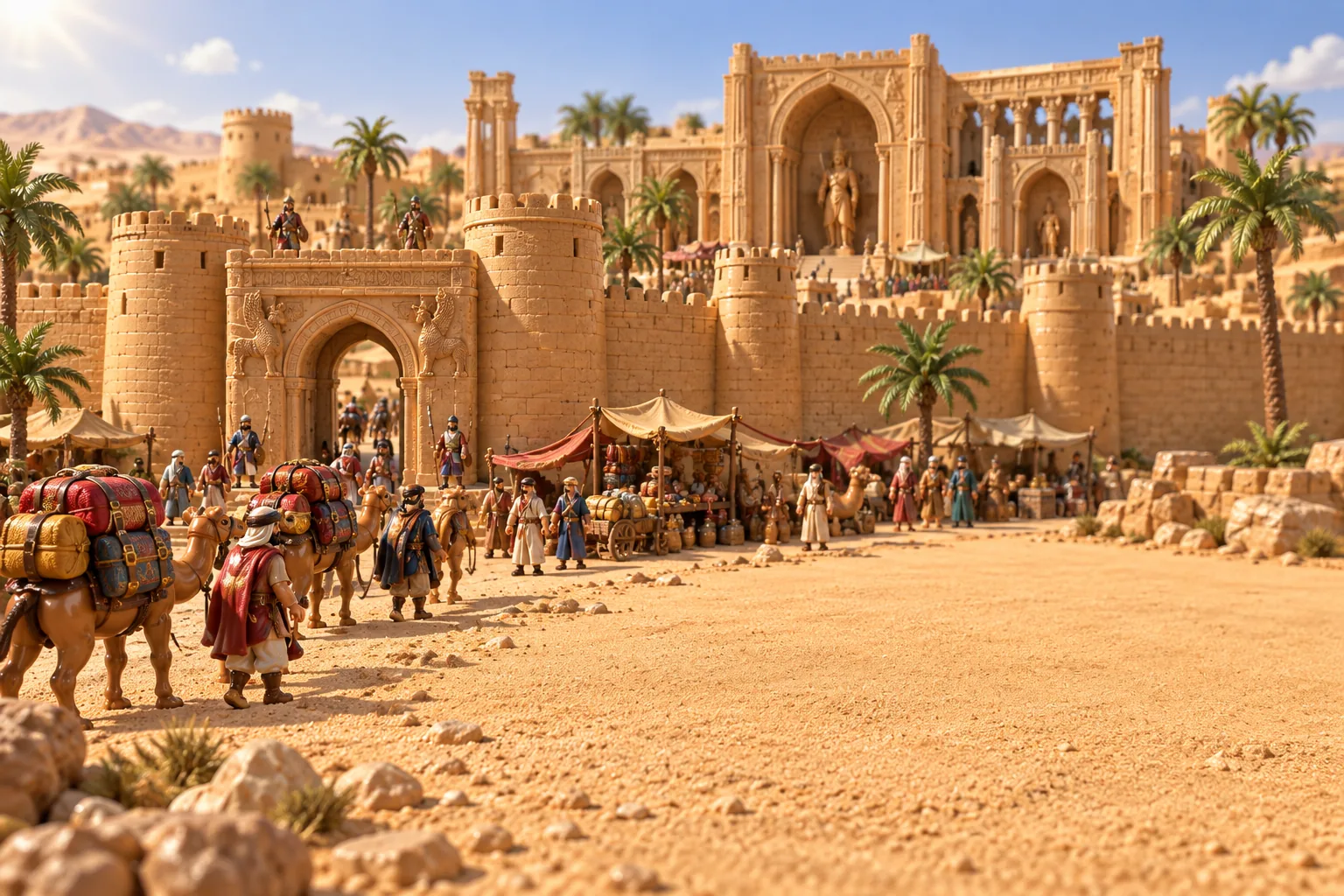
The empire is also called Arsacid after its founder Arsaces I, who led the Parni tribe into Parthia in north-eastern Iran, then a province of the Seleucid Empire. Mithridates I, who reigned from about 171 to 132 BC, seized Media and Mesopotamia from the Seleucids, and Mithridates II received an embassy from Han China in 121 BC. The kings called themselves King of Kings, and the seat of government moved from Nisa to Ctesiphon on the Tigris.
Lying across the Silk Road between Rome and Han China, Parthia grew rich on trade. Its army was built on heavy armoured cavalry, the cataphracts, and on horse archers who used the Parthian shot, feigning retreat and then shooting back over their shoulders. In 53 BC the general Surena, with 1,000 cataphracts and 9,000 horse archers, destroyed the far larger army of Marcus Licinius Crassus at Carrhae, one of Rome's worst defeats. Later Augustus won back the lost legionary standards by diplomacy.
Rome and Parthia fought for centuries over Armenia, and in 116 the emperor Trajan took Mesopotamia and Susa. Civil wars between rival Arsacids weakened the state. Ardashir I, ruler of Istakhr in Persis, rebelled and killed the last king, Artabanus IV, in 224, founding the Sasanian Empire.
Read more on Wikipedia