Middle Ages · state
Saxons
Saxons who crossed the sea settled England, while those at home fought Charlemagne for more than 30 years.
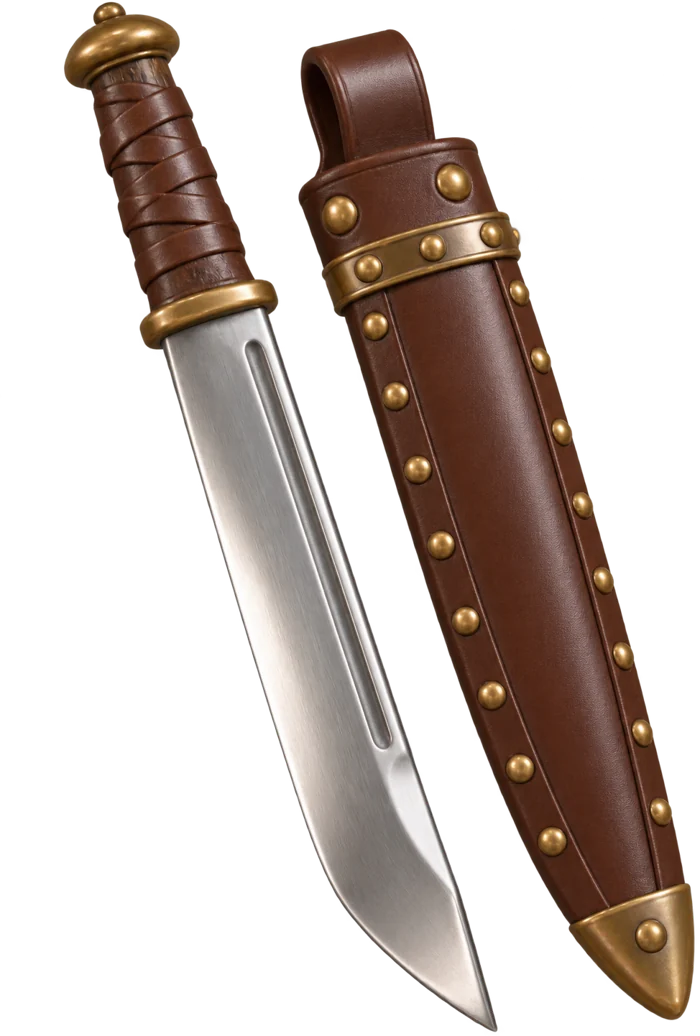
The Saxons were a Germanic people of what is now northern Germany. Their name has traditionally been linked to the seax, a single-edged knife or short sword. Long before Saxony appears as a state, 'Saxons' was the name for sea raiders from north of the Rhine who attacked the Roman Empire, and the Roman coastal defences came to be called the Saxon Shore. Saxons later settled in Britain, and writers such as Bede called the homeland they had left Old Saxony.
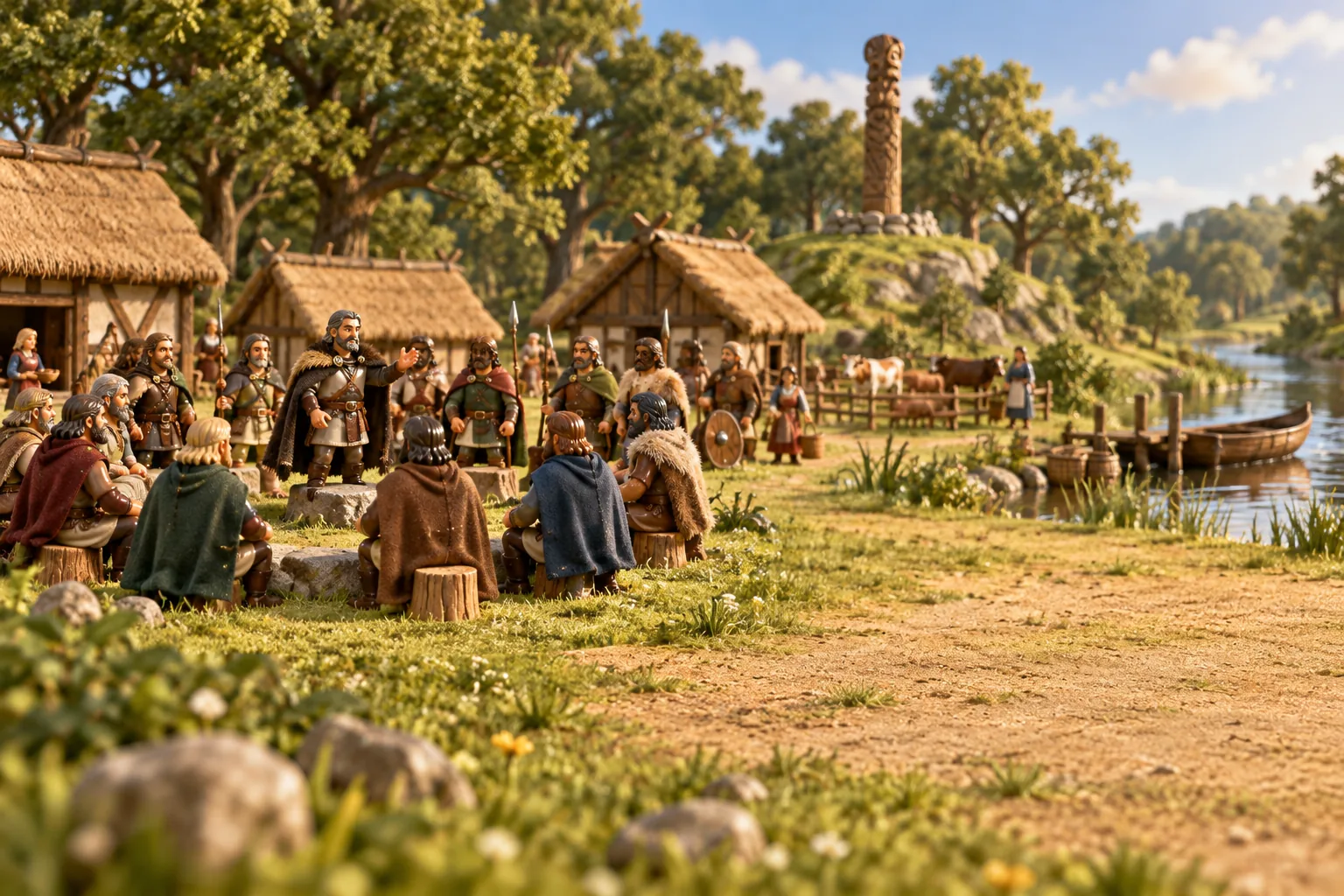
Old Saxony had no king. It was divided into three provinces, Westphalia, Eastphalia and Angria, with about a hundred districts, and once a year the Saxons held a council at Marklo, where they confirmed their laws and judged cases. Their chiefs cast lots for the leadership in war, but in peace they were equal in power. The Saxons kept their old gods, and near Eresburg stood a sacred pillar, the Irminsul.
In 772 the Franks destroyed the Irminsul, and Charlemagne began the long Saxon Wars. The Saxon hero Widukind led the resistance, but by 804 Charlemagne had conquered all the Saxons, forced them to become Christians and made Saxony a duchy of his empire. A century later the dukes of Saxony became kings of Germany: Henry the Fowler in 919, then his son Otto the Great, who became emperor.
Read more on Wikipedia
Sources: en.wikipedia.org/wiki/Saxons

