Middle Ages · state
Kalmar Union
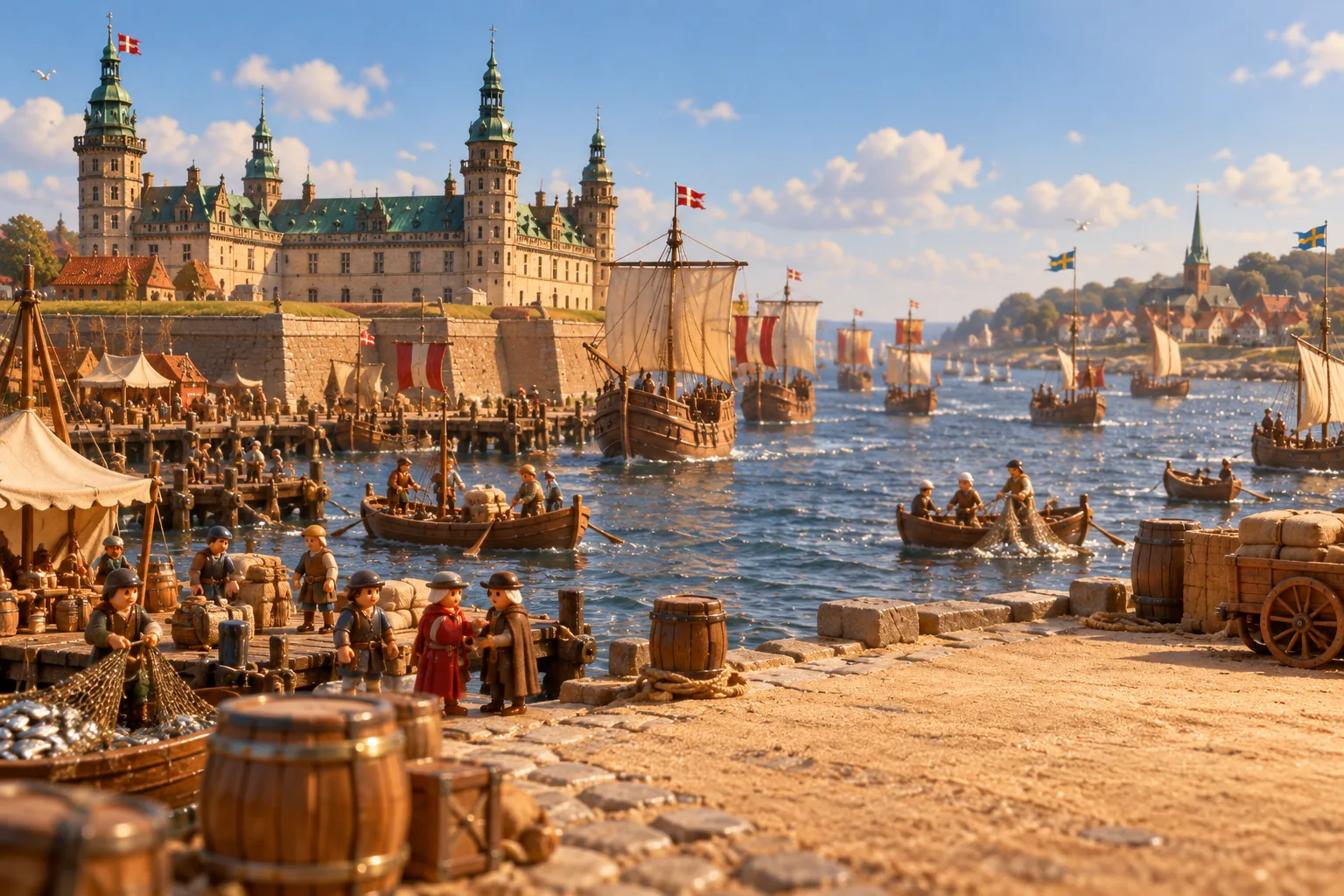
For more than a century one king sat on the thrones of Denmark, Norway and Sweden, until a mass execution in Stockholm drove the Swedes out for good.
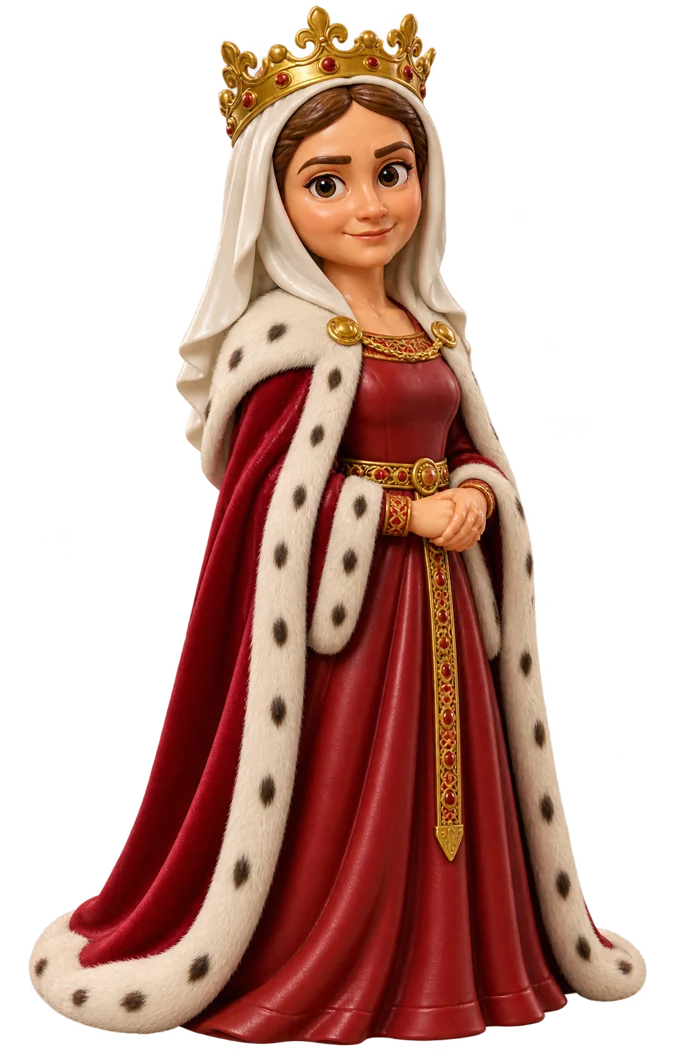
In 1370 Denmark lost a war to the Hanseatic League, the German trading league of the Baltic. Margaret, daughter of the Danish king Valdemar IV and widow of Haakon VI of Norway, ruled Denmark and Norway after her son Olaf died in 1387. Called in by Swedish nobles, she defeated their king, Albert, in 1389. Her great-nephew Eric of Pomerania was elected king of all three realms and crowned at Kalmar on 17 June 1397.
One king now reigned over Denmark, Norway and Sweden, which then included much of Finland, along with Iceland, Greenland, the Faroes, Orkney and Shetland. Margaret governed in all but name until her death in 1412. Eric's wars with the Hanseatic League raised taxes and hampered Swedish iron exports, and the Engelbrekt rebellion of 1434 led to his overthrow in 1439. Later Christian I of Denmark fought the Swedish king Karl Knutsson Bonde, and in 1471 Sten Sture the Elder beat Christian at Brunkeberg outside Stockholm.
In 1520 Christian II invaded Sweden, his army fatally wounded the regent Sten Sture the Younger at Bogesund, and he was crowned in Stockholm. Between 7 and 9 November nearly 100 opponents were executed despite promises of amnesty, the Stockholm Bloodbath. Gustav Vasa, whose father was among the dead, raised a revolt in Dalarna and was elected King of Sweden on 6 June 1523, ending the union.
Read more on Wikipedia
Sources: en.wikipedia.org/wiki/Kalmar Union, en.wikipedia.org/wiki/Stockholm Bloodbath, en.wikipedia.org/wiki/Margaret I of Denmark


