Middle Ages · state
Crown of Castile
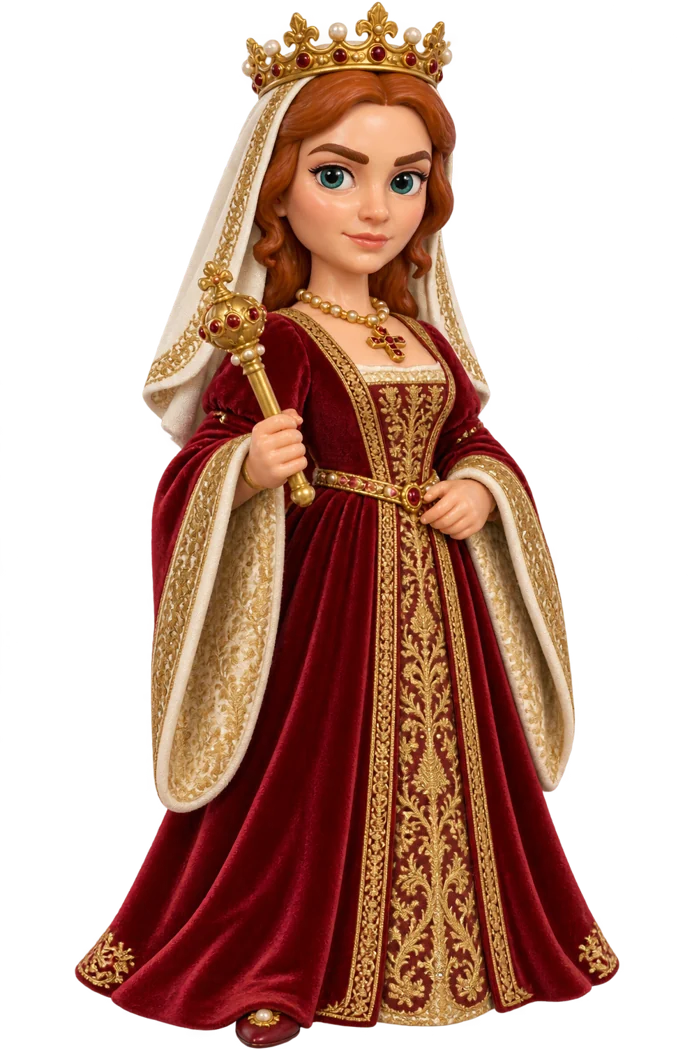
Its queen Isabella backed Columbus in 1492, and the lands he found belonged to Castile, not to Spain as a whole.
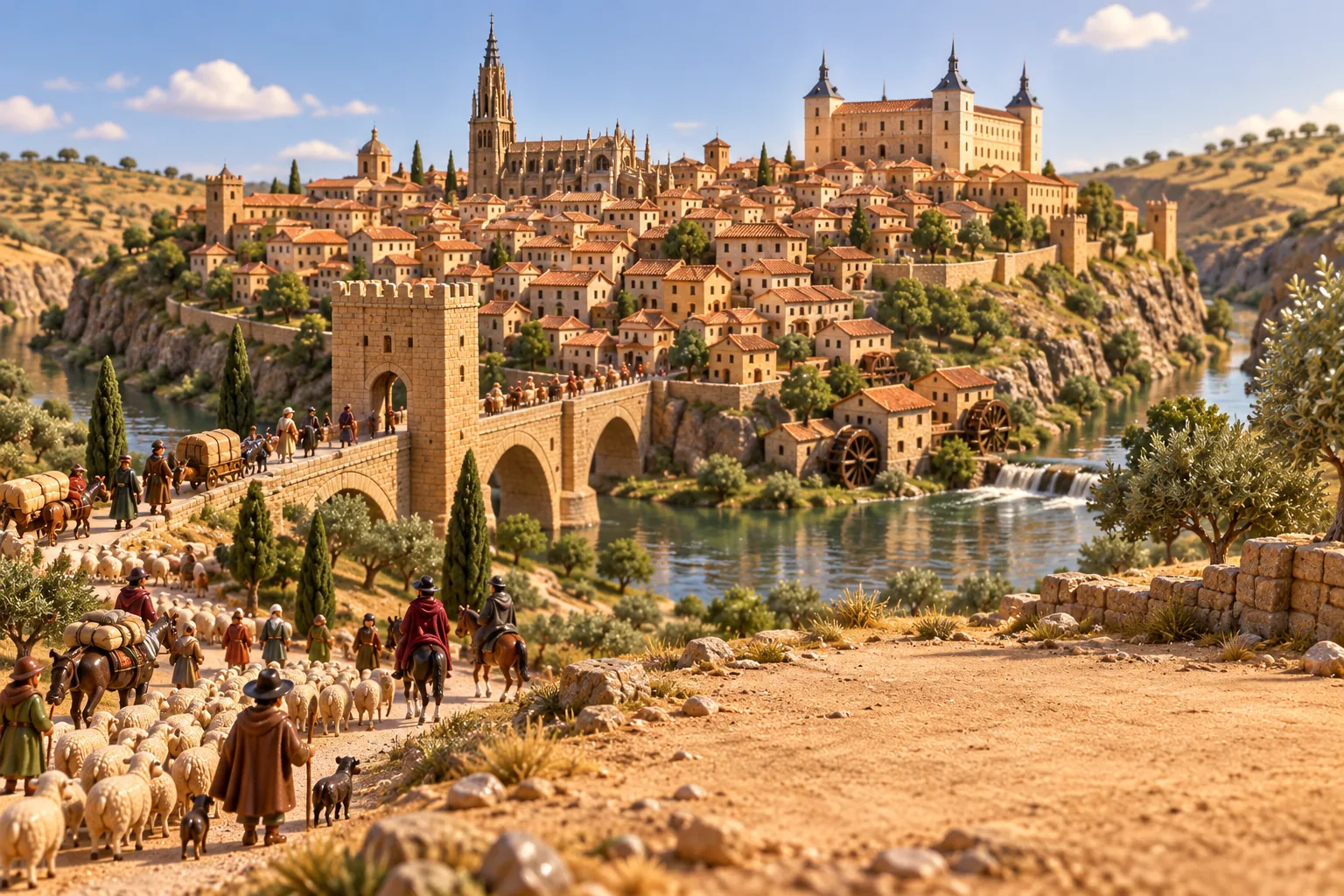
In 1230 Ferdinand III, already king of Castile, inherited León from his father, and the two kingdoms were joined for good. He conquered the Guadalquivir valley, taking Seville in 1248, and his son Alfonso X took Murcia. Their parliaments, the Cortes, merged, and the Siete Partidas became a law code for the whole realm. Sheep farmers formed the powerful Mesta, and Castile became a leading exporter of wool.
In the 14th century two sons of Alfonso XI fought for the throne in a war tangled up with the Hundred Years' War. The Black Prince won at Nájera in 1367 for King Peter, but Henry of Trastámara beat him at Montiel in 1369 and founded a new dynasty. In October 1469 the princess Isabella secretly married Ferdinand, heir of Aragon. She won the war over the succession, and from 1479 the two crowns shared their monarchs while keeping separate laws.
The Catholic Monarchs tamed the nobles, set up the Inquisition and conquered the Canary Islands. On 2 January 1492 they entered the Alhambra of Granada, ending the Reconquista, and on 31 March they ordered the Jews to leave the country. That August Columbus sailed with Isabella's backing, and the lands he found were claimed for the Crown of Castile. Castile annexed most of Navarre in 1512, and the Nueva Planta decrees of the 18th century merged it into Spain.
Read more on Wikipedia
Sources: en.wikipedia.org/wiki/Crown of Castile, en.wikipedia.org/wiki/Isabella I of Castile