Industrial age · state
Free France
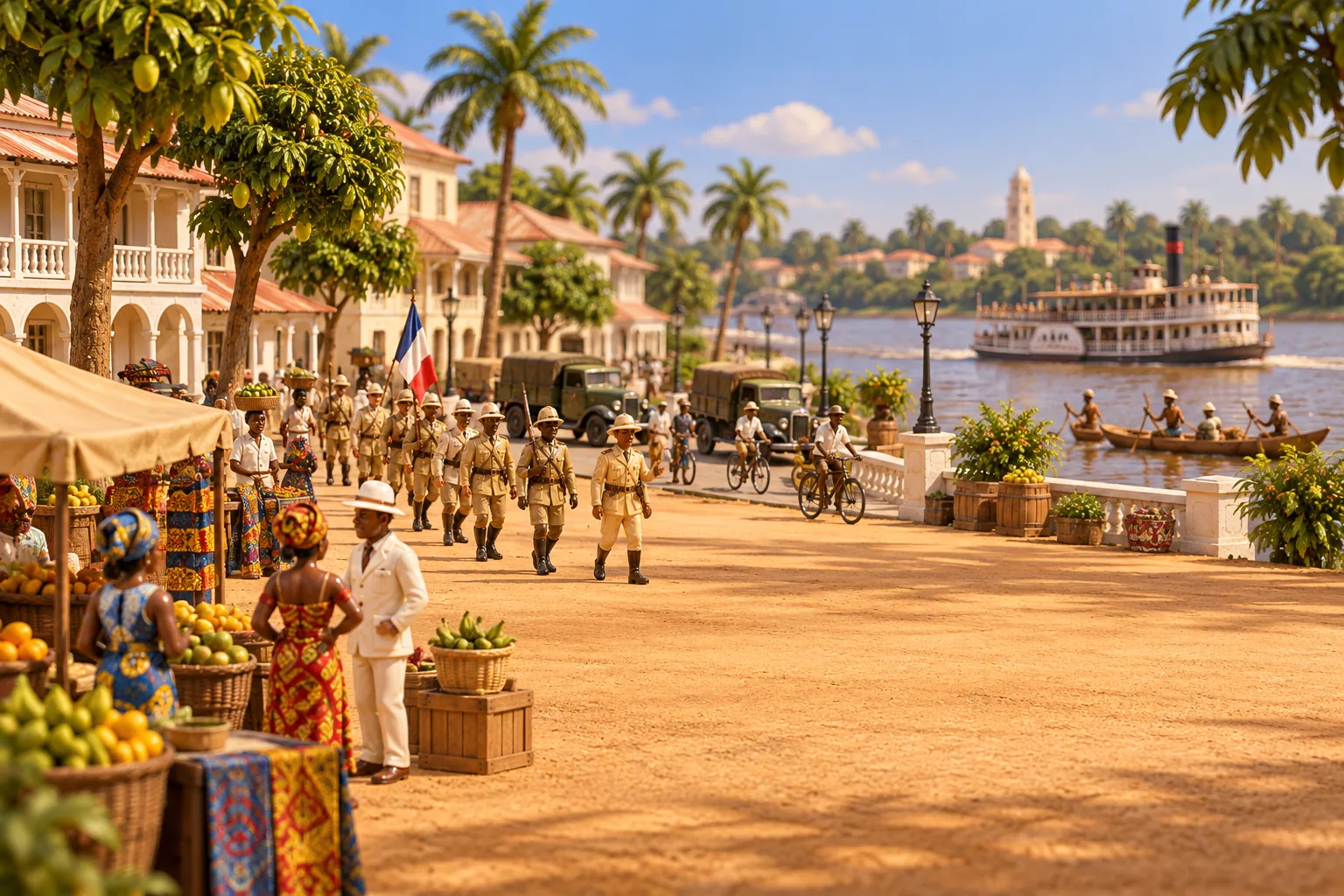
It began as one man at a BBC microphone in June 1940, and its first real territory was a colony in the middle of Africa.
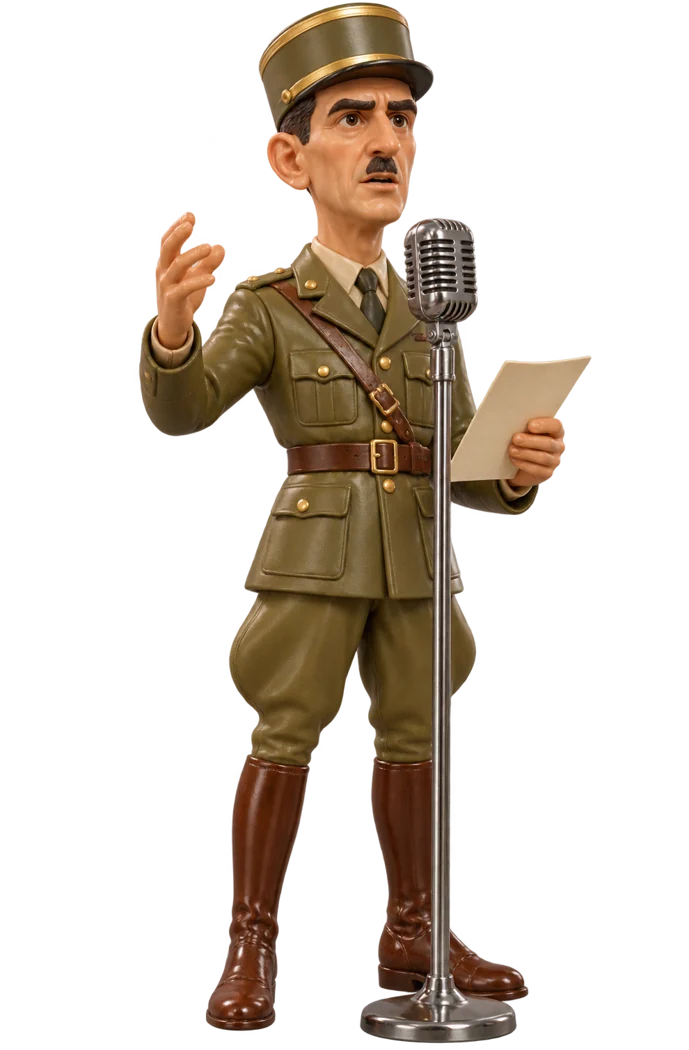
When France fell in June 1940, Marshal Philippe Pétain signed an armistice with Germany and set up the Vichy regime. A little-known general, Charles de Gaulle, refused to accept it and flew to Britain. On 18 June he spoke on BBC radio, urging French soldiers, sailors and airmen to fight on. Few heard that first appeal, but it came to be remembered as the voice of French honour, and Free France was founded in London as a government-in-exile.
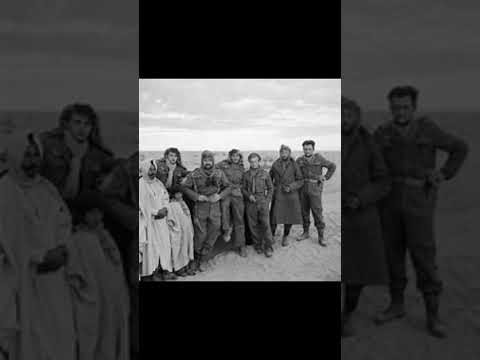
At first almost the whole empire stayed loyal to Vichy. The break came on 26 August 1940, when Félix Éboué, governor of Chad, declared for Free France, and by the end of the month most of French Equatorial Africa had followed. An attack on Dakar failed in September, but General Leclerc took Libreville in November, and the Brazzaville Manifesto of 27 October announced a council to govern the free colonies. Leclerc's men captured the Italian fort of Kufra in Libya in 1941, and in 1942 Koenig's brigade held Bir Hakeim against Rommel from 26 May to 11 June.
In July 1942 Free France became Fighting France. After the Allies took North Africa its government moved to Algiers, and on 1 August 1943 its forces merged with the Army of Africa. By the end of the war the French army numbered over 1.3 million men.
Read more on Wikipedia
Sources: en.wikipedia.org/wiki/Free France