Industrial age · state
Second Spanish Republic
Two days after a local election, Spain woke up a republic, and within eight years the new democracy was swallowed by civil war.
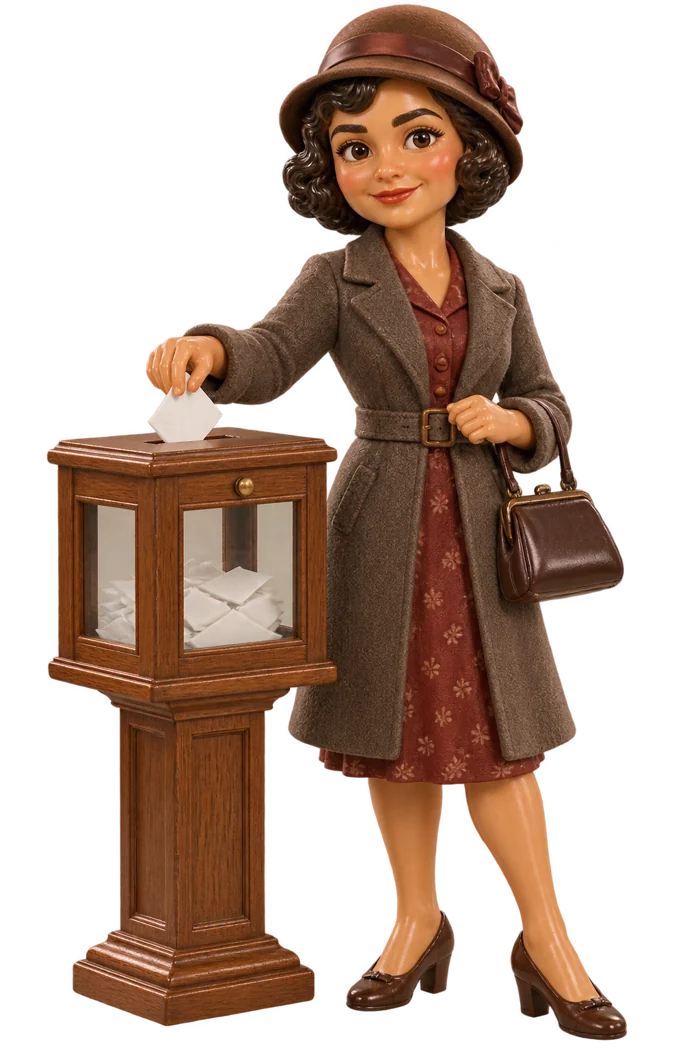
In January 1930 the military dictatorship of Miguel Primo de Rivera fell, and republicans of every stripe joined forces in the Pact of San Sebastián. Republicans swept the cities in the municipal elections of 12 April 1931. Two days later the Republic was proclaimed and King Alfonso XIII went into exile. The constitution of December 1931 brought freedom of speech and association, divorce and votes for women, ended the special status of the nobility and the Catholic Church, and adopted a red, yellow and purple tricolour.
Prime Minister Manuel Azaña pushed reforms through the first two years. The state began a large school-building programme, carried out a moderate land reform and gave Catalonia home rule. A monarchist coup, the Sanjurjada, failed in 1932. The right-wing CEDA won the most votes in November 1933, and the next two years brought violent clashes. In October 1934 a revolt of miners in Asturias was crushed by the army.
The left-wing Popular Front won the elections of February 1936 amid a wave of political violence. On 17 July 1936 army generals rose against the government, and the country split into a civil war. Madrid held out in November 1936, but the Nationalists gained ground year by year. After Barcelona fell in early 1939, the Republic surrendered on 1 April 1939.
Read more on Wikipedia


