Middle Ages · state
Empire of Nicaea
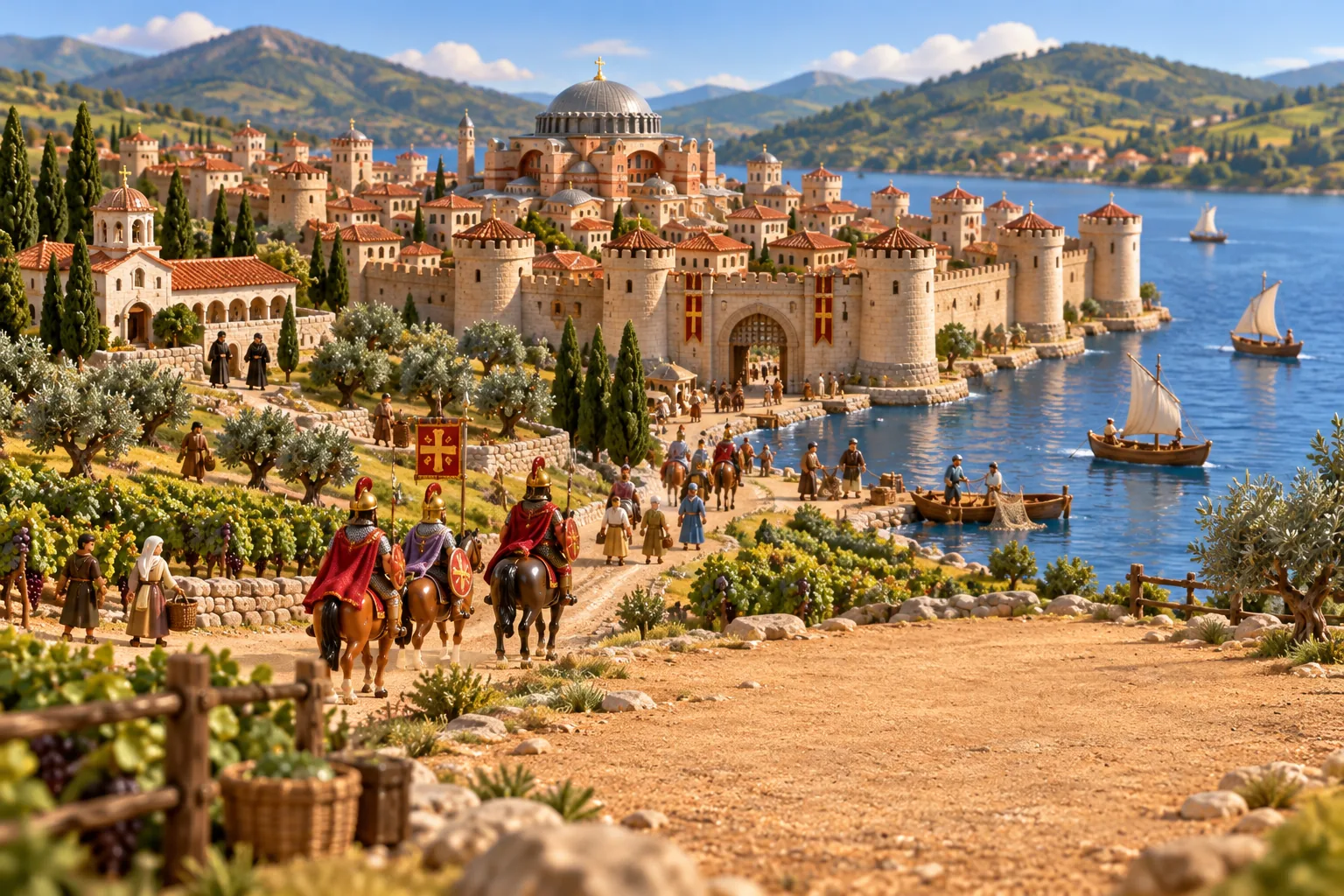
Exiled Byzantines ruled from Nicaea after the Crusaders sacked Constantinople, and in 1261 a guard opened a city gate and handed it back to them.
When the knights of the Fourth Crusade and Venice took Constantinople in 1204, Byzantine nobles fled and set up rival successor states. Theodore I Laskaris, son-in-law of Emperor Alexios III, crossed to Nicaea in Bithynia. He beat rivals from Trebizond and, in 1211 at Antioch on the Meander, a Seljuk invasion. In 1205 he took the titles of the Byzantine emperors, and three years later a newly elected Orthodox patriarch crowned him and made Nicaea his seat.
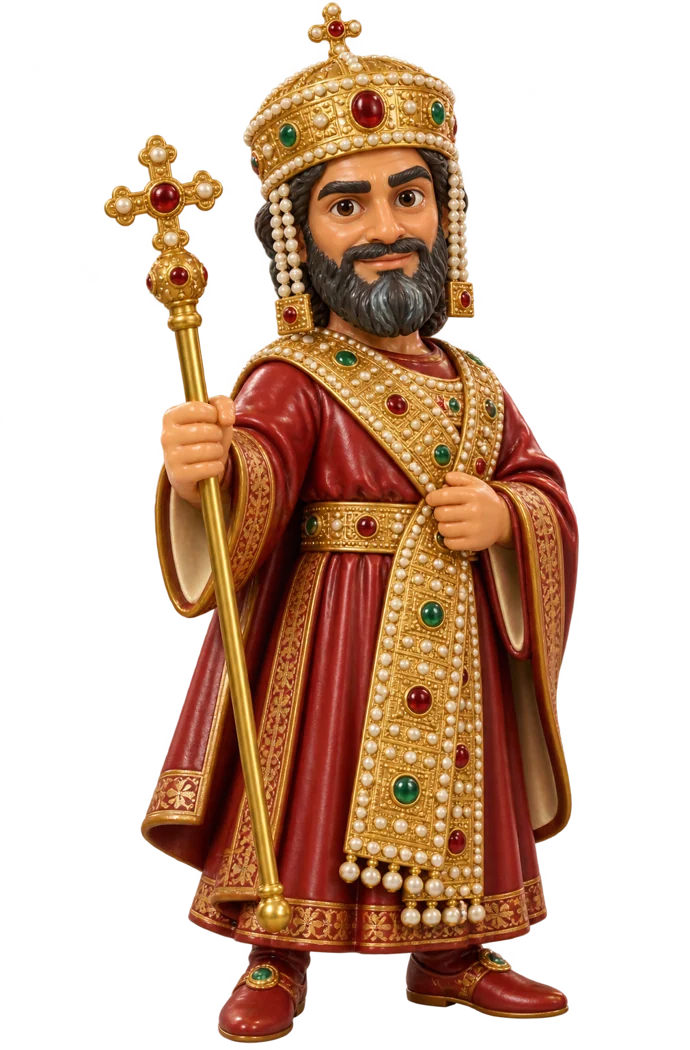
His son-in-law John III Doukas Vatatzes, who reigned from 1221 to 1254, beat the Latins at Poimanenon, carried the war across the Aegean and in 1246 took most of Thrace and Macedonia and then Thessalonica. When the Mongols invaded Seljuk lands in 1242, they removed Nicaea's main enemy in the east, and by 1248 the Latin Empire was surrounded. The Nicene court often called its people Hellenes rather than Romans.
After Theodore II died in 1258, the general Michael Palaiologos became regent for the child John IV and then co-emperor. In July 1261, while most of the Latin army was away, his general Alexios Strategopoulos persuaded guards to open the gates of Constantinople, and the Byzantine Empire was restored. Stripped of troops and money, the old Nicene lands fell to the Turks, and Nicaea itself was lost in 1331.
Read more on Wikipedia
Sources: en.wikipedia.org/wiki/Empire of Nicaea, en.wikipedia.org/wiki/John III Doukas Vatatzes
