Antiquity · state
Ancient Carthage
Its general Hannibal crossed the Alps and brought Rome to the edge of ruin, and Rome answered by destroying Carthage in 146 BC.
Around 814 BC merchants from Tyre, in today's Lebanon, settled a hilly peninsula on the Gulf of Tunis and called it Qart-Hadasht, 'New City'. A citadel stood on the Byrsa hill. Fertile land and trade routes made it grow fast, to 30,000 people within a century, and as Tyre fell under Babylonian and Persian power, Carthage became independent in the mid-6th century BC.
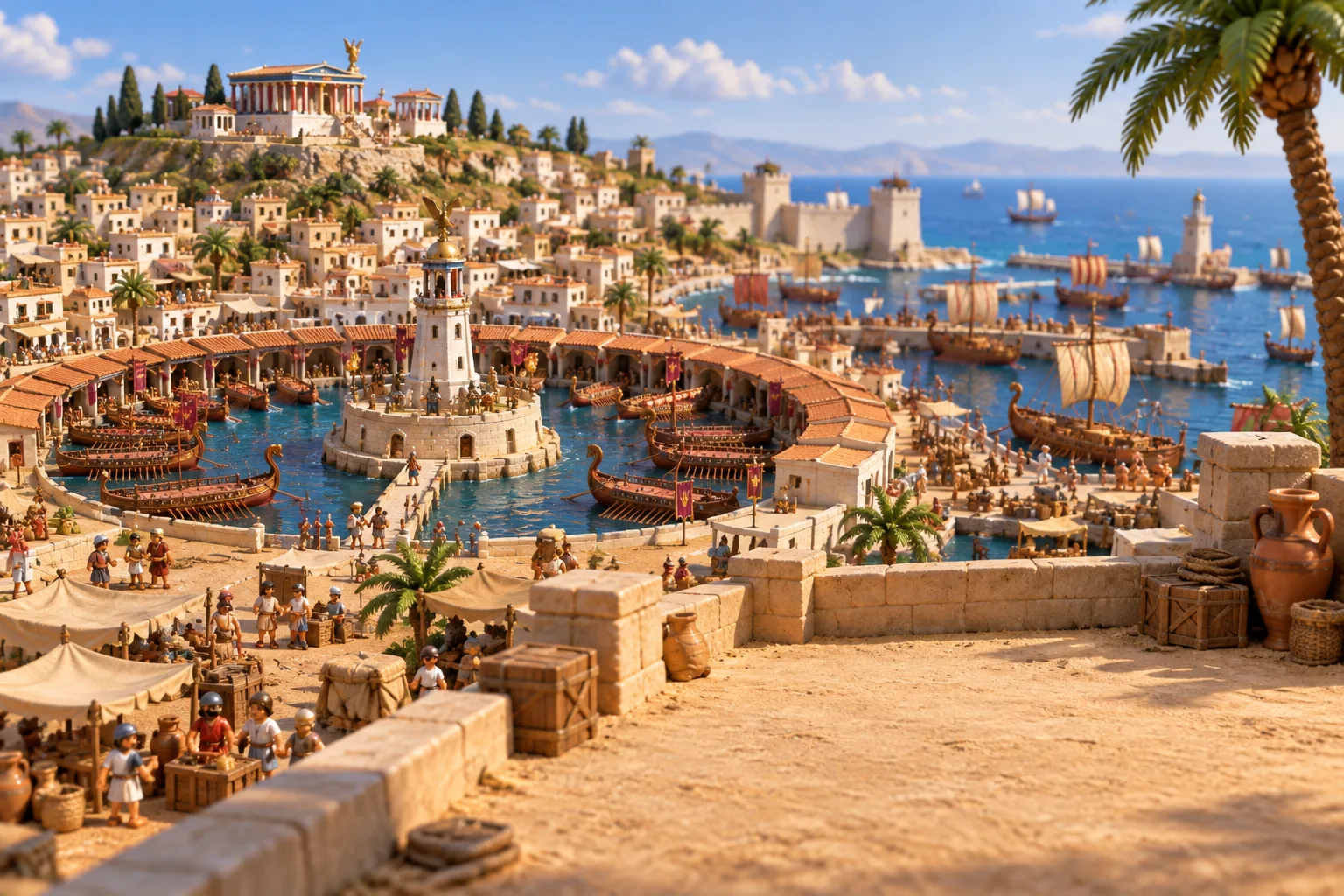
Under Mago I and his family it raised armies of mercenaries and subject peoples. By the 4th century BC it held the coast from Morocco to western Libya, Sardinia, Malta, the Balearic Islands and western Sicily, where it fought the Greeks of Syracuse for generations. Two sufetes, elected each year, led the state, while generals held the army. Its fleet sheltered in a great harbour, the Cothon, and Hanno the Navigator sailed down the coast of West Africa. By the 3rd century BC the city had about 250,000 people.
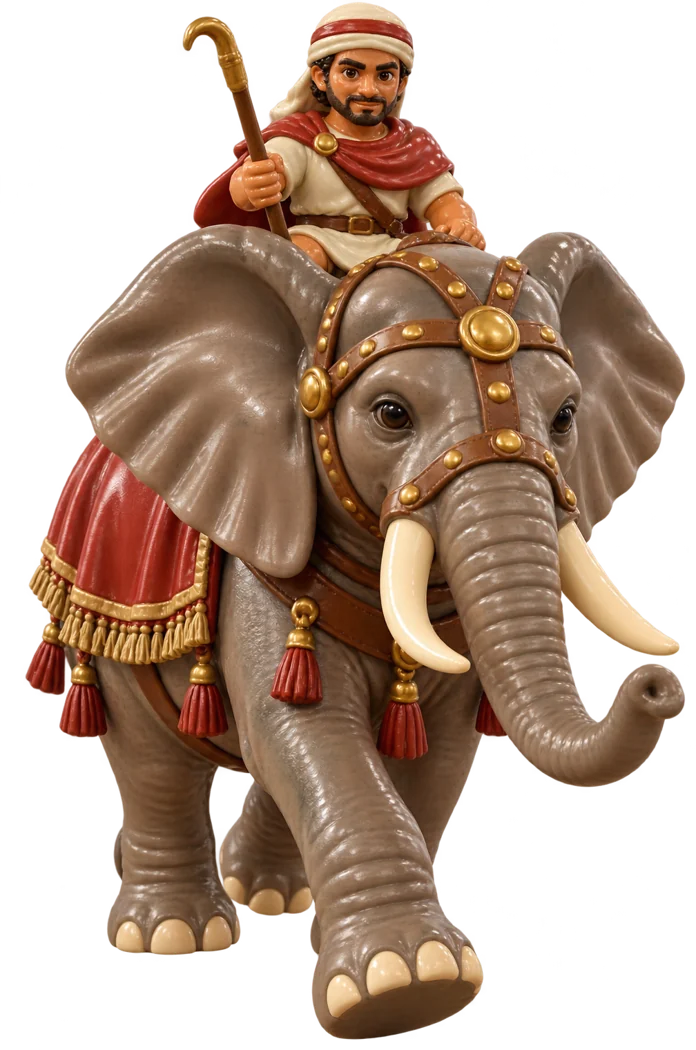
Rivalry with Rome brought the Punic Wars. Carthage lost the first, and Rome then seized Sardinia and Corsica. In 218 BC Hannibal crossed the Alps and crushed Roman armies at the Trebia, Trasimene and Cannae. Scipio Africanus beat him at Zama, and Carthage lost its navy and overseas lands. In 149 BC Rome attacked again. After a three-year siege Scipio Aemilianus destroyed the city in 146 BC, and tens of thousands of Carthaginians were killed or enslaved.
Read more on Wikipedia


