Middle Ages · state
Principality of Moldavia
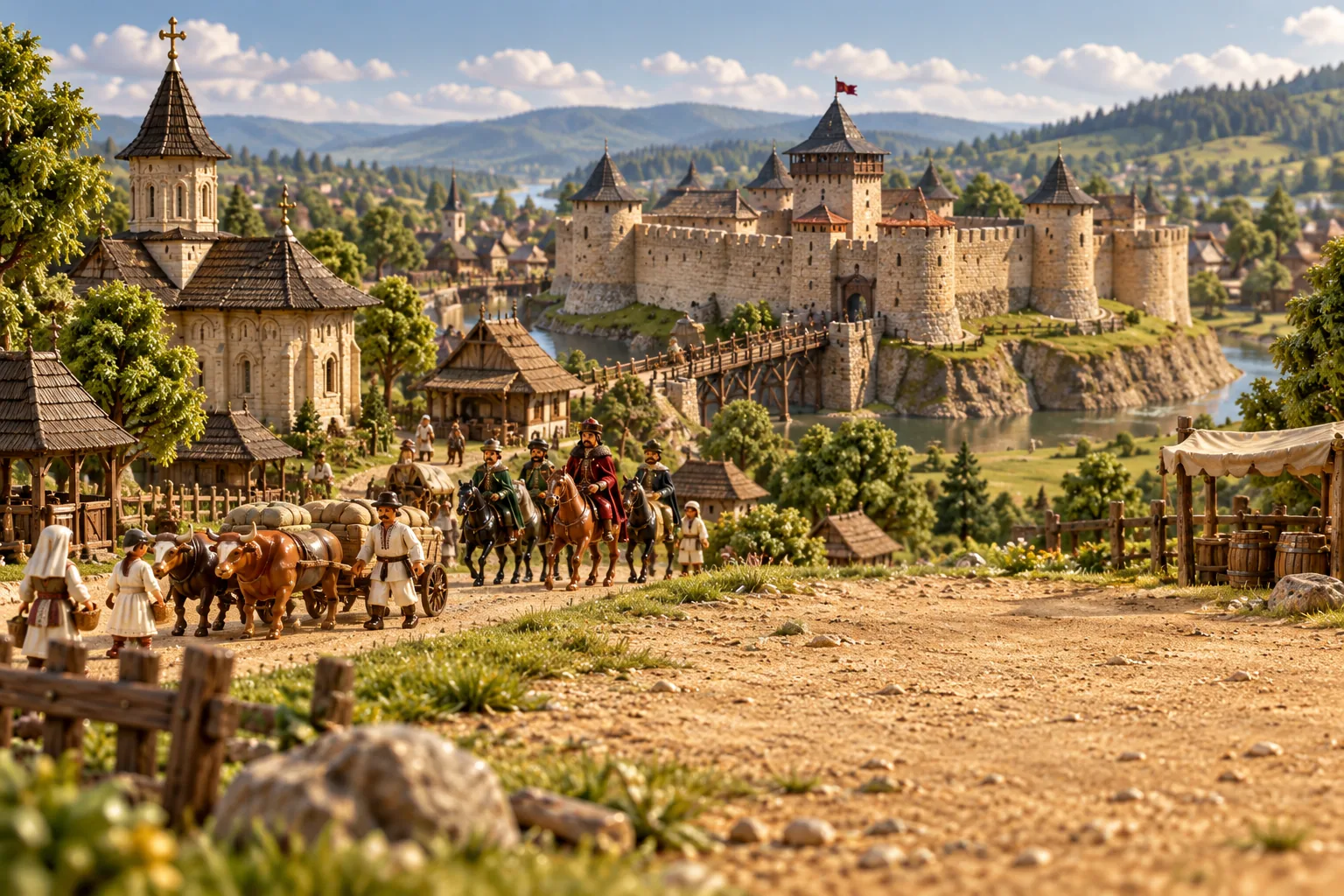
Its prince Stephen the Great beat the Ottomans at Vaslui in 1475 and filled his land with stone churches and monasteries.
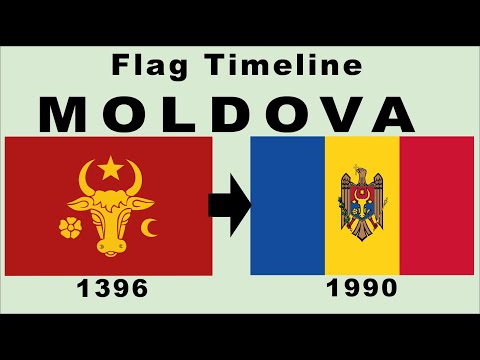
Legend says Dragoș, a voivode from Maramureș, chased a star-marked aurochs across the Carpathians, and his hound Molda was killed by it on the bank of a river that took her name. The real founding figure was Bogdan, another voivode from Maramureș, who crossed the mountains in 1359 and broke away from Hungary; the land was first called Bogdania after him. Its princes ruled from Baia, Siret and Suceava, and from 1565 from Iași.
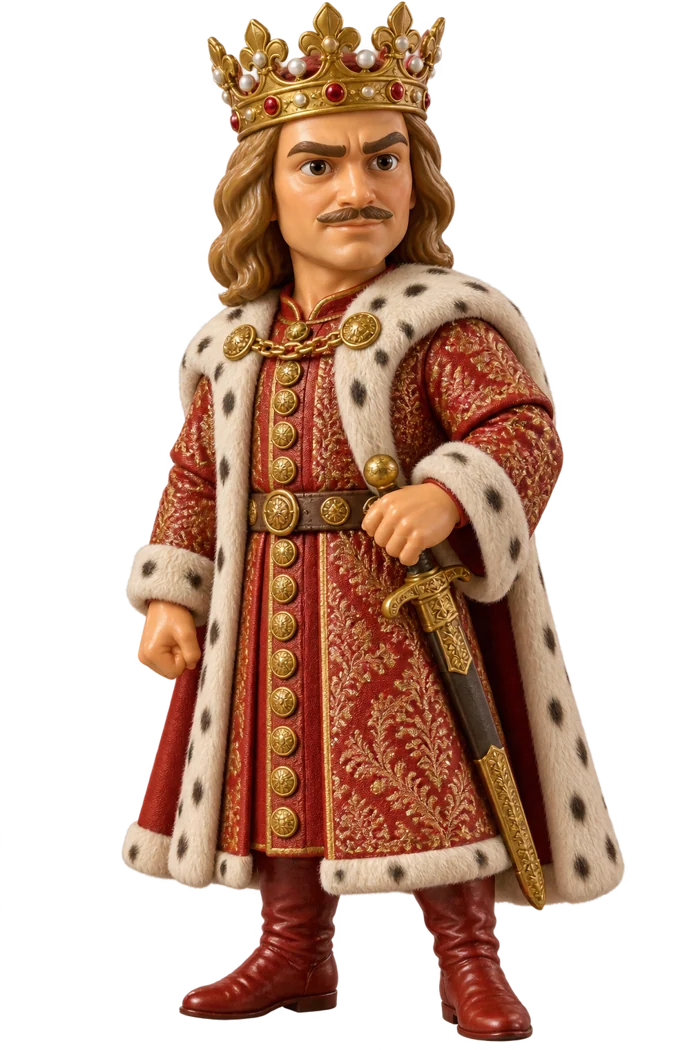
Moldavia reached its most glorious period under Stephen the Great, prince from 1457 until his death in 1504. Under him all farmers and villagers had to bear arms, and in 1475, with the Large Host and hired troops, he won a major victory over the Ottomans at Vaslui. Pope Sixtus IV praised him, but no help came from the West. In 1484 he lost the Black Sea fortresses of Chilia and Cetatea Albă, and in 1498 he had to accept Ottoman suzerainty.
Moldavia stayed an Ottoman vassal for three centuries. In 1600 Michael the Brave of Wallachia briefly ruled Moldavia, Wallachia and Transylvania together. After Prince Dimitrie Cantemir sided with Peter the Great and was defeated at Stănilești in 1711, the Ottomans imposed Phanariot princes. Moldavia lost Bukovina to the Habsburgs in 1775 and Bessarabia to Russia in 1812. In January 1859 Alexandru Ioan Cuza was elected its prince in Iași, a step towards modern Romania.
Read more on Wikipedia
Sources: en.wikipedia.org/wiki/Moldavia, en.wikipedia.org/wiki/Stephen the Great, en.wikipedia.org/wiki/Voroneț Monastery