Industrial age · state
First Mexican Empire
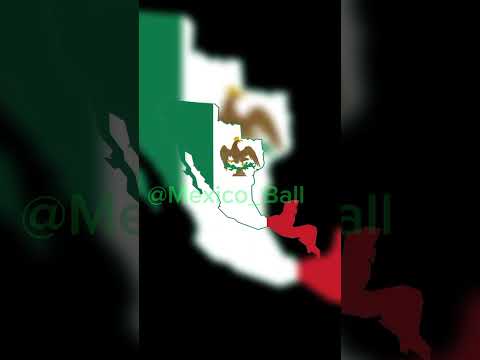
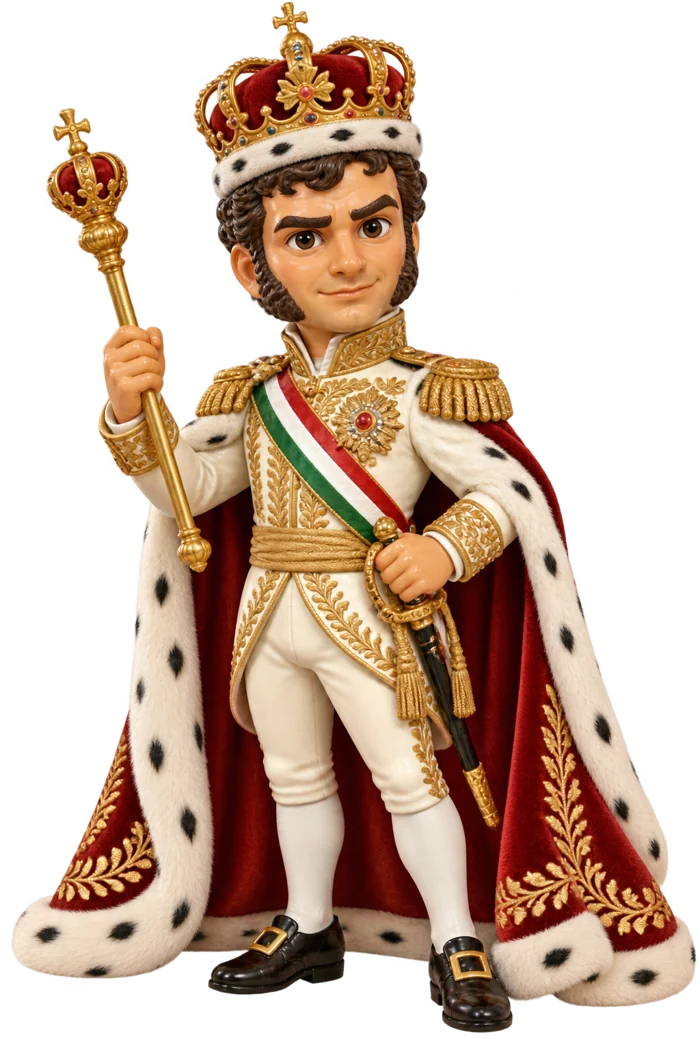
The first independent Mexico was an empire stretching from California to Costa Rica, and its emperor was crowned with borrowed jewels.
The Mexican War of Independence began in 1810, and by 1820 only guerrillas such as Vicente Guerrero still fought in the south. Agustín de Iturbide, a royalist officer, then changed sides. His Plan of Iguala of 24 February 1821 promised three guarantees: independence as a Catholic constitutional monarchy under a European prince, equal rights for all Mexicans and those born in Spain, and the privileges of the Church. On 24 August 1821 the last Spanish viceroy, Juan O'Donojú, signed the Treaty of Córdoba.
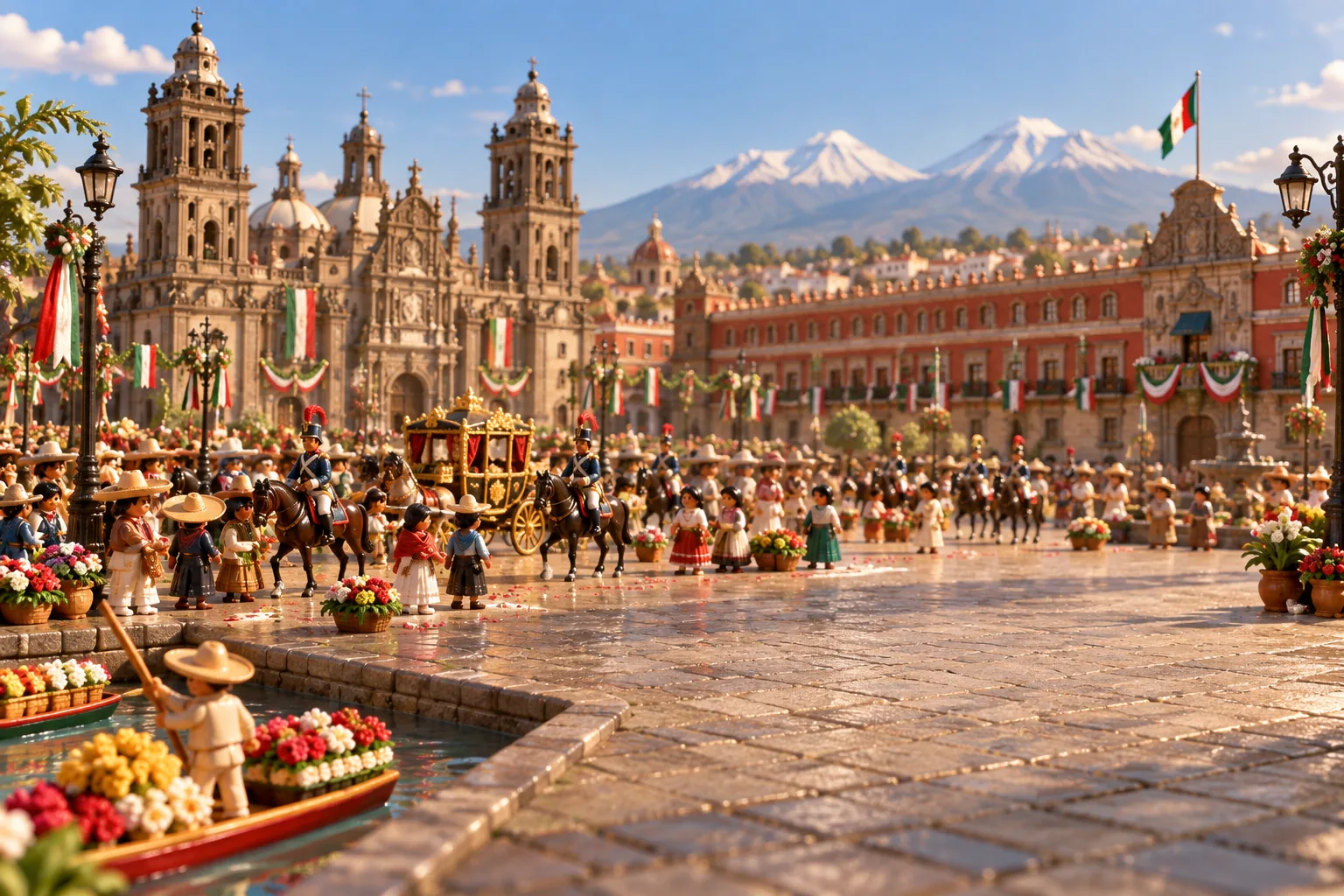
No European royal would accept the throne. After crowds and troops acclaimed Iturbide on 18 May 1822, Congress elected him emperor, and he was crowned Agustín I in the cathedral of Mexico City on 21 July 1822. His empire covered the old Viceroyalty of New Spain together with Central America, the largest Mexico ever was. But the treasury was empty, and in October 1822 he dissolved Congress.
In December the general Antonio López de Santa Anna rose against him in Veracruz, and Guerrero and other generals joined the revolt. On 19 March 1823 Iturbide offered his abdication and left the capital. A provisional government abolished the monarchy, and in July 1823 the Central American provinces left to form their own federal republic, all except Chiapas.
Read more on Wikipedia
Sources: en.wikipedia.org/wiki/First Mexican Empire, en.wikipedia.org/wiki/Plan of Iguala