Ancient world · state
Assyrian Empire
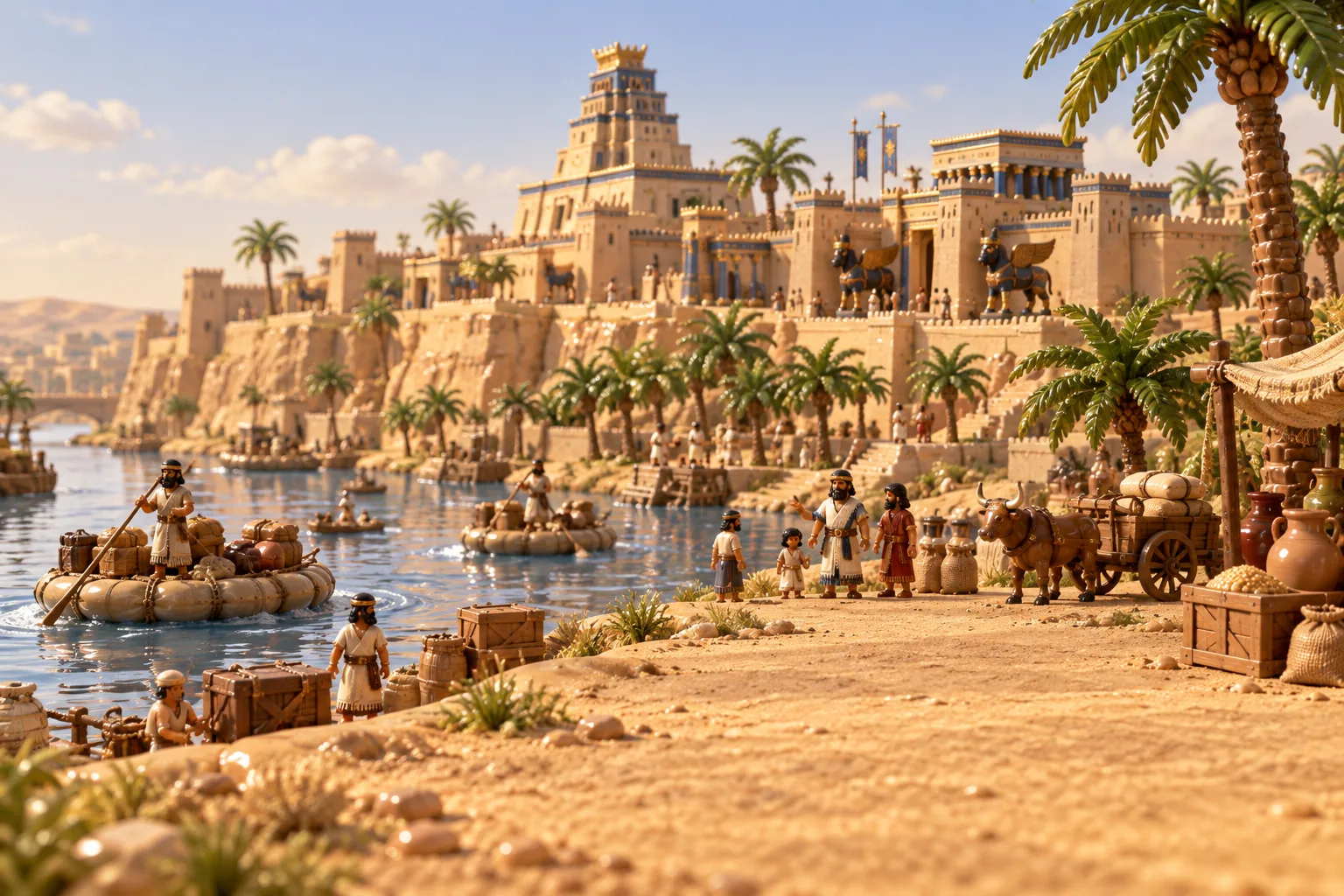
Called the first true military superpower, Assyria ruled from Egypt to Iran, and its king's library saved the Epic of Gilgamesh for us.
Assur, on the Tigris in northern Mesopotamia, became independent in the twenty-first century BC under a line of kings beginning with Puzur-Ashur I. Its merchants traded far into Anatolia: 22,000 of their clay tablets were found at Kültepe in Turkey. In the early fourteenth century BC Ashur-uballit I threw off foreign rule, took the title of king and claimed equal rank with the pharaohs. Tukulti-Ninurta I brought this Middle Assyrian Empire to its greatest extent.
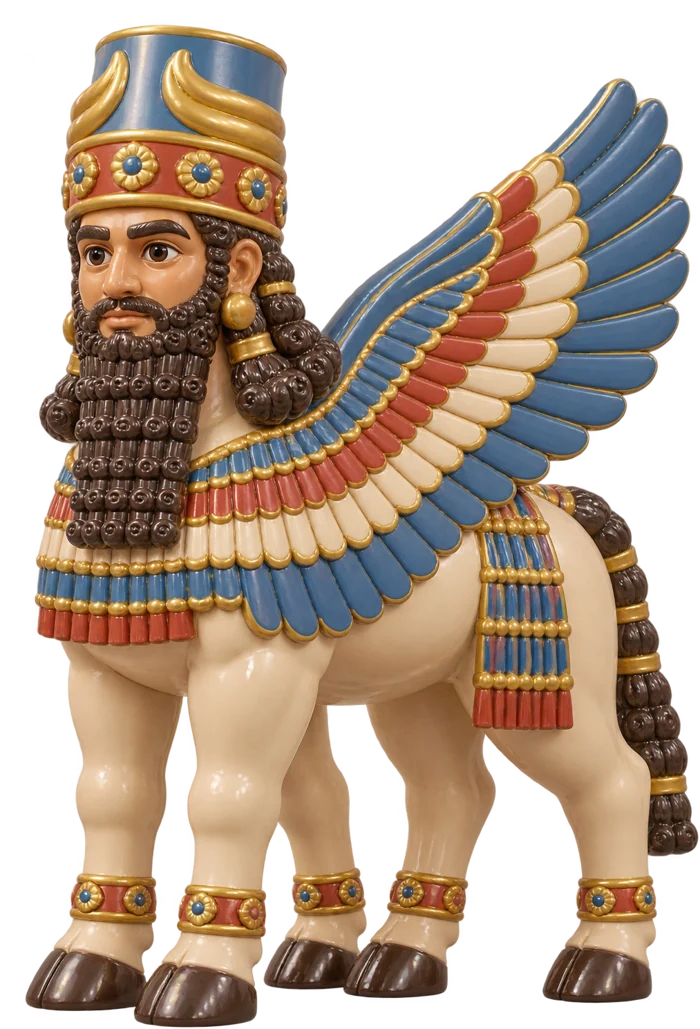
After a decline, the Neo-Assyrian Empire rose from 911 BC. Ashurnasirpal II made Nimrud his capital in 879 BC and marched to the Mediterranean. Tiglath-Pileser III conquered Babylonia in 729 BC, Sargon II built a new capital at Dur-Sharrukin in 706 BC, and his son Sennacherib moved it to Nineveh. Esarhaddon conquered Egypt in 671 BC, making Assyria the largest empire the world had yet seen. Huge winged bulls and lions, the lamassu, guarded its gates.
Weakened by civil war, the empire fell to a coalition of Babylonians, Medes and Scythians. Assur was sacked in 614 BC and Nineveh fell in 612 BC. The last king, Ashur-uballit II, was defeated at Harran in 609 BC. The Assyrian people still live in their old homeland and abroad.
Read more on Wikipedia
Sources: en.wikipedia.org/wiki/Assyria


