Antiquity · state
Ptolemaic Kingdom
For three centuries Greek kings ruled Egypt as pharaohs, built a library meant to hold every book in the world and ended with Cleopatra.
Alexander the Great conquered Egypt in 332 BC. After his death in 323 BC his general Ptolemy won control of the country and in 305 BC declared himself king, founding the last dynasty of ancient Egypt. Alexandria, the city Alexander had founded, became the capital. The Ptolemies took the title of pharaoh and appeared on monuments in Egyptian dress, but a Greek elite ran the army and the state, and from Ptolemy II onwards the kings married their own sisters.
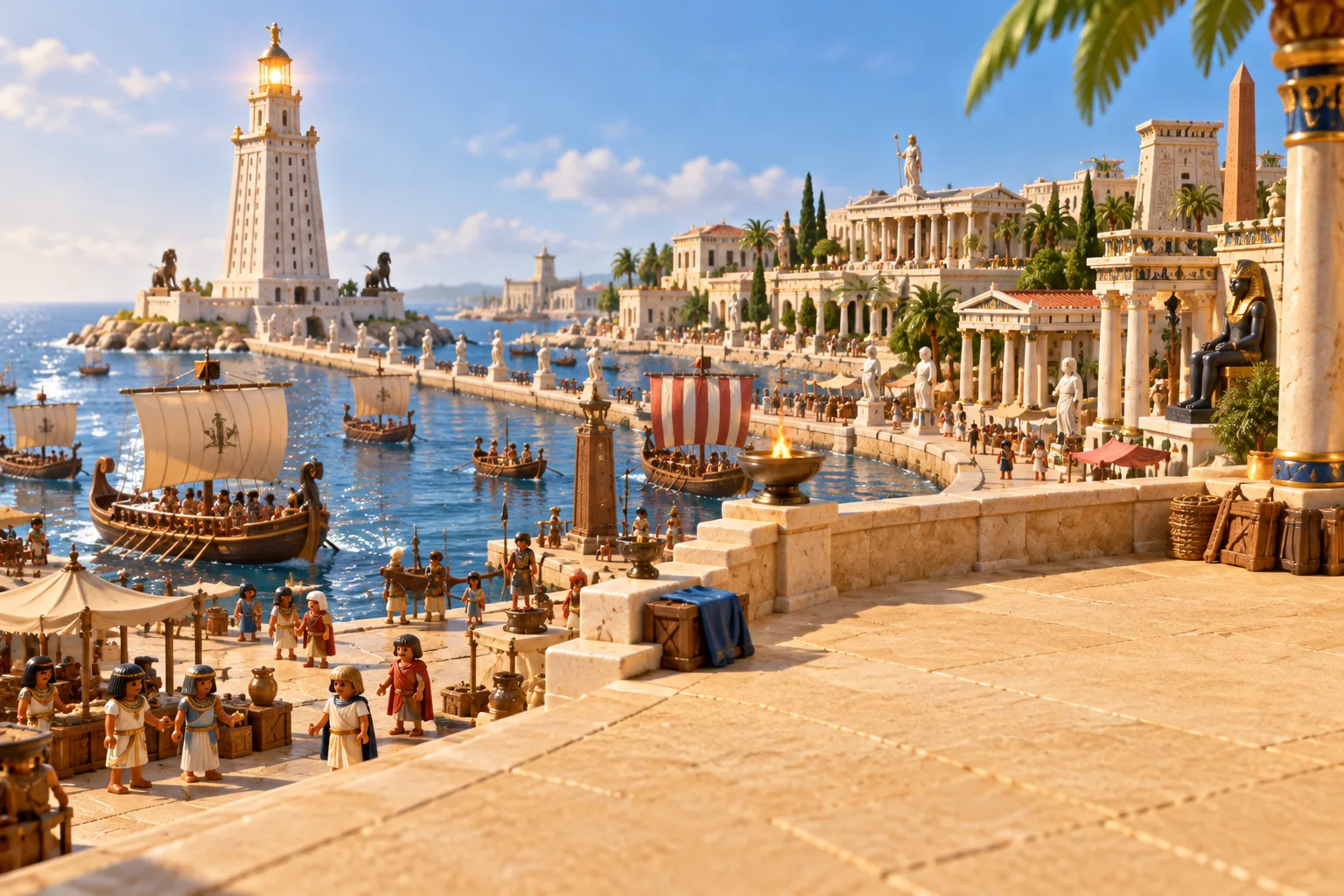
From the mid third century BC Ptolemaic Egypt was the richest of Alexander's successor states. Ptolemy II expanded the Library of Alexandria, and the lighthouse on Pharos, perhaps 140 metres tall, was counted among the Seven Wonders of the World. Under Ptolemy III, who reigned from 246 to 222 BC, the kingdom held Cyrenaica, Cyprus and Coele-Syria, and his court scholar Eratosthenes measured the circumference of the Earth. In 217 BC Egypt beat the Seleucid king Antiochus III at Raphia.
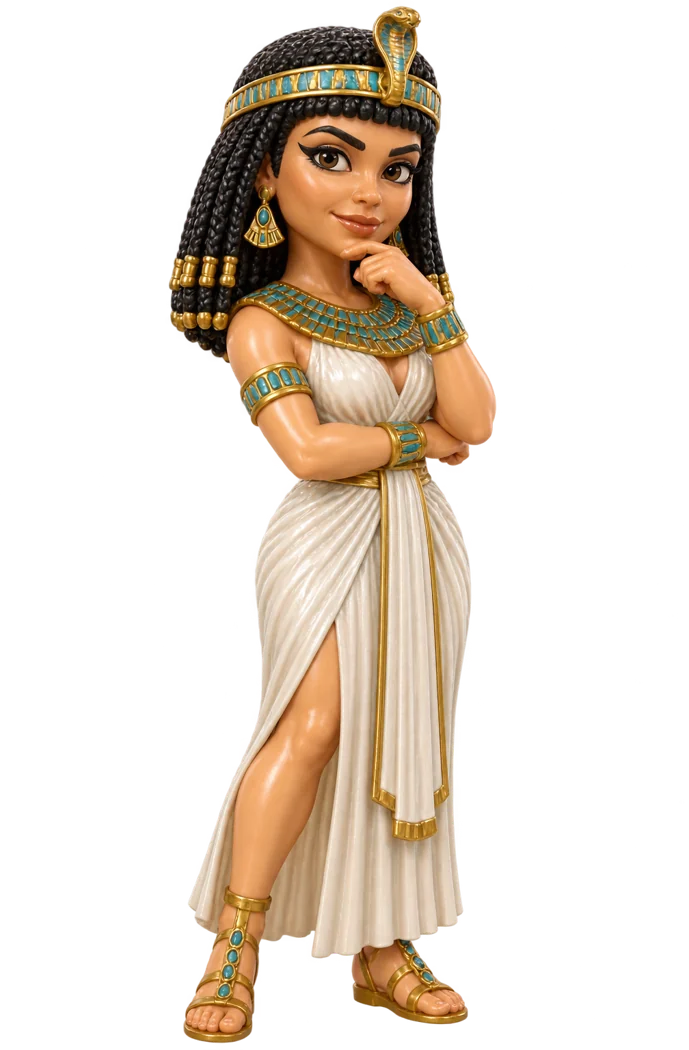
The Great Theban Revolt shook the south from 205 to 186 BC, and in 170 BC Antiochus IV invaded. Cleopatra VII came to the throne on 22 March 51 BC and allied with Julius Caesar and then Mark Antony. After their defeat at Actium, she took her own life on 12 August 30 BC, and Rome annexed Egypt.
Read more on Wikipedia
Sources: en.wikipedia.org/wiki/Ptolemaic Kingdom, en.wikipedia.org/wiki/Rosetta Stone


