Ancient world · state
Urartu
Its kings dug irrigation canals across the Armenian Highlands, and some of them still water the fields nearly three thousand years later.
Assyrian records name Urartu from the 13th century BC as one of the tribal lands of Nairi, but its own kings called it Biainili, a name that may survive in the city of Van. Around 830 BC King Sarduri I resisted the armies of Shalmaneser III and moved the capital to Tushpa, a rock citadel on the shore of Lake Van. His son Ishpuini brought the holy city of Musasir into the kingdom, raised the god Ḫaldi to its head and was the first king to write in Urartian rather than Akkadian.
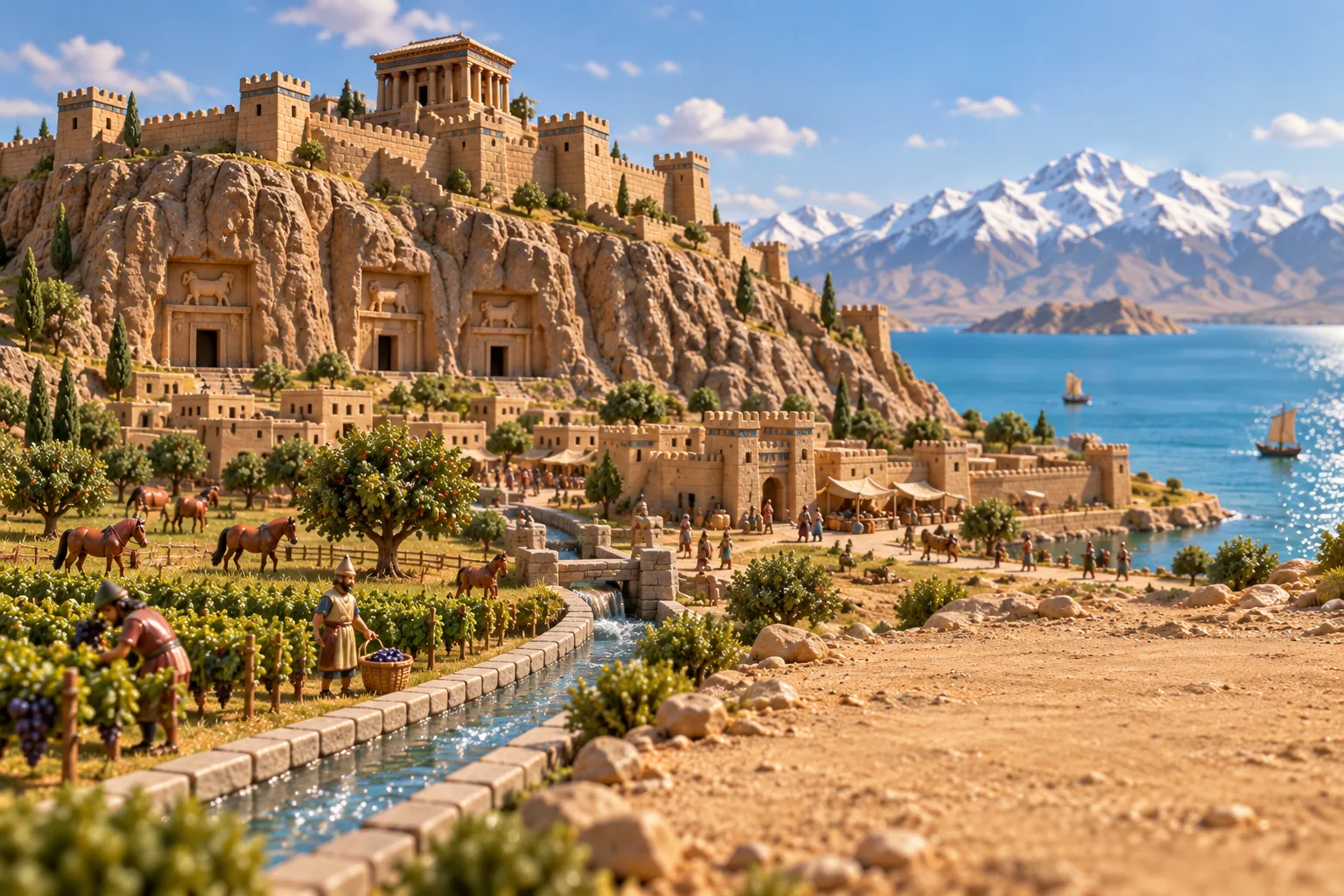
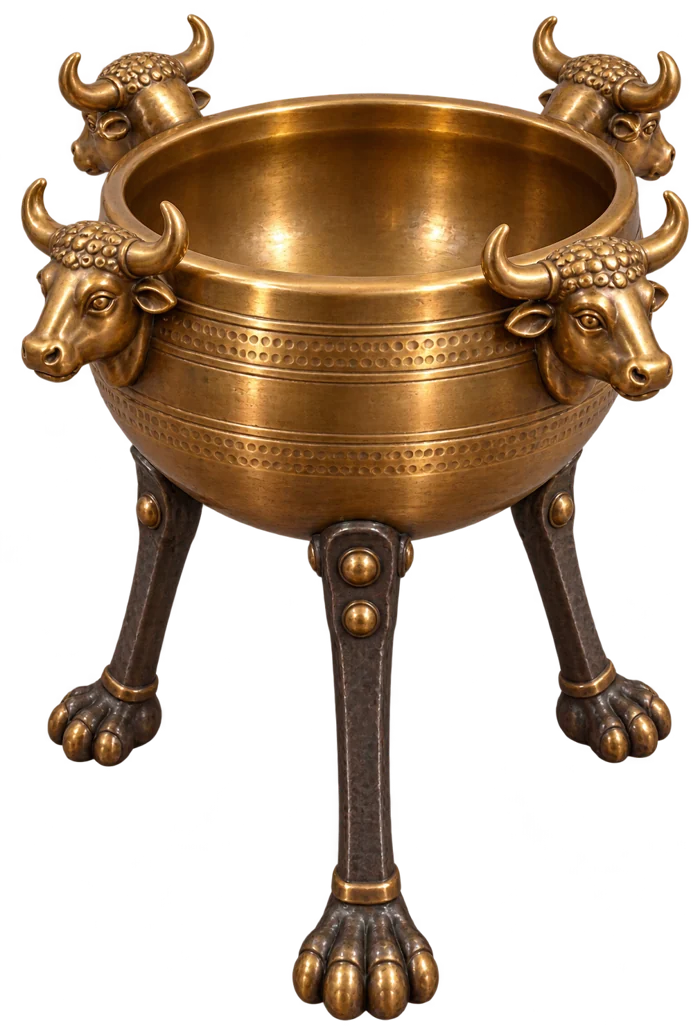
Urartu was at its strongest under Argishti I, about 785 to 760 BC. He pushed north along the Aras to Lake Sevan and in 782 BC founded the fortress of Erebuni, settling 6,600 prisoners of war there. Urartian builders worked in thick stone, setting square temples on the highest point of each citadel, and their bronze-smiths made helmets, shields and great sacrificial cauldrons by the lost-wax method.
Assyria struck back. Tiglath-Pileser III beat Sarduri II in 745 BC, and in 714 BC Sargon II sacked the temple of Musasir and crushed Rusa I. Urartu recovered under Argishti II and Rusa II, but Cimmerian and Scythian raids wore it down. The kingdom of Van was destroyed around 590 BC, and by the late 6th century the Persian satrapy of Armenia stood in its place.
Read more on Wikipedia
Sources: en.wikipedia.org/wiki/Urartu, en.wikipedia.org/wiki/Erebuni Fortress


