Middle Ages · state
Bahmani Sultanate
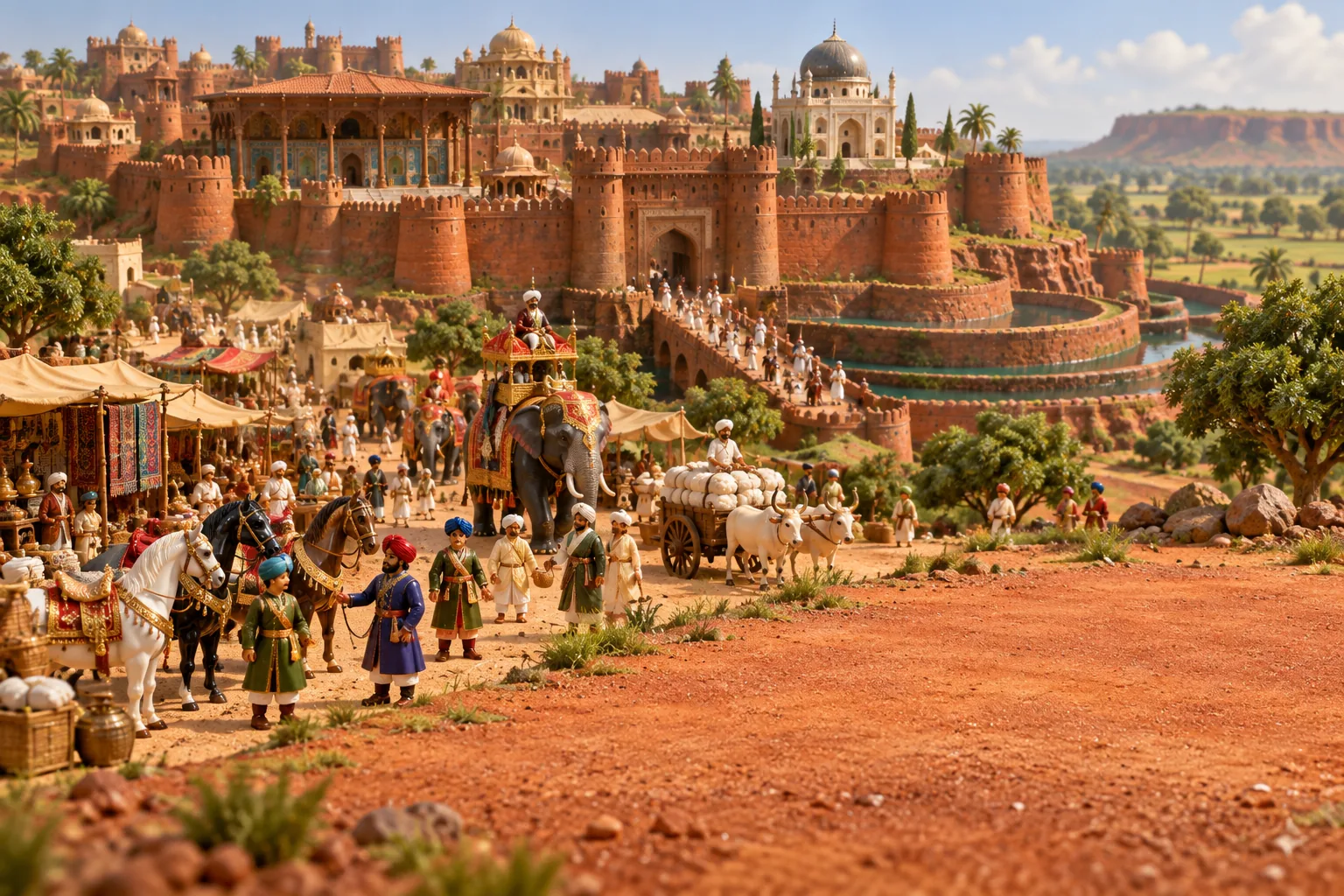
A Russian horse trader from Tver lived in its capital Bidar in the 1470s and left one of the first European accounts of India.
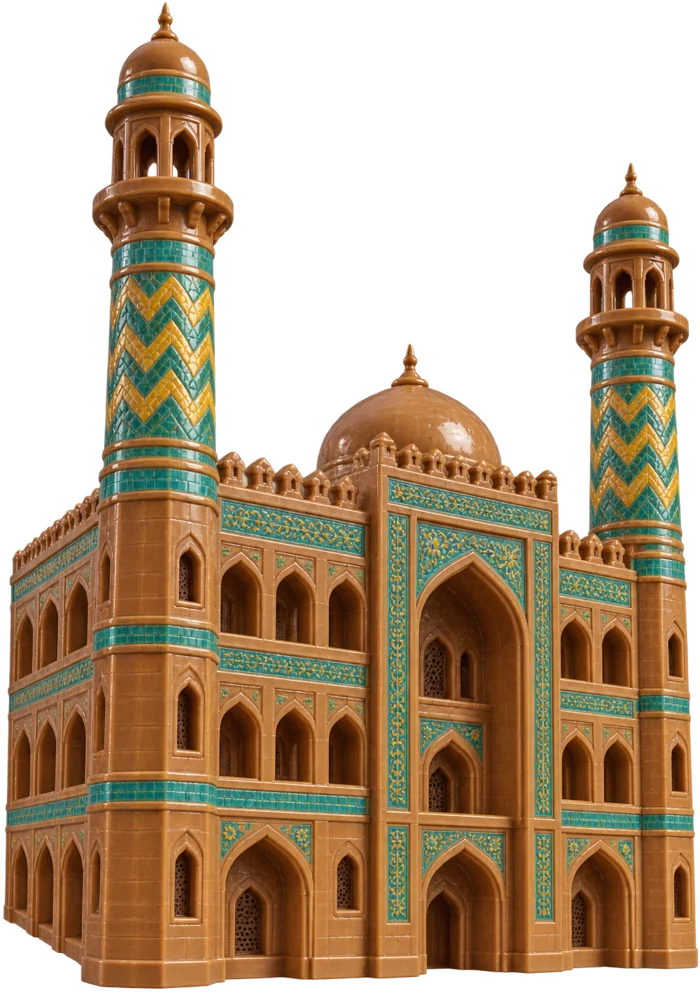
On 3 August 1347 rebel nobles of the Deccan, in revolt against the Delhi sultan Muhammad bin Tughlaq, crowned their commander Zafar Khan, also called Hasan Gangu, at Daulatabad. He took the title Bahman Shah and ruled from Gulbarga, the first independent Muslim kingdom of the Deccan. His successors built the fort and the great mosque of Gulbarga and fought almost without pause against Vijayanagara to the south over the fertile lands between the rivers.
Ahmad Shah I moved the capital to Bidar in 1429 and built its fort on a laterite plateau. The court followed a Persian model and recruited soldiers and officials from overseas. The greatest of them, Mahmud Gawan, a merchant from Gilan in Persia, ran the state from 1466. He took Goa from Vijayanagara in February 1472, pushed the kingdom to its largest size and built a madrasa in Bidar with a library of 3,000 manuscripts.
Rivalry between the newcomers and the Deccani nobles undid him. On 5 April 1481 Sultan Muhammad III, shown a forged letter, ordered Mahmud Gawan executed. Provincial governors broke away from 1490, founding the five Deccan sultanates, and the last Bahmani sultans were puppets of their ministers until the kingdom was dissolved in 1527.
Read more on Wikipedia
Sources: en.wikipedia.org/wiki/Bahmani Kingdom, en.wikipedia.org/wiki/Mahmud Gawan, en.wikipedia.org/wiki/Afanasy Nikitin

