Industrial age · state
Second Polish Republic
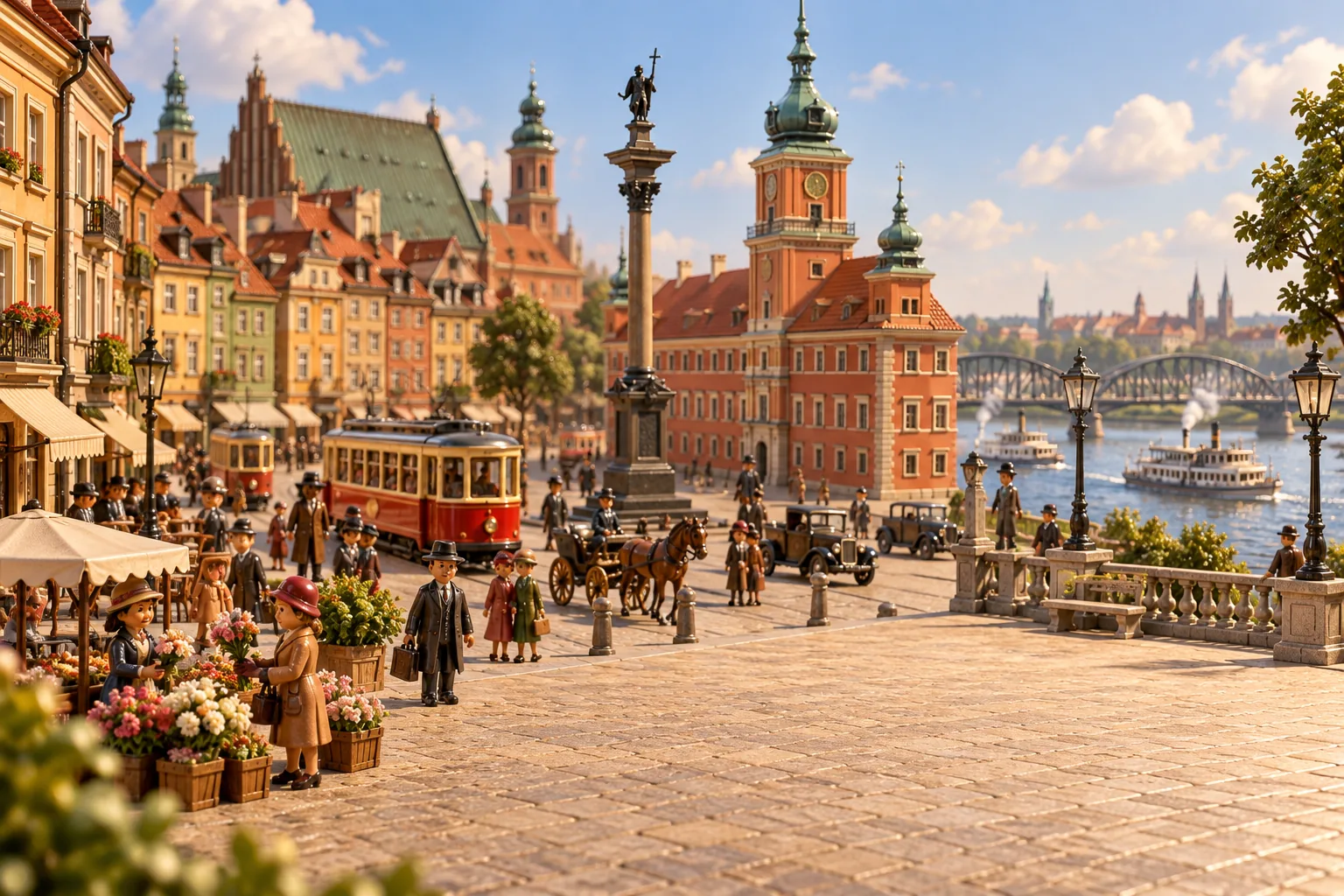
After 123 years off the map Poland came back in 1918, and within twenty years it had built a brand-new seaport on the Baltic at Gdynia.
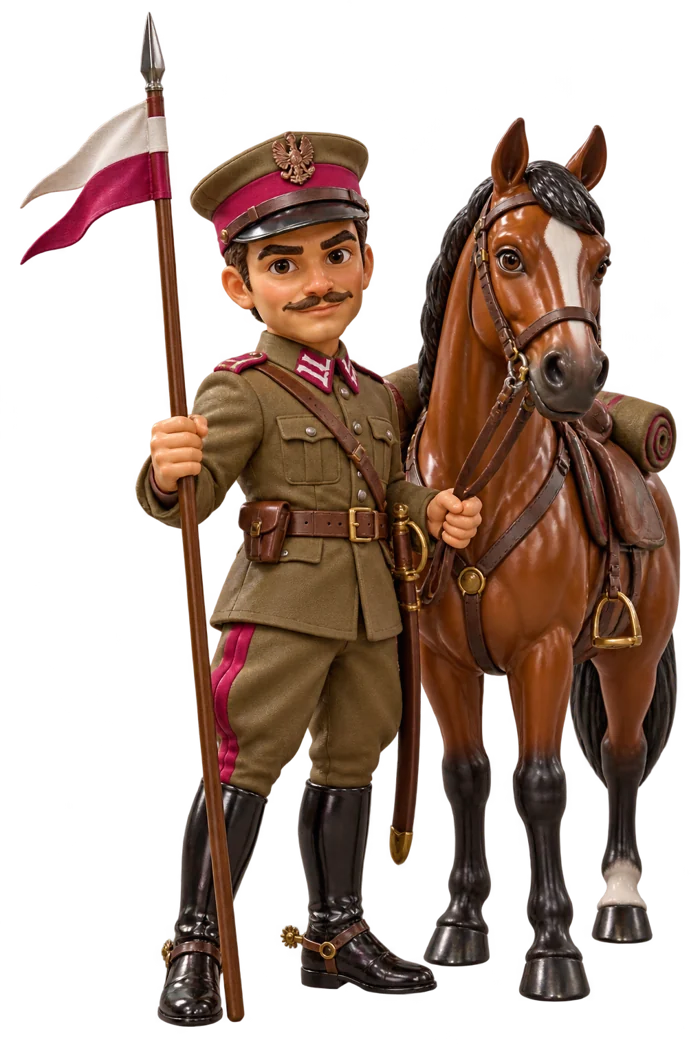
For more than a century Poland had been divided between Austria, Prussia and Russia. As the First World War ended, it re-emerged as a sovereign state, and the Treaty of Versailles of June 1919 confirmed its rebirth. The new Polish Army fought a series of border wars until 1921, above all against Soviet Russia, and the eastern frontier was settled in 1922. By 1938 Poland was the sixth largest country in Europe, and its population rose from 25.7 million in 1921 to about 35 million in 1939, almost a third of them Ukrainians, Jews, Belarusians, Germans and other minorities.
From 1919 to 1926 it was a parliamentary democracy with many parties and a weak president. In May 1926 Marshal Józef Piłsudski took power in a military coup. The country stayed mostly rural, with farmers making up 65 per cent of the people, but the economist Eugeniusz Kwiatkowski built the seaport of Gdynia, a coal railway from Upper Silesia to the sea and a new Central Industrial Region. School became compulsory for all children from 7 to 14.
On 1 September 1939 Germany and Slovakia invaded, and on 17 September the Soviet Union attacked from the east. Organised resistance ended on 6 October, and a government-in-exile carried on in Paris and then London.
Read more on Wikipedia

