Middle Ages · state
Kingdom of Bohemia
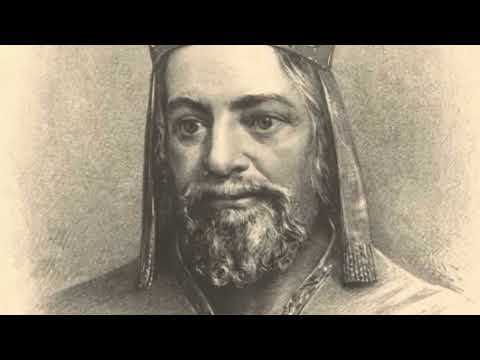
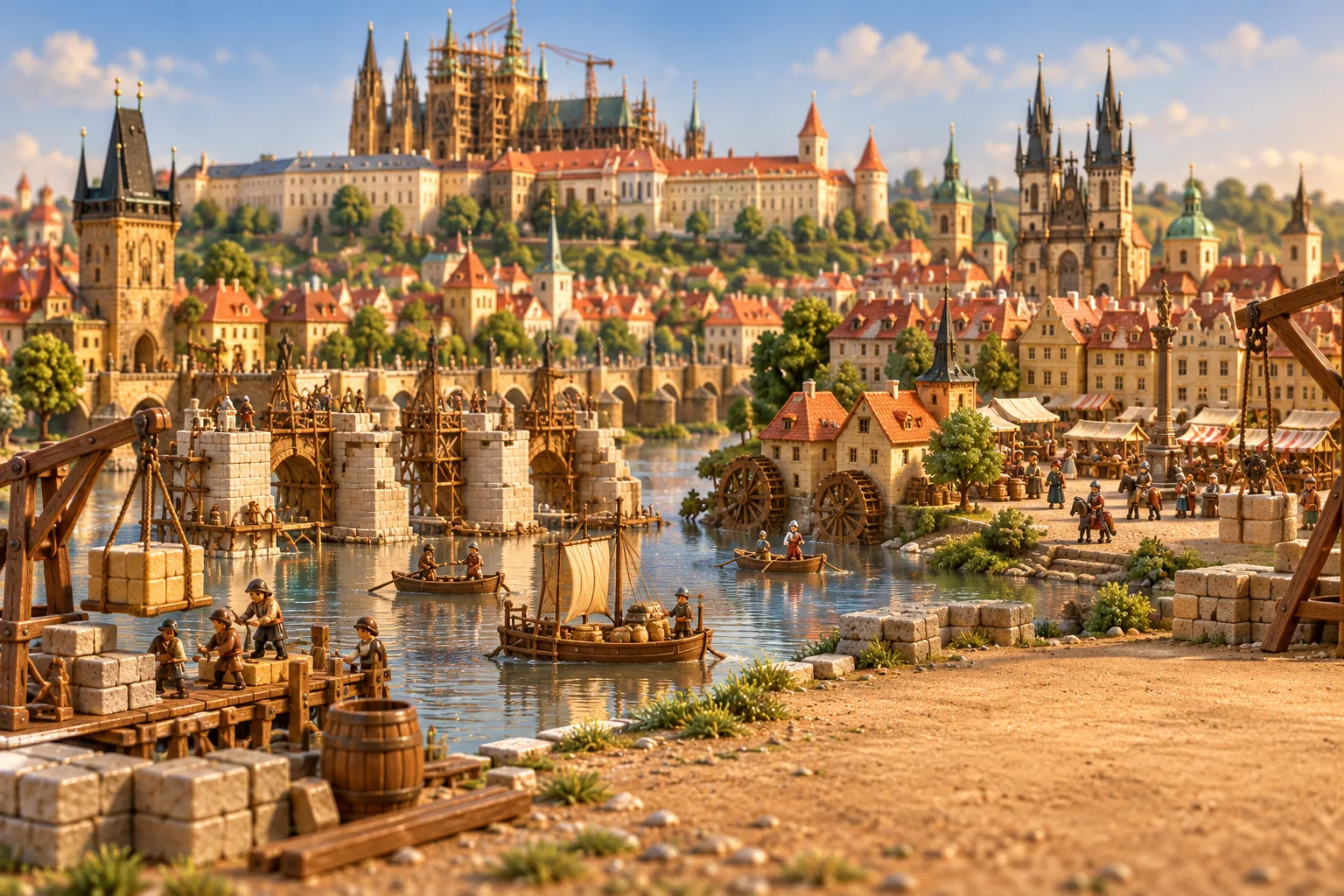
Its king Charles IV made Prague the imperial capital and founded a university there in 1348 that still bears his name.
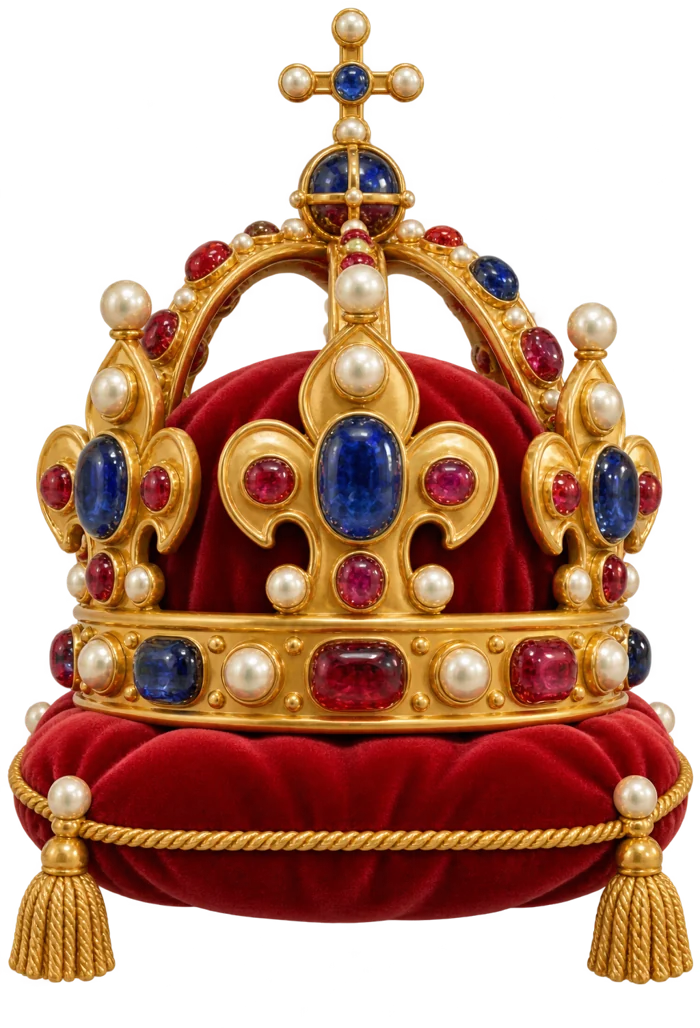
The Přemyslid dukes raised Bohemia to a kingdom in 1198, when Ottokar I won recognition from Philip of Swabia, and the Golden Bull of Sicily issued by Emperor Frederick II confirmed it in 1212. The 13th century was the dynasty's most dynamic: German settlers founded mining towns such as Kutná Hora and Jihlava, and Ottokar II became duke of Austria and gained Carinthia, Carniola and Friuli, until he died fighting Rudolf of Habsburg at the Marchfeld in 1278. His son Wenceslaus II was crowned king of Poland in 1300.
The 14th century, above all the reign of Charles IV, king from 1346 to 1378, is seen as the golden age of Czech history. Charles, of the House of Luxembourg, also became Holy Roman Emperor and made Prague an imperial capital, founding Charles University in 1348. His Golden Bull of 1356 fixed the rules for electing the emperor and made the king of Bohemia one of the seven electors.
In 1403 the preacher Jan Hus became rector of the university; in 1415 he was condemned as a heretic and burned at the stake. His followers, the Hussites, led at first by Jan Žižka, defeated four crusades sent against them, and in 1458 the estates elected George of Poděbrady as king. From 1526 the Habsburgs held the crown, and in 1918 the kingdom became part of the Czechoslovak Republic.
Read more on Wikipedia