Antiquity · state
Caucasian Albania
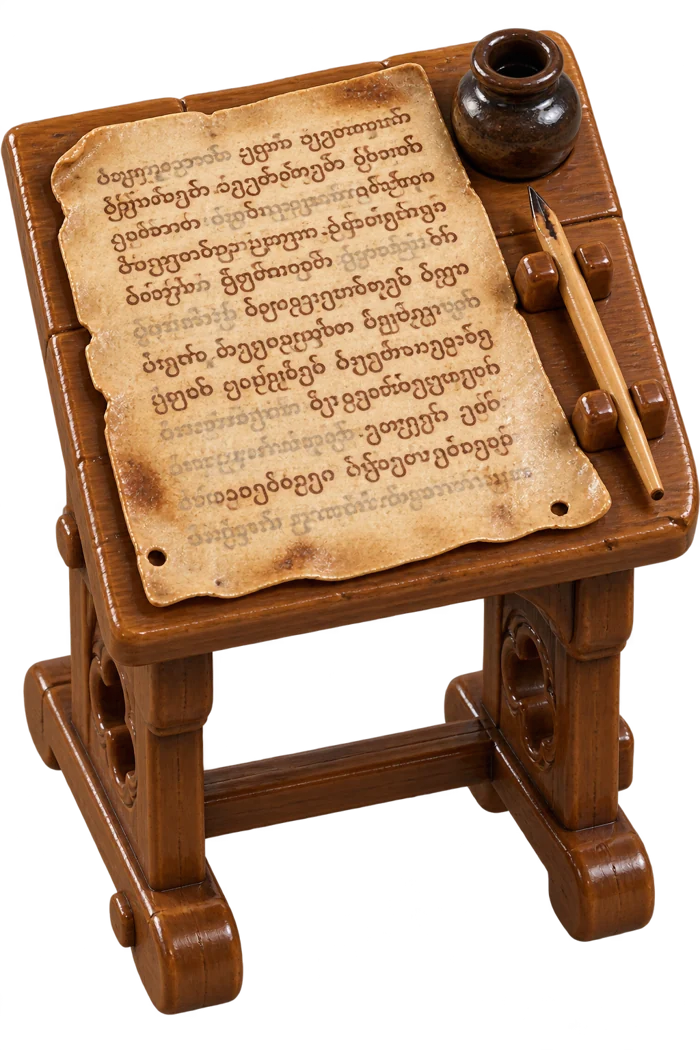
Unrelated to the Balkan Albania, this Caucasus kingdom had an alphabet of its own, rediscovered only in 1996 under the text of a reused parchment at Mount Sinai.
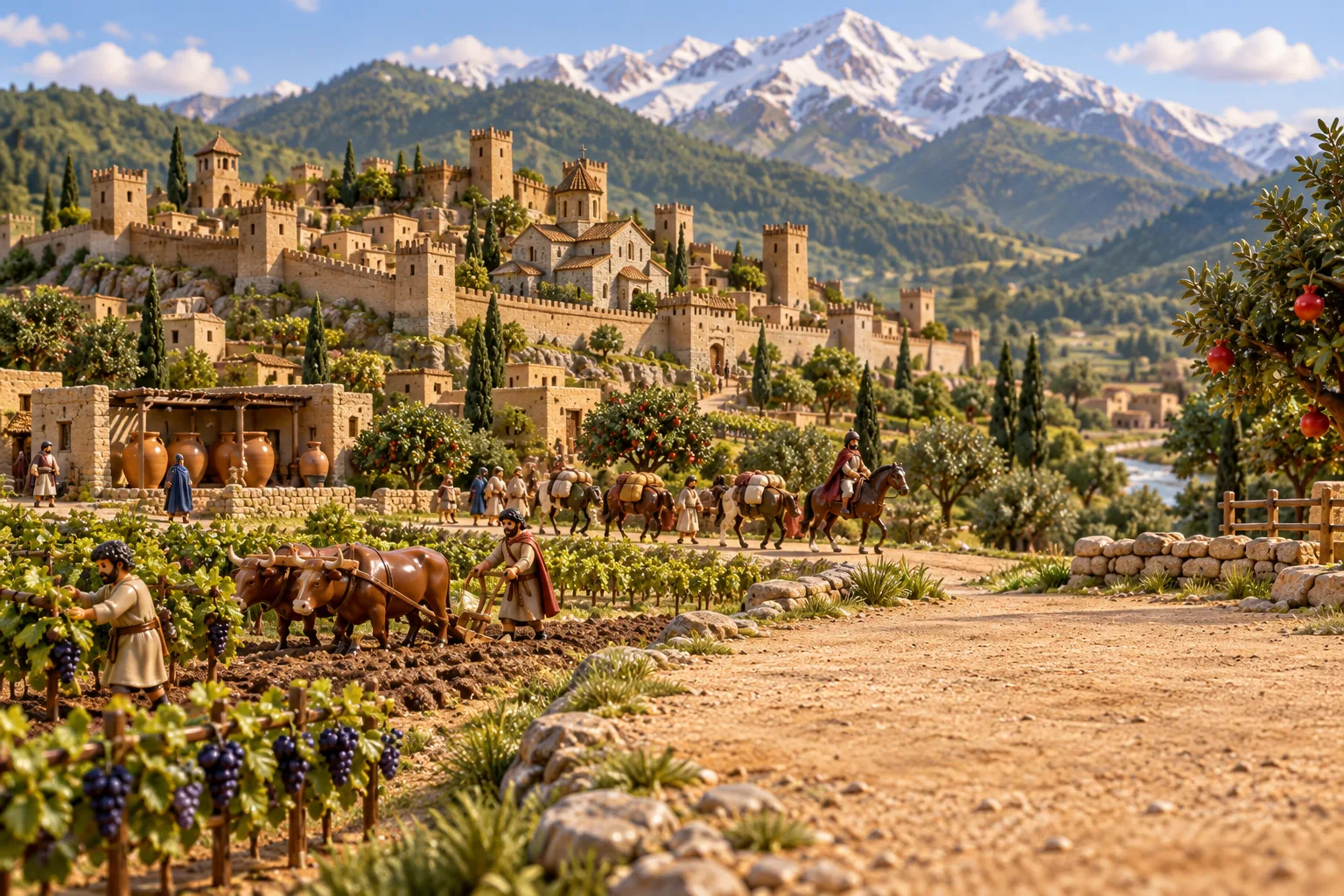
Caucasian Albania lay south of the Greater Caucasus and around the Kura River, mostly in today's Azerbaijan. The name came from Greek and Latin writers and has no link with Albania in the Balkans. The Greek geographer Strabo wrote that the Albanians had once been 26 tribes, each with its own king and language, but were by his time ruled by one king. Their capital in antiquity was Qabala. The Roman general Pompey reached their border during his campaign of 65 BC, and a Latin inscription near Baku shows that a Roman centurion of the Twelfth Legion came that way in the reign of Domitian.
In 252 Albania accepted the overlordship of the Sasanian Empire, and by the end of the 3rd century an Arsacid family, related to the old kings of Parthia, sat on its throne. In the middle of the 4th century King Urnayr was baptised, though Christianity spread only slowly. After Armenia was divided in 387, Albania took the lands up to the Aras River, and in the 5th century its capital moved to Partav.
By the end of the 5th century the Arsacid line had died out, and in the 6th century princes of the Mihranid family took over. After the Arab conquest many people became Muslim from the 8th century on.
Read more on Wikipedia
