Antiquity · state
Hadhramaut
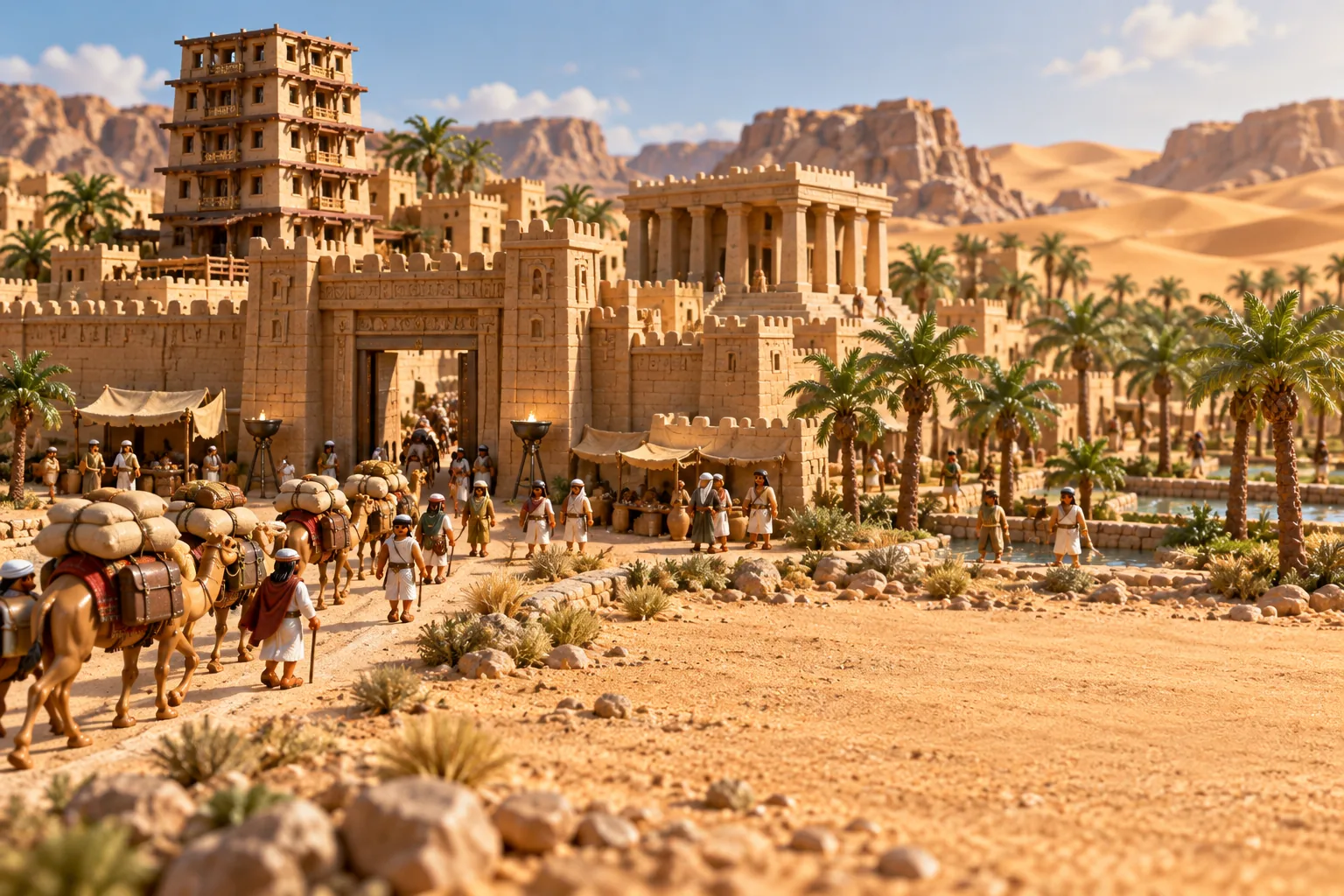
The incense road to Gaza began at its capital, Shabwa, where a six-storey palace stood on a frame of huge timber beams.
Hadhramaut was the easternmost of the ancient kingdoms of South Arabia, centred on the Wadi Hadhramaut and the Wadi al-Masila and reaching the Indian Ocean. It existed from the early 1st millennium BC, and its people spoke Hadramautic and called themselves the children of Sayin, their moon god. In the late 7th century BC it was an ally of Karib'il Watar of Saba, but by the 6th century it had fallen under Sabaean control.
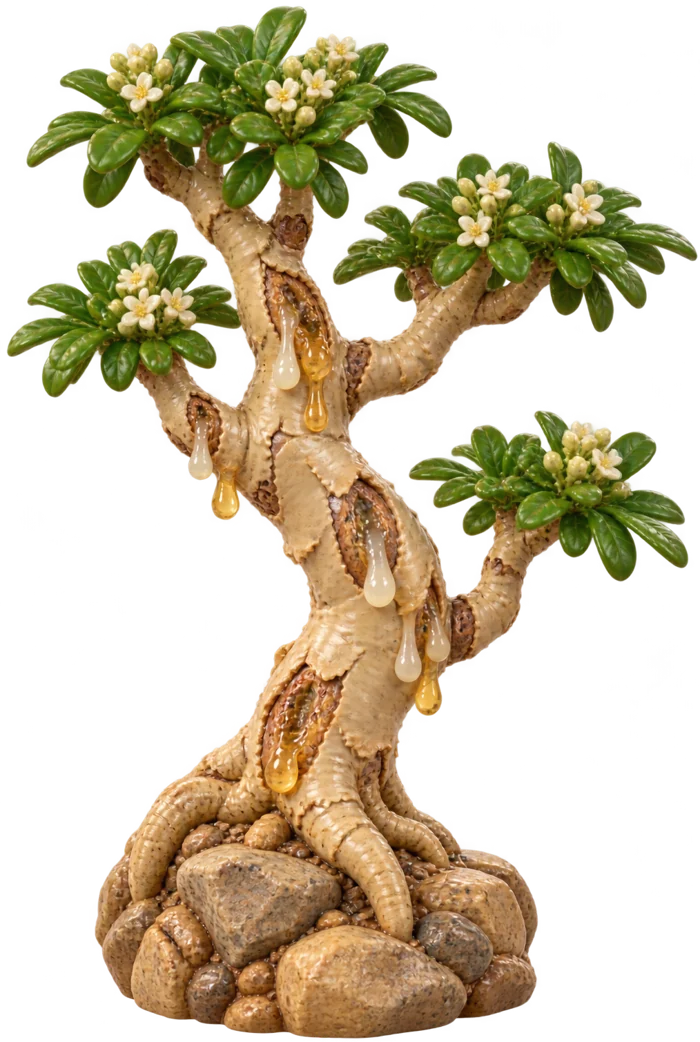
After regaining independence, in the 5th century BC Hadhramaut, Qataban and Ma'in replaced Saba as the leading powers of the south. From the 4th to the 2nd century BC the kingdom prospered and built forts, palaces and temples. Its wealth came from frankincense grown in Dhofar, carried to the port of Sumhuram, shipped to Qani and taken by caravan to Shabwa, the starting point of the Incense Route north to Gaza. Hadhramaut also taxed the caravans that crossed its land.
When direct sea trade from the Mediterranean to India grew up through the Red Sea, Hadhramaut built its own ports, at Qani and Sumhuram. With Himyar it divided Qataban in the 1st or 2nd century AD. Around 290 the Himyarite king Shammar Yuhar'ish annexed Hadhramaut and added its name to his royal title.
Read more on Wikipedia
Sources: en.wikipedia.org/wiki/Hadhramaut, en.wikipedia.org/wiki/Kingdom of Hadhramaut, en.wikipedia.org/wiki/Shabwa