Middle Ages · state
Pala Empire
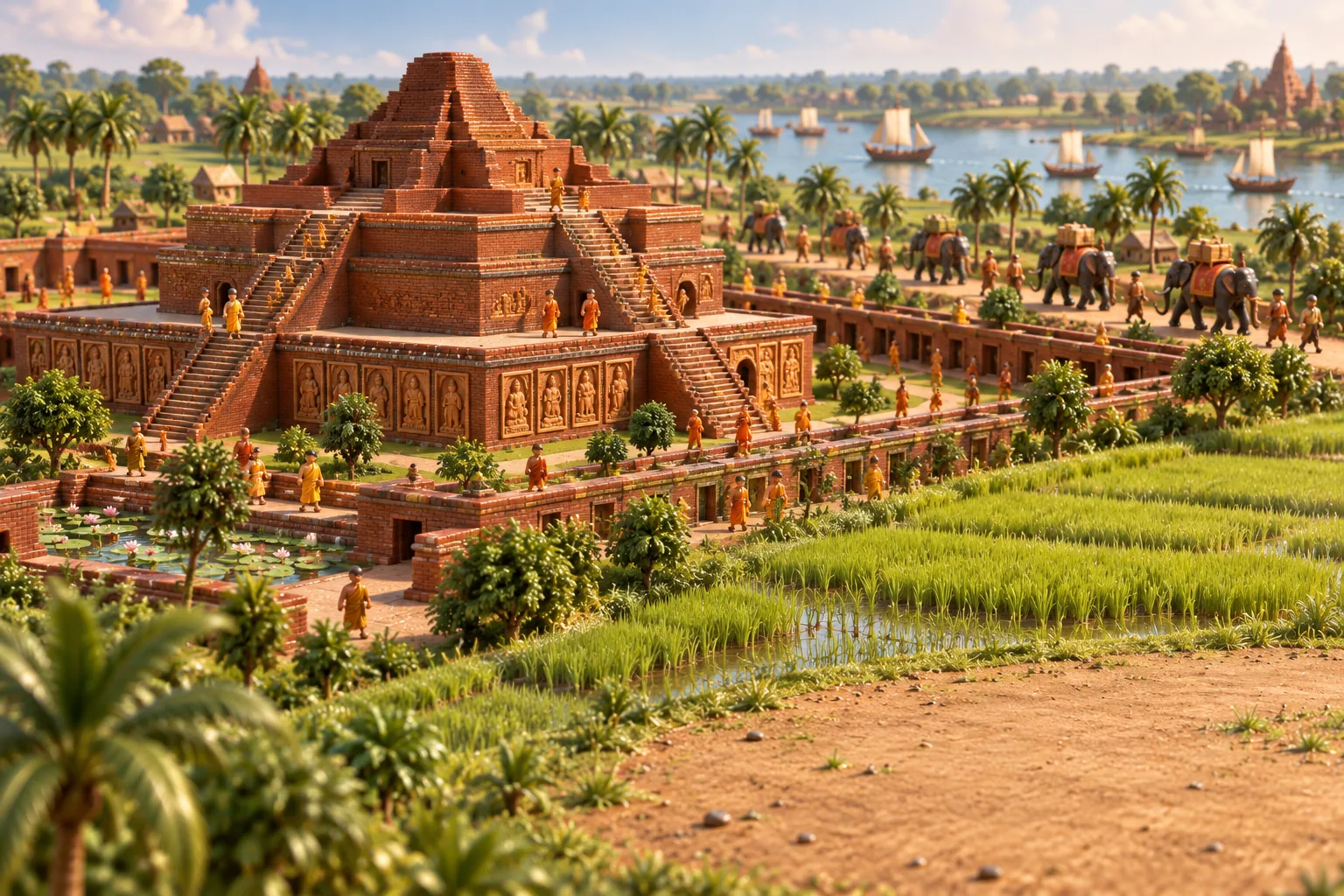
Its founder Gopala was reportedly chosen by local chiefs, and his heirs funded Nalanda and Vikramashila, India's last great Buddhist universities.
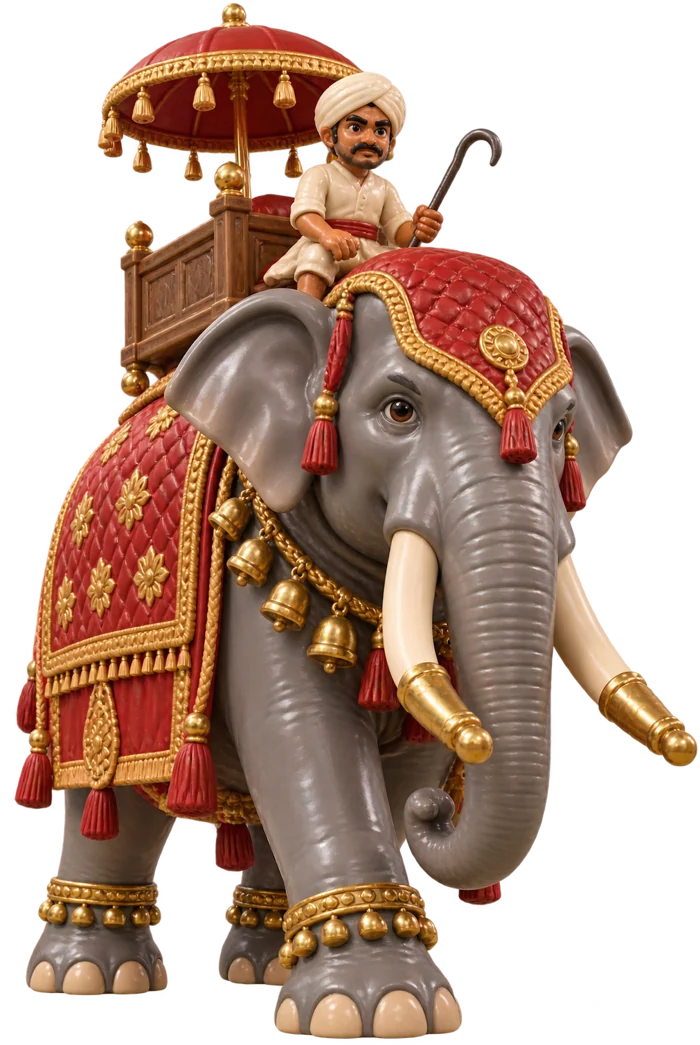
In the 8th century Bengal suffered so long from disorder that writers called it matsya nyaya, the justice of the fish, where the big fish eat the small. Around 750 the chiefs of Gauda recognised Gopala as their ruler without a struggle. His dynasty, the Palas, whose name means protector, held Bengal and Bihar, with cities such as Pataliputra, Gauda, Monghyr and the port of Tamralipta, and its army was known for a vast corps of war elephants.
Under Dharmapala and Devapala in the early 9th century the Palas were the dominant power of northern India. Dharmapala defeated the king of Kannauj and put his own nominee, Chakrayudha, on its throne, though rival Pratihara and Rashtrakuta kings fought him for it. He founded the monasteries of Vikramashila and Somapura, and the Palas supported the great university of Nalanda. The empire kept ties with Srivijaya, the Tibetan Empire and the Abbasid Caliphate, and its art and teachers shaped Tibetan Buddhism.
After a decline, Mahipala I defended Bengal and Bihar against invasions by the south Indian Cholas, and Ramapala was the last strong Pala ruler. A rebellion in Varendra showed how much the kings depended on vassal lords, and in the 12th century the Hindu Sena dynasty drove the Palas out of Bengal. They were the last major Buddhist imperial power of the subcontinent.
Read more on Wikipedia
Sources: en.wikipedia.org/wiki/Pala Empire, en.wikipedia.org/wiki/Somapura Mahavihara