Middle Ages · state
Novgorod Republic
Its citizens ruled through a public assembly and wrote everyday notes on birch bark, and more than a thousand of them have been dug up since the 1950s.
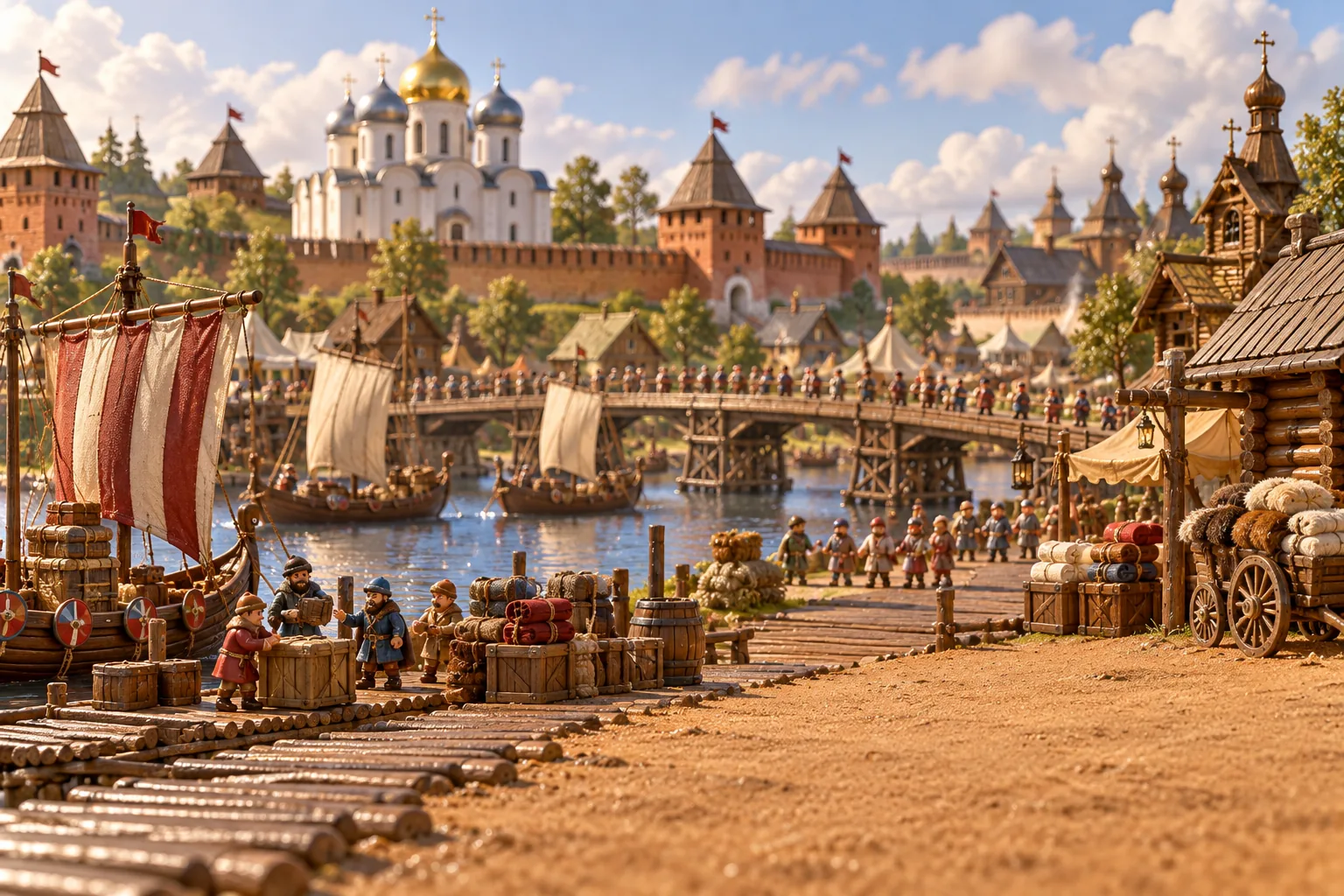
The Primary Chronicle says the Varangian Rurik was invited to reign in Novgorod in 862, and Russian historians call the city the birthplace of the Russian monarchy. From the 11th century its people built their own institutions: the veche, a popular assembly, and the posadnik, or mayor. In 1136 the Novgorodians revolted and dismissed Prince Vsevolod Mstislavich, and from then on the veche chose and dismissed its princes. The state called itself Lord Novgorod the Great.
The veche elected the posadnik, the tysyatsky and the archbishop, though rich boyar families held the top offices. Novgorod's lands stretched from the Gulf of Finland to the Urals, and furs from the north were its real wealth. Hanseatic merchants kept a trading house, the Peterhof, and brought silver, cloth, wine and herring. Prince Alexander beat the Swedes on the Neva in 1240 and German crusaders on the ice in 1242. The city of about 30,000 people had some 83 stone churches around the Cathedral of St. Sophia, and from 1420 it minted its own coins.
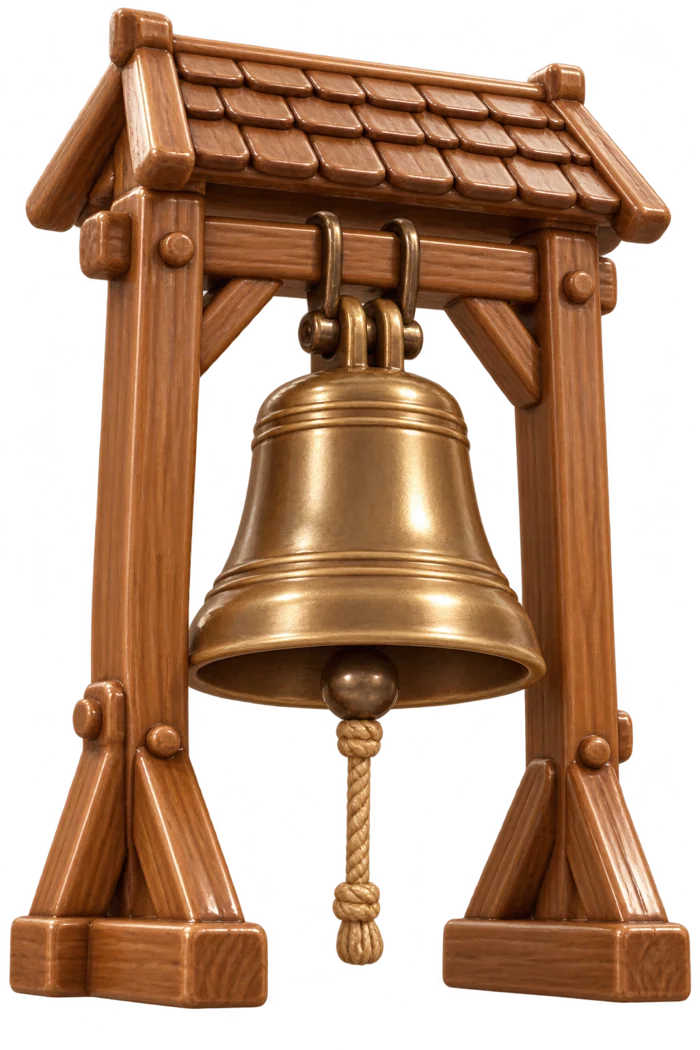
Moscow grew stronger and wanted the northern fur lands. When Novgorod turned to Lithuania, Ivan III's army won at the Shelon River in July 1471. In 1478 he took direct rule, abolished the veche and carried its bell off to Moscow. He seized more than four-fifths of Novgorod's land and in 1494 closed the Hanseatic Peterhof.
Read more on Wikipedia
