Early modern · state
Swedish Empire
Under Gustavus Adolphus a thinly peopled northern kingdom became a great power that ruled the Baltic for a century.
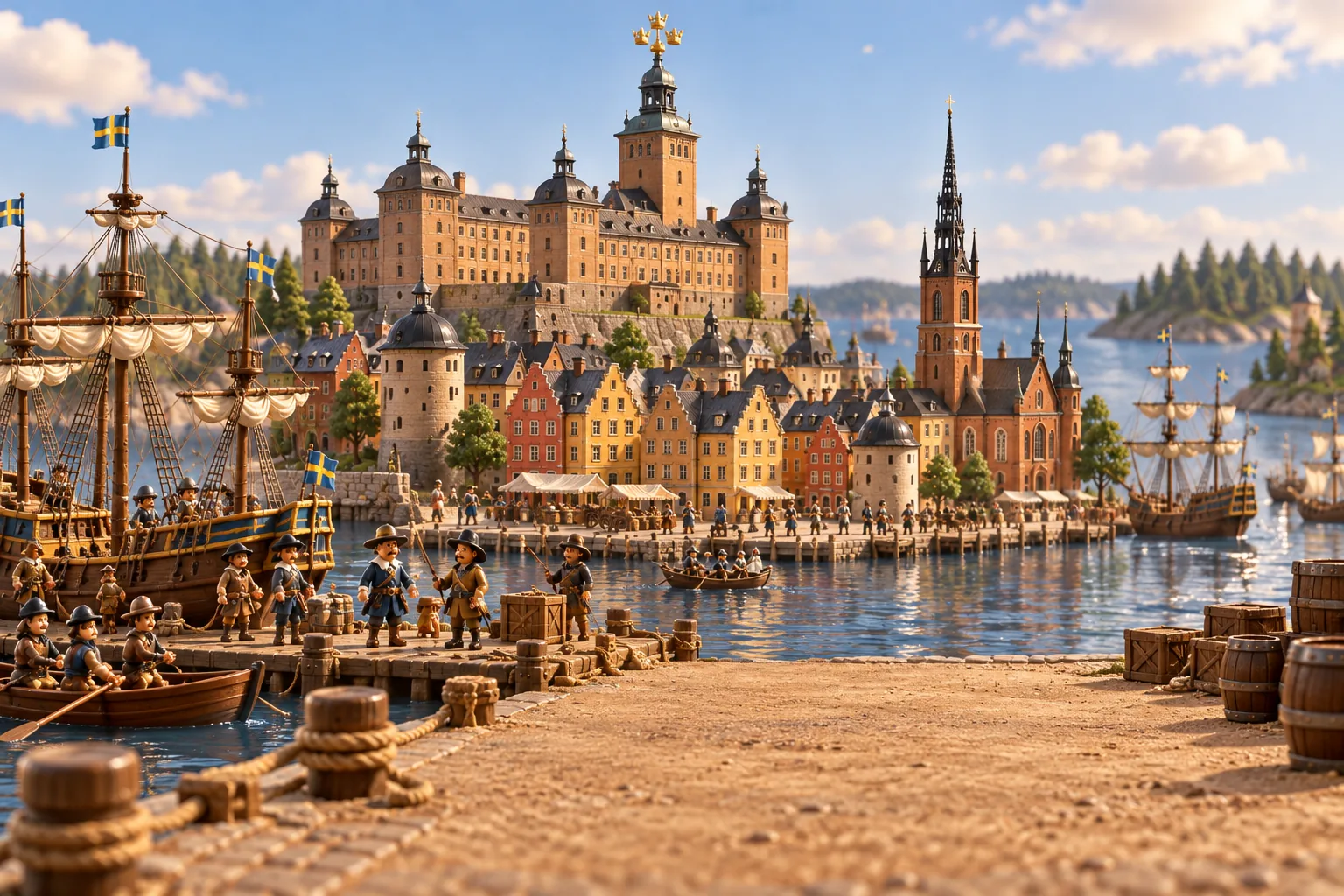
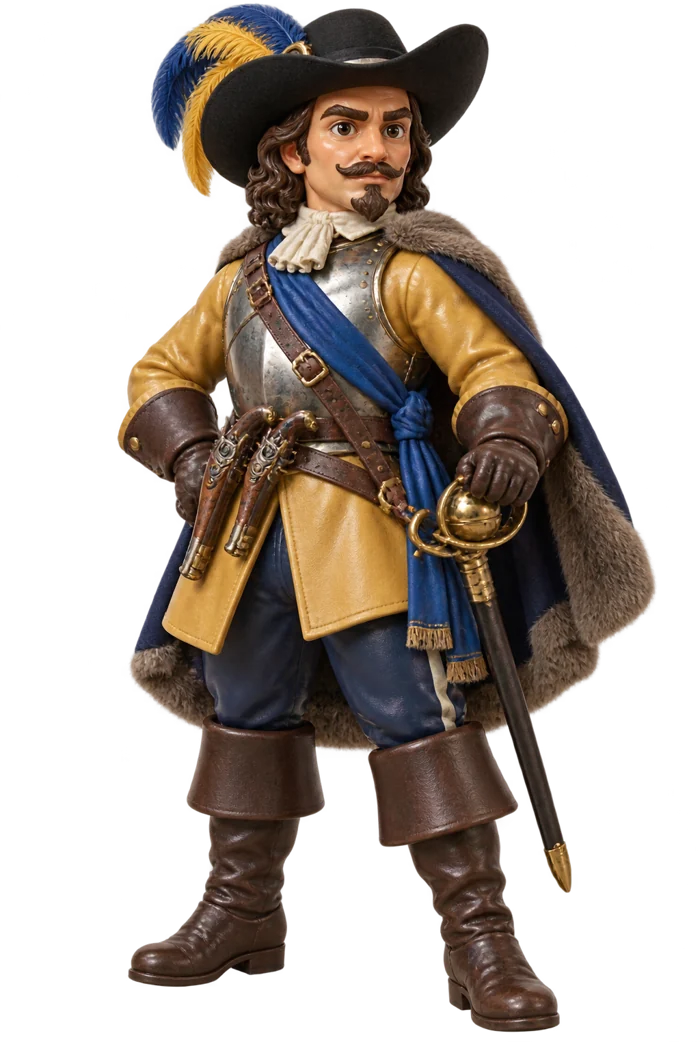
Sweden emerged as a great European power under King Gustavus Adolphus, who came to the throne in 1611, and his chancellor Axel Oxenstierna. The king entered the Thirty Years' War in Germany, and his army won at Breitenfeld in 1631, but he was killed on 6 November 1632. For long periods the high nobility, led by the Oxenstierna family, then ruled as regents for under-age monarchs, starting with Queen Christina.
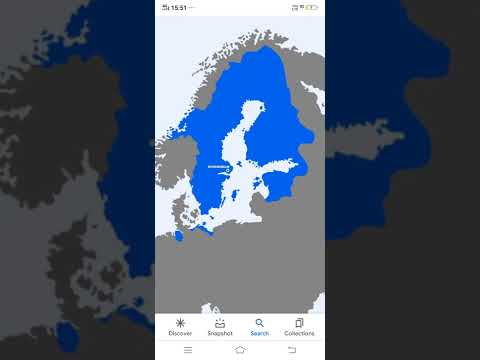
The Peace of Westphalia in 1648 gave Sweden lands in northern Germany, including Western Pomerania, and after it Sweden was the third-largest state in Europe by area, after Russia and Spain. Under Charles X Gustav the Treaty of Roskilde in 1658 forced Denmark–Norway to give up Scania, Blekinge, Halland, Bohuslän, Bornholm and Trøndelag, the largest extent the empire ever reached. Yet it had only about 2.5 million people, about 2.3 to the square kilometre.
In 1700 Denmark–Norway, Poland and Russia attacked together. The young Charles XII beat the Russians at Narva, but in 1709 his army was defeated and captured at Poltava, and he escaped to the Ottoman Empire. The Treaty of Nystad in 1721 ended the age of greatness. Finland was lost to Russia in 1809, and the last German land, Swedish Pomerania, went after the Napoleonic Wars.
Read more on Wikipedia
Sources: en.wikipedia.org/wiki/Swedish Empire