Industrial age · state
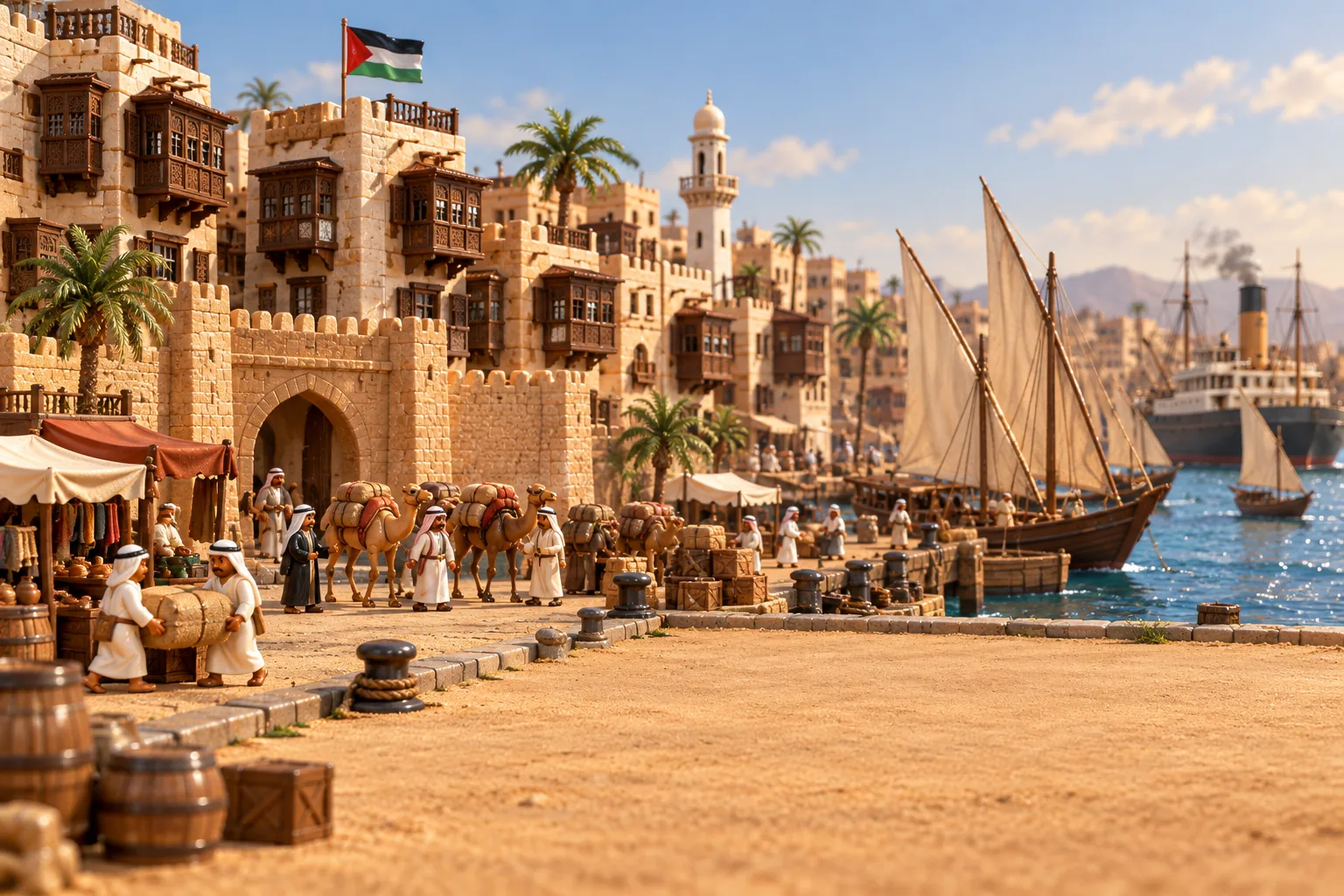
Kingdom of Hejaz
Born of the Arab Revolt, it was one of only two countries that never ratified the Treaty of Versailles. The other was the United States.
Hussein bin Ali became Sharif and Emir of Mecca under the Ottoman sultan in 1908. When the First World War broke out, he bargained with the British, who promised support for Arab independence. In June 1916 he proclaimed the Great Arab Revolt against the Ottoman Empire and declared himself King of the Arab Countries. Britain, France and Russia agreed only to call him King of the Hejaz, and told him so in a note on 10 December 1916.
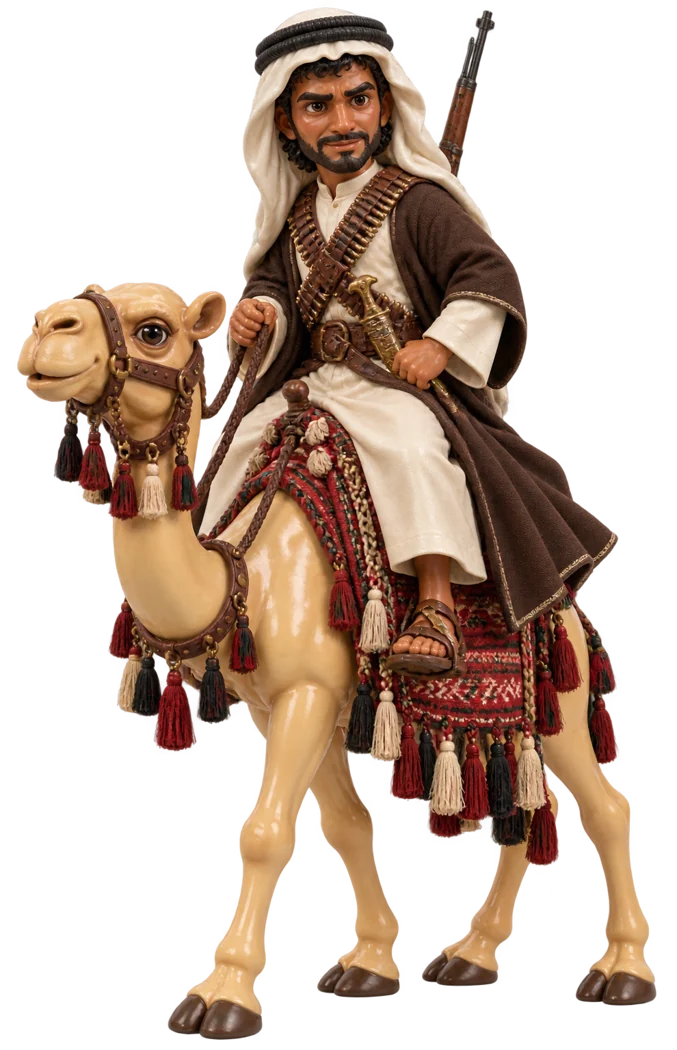
His sons led the Sharifian Army. With Bedouin fighters and British officers such as T. E. Lawrence, they raided the Hejaz railway, took Aqaba in 1917 and entered Damascus in 1918, though Medina held out for the Ottomans until after the war. The revolt pinned down tens of thousands of Ottoman troops. But the peace gave Syria to France and Iraq, Palestine and Transjordan to Britain as mandates. Hussein refused to ratify Versailles and would not sign a treaty accepting the mandate system.
Early in 1924 he also claimed the title of caliph. Within months the British dropped him in favour of Ibn Saud, whose Ikhwan warriors invaded. On 3 October 1924 Hussein abdicated in favour of his son Ali, and on 23 December 1925 the kingdom surrendered and passed to the Saudis.
Read more on Wikipedia
Sources: en.wikipedia.org/wiki/Kingdom of Hejaz, en.wikipedia.org/wiki/Hussein bin Ali, King of Hejaz, en.wikipedia.org/wiki/Arab Revolt, en.wikipedia.org/wiki/Hejaz railway, en.wikipedia.org/wiki/Ali of Hejaz
