Middle Ages · state
Kingdom of Cusco
A small kingdom in an Andean valley, it became the capital of an empire after Pachacuti beat the Chanka around 1438.
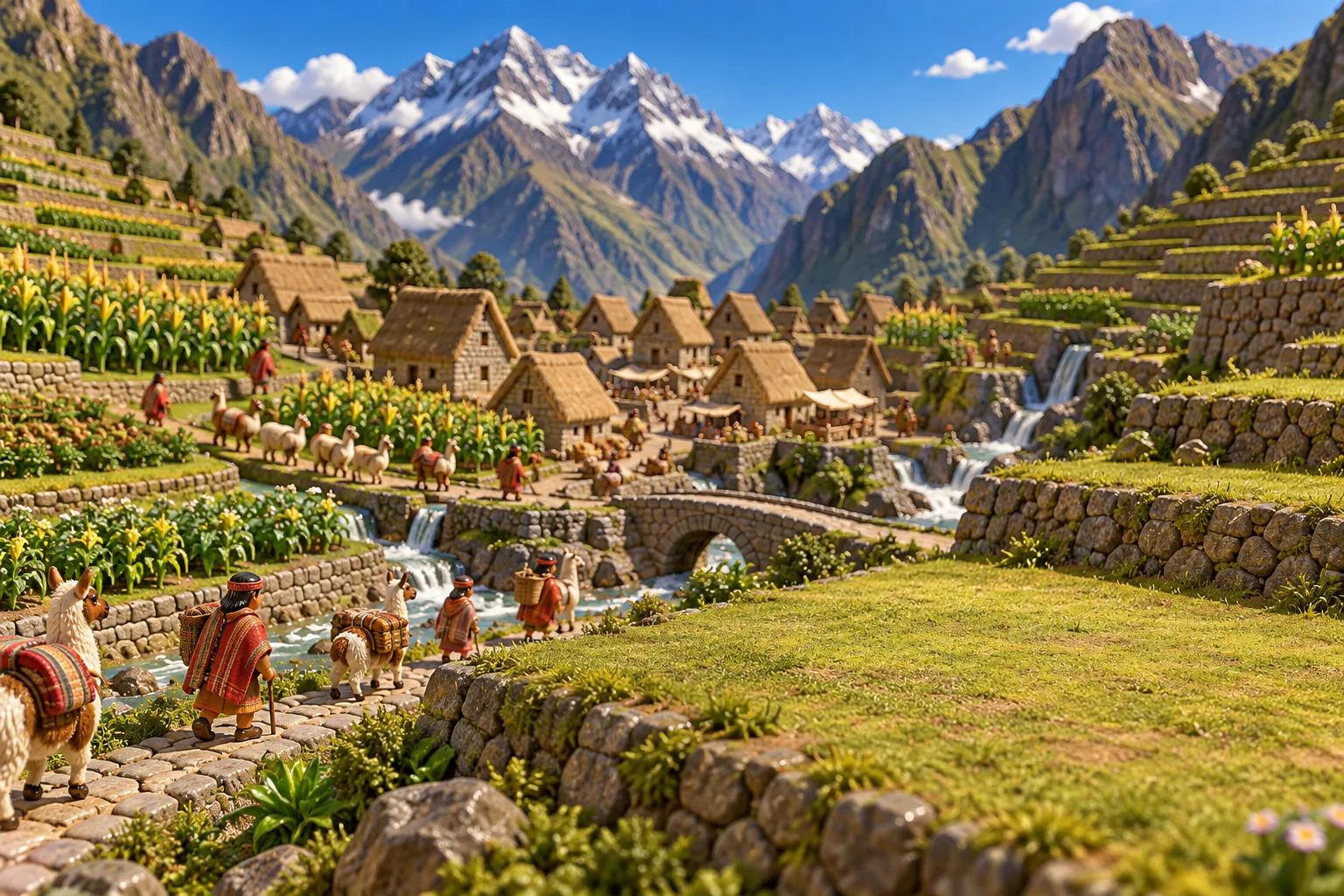
Around the start of the 13th century the Incas founded a small city-state at Cusco, high in the Andes. Their own traditions told of a caravan of migrants, perhaps from the crumbling Tiwanaku state near Lake Titicaca, who emerged from one of the windows of a hill at Pacaritambo. One group, ten clans led by Manco Capac and the fierce Mama Huaco, wandered for years, farming as they went, until they settled in the Cusco valley. When Manco Capac died, his family kept his mummified body, and each later ruler's descendants formed a royal clan, a panaca.
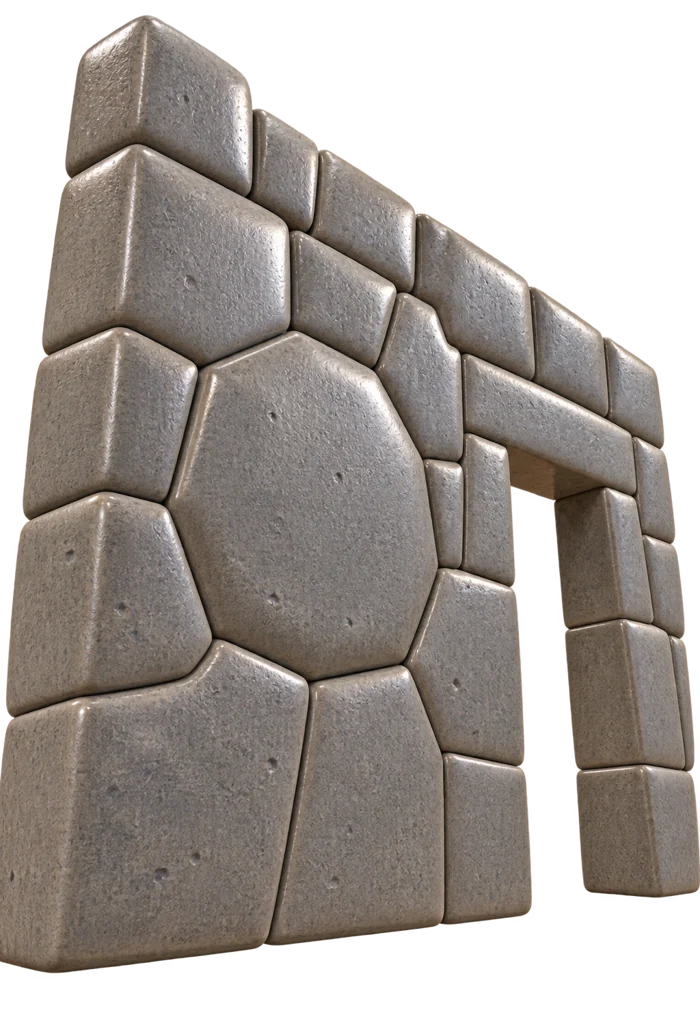
The early rulers were little more than kurakas, heads of clans, or sinchis, war leaders chosen in times of conflict. Sinchi Roca built terraces and brought in great quantities of soil to make the valley more fertile, and his successors fought long wars with the neighbouring Ayarmaca kingdom. Inca Roca introduced the title Sapa Inca and built a new palace where the famous twelve-angled stone stands, starting the custom that each ruler built his own residence.
The kingdom grew through war and alliances with neighbours such as the Lupaca and Colla near Lake Titicaca, but the warlike Chanka of Andahuaylas remained a threat. When they attacked Cusco, a young prince later known as Pachacuti defeated them, and from around 1438 the little kingdom became the Inca Empire.
Read more on Wikipedia
Sources: en.wikipedia.org/wiki/Kingdom of Cusco, en.wikipedia.org/wiki/Inca Empire

