Antiquity · state
Rouran Khaganate
They called their rulers khagan, and they lost their steppe empire in 552 to their own ironworking subjects, the Turks.
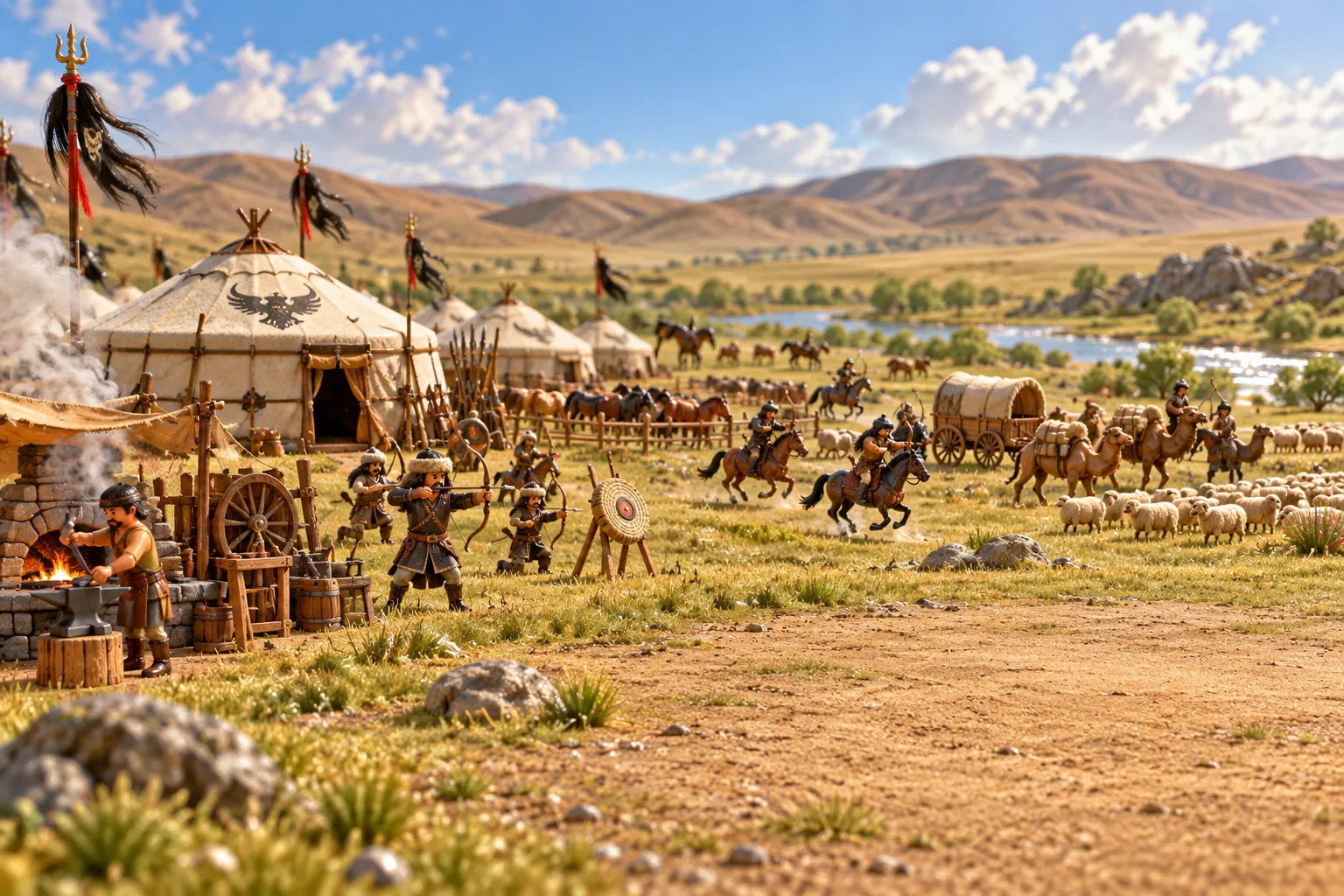
The Rouran were a tribal confederation of the Mongolian steppe. Their founder, Yujiulü Shelun, descended from Mugulü, a slave of the Xianbei, and their supreme rulers used the title khagan, borrowed from the Xianbei. From the late 4th century to the middle of the 6th their realm covered all of today's Mongolia and Inner Mongolia, and parts of Manchuria and Siberia.
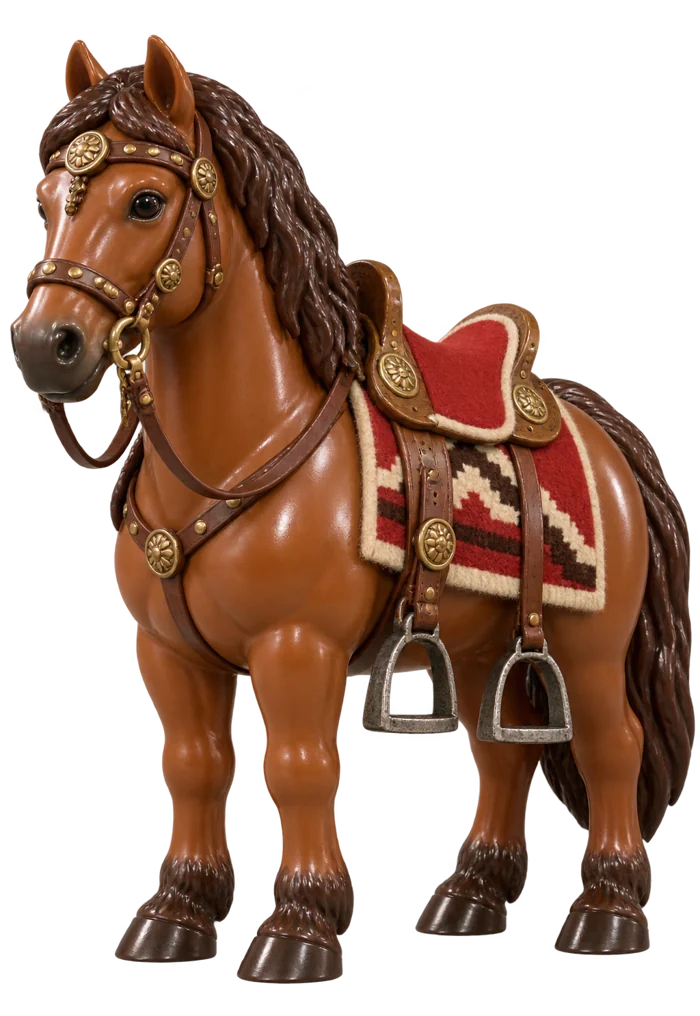
Their great rival was the Tuoba Northern Wei in northern China, whose writers mocked them as Ruanruan, 'wriggling worms'. In 429 the Northern Wei launched a major offensive that killed great numbers of Rouran, and in 492 another emperor sent 70,000 horsemen against them. The Rouran controlled trade routes and subjugated oases such as Gaochang, where they installed Kan Bozhou as king. Burials of the 4th and 5th centuries show they rode on wooden-frame saddles with iron stirrups, among the earliest known in Central and East Asia.
Among their subjects were the Turks of the Ashina clan, who worked metal for them. In 551 the Turkic leader Bumin put down a Tiele revolt for the Rouran and asked for a Rouran princess as his bride, but was refused as a mere blacksmith slave. He allied with the Western Wei and attacked in 552, and by 555 the Turks had occupied the Rouran lands. Some Rouran may have fled west and become the Avars of Pannonia, a disputed theory.
Read more on Wikipedia
