Antiquity · state
Cyrenaica
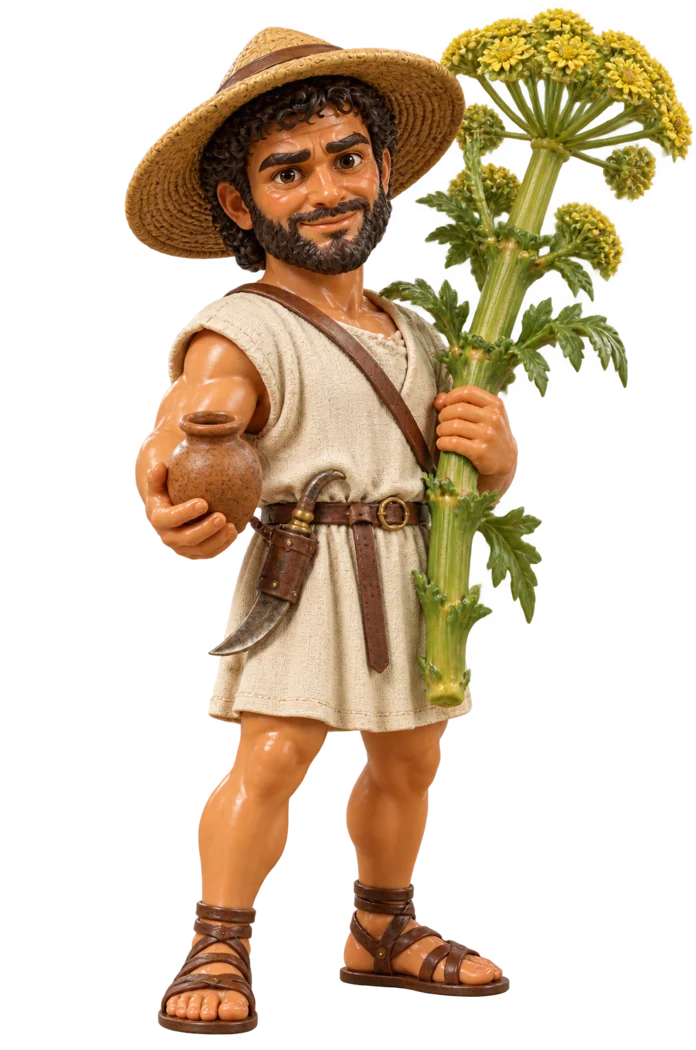
Its fortune was a herb that grew nowhere else on earth, so precious that it was stamped on the coins, and it vanished in Roman times.
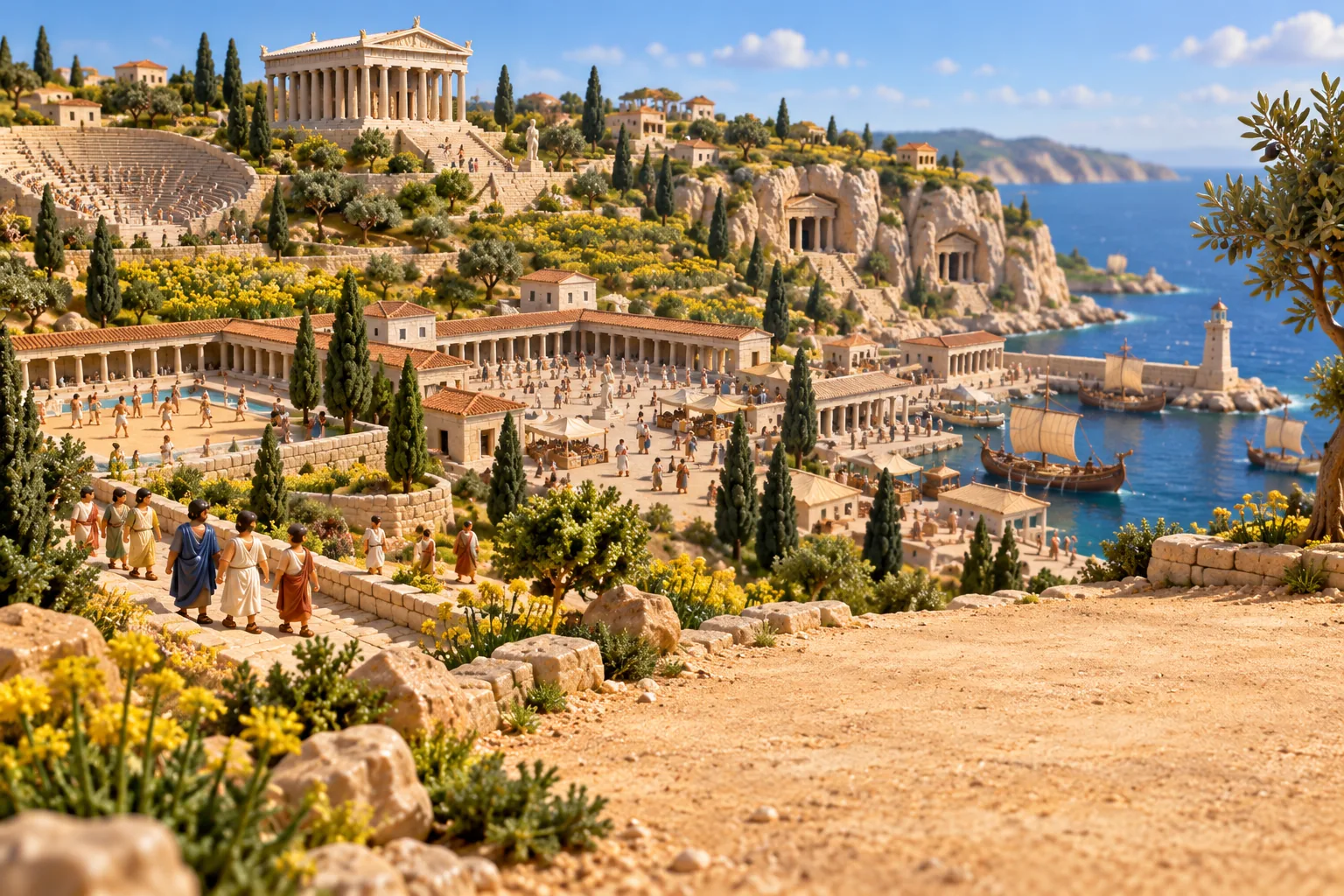
Around 631 BC settlers from the Greek island of Thera, driven out by a severe famine, founded Cyrene on the green coast of eastern Libya. Their leader Aristoteles took the name Battos, and his descendants, the Battiadae, ruled as kings. Other cities followed, among them Taucheira, Euesperides and Barce, and the western part of the region became known as the Pentapolis, the five cities. It grew barley, wheat, olives, wine and wool, and above all silphium, a herb that grew only there.
The Persians of Cambyses II took the Pentapolis in 525 BC, and Alexander the Great received its tribute in 332 BC. Ptolemy I annexed it to Egypt. His stepson Magas made it independent for a while, but it returned to the Ptolemies after his death. Cyrene became one of the great centres of Greek learning, famous for its medical school and its Hellenistic buildings.
Ptolemy VIII separated Cyrenaica from Egypt and gave it to his son Ptolemy Apion. When Apion died without heirs in 96 BC, his will left the country and the royal estates to the Roman Republic. By 78 BC Rome had joined it with Crete into one province.
Read more on Wikipedia
Sources: en.wikipedia.org/wiki/Cyrenaica, en.wikipedia.org/wiki/Silphium, en.wikipedia.org/wiki/Ptolemy Apion

