Middle Ages · state
Samanid Empire
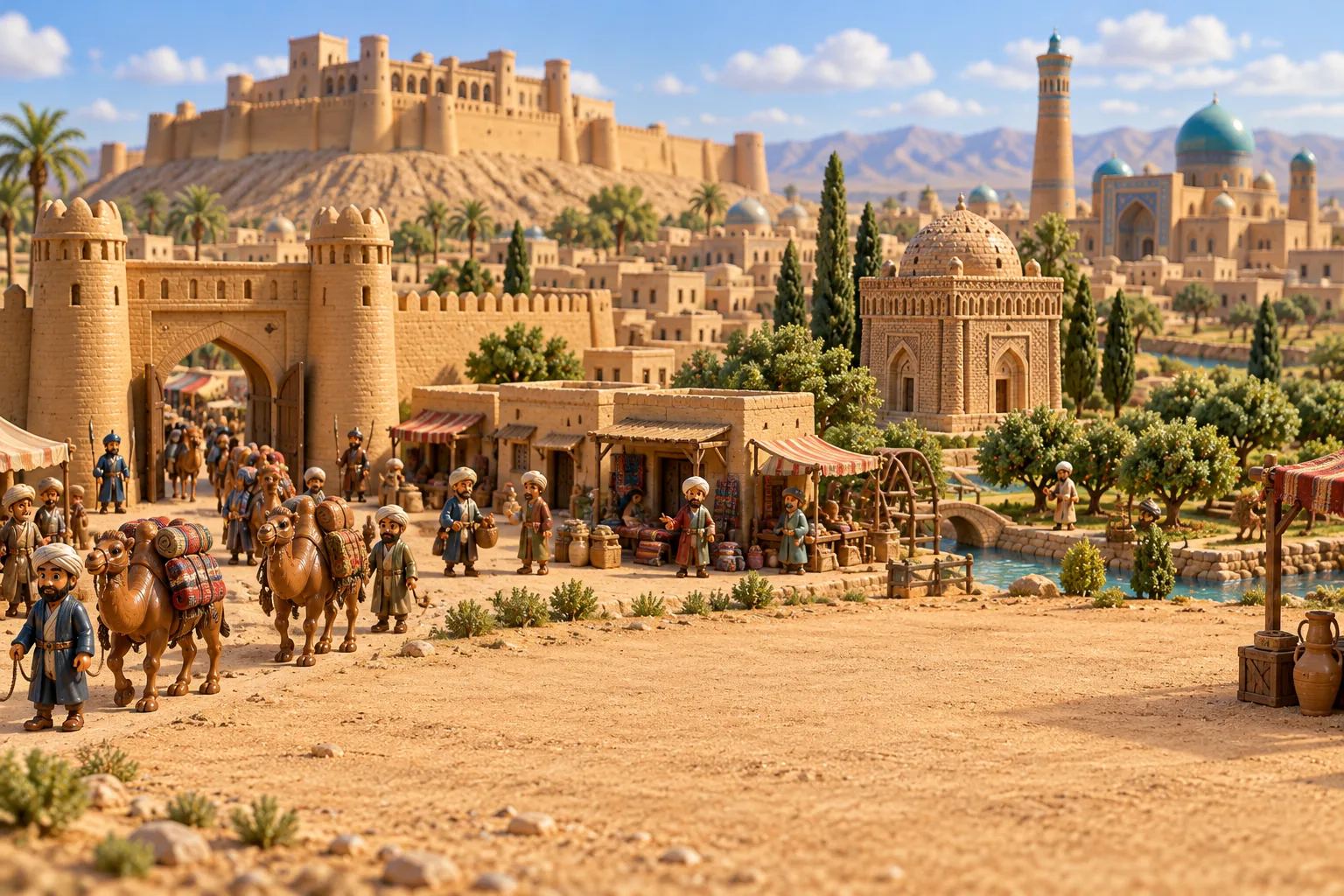
From Bukhara a family of Persian landowners brought their language back to life, and its poets wrote the first great verse in New Persian.
The family descended from Saman Khuda, a Zoroastrian landowner from near Balkh who converted to Islam. In 819 the Abbasid governor of Khorasan rewarded his four grandsons with Samarkand, Farghana, Tashkent and Herat. In 892 Ismail Samani united the family under his rule and moved the capital from Samarkand to Bukhara. In the spring of 900 he defeated and captured the Saffarid ruler Amr ibn al-Layth near Balkh, and the caliph recognised him as master of all Khorasan and Transoxiana.
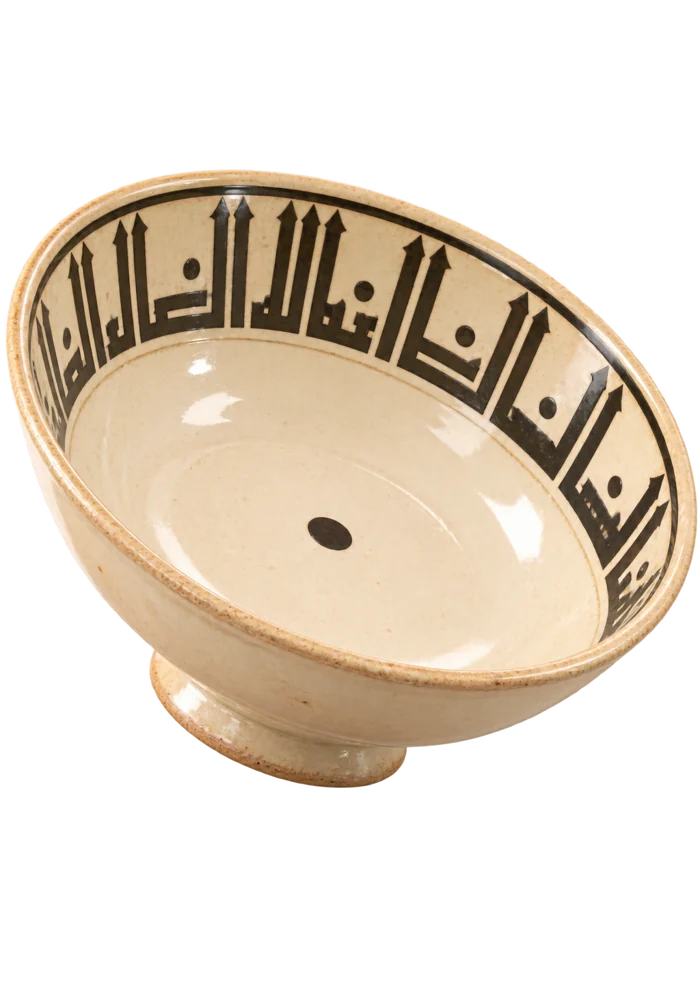
The Samanids ruled in the caliph's name but were independent in practice, and they saw themselves as heirs of the Sasanian kings. Under them Bukhara was said to rival Baghdad. Their court invited Rudaki, the founder of classical Persian poetry, and Ferdowsi grew up in their lands. Arabic remained the language of science and religion, but Persian became the language of literature. Potters at Nishapur painted their bowls with Arabic proverbs praising hospitality, generosity and modesty.
From the 940s the Turkic slave soldiers of the army held the real power. In 962 one of them, Alp Tigin, seized Ghazna, where his successors built the Ghaznavid state. The Karakhanids took Bukhara briefly in 992 and for good in 999. Khorasan went to the Ghaznavids and Transoxiana to the Karakhanids, with the Oxus as the border between them.
Read more on Wikipedia
Sources: en.wikipedia.org/wiki/Samanid Empire

