
Antiquity · state
Funan
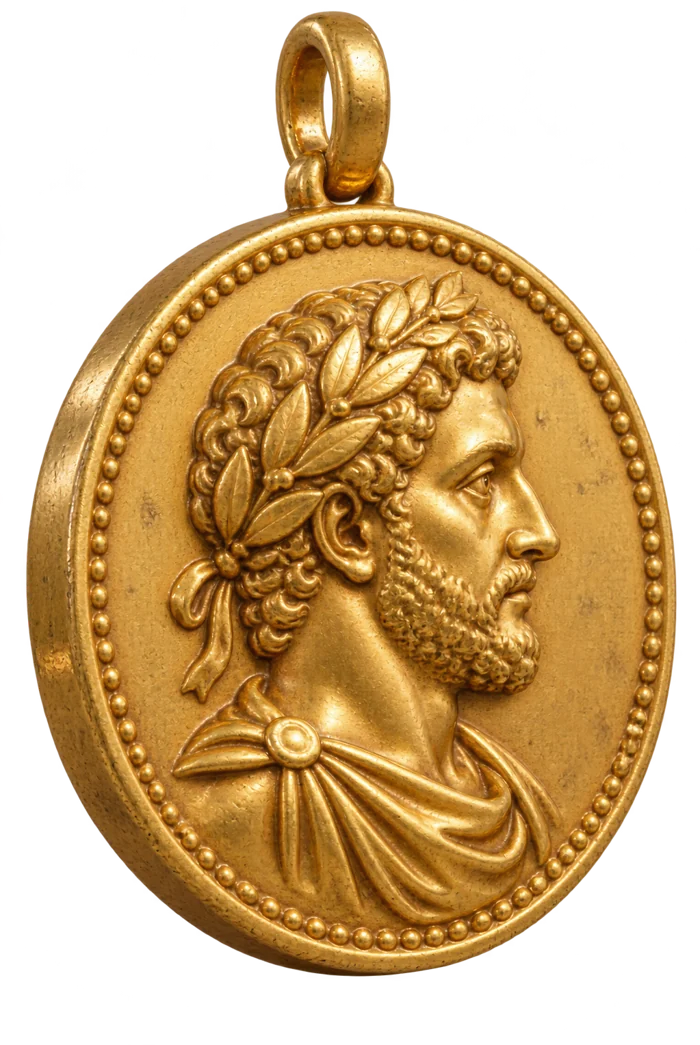
In the mud of a Mekong Delta port archaeologists found gold medallions of the Roman emperor Antoninus Pius, struck half a world away.
Funan is the Chinese name for a kingdom of the lower Mekong, in today's southern Cambodia and Vietnam. Its story comes mostly from Chinese records, above all the reports of Kang Tai and Zhu Ying, two envoys of the Wu kingdom who stayed there in the mid-3rd century. Legend says it began when a foreign prince, Kaundinya, shot an arrow through the boat of the local queen Soma, called Liuye, Willow Leaf, in Chinese, then married her; the Khmer still tell the story of Preah Thaong and Neang Neak.
The kingdom reached its peak under Fan Shiman in the 3rd century, who built up its navy and sent envoys to China and India. Funan sat on the sea route between India and China. The Chinese described people living in houses on stilts, growing rice and paying taxes in gold, silver, pearls and perfumes, and a group of Funanese musicians visited China in 263. Canals joined the port of Óc Eo to the coast and to Angkor Borei, which may have been its main capital.
Indian ideas and Sanskrit names spread at court; a 5th-century king was said to have changed all the laws to the Indian model. In the 6th century the Khmer state of Chenla conquered and absorbed Funan.
Read more on Wikipedia
Sources: en.wikipedia.org/wiki/Funan, en.wikipedia.org/wiki/Óc Eo
