Industrial age · state
Czechoslovakia
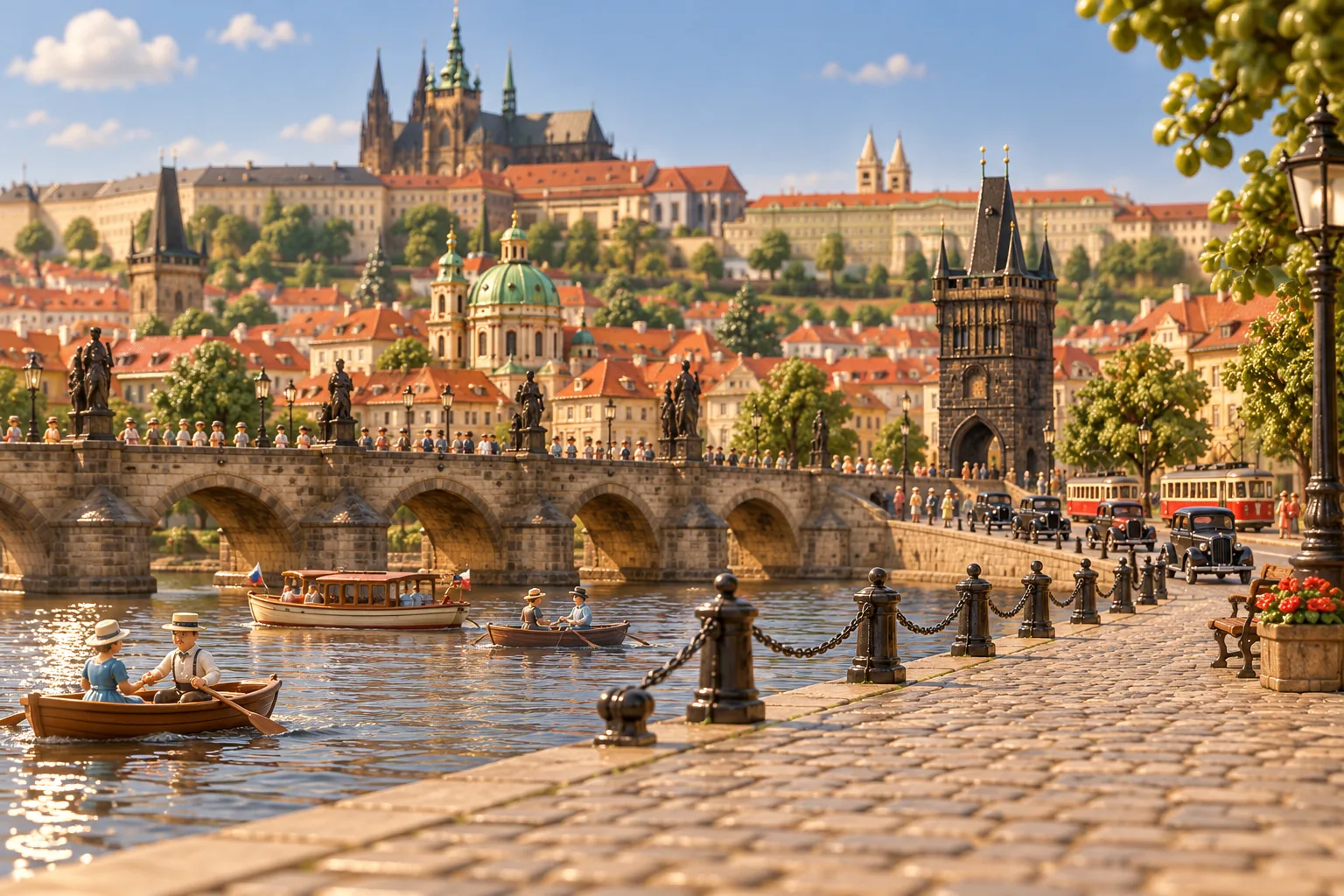
Carved from Austria-Hungary in 1918, it stayed a democracy through the 1930s until Munich handed its borderlands to Hitler.
Czechoslovakia declared independence in 1918 as Austria-Hungary broke up. Its founder Tomáš Garrigue Masaryk, who had won Western support during the war with Edvard Beneš and Milan Rastislav Štefánik, was president from 1918 to 1935. The new state took in some of the most industrialised lands of the old empire, and stayed a democratic republic through the 1930s. Its foreign minister Beneš built the Little Entente with Romania and Yugoslavia. But a large German minority in the Sudetenland grew restless.
The Munich Agreement of 1938 gave the Sudetenland to Nazi Germany. In March 1939 the rest was dismembered: Slovakia became a separate state, Hungary took Carpathian Ruthenia, and the Czech lands became a German protectorate under brutal occupation. Liberated in 1944–45, Czechoslovakia was restored in its old borders except Carpathian Ruthenia, and it expelled about 90 per cent of its ethnic Germans, more than two million people.
The Communists seized power in 1948. In 1968 the Prague Spring of reform was crushed by a Soviet-led invasion. In 1989 the Velvet Revolution, which began on 17 November, peacefully ended communist rule, and on 31 December 1992 the Czech Republic and Slovakia separated peacefully.
Read more on Wikipedia
Sources: en.wikipedia.org/wiki/Czechoslovakia, en.wikipedia.org/wiki/Tatra 77


